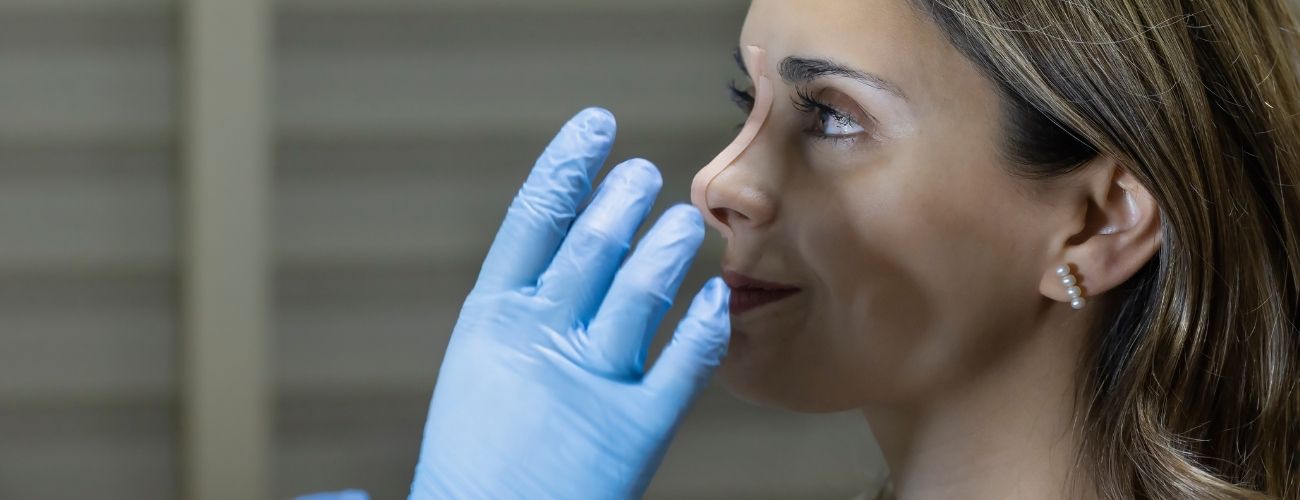
A “nose job,” or rhinoplasty, is a common aesthetic surgical operation that has been around for a while. It aims to make the nose more aesthetically pleasing, more functional, or occasionally both. Recent developments in the field of rhinoplasty include the innovative piezo rhinoplasty. With benefits for both surgeons and patients, this innovative procedure has given the sector fresh vitality.
| Definition | Piezo rhinoplasty is an advanced rhinoplasty technique that uses ultrasonic (piezoelectric) instruments to precisely reshape nasal bones while minimizing injury to surrounding soft tissues. |
| How It Works | Piezoelectric devices produce ultrasonic vibrations that selectively cut bone without damaging nearby cartilage, blood vessels, nerves, or soft tissue. |
| Primary Purpose | The technique is used to perform highly accurate bone modifications during cosmetic or functional rhinoplasty, including narrowing the nasal bridge, correcting asymmetry, and smoothing bony irregularities. |
| Advantages | Greater surgical precision, more controlled bone cuts, reduced trauma to surrounding tissues, improved preservation of nasal structures, and potentially more predictable results. |
| Reduced Swelling and Bruising | Because the surrounding soft tissues are better preserved, many patients experience less postoperative swelling and bruising compared with conventional bone-cutting techniques. |
| Bone Reshaping | Piezo technology allows surgeons to sculpt, thin, or reposition nasal bones with greater accuracy than traditional osteotomes in many cases. |
| Functional Benefits | The technique may help preserve nasal support and contribute to improved breathing when incorporated into functional rhinoplasty procedures, depending on the underlying condition. |
| Applications | Commonly used for dorsal hump reduction, narrowing a wide nasal bridge, correcting crooked noses, revision rhinoplasty, and reconstructive nasal surgery. |
| Suitability for Revision Surgery | Piezo rhinoplasty can be particularly valuable in revision rhinoplasty because precise bone work is often required in noses with altered anatomy and scar tissue. |
| Recovery | Many patients report a more comfortable recovery with less bruising and swelling, although overall healing time remains similar to conventional rhinoplasty and final results may still require 12–18 months to fully develop. |
| Limitations | Piezo technology primarily treats bone. Cartilage reshaping, tip refinement, septal correction, and graft placement still require conventional rhinoplasty techniques. |
| Potential Risks | Risks are generally similar to those of traditional rhinoplasty and include bleeding, infection, swelling, asymmetry, breathing difficulties, scarring, and the possibility of revision surgery. |
| Scientific Evidence | Clinical studies suggest Piezo rhinoplasty is associated with reduced soft tissue trauma, decreased postoperative bruising, and improved precision in bone remodeling compared with conventional osteotomy techniques, although overall surgical success also depends on technique and patient factors. |
| Overall Conclusion | Piezo rhinoplasty is a modern bone-cutting technique that can improve the precision of rhinoplasty while reducing tissue trauma. It complements rather than replaces traditional rhinoplasty methods, as cartilage and soft tissue modifications are still performed using conventional surgical techniques. |
The Essence of Piezo Rhinoplasty
Piezo rhinoplasty is a complex procedure that accurately shapes the bones during the rhinoplasty procedure using ultrasonic technology. Piezo rhinoplasty uses ultrasonic vibrations for fine, controlled incisions, as opposed to conventional rhinoplasty techniques, which frequently use manual instruments or osteotomes for altering the nasal bone. Numerous benefits are introduced by this invention, completely changing the way nose jobs are performed.
Precision and Safety
Piezo rhinoplasty is known for its accuracy. The ultrasonic vibrations provide doctors the ability to precisely sculpt and remodel the nasal bones. The chance of accidental fractures or harm to the surrounding tissues is greatly reduced by this precision, making the surgery much safer. Patients can undergo surgery with confidence because they know their surgeon can achieve the desired results while preventing problems.
Reduced Trauma and Swelling
The manual breaking and repositioning of the nasal bones used in traditional rhinoplasty techniques can result in considerable damage and post-operative edema. Piezo rhinoplasty, in comparison, causes the least amount of tissue stress, resulting in less edema and a quicker recovery. Patients who get Piezo rhinoplasty frequently have less post-operative pain and a faster recovery period, allowing them to get back to their regular routines sooner.
Tailored and Natural Outcomes
The surgical procedure can be more customized with Piezo rhinoplasty. While maintaining the structural integrity of the nose, surgeons can precisely modify the nasal bones to match the patient’s vision. The outcomes will look natural and in tune with the person’s face features thanks to this level of personalization. Piezo rhinoplasty is the doorway to exquisite, unique outcomes, whether the goal is to shorten the nostrils, refine the bridge, or fix a deviated septum.Preservation of
Nasal Structures
The preservation of nasal structures is important in Piezo rhinoplasty. The highly targeted and regulated nature of ultrasonic vibrations allows surgeons to perform delicate operations with a minimum amount of harm to the surrounding tissues and cartilage. This factor is especially important for protecting nasal airways and ensuring normal breathing function. Thus, Piezo rhinoplasty is a complete procedure that gives patients both increased nose functionality and aesthetic improvements.
Minimal Bruising and Scarring
Piezo rhinoplasty can lessen post-surgery bruising and scarring, which are common worries. Ultrasonic bone sculpting is delicate and accurate, which lowers the possibility of severe bleeding and bruising and promotes a more visually pleasing healing process. Additionally, the less scarring that results from the smaller incisions needed with Piezo rhinoplasty improves the aesthetic results.
Outcome
In the field of nose surgery, Piezo rhinoplasty marks a major advance. It is a desirable option for both patients and surgeons due to its precision, safety, reduced trauma, and customization capabilities. Patients can anticipate Piezo rhinoplasty results that are not only more realistic in appearance but also a quicker recovery and an overall higher degree of satisfaction with their rhinoplasty adventure. Piezo rhinoplasty is proof that innovation has the capacity to influence the direction of nose surgery in the future, promising greater results and improved patient experiences.
Frequently Asked Questions
How does Piezo rhinoplasty improve the results of nose job surgery?
What are the advantages of improving nose job surgery with Piezo rhinoplasty?
Who is an ideal candidate for improving nose job surgery with Piezo rhinoplasty?
Can Piezo rhinoplasty improve breathing as well as the appearance of the nose?
Is recovery easier after improving nose job surgery with Piezo rhinoplasty?
What are the potential risks of improving nose job surgery with Piezo rhinoplasty?
How long does it take to see the final results after Piezo rhinoplasty?
Is Piezo rhinoplasty suitable for complex revision nose job surgery?
Does Piezo rhinoplasty replace traditional rhinoplasty techniques completely?
How do I choose the right surgeon for Piezo rhinoplasty?
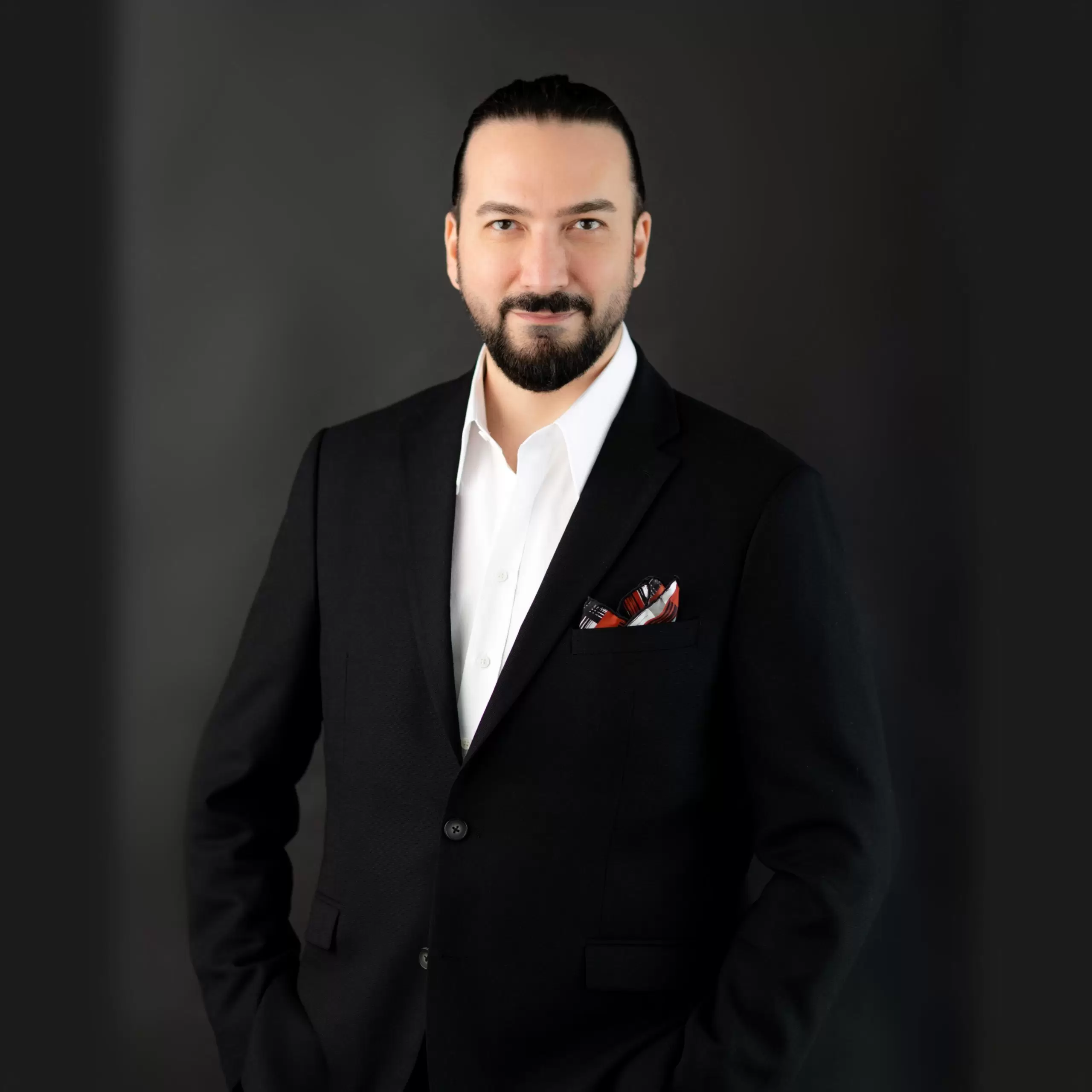
Prof. Dr. Murat Songu – Rhinoplasty (Nose Aesthetics) Specialist
Prof. Dr. Murat Songu was born in 1976 in Izmir and completed his medical education at the Ege University Faculty of Medicine. He then completed his residency training in the Department of Otorhinolaryngology at Celal Bayar University. Between 2005 and 2006, he received advanced training in rhinoplasty, functional nasal surgery, and skull base surgery in Bordeaux, France, working with leading rhinologists such as Prof. Vincent Darrouzet and Dr. Guy Lacher.
Prioritizing natural appearance, the preservation of breathing function, and facial aesthetic harmony, Prof. Dr. Songu is nationally and internationally recognized for his expertise in open rhinoplasty, piezo (ultrasonic) rhinoplasty, revision rhinoplasty, tipplasty, and functional septorhinoplasty. He has participated as an instructor and speaker at numerous rhinoplasty congresses worldwide.
With over 100 scientific publications, book chapters, and more than 1700 citations, Prof. Dr. Murat Songu is one of Türkiye’s most respected academics in the field of rhinoplasty, combining natural, facially harmonious, and functional results with scientific and aesthetic excellence.