
 Türkçe
 Deutsch
 Nederlands

Non-surgical nose job, also referred to as a liquid nose job or nonsurgical nose job, is a cosmetic procedure that offers an alternative to surgical intervention for individuals seeking to enhance the appearance of their nose. This technique utilizes injectable dermal fillers to temporarily modify the shape and contour of the nose, addressing concerns such as bumps, asymmetry, and the nasal bridge. Unlike traditional rhinoplasty, non-surgical nose jobs do not involve incisions, resulting in minimal downtime and immediate results. However, it is important to note that this procedure has limitations and is not suitable for individuals seeking major structural changes to their nose.

Turkey's Rhinoplasty Doctor
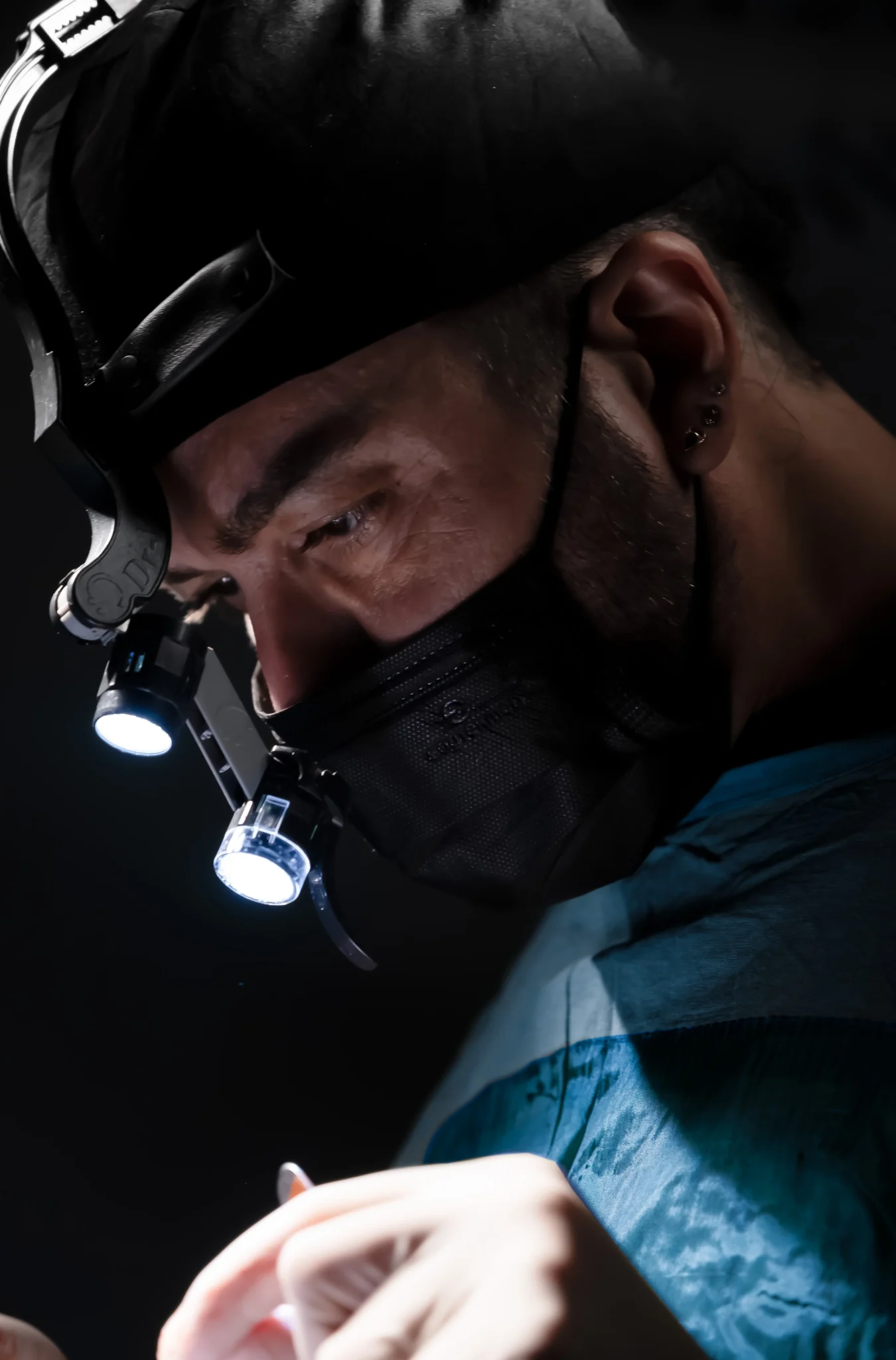
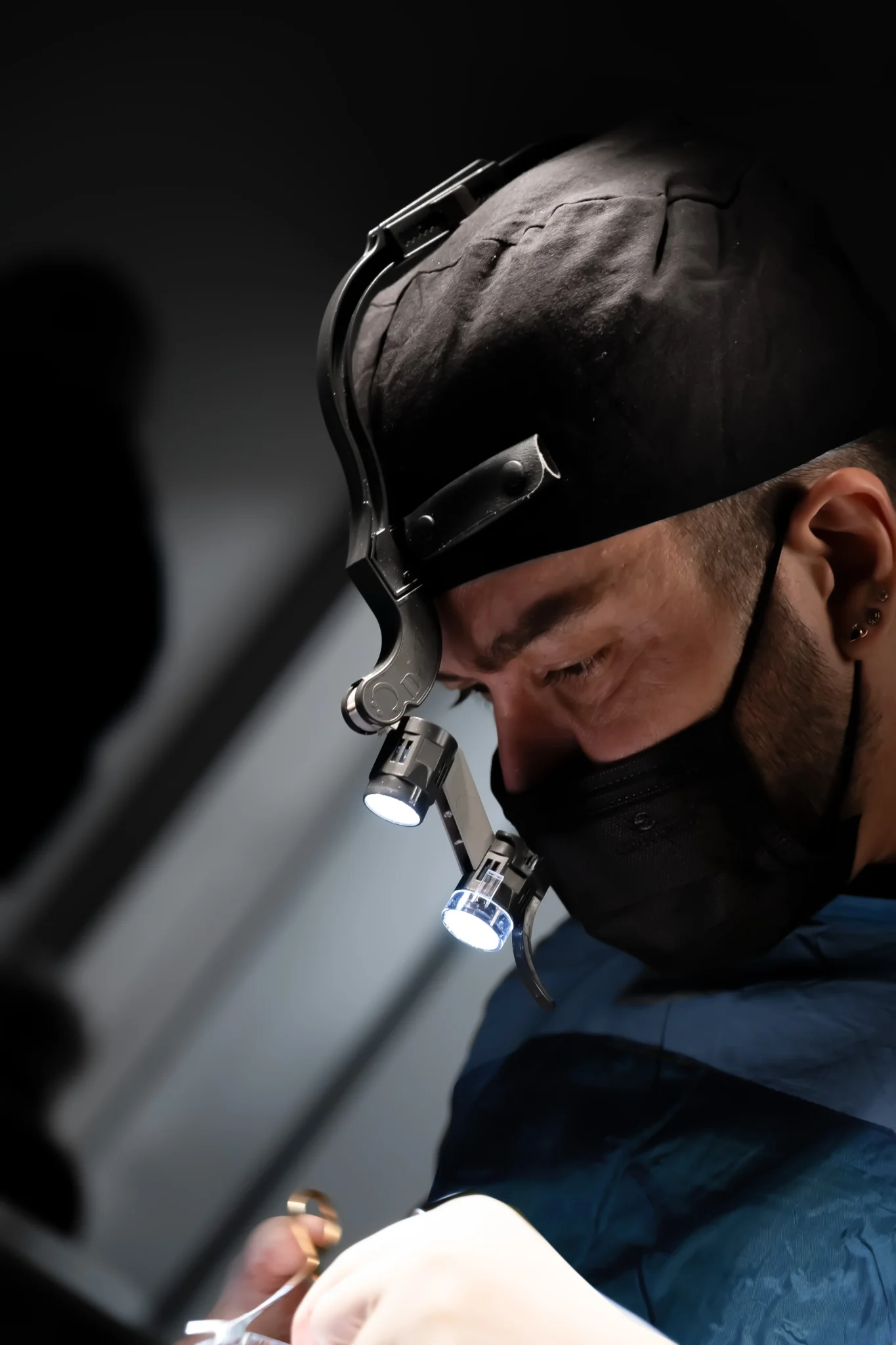
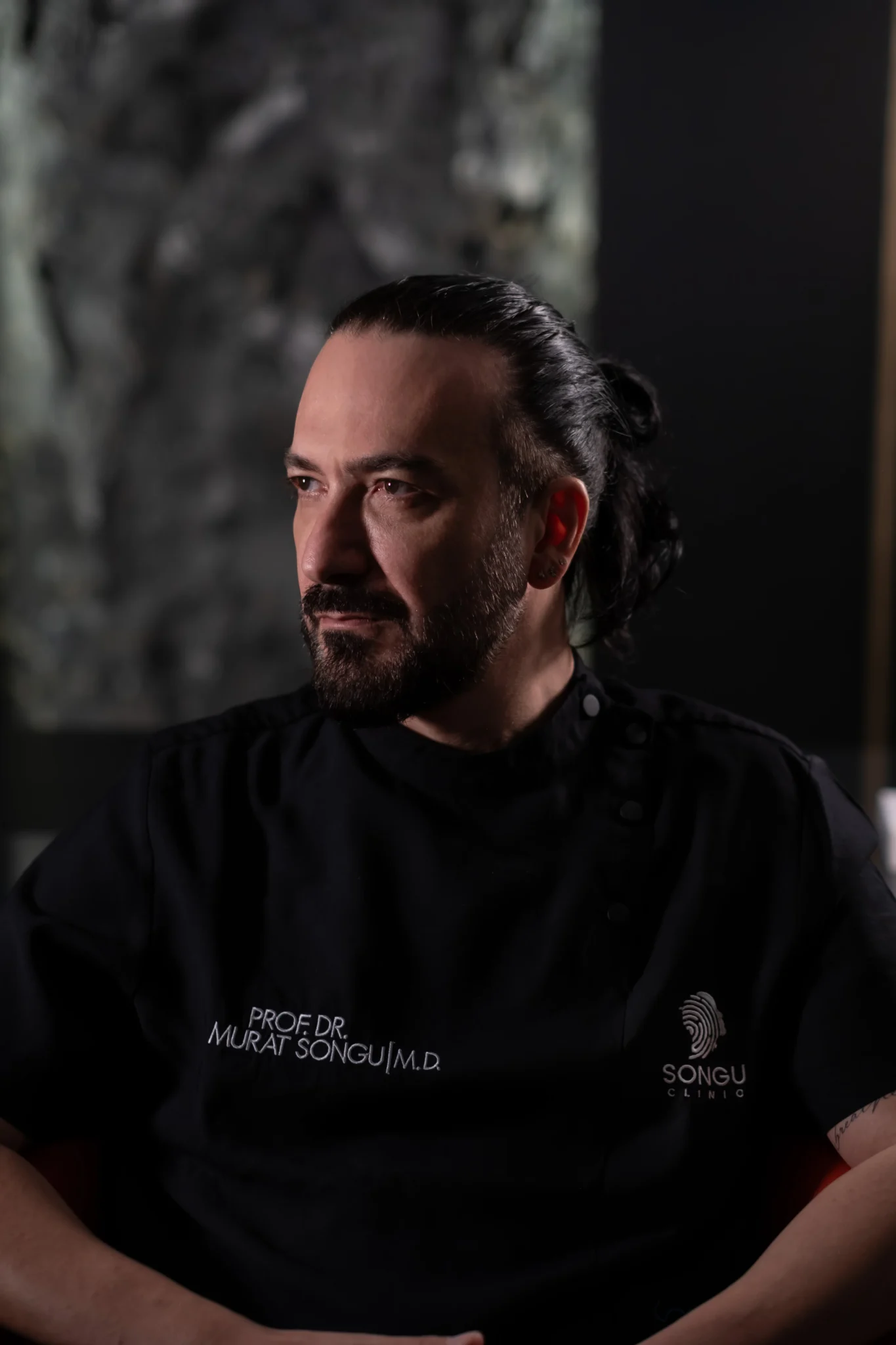
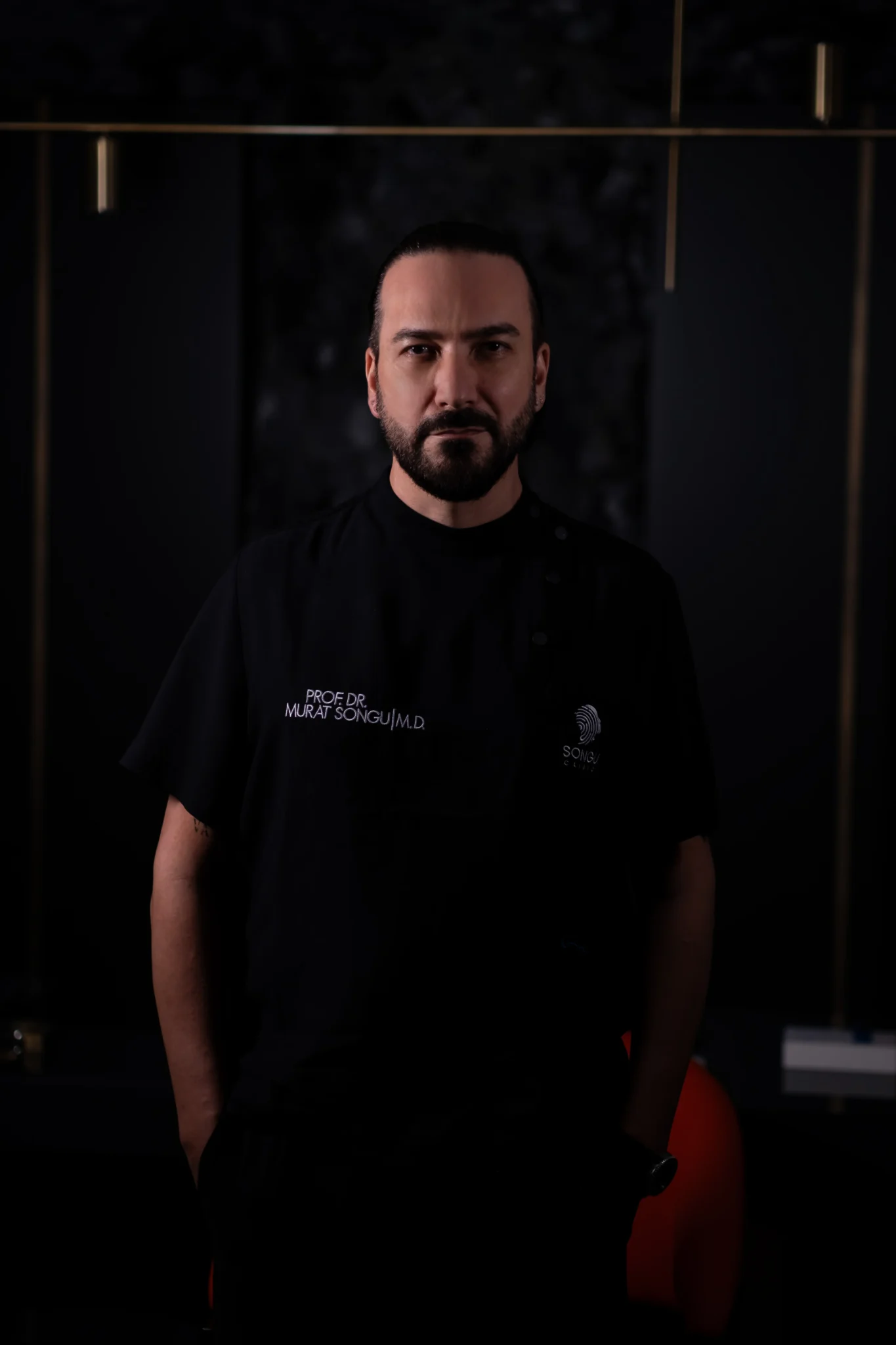
Prof. Dr. Murat Songu
Revision Rhinoplasty Specialist
Born in İzmir in 1976, Prof. Dr. Murat Songu entered İzmir Atatürk High School and then, in 1994, started at Ege University Faculty of Medicine. He completed his specialty training in Ear, Nose, and Throat Diseases at Celal Bayar University. In 2005, he worked on rhinology and otologic surgery in Bordeaux, France, at St. Augustin Clinic with Dr. Guy Lacher and at Bordeaux University with Prof. Vincent Darrouzet.

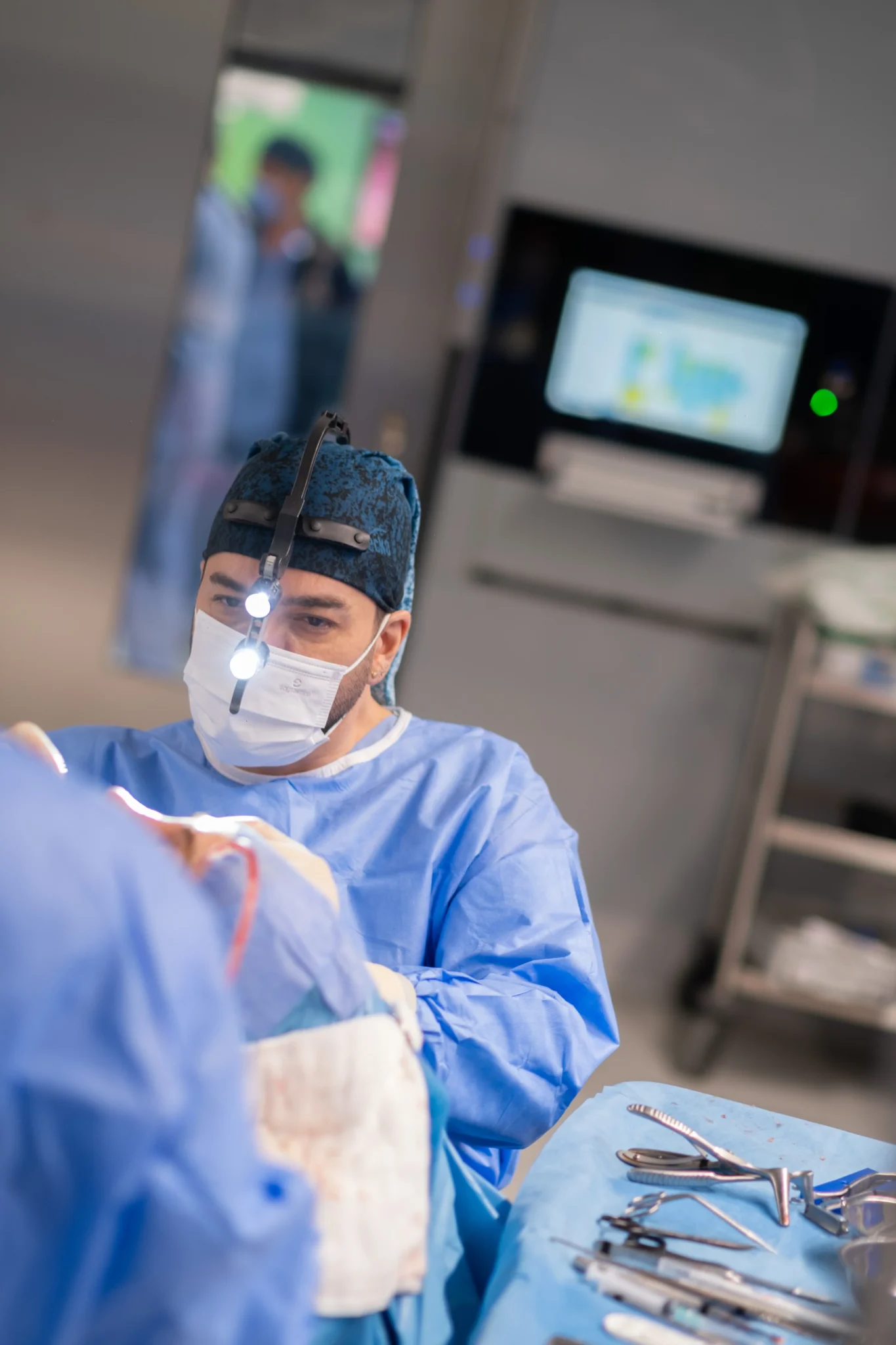


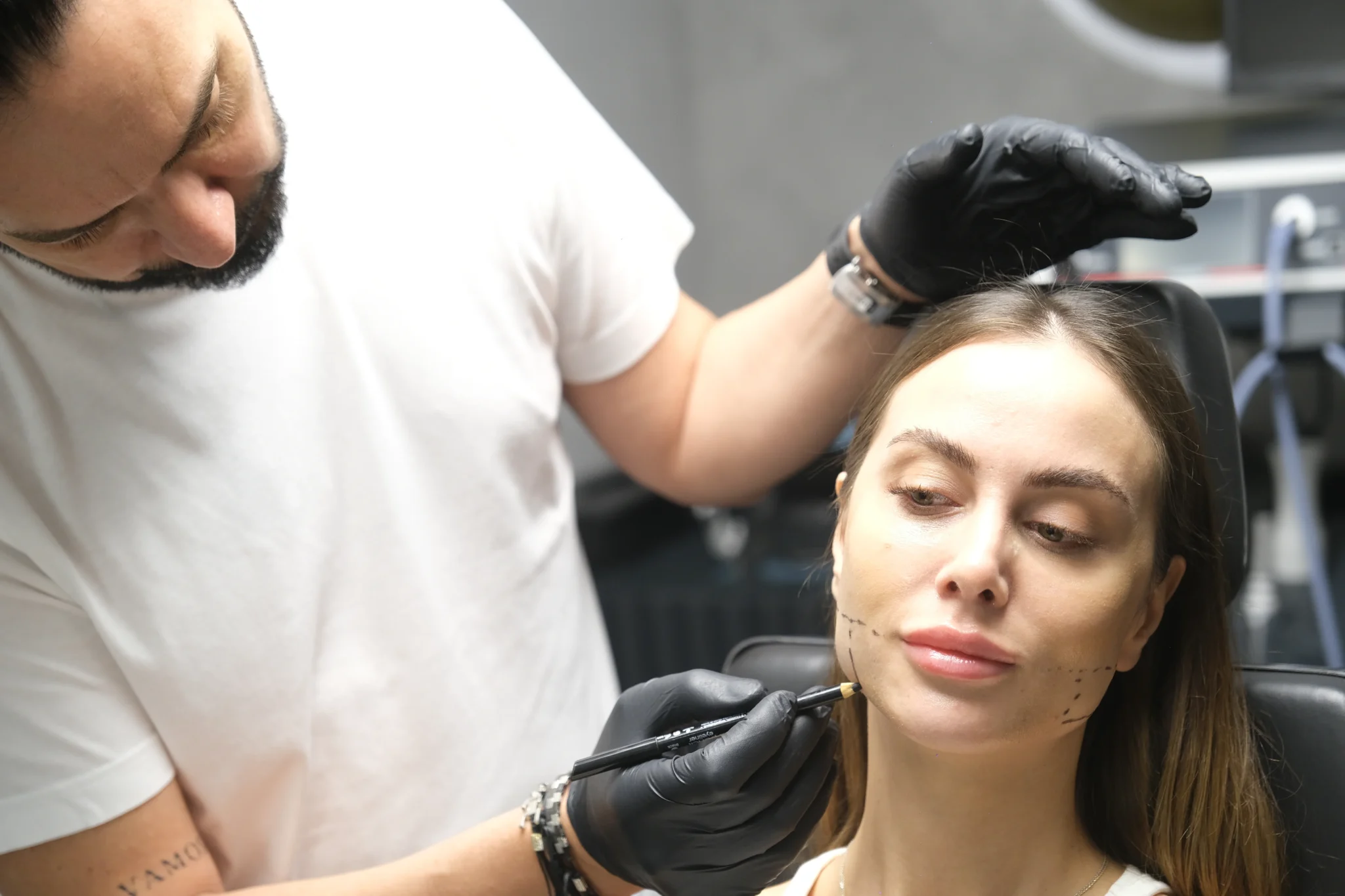
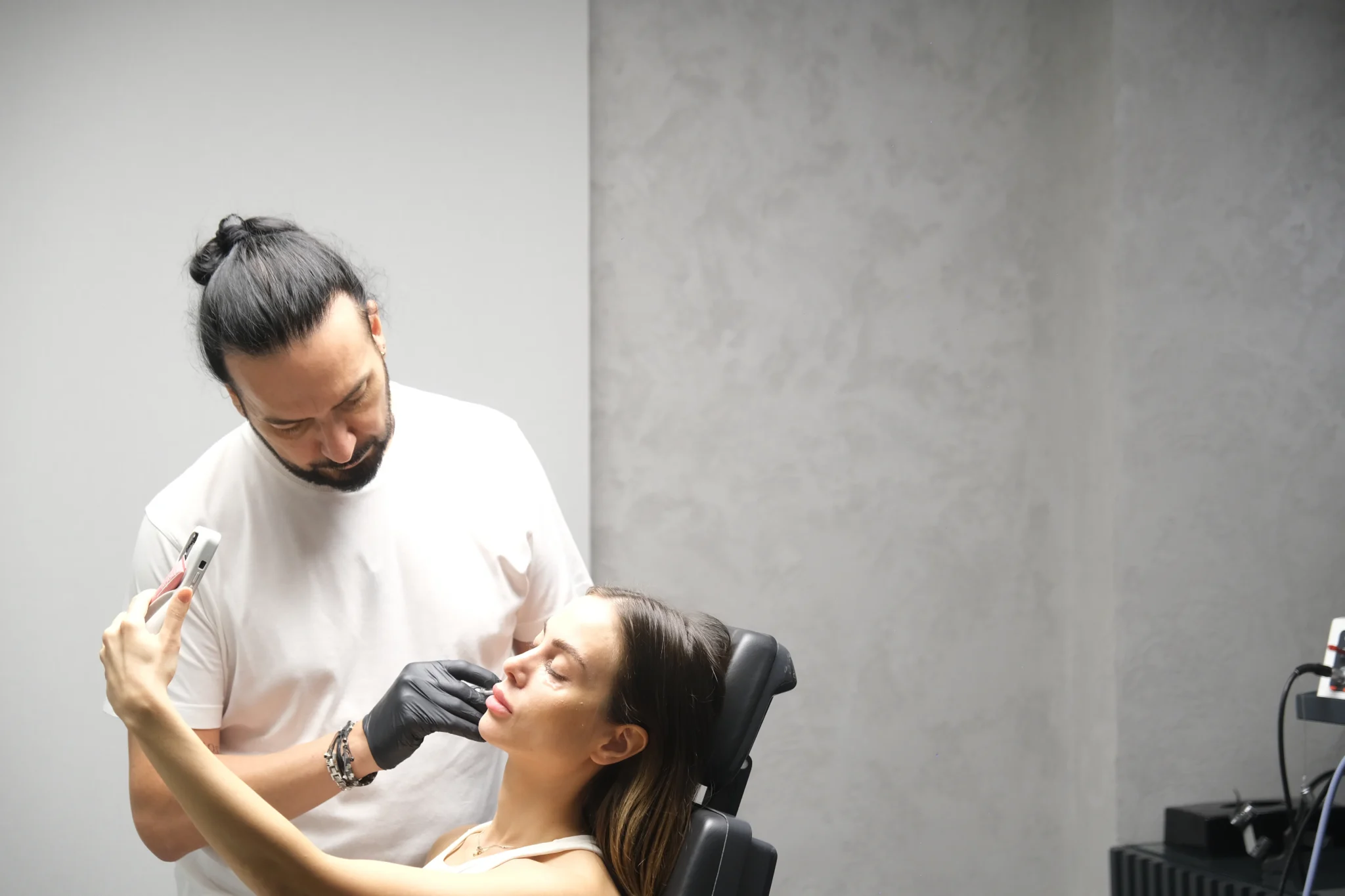
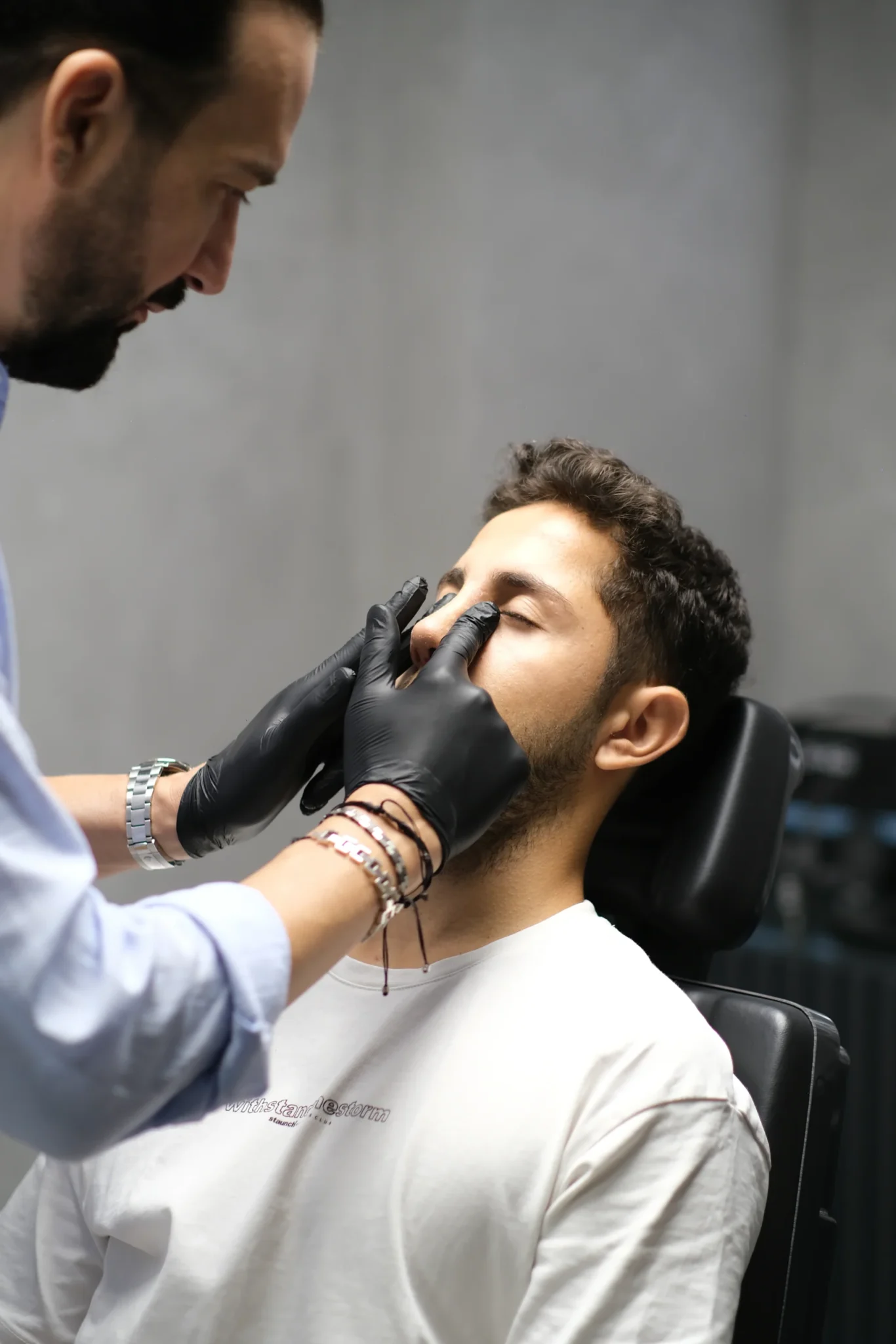
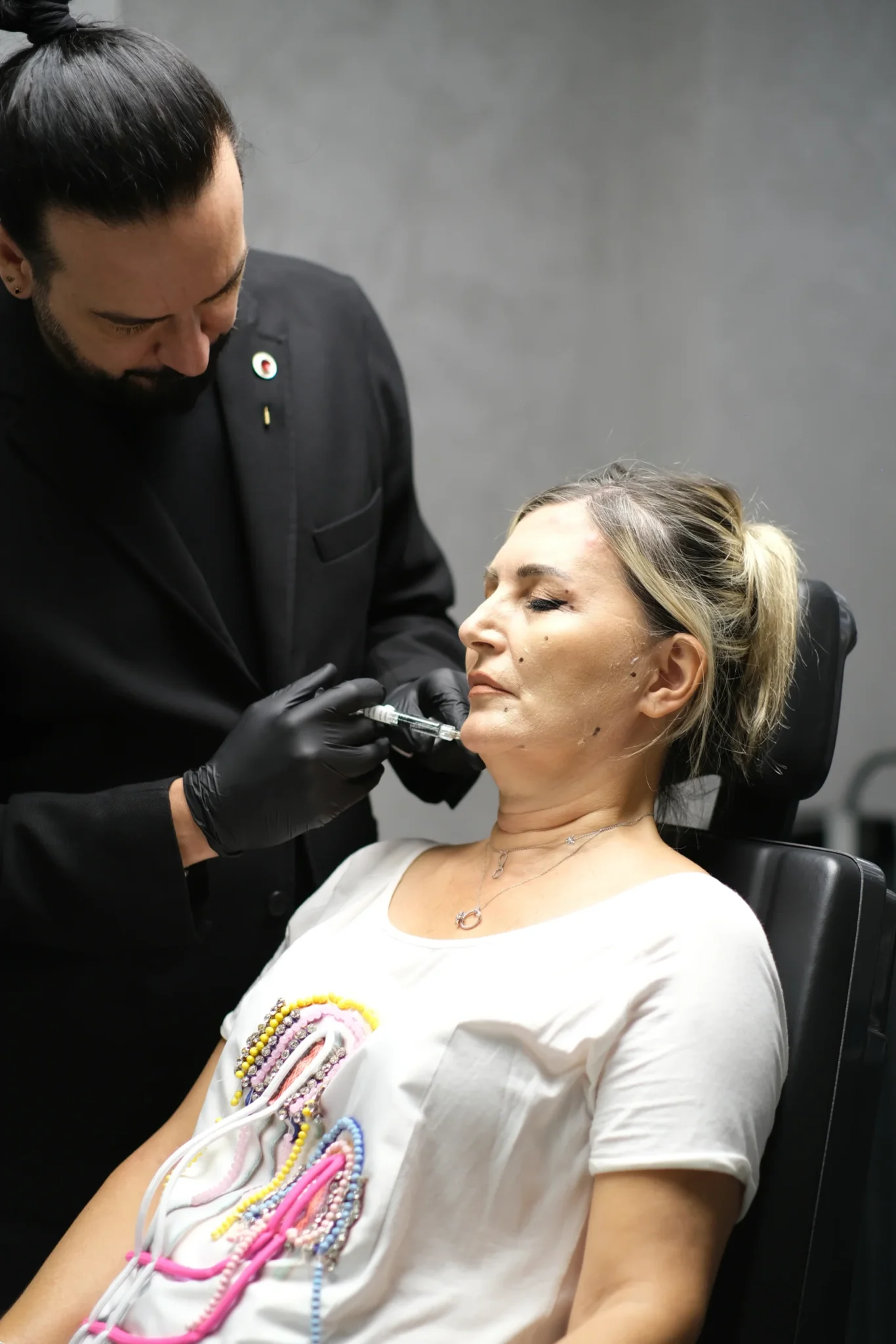
| Procedure Name | Non-Surgical Nose Job (Liquid Rhinoplasty) |
| Definition | A minimally invasive cosmetic procedure that uses injectable dermal fillers to temporarily reshape the nose without surgery. It enhances contours by adding volume rather than removing tissue. |
| Primary Goals | Improve nasal symmetry, camouflage minor dorsal humps, enhance the nasal bridge, refine the nasal tip, and create a more balanced facial appearance. |
| Common Candidates | Individuals with mild cosmetic nasal concerns who do not require structural correction and prefer a temporary, non-surgical option. |
| Areas Commonly Addressed | Nasal bridge, radix (upper nasal bridge), dorsal irregularities, nasal tip, and selected contour depressions. |
| Materials Commonly Used | Hyaluronic acid (HA) dermal fillers are most commonly used because they are reversible with hyaluronidase if necessary. Other filler materials may be used in selected cases depending on clinical judgment. |
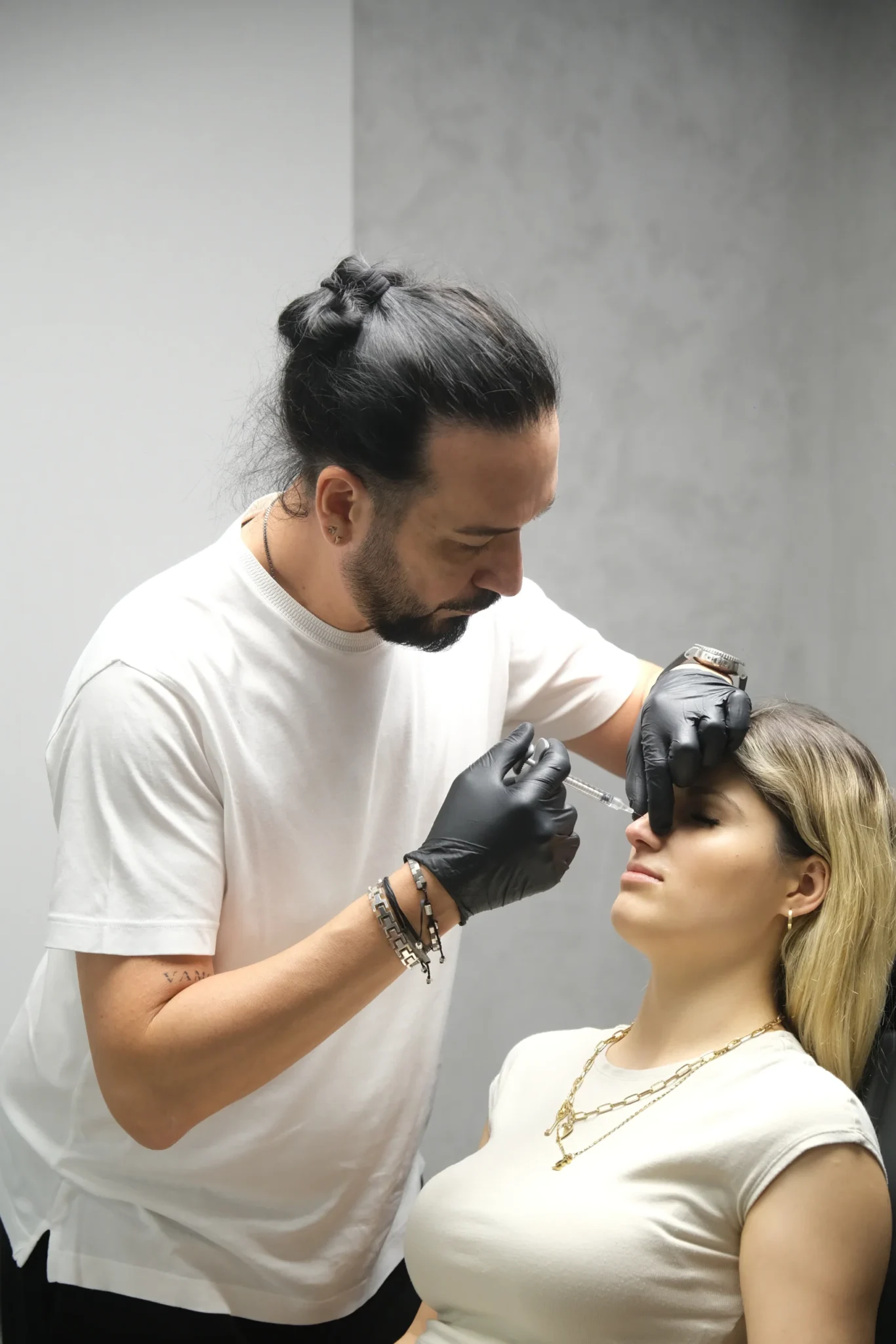
| Procedure Technique | Small amounts of filler are strategically injected into specific areas of the nose to improve contour, symmetry, and projection while maintaining facial harmony. |
| Anesthesia | Usually performed with topical anesthetic cream or local anesthetic, although some fillers contain lidocaine to improve comfort during the procedure. |
| Incisions | No surgical incisions are required. The procedure is performed using a fine needle or blunt-tipped cannula. |
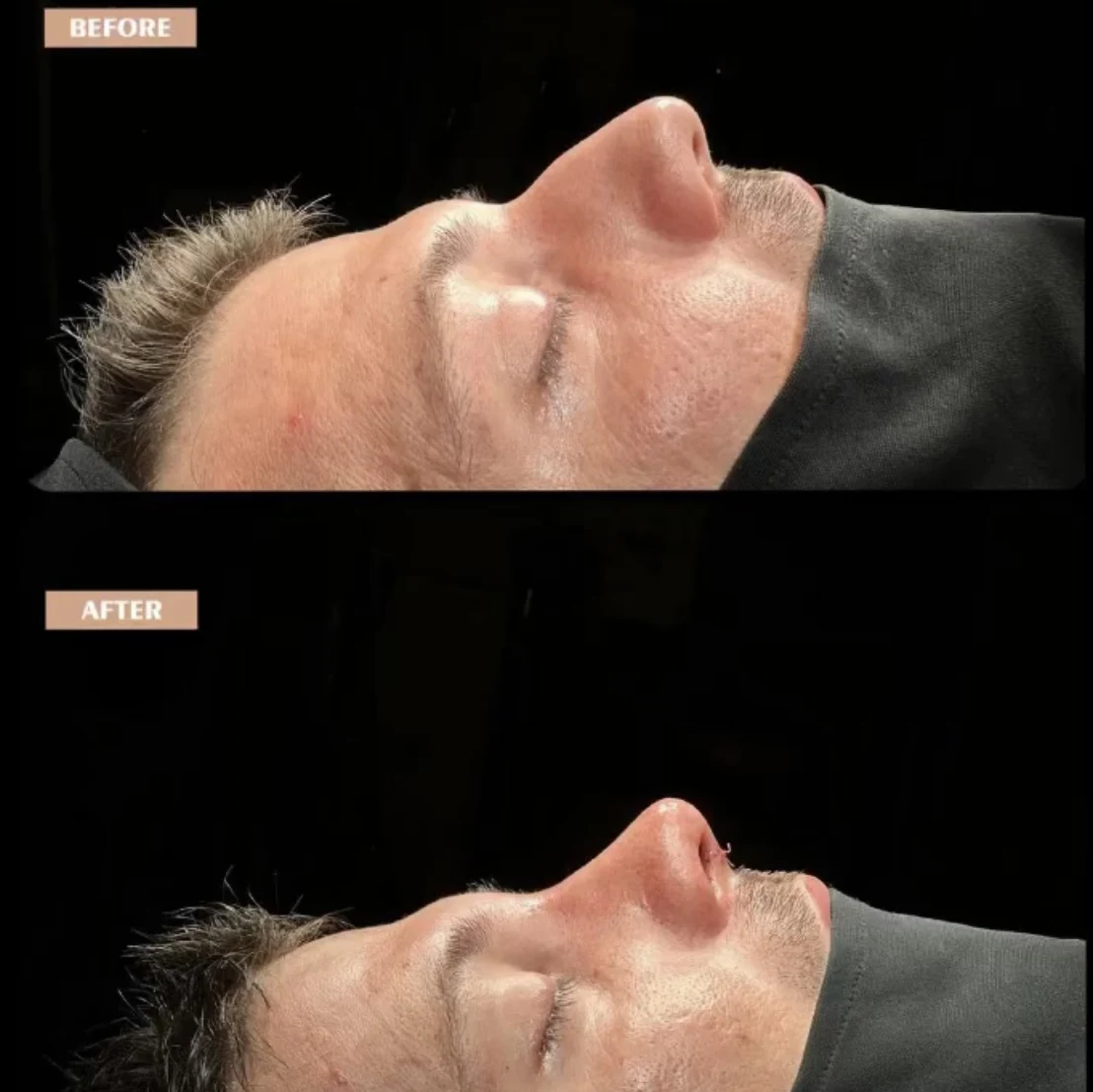
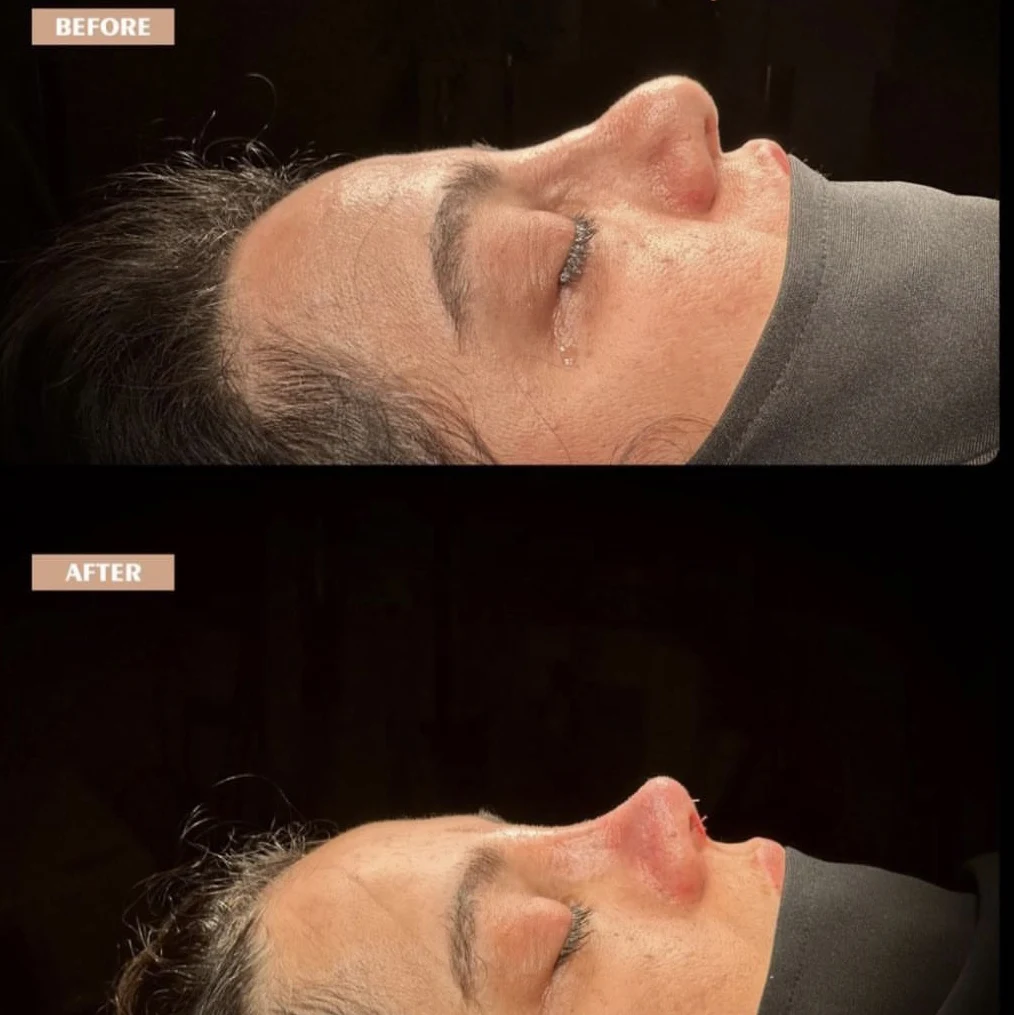
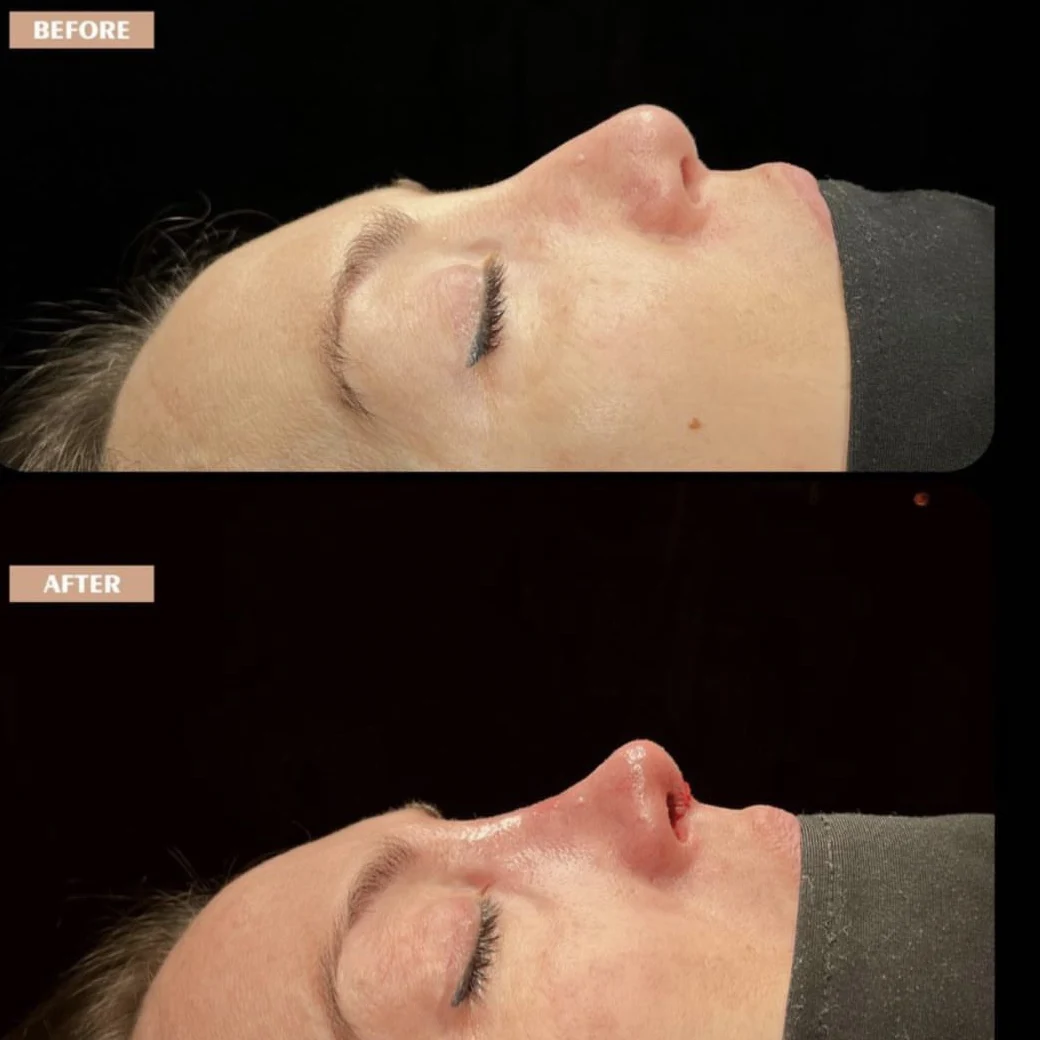
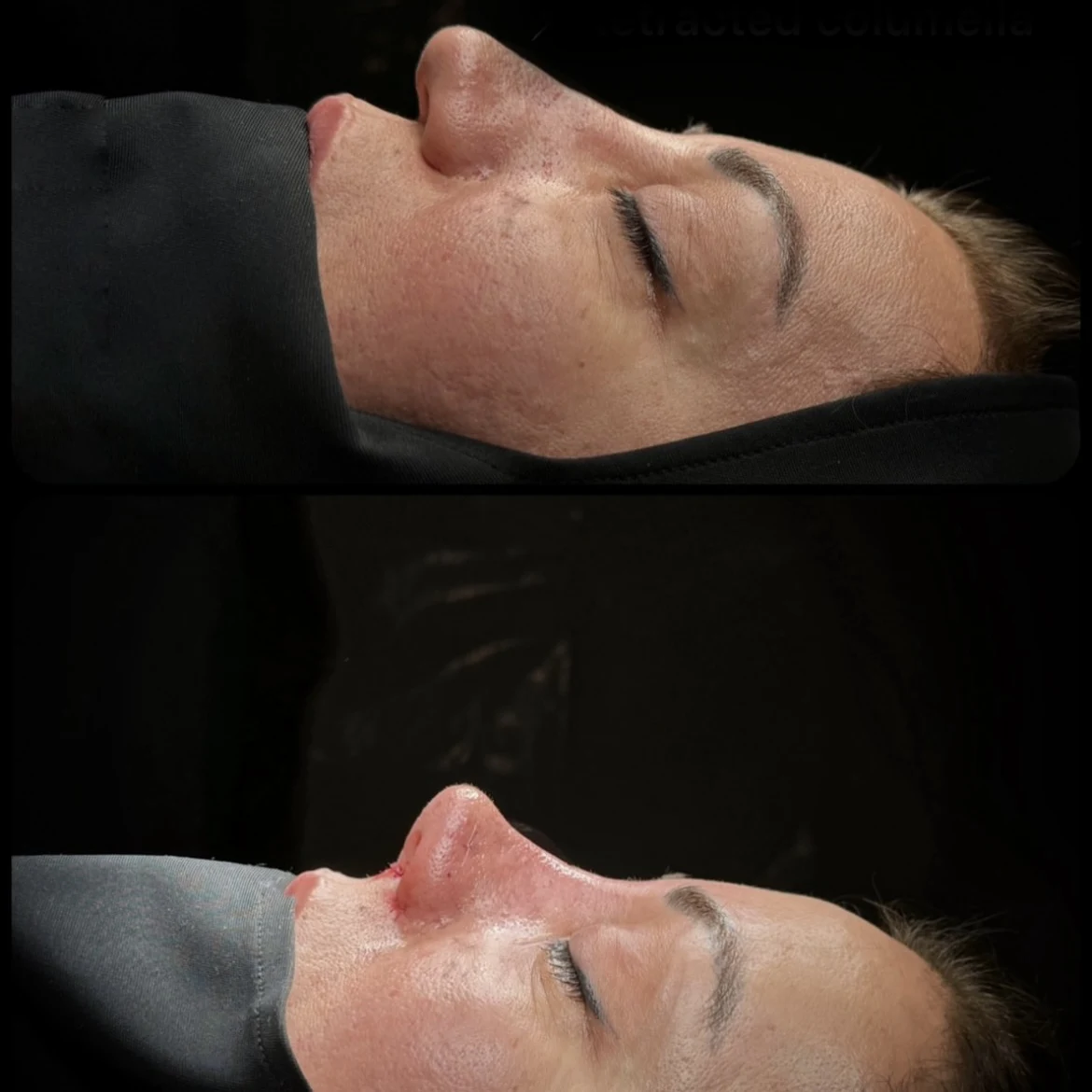
| Expected Aesthetic Changes | A straighter nasal profile, smoother bridge, improved symmetry, enhanced tip definition, and correction of minor contour irregularities. |
| Functional Considerations | The procedure is intended for cosmetic enhancement only and does not improve nasal breathing or correct internal structural abnormalities. |
| Procedure Duration | Commonly completed within 15–45 minutes, depending on the complexity of the treatment. |
| Recovery Period | Most individuals resume normal daily activities immediately or within 24 hours. Minor swelling or redness usually resolves within a few days. |
| Common Temporary Effects | Mild swelling, redness, tenderness, bruising, and temporary sensitivity at the injection sites. |
| Potential Risks | Bruising, swelling, asymmetry, filler migration, infection, skin discoloration, vascular occlusion, skin necrosis, and, in rare cases, vision loss due to accidental injection into blood vessels. |
| Post-Procedure Care | Patients are generally advised to avoid pressure on the nose, strenuous exercise, excessive heat exposure, alcohol consumption, and wearing heavy glasses for the first 24–48 hours, according to the provider’s recommendations. |
| Advantages | No surgery, no general anesthesia, minimal downtime, immediate visible results, reversible when hyaluronic acid fillers are used, and suitable for selected minor cosmetic corrections. |
| Limitations | Cannot reduce the size of the nose, remove a large hump, correct significant asymmetry, improve nasal breathing, or permanently alter nasal structure. Results are temporary and require maintenance treatments. |
| Longevity of Results | Results typically last between 6 and 18 months, depending on the filler type, injection technique, treatment area, and individual metabolism. |
| Medical Significance | Non-surgical nose reshaping is a cosmetic procedure rather than a functional treatment. Due to the nose’s complex blood supply, it should only be performed by experienced medical professionals with detailed knowledge of nasal vascular anatomy. |
What Is Non-Surgical Nose Job?
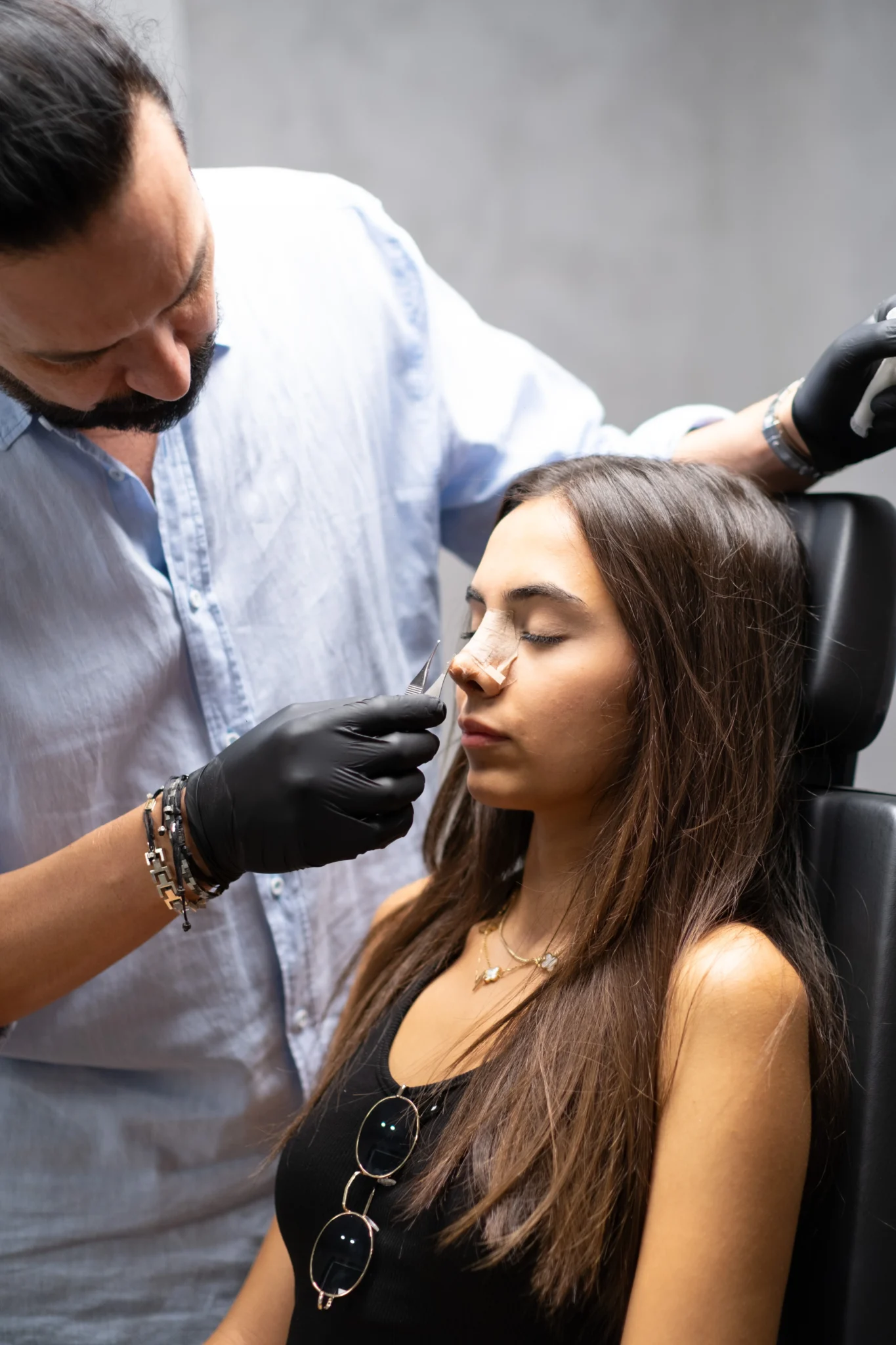
A non-surgical nose job, also known as a liquid nose job or nonsurgical rhinoplasty, is a cosmetic procedure that utilizes injectable dermal fillers to alter the shape and appearance of the nose. It provides an alternative to surgical rhinoplasty, offering temporary results without the need for incisions or extensive recovery time. This non-invasive procedure is particularly suitable for individuals seeking minor adjustments to their nasal profile, such as smoothing out bumps, enhancing the nasal tip, or achieving a more symmetrical look.
The dermal fillers used in non-surgical nose jobs can add volume, contour the nose, and create a more balanced aesthetic. However, it is important to note that this procedure has its limitations and may not be suitable for those seeking major structural changes to the nose.
Before & After Gallery
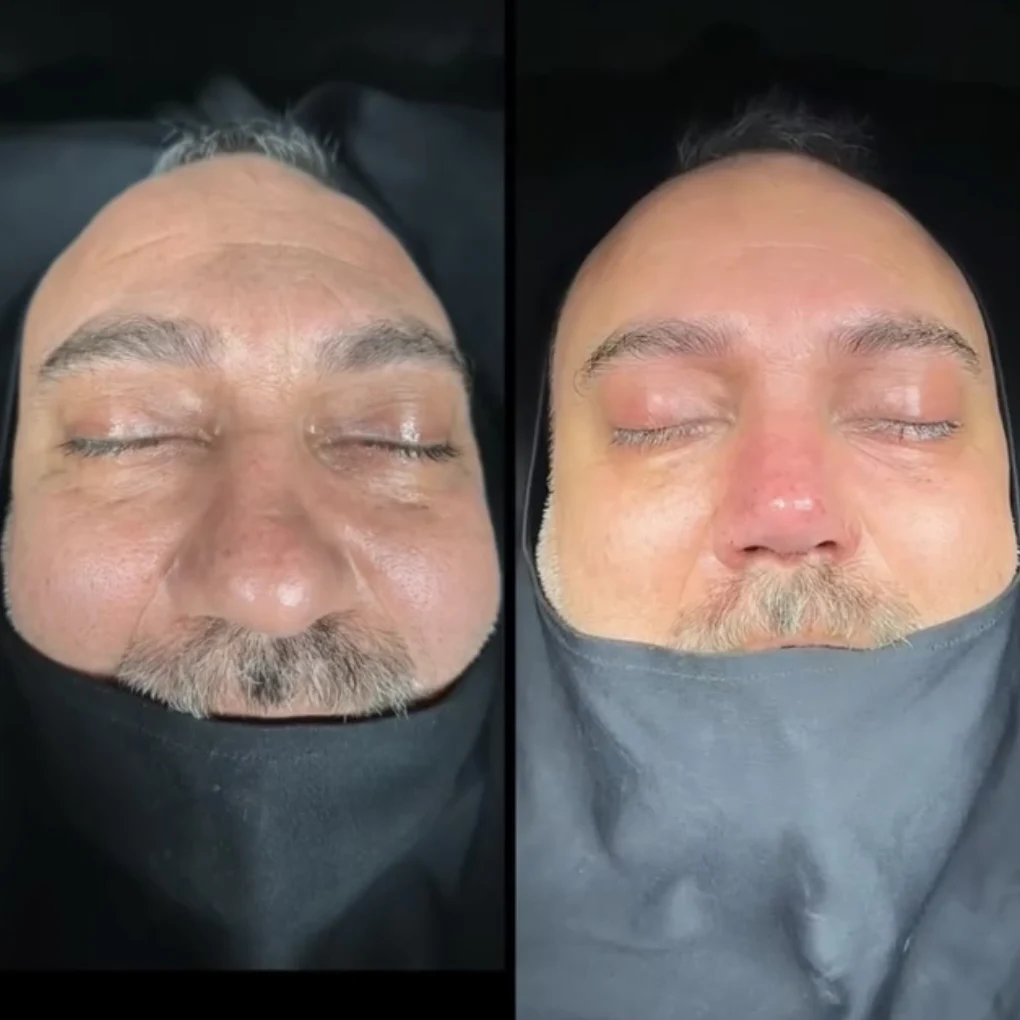
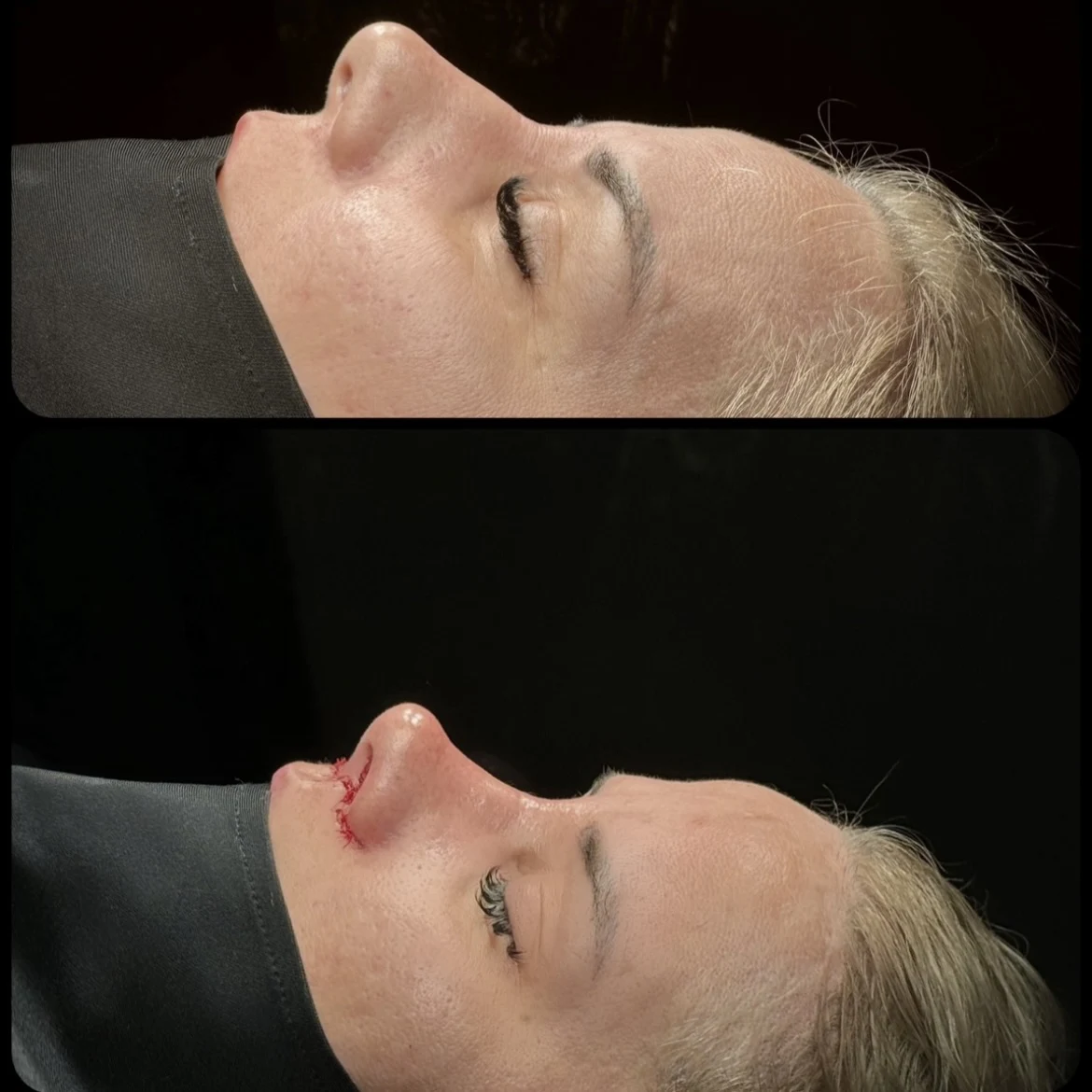
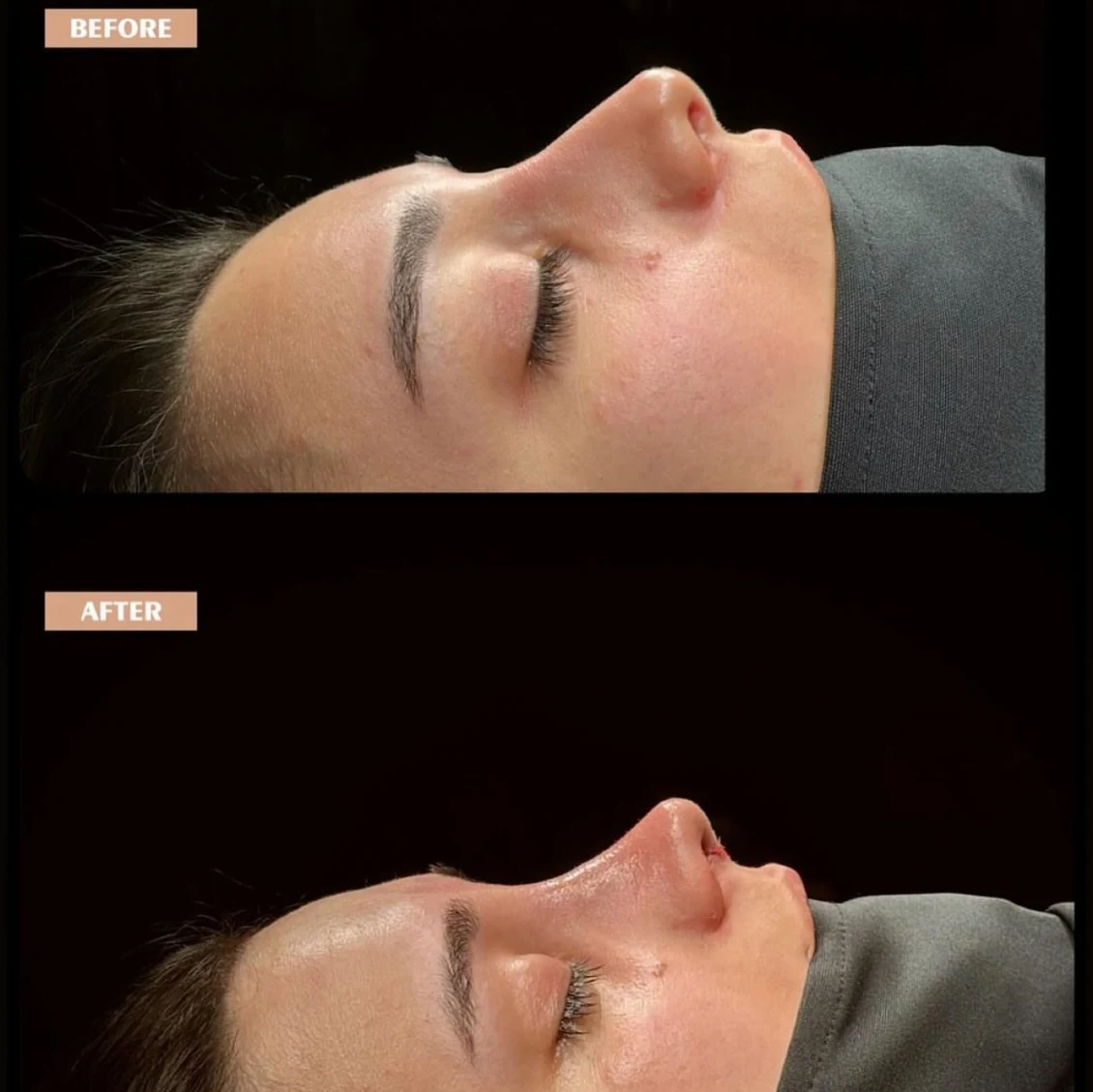
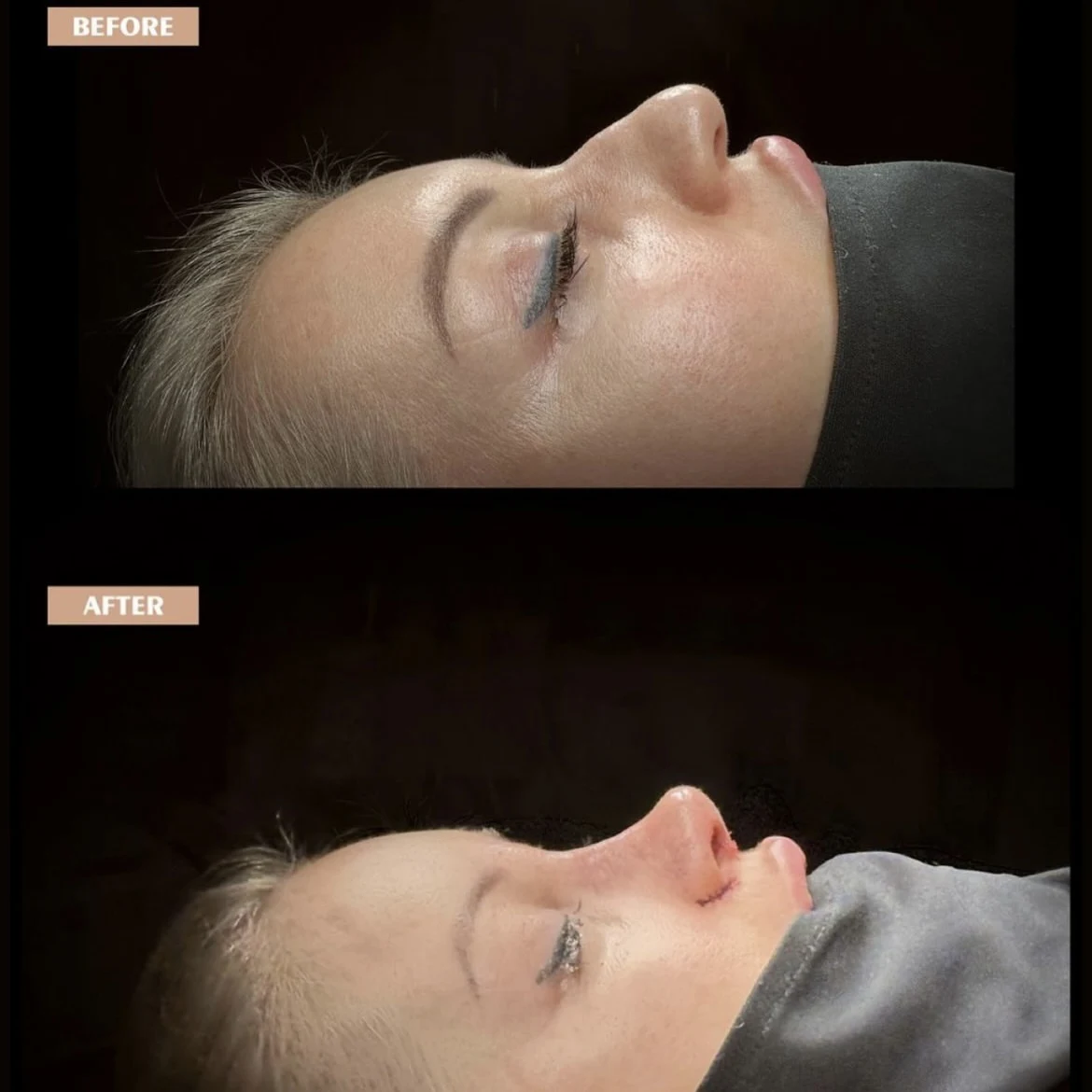
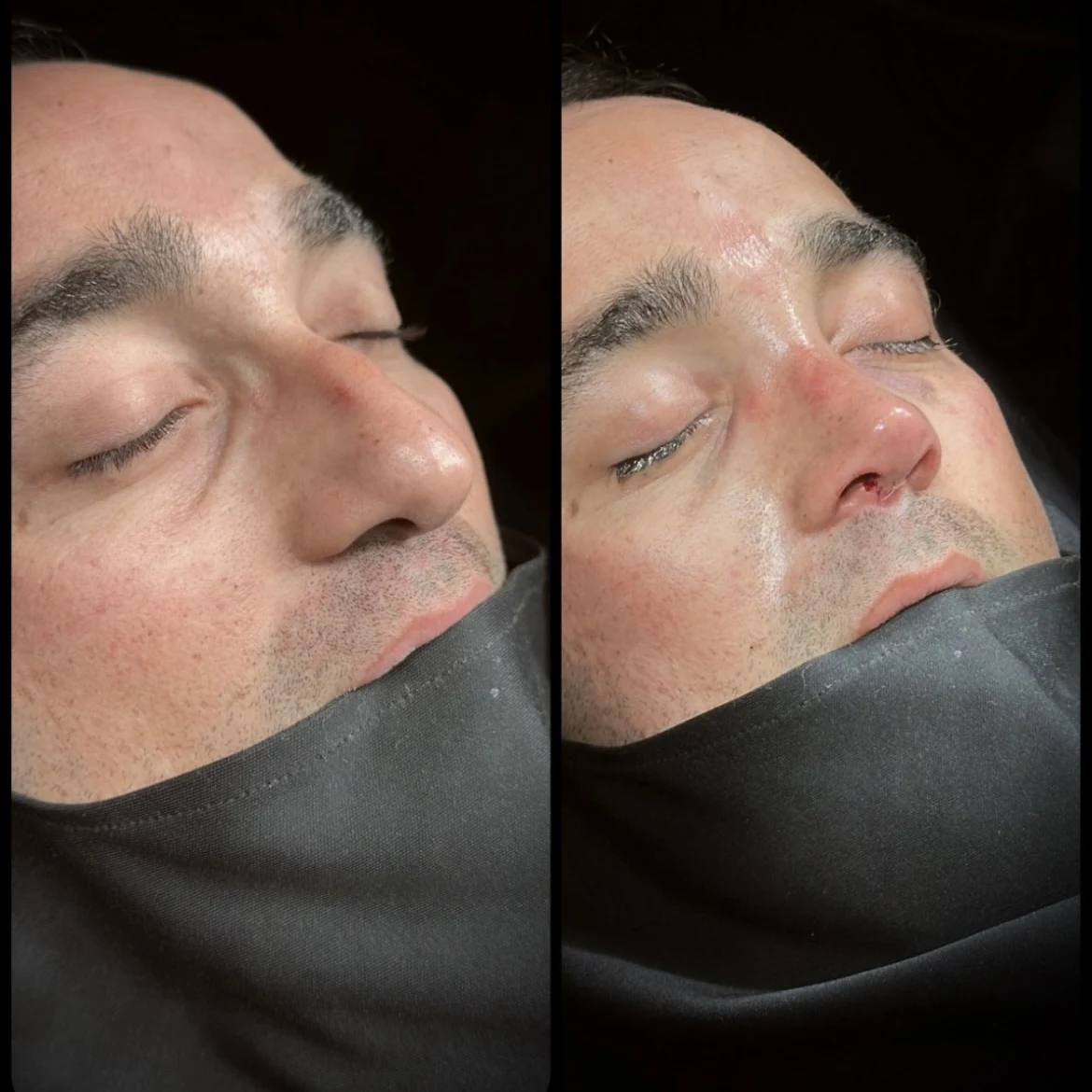
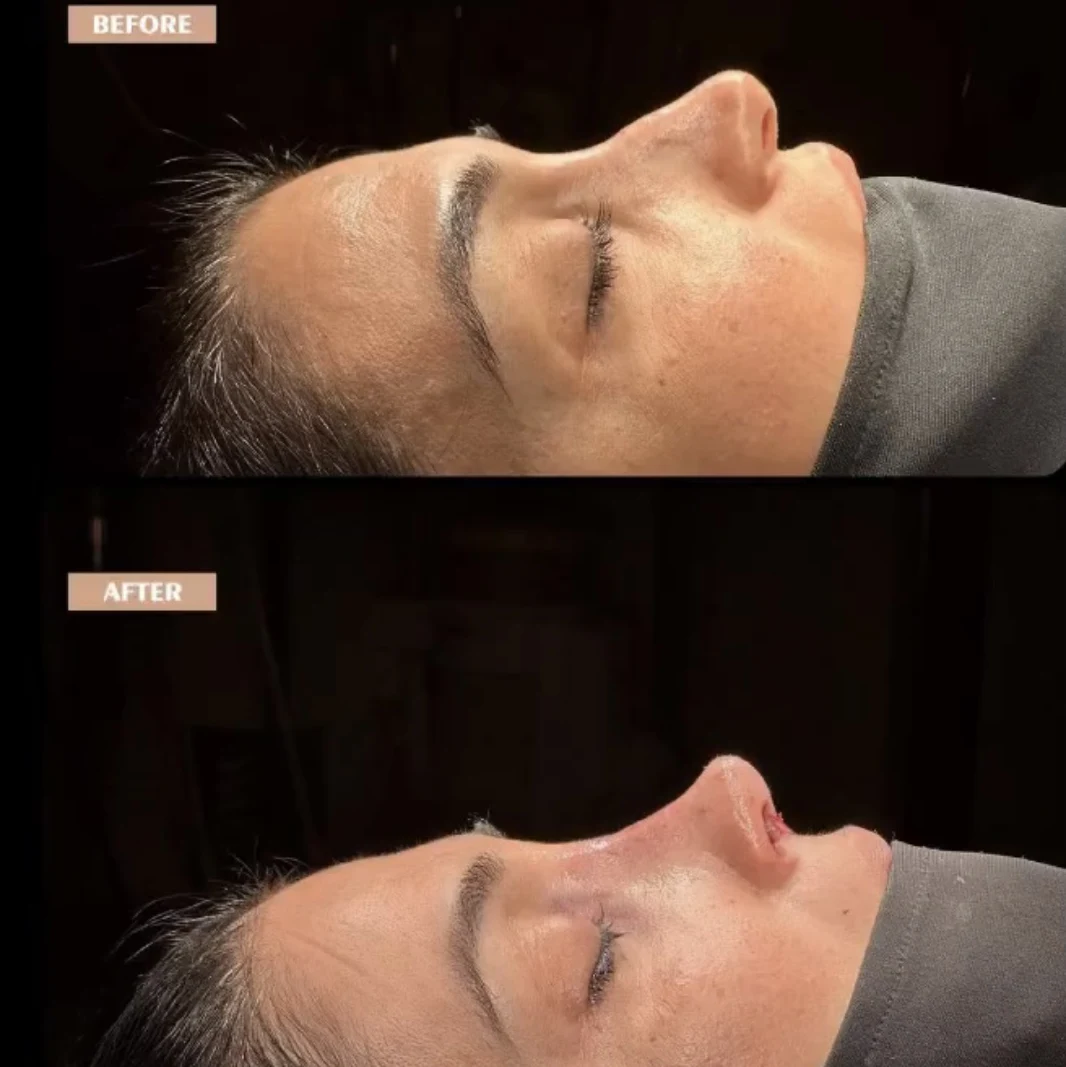
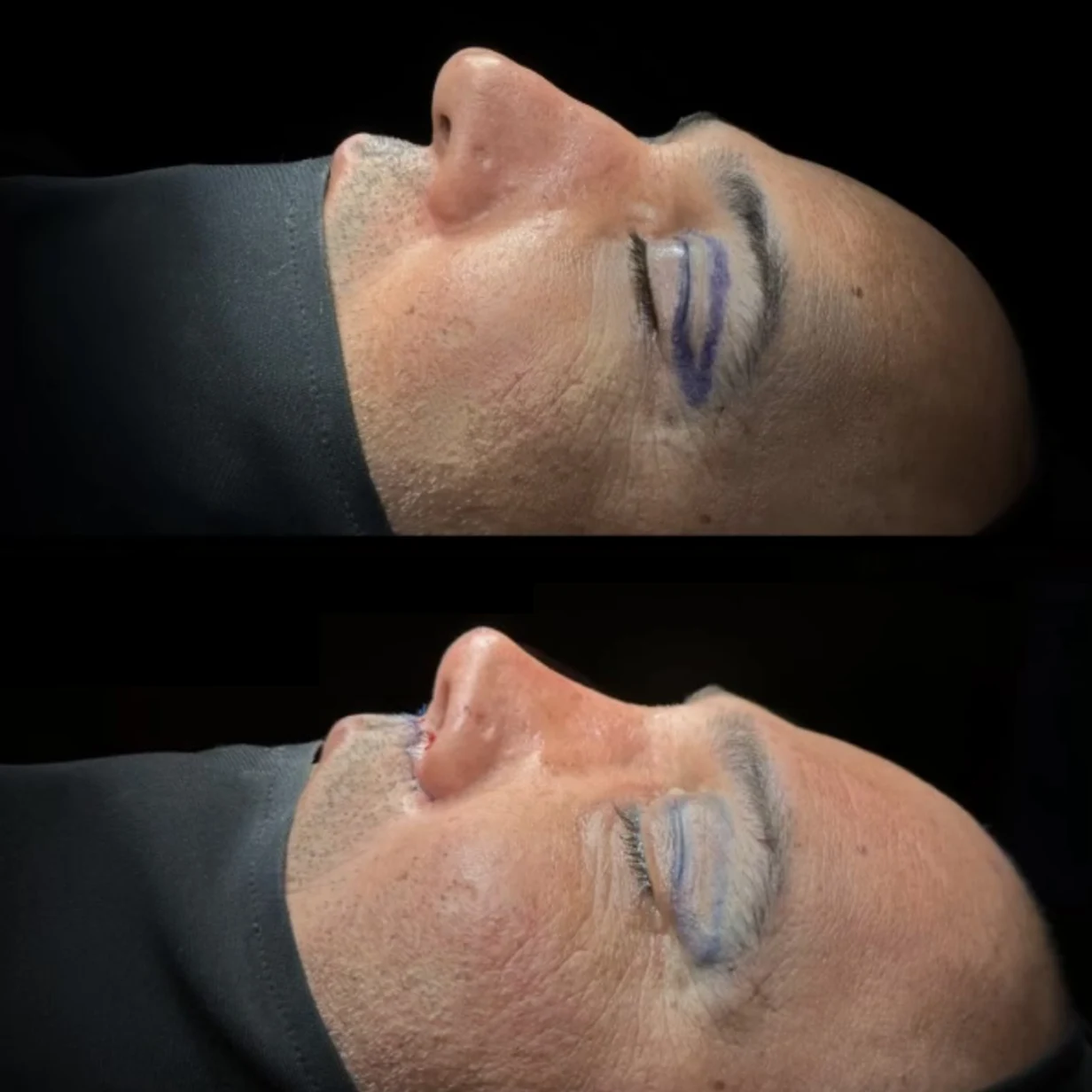
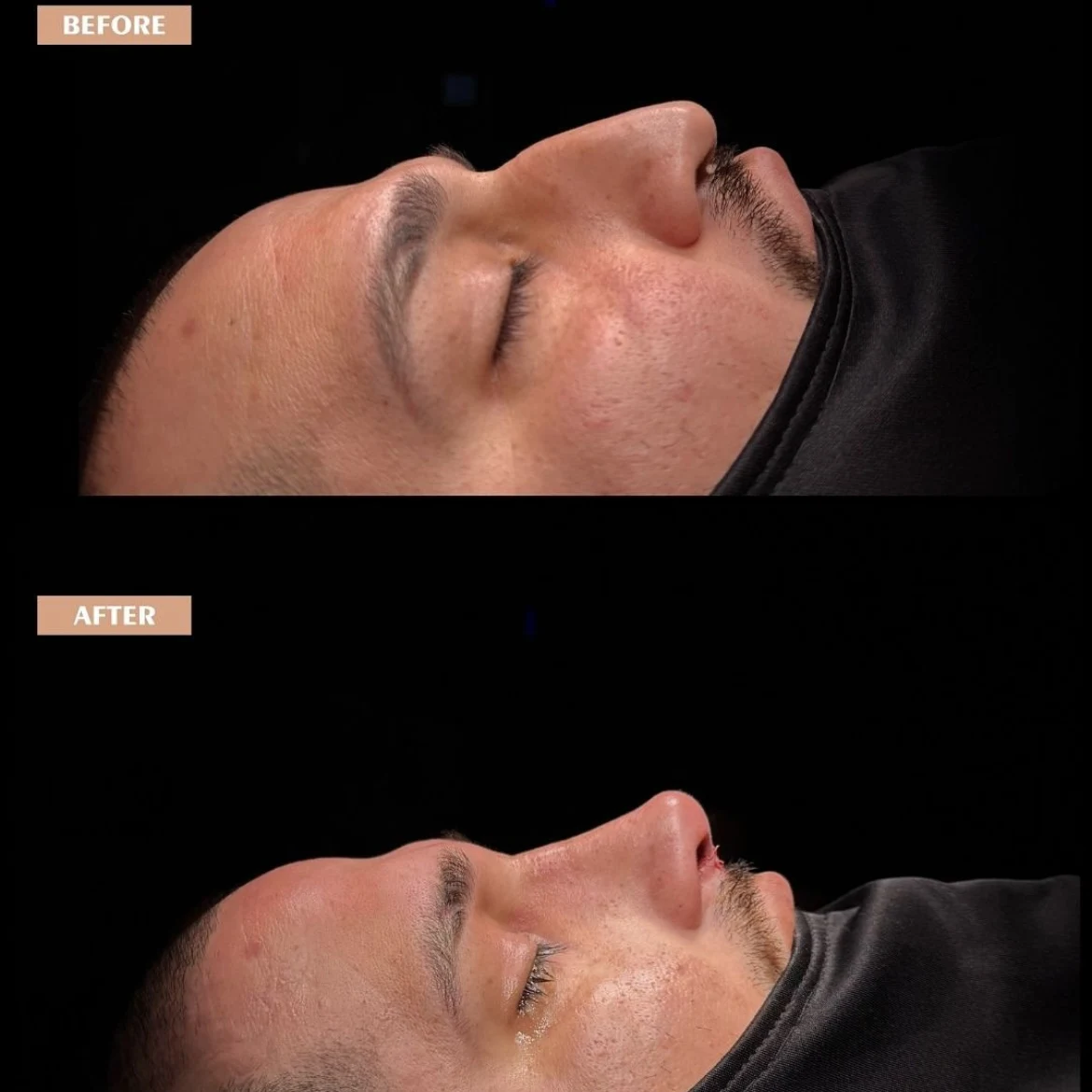
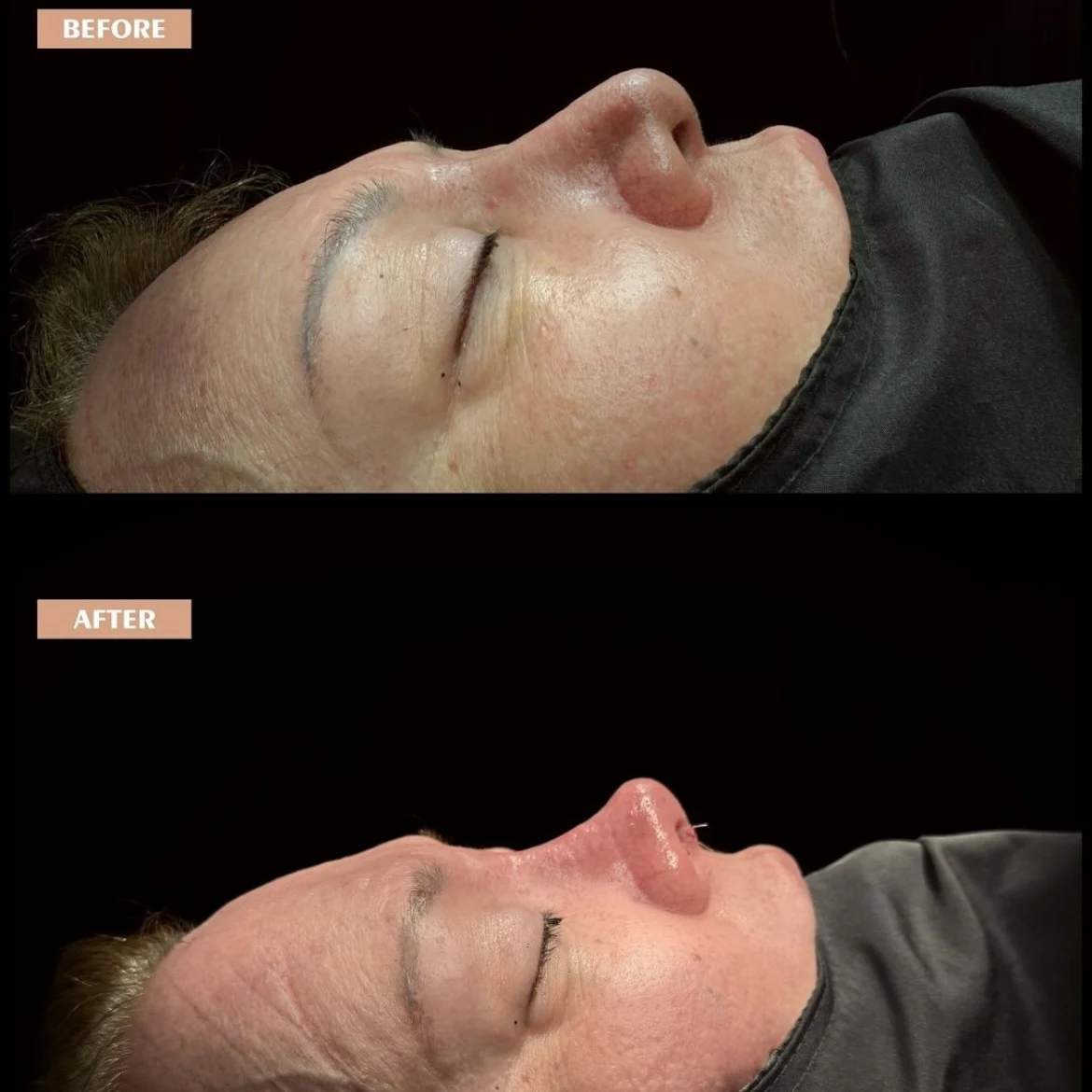
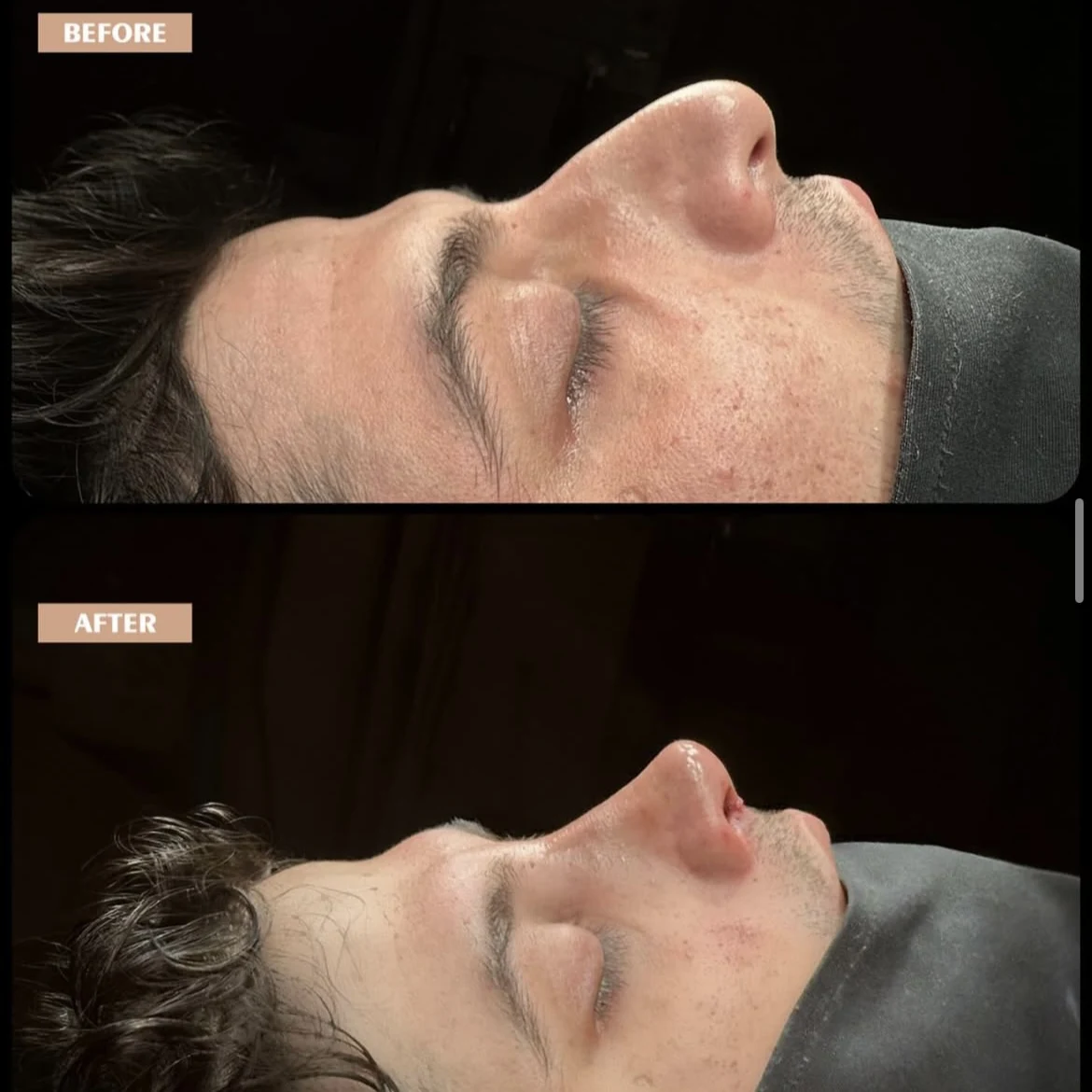
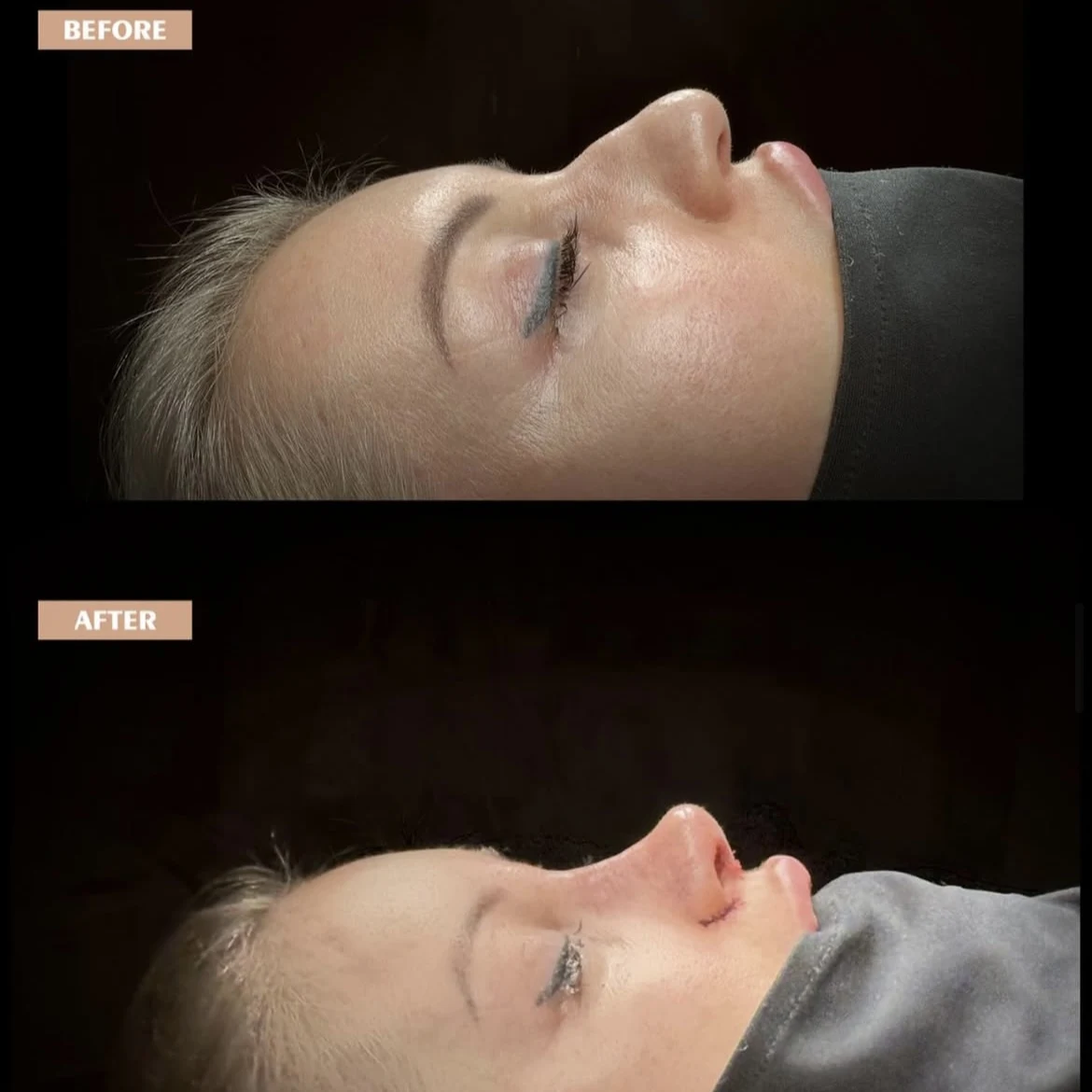
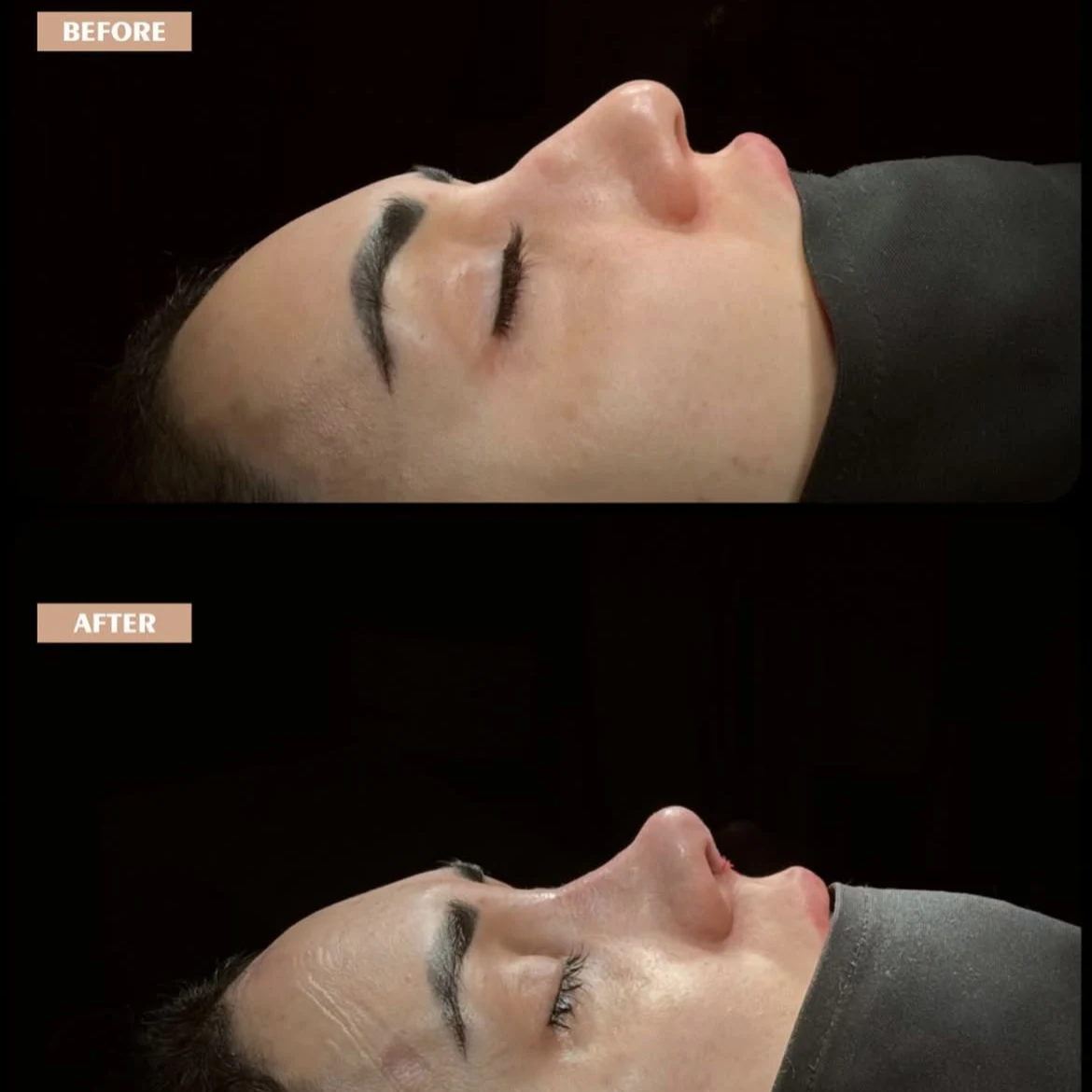
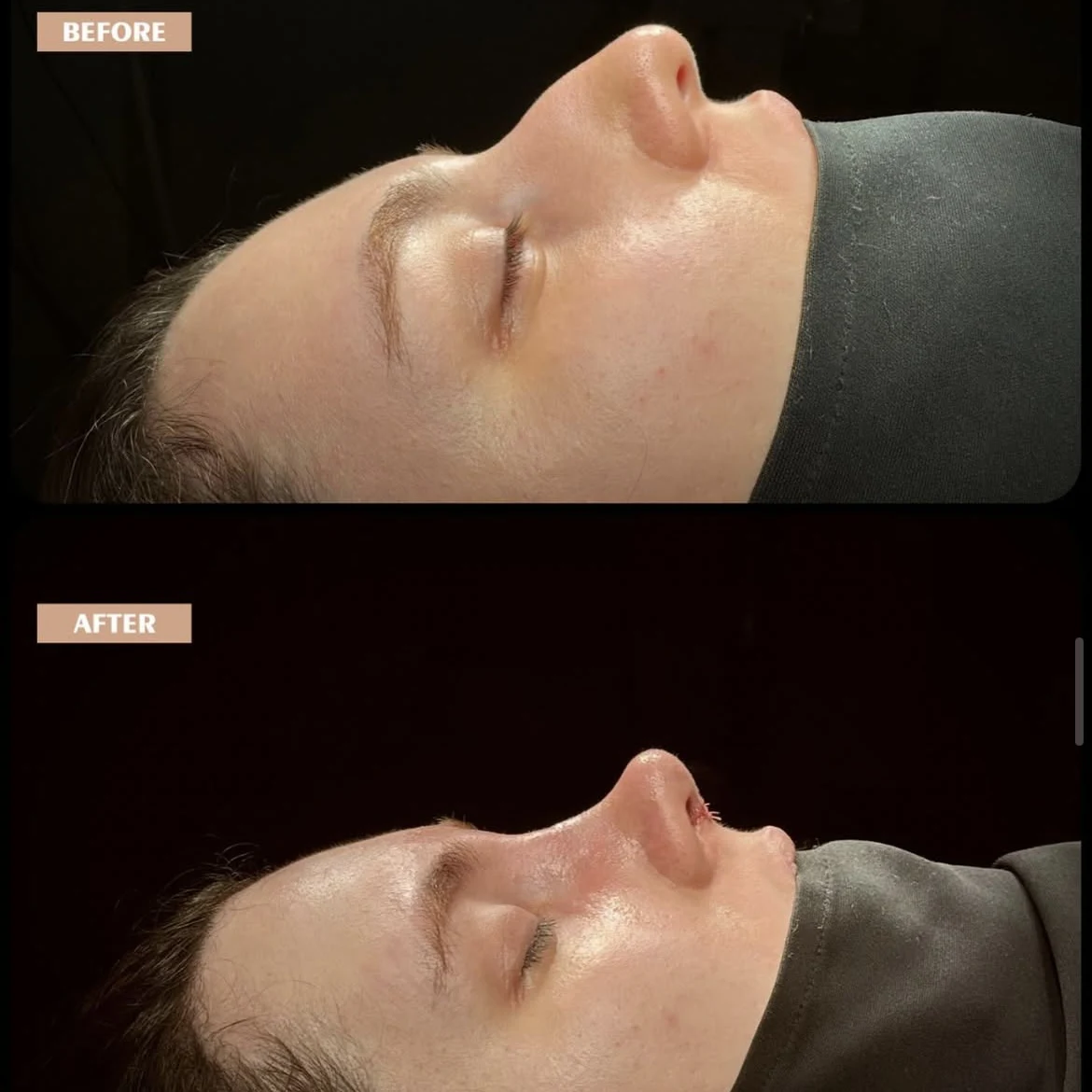
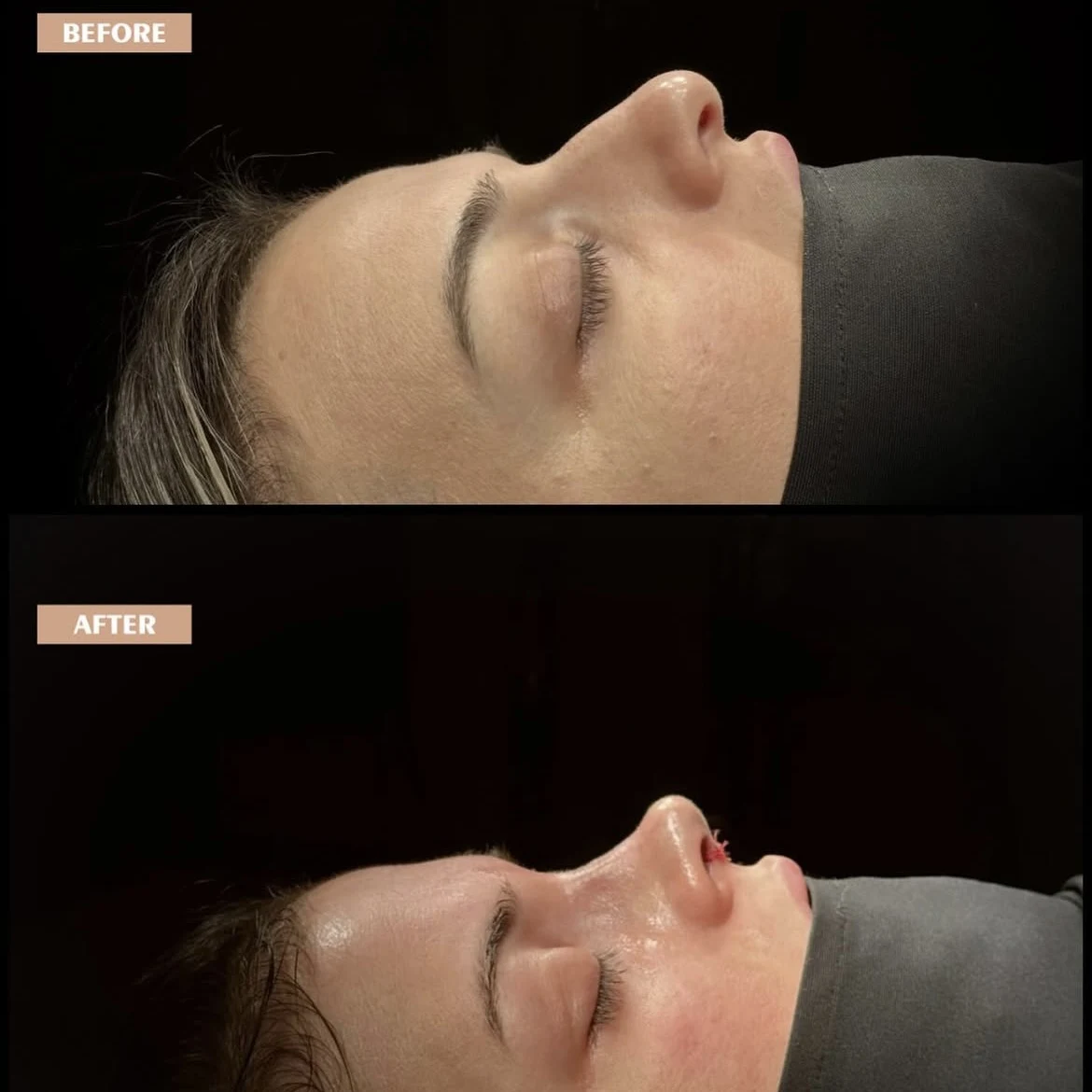
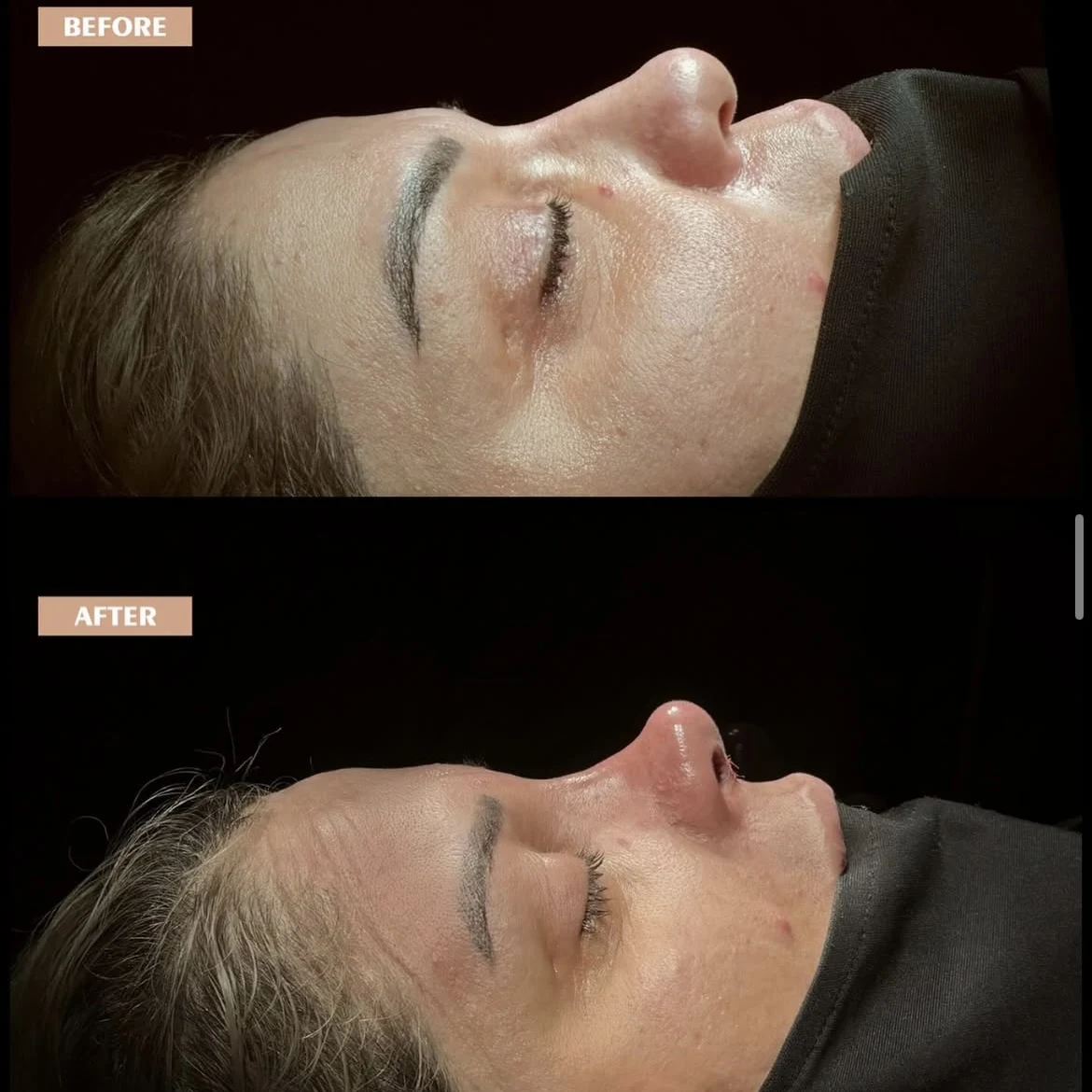
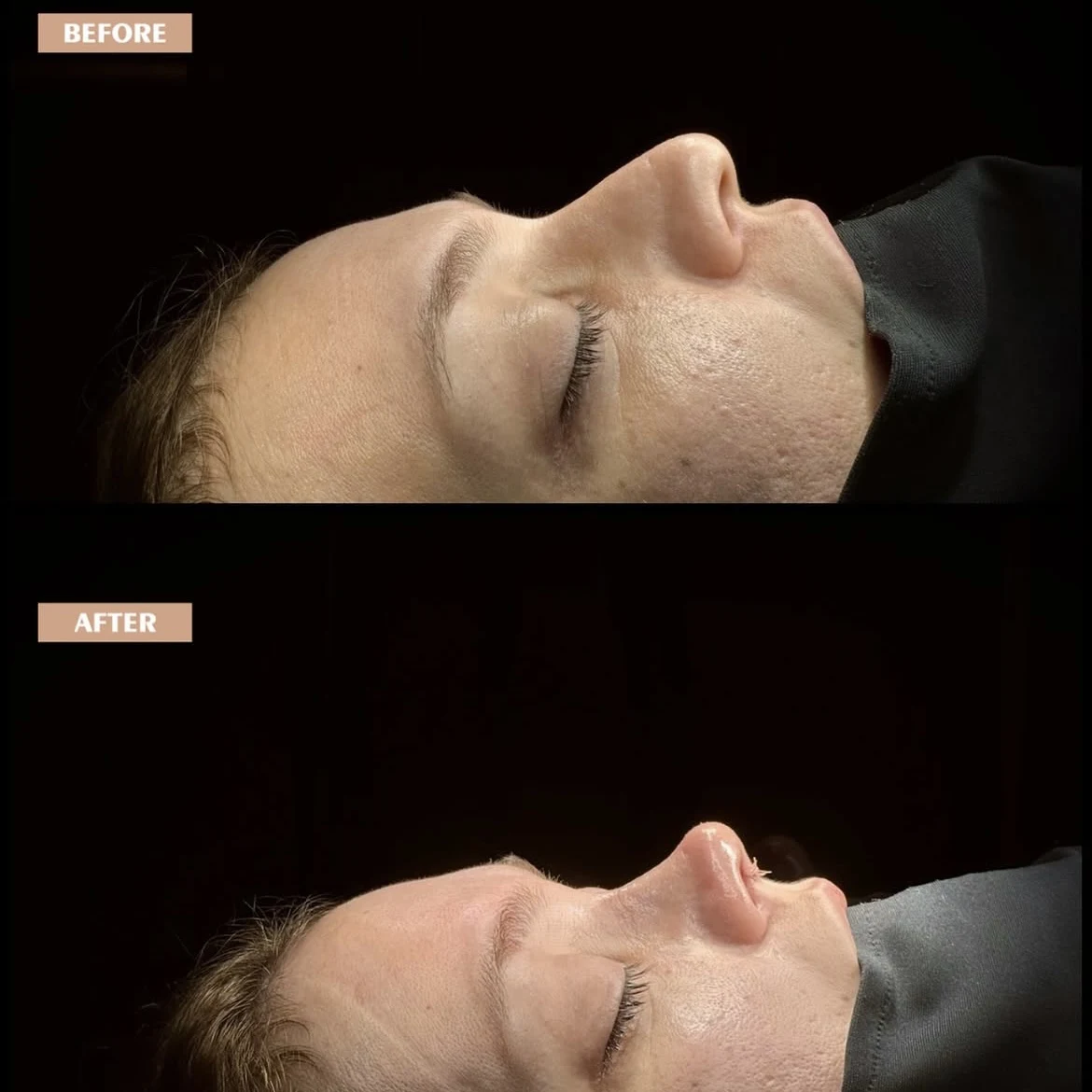
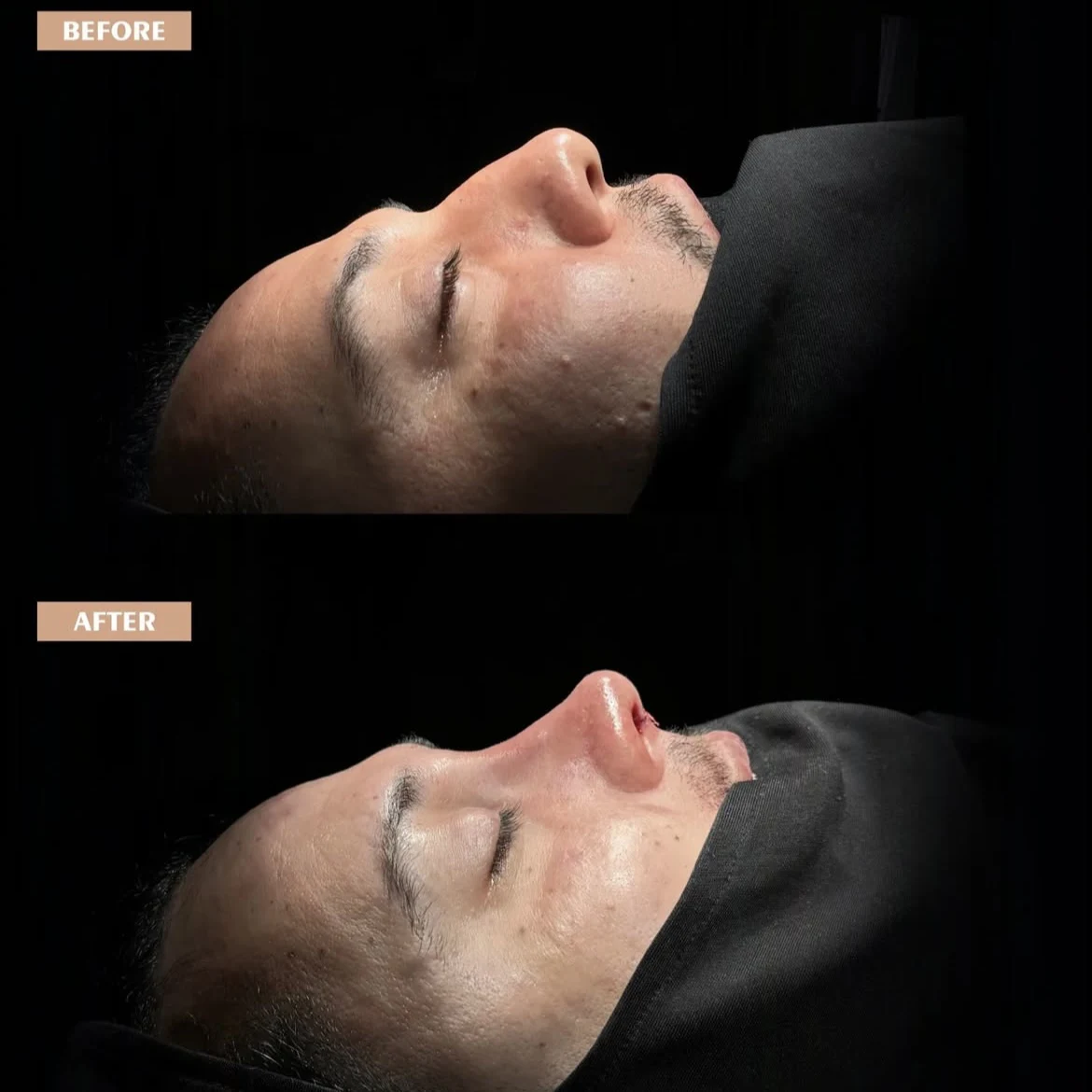
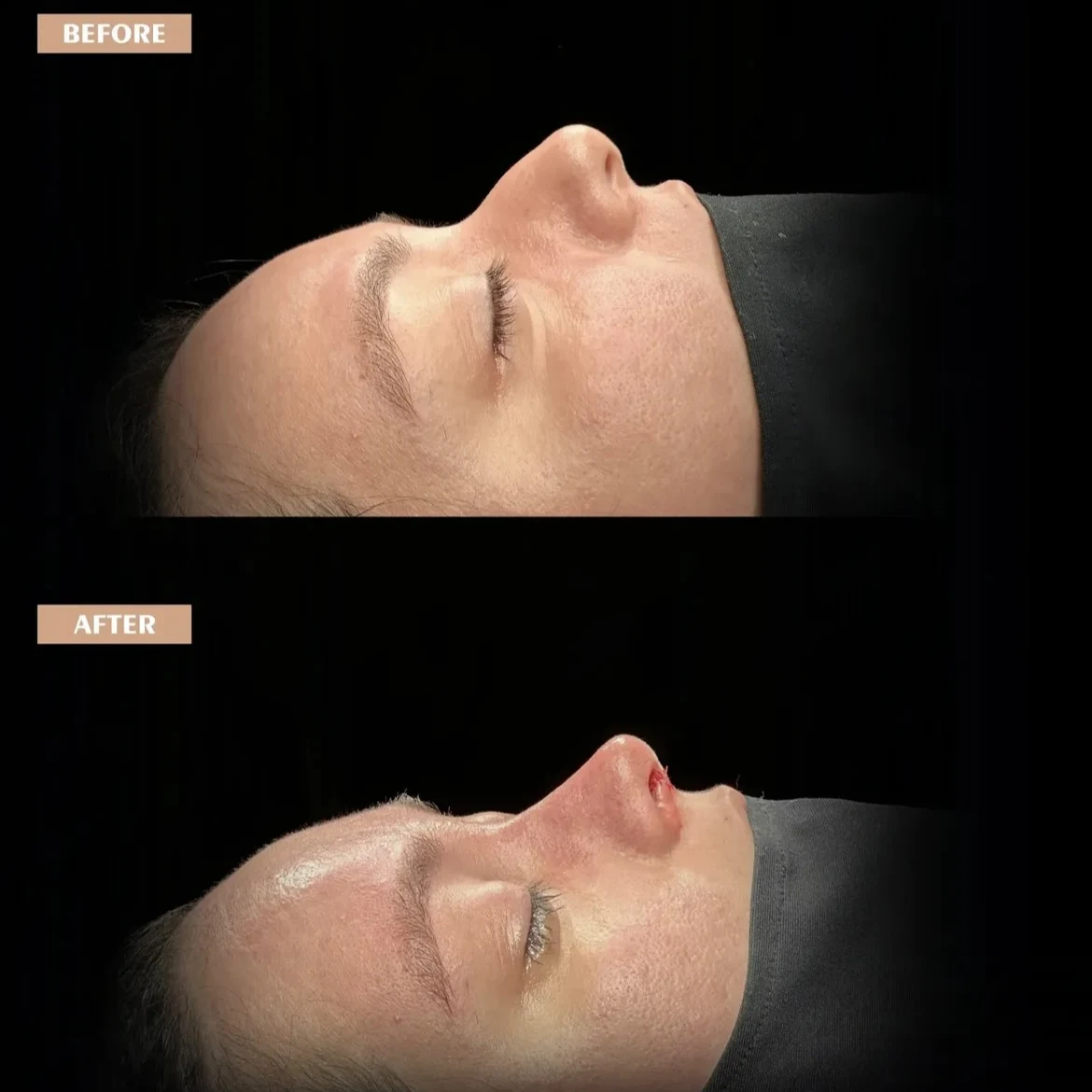
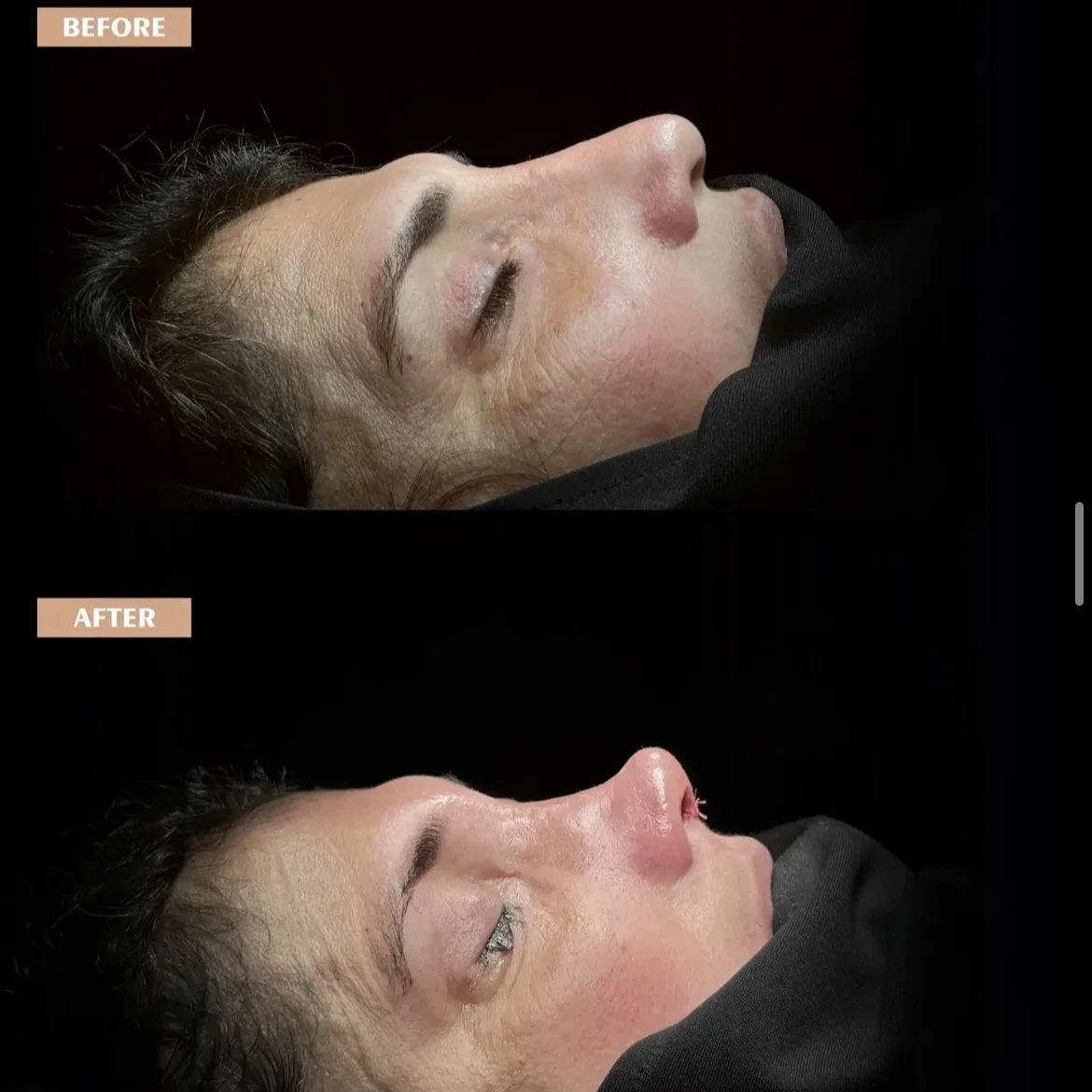
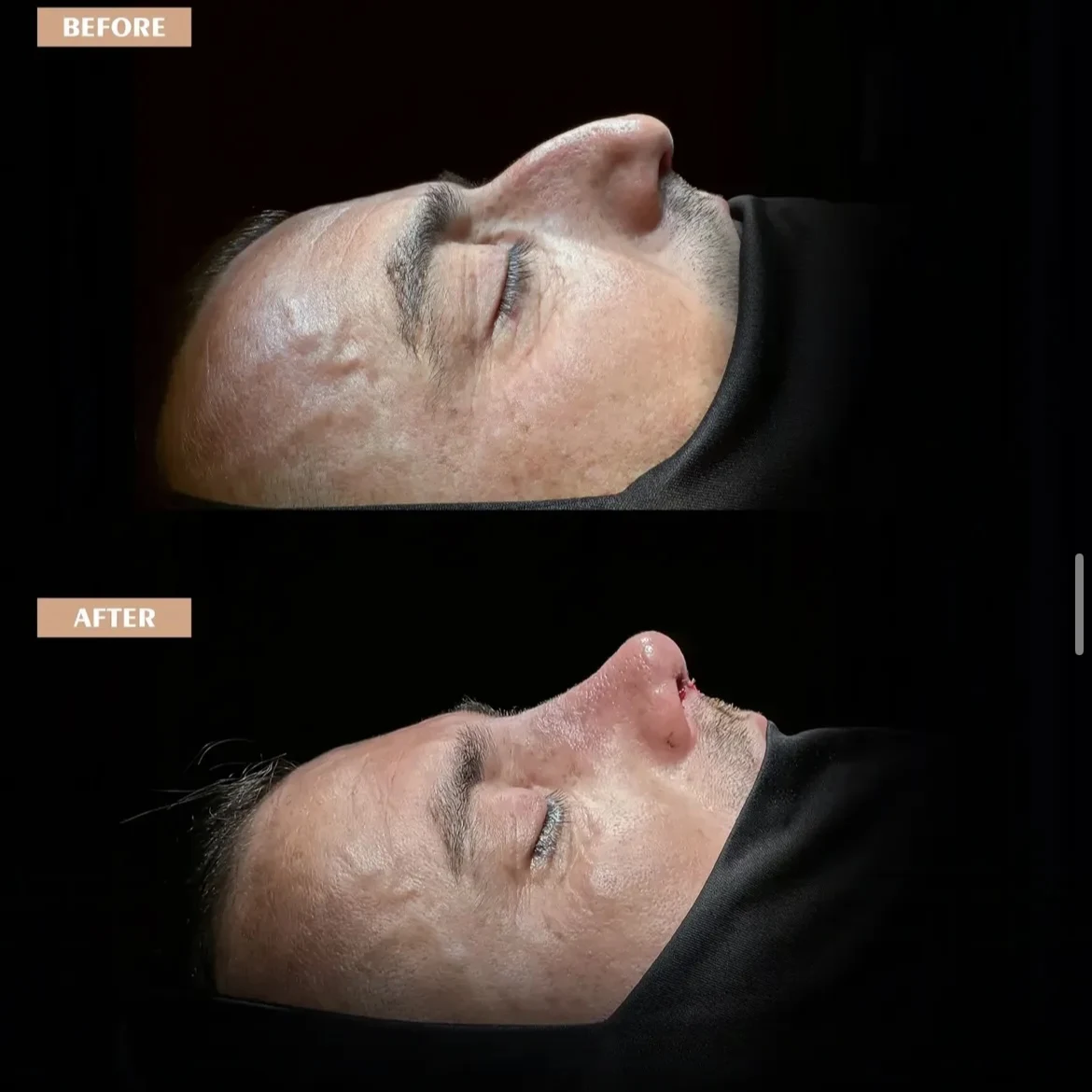
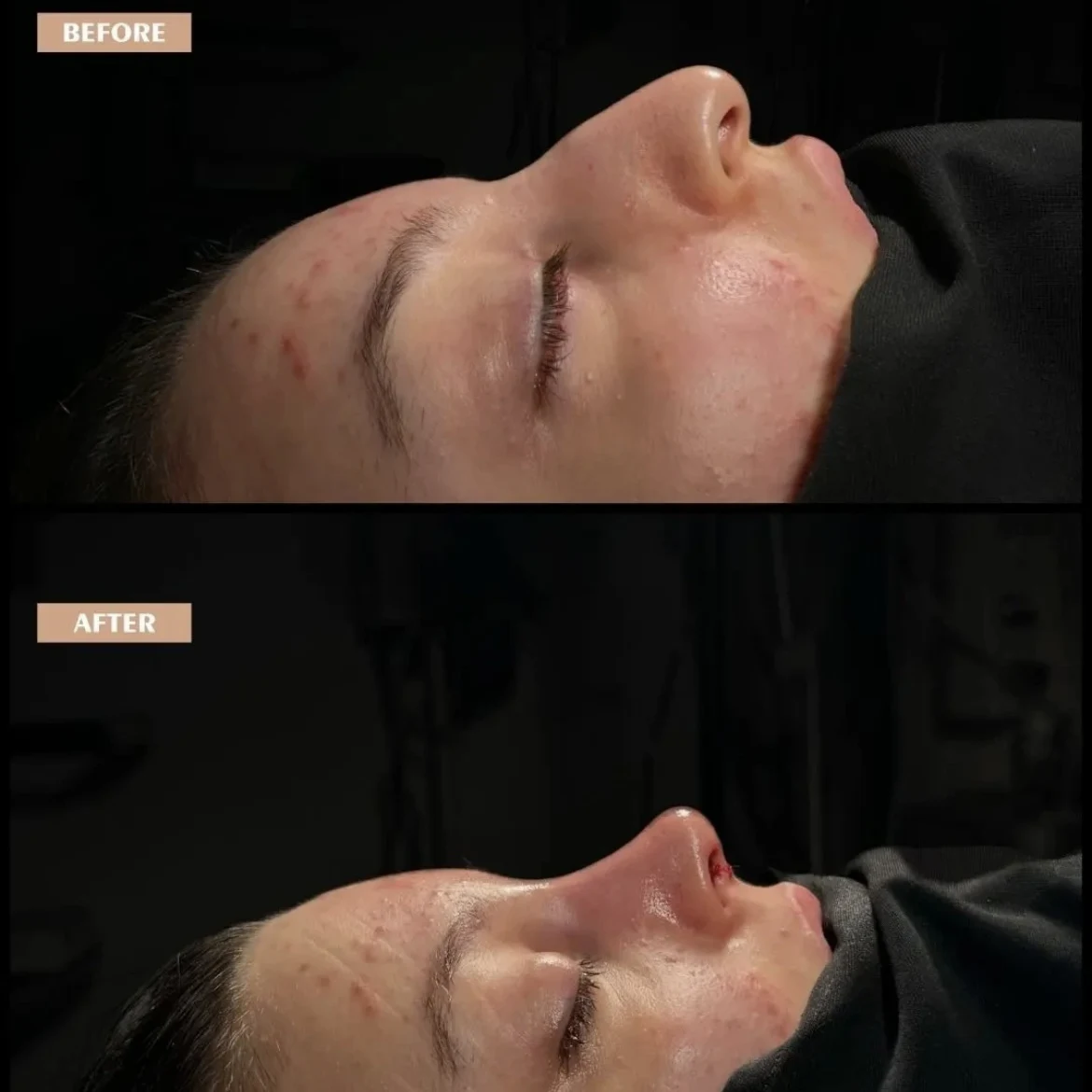
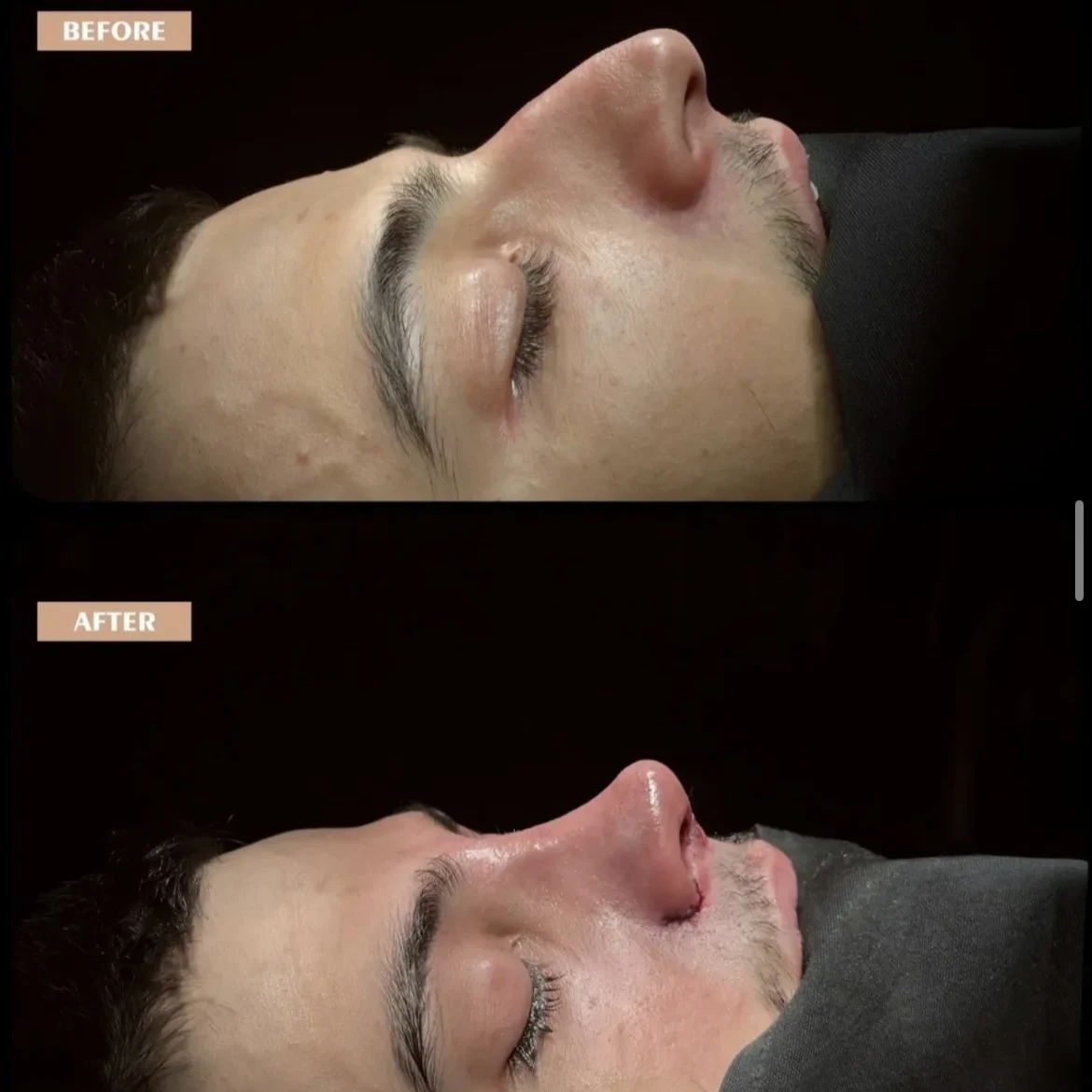
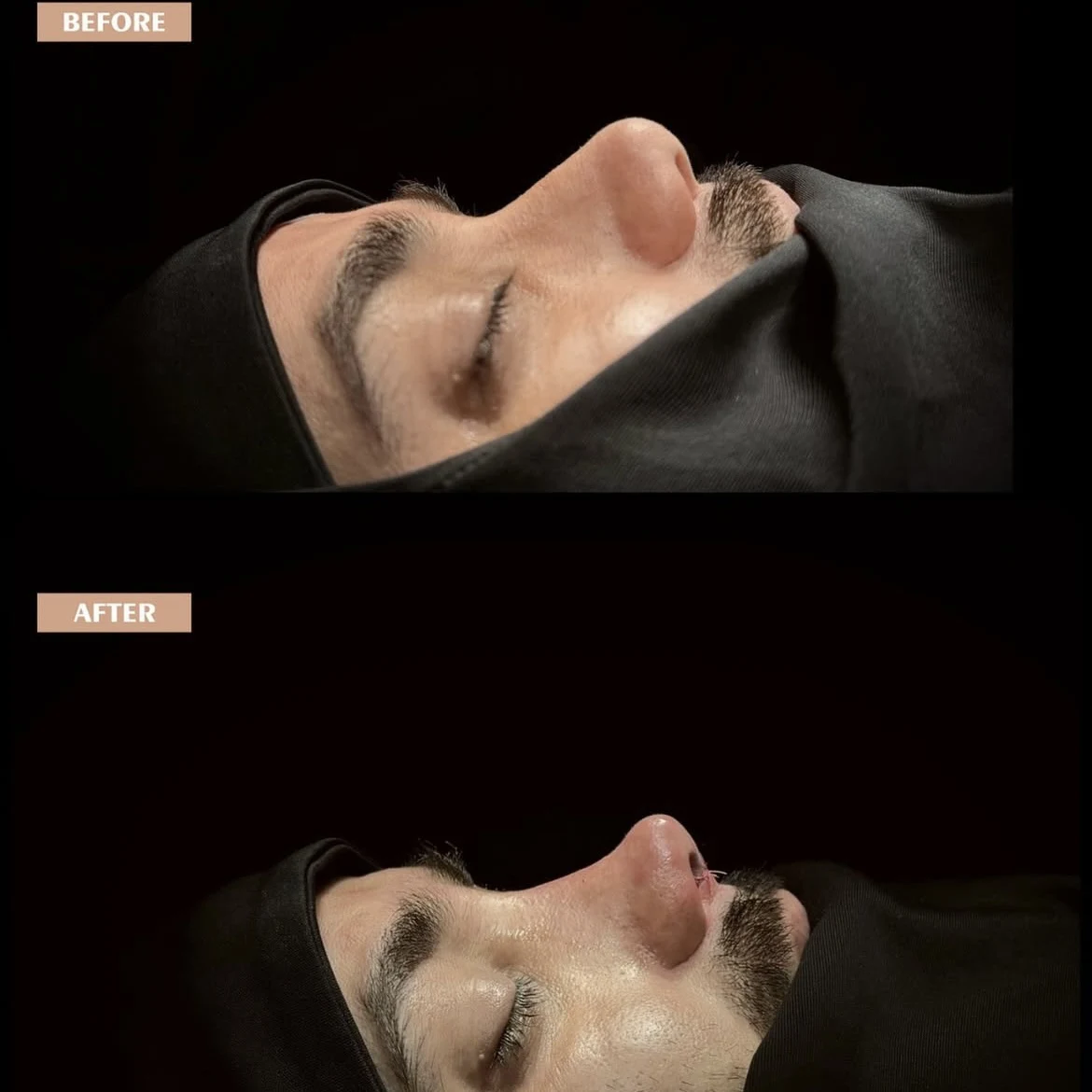
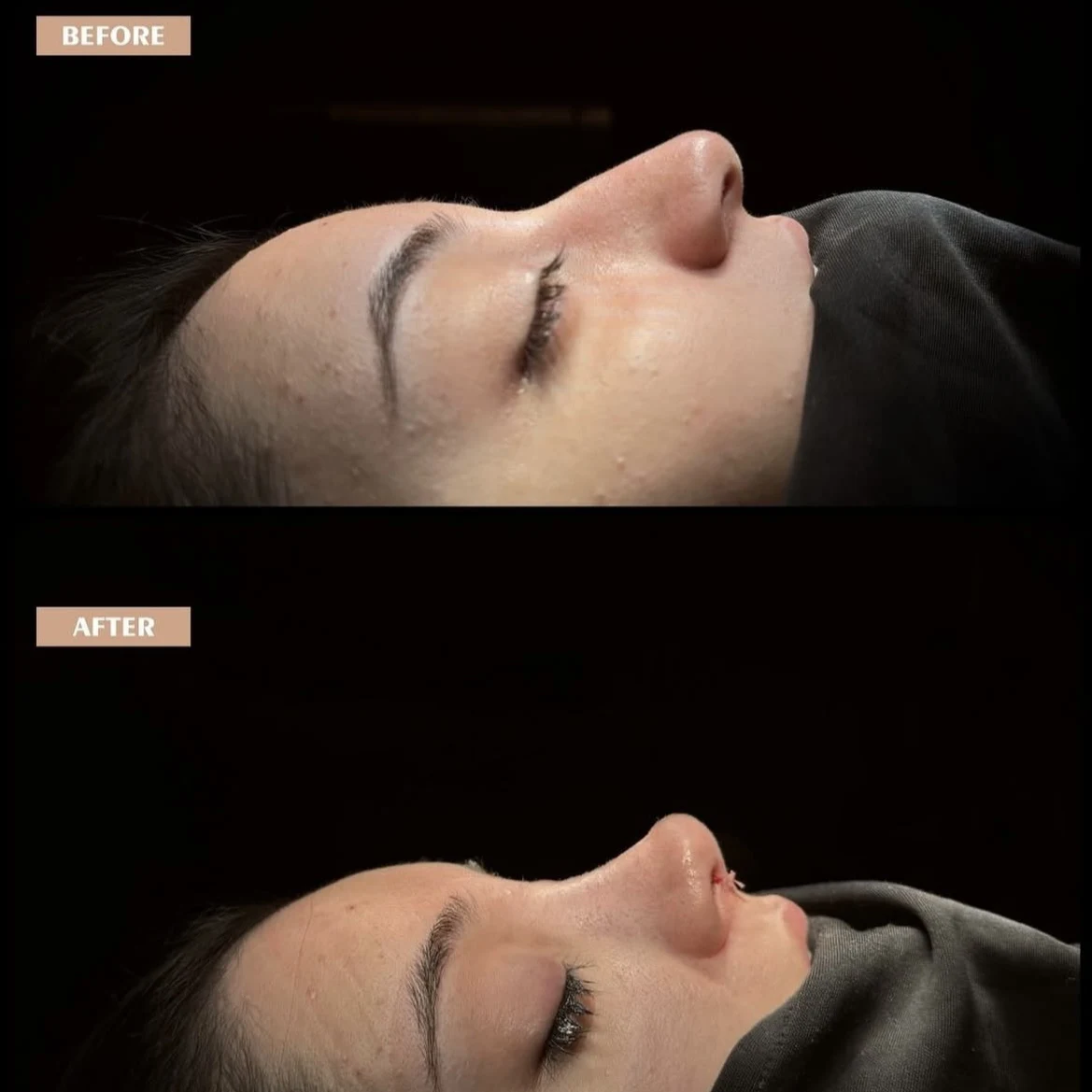
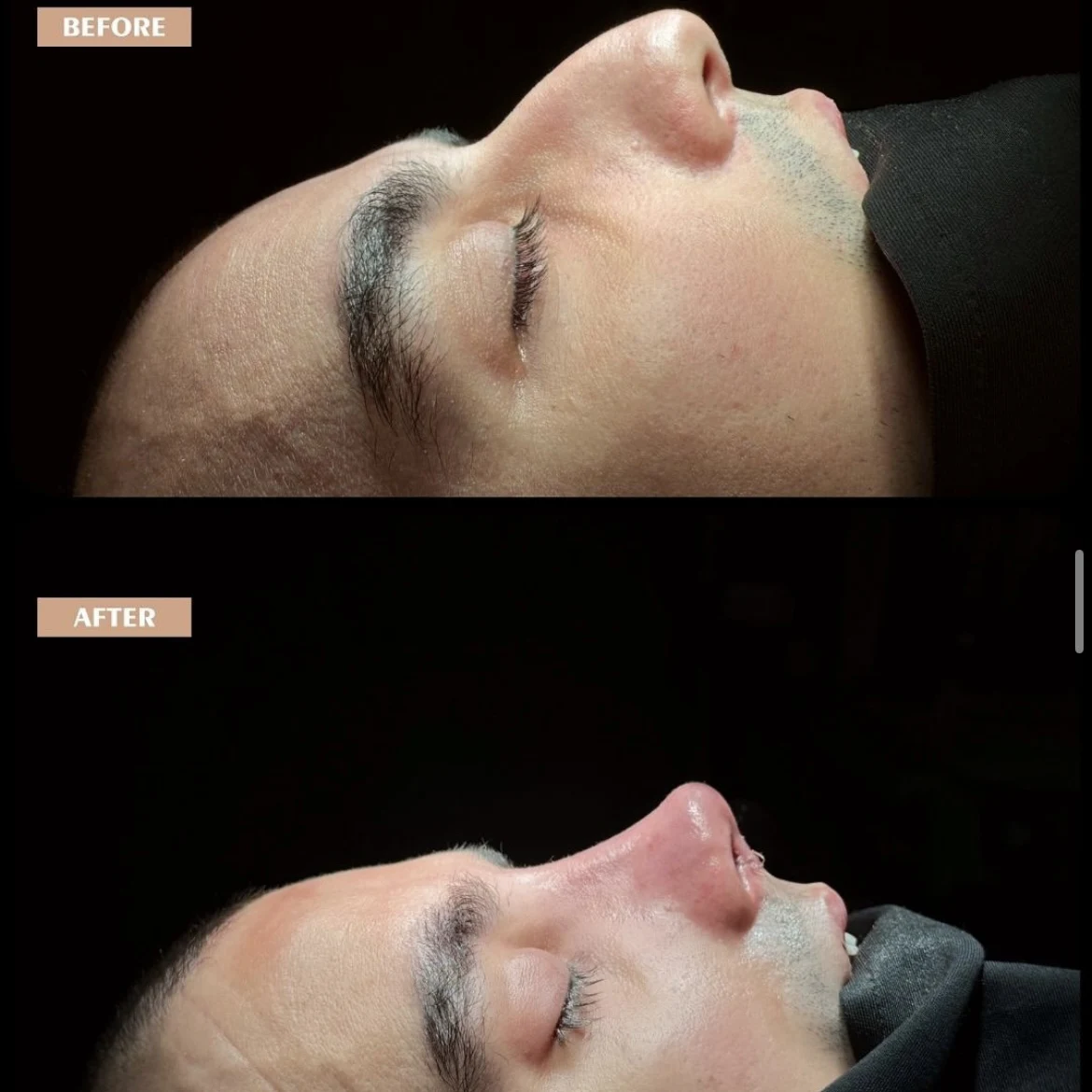
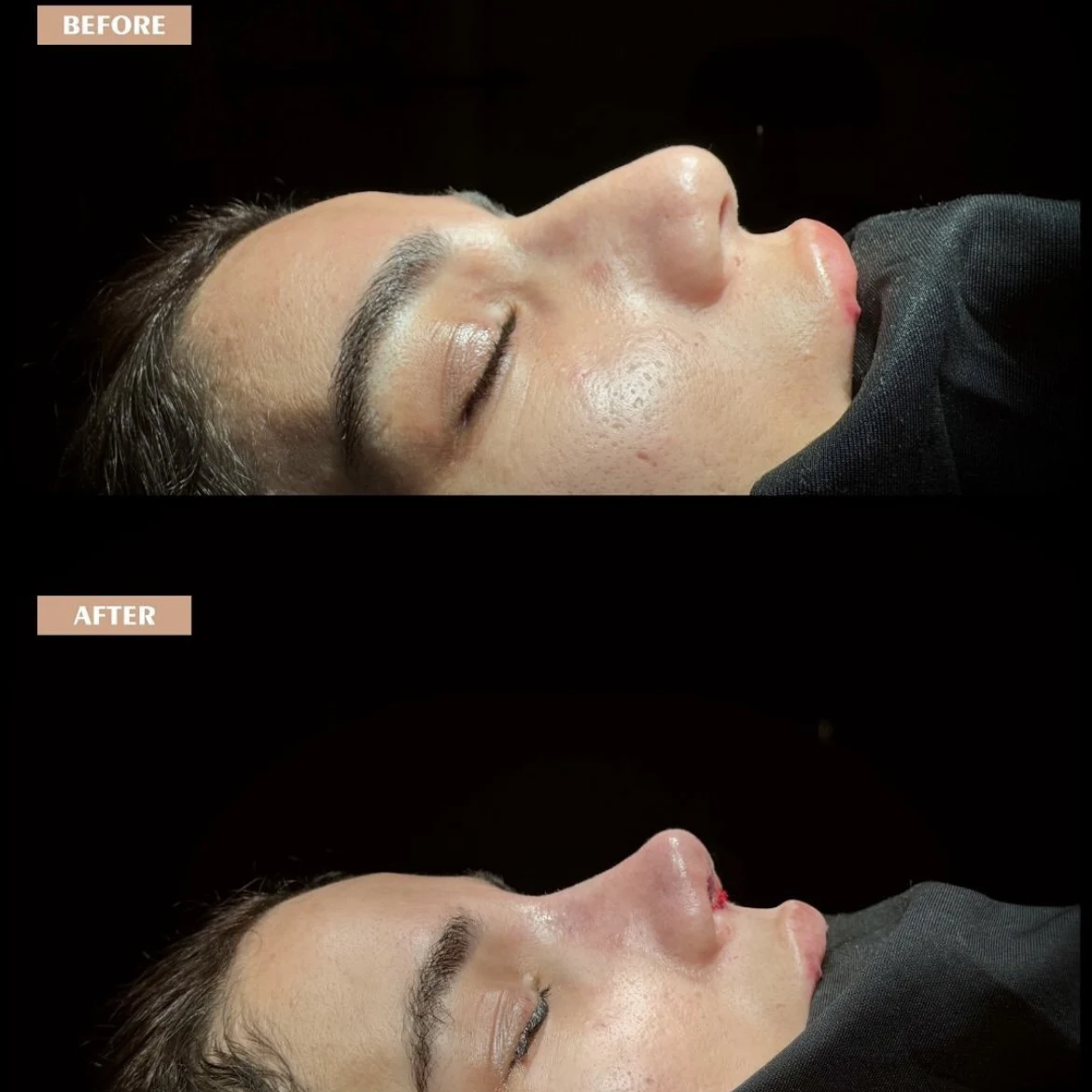
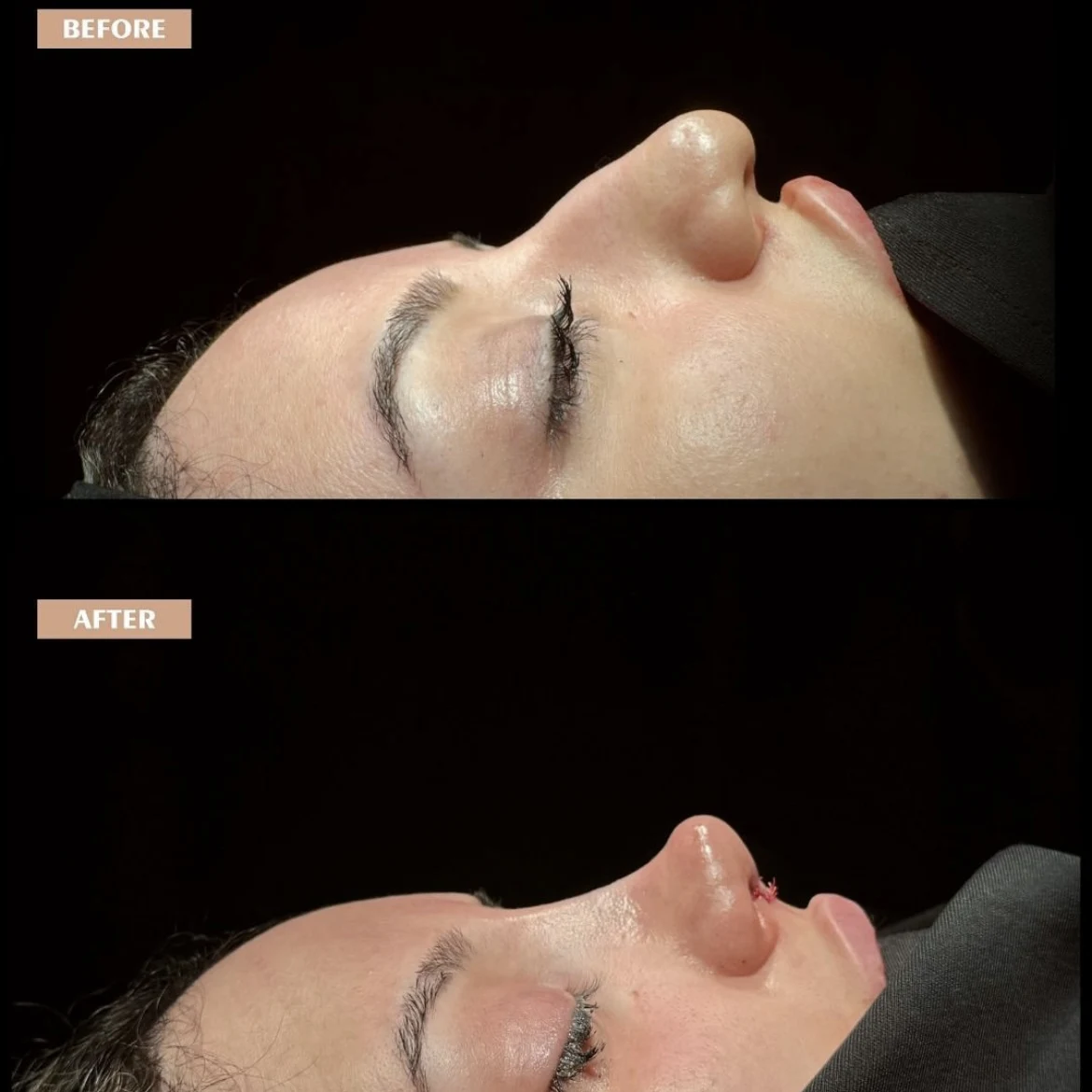
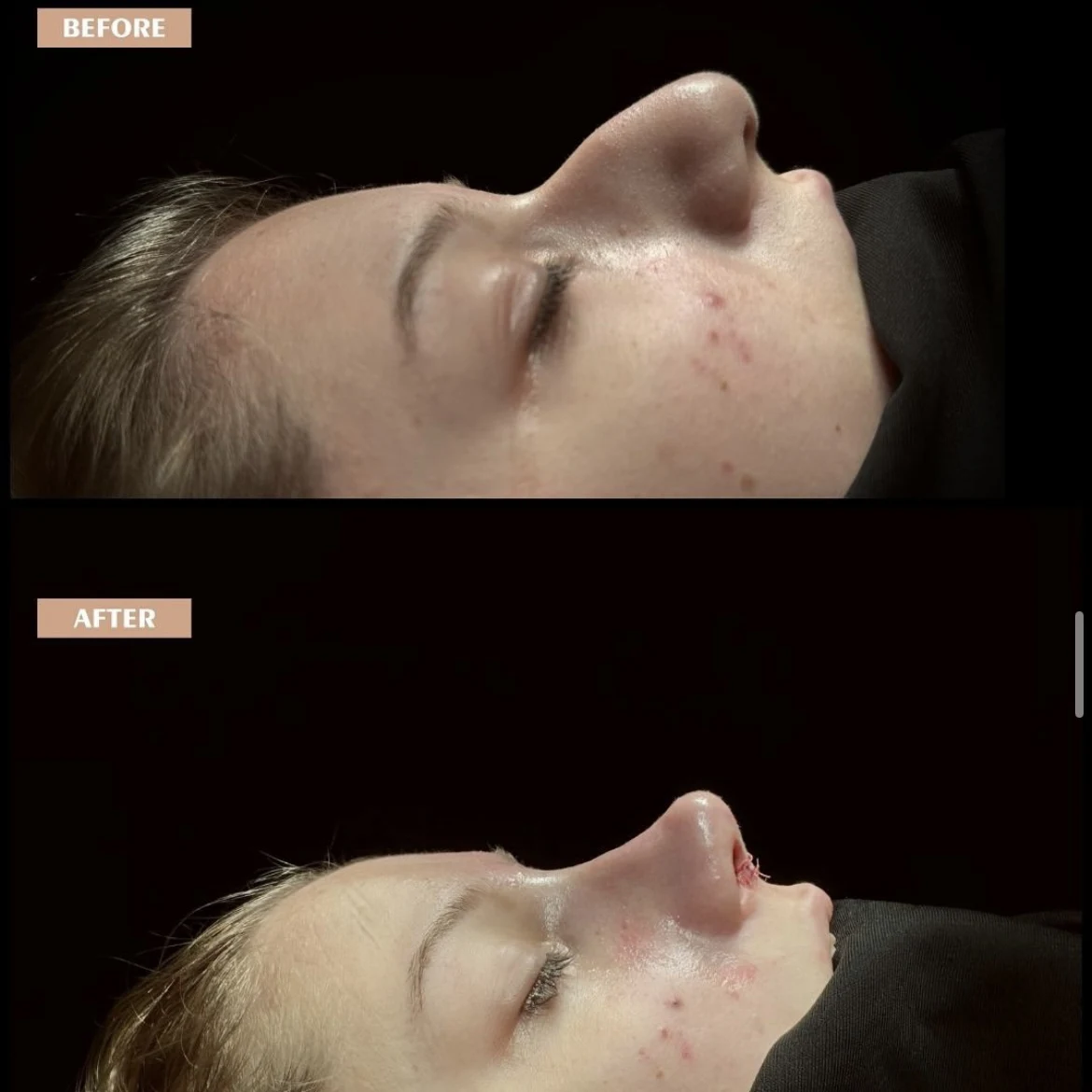
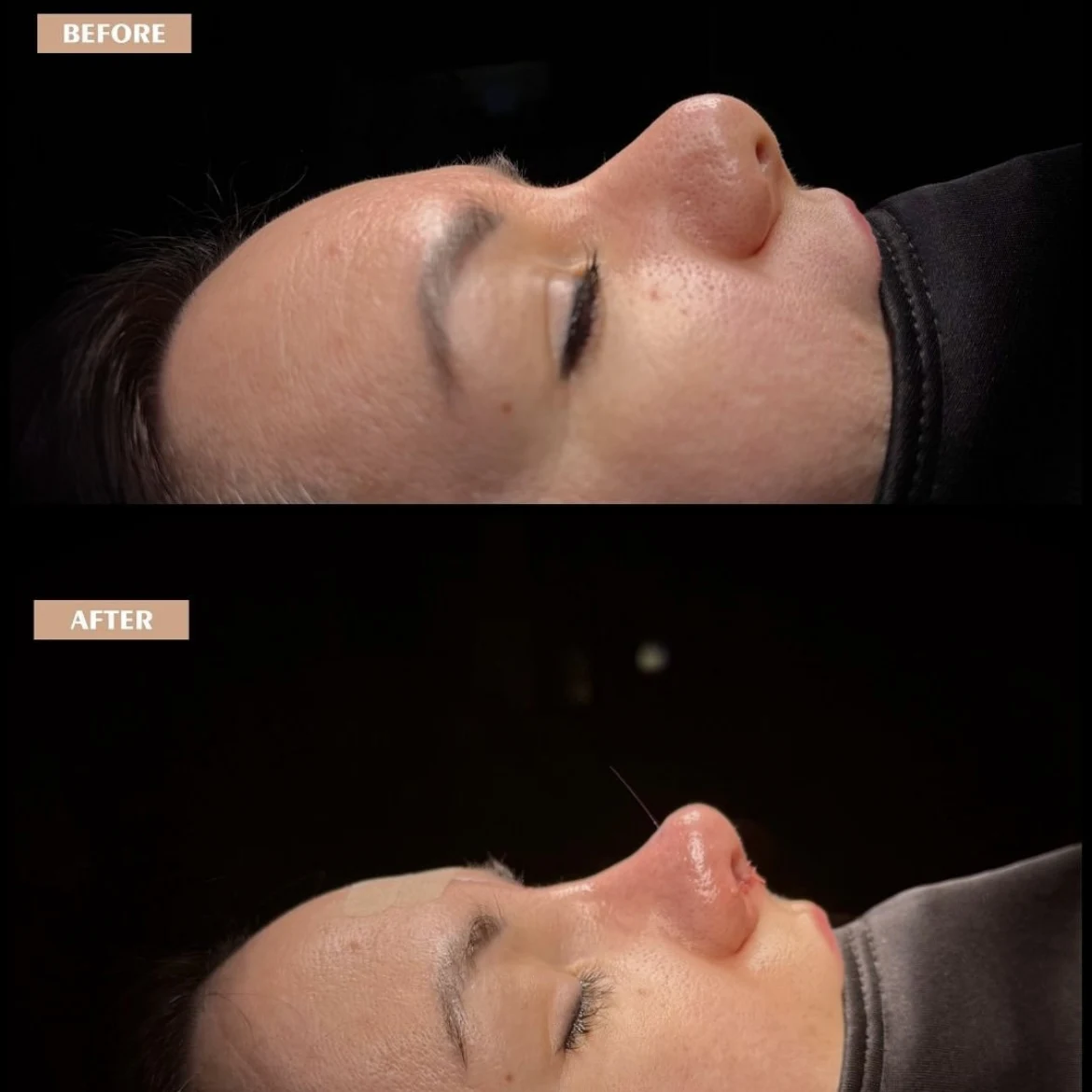
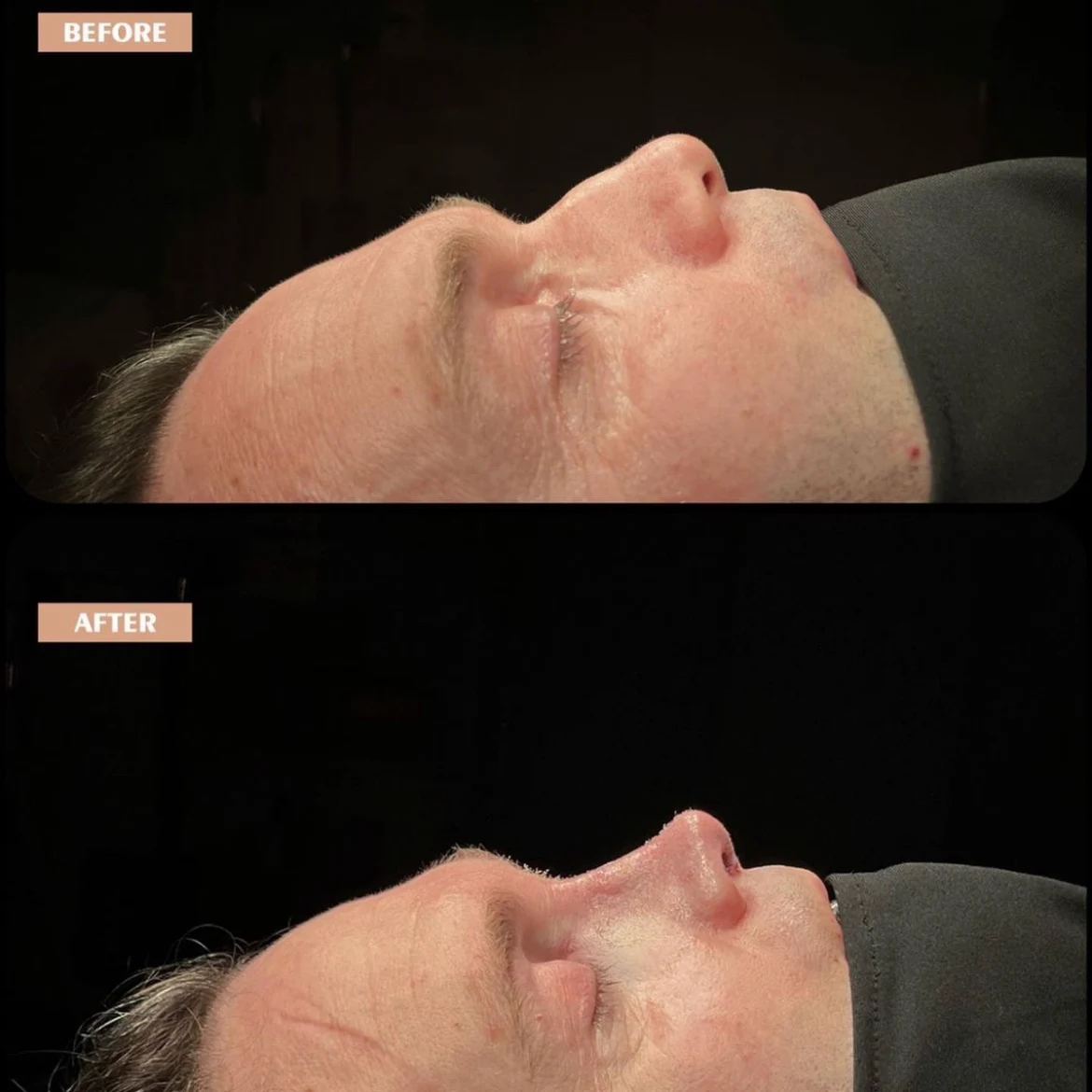
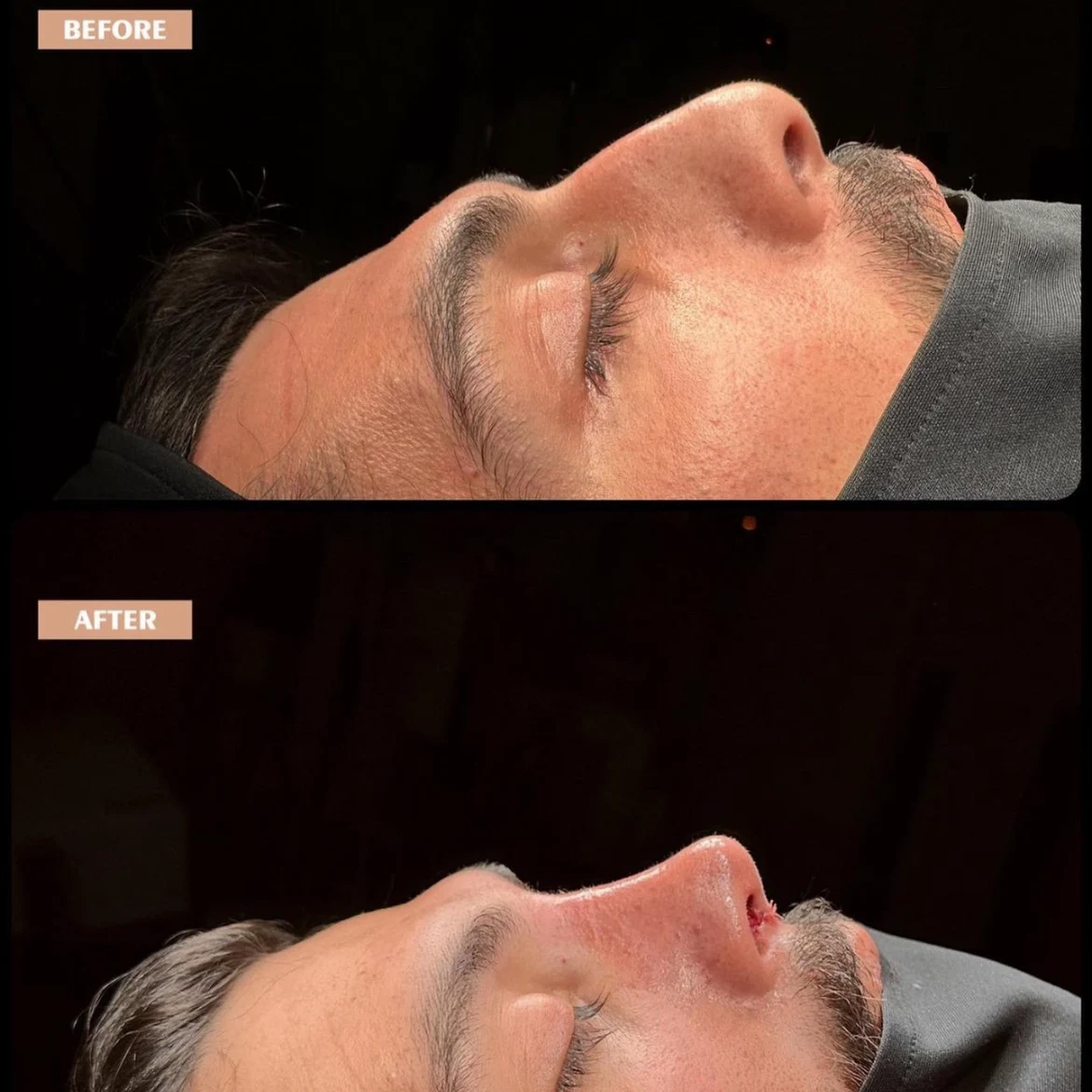
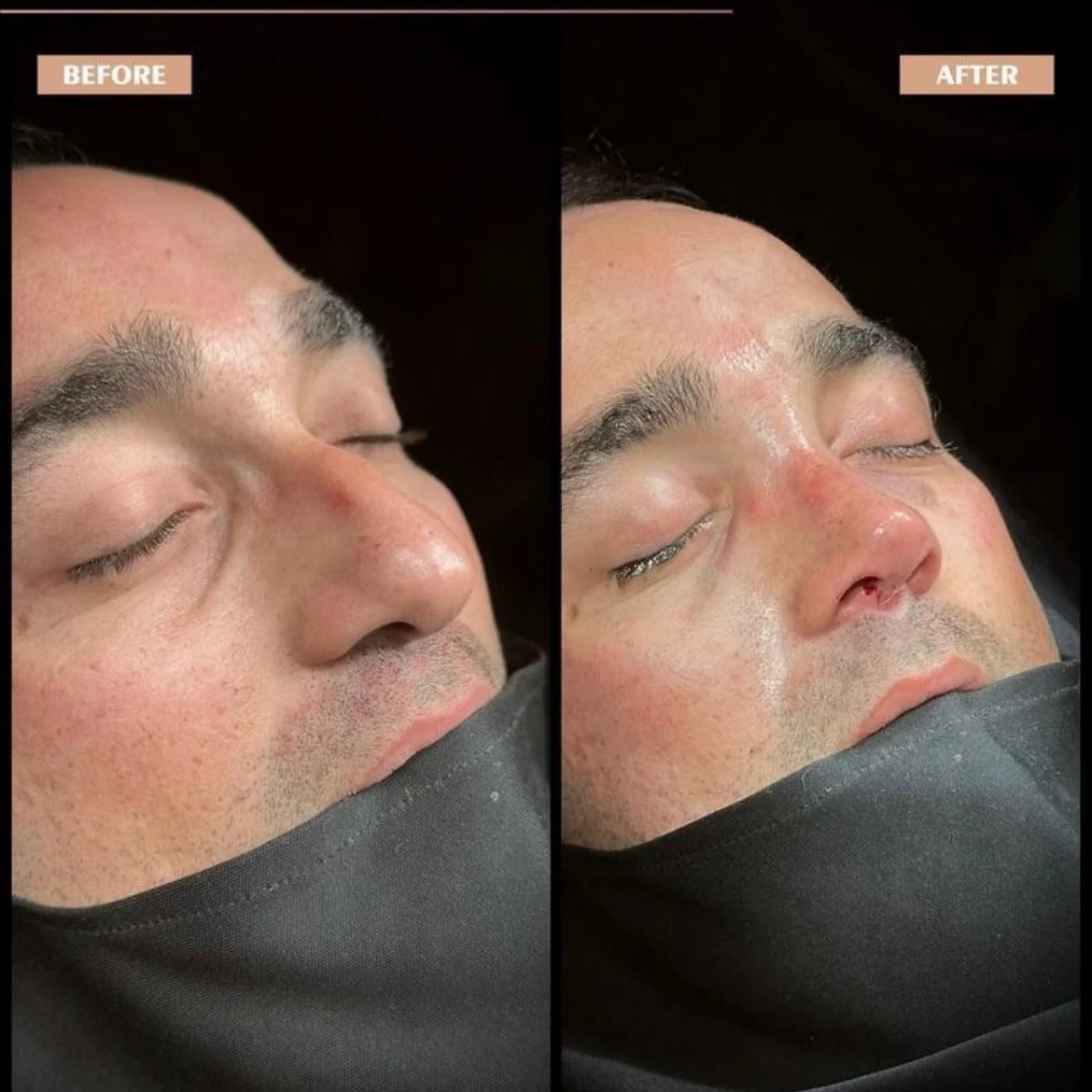
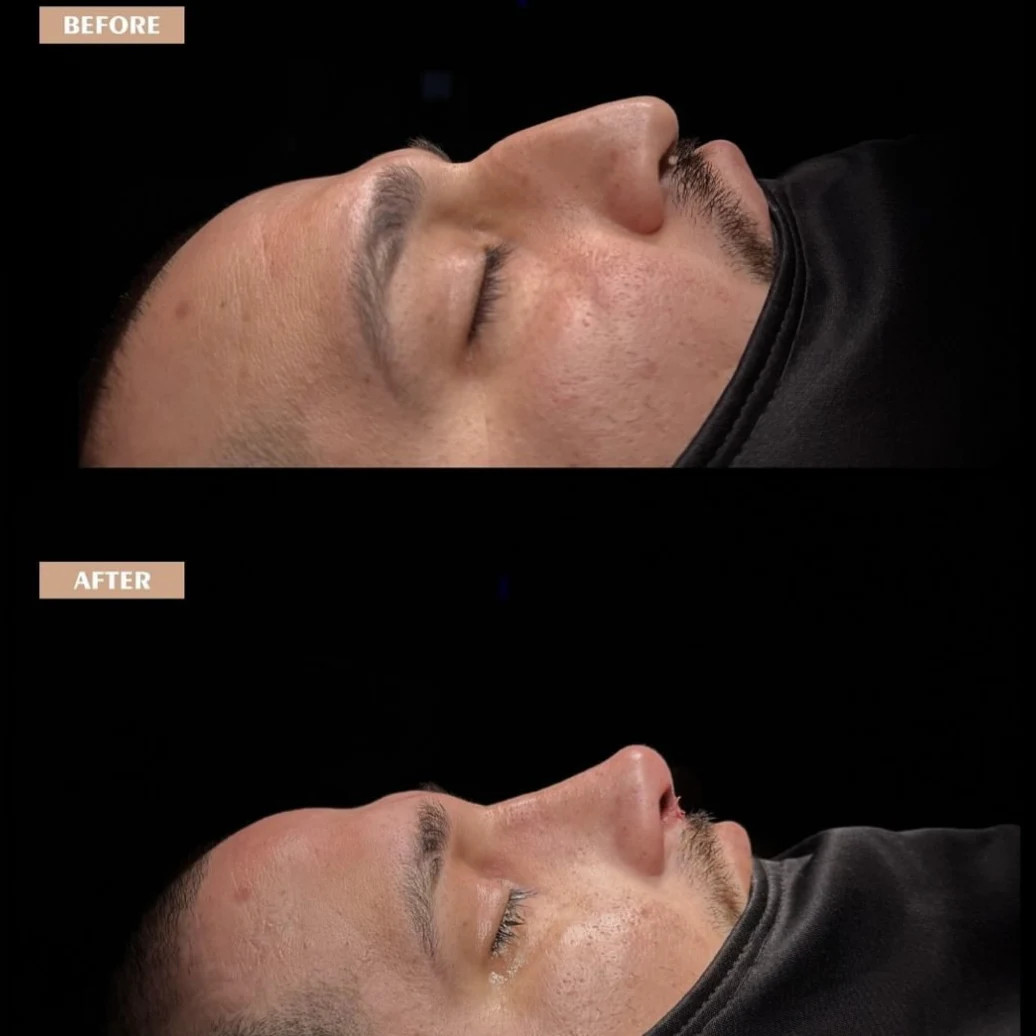
How Is Non-Surgical Nose Job Performed?

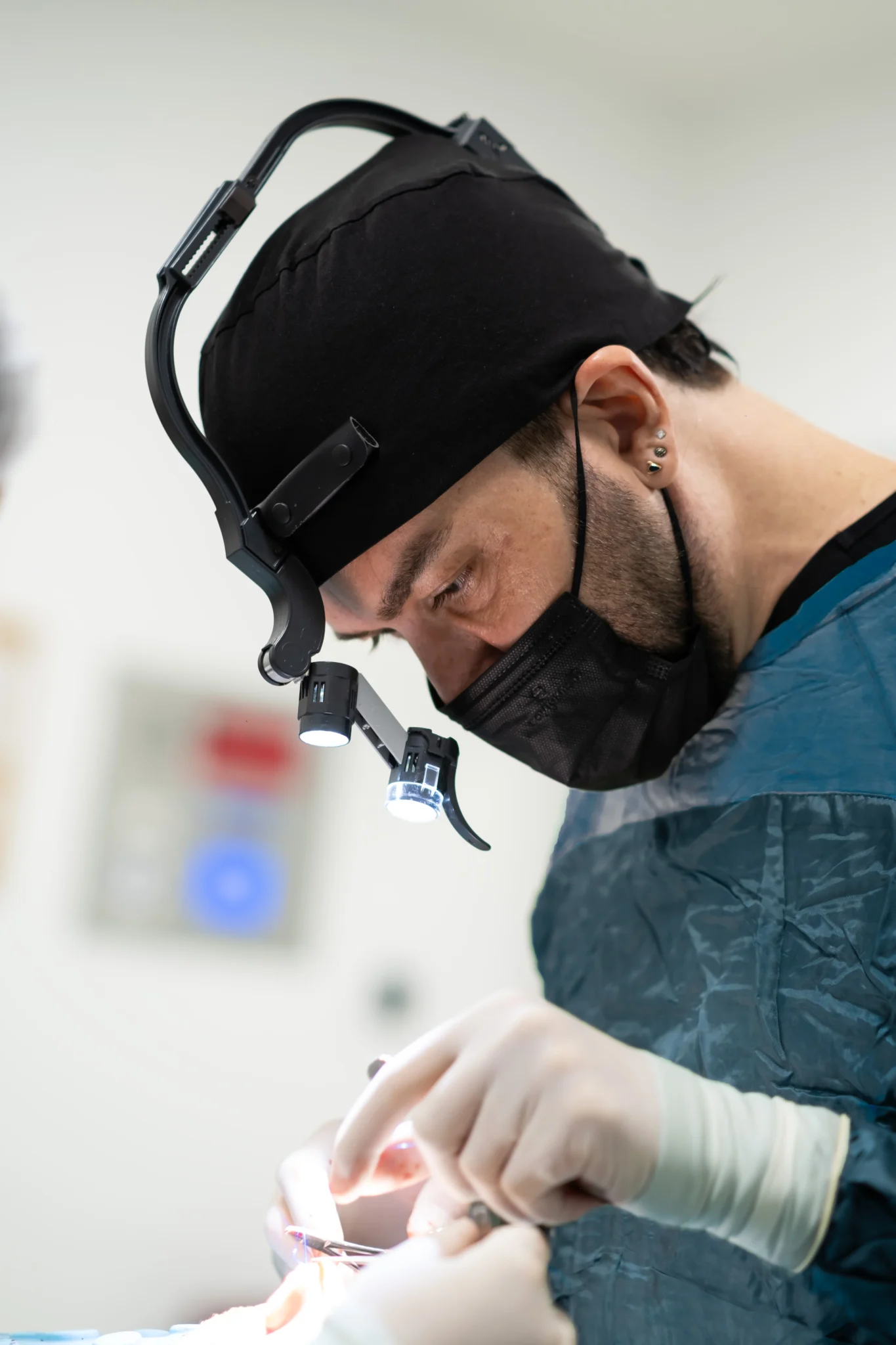
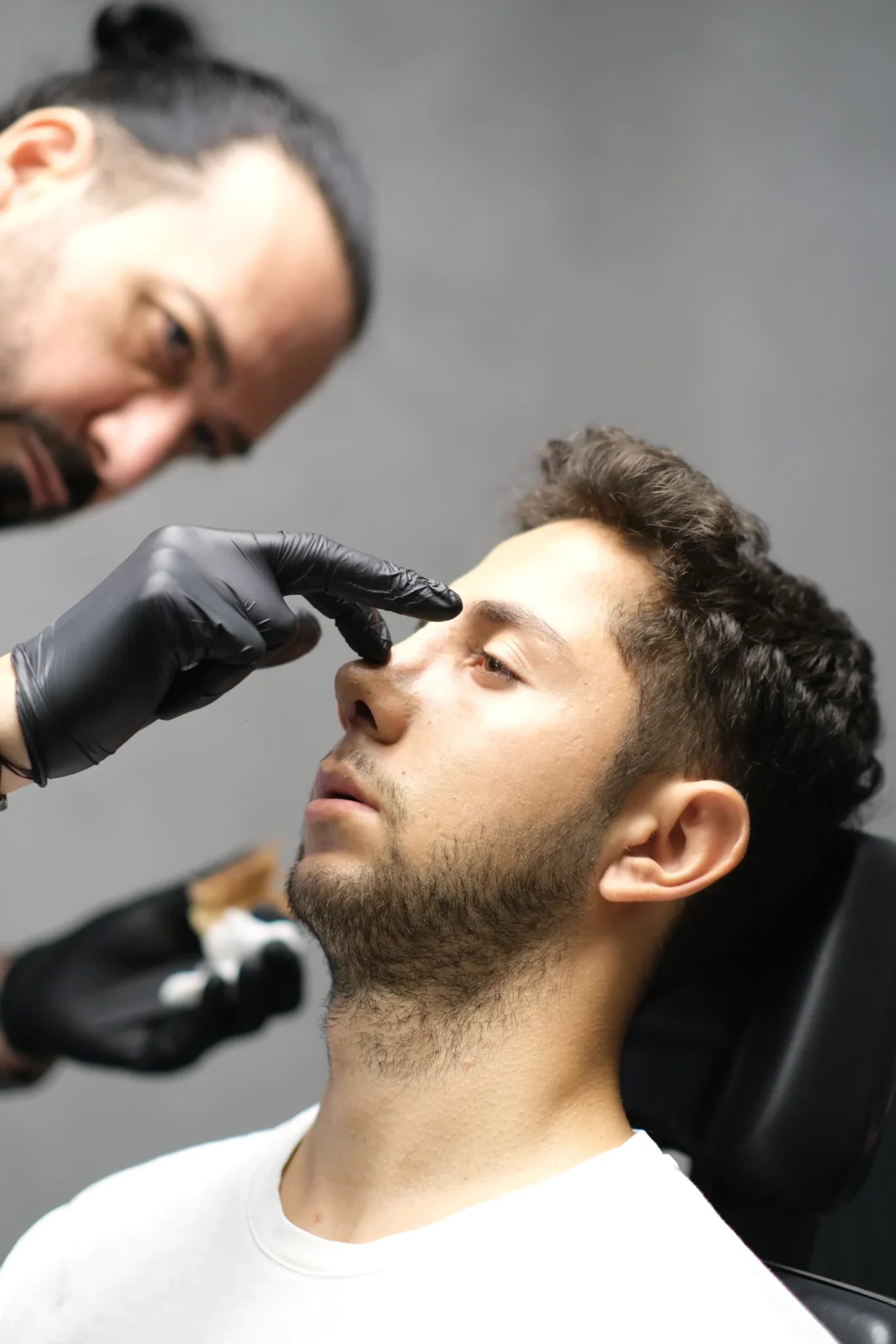
During a non-surgical nose job, the procedure begins with a thorough consultation between the patient and the healthcare provider to discuss the desired changes to the nose. Prior to the treatment, topical anesthesia may be applied to numb the skin or ice may be used to provide temporary numbness.
The healthcare provider then strategically injects dermal fillers, often containing hyaluronic acid, into specific areas of the nose to achieve the desired results. These fillers add volume and help reshape the nose, addressing concerns such as smoothing out bumps, enhancing the nasal tip, or straightening a slightly crooked nose. The entire procedure typically takes less than an hour to complete, and the results are immediate.
Recovery Process After Non-Surgical Nose Job
After a non-surgical nose job, the recovery process is generally straightforward. There is no significant downtime associated with this procedure, allowing individuals to resume their normal activities immediately. Following the treatment, minor side effects such as redness, sensitivity, swelling, and bruising in the treated area may occur, but these typically subside within a day or two.
It is crucial to follow any specific post-treatment instructions provided by the healthcare provider to manage these side effects effectively. Patients are advised to avoid touching or applying pressure to the treated area and to refrain from strenuous physical activities for a short period. Regular follow-up appointments may be recommended to monitor the results and address any concerns.
Contact us for detailed information about treatments and to schedule an appointment!
Is It Safe To Have Non-Surgical Nose Job In Turkey?
The safety of having a non-surgical nose job in Turkey depends on several factors. Turkey has become a popular destination for medical tourism, offering a range of cosmetic procedures at competitive prices. However, it is crucial to carefully consider the reputation and qualifications of the healthcare providers and clinics. Look for certified and experienced professionals who adhere to strict safety standards and protocols.
Before making any decisions, it is important to conduct comprehensive research, review feedback from others, and seek recommendations from reliable and trustworthy sources. Additionally, ensure that the facility follows proper hygiene practices and uses approved dermal fillers. By choosing a reputable clinic and a skilled practitioner, you can enhance the safety and effectiveness of your non-surgical nose job in Turkey.
Why Is Non-Surgical Nose Job Cheap In Turkey?
The affordability of non-surgical nose jobs in Turkey can be attributed to several factors. Firstly, the cost of living and operational expenses in Turkey are generally lower compared to many other countries, resulting in reduced overhead costs for medical facilities. Additionally, the availability of a skilled and experienced medical workforce, coupled with a competitive market, contributes to the competitive pricing of cosmetic procedures.
Turkey has emerged as a sought-after location for medical tourism, drawing patients globally who are in search of high-quality treatments at comparatively more affordable costs. Furthermore, the government’s support and investment in the healthcare sector have fostered the growth of the medical tourism industry in Turkey, making non-surgical nose jobs a cost-effective option for those seeking aesthetic enhancements.
Contact us for detailed information about treatments and to schedule an appointment!
What Affect the Cost of Non-Surgical Nose Job?
Generally, there are several things that may determine the price of a nonsurgical nose job. The first includes the type and amount of filler that have to be used. Temporary fillers are normally hyaluronic acid. These are quite cheaper when compared to the permanent fillers and need to be replenished within six months to a year. Further, the cost is also chiefly determined by the level of desired changes. Minor adjustments usually cost less compared to heavy reshaping efforts.
- Last, but not least, is the issue of the clinic location. Relevant in relation to its location, the experience of the practitioner himself. For instance:
- Prices may also be higher in metropolitan areas where the demand is high.
Specialists with long years of experience charge expensive fees because they are expert practitioners. This will, in turn, affect the overall price depending on the type of filler chosen, the complexity of the procedure, and the qualifications and location of the doctor.
Latest Posts
Female Droopy Tip Rhinoplasty Result
Prof. Dr. Murat Songu » Cases » Female Droopy Tip Rhinoplasty ResultFemale droopy tip rhinoplasty [...]
Read More
03
Sep
Sep
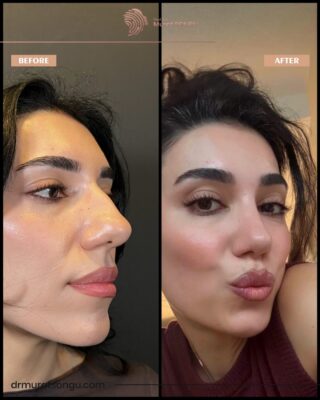
Female Big Nose Rhinoplasty Before & After Photos
Prof. Dr. Murat Songu » Cases » Female Big Nose Rhinoplasty Before & After PhotosFemale [...]
Read More
03
Sep
Sep
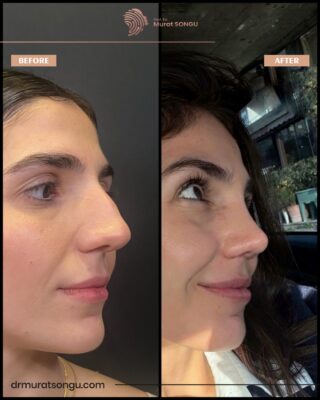
Roman Nose Rhinoplasty Result
Prof. Dr. Murat Songu » Cases » Roman Nose Rhinoplasty ResultRoman nose rhinoplasty is performed [...]
Read More
03
Sep
Sep
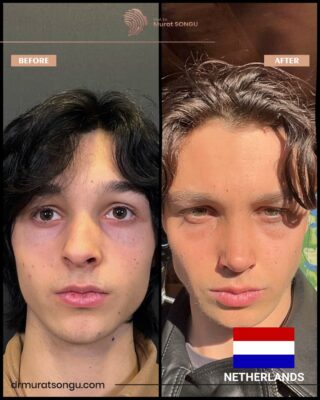
Crooked Nose Rhinoplasty Before & After Photos
Prof. Dr. Murat Songu » Cases » Crooked Nose Rhinoplasty Before & After PhotosCrooked nose [...]
Read More
03
Sep
Sep
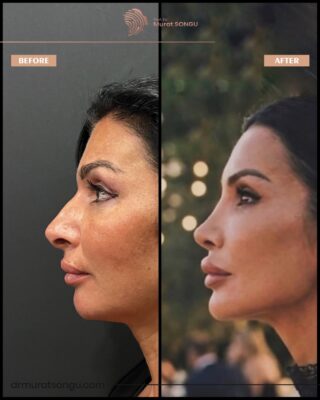
Hanging Columella Correction Rhinoplasty Result
Prof. Dr. Murat Songu » Cases » Hanging Columella Correction Rhinoplasty ResultHanging columella correction is [...]
Read More
03
Sep
Sep
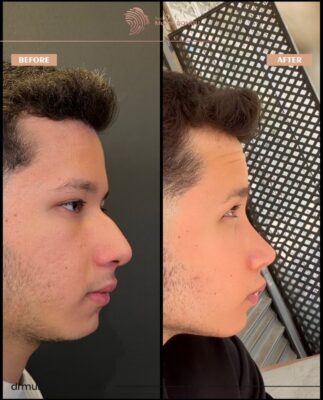
Male Deep Radix Rhinoplasty Result
Prof. Dr. Murat Songu » Cases » Male Deep Radix Rhinoplasty ResultMale deep radix rhinoplasty [...]
Read More
03
Sep
Sep
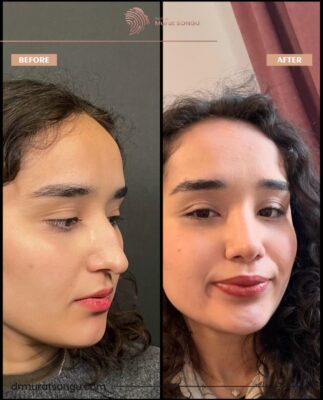
Hooked Nose Rhinoplasty Before & After Photos
Prof. Dr. Murat Songu » Cases » Hooked Nose Rhinoplasty Before & After PhotosHooked nose [...]
Read More
03
Sep
Sep
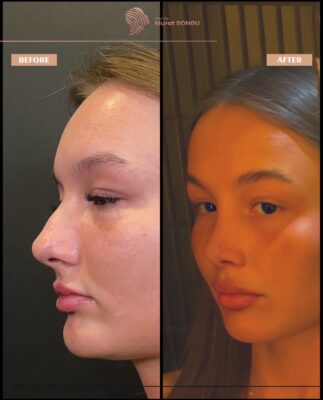
Barbie Nose Rhinoplasty Result
Prof. Dr. Murat Songu » Cases » Barbie Nose Rhinoplasty ResultA Barbie nose rhinoplasty result [...]
Read More
03
Sep
Sep
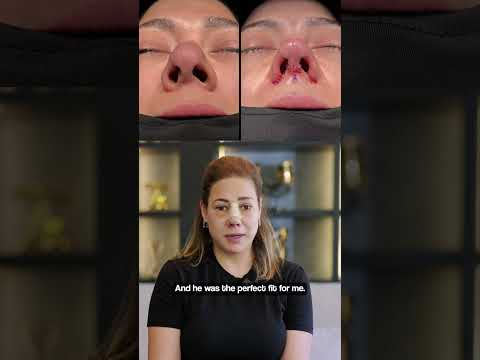
Rhinoplasty Reviews in Turkey





Frequently Asked Questions
Who is the best candidate for a non-surgical nose job instead of traditional rhinoplasty?
A non-surgical nose job is best suited for individuals seeking minor cosmetic improvements without surgery. It can enhance symmetry, smooth small bumps, or refine the profile, but it cannot reduce nose size or correct major structural issues.
How long do the results of a non-surgical nose job typically last?
Most non-surgical nose job results last between 6 and 18 months, depending on the type of dermal filler used, individual metabolism, and lifestyle factors. Periodic maintenance treatments help preserve the desired appearance over time.
What concerns can a non-surgical nose job effectively correct without surgery?
A non-surgical nose job can camouflage a dorsal hump, improve nasal symmetry, enhance the bridge, and lift the nasal tip using fillers. It is designed for subtle contour changes rather than reducing the overall size of the nose.
What are the possible risks and side effects of a non-surgical nose job?
Temporary swelling, redness, bruising, and tenderness are common after treatment. Although uncommon, serious complications such as vascular blockage may occur, making treatment by a highly experienced medical professional essential.
How soon can I return to normal activities after a non-surgical nose job?
Most people resume normal daily activities immediately or within 24 hours. Avoiding pressure on the nose, intense exercise, and excessive heat for the first couple of days helps support proper filler placement and recovery.
Can a non-surgical nose job improve breathing or fix a deviated septum?
A non-surgical nose job is intended for cosmetic enhancement only and does not correct breathing problems, a deviated septum, or internal nasal abnormalities. Functional concerns usually require a surgical evaluation and appropriate treatment.
Is a non-surgical nose job painful, and is anesthesia required?
Most patients experience only mild discomfort during treatment. Many dermal fillers contain a local anesthetic, and topical numbing cream may also be applied, making the procedure comfortable without the need for general anesthesia.
Can a non-surgical nose job be reversed if I am unhappy with the results?
If hyaluronic acid fillers are used, the results can often be reversed with an enzyme called hyaluronidase. This provides flexibility for adjustments or correction if the appearance does not meet the patient’s expectations.
How should I prepare before undergoing a non-surgical nose job procedure?
Patients are commonly advised to avoid blood-thinning medications, alcohol, and certain supplements before treatment when medically appropriate. Following pre-treatment guidance helps reduce bruising and supports a smoother recovery.
How does a non-surgical nose job compare with surgical rhinoplasty for long-term results?
A non-surgical nose job offers temporary cosmetic enhancement with minimal downtime, while surgical rhinoplasty provides permanent structural changes. The most suitable option depends on aesthetic goals, anatomy, and desired longevity.