Türkçe
 Deutsch
Nose rasping surgery is a procedure that smooths or reduces small nasal humps using specialized surgical tools. It refines the bridge of the nose for a straighter profile.
This technique is often performed alongside rhinoplasty when bone irregularities are minor. It provides subtle but effective aesthetic improvements.
Candidates for nose rasping typically have small dorsal humps rather than major deformities. The approach avoids extensive reconstruction while achieving natural results.
Recovery is relatively quick compared to full rhinoplasty. Patients experience mild swelling, and results become visible as tissues heal.
| Overview | Nose rasping surgery is a rhinoplasty technique used to smooth or reduce minor irregularities of the nasal bridge by carefully filing the bone or cartilage. It is commonly performed for small dorsal humps or subtle contour refinements. |
| Purpose of the Procedure | The goal is to create a smoother, more even nasal profile while preserving the natural structure of the nose whenever possible. |
| Ideal Candidates | Suitable candidates are individuals with minor bony or cartilaginous irregularities of the nasal bridge, realistic expectations, and overall good health. Larger deformities may require more extensive rhinoplasty techniques. |
| Conditions Commonly Treated | Nose rasping may be used to address small dorsal humps, uneven nasal bridge contours, residual irregularities after previous rhinoplasty, or minor post-traumatic bony prominences. |
| Preoperative Assessment | A comprehensive evaluation includes facial analysis, examination of nasal anatomy, assessment of skin thickness, review of medical history, and discussion of aesthetic and functional goals. |
| Surgical Technique | The surgeon uses a specialized surgical rasp or fine instrument to gradually remove small amounts of bone or cartilage, allowing controlled reshaping of the nasal bridge. |
| Open vs. Closed Approach | Nose rasping may be performed through a closed (endonasal) or open rhinoplasty approach, depending on the extent of correction and whether additional nasal modifications are required. |
| Anesthesia | The procedure may be performed under local anesthesia with sedation or general anesthesia, depending on the complexity of the surgery and the treatment plan. |
| Benefits | Potential benefits include smoother nasal contours, preservation of nasal support structures, precise correction of minor irregularities, and improved facial harmony. |
| Limitations | Nose rasping is intended for subtle corrections. Significant dorsal humps, severe asymmetry, or major structural abnormalities generally require more comprehensive rhinoplasty procedures. |
| Recovery Process | Mild swelling, bruising, and nasal tenderness are common during the early recovery period. Most patients experience gradual improvement over the following days and weeks. |
| Splint Use | A nasal splint may be applied after surgery to support healing and protect the reshaped nasal bones, depending on the extent of the procedure. |
| Activity Restrictions | Patients should avoid strenuous exercise, heavy lifting, contact sports, and any activity that could cause nasal trauma until cleared by the surgeon. |
| Postoperative Care | Follow postoperative instructions carefully, including wound care if applicable, avoiding nose blowing, keeping the head elevated, and attending scheduled follow-up appointments. |
| Healing Timeline | Initial swelling typically improves within several weeks, while subtle changes continue to refine over several months. Final results may take up to 12 months or longer to become fully apparent. |
| Possible Risks and Complications | As with any surgical procedure, potential risks include bleeding, infection, persistent swelling, contour irregularities, asymmetry, overcorrection, undercorrection, breathing changes, and the possible need for revision surgery. |
| Revision Nose Rasping | Secondary rasping may occasionally be performed to correct minor residual irregularities following a previous rhinoplasty after complete healing has occurred. |
| Expected Results | When appropriately indicated, nose rasping can provide subtle and natural-looking improvements while maintaining the overall balance and function of the nose. |
| Factors Affecting Outcomes | Final results are influenced by skin thickness, bone quality, healing characteristics, surgical technique, postoperative care, and individual anatomy. |
| When to Seek Medical Attention | Patients should promptly contact their healthcare provider if they experience heavy bleeding, high fever, rapidly increasing swelling, severe pain, foul-smelling drainage, or difficulty breathing after surgery. |
One of the Best Surgeons for Nose Rasping Surgery in Turkey
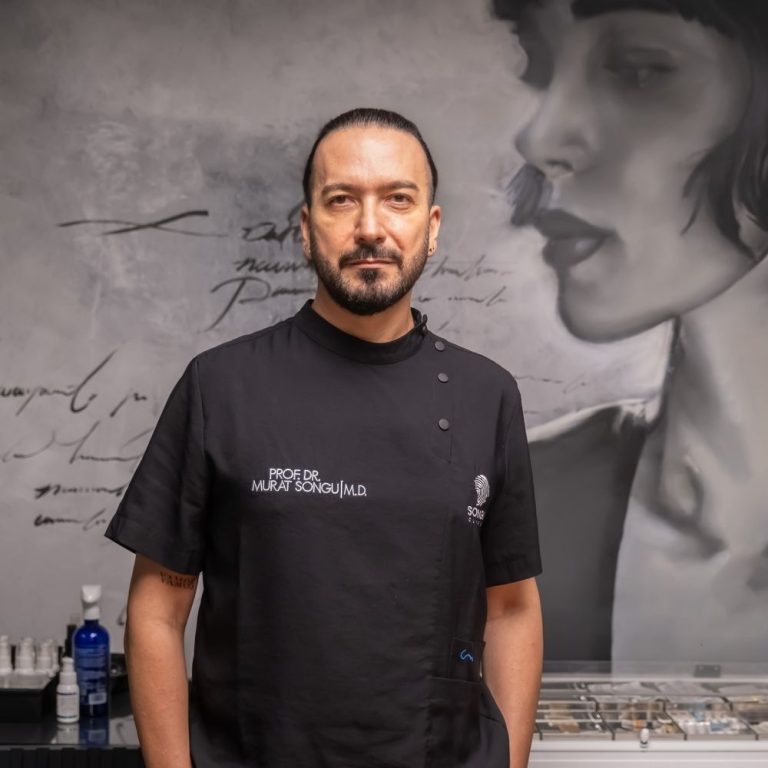
Prof. Dr. Murat Songu is recognized as one of the top surgeons for nose rasping surgery in Turkey, gently reshaping the nasal bridge to correct humps and irregularities. His minimally invasive methods ensure refined results with minimal recovery time and scarring.
What Is Nasal Rasping Surgery?
Nasal rasping surgery is a surgical procedure performed to correct the aesthetic appearance of the nose and to give it a structure that is compatible with the person’s facial features. During this operation, interventions are made on the bone, cartilage and soft tissues of the nose to provide both visual and functional improvements. Nose-shaping surgeries are preferred when the nose is disproportionate or asymmetric:
- Commonly performed procedures
- Shaving the hump on the nasal dorsum
- Narrowing or lifting the nasal tip
- Reducing the size of the nostrils
- Reducing or enlarging the overall size of the nose
Prior to surgery, the surgeon evaluates the individual’s facial structure, nasal functions and aesthetic expectations to determine appropriate techniques. The success of the surgery depends on bringing the nose into harmony with the other elements of the face while maintaining a natural appearance. In these operations, which can be performed with closed or open techniques, the patient’s needs are kept in the foreground.
Who Is a Good Candidate for Nasal Rasping Surgery?
Nasal rasping surgery is suitable for individuals who wish to correct aesthetic or functional problems and who meet certain criteria. These criteria directly affect the success of the operation and the healing process.
Characteristics of a good candidate:
- Good overall health
- Completed facial growth
- Non-smoker or willing to quit
- Realistic expectations
- Emotionally and psychologically prepared
Reasons for undergoing Rhinoplasty:
- Aesthetic concerns
- Functional problems
- Trauma and injuries
- Congenital abnormalities
- Age-related changes
While nasal rasping surgery aims to provide a natural appearance in harmony with the facial contours, it can also resolve functional difficulties such as breathing problems. The operation is tailored to individual needs and carried out with a personalized plan.
Which Techniques Are Used in Nasal Rasping Surgery?
The techniques used in nose-shaping surgeries may vary depending on the patient’s needs and the surgeon’s preference. Each method has its own advantages and limitations. Fundamentally, methods such as open rhinoplasty and closed rhinoplasty stand out:
- In open rhinoplasty, the incision is made between the nostrils.
- In closed rhinoplasty, the incisions are made inside the nose.
When deciding which technique will be used in nasal rasping surgery, the structural condition of the nose, aesthetic goals and patient expectations are taken into consideration. For example, open rhinoplasty is preferred for extensive corrections, whereas closed rhinoplasty is suitable for more minimal interventions. These methods aim to improve the aesthetic appearance of the nose while also solving functional problems.
What Is the Recovery Process After Nasal Rasping Surgery?
The recovery process after nasal rasping surgery can vary depending on the patient’s physiological characteristics, the surgeon’s technique and postoperative care. Recovery, which is generally a phased process, requires regular follow-up and careful care. Each period is characterized by its own symptoms and signs of healing:
First Days (1-7 Days):
- Swelling and bruising are pronounced.
- Nasal congestion may occur.
- Mild to moderate pain may be present.
- The nasal splint remains in place for about a week.
Early Recovery Period (2-4 Weeks):
- Noticeable reduction in swelling and bruising.
- Return to light daily activities is possible.
- Strenuous physical activities should be avoided.
Mid-Term Recovery (1-3 Months):
- The new shape of the nose becomes more apparent.
- Numbness or sensory changes in the skin may occur.
- Intense physical activities may be allowed.
Final Recovery Phase (12-24 Months):
- The final shape of the nose becomes evident.
- Swelling completely subsides.
- Surgical scars fade over time.
Postoperative nasal care and potential side effects should be monitored carefully. Regular use of sprays recommended to moisturize the nasal passages prevents crusting and accelerates healing. Taking the medications prescribed by the doctor without interruption reduces the risk of infection. In particular, activities with a risk of nasal trauma should be avoided, and adequate protection should be provided to avoid direct exposure to sunlight.
The recovery process may vary for each individual; however, patients generally achieve the best aesthetic and functional outcomes by following a patient and meticulous care regimen.
What Are the Risks and Complications of Nasal Rasping Surgery?
Nasal rasping surgery is a surgical procedure preferred for aesthetic and functional improvements. However, as with other surgical interventions, certain risks and complications may arise. These complications may be short-term or long-term and can affect the patient’s quality of life.
Problems That May Occur After Surgery:
- Bleeding
- Infection
- Swelling and bruising
- Septal hematoma
- Anesthesia complications
Long-Term Complications:
- Difficulty breathing
- Septal perforation
- Changes in nasal shape
- Altered skin sensation
- Adhesions
- Psychological effects
Reducing these risks greatly depends on the surgeon’s expertise. In addition, detailed pre-operative assessments and careful postoperative care contribute to preventing complications. For example, avoiding smoking, attending regular follow-up examinations and diligently following the surgeon’s recommendations support the healing process.
After the surgery, it is important for the patient to be patient and allow the body to adapt to the healing process. It may take time for the aesthetic results to become fully visible. Moreover, having realistic expectations before the operation and being properly informed about possible risks help the patient experience a healthier recovery process both physically and psychologically.
What Are the Average 2026 Nose Rasping Surgery in Turkey Prices?
Please contact us for the average Nose Rasping Surgery in Turkey prices.
Reviews from Those Who Had Nose Rasping Surgery in Turkey
For patient reviews of Prof. Dr. Murat Songu, please visit Google Maps or Doktortakvimi.
Frequently Asked Questions
Who is an ideal candidate for nose rasping surgery to smooth a nasal hump?
How does nose rasping surgery reshape the nasal bridge without major reconstruction?
What is the recovery process like after nose rasping surgery?
Can nose rasping surgery improve breathing as well as the appearance of the nose?
What are the possible risks and complications of nose rasping surgery?
How long does it take to see the final results after nose rasping surgery?
Will nose rasping surgery leave visible scars after the procedure?
How should I prepare before undergoing nose rasping surgery?
Are the results of nose rasping surgery permanent over the long term?
Can nose rasping surgery be combined with other rhinoplasty procedures?
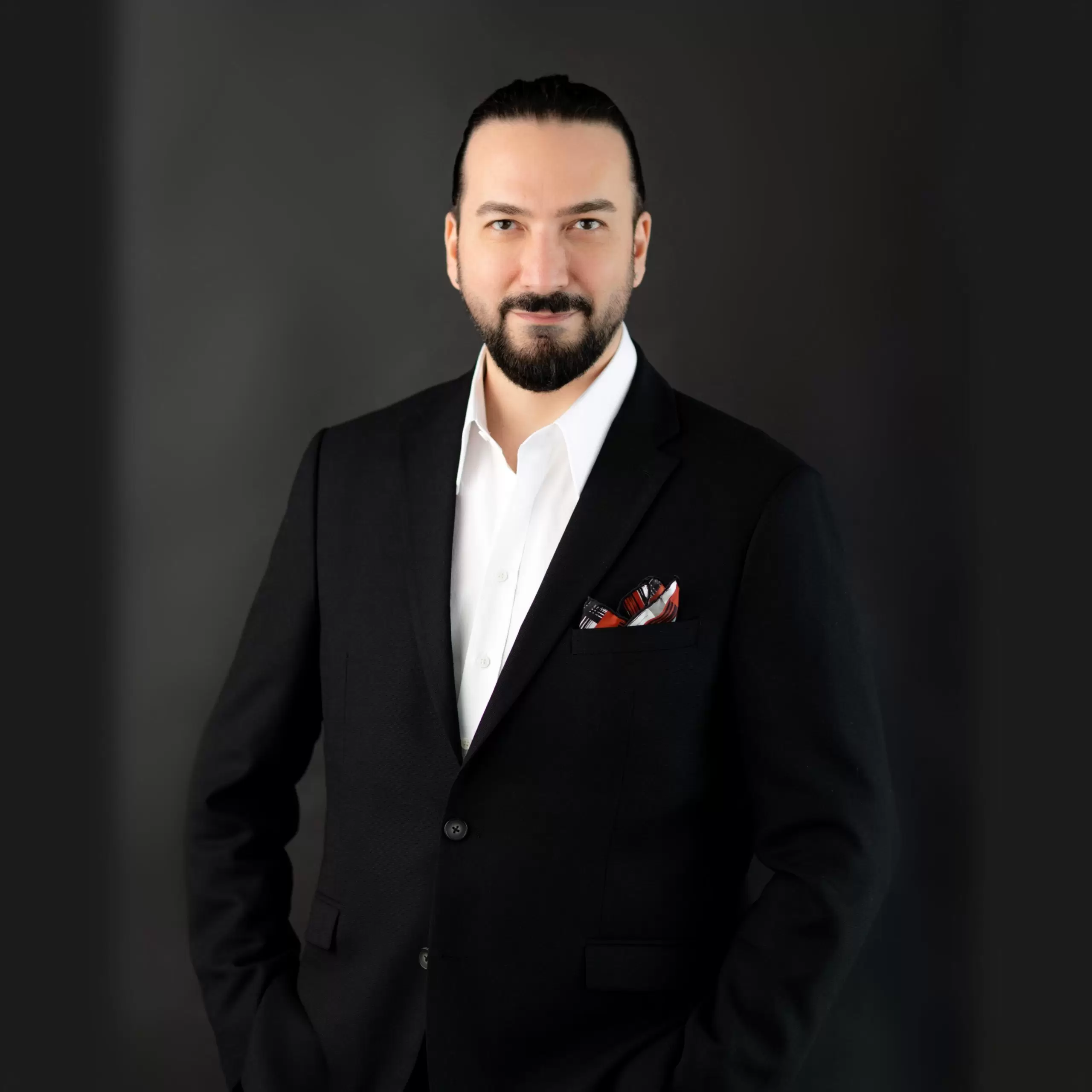
Prof. Dr. Murat Songu – Rhinoplasty (Nose Aesthetics) Specialist
Prof. Dr. Murat Songu was born in 1976 in Izmir and completed his medical education at the Ege University Faculty of Medicine. He then completed his residency training in the Department of Otorhinolaryngology at Celal Bayar University. Between 2005 and 2006, he received advanced training in rhinoplasty, functional nasal surgery, and skull base surgery in Bordeaux, France, working with leading rhinologists such as Prof. Vincent Darrouzet and Dr. Guy Lacher.
Prioritizing natural appearance, the preservation of breathing function, and facial aesthetic harmony, Prof. Dr. Songu is nationally and internationally recognized for his expertise in open rhinoplasty, piezo (ultrasonic) rhinoplasty, revision rhinoplasty, tipplasty, and functional septorhinoplasty. He has participated as an instructor and speaker at numerous rhinoplasty congresses worldwide.
With over 100 scientific publications, book chapters, and more than 1700 citations, Prof. Dr. Murat Songu is one of Türkiye’s most respected academics in the field of rhinoplasty, combining natural, facially harmonious, and functional results with scientific and aesthetic excellence.