Türkçe
 Deutsch

Nose reduction surgery offers an aesthetic solution to harmonise facial features. When performed meticulously, it can significantly improve facial symmetry. During the operation, preserving breathing functions is essential. In this process, the properties of the nasal skin and the thickness of its structure set the limits of intervention. Therefore, each patient’s nose cannot be reduced to the same degree. A skilled surgeon performs the procedure considering these factors. The results generally satisfy patients and increase their self-confidence. Thus, while aesthetic concerns diminish, a functional gain is also achieved.

Turkey's Rhinoplasty Doctor
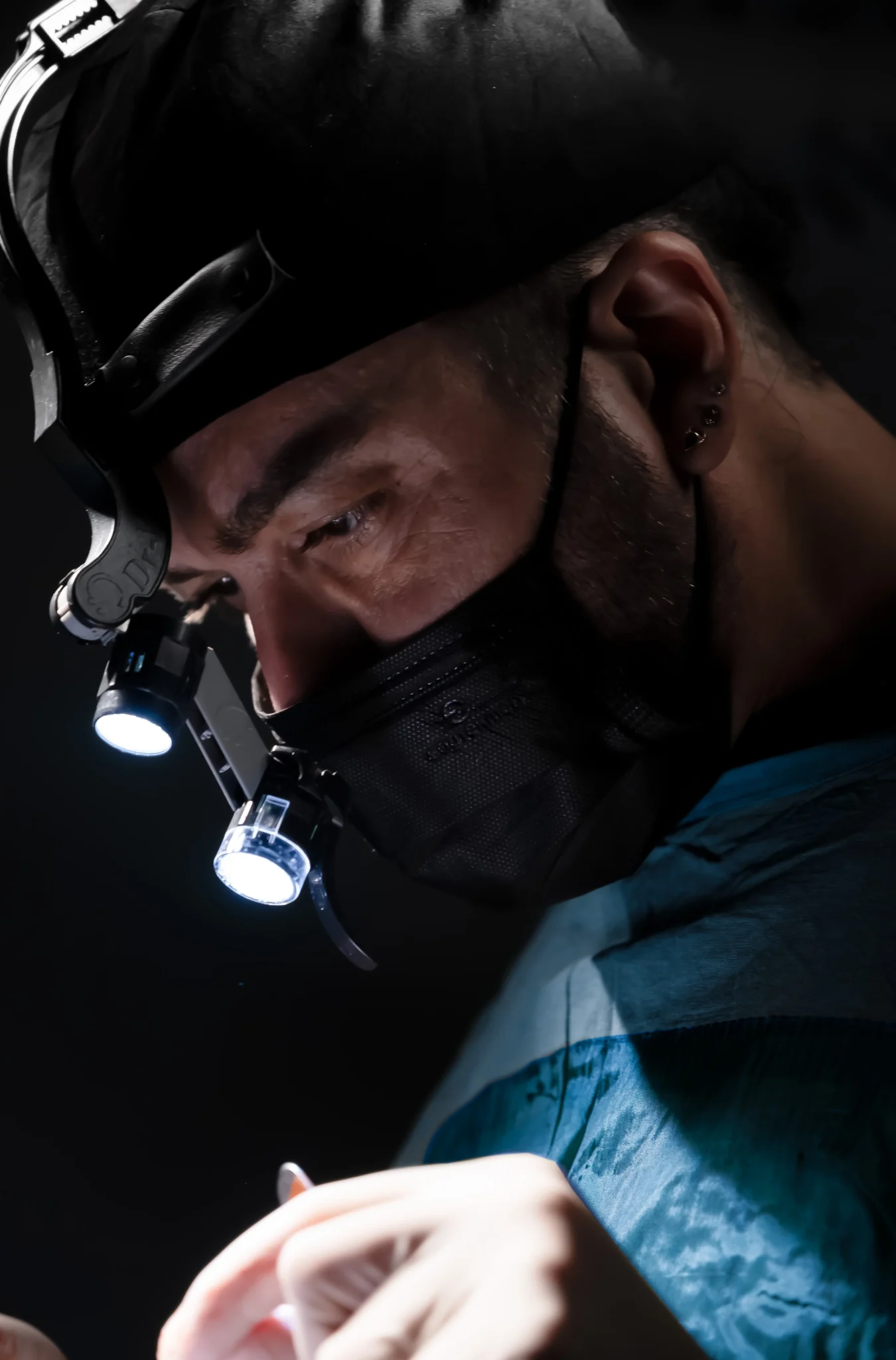
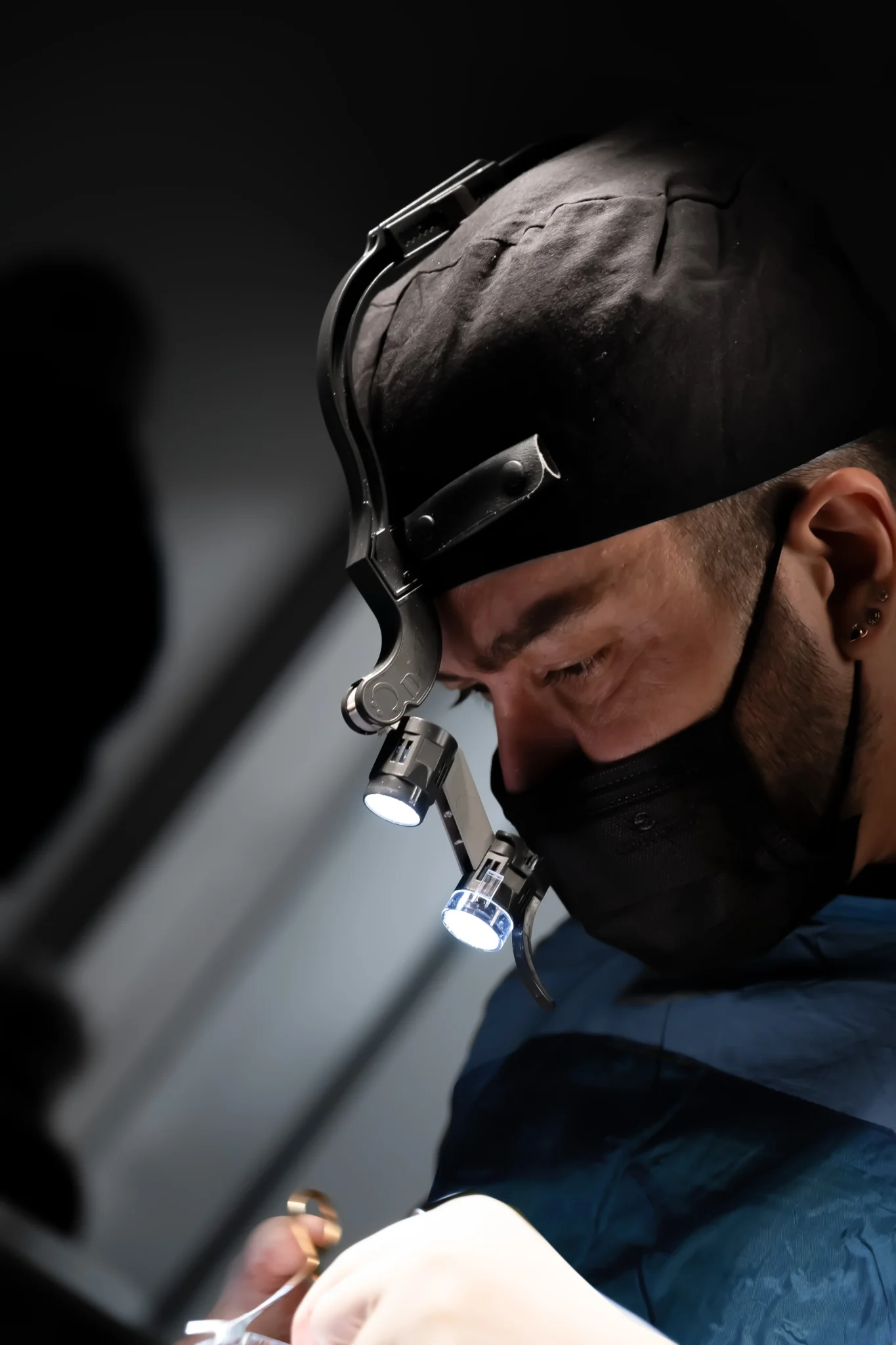
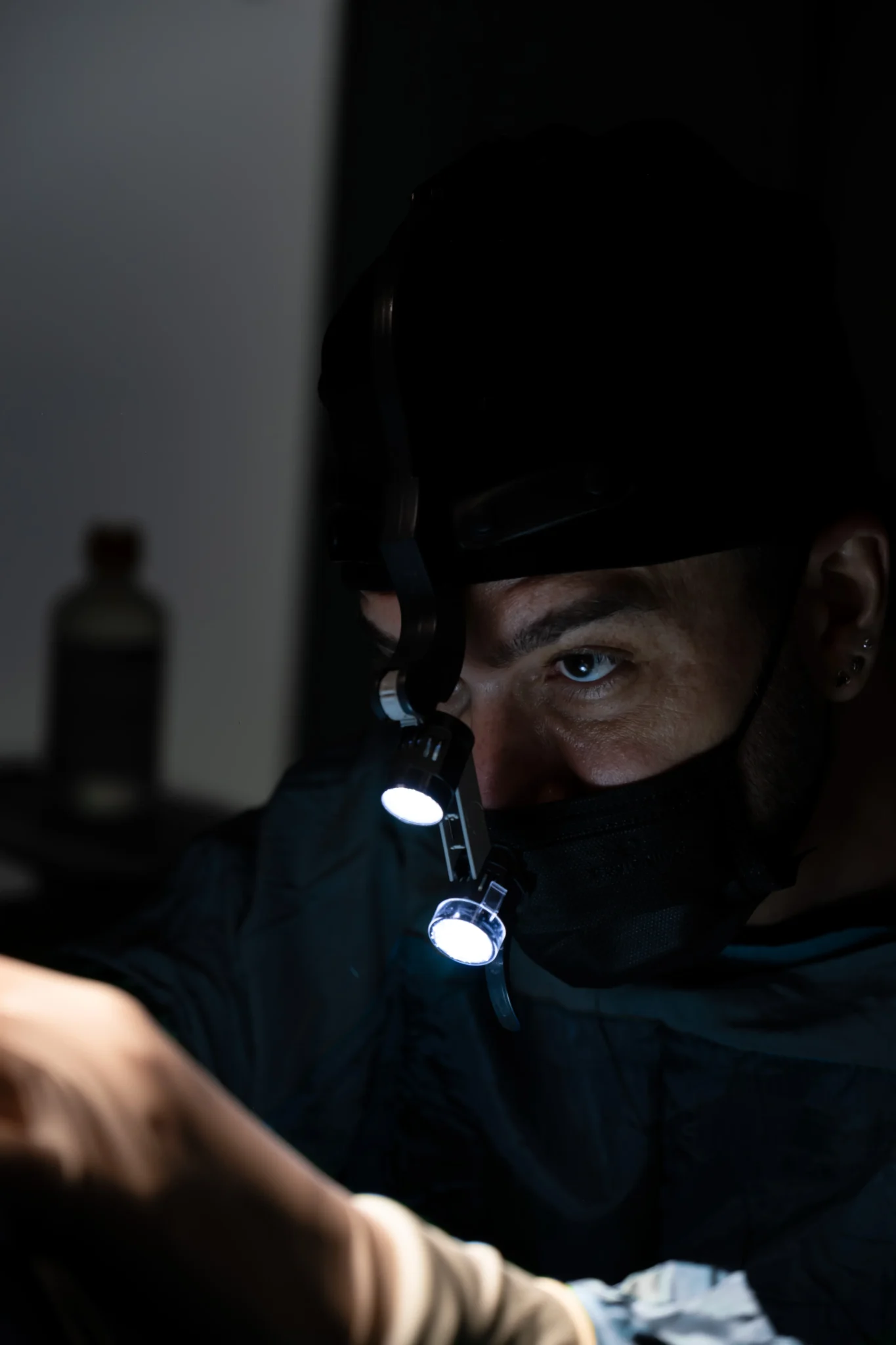
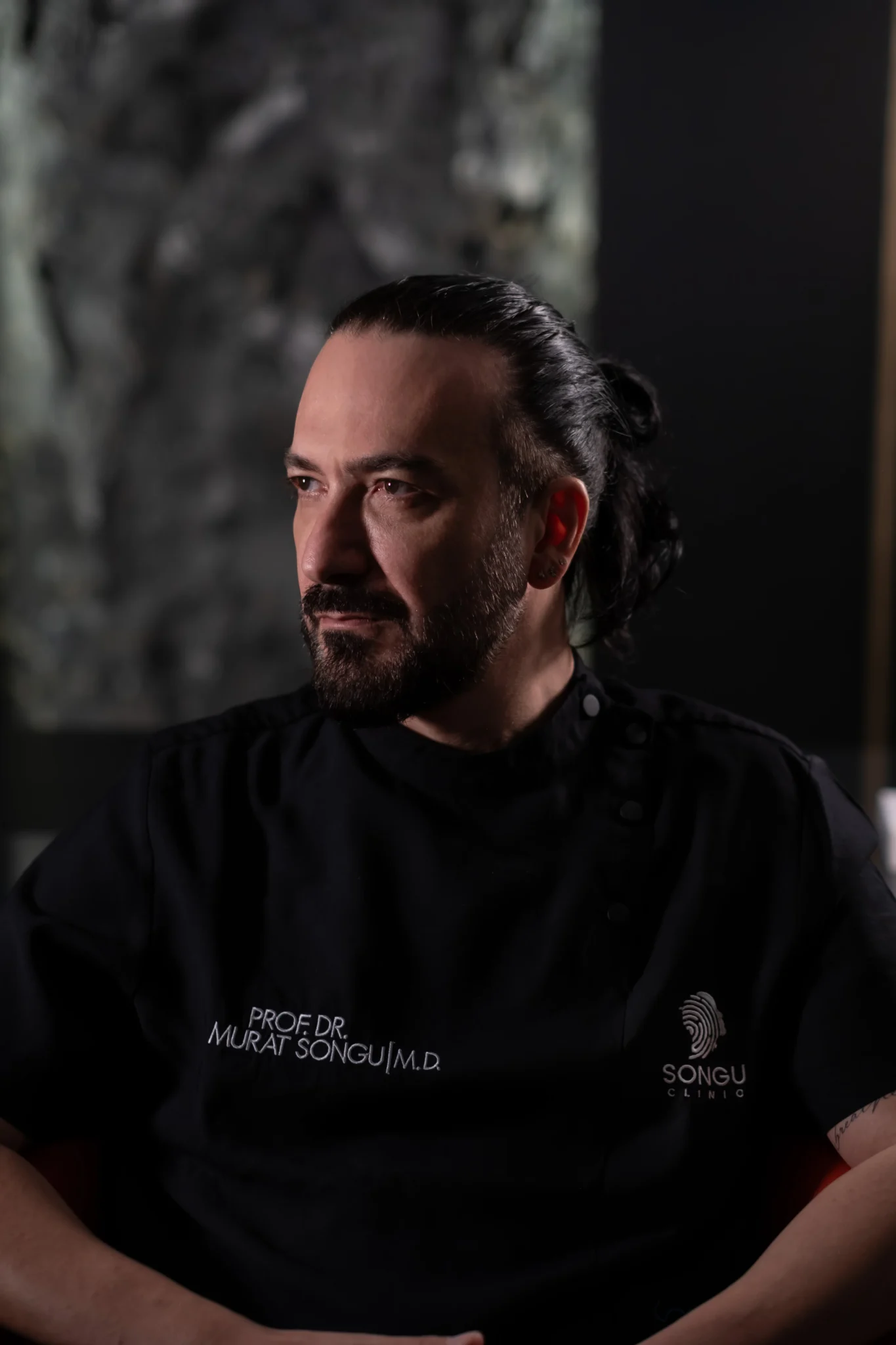
Prof. Dr. Murat Songu
Revision Rhinoplasty Specialist
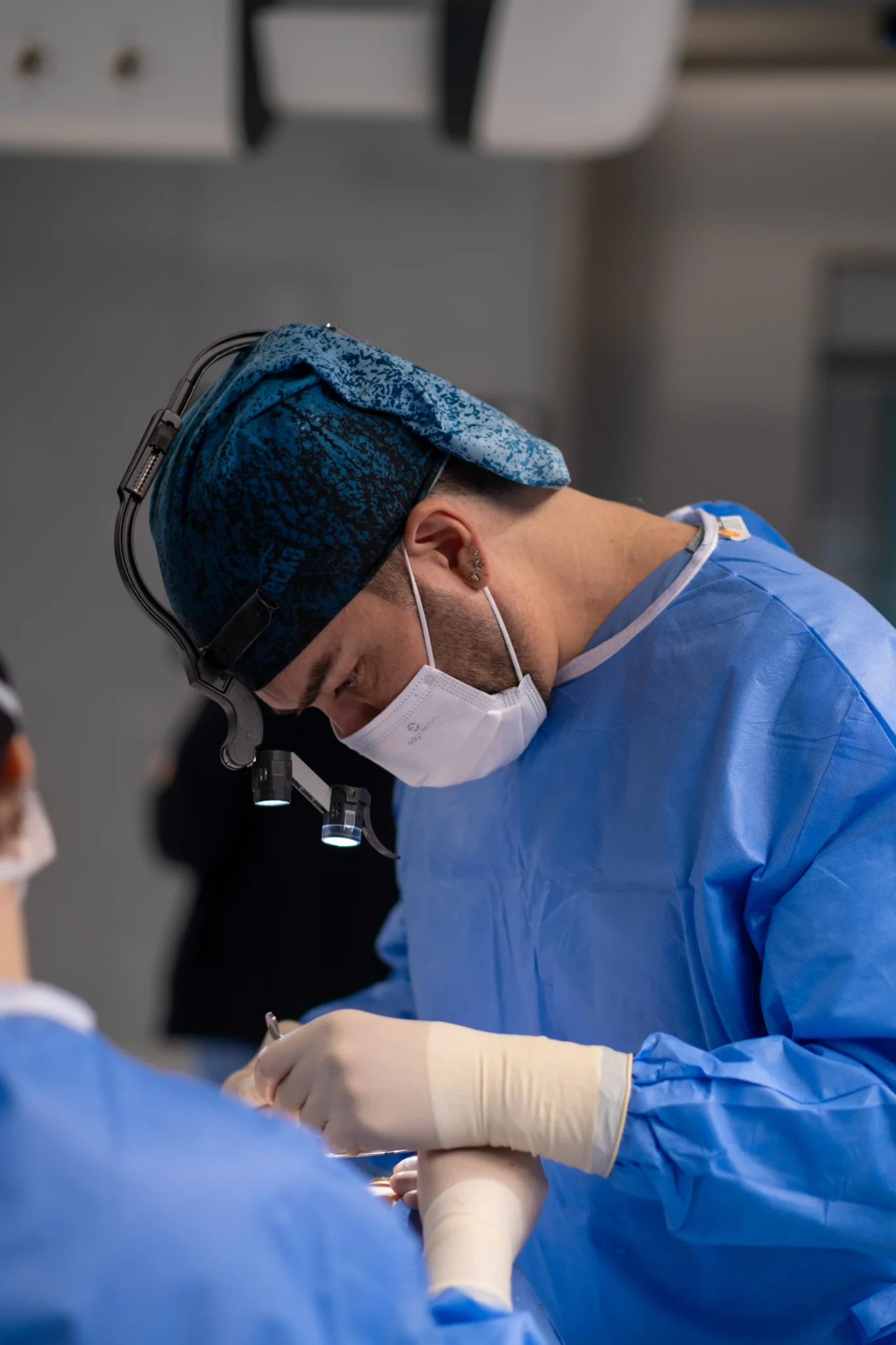
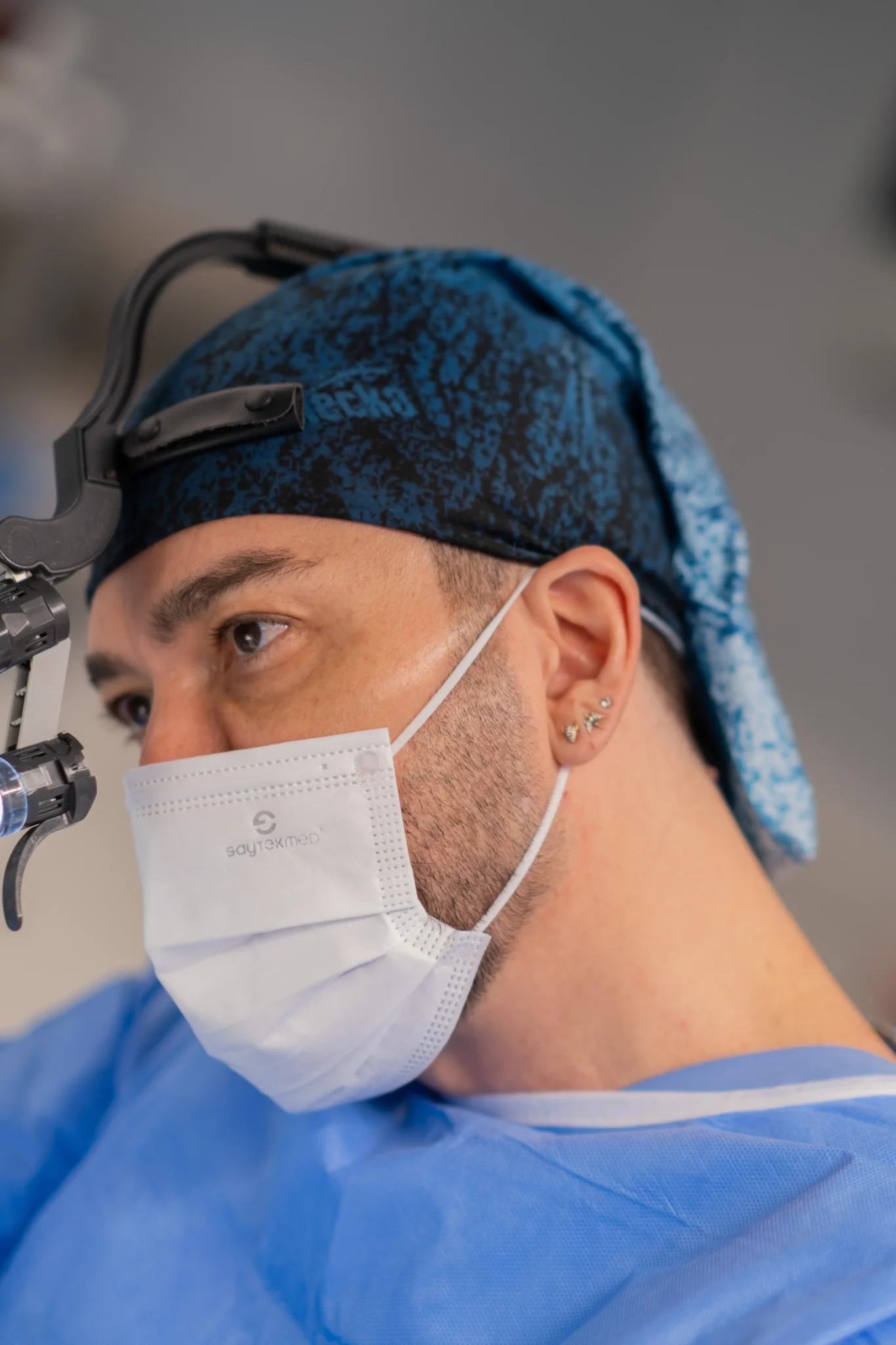
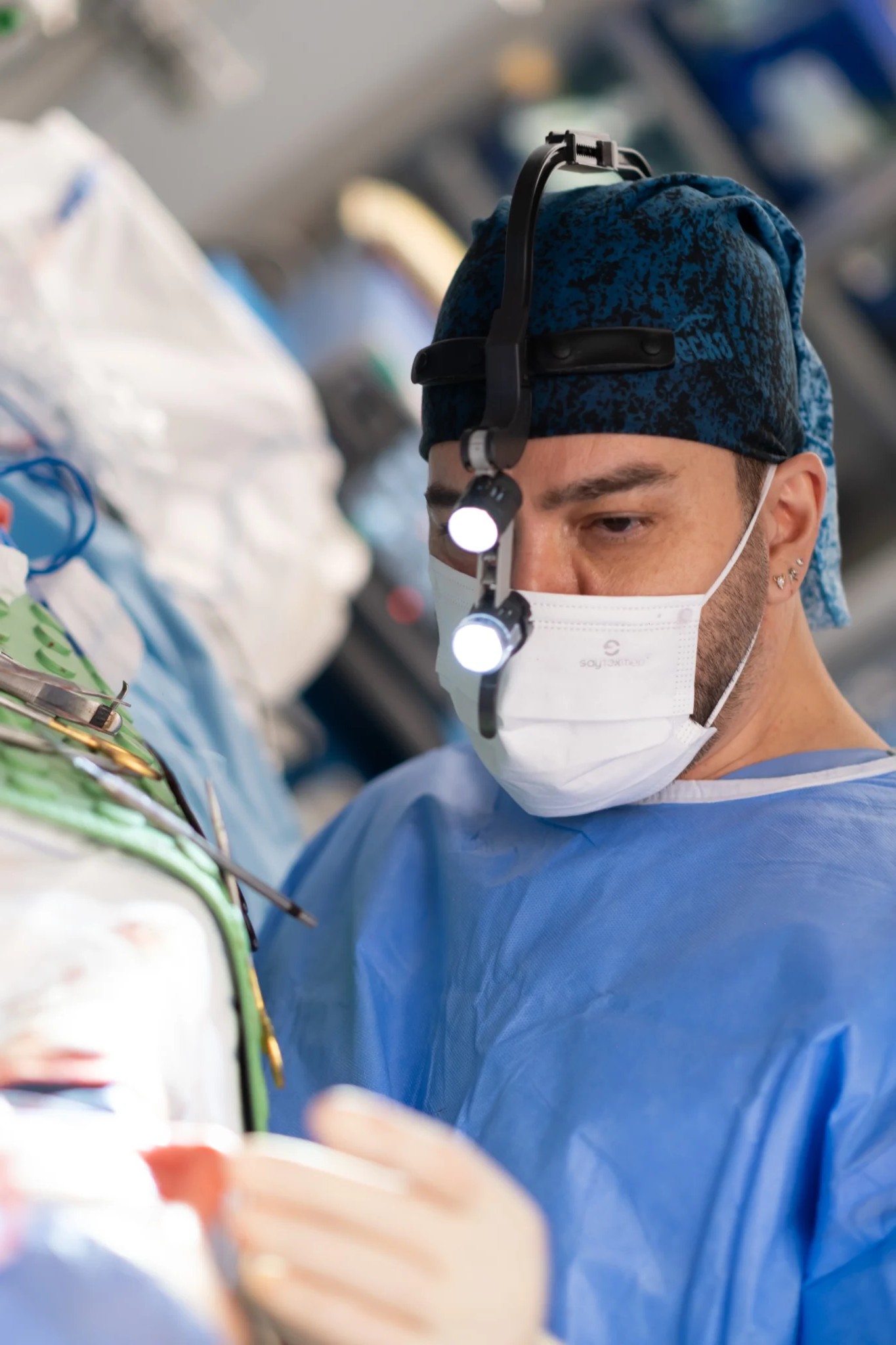
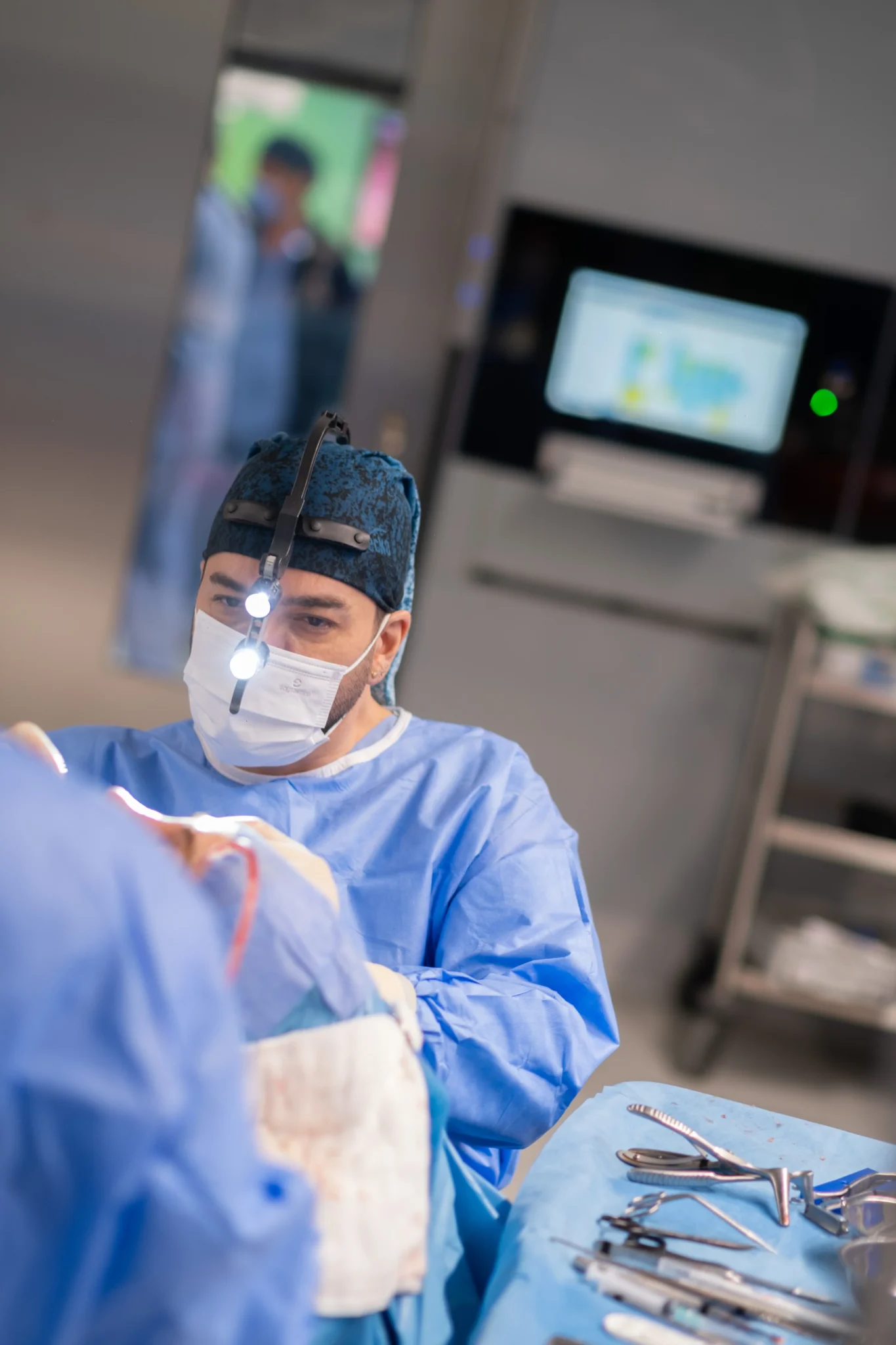
Born in İzmir in 1976, Prof. Dr. Murat Songu entered İzmir Atatürk High School and then, in 1994, started at Ege University Faculty of Medicine. He completed his specialty training in Ear, Nose, and Throat Diseases at Celal Bayar University. In 2005, he worked on rhinology and otologic surgery in Bordeaux, France, at St. Augustin Clinic with Dr. Guy Lacher and at Bordeaux University with Prof. Vincent Darrouzet.






| Procedure Name | Nose Reduction Surgery |
| Definition | A rhinoplasty procedure performed to reduce the overall size of the nose while preserving facial harmony, structural support, and normal nasal function. |
| Primary Goals | Decrease nasal size, refine the nasal bridge and tip, reduce projection or width when necessary, and create balanced facial proportions. |
| Common Candidates | Individuals with a nose that appears disproportionately large, a prominent nasal bridge, an over-projected tip, excessive nasal width, or enlarged nostrils, provided they have realistic expectations and appropriate nasal anatomy. |
| Areas Commonly Addressed | Nasal bridge, nasal bones, upper lateral cartilages, lower lateral (tip) cartilages, nasal tip, septum, and nostrils (alar base) when indicated. |
| Surgical Techniques | May include dorsal hump reduction, osteotomies (controlled repositioning of the nasal bones), cartilage reshaping, tip refinement, projection reduction, alar base reduction, septal modification, and structural grafting when support is required. |
| Anesthesia | Most commonly performed under general anesthesia, although selected cases may be suitable for local anesthesia with intravenous sedation. |
| Incision Types | Can be performed using a closed approach (incisions inside the nostrils) or an open approach (a small incision across the columella combined with internal incisions), depending on the complexity of the procedure. |
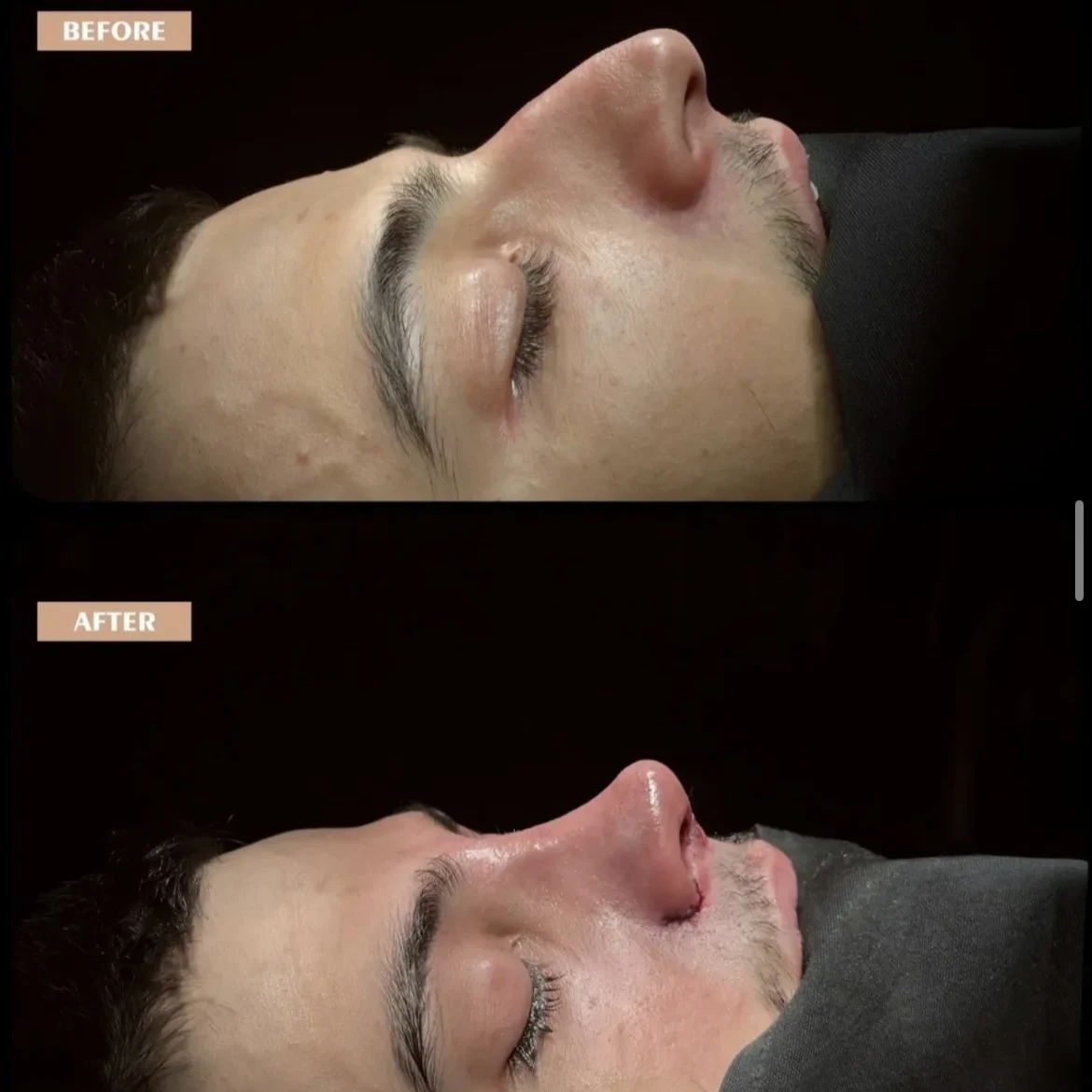
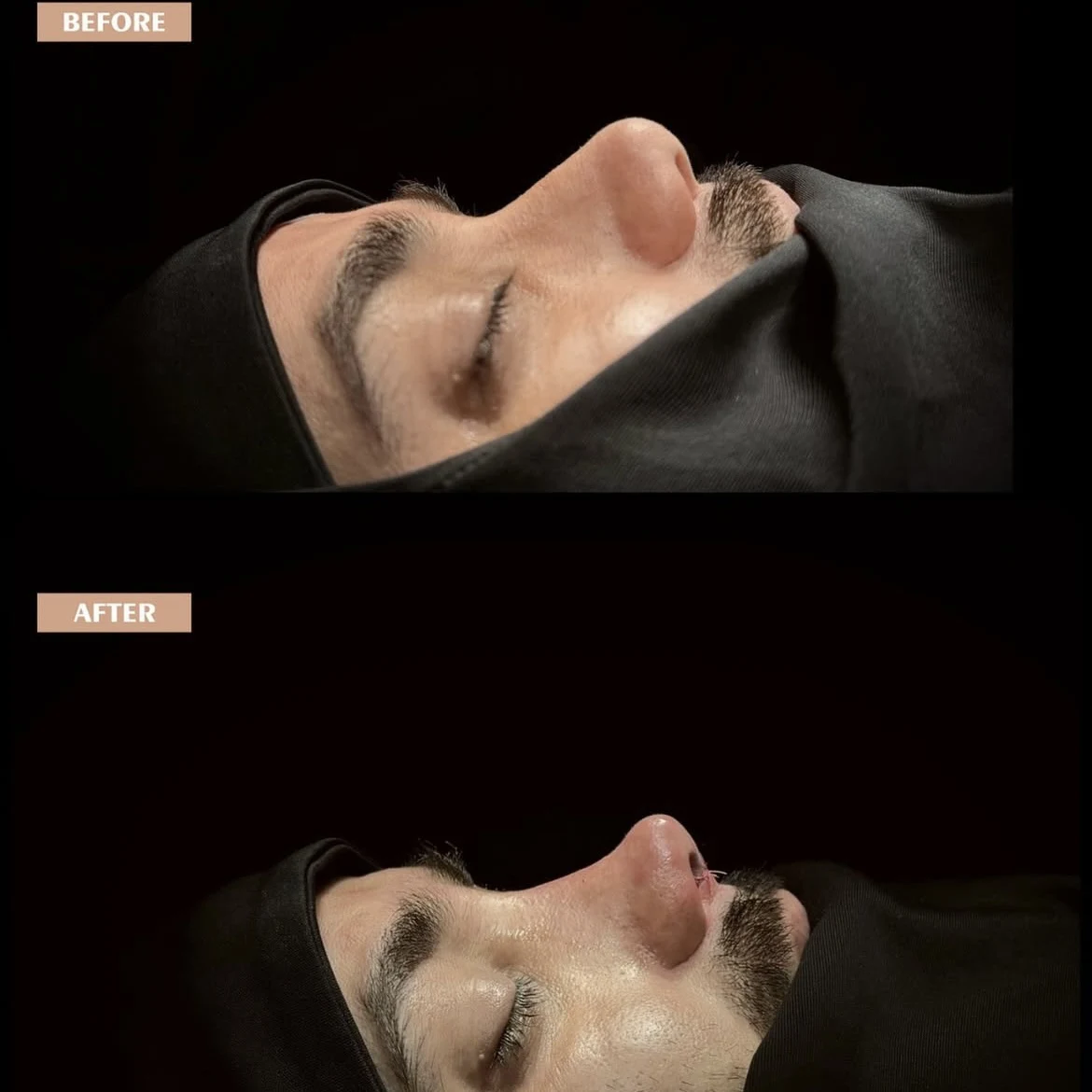
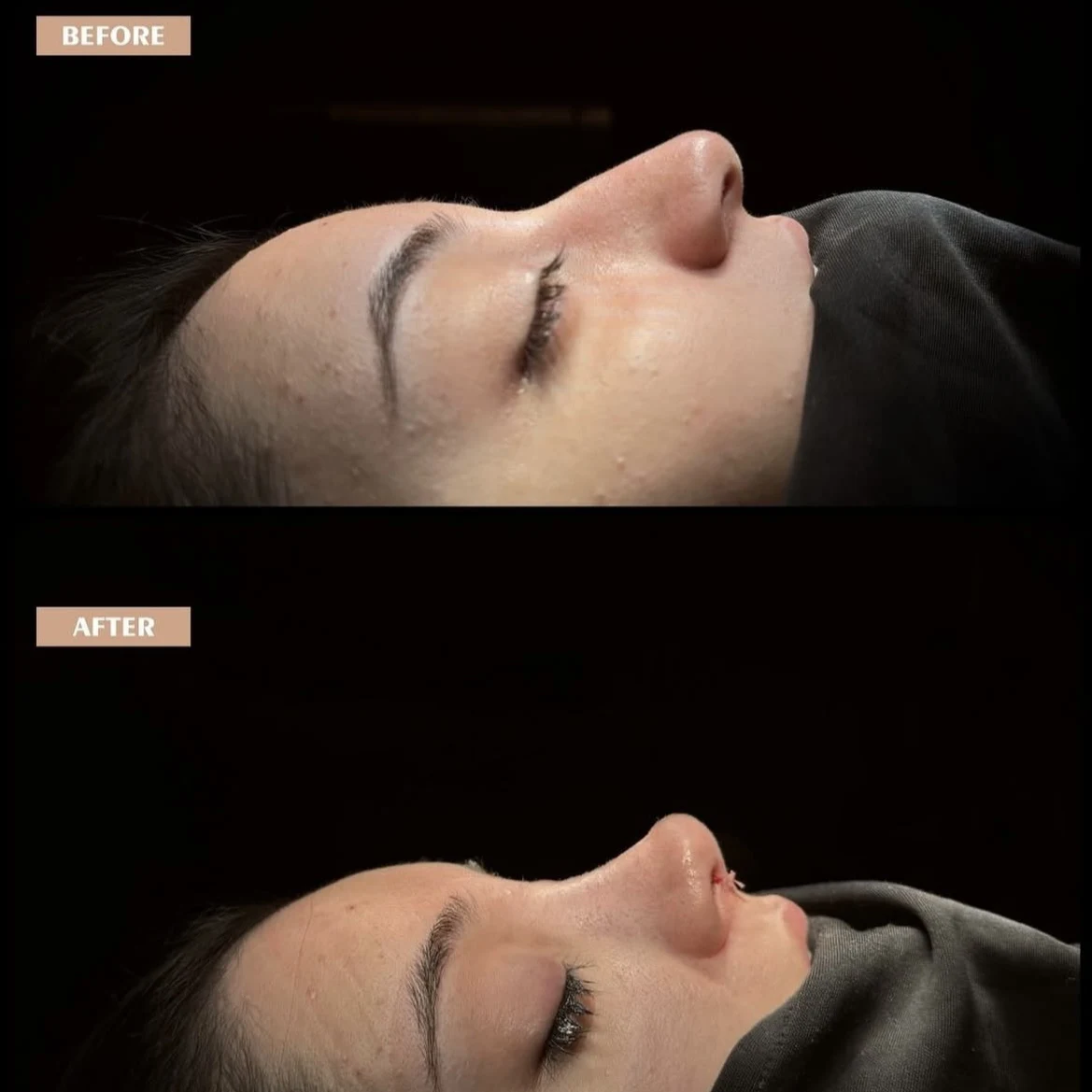
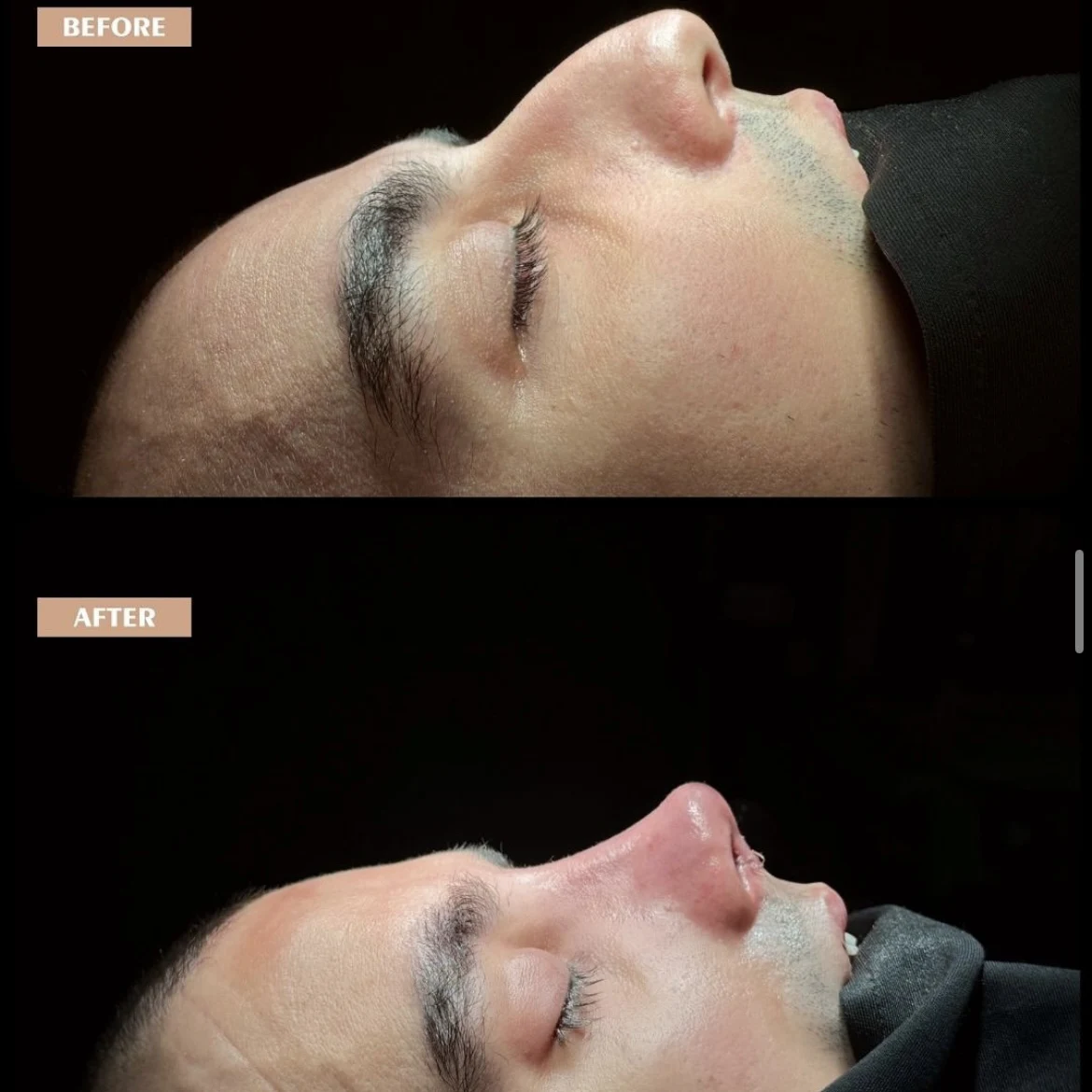
| Expected Aesthetic Changes | A smaller, more proportionate nose with refined contours, improved symmetry, balanced projection, and enhanced facial harmony while maintaining a natural appearance. |
| Functional Considerations | The procedure aims to preserve or improve nasal breathing by maintaining adequate structural support and avoiding excessive tissue removal that could compromise the airway. |
| Recovery Period | Most bruising and swelling improve within 1–2 weeks. Residual swelling gradually resolves over several months, with final results commonly becoming apparent after 12–18 months. |
| Common Temporary Effects | Swelling, bruising, nasal congestion, mild discomfort, tenderness, temporary numbness, and temporary changes in nasal sensation. |
| Potential Risks | Bleeding, infection, asymmetry, contour irregularities, persistent swelling, breathing difficulties, excessive reduction, delayed healing, dissatisfaction with the outcome, or the need for revision surgery. |
| Postoperative Care | Patients are generally advised to avoid strenuous activities, heavy lifting, smoking, forceful nose blowing, pressure on the nose, and facial trauma during the early healing period. Regular follow-up appointments are important to monitor recovery. |
| Advantages | Improves facial balance, creates a more proportionate nasal appearance, refines nasal contours, and can address both cosmetic and functional concerns when appropriate. |
| Limitations | The amount of reduction is limited by the need to preserve structural integrity and nasal function. Skin thickness, cartilage quality, and individual anatomy may influence the achievable outcome. |
| Long-Term Outcome | Surgical changes are generally permanent, although natural aging, tissue remodeling, and future trauma may influence the nose’s appearance over time. |
| Medical Significance | Nose reduction surgery is primarily an aesthetic procedure but may also provide functional benefits when combined with correction of structural abnormalities affecting nasal airflow. |
One of the Best Surgeons for Nose Reduction Surgery in Turkey

Prof. Dr. Murat Songu is recognized as one of the top surgeons for nose reduction surgery in Turkey, skillfully refining overly large noses to harmonize with facial features. His deep understanding of nasal anatomy ensures aesthetically pleasing, functional outcomes tailored to each patient.
What Is Nose Reduction Surgery?
Nose reduction surgery aims for functional improvements as well as aesthetic balance. During this surgical procedure, following careful evaluations, a nasal shape suitable for the patient’s facial structure is targeted. The operation enhances facial symmetry, improving the person’s overall appearance.
The main focal points of the operation are:
- Reshaping the cartilage and bone structure.
- Structural adjustments to improve breathing functions.
- Correcting nasal contours to optimise the aesthetic appearance.
As a result, nose reduction surgery provides significant benefits both for health and aesthetics. Post-surgery, patient satisfaction is high, and an increase in self-confidence is observed in social life. Before the procedure, the patient’s expectations and facial structure are examined in detail, aiming to achieve the most suitable outcomes.
How Is Nose Reduction Surgery Performed in Children?
The process of performing nose reduction surgery in children begins after physical development is complete. Generally, nasal structure matures at age 17 for girls, while this limit is set at 18 for boys. These ages indicate that facial and body development is largely complete; therefore, these periods are considered appropriate for surgical intervention. However, certain special situations exist:
- If structural damage has occurred due to trauma,
- If congenital breathing problems are present.
Such conditions may necessitate exceeding the age limit. Early intervention may be performed on medical advice, primarily to resolve health issues. Since each child’s development process differs, the surgeon’s assessment is of great importance. Planning that takes development into account aims for both aesthetic and functional improvement.
What Is the Process for Women in Nose Reduction?

In women, nose reduction surgery is performed with regard to facial aesthetic balance. Surgeons develop an individual plan tailored to each patient’s facial structure. Fine and delicate lines are ideal for a female face; however, the nose must be in harmony with other facial features. A very small nose can sometimes conflict with other prominent features of the face. For this reason, surgeons adjust the nose size according to facial measurements:
- The nasal tip is generally designed to be more upturned and delicate.
- In profile view, the nasal bridge provides a smooth and gentle transition.
- The width of the nostrils is adjusted in proportion to the overall nose size.
During the operation, care is taken to integrate the nasal structure into the overall facial aesthetics. Aesthetic integrity is not limited to reducing size; it also ensures a look harmonious with the face. In this process, the patient’s features are examined in detail, and the most appropriate aesthetic solution is offered based on this analysis. Consequently, the surgery is completed in a way that highlights the patient’s natural beauty.
What Is Done During Nose Reduction Surgery in Men?
In men, nose reduction surgery is meticulously planned to align with masculine facial characteristics. The surgical procedure aims to achieve a more aesthetic appearance while preserving the masculine character of the nasal structure. Nose dimensions are carefully adapted to the man’s facial structure and proportions, yielding a natural and harmonious result. The points considered during surgery are:
- The length and tip of the nose should be balanced with the overall facial proportions.
- In some cases, distinctive humps on the nasal bridge maintain expressive strength.
- The width of the nasal base and the size of the nostrils are adjusted to suit the width of the man’s face.
After surgery, the nose presents a more defined structure harmonious with facial contours. Thus, the man’s natural facial expression and masculine lines are preserved, supporting a unique appearance. In this process, the surgeon evaluates aesthetic and functional needs together.
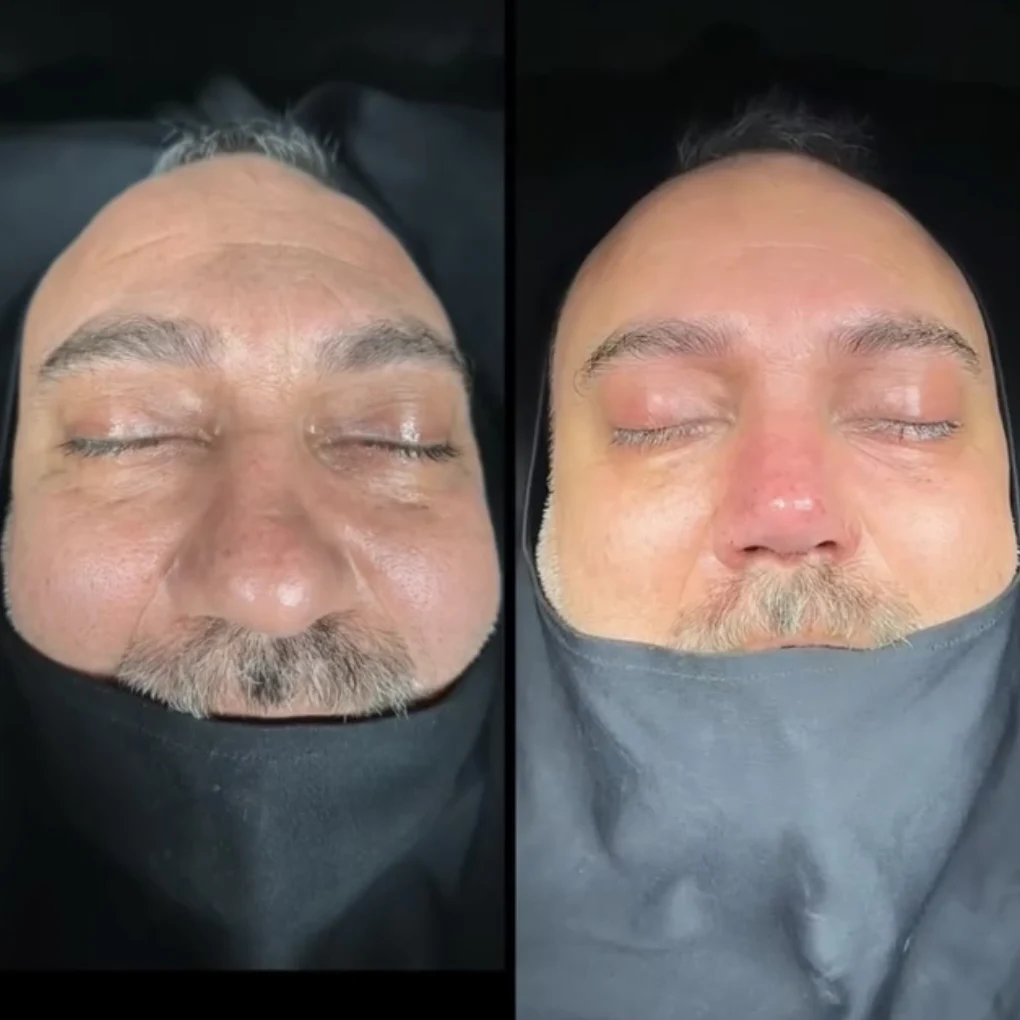
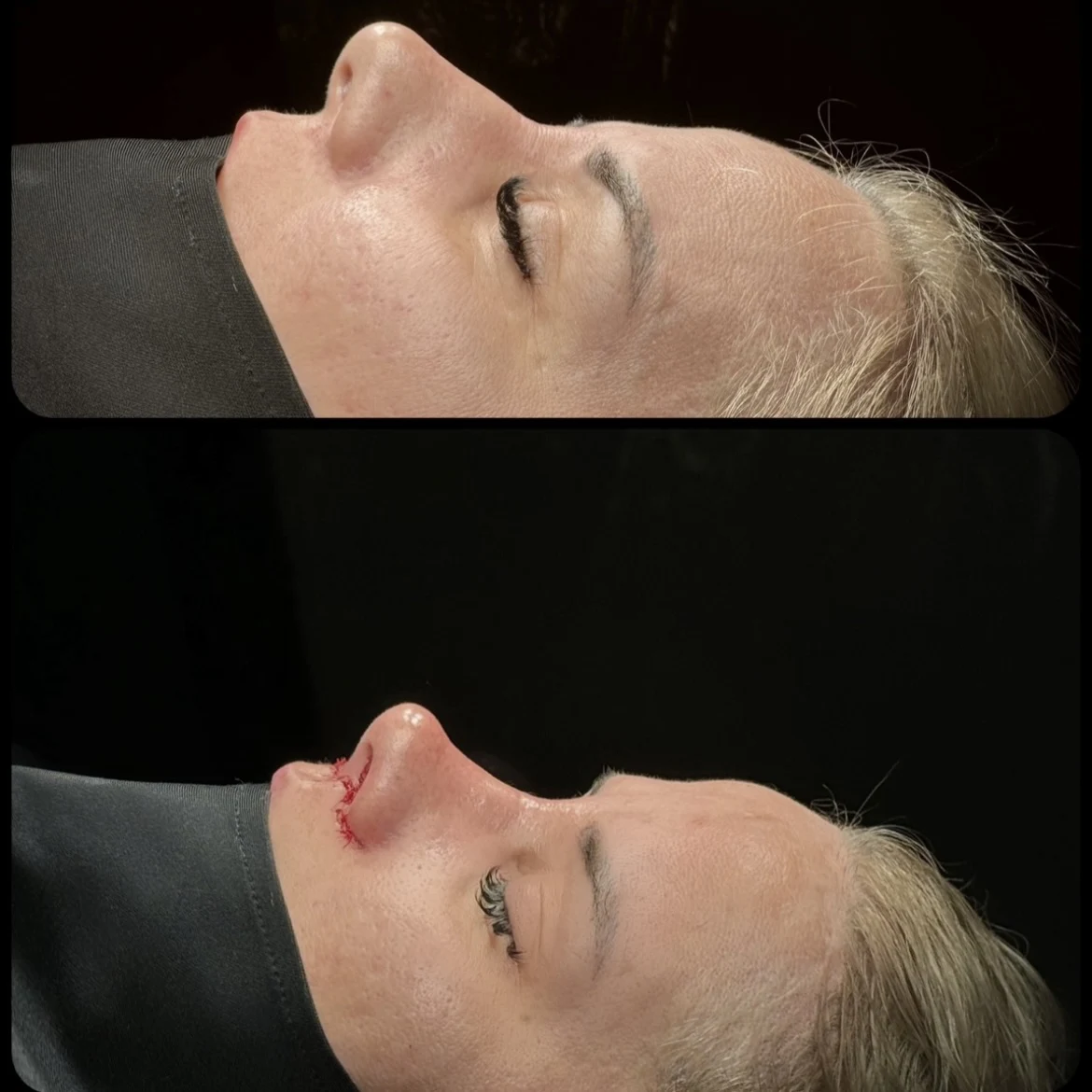
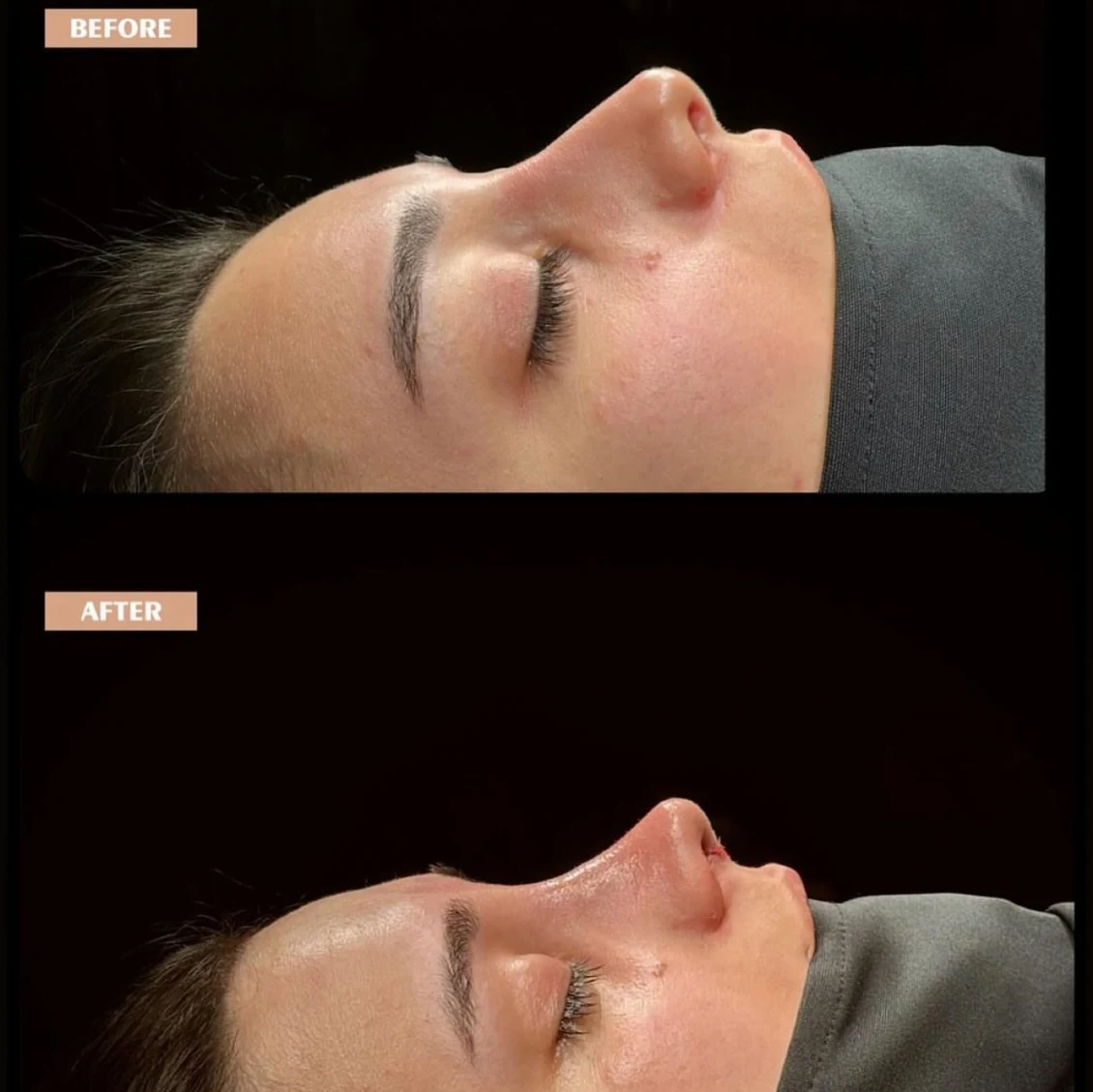
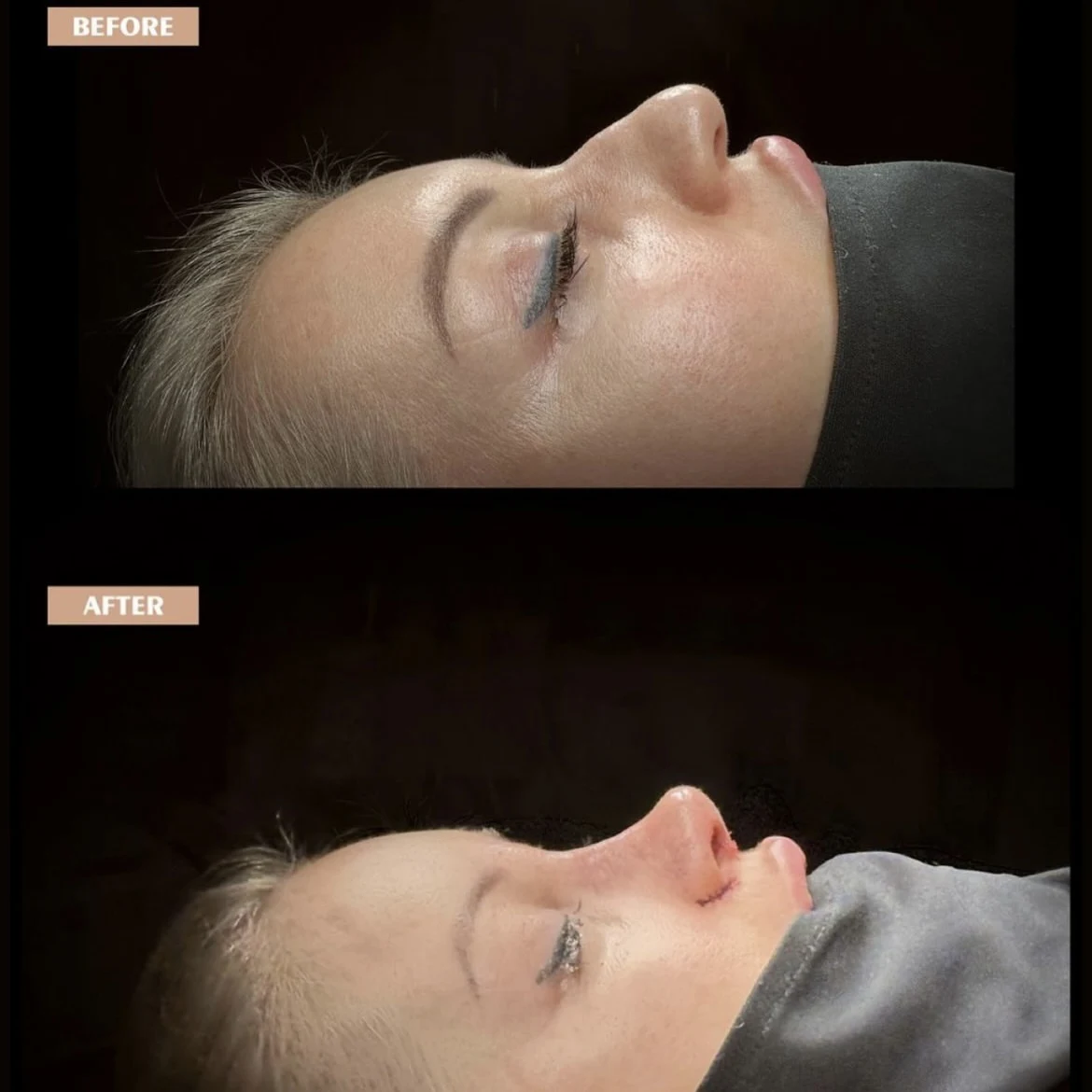
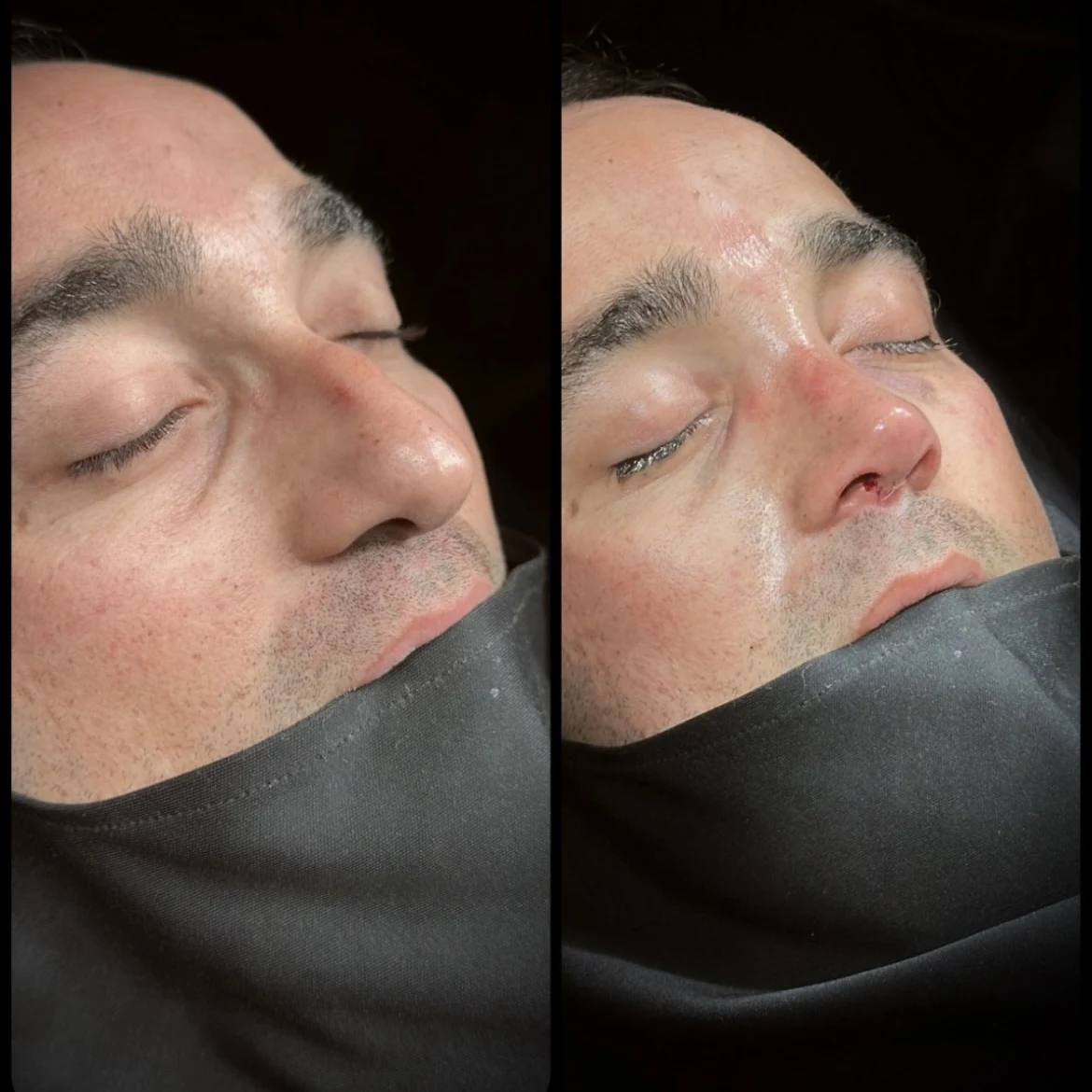
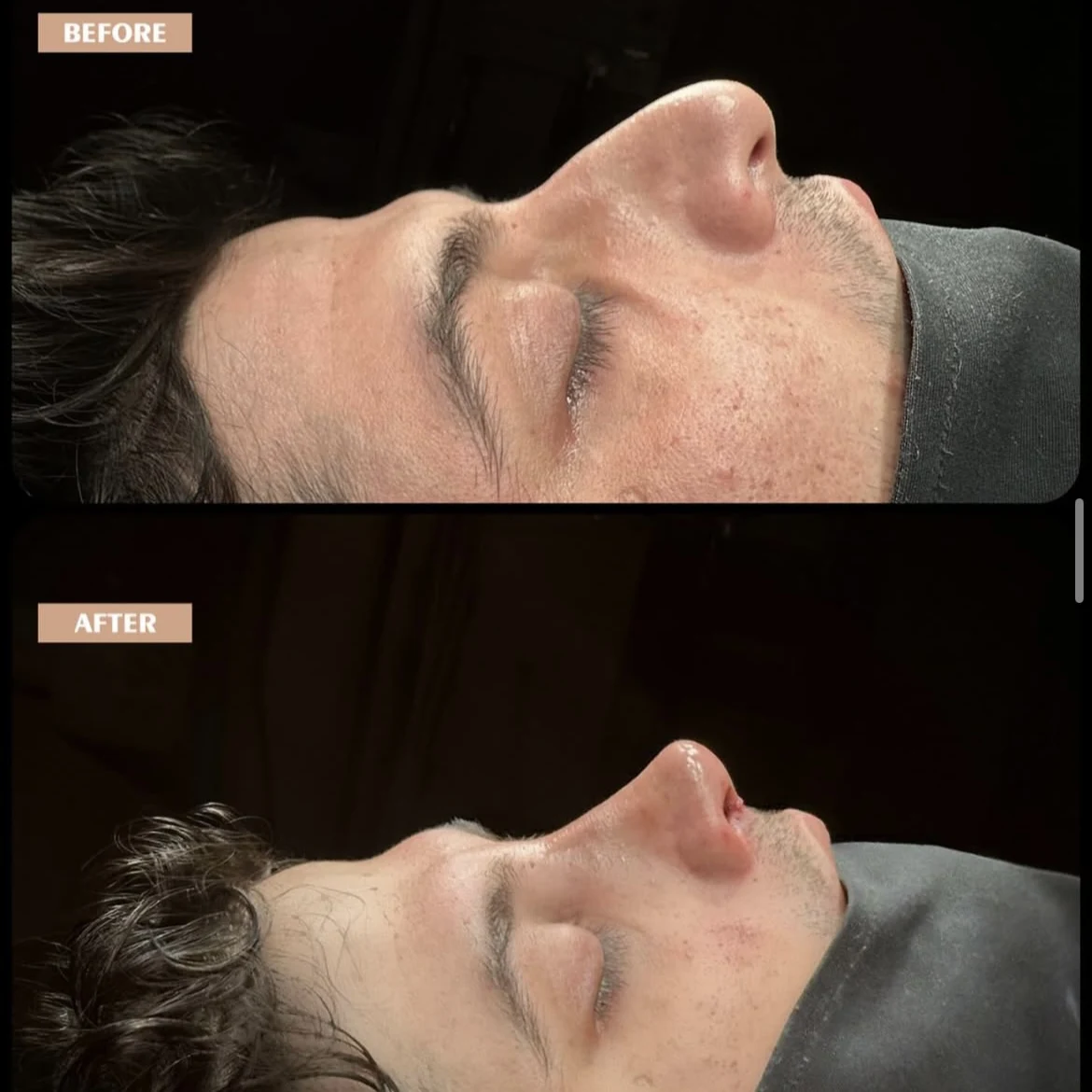
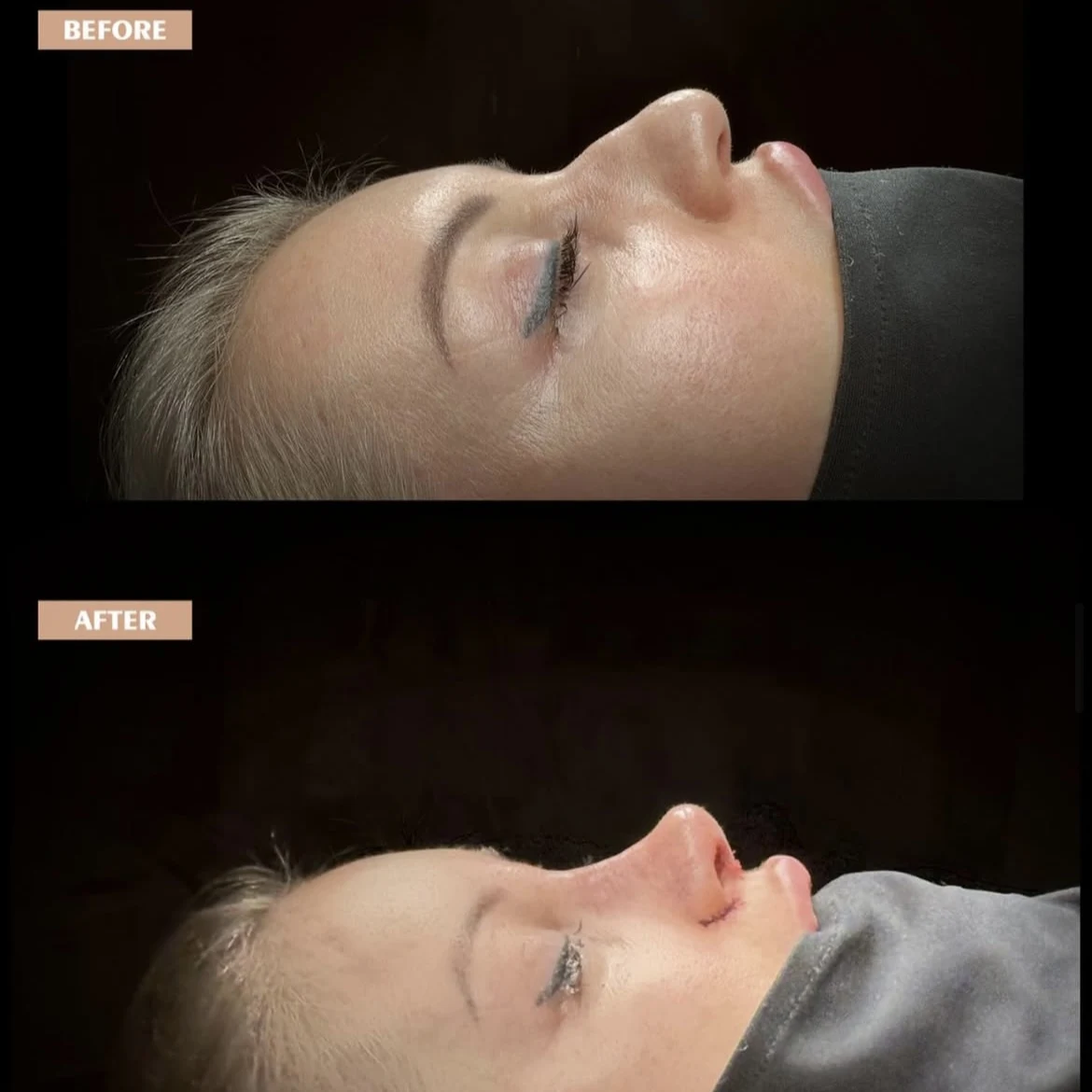
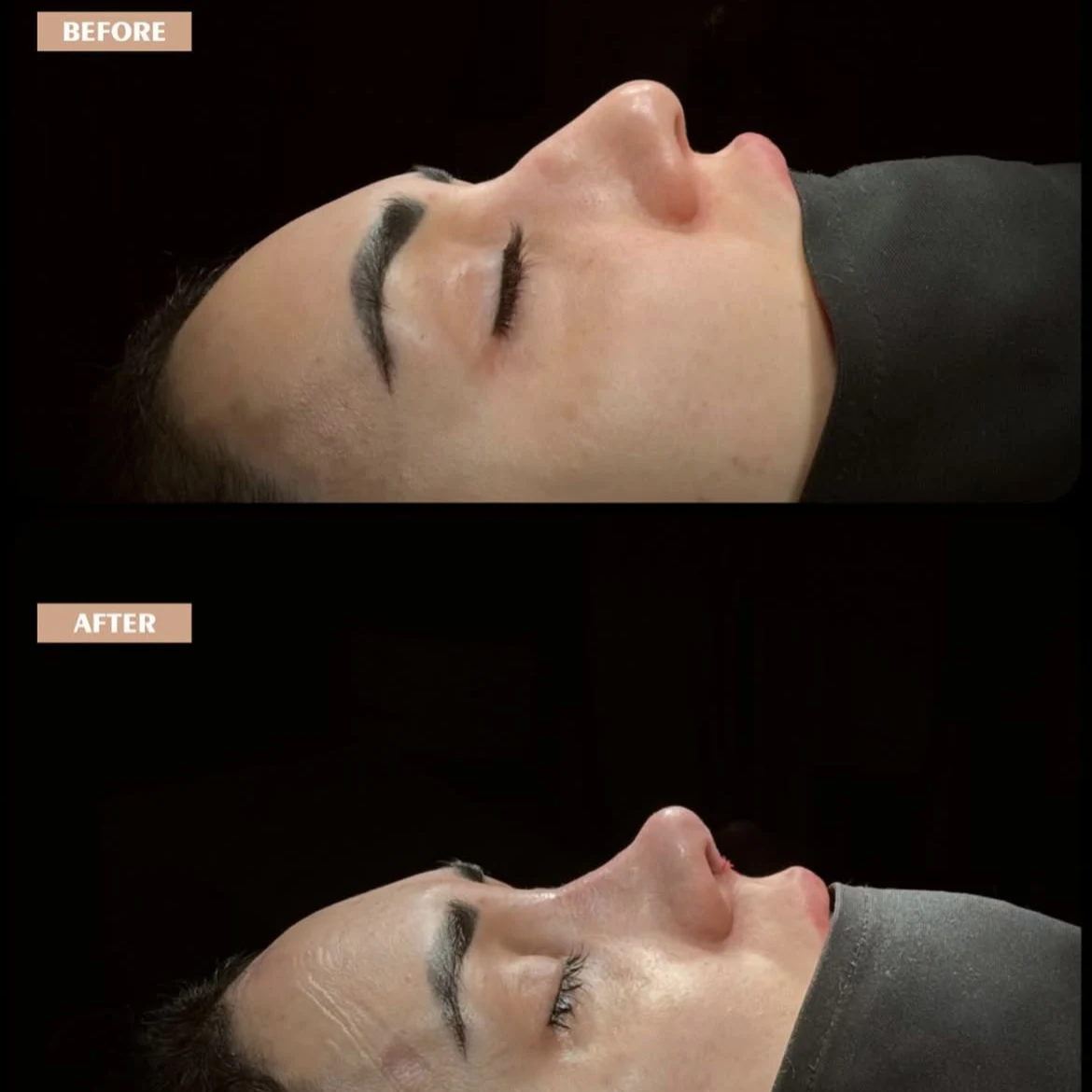
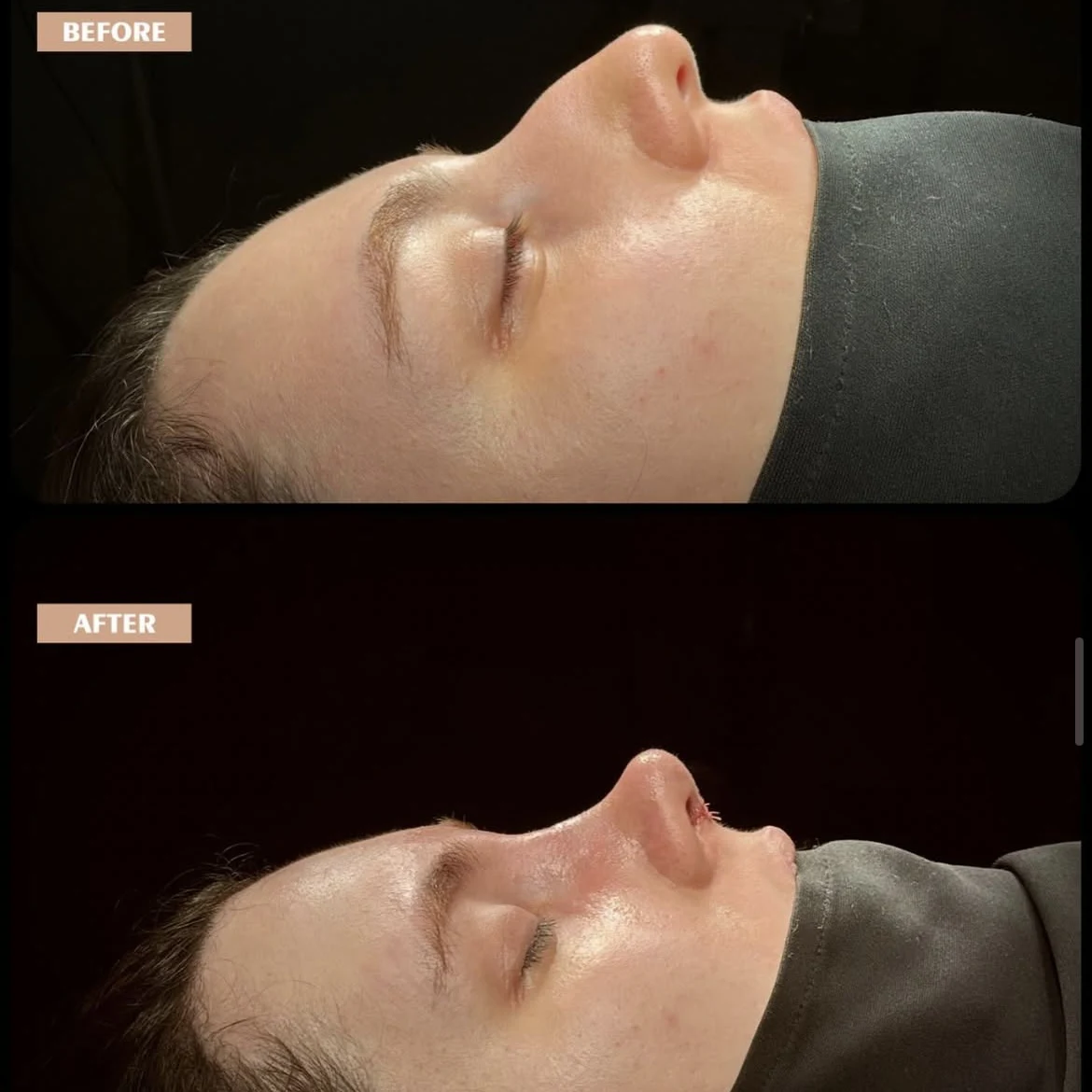
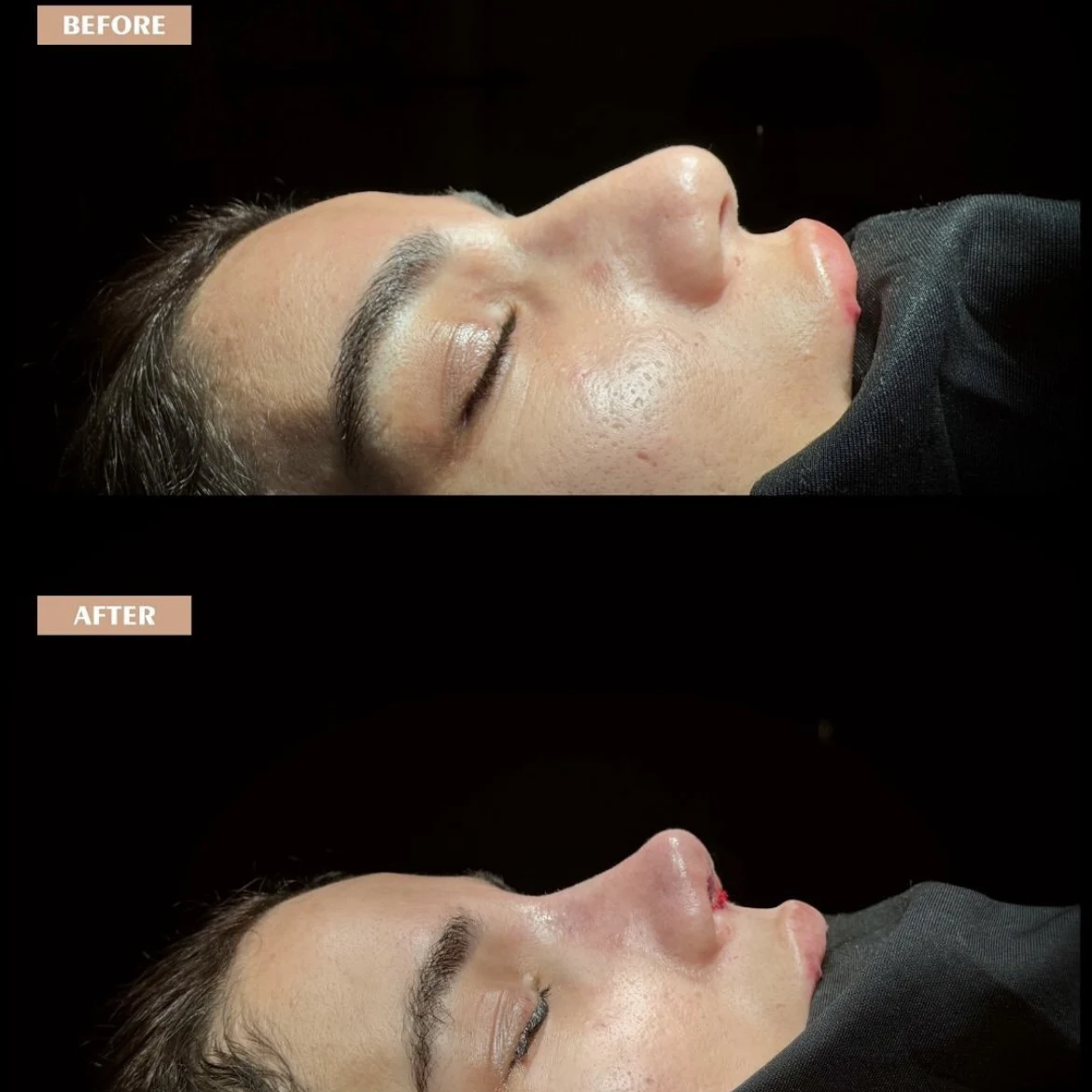
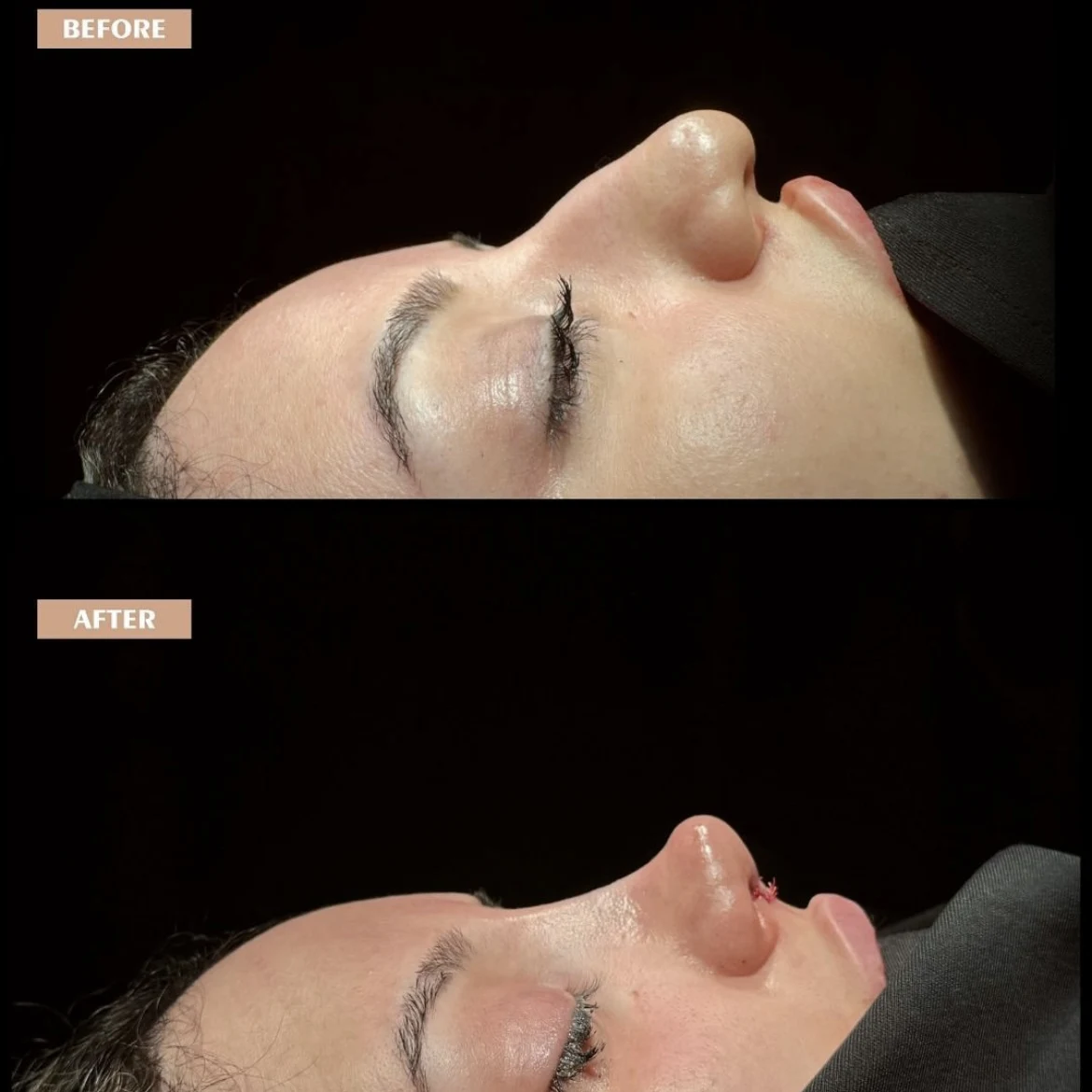
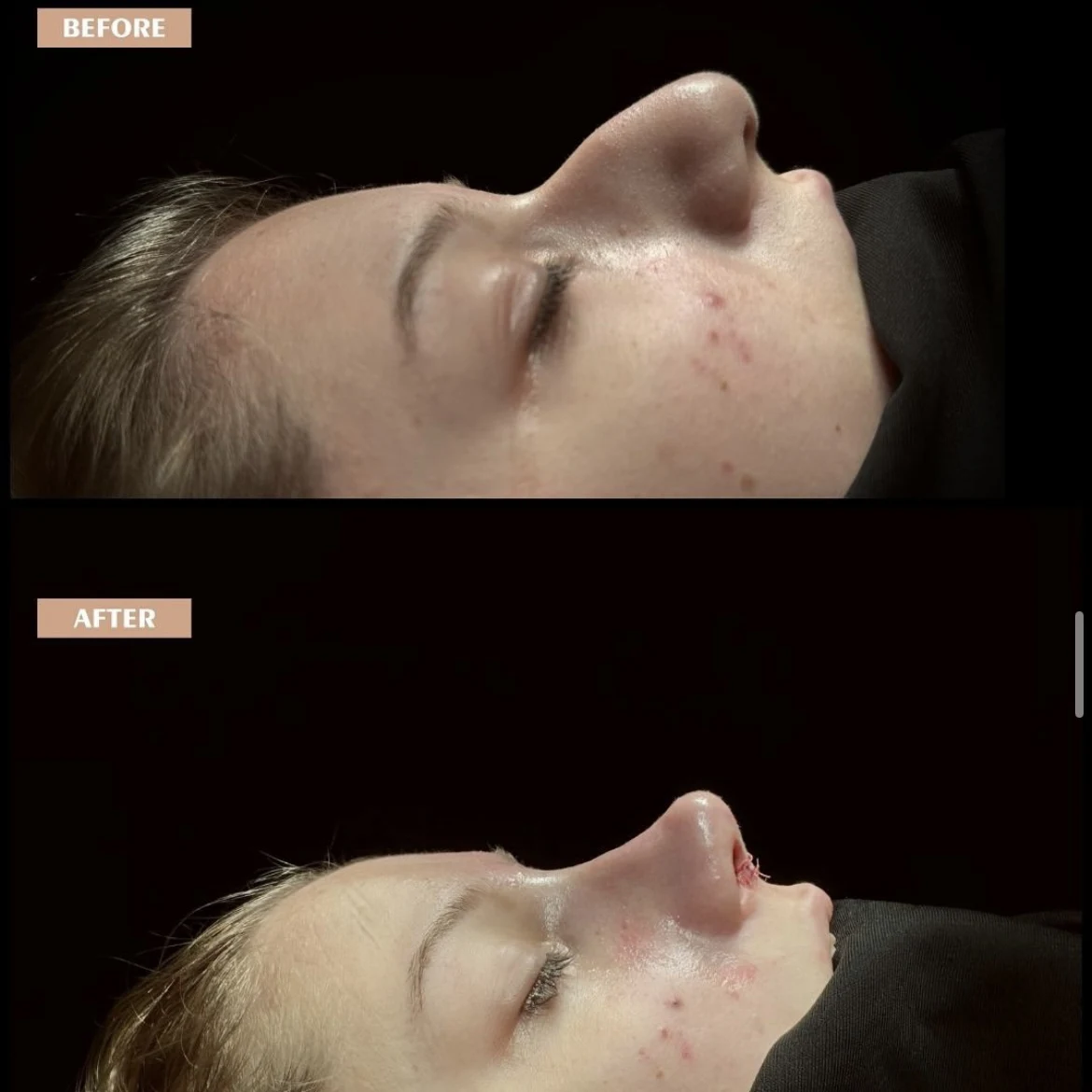
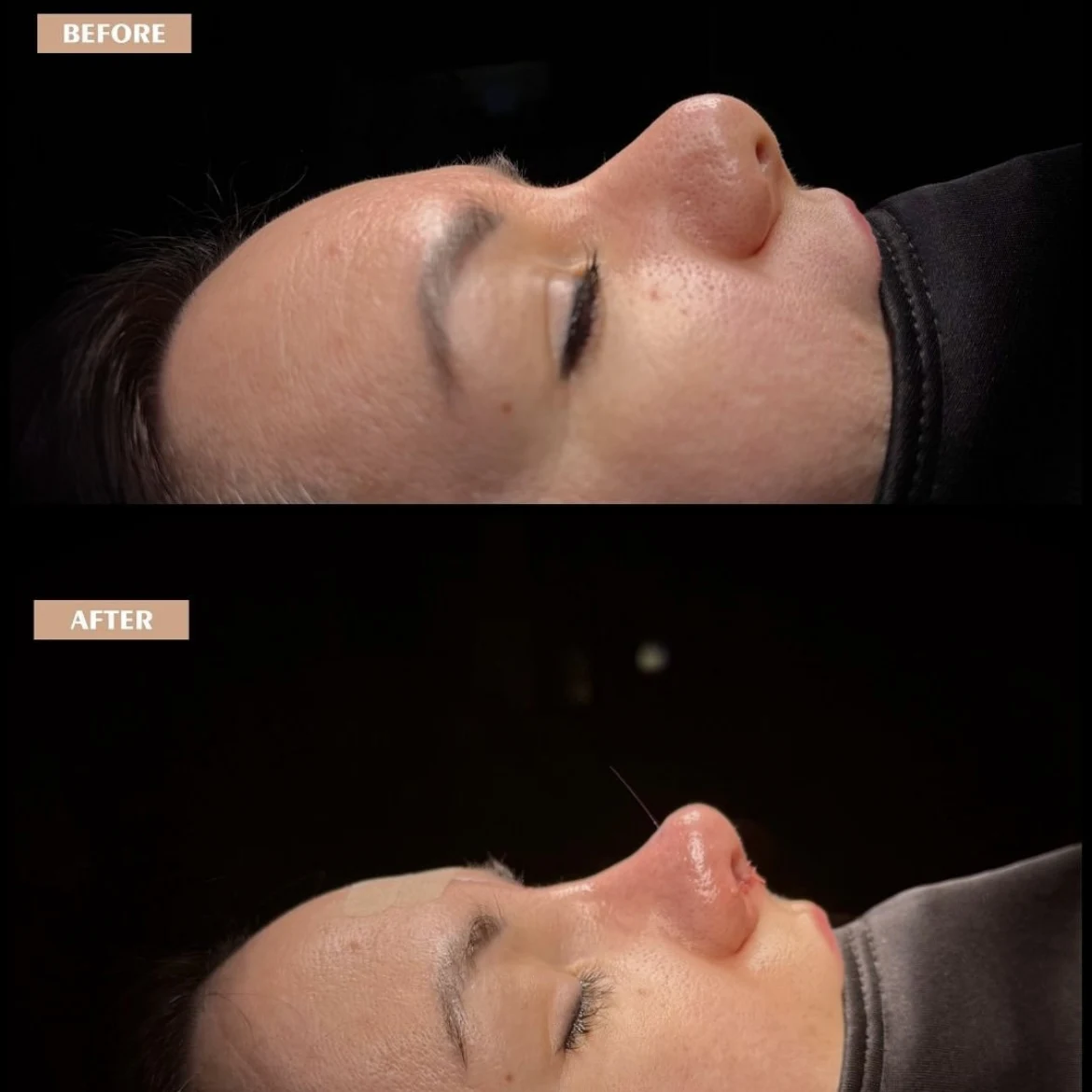
Before & After Gallery
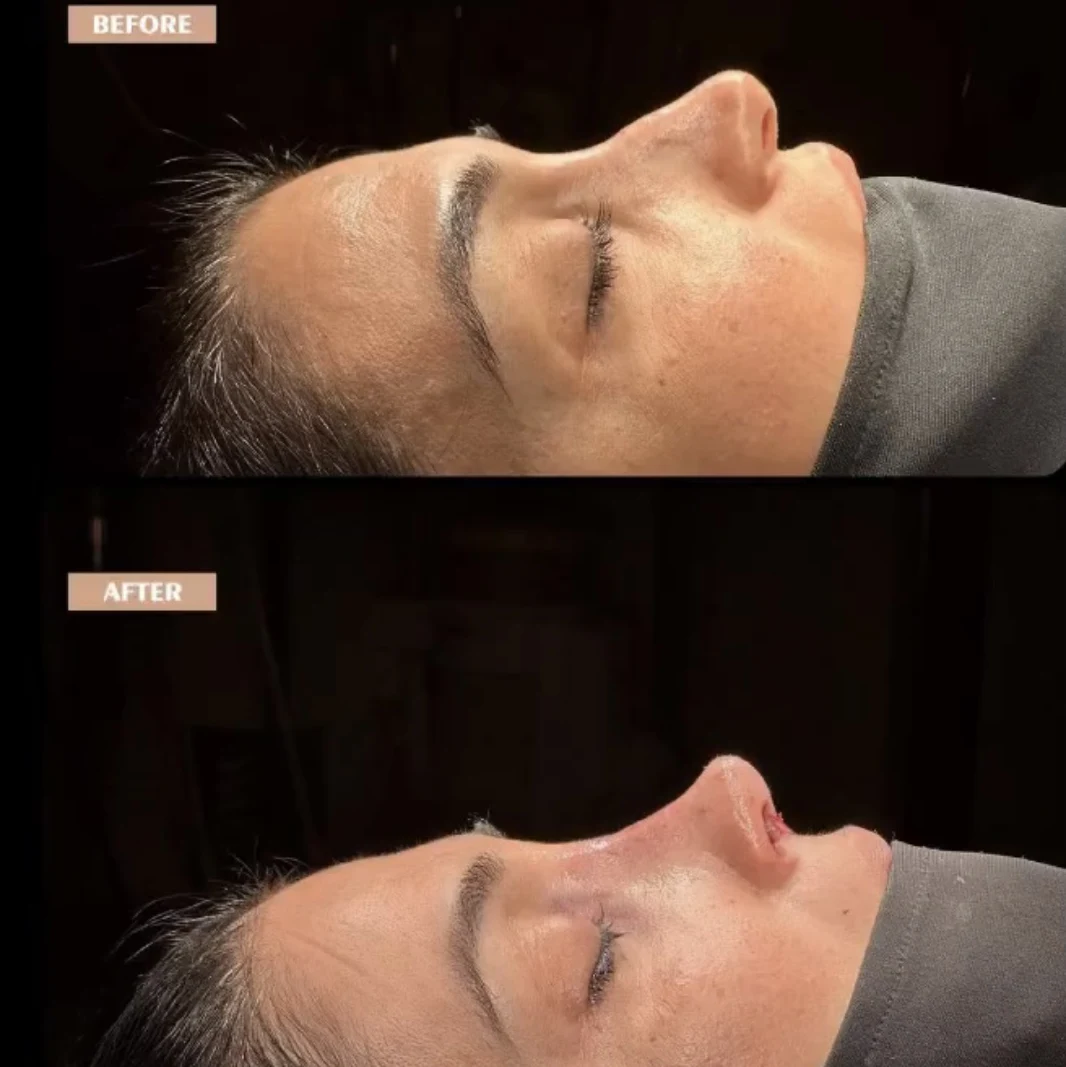
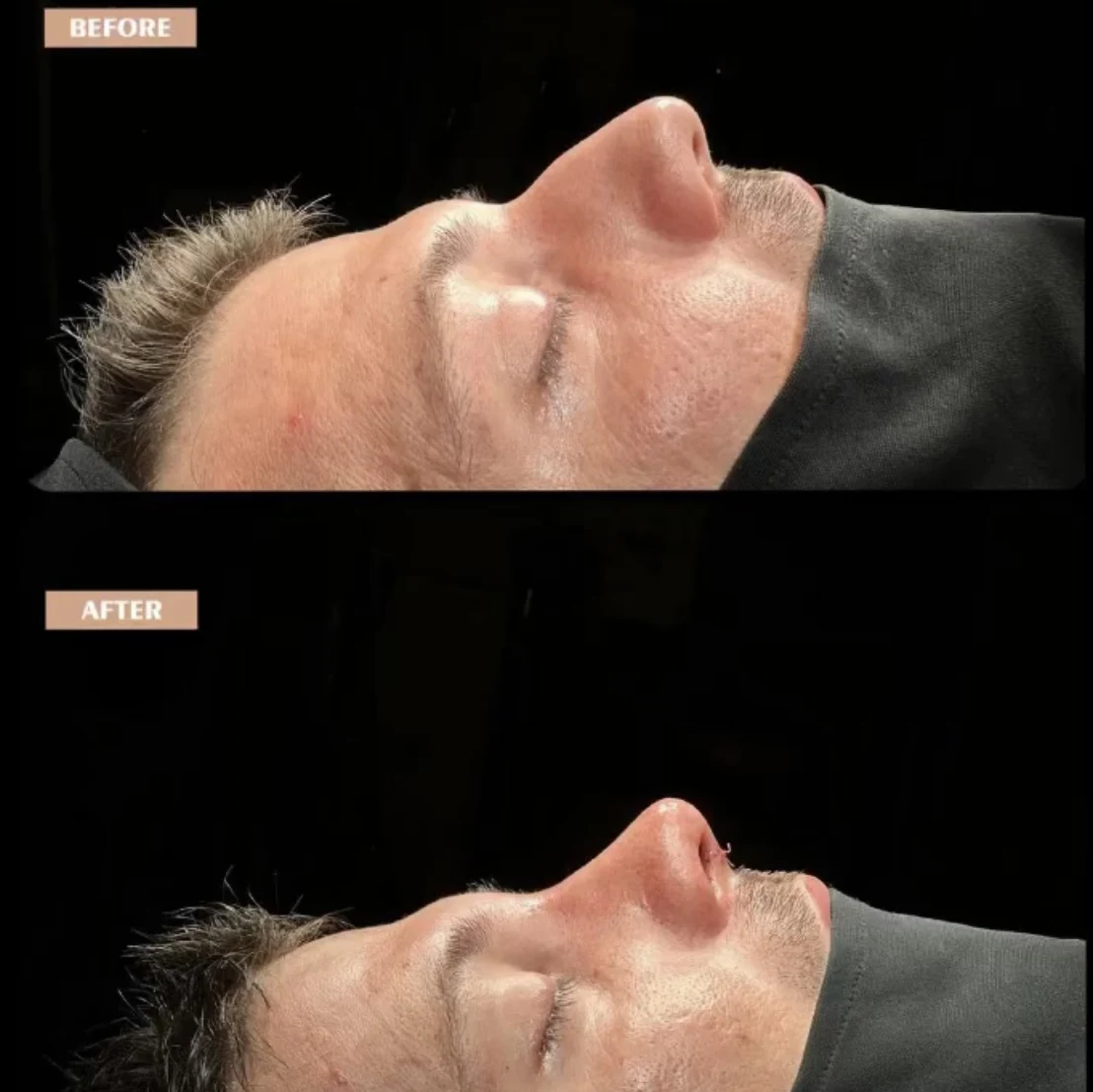
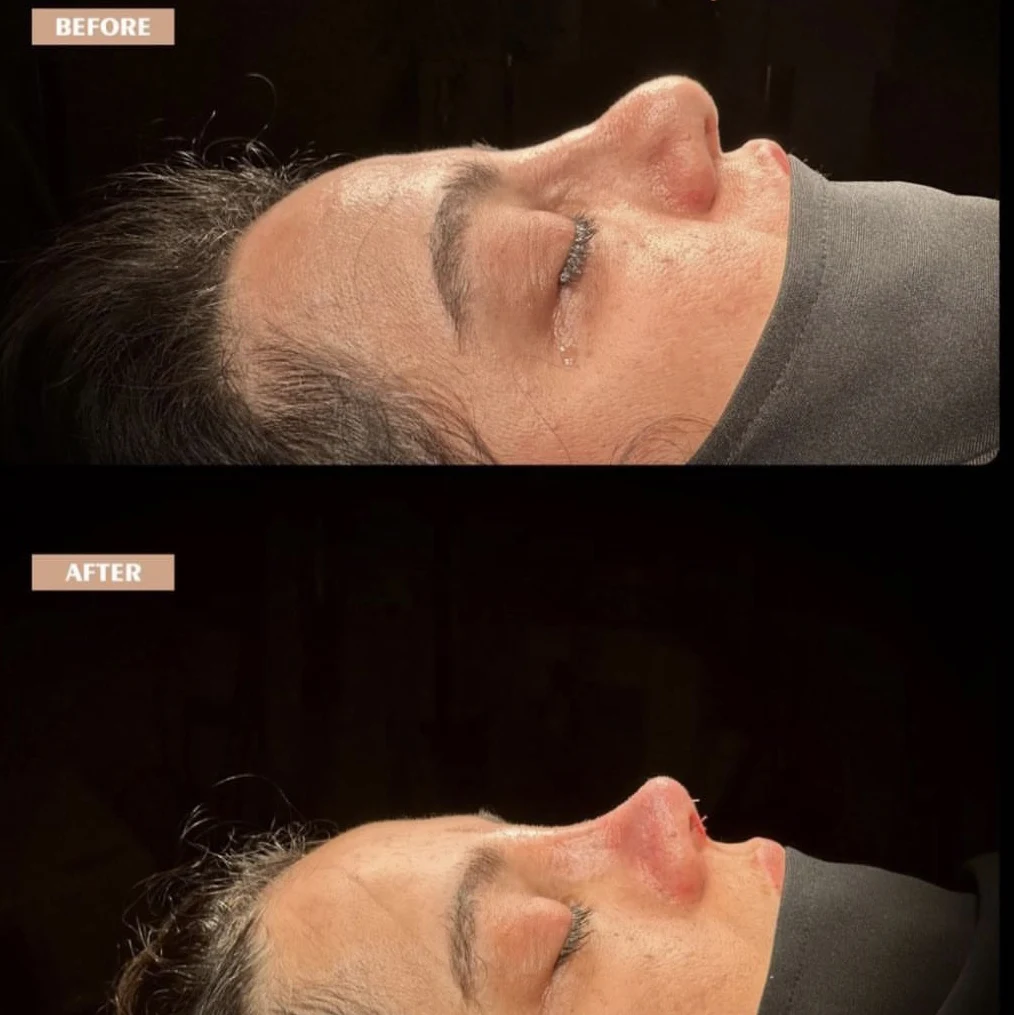
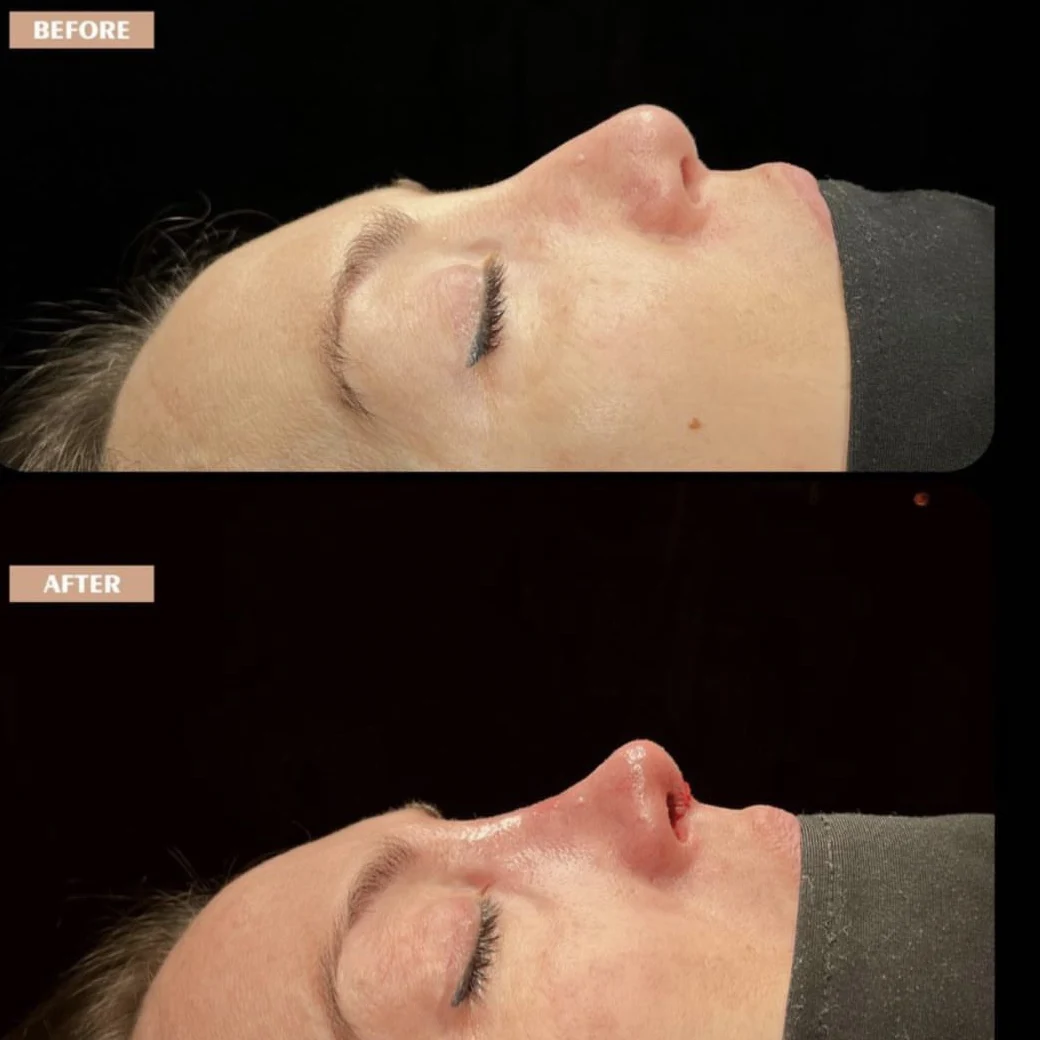
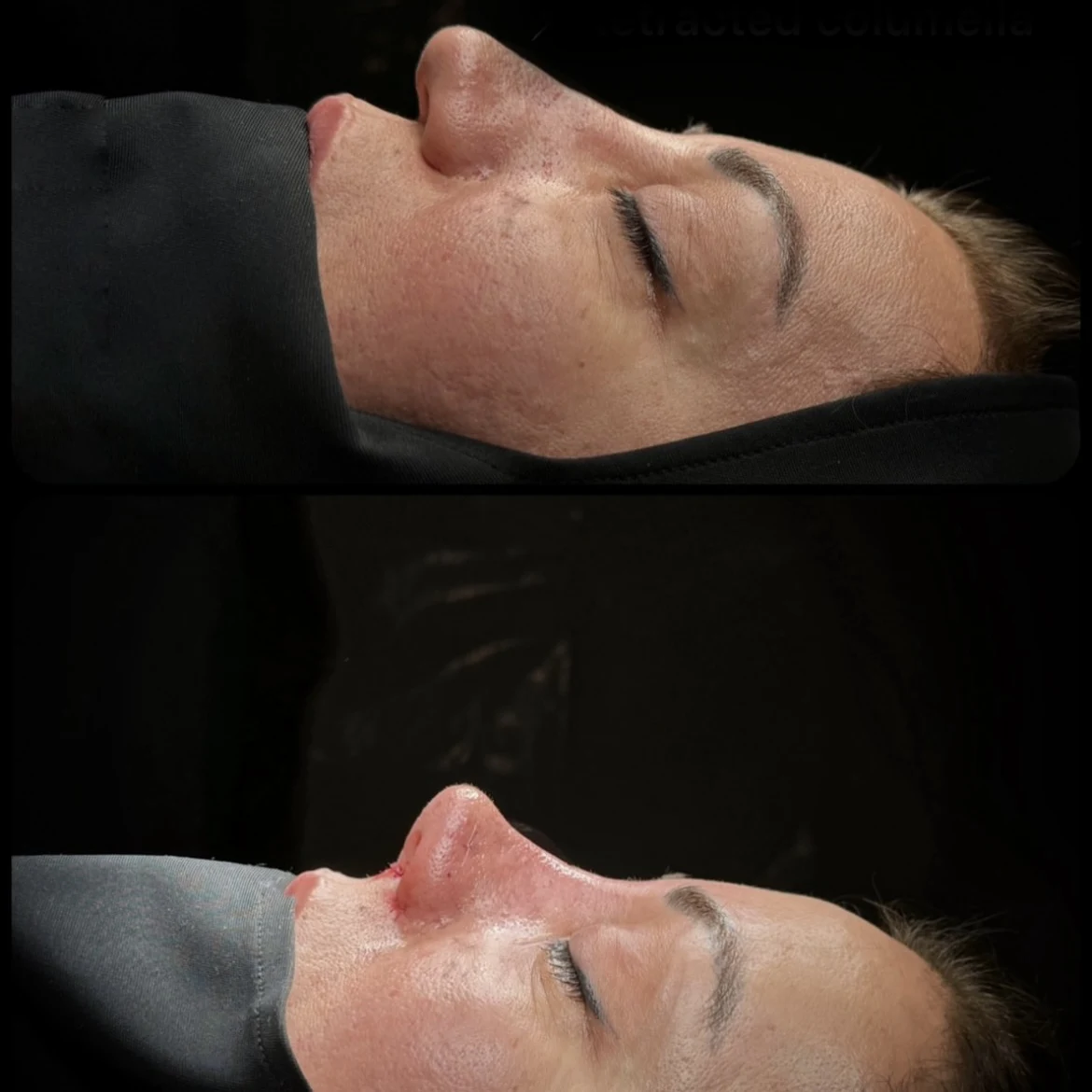
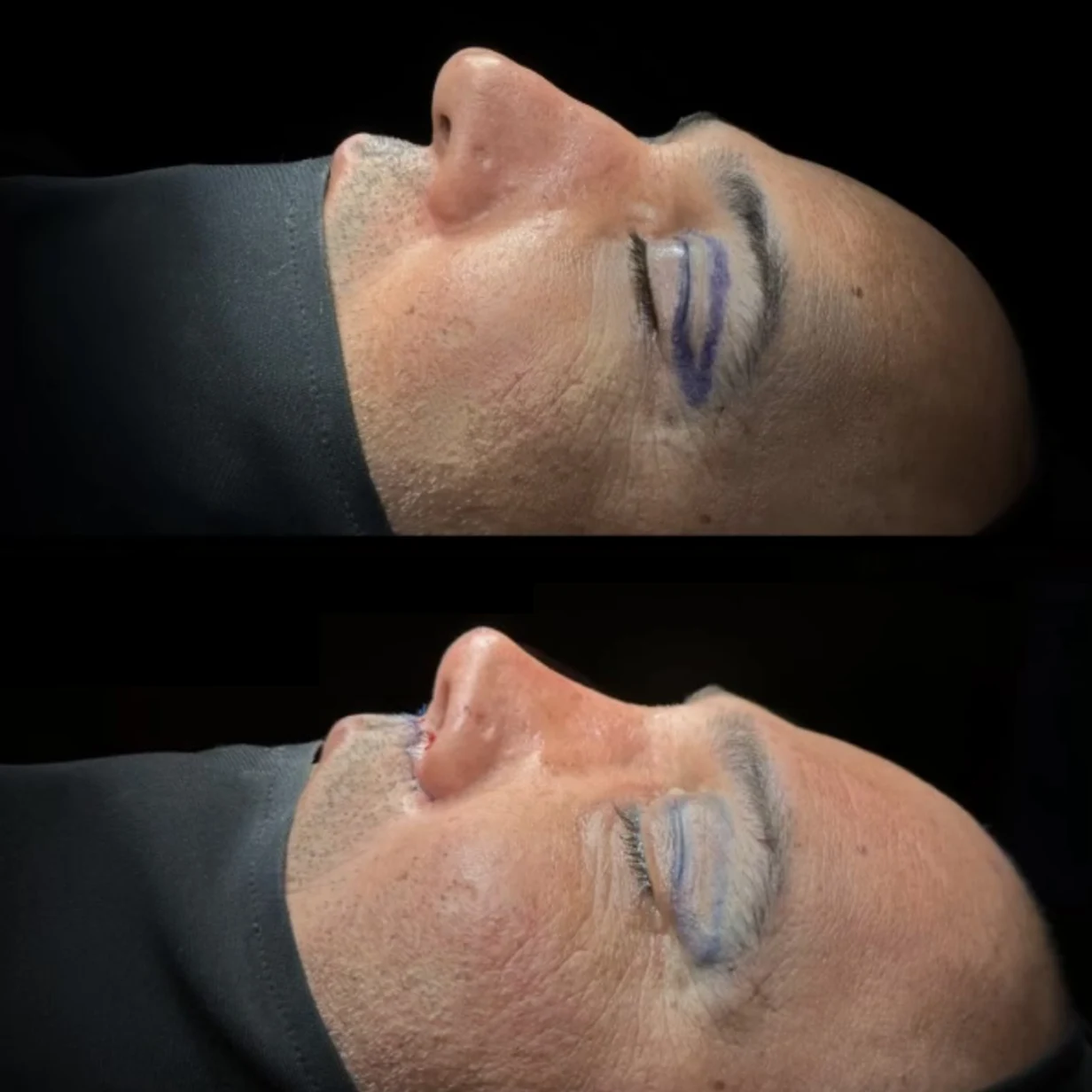
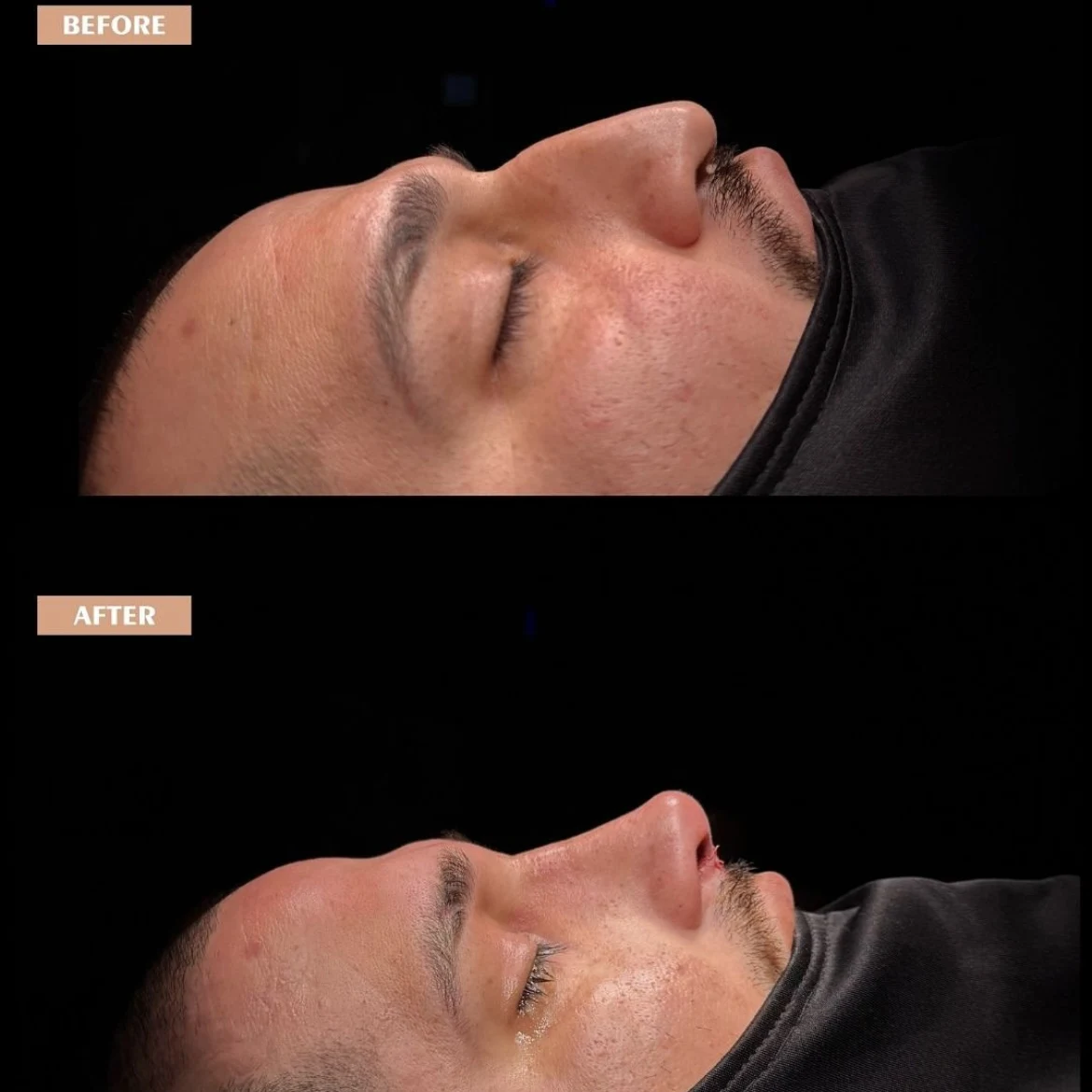
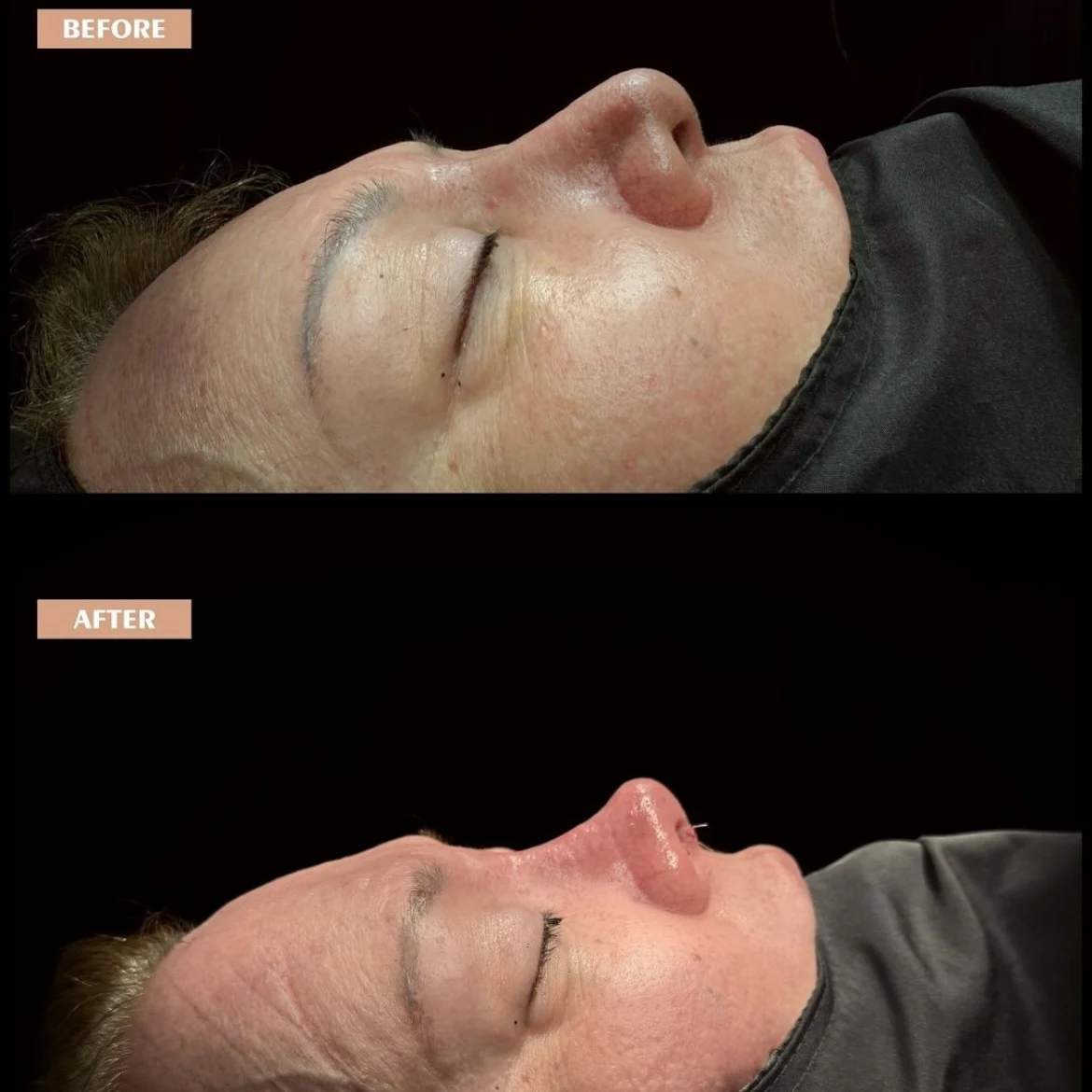
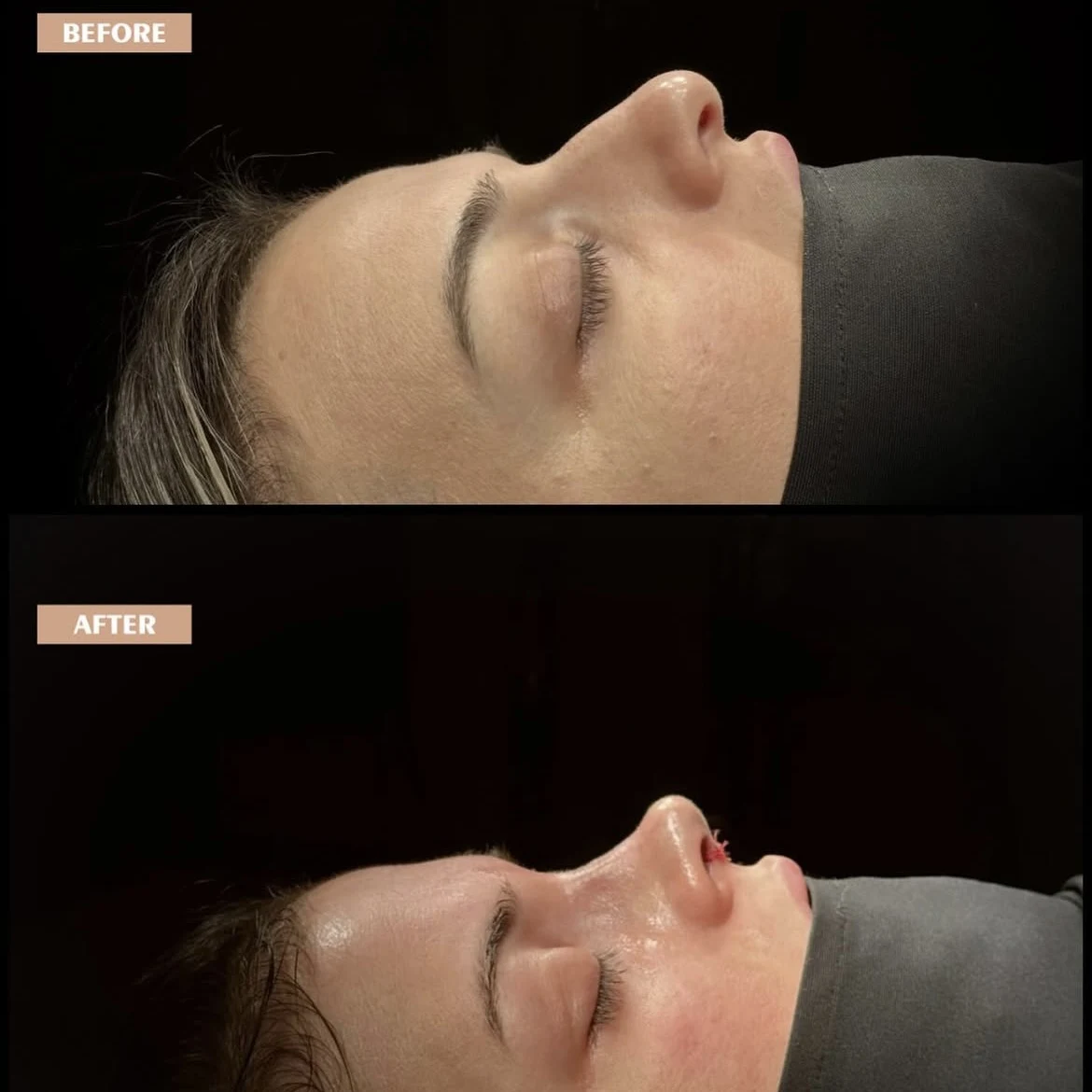
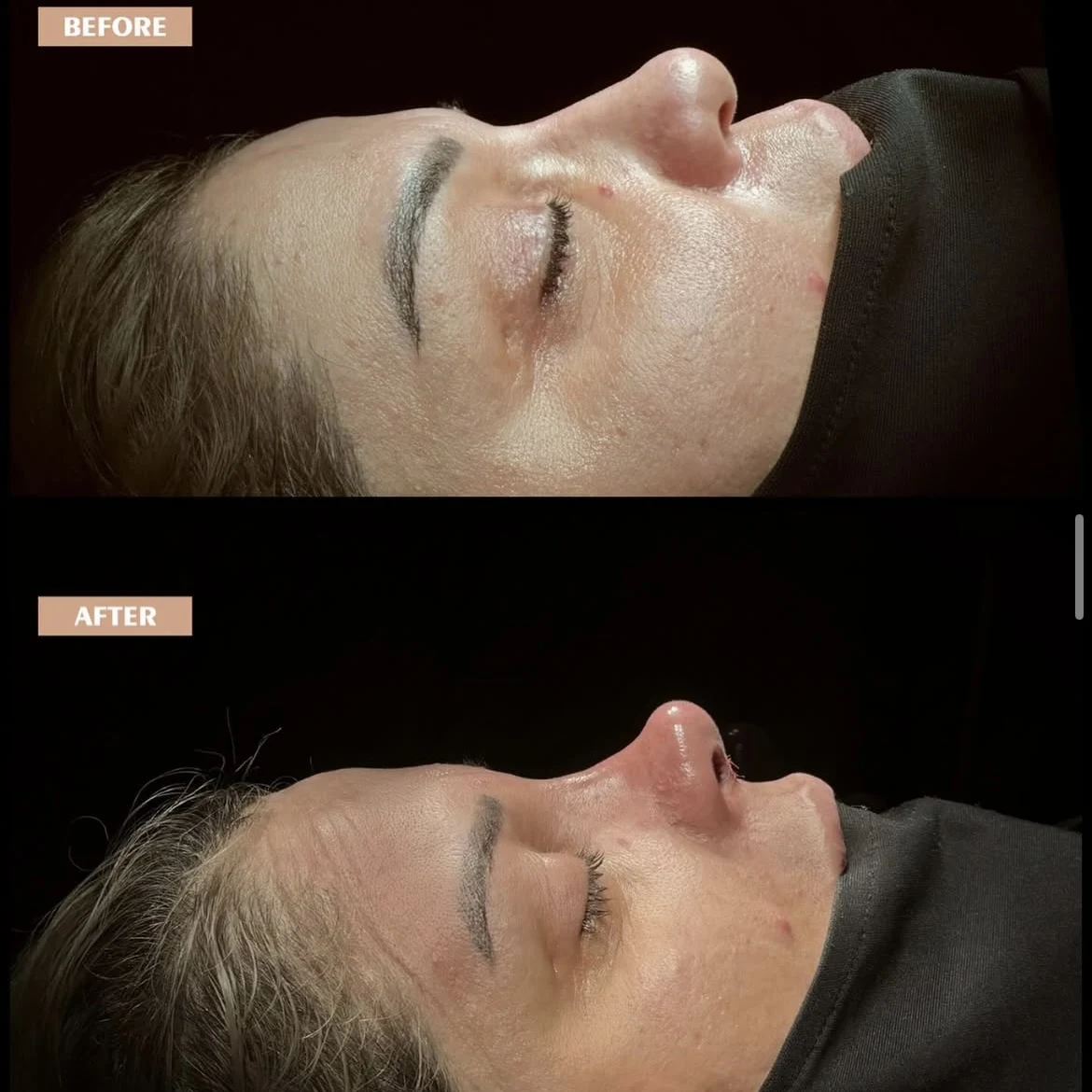
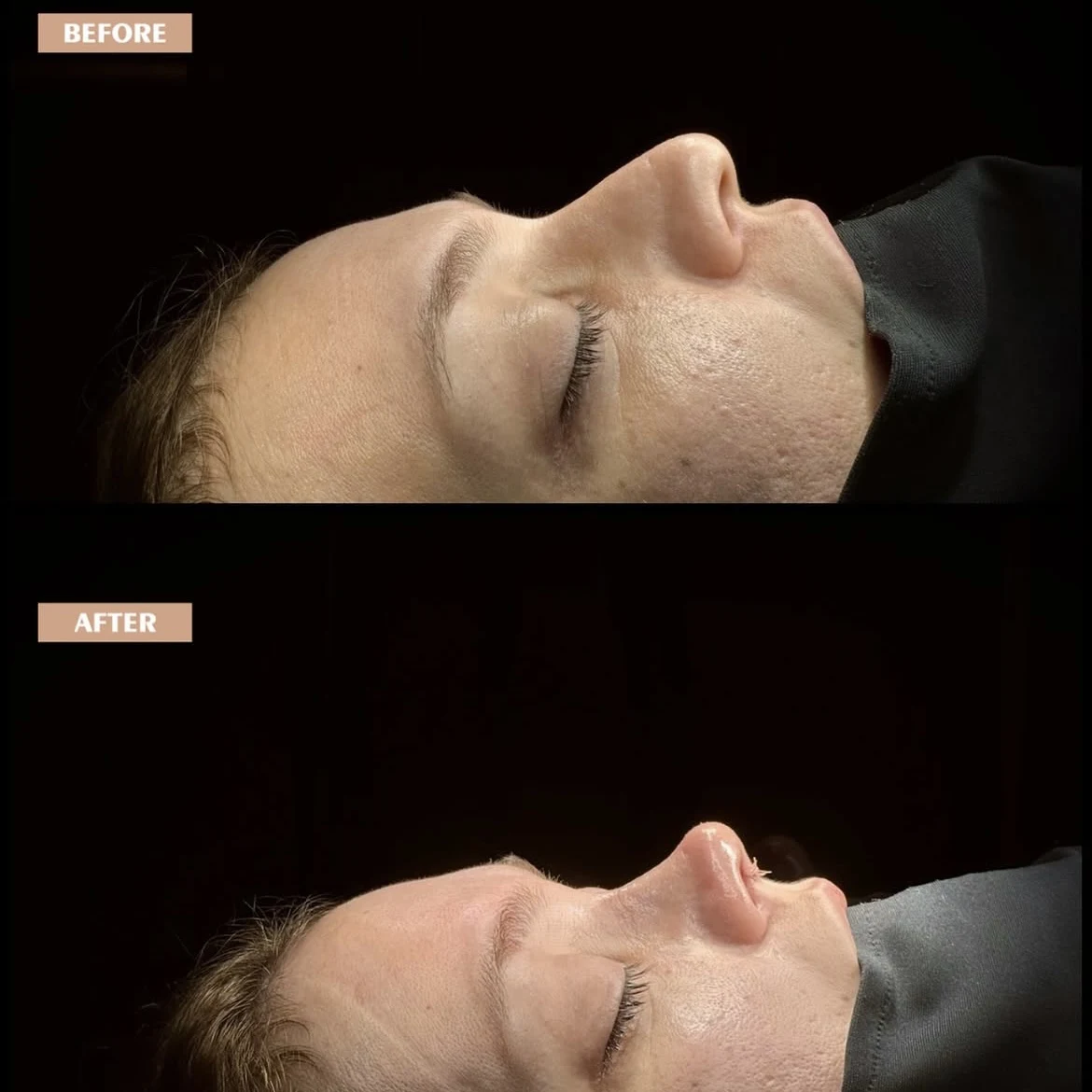
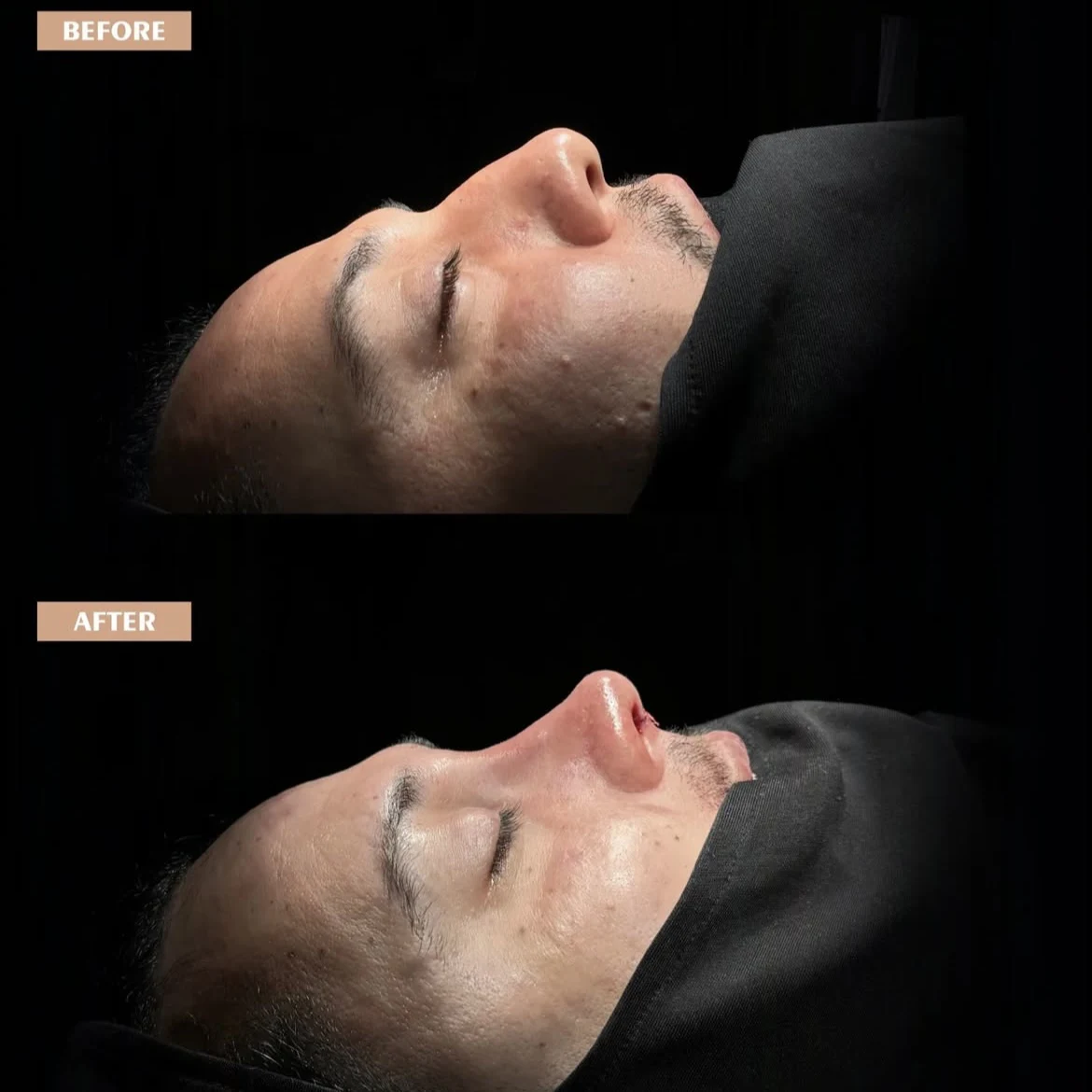
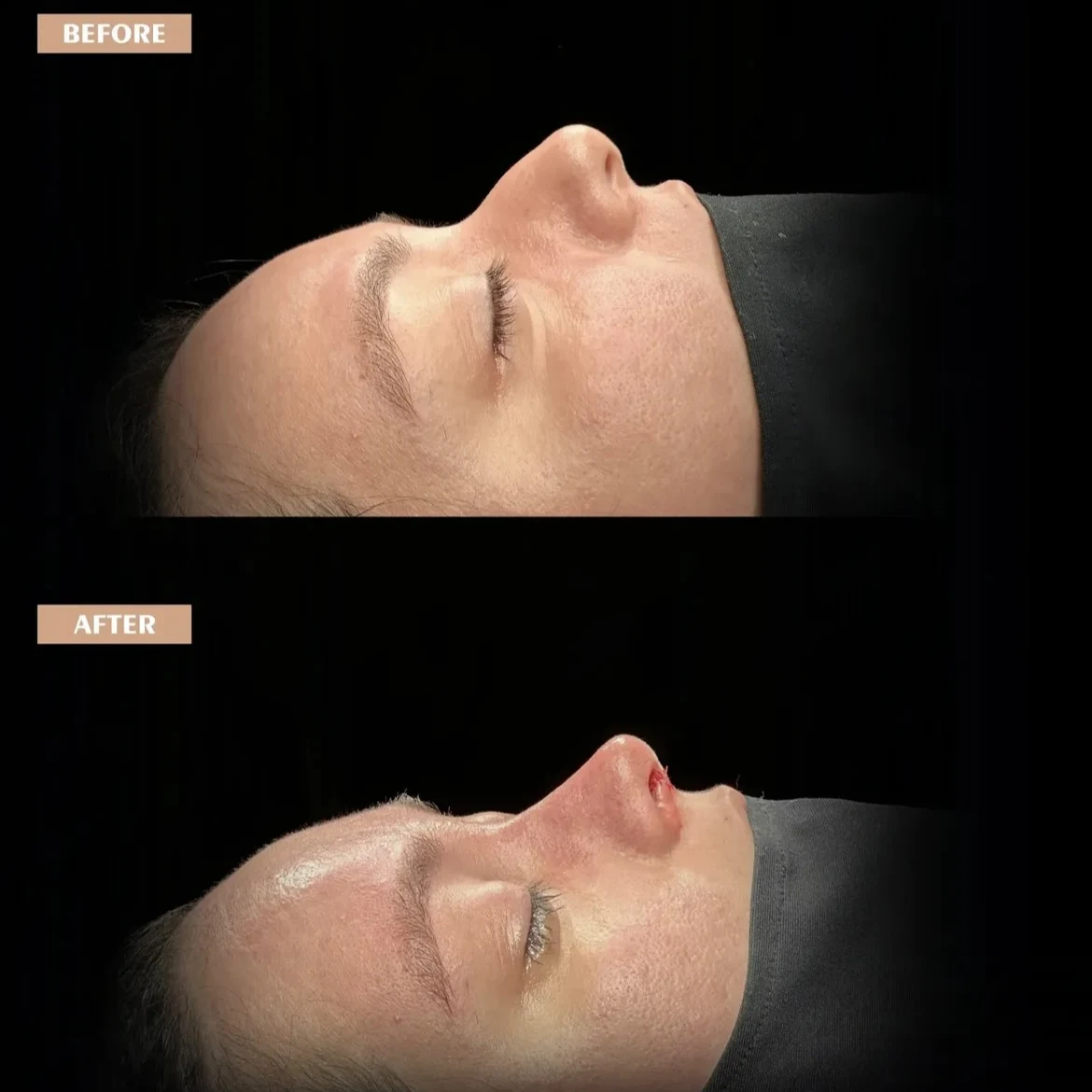
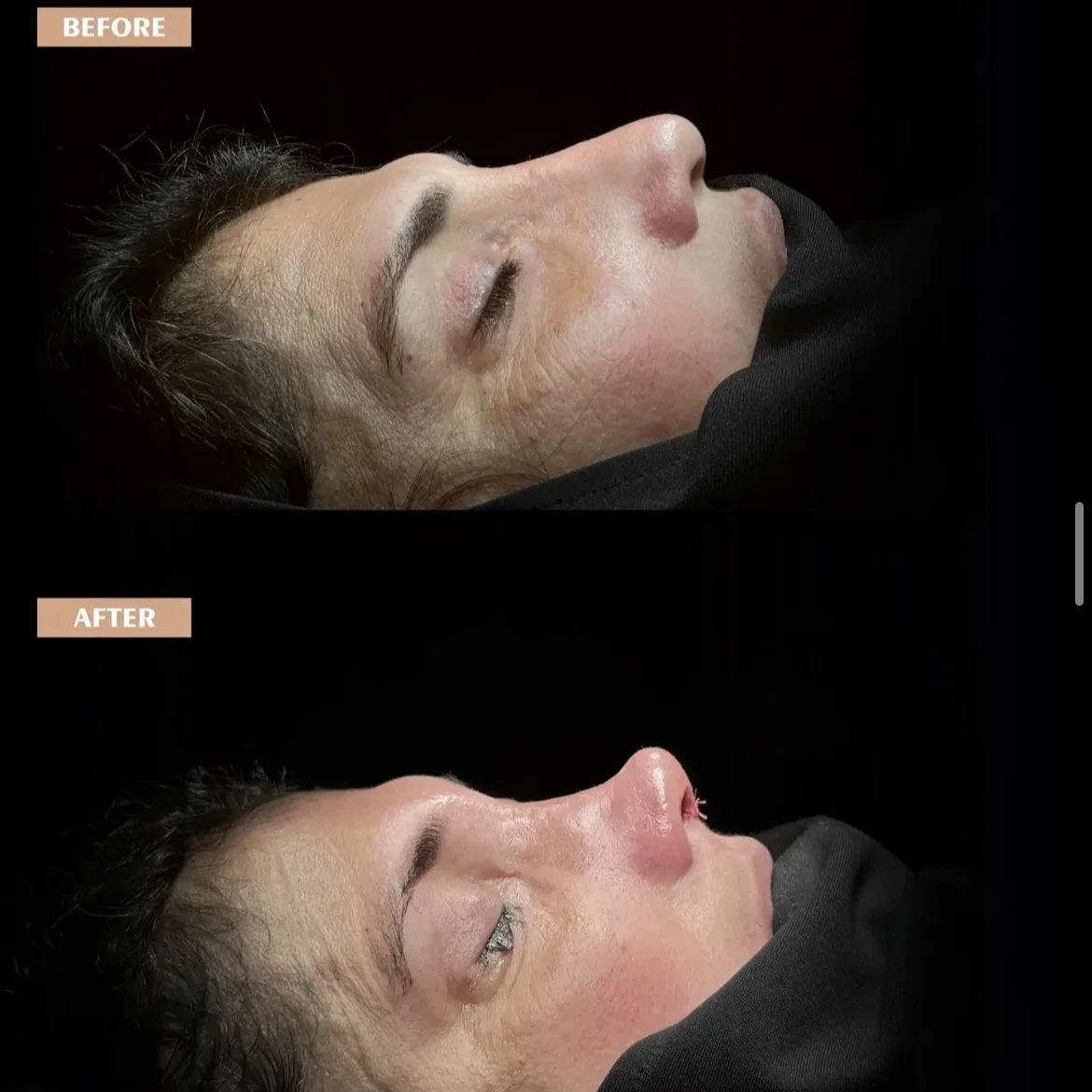
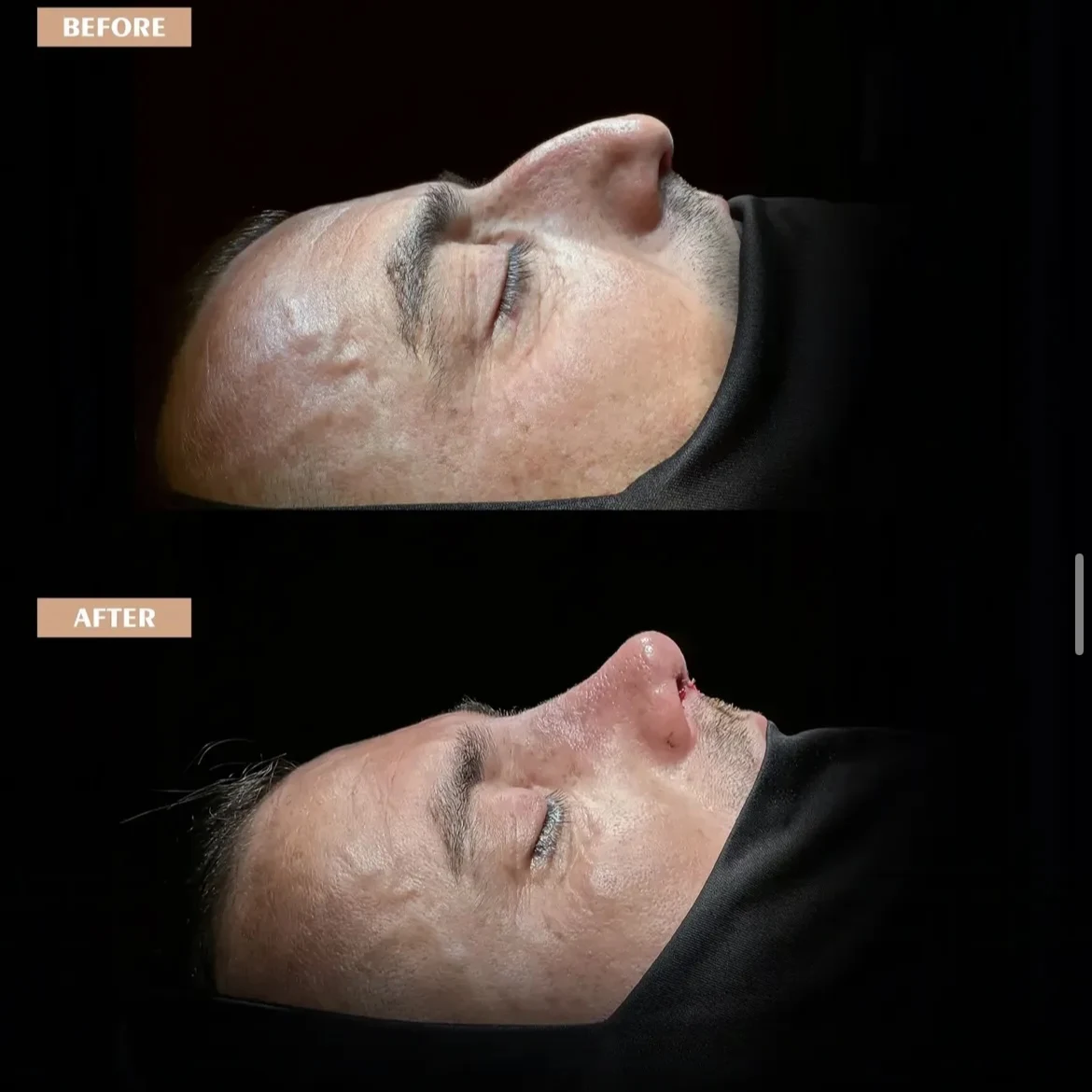
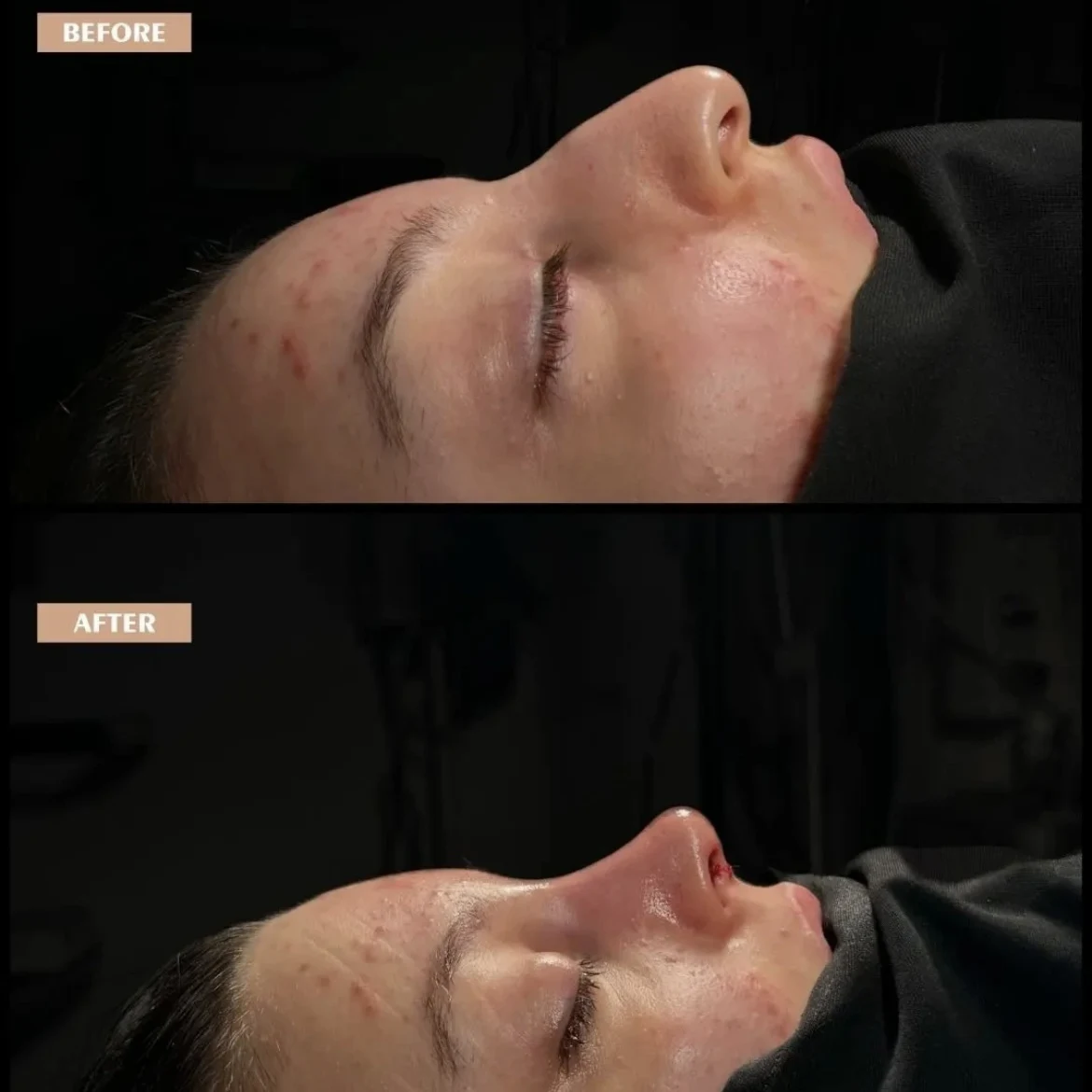
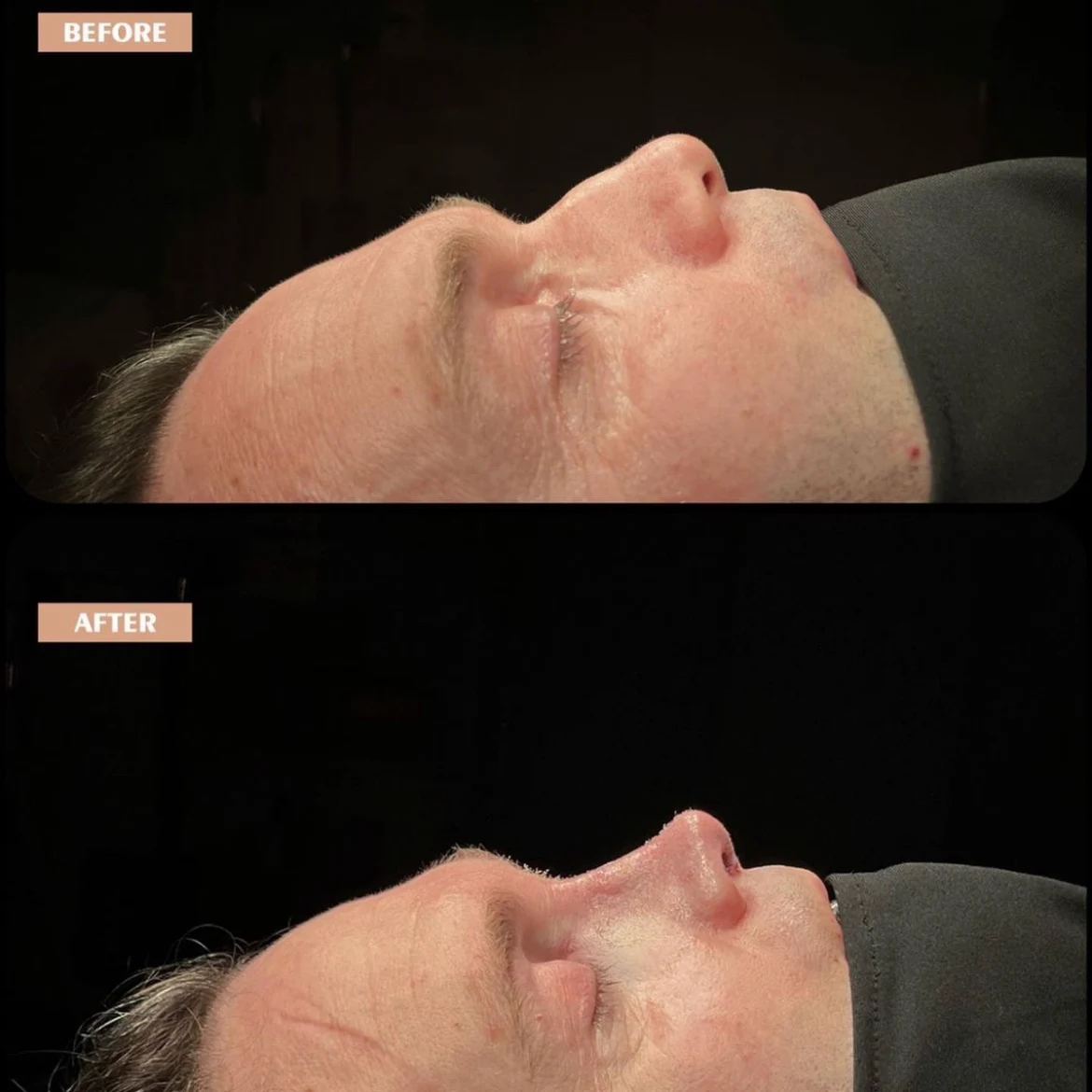
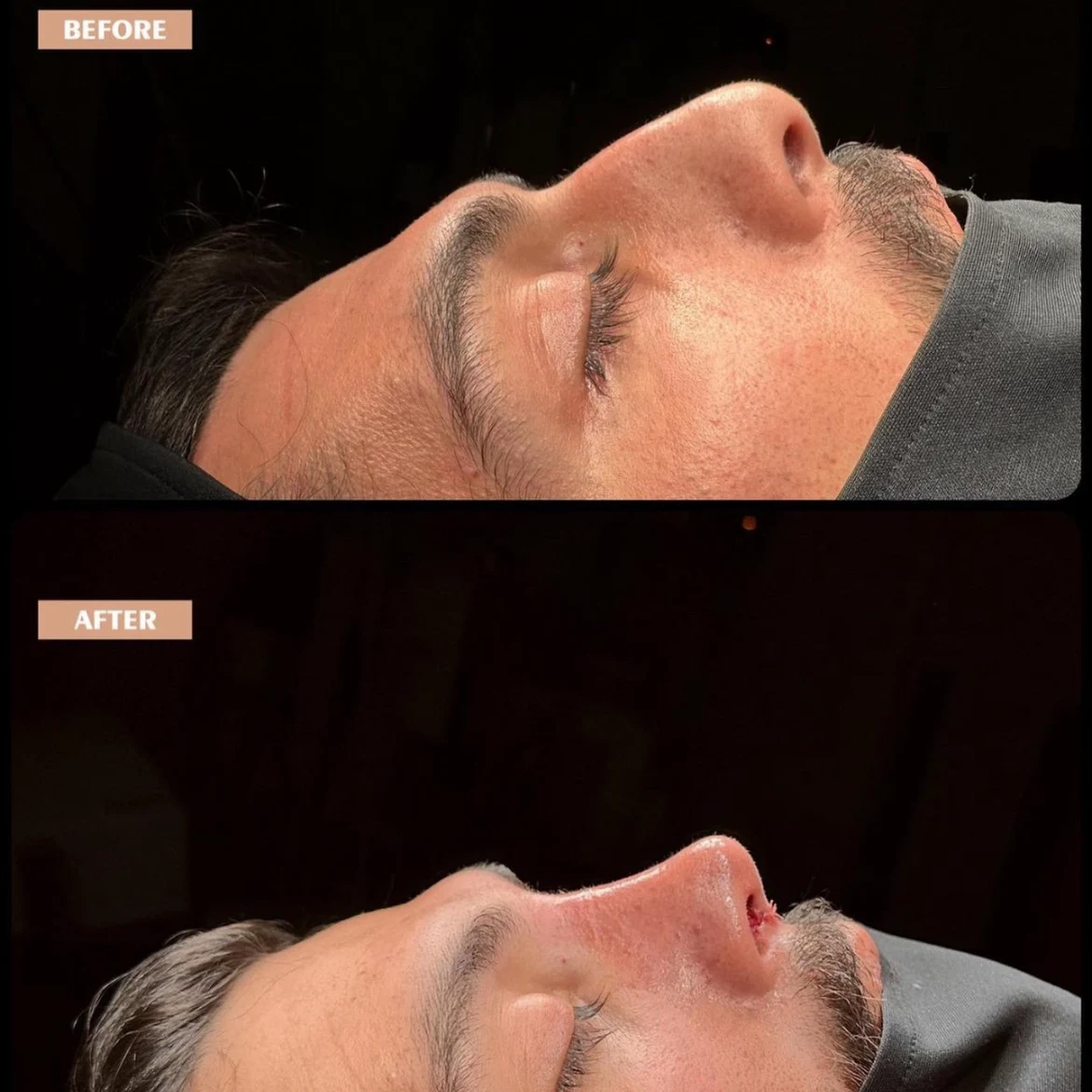
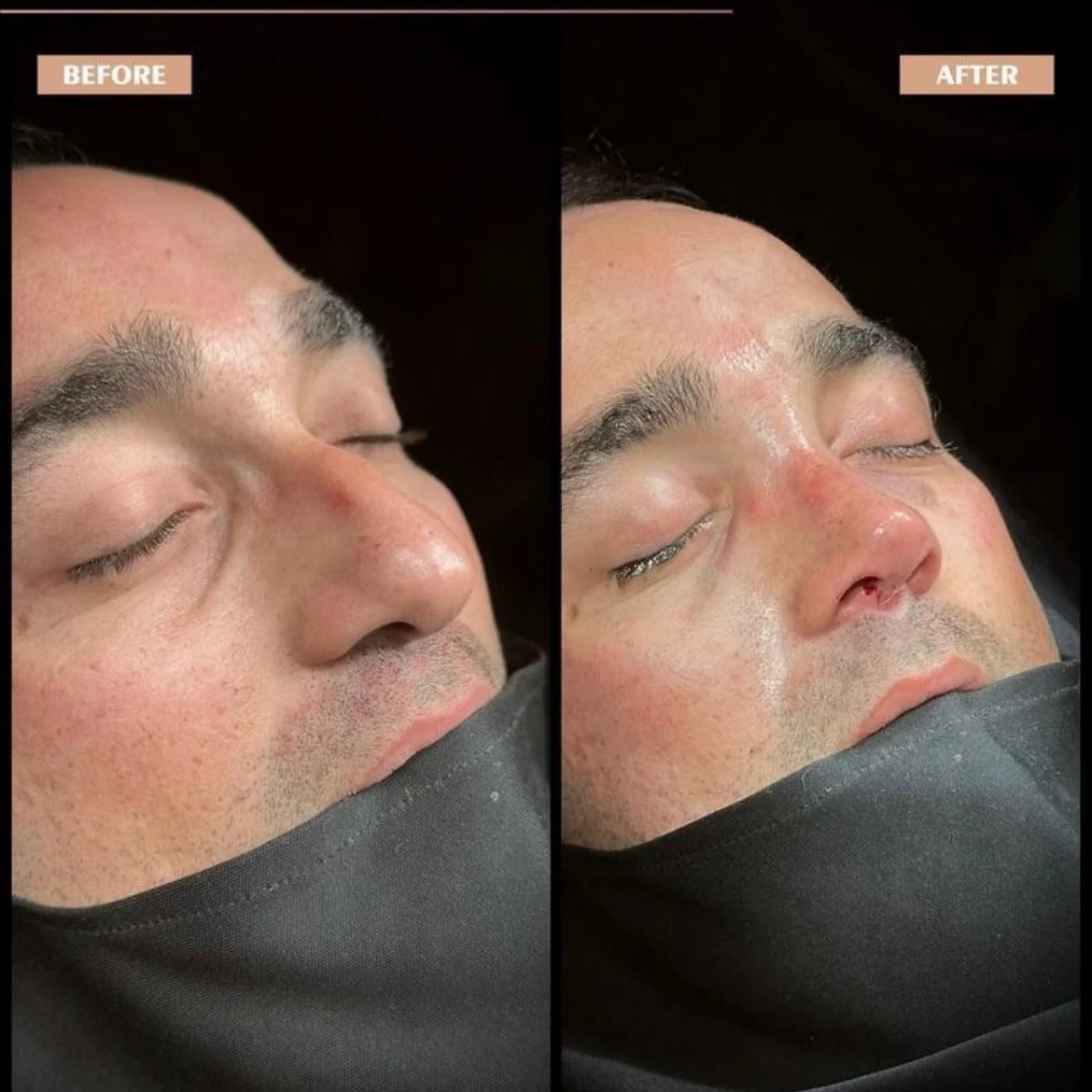
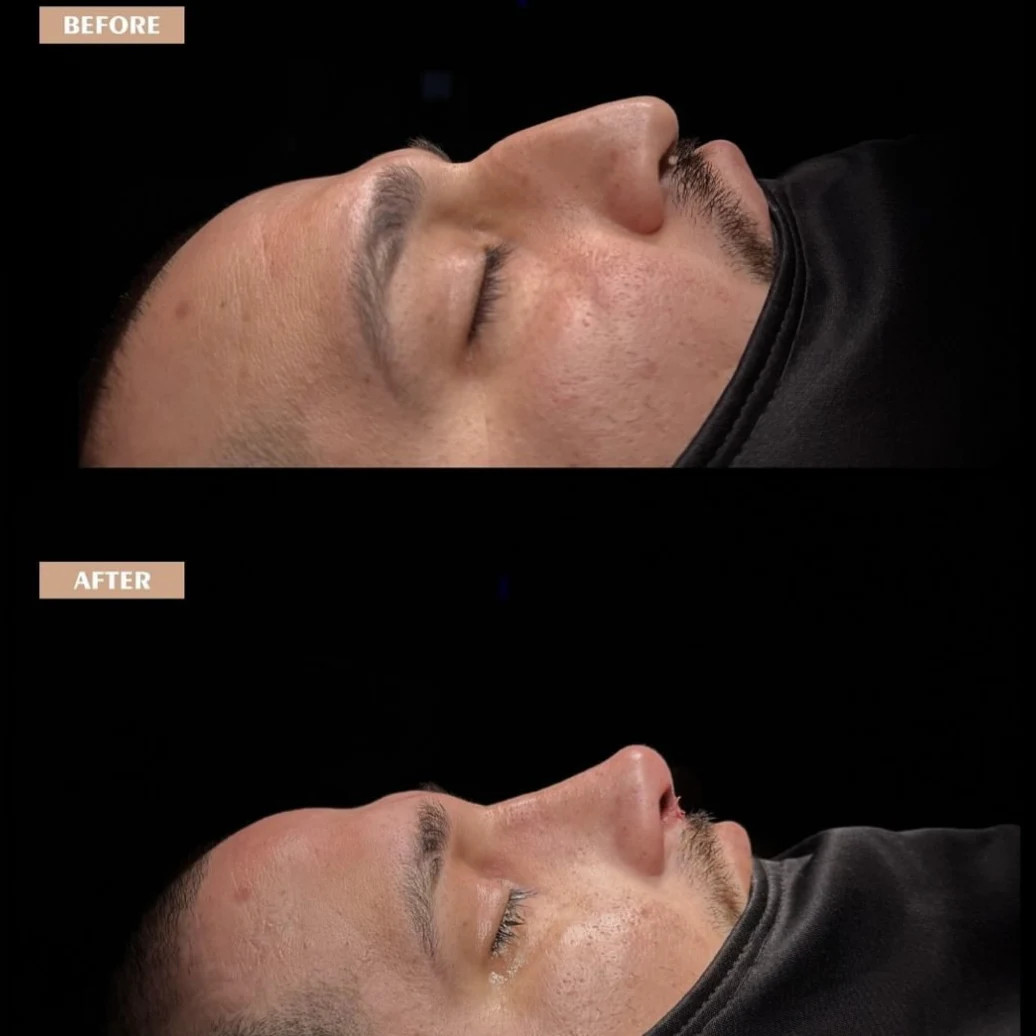
Which Methods Are Used for Nose Reduction Surgery in Older Adults?
In older adults, nose reduction surgery is performed with particular attention to adapting to age-related changes. In individuals whose skin has lost elasticity and whose facial contours have noticeably changed over time, aesthetic interventions gain importance. During surgery, the surgeon aims to maintain aesthetic balance without disrupting the natural contours of the face, acting as a counterbalance to the changes brought by ageing. Special attention is given to the following elements during the procedure:
- Compatibility with the overall facial structure,
- Use of techniques appropriate to skin characteristics,
- Support for breathing functions.
In this process, the surgeon’s experience is crucial in considering the patient’s general health and facial features. Improved breathing functions and a more balanced facial expression can enhance quality of life after surgery. Therefore, the operation should be designed specifically to the needs and expectations of older patients, enabling them to step into a happier social life with both aesthetic and functional improvements.
What Are the Stages of a Nose Reduction Operation?
Nose reduction surgery is performed using two main techniques. The first technique, the closed method, is carried out with incisions made inside the nose. With this technique, the surgeon must work carefully because the field of view is limited. As the incisions are inside the nose, no external scar remains. In the second method, the open technique, a small incision is made at the nasal tip. This incision allows the surgeon to see the nasal structure more clearly and make more detailed corrections.
Closed technique:
- Incisions are made inside the nose.
- No visible scar remains.
- Field of view is limited.
Open technique:
- A small incision is made at the nasal tip.
- Allows the surgeon to see the nose better.
- More detailed corrections are possible.
Both techniques require a high degree of expertise and care. The open technique may be particularly suitable for more complex cases. The duration of the operation depends on the detail and complexity of the procedures performed but generally takes between 2-3 hours. Rhinoplasty is an operation performed under general anaesthesia.
Contact us for detailed information about treatments and to schedule an appointment!
What Are the Risks of Nose Reduction Surgery?
Nose reduction surgery carries certain risks that require attention. During this operation performed under general anaesthesia, side effects specific to anaesthesia may occur. In addition, bleeding and infection are common complications. After surgery, patients may sometimes encounter the following problems:
- Crusting inside the nose
- Loss of skin sensation
- Hardening of tissues
- Discolouration
- Swelling and pain
- Scar tissue formation
To manage these risks, the patient should choose an experienced surgeon and go through a comprehensive pre-operative evaluation process. The surgeon informs the patient about possible risks and meticulously prepares for the operation, thereby reducing the risk of complications and maintaining patient safety at the highest level. The patient’s adherence to the surgeon’s recommendations in the postoperative period also positively affects the healing process.
What Should Be Done After Nose Reduction Surgery?
The postoperative period of a nose reduction operation is a process that must be managed carefully. There are measures that need to be taken to speed up healing and prevent possible complications. In the first days after surgery, it is essential to keep the nasal area dry. During this period, care should be taken not to get the cast or bandages wet. Applying cold compresses around the eyes during the first few days is effective in reducing swelling and bruising.
- Heavy physical activities should be avoided for five days after surgery.
- It is recommended to keep the head elevated by using a high pillow.
- Facial expressions should remain as calm as possible, and the use of facial gestures should be limited.
- Avoid tight or restrictive clothing for the first 3 weeks.
- Avoid impacts to the nose for the first 3 months and choose light glasses.
Postoperative skin care is also very important. The nasal skin should be cleaned very gently. Sun protection and avoiding extreme heat are required for the first six months after surgery. When these recommendations are followed, successful results are obtained both aesthetically and functionally.
Contact us for detailed information about treatments and to schedule an appointment!
How Long Is the Recovery Period After Nose Reduction Surgery?
The recovery process after Rhinoplasty varies from person to person. The first three days post-operation are the most critical period, during which regular ice application around the eyes is essential. Swelling is most intense during these days, and resting with the head elevated supports healing. At the end of the first three days, if a nasal tampon is present, it is removed, which brings relief to the patient. Accessories such as glasses that can exert pressure should be avoided during the first 3 months.
- Return to work is possible at the end of the second week.
- By the end of the third week, swelling and bruising are expected to subside; light exercises may begin.
- More strenuous physical activities are introduced between 4-6 weeks.
- Complete reduction of swelling and attainment of the final nasal shape may take six months, while in individuals with thick skin this period may extend to two years.
During this time, the patient should take the following measures to accelerate healing and reduce the risk of complications:
- Keep the head elevated,
- Avoid hot baths and do not wet the splint,
- Do not blow the nose,
- Avoid movements that could apply pressure to the nose.
How Is a Large Nose Reduced?
Before the operation, the surgeon evaluates the patient’s facial structure and determines how much reduction will be performed. The properties of the nasal skin and bone structure are limiting factors for the extent of intervention.
The procedures performed during surgery include:
- Reshaping the nasal bones,
- Correcting the nasal dorsum,
- Reconstructing the nasal tip if necessary.
Afterwards, the patient’s nasal structure attains a more natural and harmonious appearance. Breathing functions are not neglected during this process.
Frequently Asked Questions
Who is an ideal candidate for nose reduction surgery to achieve better facial balance?
Healthy adults with a fully developed nose who feel their nose appears too large for their facial features may be suitable candidates. A consultation helps determine whether nasal anatomy, skin thickness, and personal goals support a successful outcome.
How does nose reduction surgery improve facial proportions without affecting natural appearance?
Nose reduction surgery reshapes bone, cartilage, or both to create a nose that blends naturally with the rest of the face. The goal is balanced proportions while preserving individual facial character and maintaining a functional nasal structure.
What should I expect during the recovery period after nose reduction surgery?
Most patients experience swelling, bruising, and mild discomfort during the first weeks. While daily activities often resume within a short time, the final shape gradually becomes visible as swelling continues to decrease over several months.
Can nose reduction surgery improve breathing problems as well as cosmetic concerns?
When combined with functional nasal procedures, nose reduction surgery may improve airflow if structural issues contribute to breathing difficulties. Cosmetic changes alone do not always correct nasal obstruction, making proper evaluation essential.
What are the potential risks and complications of nose reduction surgery?
Like any surgical procedure, nose reduction surgery carries risks including infection, bleeding, swelling, scarring, asymmetry, or the need for revision. Choosing a qualified surgeon and following aftercare instructions helps reduce these risks.
How long does it take to see the final results after nose reduction surgery?
Initial improvements become noticeable after early swelling subsides, but the nose continues to refine over time. Most patients see significant definition within several months, while complete healing may take up to one year or longer.
Will nose reduction surgery leave visible scars after the procedure?
Many nose reduction procedures use internal incisions that leave no visible external scars. When an external incision is necessary, it is usually placed in a discreet location and typically fades significantly as healing progresses.
Can nose reduction surgery be customized for different face shapes and ethnic features?
Yes, modern surgical planning focuses on preserving facial harmony and respecting unique anatomical characteristics. Treatment is tailored to each patient, aiming for balanced results that complement natural ethnic and individual features.
How can I prepare for nose reduction surgery to support a smooth recovery?
Preparation may include stopping smoking, avoiding certain medications, completing medical evaluations, and arranging post-operative support. Carefully following your surgeon’s instructions helps reduce complications and encourages optimal healing.
Is nose reduction surgery permanent, or can the nose change over time?
The structural changes achieved with nose reduction surgery are generally permanent. However, natural aging, injury, or significant tissue changes over the years may subtly influence the nose’s appearance without reversing the surgical results.
Latest Posts
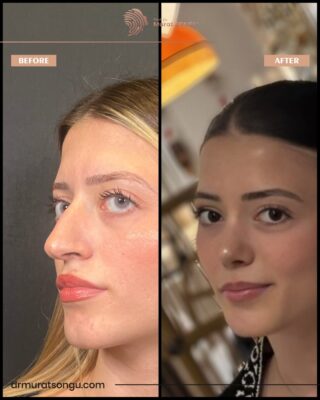
Female Droopy Tip Rhinoplasty Result
Prof. Dr. Murat Songu » Cases » Female Droopy Tip Rhinoplasty ResultFemale droopy tip rhinoplasty [...]
Read More
03
Sep
Sep
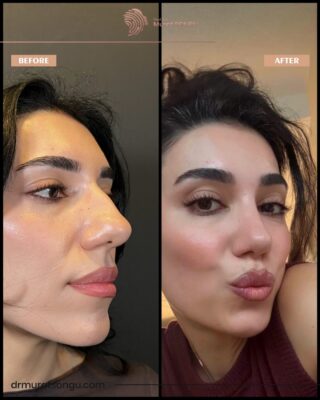
Female Big Nose Rhinoplasty Before & After Photos
Prof. Dr. Murat Songu » Cases » Female Big Nose Rhinoplasty Before & After PhotosFemale [...]
Read More
03
Sep
Sep
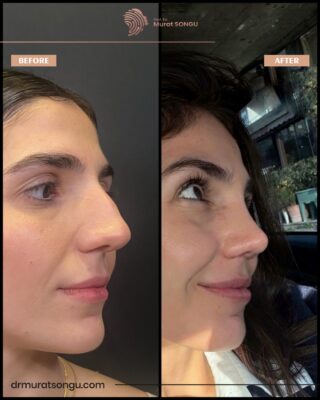
Roman Nose Rhinoplasty Result
Prof. Dr. Murat Songu » Cases » Roman Nose Rhinoplasty ResultRoman nose rhinoplasty is performed [...]
Read More
03
Sep
Sep

Crooked Nose Rhinoplasty Before & After Photos
Prof. Dr. Murat Songu » Cases » Crooked Nose Rhinoplasty Before & After PhotosCrooked nose [...]
Read More
03
Sep
Sep
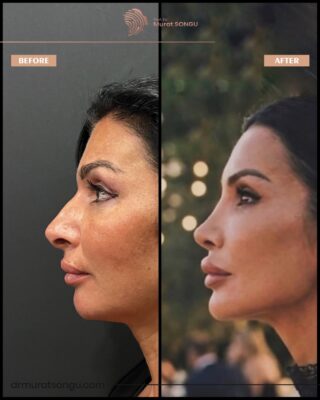
Hanging Columella Correction Rhinoplasty Result
Prof. Dr. Murat Songu » Cases » Hanging Columella Correction Rhinoplasty ResultHanging columella correction is [...]
Read More
03
Sep
Sep
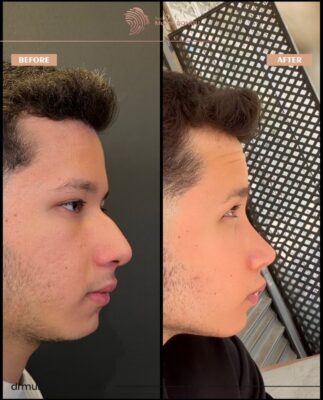
Male Deep Radix Rhinoplasty Result
Prof. Dr. Murat Songu » Cases » Male Deep Radix Rhinoplasty ResultMale deep radix rhinoplasty [...]
Read More
03
Sep
Sep
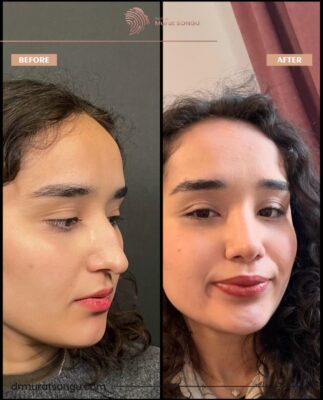
Hooked Nose Rhinoplasty Before & After Photos
Prof. Dr. Murat Songu » Cases » Hooked Nose Rhinoplasty Before & After PhotosHooked nose [...]
Read More
03
Sep
Sep
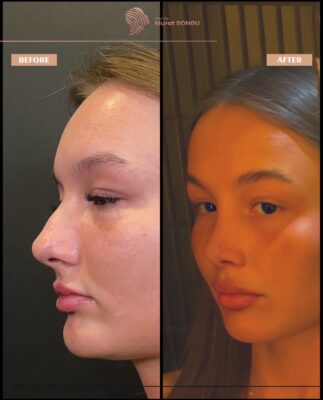
Barbie Nose Rhinoplasty Result
Prof. Dr. Murat Songu » Cases » Barbie Nose Rhinoplasty ResultA Barbie nose rhinoplasty result [...]
Read More
03
Sep
Sep