Türkçe
After the nasal packing is removed, following certain precautions is very important for ensuring a healthy recovery process and preventing complications. During the first few days, actions that may strain the nose should be avoided, and sudden nasal cleaning or forceful nose blowing should not be performed.
Because the tissues inside the nose are still sensitive, the sprays and moisturizing drops recommended by the doctor should be used regularly, and dryness inside the nose should be prevented. Keeping the environment humid reduces the risk of crusting and congestion and provides a more comfortable recovery.
Activities that increase blood circulation, such as strenuous exercise, bending forward and taking hot showers, should be avoided during the first few days. Such movements may cause nasal bleeding. It is also recommended to keep the head slightly elevated while sleeping during the first week.
To protect the nose from external factors, impacts should be avoided and caution should be exercised in crowded environments. If glasses need to be worn, the doctor’s approval should be obtained, and any activity that applies pressure to the nose should be temporarily avoided.
What Can Be Felt After Nasal Packing Is Removed?
After the packing is removed, a noticeable feeling of relief may occur inside the nose. However, this relief does not always mean immediate and complete comfort. In some patients, sensitivity, mild aching or a feeling of fullness inside the nose may continue for a while. This is generally caused by the tissues not yet being fully healed.
In addition, a small amount of drainage or spotting-like bleeding from the nose may be seen during the first few days. This is usually temporary and decreases on its own. However, the doctor must be informed in cases of heavy, increasing or prolonged bleeding.
How Should the Nose Be Cleaned?
Cleaning the inside of the nose after the packing is removed is an important part of the recovery process. However, when performed incorrectly, this cleaning may damage the nasal tissues. Sea water sprays or isotonic solutions recommended by the doctor are generally preferred.
Forceful nose blowing should be avoided during nasal cleaning. Instead, allowing the drainage to flow out of the nose naturally after applying the spray is considered safer. Harsh interventions may cause bleeding in sensitive tissues or delay healing.
Pay Attention to Physical Activity During the First Few Days
Even if the person feels better after the packing is removed, it should not be forgotten that the body is still in the healing process. Strenuous exercise, sudden movements and activities that increase the heart rate should especially be avoided during the first few days.
Tasks that require bending over, lifting heavy objects or performing high-tempo exercise may increase pressure inside the nose. This may raise the risk of bleeding or cause swelling to increase. Although light daily walks are generally tolerated, an individual evaluation of the activity level is important.
Are Crusting and Dryness Inside the Nose Normal?
Crusting and dryness inside the nose are common after the packing is removed. This is considered part of the renewal process of the mucosa affected during surgery or another intervention. The crusts may often be uncomfortable and make breathing difficult.
At this stage, attempting to remove the crusts by hand or with hard objects is not recommended. Moisturizing sprays or softening products approved by the doctor may help the crusts fall off naturally over time. Being patient prevents damage to the tissues inside the nose.
The Role of Nutrition and Fluid Intake
During the recovery process, nutrition and adequate fluid intake are important not only for general health but also for the healing of the nasal tissues. Drinking enough water may particularly help keep the mucosa moist and reduce crusting.
Extremely hot, spicy or very hard foods may increase sensitivity inside the nose in some people. Although this does not affect everyone in the same way, softer and more balanced foods may be preferred during the first few days. Alcohol consumption is generally requested to be limited because it may increase the risk of bleeding.
Avoiding Smoking and Smoky Environments
Cigarette smoke has an irritating effect on the tissues inside the nose. Smoking after the packing is removed or remaining in environments with heavy smoke may negatively affect the recovery process. Smoke may cause the mucosa to dry out and increase swelling.
Taking a break from smoking or quitting completely during this period is considered a positive step for nasal health. Likewise, staying away from dusty, polluted or very dry environments as much as possible may also be beneficial.
Sleeping Position and Daily Habits
Sleeping position also becomes important during the days after nasal packing is removed. Sleeping with the head slightly elevated may help reduce swelling and the feeling of fullness. Sleeping face down or in positions that place pressure on the nose should be avoided.
Unintentional touching, scratching or pressing of the nose during daily life should also be limited. Awareness may be particularly necessary for patients with children. During this period, when the tissues inside the nose are sensitive, even minor trauma may cause discomfort.
When Should a Doctor Be Consulted?
Although mild discomfort is often considered normal after the packing is removed, certain symptoms require specialist evaluation. Severe and persistent pain, increasing bleeding, foul-smelling discharge or fever should not be ignored.
In addition, nasal congestion that gradually worsens or makes breathing significantly difficult may also require examination. Every patient’s recovery process is different, and clinical decisions are evaluated individually. Therefore, consulting a doctor whenever something feels unusual is considered a safe approach.
Being Patient Is Part of Recovery
After the nasal packing is removed, many patients expect to return quickly to their previous condition. However, complete healing of the tissues inside the nose may take time. During this process, it is important to be patient, follow the recommendations and pay attention to the signals given by the body.
Experiences during the recovery process may vary from person to person. Therefore, rather than comparing the process with the experiences of others, monitoring one’s own recovery offers a healthier perspective. Obtaining a specialist opinion when necessary contributes to the safe progression of the process.
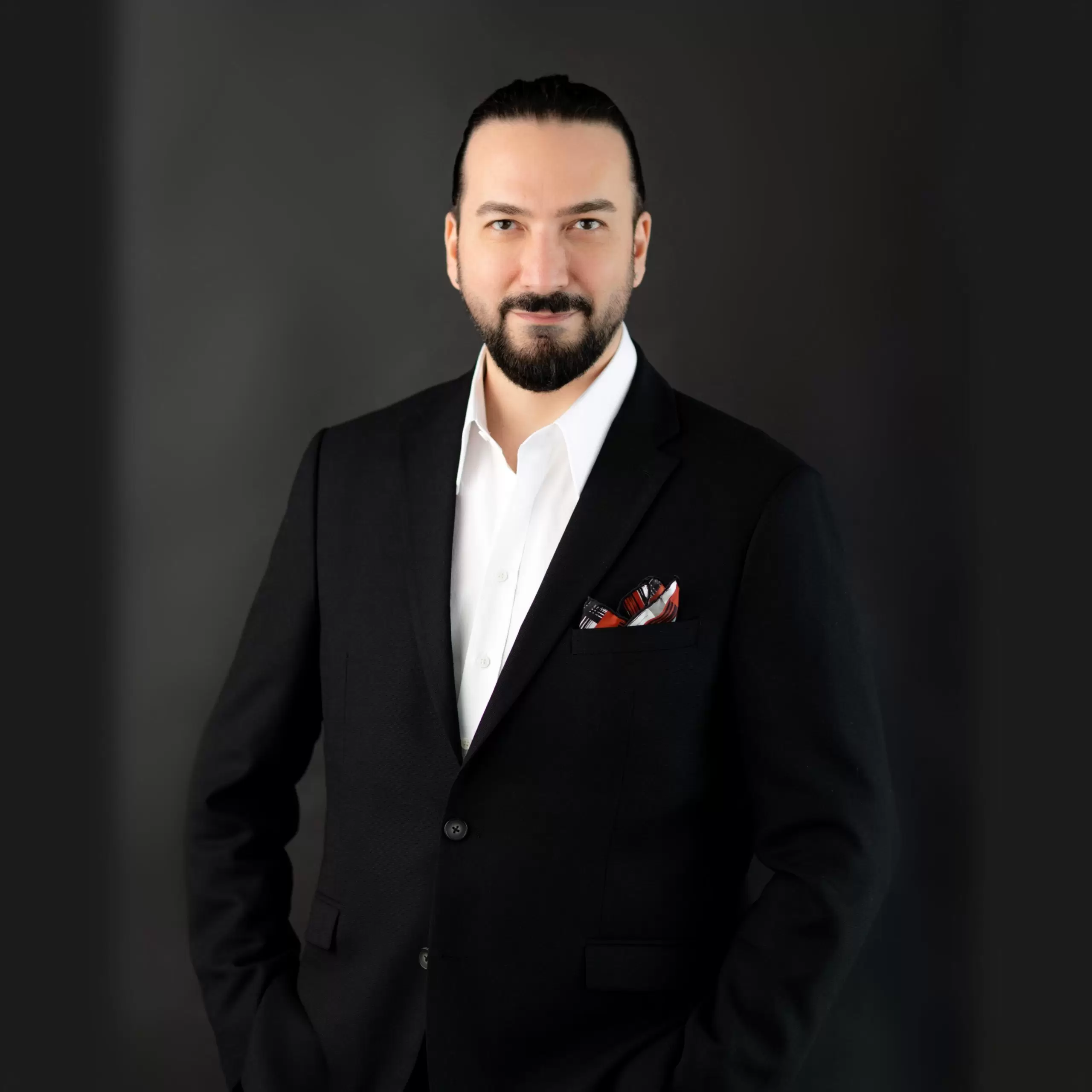
Prof. Dr. Murat Songu – Rhinoplasty (Nose Aesthetics) Specialist
Prof. Dr. Murat Songu was born in 1976 in Izmir and completed his medical education at the Ege University Faculty of Medicine. He then completed his residency training in the Department of Otorhinolaryngology at Celal Bayar University. Between 2005 and 2006, he received advanced training in rhinoplasty, functional nasal surgery, and skull base surgery in Bordeaux, France, working with leading rhinologists such as Prof. Vincent Darrouzet and Dr. Guy Lacher.
Prioritizing natural appearance, the preservation of breathing function, and facial aesthetic harmony, Prof. Dr. Songu is nationally and internationally recognized for his expertise in open rhinoplasty, piezo (ultrasonic) rhinoplasty, revision rhinoplasty, tipplasty, and functional septorhinoplasty. He has participated as an instructor and speaker at numerous rhinoplasty congresses worldwide.
With over 100 scientific publications, book chapters, and more than 1700 citations, Prof. Dr. Murat Songu is one of Türkiye’s most respected academics in the field of rhinoplasty, combining natural, facially harmonious, and functional results with scientific and aesthetic excellence.