Türkçe
Driving is not recommended during the first few days after nose surgery. The effects of anesthesia, dizziness, and fatigue may negatively affect concentration.
Postoperative swelling and bandaging may limit the field of vision. This creates a risk in terms of traffic safety.
Generally, after the first week, the patient may be allowed to drive short distances once their overall condition has been evaluated. However, the final decision depends on the doctor’s approval.
It is recommended to wait longer before taking long trips or driving intensively. Safety should be the priority during this period.
How Soon Can You Drive After Nose Surgery?
Driving after nose surgery should be determined by considering the patient’s recovery process and general health condition. After surgery, the effects of anesthesia and medications, physical discomfort, and general fatigue may make driving difficult. Avoiding driving during the first few days is important for the safety of both the patient and other drivers:
- The patient should not drive until the effects of anesthesia have completely worn off.
- The patient should avoid driving while taking pain-relieving medications.
- The patient should not drive while experiencing symptoms such as nasal congestion and swelling.
- It is recommended to avoid driving during the first week.
During the postoperative period, the patient should prioritize rest in order to accelerate physical recovery and ensure safety. In addition, receiving support during the first few days after rhinoplasty may be beneficial not only for driving but also for daily activities. Following the specific recommendations of the doctor who performed the surgery helps the patient complete the personalized recovery process more safely and healthily. During this period, it is critically important to avoid driving until attention and reflexes have fully returned.
What Are the Risks of Driving Immediately After Rhinoplasty?
Driving immediately after rhinoplasty surgery carries serious risks both for the individual’s health and for traffic safety. The effects of the anesthesia used during surgery may continue for some time afterward and may impair mental and physical functions. In particular, slowed reflexes negatively affect the ability to make sudden decisions in traffic and increase the risk of an accident:
- Slowed reflexes
- Mental confusion
- Drowsiness and dizziness
- Side effects of pain-relieving medications
- Physical discomfort and swelling
In addition, the risk of losing control while driving is quite high because of the side effects of the medications used. Especially during the first few days, avoiding activities that require concentration is important for accelerating recovery and minimizing the risk of complications.
To determine the safest time to drive after nose surgery, each patient should consult their patient advisor according to their individual condition. Following the surgeon’s recommendations both facilitates the recovery process and ensures the individual’s safety. During this period, postponing driving and receiving support from a relative whenever possible will help make the recovery period more comfortable.
How Does Anesthesia Affect Your Ability to Drive After Surgery?
Anesthesia negatively affects the ability to drive after nose surgery by weakening the attention, reflexes, and coordination required for safe driving. The effects of anesthesia on the central nervous system continue for some time after the procedure, and this may limit the individual’s ability to drive:
- Drowsiness
- Prolonged reaction time
- Loss of coordination
- Difficulty concentrating
These effects may persist even when the individual feels well. The American Society of Anesthesiologists recommends waiting at least 24 hours after anesthesia before driving safely. During this period, the aim is for the side effects of anesthesia to diminish and for psychomotor skills to return fully.
In some cases, if the individual is using pain-relieving or sedative medications, the side effects of these medications should also be taken into consideration. Such medications may further endanger driving safety. Following the doctor’s instructions and carefully evaluating one’s own condition during the recovery process are extremely important.
What Precautions Should You Take When Driving After Rhinoplasty?
The precautions that should be followed when driving after nose surgery both support the individual’s recovery process and ensure safety. The following measures should be observed during this period:
- Pain-relieving medications should not be taken.
- The individual should make sure they are fully alert.
- Short distances should be preferred at first.
- Sudden movements should be avoided.
- The seat belt should be worn correctly.
- Alternative solutions should be used instead of glasses.
- The vehicle should be stopped if any discomfort is felt.
It is important to obtain a doctor’s examination and approval before starting to drive after surgery. It is also recommended to avoid prolonged driving after nose surgery. In addition, the seating position inside the vehicle should be adjusted so that it does not place pressure on the nose. Such details positively affect the recovery process.
Why Is It Important to Follow Your Surgeon’s Recommendations Regarding Driving After Surgery?
Driving after surgery is a critical issue for ensuring that the recovery process progresses healthily and that the individual remains safe. Avoiding driving for the period recommended by your surgeon is highly important from both physical and legal perspectives:
- Ensuring patient safety
- Preventing legal and insurance problems
- Supporting the recovery process
- Avoiding the side effects of medications
- Acting in accordance with the individual’s health condition
One of the most important points to consider after surgery is the effect of the medications used. Pain relievers or sedatives in particular may temporarily weaken the individual’s reflexes and decision-making ability. Such situations may endanger not only the individual but also other drivers and pedestrians. In addition, if the period specified by the doctor is not followed, insurance companies may reject damage claims in the event of a traffic accident. Therefore, it is vitally important to follow all instructions related to the recovery process completely.
Actions taken without following the doctor’s advice may slow the individual’s recovery process or cause complications. To prevent such negative situations, the surgeon’s recommendations should be followed and support should be obtained during this period when necessary. It should be remembered that the postoperative process is individual and may vary according to each patient’s condition.
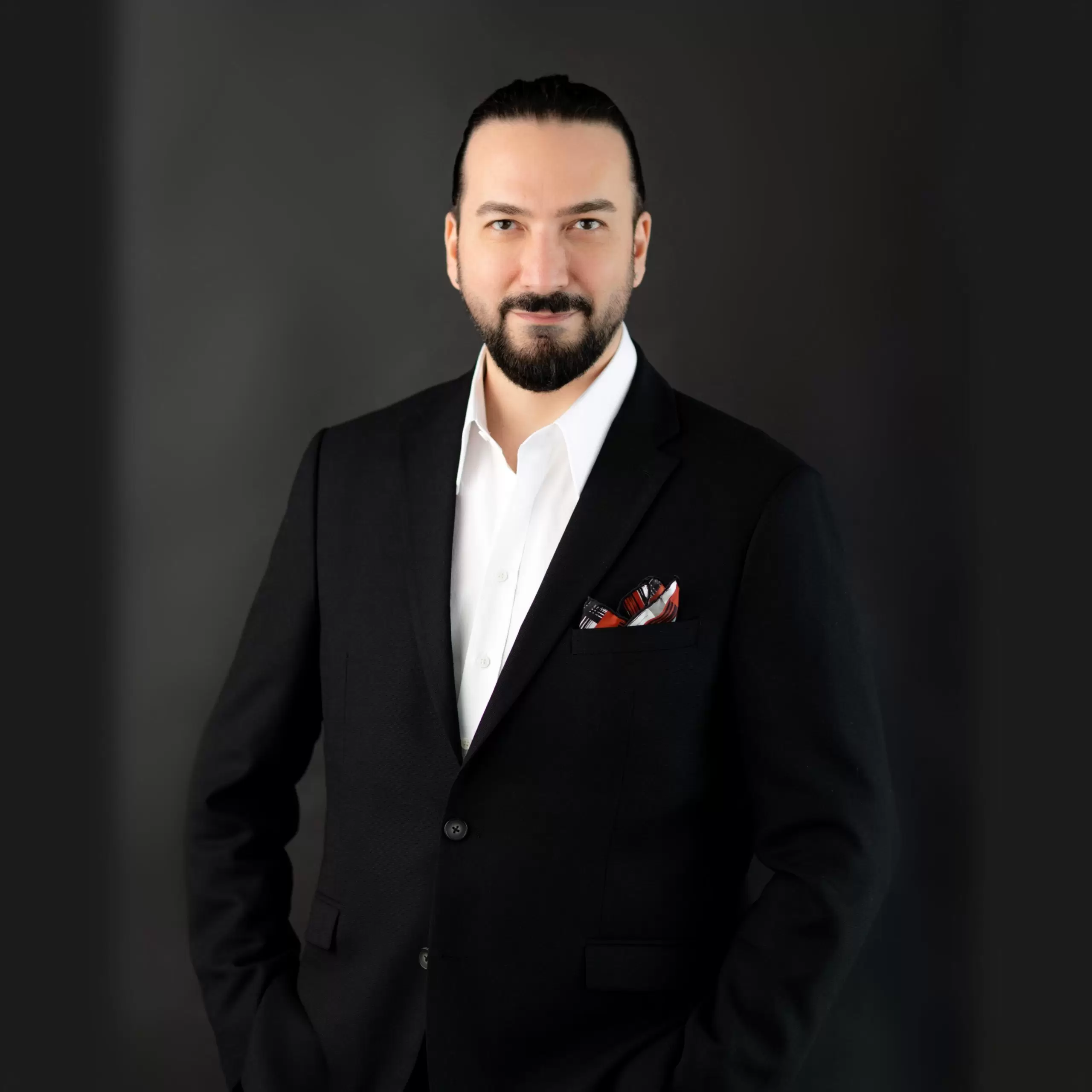
Prof. Dr. Murat Songu – Rhinoplasty (Nose Aesthetics) Specialist
Prof. Dr. Murat Songu was born in 1976 in Izmir and completed his medical education at the Ege University Faculty of Medicine. He then completed his residency training in the Department of Otorhinolaryngology at Celal Bayar University. Between 2005 and 2006, he received advanced training in rhinoplasty, functional nasal surgery, and skull base surgery in Bordeaux, France, working with leading rhinologists such as Prof. Vincent Darrouzet and Dr. Guy Lacher.
Prioritizing natural appearance, the preservation of breathing function, and facial aesthetic harmony, Prof. Dr. Songu is nationally and internationally recognized for his expertise in open rhinoplasty, piezo (ultrasonic) rhinoplasty, revision rhinoplasty, tipplasty, and functional septorhinoplasty. He has participated as an instructor and speaker at numerous rhinoplasty congresses worldwide.
With over 100 scientific publications, book chapters, and more than 1700 citations, Prof. Dr. Murat Songu is one of Türkiye’s most respected academics in the field of rhinoplasty, combining natural, facially harmonious, and functional results with scientific and aesthetic excellence.