Türkçe
 Deutsch
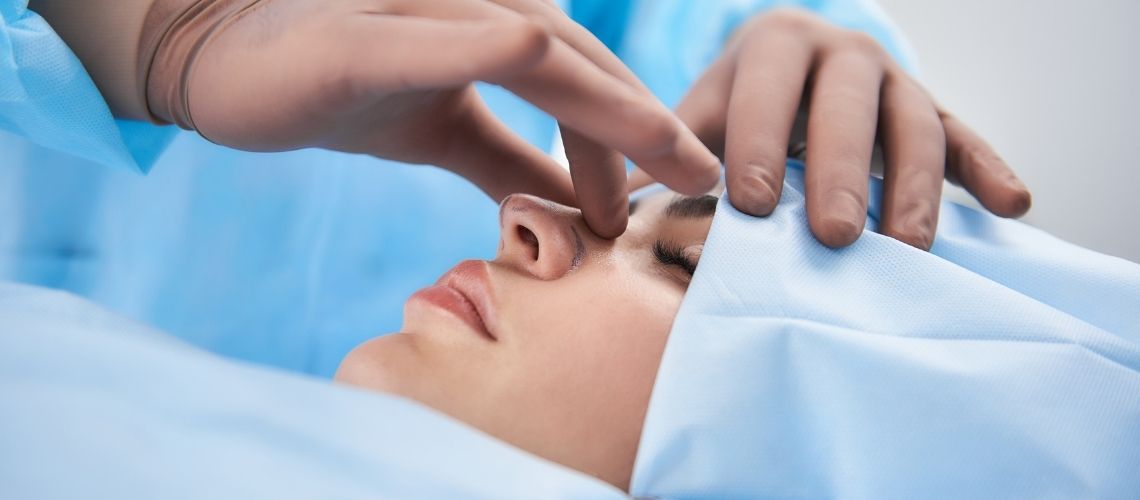
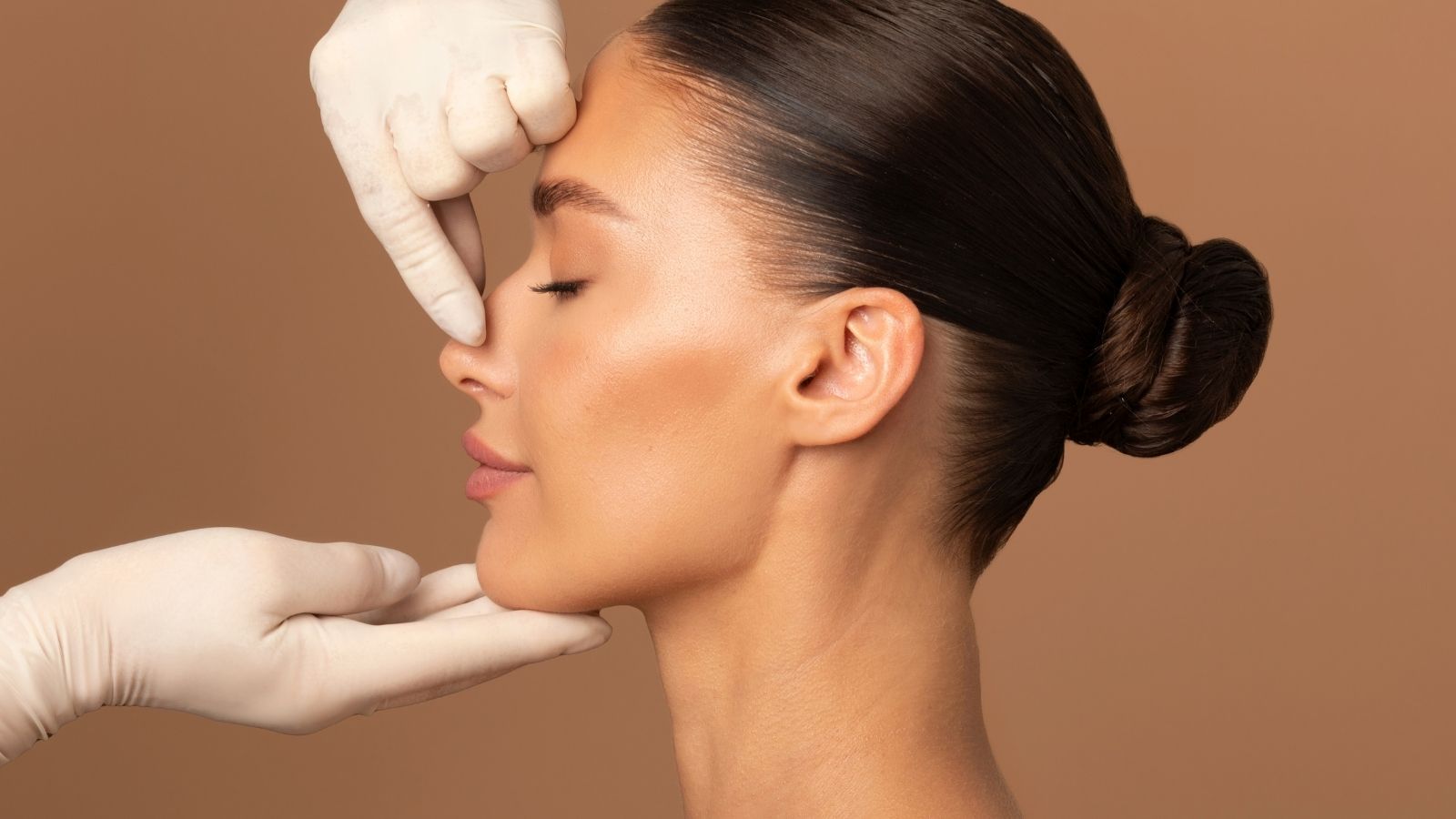
Curved rhinoplasty addresses nasal asymmetry where the nose deviates to one side. This condition may cause both functional breathing problems and aesthetic concerns, requiring precise surgical correction for balanced results.
The procedure typically involves cartilage reshaping, septum alignment, and structural reinforcement. Surgeons may use grafts to stabilize the nose and maintain long-term symmetry.
Successful outcomes depend on detailed preoperative planning and the surgeon’s expertise. Since asymmetry can involve both bone and cartilage, individualized techniques are essential for correction.
Recovery may take longer than standard rhinoplasty due to tissue complexity. With proper healing, patients achieve improved function and a natural, straightened nasal appearance.
| Procedure | Curved Rhinoplasty |
| Purpose | Curved rhinoplasty is a surgical procedure performed to correct a crooked, curved, or deviated nose while improving facial symmetry and, when necessary, nasal function. |
| Who May Benefit | Individuals with a naturally curved nose, post-traumatic nasal deformities, congenital asymmetry, breathing difficulties caused by nasal deviation, or dissatisfaction with nasal appearance. |
| Main Goals | Straighten the nasal structure, improve facial balance, enhance breathing if obstruction is present, and achieve natural-looking, harmonious results. |
| Preoperative Evaluation | Includes a comprehensive medical history, physical examination, facial and nasal analysis, assessment of nasal airflow, discussion of aesthetic expectations, and standardized medical photography. |
| Causes of Nasal Curvature | Nasal curvature may result from congenital anatomy, previous trauma, uneven cartilage or bone growth, septal deviation, or prior nasal surgery. |
| Surgical Techniques | Depending on the patient’s anatomy, surgery may involve septoplasty, osteotomies, cartilage reshaping, cartilage grafting, dorsal correction, tip refinement, and structural support techniques. |
| Anesthesia | The procedure is typically performed under general anesthesia, although selected cases may be suitable for local anesthesia with sedation. |
| Procedure Duration | Usually lasts between 2 and 5 hours, depending on the complexity of the deformity and whether functional correction is required. |
| Hospital Stay | Most patients return home on the same day, while some may require overnight observation based on individual circumstances. |
| Recovery Timeline | Bruising and swelling generally improve within 2–3 weeks. Most patients resume normal daily activities after about one week, while complete healing and final refinement may take 12–18 months. |
| Postoperative Care | Patients should avoid trauma to the nose, keep the head elevated, follow prescribed medications, attend follow-up appointments, and avoid strenuous activities until cleared by their surgeon. |
| Potential Benefits | Improved nasal symmetry, enhanced facial harmony, better breathing when functional correction is performed, increased self-confidence, and long-lasting aesthetic improvement. |
| Possible Risks | Risks include bleeding, infection, swelling, bruising, asymmetry, persistent deviation, breathing difficulties, delayed healing, numbness, dissatisfaction with cosmetic results, and the possible need for revision surgery. |
| Revision Surgery | Additional surgery may be recommended if residual curvature, functional problems, or cosmetic concerns remain after complete healing. |
| Suitability for International Patients | Many international patients choose curved rhinoplasty after virtual consultations, medical assessment, and individualized treatment planning before traveling. |
| Travel Considerations | Patients are generally advised to remain near the surgical facility during the initial recovery period before returning home and should follow their surgeon’s recommendations regarding air travel. |
| Expected Results | Noticeable improvements become visible as swelling subsides, while the final nasal shape gradually develops over several months. |
| Long-Term Outlook | Results are generally long-lasting when the nasal framework is properly stabilized and postoperative care instructions are carefully followed. |
What Does a Curved Nose Represent in Facial Aesthetics?
A curved nose refers to a condition in which the nasal structure deviates from the midline of the face, creating aesthetic or functional problems. This situation generally stems from structural abnormalities in the nasal bones, cartilages and the nasal septum. Nasal curvature can affect facial aesthetics by creating an asymmetric appearance and sometimes cause breathing difficulties:
- Deviations toward the sides
- C-shaped curves
- S-shaped contours
- Complex curvatures in multiple planes
Besides its aesthetic impact, a curved nose can also influence nasal functions. Septal deviations in particular may lead to breathing problems such as nasal obstruction. Therefore, a curved nose should be considered not only an aesthetic concern but also a medical condition. Modern surgical techniques offer solutions for correcting these structural issues and achieving a nose that is more harmonious with the face.
How Does a Curved Nose Affect Facial Harmony?
A curved nose can disrupt facial harmony, causing various problems in terms of aesthetics and symmetry. Since the nose is located at the exact center of the face, it directly affects the overall proportions of the face. This condition can cause a noticeable change in perceived aesthetic balance. In individuals with a curved nose, this structural issue can create both visual and functional difficulties:
- Facial imbalance
- Loss of symmetry
- Perception of disproportionality
The curvature of the nose influences not only the nose itself but also the surrounding facial structures, creating a sense of overall disharmony. Therefore, corrective interventions on Rhinoplasty aim to improve both the aesthetic perception of the face and nasal functions.
What Are the Common Causes of a Curved Nose?
Multiple factors can contribute to the development of a curved nose. These factors can be examined under three main headings as genetic predispositions, trauma and developmental disorders:
- Genetic factors
- Trauma
- Developmental disorders
Genetic factors play a decisive role in nasal structure. Inherited genetic traits can affect nasal shape and lead to curvature. Certain genetic syndromes can cause structural deformities in the nose.
Trauma is one of the most common causes of nasal curvature. Accidents, sports injuries or physical impacts can damage the nasal bones and cartilage. This situation may distort nasal shape and cause loss of function.
Developmental problems can arise from issues that occur during the embryonic period. Complications during birth or genetic abnormalities can affect the nasal structure and lead to curvature.
These types of curvatures not only create aesthetic concerns but also lead to breathing difficulties and impairment of nasal functions. Therefore, treating a curved nose is important both aesthetically and for health.
Which Surgical Procedures Can Be Performed to Correct a Curved Nose?
Various surgical procedures can be applied to correct a curved nose. Surgeons create a treatment plan according to the individual’s anatomical needs by using different techniques to correct nasal shape and function. Here are some of these procedures:
- With a Rhinoplasty procedure, the nasal bones and cartilages are reshaped.
- The septoplasty method corrects the septum to eliminate breathing problems.
- With the osteotomy technique, the nasal bones are fractured and realigned.
- Combined approaches involve the simultaneous application of multiple techniques.
These procedures are performed to eliminate curvatures in the nasal structure and enhance the harmony between the nose and the face. Surgeons perform a detailed evaluation before surgery, considering the degree of nasal deformity, aesthetic goals and respiratory functions. Thanks to modern surgical techniques, these methods that improve nasal aesthetics and health can be planned individually.
How Is the Right Approach Selected for Curved Nose Correction?
Correcting a curved nose is a process that must be carefully planned both aesthetically and functionally. Selecting the right approach is possible through a detailed assessment and an expert team:
Clinical Examination:
- The type and severity of the nasal curvature are examined in detail.
Functional Assessment:
- Issues that hinder breathing are identified.
Treatment Methods:
- Fillers for minor curvatures; surgical methods for severe cases are evaluated.
Choosing Expertise:
- Selecting an experienced surgeon is critically important.
Realistic Expectations:
- Surgical outcomes and risks are explained in detail.
In treating a curved nose, the individual’s facial structure and aesthetic expectations should be carefully considered. With proper planning, both visually and functionally satisfying results can be achieved.
Frequently Asked Questions
Who is an ideal candidate for curved rhinoplasty to correct a crooked nose?
How does curved rhinoplasty improve both nose shape and facial symmetry?
Can curved rhinoplasty improve breathing as well as correct a crooked nose?
What is the recovery process like after curved rhinoplasty surgery?
What are the possible risks and complications of curved rhinoplasty?
How long does it take to see the final results after curved rhinoplasty?
Will curved rhinoplasty leave visible scars after the procedure?
How should I prepare before undergoing curved rhinoplasty surgery?
Are the results of curved rhinoplasty permanent over the long term?
Can curved rhinoplasty be customized for different facial features and ethnic backgrounds?
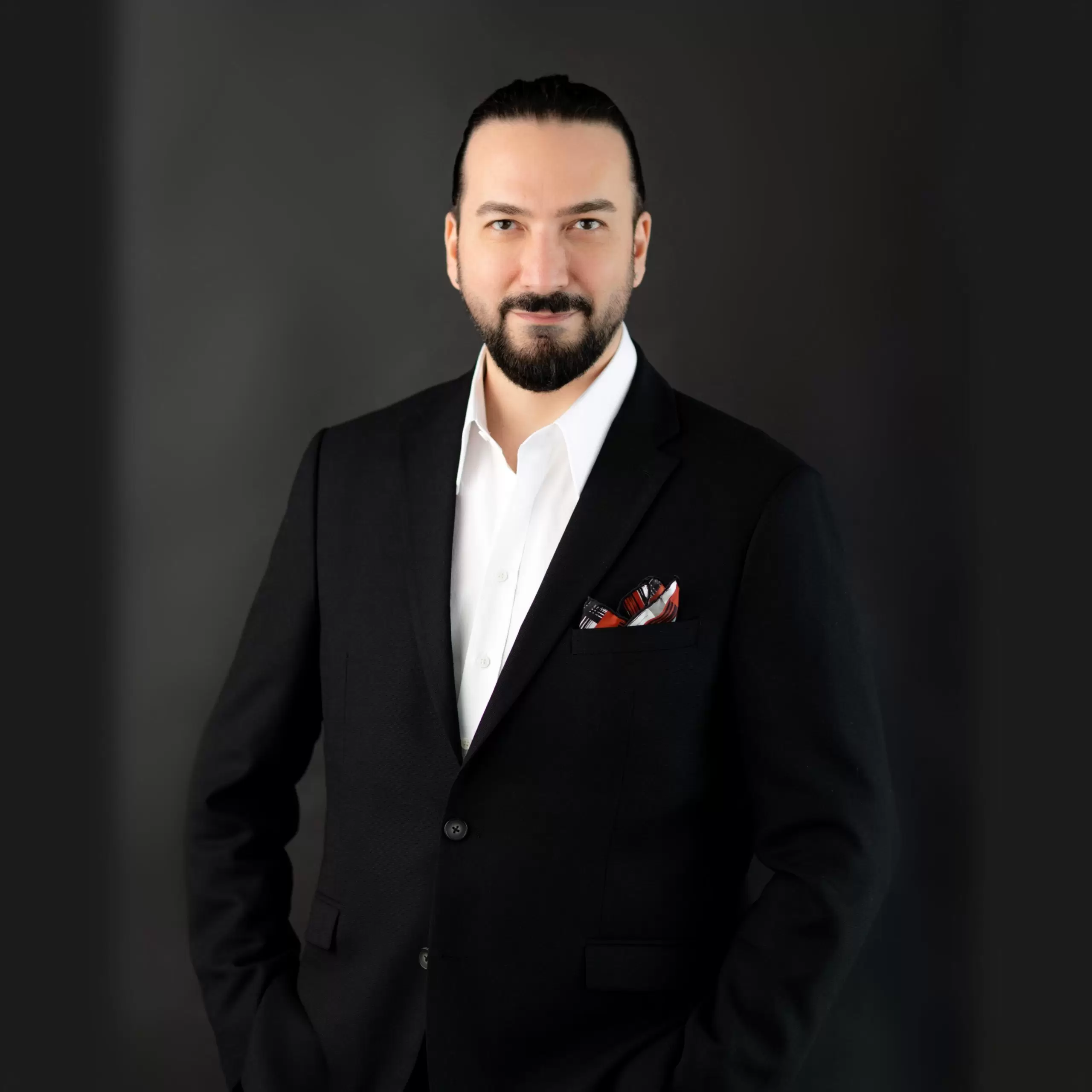
Prof. Dr. Murat Songu – Rhinoplasty (Nose Aesthetics) Specialist
Prof. Dr. Murat Songu was born in 1976 in Izmir and completed his medical education at the Ege University Faculty of Medicine. He then completed his residency training in the Department of Otorhinolaryngology at Celal Bayar University. Between 2005 and 2006, he received advanced training in rhinoplasty, functional nasal surgery, and skull base surgery in Bordeaux, France, working with leading rhinologists such as Prof. Vincent Darrouzet and Dr. Guy Lacher.
Prioritizing natural appearance, the preservation of breathing function, and facial aesthetic harmony, Prof. Dr. Songu is nationally and internationally recognized for his expertise in open rhinoplasty, piezo (ultrasonic) rhinoplasty, revision rhinoplasty, tipplasty, and functional septorhinoplasty. He has participated as an instructor and speaker at numerous rhinoplasty congresses worldwide.
With over 100 scientific publications, book chapters, and more than 1700 citations, Prof. Dr. Murat Songu is one of Türkiye’s most respected academics in the field of rhinoplasty, combining natural, facially harmonious, and functional results with scientific and aesthetic excellence.