Türkçe
 Deutsch
 Nederlands
 العربية
 Español
 Svenska
Unsuccessful rhinoplasty occurs when the expected functional and aesthetic results cannot be achieved. Breathing problems, asymmetry, a drooping nose, or unnatural appearances are among the most common problems.
An unsuccessful operation usually results from an incorrect surgical technique, inadequate planning, or complications during the healing process. The patient’s skin structure and healing process may also affect the results.
Revision rhinoplasty is the corrective surgical method preferred after an unsuccessful rhinoplasty. This procedure is more difficult than the first operation and should be performed by experienced surgeons.
Proper surgical planning, detailed examination, and realistic evaluation of the patient’s expectations greatly reduce the risk of failure. Regular follow-up is also critically important throughout the process.
What Is Unsuccessful Rhinoplasty?
Unsuccessful rhinoplasty is a condition in which both aesthetic and functional expectations are not met after rhinoplasty. This may manifest through problems such as asymmetry in the shape of the nose, a drooping nasal tip, collapse of the nasal bridge, or breathing difficulties. Correction through revision surgery may usually be required. Failure may result from an incorrect surgical technique, insufficient tissue support, or complications during the healing process.
How Can You Tell If Rhinoplasty Has Failed?
An unsuccessful rhinoplasty can be identified through signs such as unmet aesthetic expectations, asymmetry in the shape of the nose, a drooping nasal tip, breathing difficulties, and cartilage or bone deviations. In addition, complications such as a healing process that takes longer than expected, a persistent feeling of nasal congestion, or collapse in the nasal structure may also indicate failure. In such cases, an ear, nose, and throat specialist should be consulted.
Timing of a Second Operation After Unsuccessful Rhinoplasty
After an unsuccessful rhinoplasty, timing is vitally important when deciding on a second rhinoplasty operation. Although the patient may tend to rush, patience is necessary to determine the correct timing. After the first operation, the swelling that develops in the nose should be allowed to heal completely, and the nose should be given time to reach its final shape.
- The time required for swelling to resolve: between 6 months and 1 year.
- Determination of the final shape: Evaluated after the full healing process has been completed.
During this period, sufficient time is provided for the patient’s nasal tissue to heal completely and for the surgeon to make an accurate assessment. If the process is rushed, the risk of failing to fully understand the nasal structure and making incorrect surgical decisions increases. Therefore, the success of a second operation depends not only on correct timing but also on a comprehensive evaluation of the patient. Communication between the patient and the surgeon is critically important during this process for managing expectations correctly.
Revision Rhinoplasty Methods After Unsuccessful Rhinoplasty
Revision rhinoplasty performed after an unsuccessful rhinoplasty is shaped according to the patient’s individual needs. Since every patient is different, the surgical plan is prepared individually. The aesthetic and functional problems that arise after the first surgery determine the direction of the new intervention. Revision rhinoplasty generally aims to correct complications resulting from the previous surgery. During this process, the surgeon considers both aesthetic and functional improvements. The procedure includes the following steps:
- A detailed evaluation of the patient’s complaints and needs.
- Preparation of a reconstruction plan according to the results of previous operations.
- Planning comprehensive surgical interventions when necessary.
This process requires a personalized approach for the patient. The surgeon creates the surgical plan by considering the patient’s facial structure and aesthetic expectations. As a result, revision rhinoplasty should be designed and performed in accordance with each patient’s unique condition. This personalized approach contributes to the patient’s physical and psychological recovery.
Nasal Tip Correction Procedures Performed After Unsuccessful Rhinoplasty
Correction of the nasal tip is frequently required after an unsuccessful rhinoplasty. This situation particularly results from the nasal tip not being in the desired form. The shape of the nasal tip greatly affects the person’s facial profile and overall appearance. Therefore, any problem with the nasal tip should be handled carefully. This type of intervention is particularly preferred in the following situations:
- For patients with a drooping nasal tip,
- For individuals with an asymmetrical nasal tip,
- For those with a wide or excessively upturned nasal tip.
This type of revision surgery provides both aesthetic and functional improvements. In addition to increasing the patient’s self-confidence and satisfaction, the operation also helps eliminate breathing problems. Therefore, nasal tip correction after an unsuccessful rhinoplasty represents an important solution for patients. For this process to be successful, precise planning under the supervision of an experienced surgeon is required.
Correcting Unsuccessful Rhinoplasty: The Intricacies of Revision Surgery
After an unsuccessful rhinoplasty operation, patients may encounter various physical and aesthetic problems. Revision rhinoplasty is a specialized surgical procedure performed to resolve these problems. This operation aims to create a functional and aesthetically pleasing nose that is suitable for the patient’s facial structure. One of the most common results of unsuccessful operations is an excessively upturned nose appearance. This disrupts the natural balance of the face and creates an undesirable profile. Nasal deviation is also another common complication that usually causes breathing problems. This deviation is corrected during revision.
- Humped nose and saddle nose deformities are other common problems that should be corrected during revision.
- Problems related to breathing functions can be resolved through surgical intervention.
- Nasal tip asymmetry and a pointed and asymmetrical nasal tip require important aesthetic corrections.
- Cartilage protrusions and asymmetry of the nostrils are addressed through careful reshaping.
- Polly beak deformities are problems caused by cartilage or soft tissue and should be corrected carefully.
These corrections are designed to meet both the aesthetic and functional expectations of the patient. After surgery, the aim is to achieve a natural-looking nose that is harmonious with the patient’s facial features. During this process, the patient’s overall health and previous surgical interventions are evaluated in detail. Revision rhinoplasty is a complex procedure and should be performed by experienced surgeons.
F.A.Q.

How can you tell if a nose surgery has failed?
Breathing difficulties are among the main signs of an unsuccessful nose surgery. The patient usually cannot breathe comfortably through the nose. Excessive narrowing of the nostrils may also be observed. This may be a sign that the rhinoplasty was not performed correctly.
What happens if nose surgery fails?
In the case of an unsuccessful rhinoplasty, the patient may need to undergo another operation. A specialist surgeon can correct the mistakes of the initial operation. Revision is generally required for a small percentage of rhinoplasty operations.
Can rhinoplasty be performed a second time?
A second rhinoplasty operation may be necessary in some cases. Unexpected complications after the first surgery or problems during the healing process may make this procedure necessary to restore facial balance. In addition, this type of intervention may be considered when the patient’s aesthetic expectations have not been fully met. Thus, a second operation is preferred to correct imbalances in the nasal structure and achieve a more satisfactory appearance.
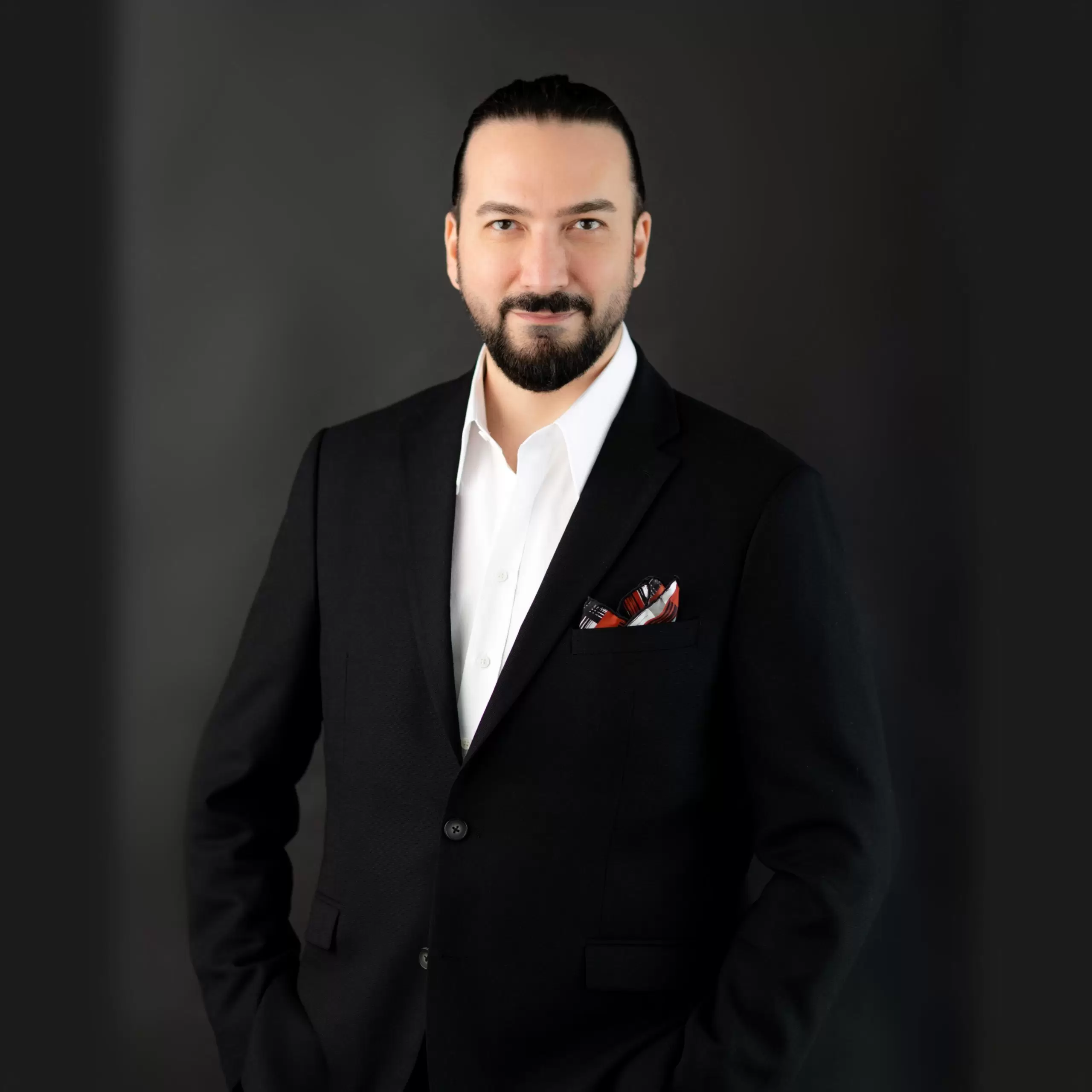
Prof. Dr. Murat Songu – Rhinoplasty (Nose Aesthetics) Specialist
Prof. Dr. Murat Songu was born in 1976 in Izmir and completed his medical education at the Ege University Faculty of Medicine. He then completed his residency training in the Department of Otorhinolaryngology at Celal Bayar University. Between 2005 and 2006, he received advanced training in rhinoplasty, functional nasal surgery, and skull base surgery in Bordeaux, France, working with leading rhinologists such as Prof. Vincent Darrouzet and Dr. Guy Lacher.
Prioritizing natural appearance, the preservation of breathing function, and facial aesthetic harmony, Prof. Dr. Songu is nationally and internationally recognized for his expertise in open rhinoplasty, piezo (ultrasonic) rhinoplasty, revision rhinoplasty, tipplasty, and functional septorhinoplasty. He has participated as an instructor and speaker at numerous rhinoplasty congresses worldwide.
With over 100 scientific publications, book chapters, and more than 1700 citations, Prof. Dr. Murat Songu is one of Türkiye’s most respected academics in the field of rhinoplasty, combining natural, facially harmonious, and functional results with scientific and aesthetic excellence.