Türkçe
 Deutsch
 Nederlands
 العربية
 Español
 Svenska
 Dansk
Dansk Français
 עברית
עברית Italiano
 Norsk bokmål
 Polski
 Português
 Română
 Русский
Oily-skinned and dry-skinned nose surgery requires different surgical approaches depending on skin structure. While healing may take longer in thick and oily skin, results in thin and dry-skinned noses may appear more prominent with sharper contours. Skin type is a determining factor in surgical planning.
In noses with oily skin structure, the surgeon performs shaping by taking the subcutaneous fat tissue into account. Due to the tendency of thick skin to cover contours, the definition of nasal lines may be limited. Therefore, long-term follow-up is required for the full appearance of postoperative results.
In dry and thin-skinned noses, the definition of postoperative contours emerges more easily. However, even the slightest irregularities can be noticeable with this skin type. Therefore, more meticulous surgical techniques should be used, and contour harmony must be ensured with great care.
Postoperative care is important for both skin types. Moisturizing, edema control, and regular physician check-ups are necessary for healthy healing. Patience, regular follow-up, and appropriate skin care are essential to achieve permanent results in rhinoplasty.
| Overview | Skin type is an important factor in rhinoplasty planning because it influences healing, swelling, scar formation, and the visibility of the final nasal contours. Both oily and dry skin require individualized surgical and postoperative care. |
| Importance of Skin Thickness | In addition to oil production, skin thickness plays a significant role in rhinoplasty outcomes. Thick skin may conceal fine structural refinements, while thin skin may reveal even minor contour irregularities. |
| Oily Skin Characteristics | Oily skin typically has increased sebum production, larger pores, and may be thicker than average. These characteristics can influence the healing process and the appearance of the nasal tip after surgery. |
| Dry Skin Characteristics | Dry skin usually produces less sebum and may feel tight, flaky, or sensitive. It is often thinner and may make subtle changes to the underlying nasal framework more visible. |
| Preoperative Skin Assessment | The surgeon evaluates skin quality, thickness, elasticity, pore size, previous scars, and overall nasal anatomy to develop an appropriate surgical plan. |
| Surgical Planning for Oily Skin | In patients with oily or thick skin, greater emphasis may be placed on creating a stable and well-defined nasal framework to provide adequate support beneath the skin envelope. |
| Surgical Planning for Dry Skin | In patients with dry or thin skin, meticulous contouring is essential because irregularities in the bone or cartilage may be more easily visible through the skin. |
| Healing After Surgery | Recovery varies between individuals. Swelling is expected in all patients, although those with thicker, oilier skin may experience swelling that persists longer, particularly around the nasal tip. |
| Swelling Duration | Thick or oily skin may require a longer period for swelling to fully resolve, whereas patients with thinner or drier skin may notice earlier definition, although final healing still takes many months. |
| Scar Formation | Most rhinoplasty scars heal well when proper postoperative care is followed. Individual healing characteristics, rather than skin type alone, influence scar quality. |
| Postoperative Skin Care | Patients should follow the surgeon’s recommendations for cleansing, moisturizing, and protecting the skin. Harsh skincare products should be avoided until healing is sufficiently advanced. |
| Management of Oily Skin | Gentle cleansing may help reduce excess oil after surgery. Acne treatments, exfoliants, or retinoids should only be resumed after approval from the treating surgeon. |
| Management of Dry Skin | Dry skin may benefit from gentle moisturizers and avoidance of products that further reduce skin hydration during the healing period, as recommended by the healthcare provider. |
| Sun Protection | Protecting the nose from ultraviolet exposure is important for all skin types. Sunscreen should be used once permitted by the surgeon to reduce the risk of discoloration and support scar healing. |
| Possible Risks | Potential risks include infection, bleeding, prolonged swelling, delayed healing, asymmetry, contour irregularities, breathing changes, and the possible need for revision surgery. These risks are not determined solely by skin type. |
| Long-Term Results | Final rhinoplasty results continue to develop as swelling resolves. Patients with thicker or oilier skin may require more time before the final definition becomes fully visible, often 12–18 months or longer. |
| Realistic Expectations | Skin characteristics influence how surgical changes appear externally. While rhinoplasty can improve nasal shape and function, skin quality may limit the visibility of extremely fine refinements. |
| Lifestyle Considerations | Maintaining a healthy lifestyle, avoiding smoking and nicotine, following postoperative instructions, and attending scheduled follow-up appointments support optimal healing regardless of skin type. |
| When to Contact the Surgeon | Patients should promptly seek medical advice if they experience persistent heavy bleeding, high fever, rapidly increasing swelling, severe uncontrolled pain, foul-smelling drainage, or signs of infection. |
| Individualized Treatment | Every rhinoplasty procedure should be tailored to the patient’s unique skin characteristics, nasal anatomy, functional needs, and aesthetic goals to achieve the safest and most balanced outcome. |
How Is Nose Surgery Performed for Oily and Dry Skin Types?
In rhinoplasty procedures for oily and dry skin types, surgeons apply customized techniques according to each skin characteristic. Especially in oily skin, the thickness of the skin structure and the excess of sebaceous glands may cause certain challenges during and after the operation. Therefore, surgeons use various methods to achieve more defined results in oily skin:
Preoperative Preparation:
- Chemical peels
- Laser treatments
- Medications that reduce sebum production
Surgical Technique:
- Cartilage grafts are placed in accordance with thick skin structure.
- Special techniques are preferred to enhance fine contours.
Postoperative Care:
- Controlling swelling with steroid (cortisone) injections
- Managing oil production with appropriate skin care regimens
On the other hand, the approach of surgeons also differs for dry skin. Since dry skin is sensitive, protecting and moisturizing the skin before and after surgery is a priority.
Preoperative Preparation:
- Special moisturizers
- Hydration therapies
Surgical Technique:
- Thin tissue grafts are used to conceal imperfections.
- Additional layers are added between the bone-cartilage structure under the skin.
Postoperative Care:
- Moisturizing the skin with gentle skin care products
- Avoiding factors that may increase dryness
What Should Be Considered in Oily-Skinned and Dry-Skinned Nose Surgery?
After rhinoplasty, skin care requires methods specific to the patient’s skin type. In oily skin, increased oil production may occur as a response to the traumatic effect of surgery. This situation necessitates more frequent cleansing of the skin. It is possible to control excess oil by using gentle antibacterial soaps and washing frequently.
- Increased Oil Production: Use of gentle antibacterial soap
- Cleansing Routine: Frequent face washing
- Acne Management: Keeping the skin clean and caring with antibacterial soaps
For dry skin, moisturizing is essential. Postoperative skin dryness may trigger flaking. It is important to moisturize the skin and support healing by using fragrance-free gentle moisturizers. At the same time, washing the skin with non-irritating, soap-free cleansers helps the skin’s natural healing process.
- Moisturizing: Use of gentle fragrance-free moisturizers
- Gentle Cleansing: Washing the face with soap-free cleansers
- Sun Protection: Use of SPF 30–40 mineral-based sunscreen
How Is Preoperative Preparation Done for Oily-Skinned and Dry-Skinned Nose Surgery?
Preoperative preparations for rhinoplasty differ for oily and dry skin. In oily skin, a gentle cleanser should be used to prevent excessive sebum and dirt accumulation. A light peeling performed every other day for this skin type prevents pore blockage. Light moisturizers are recommended to keep the skin moist without excessive oiliness. The use of topical treatments such as Retin-A and AHA/BHA should be discontinued four days before rhinoplasty.
For dry skin;
- Light cleansers are preferred.
- Intensive moisturizing creams should be used.
- Harsh peels and drying products should be avoided.
- Products containing ceramides strengthen the skin barrier.
For both skin types, harmful habits such as alcohol, smoking, and certain medications should be avoided one week before surgery.
What Techniques Are Used in Oily-Skinned and Dry-Skinned Nose Surgery?
The techniques used during rhinoplasty vary according to skin type. Cartilage grafts are especially important for oily and thick skin. These grafts, taken from the ear or rib, support the nasal framework and provide a smoother cover over the skin. This method contributes to a natural nasal appearance.
Supportive Grafts:
- Cartilage Grafts
Additionally, soft tissue grafts are used for patients with thin skin. These grafts correct nasal contours and effectively conceal small imperfections.
- Soft Tissue Grafts
Surgeons perform surgical planning specific to the skin type. With personalized approaches, the aim is to achieve the most suitable results for each patient.
How Does the Recovery Process Work After Oily-Skinned and Dry-Skinned Nose Surgery?
The recovery process after oily-skinned and dry-skinned nose surgery differs according to skin type. First, increased sebum production is observed after surgery in oily skin. This condition may cause the formation of more pronounced swelling in the skin. For this reason, the healing process may be prolonged. Recommended care routines for oily skin are as follows:
- Cleansing the skin twice a day with gentle cleansers.
- Controlling surface oil by using non-abrasive oil-absorbing products.
- Moisturizing the skin with moisturizers containing hyaluronic acid.
- Protecting the skin against UV damage by applying sunscreen.
On the other hand, dry skin may become even drier after surgery. Therefore, adequate hydration is very important. Suitable care routines for dry skin are as follows:
- Gently cleansing the skin with moisturizing cleansers.
- Drinking plenty of water to hydrate from within.
- Using rich moisturizers containing hyaluronic acid and glycerin.
- Applying broad-spectrum sunscreen against the harmful effects of the sun.
How Are Aesthetic Results Affected After Oily-Skinned and Dry-Skinned Nose Surgery?
Aesthetic results after rhinoplasty vary according to the patient’s skin type. Especially oily and dry skin structures affect the healing process and the quality of results. In oily skin, enlarged pores and excessive sebum production may increase irregularities on the skin surface. This plays an important role in the postoperative healing process.
Oily Skin:
- Excessive sebum production may clog pores.
- Thick skin structure may camouflage surgical details.
- More pronounced structural changes may be required to achieve desired aesthetic results.
- Postoperative skin care requires special products to control oil and ensure hygiene.
In dry skin, since the skin is thinner and more sensitive, postoperative scars and irregularities may become more noticeable. Dry skin is more prone to losing elasticity, which may negatively affect aesthetic results.
Dry Skin:
- Thin structure may show results clearly.
- Providing sufficient hydration may accelerate healing.
- Skin care should include moisturizers to preserve elasticity and health.
- Protection from environmental factors such as UV exposure is important.
Frequently Asked Questions
How does oily skin affect the results of nose surgery compared with dry skin?
Is nose surgery more challenging for patients with oily skin than dry skin?
Does recovery after nose surgery differ between oily and dry skin types?
Can patients with oily skin achieve refined results after nose surgery?
What skincare routine is recommended after nose surgery for oily and dry skin?
Are there additional risks of nose surgery for oily and dry skin types?
How long does swelling last after nose surgery for oily and dry skin?
How do surgeons evaluate oily and dry skin before nose surgery?
Can non-surgical treatments improve skin quality before nose surgery for oily and dry skin?
Why is skin type important when planning nose surgery for oily and dry skin?
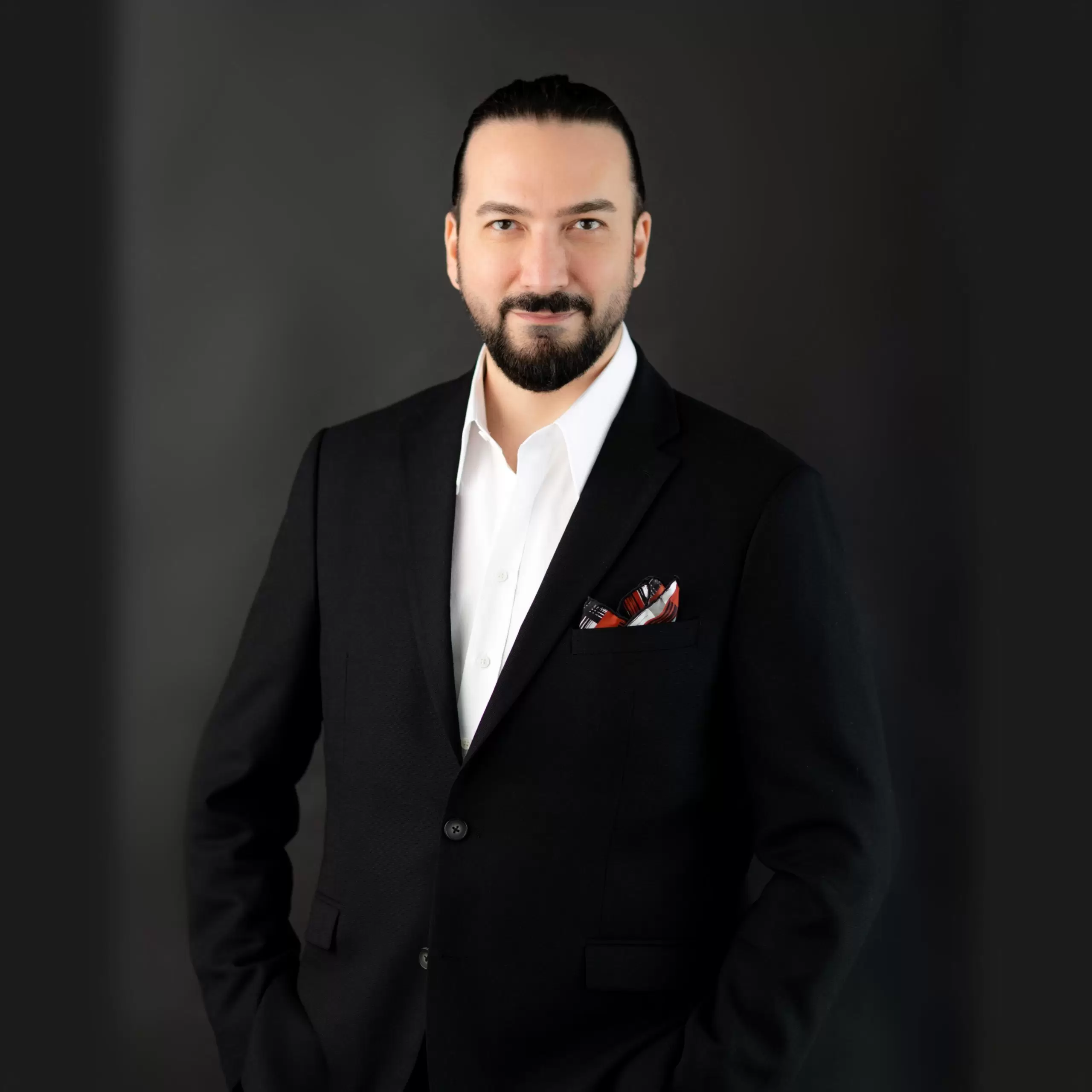
Prof. Dr. Murat Songu – Rhinoplasty (Nose Aesthetics) Specialist
Prof. Dr. Murat Songu was born in 1976 in Izmir and completed his medical education at the Ege University Faculty of Medicine. He then completed his residency training in the Department of Otorhinolaryngology at Celal Bayar University. Between 2005 and 2006, he received advanced training in rhinoplasty, functional nasal surgery, and skull base surgery in Bordeaux, France, working with leading rhinologists such as Prof. Vincent Darrouzet and Dr. Guy Lacher.
Prioritizing natural appearance, the preservation of breathing function, and facial aesthetic harmony, Prof. Dr. Songu is nationally and internationally recognized for his expertise in open rhinoplasty, piezo (ultrasonic) rhinoplasty, revision rhinoplasty, tipplasty, and functional septorhinoplasty. He has participated as an instructor and speaker at numerous rhinoplasty congresses worldwide.
With over 100 scientific publications, book chapters, and more than 1700 citations, Prof. Dr. Murat Songu is one of Türkiye’s most respected academics in the field of rhinoplasty, combining natural, facially harmonious, and functional results with scientific and aesthetic excellence.