Türkçe
 Deutsch
The question of how many times rhinoplasty can be performed is related to the health of the tissues and their healing capacity. Theoretically, it can be performed more than once, but each surgery increases the risks.
Revision surgeries are more difficult because of the changes caused in the tissues by previous procedures. Weakening of the cartilage tissue or scar formation may complicate the process.
The surgeon’s evaluation determines whether the nasal structure is suitable for another operation. At this point, the patient’s aesthetic expectations are also taken into consideration.
Experts recommend avoiding unnecessary repeat operations and carefully planning each intervention. The aim is to achieve lasting and natural results with the fewest possible procedures.
The Effect of Making the Right Decision on Success
Making the right choices during the rhinoplasty process is the foundation of achieving the desired aesthetic appearance. First, the results of aesthetic operations vary according to individual differences. Therefore, planning that is appropriate for each person’s facial structure and general health condition is essential. Second, choosing an experienced surgeon is of vital importance. Working with a physician experienced in revision procedures increases the chance of achieving the best possible result. Third, the choice of clinic should not be overlooked. Clinics with high standards of hygiene and technology should be preferred. Finally:
- The number of aesthetic operations varies from person to person.
- A single operation may generally be sufficient for the best result.
- However, in some cases, more than one operation may be required to achieve the final goal.
Each step should be carefully evaluated in order to achieve success. The right choices made during this process provide the key to achieving the desired aesthetic appearance with a single operation.
When and How Should It Be Performed?
Revision rhinoplasty is an option for individuals who are not satisfied with the results obtained after the first operation. It is generally necessary to wait one year until the tissue healing process is completed after the first operation. During this period, the tissues are allowed to heal completely and the final shape becomes apparent. Therefore, the most appropriate time for revision is after a minimum recovery period of six months. However, repeat rhinoplasty procedures are not unlimited. Since every operation may cause microscopic damage to the tissues, the risks may increase.
In conclusion, the maximum number of rhinoplasty operations depends on the individual’s current condition and the health of the tissues. A specialist surgeon will evaluate the patient’s condition in detail in order to minimize risks and achieve the best result. An evaluation that considers the balance between health and aesthetics plays a key role in determining the number of operations.
Reasons for Revision Rhinoplasty Operations
Revision rhinoplasty operations are necessary in cases where the expected recovery has not been achieved after the initial procedures. If difficulty breathing continues, this is one of the most common reasons for revision. In addition, revision surgery may be planned if aesthetically satisfactory results have not been achieved. Both physical and structural deformities may develop in the nasal structure after the first operation. Such conditions reveal the need for revision. In particular, irregularities in nasal symmetry create aesthetic and functional problems for the patient. These problems are addressed through revision operations.
- Difficulty breathing
- Failure to meet aesthetic expectations
- Physical and structural deformities
- Irregularities in nasal symmetry
These reasons are decisive in referring patients for revision operations. Each condition is carefully evaluated according to the patient’s health and aesthetic needs.
Each Intervention Is Different
Rhinoplasty is a surgical procedure performed for aesthetic and functional improvements. However, each additional intervention performed after the first operation generally becomes more complex. The changes made during the first surgery alter the natural anatomy between the tissues. This increases the difficulty of a second operation. Moreover, as with every surgical procedure, there are always risks such as infection, bleeding, or delayed healing. Therefore, it may be difficult to determine an upper limit for the number of rhinoplasty operations. However, experts generally state that the risks increase after three operations.
- Each operation requires more attention and expertise than the previous one.
- As the number of procedures increases, the likelihood of encountering unwanted results also rises.
In conclusion, the number of rhinoplasty operations varies depending on individual circumstances and the doctor’s evaluation. However, it should be remembered that the risks increase with each additional intervention and the results may differ more from expectations.
The Importance of Choosing the Right Doctor
Rhinoplasty is a complex procedure that can significantly affect the aesthetic balance of the face. Therefore, the experience and expertise of the doctor who will perform the procedure are of great importance. First, the results the doctor has achieved in previous procedures should be evaluated. Then, the doctor’s educational background and certifications should be reviewed. In addition, the doctor’s communication with the patient and ability to clearly understand expectations are also highly important. In particular, choosing a doctor specialized in revision rhinoplasty is a critical step for the success of the procedure. Finally, due to the nature of aesthetic surgery, each patient’s facial structure and aesthetic expectations are different, so a doctor who adopts a personalized approach should be preferred. When these criteria are taken into consideration, the likelihood of success in rhinoplasty surgery increases significantly.
Points to Consider
Rhinoplasty operations are performed to improve a person’s facial symmetry and overall aesthetic appearance. However, an increase in the number of operations may also bring various risks. Therefore, careful planning is essential to achieve ideal results. First, choosing an experienced surgeon is of great importance. It is necessary to review the surgeon’s previous work and learn about the success rate and patient satisfaction. In addition, having realistic expectations increases the person’s satisfaction after the operation. The recovery process after rhinoplasty plays a critical role in the success of the operation. During this process, the doctor’s recommendations should be followed precisely and follow-up appointments should be attended regularly. Paying attention to the healing process reduces the risk of infection and provides a faster recovery. Finally, psychological preparation before and after the operation is also an important part of this process. The process of adapting to the changes that the operation may bring can significantly affect the person’s overall satisfaction. These steps help maximize the results obtained from rhinoplasty.
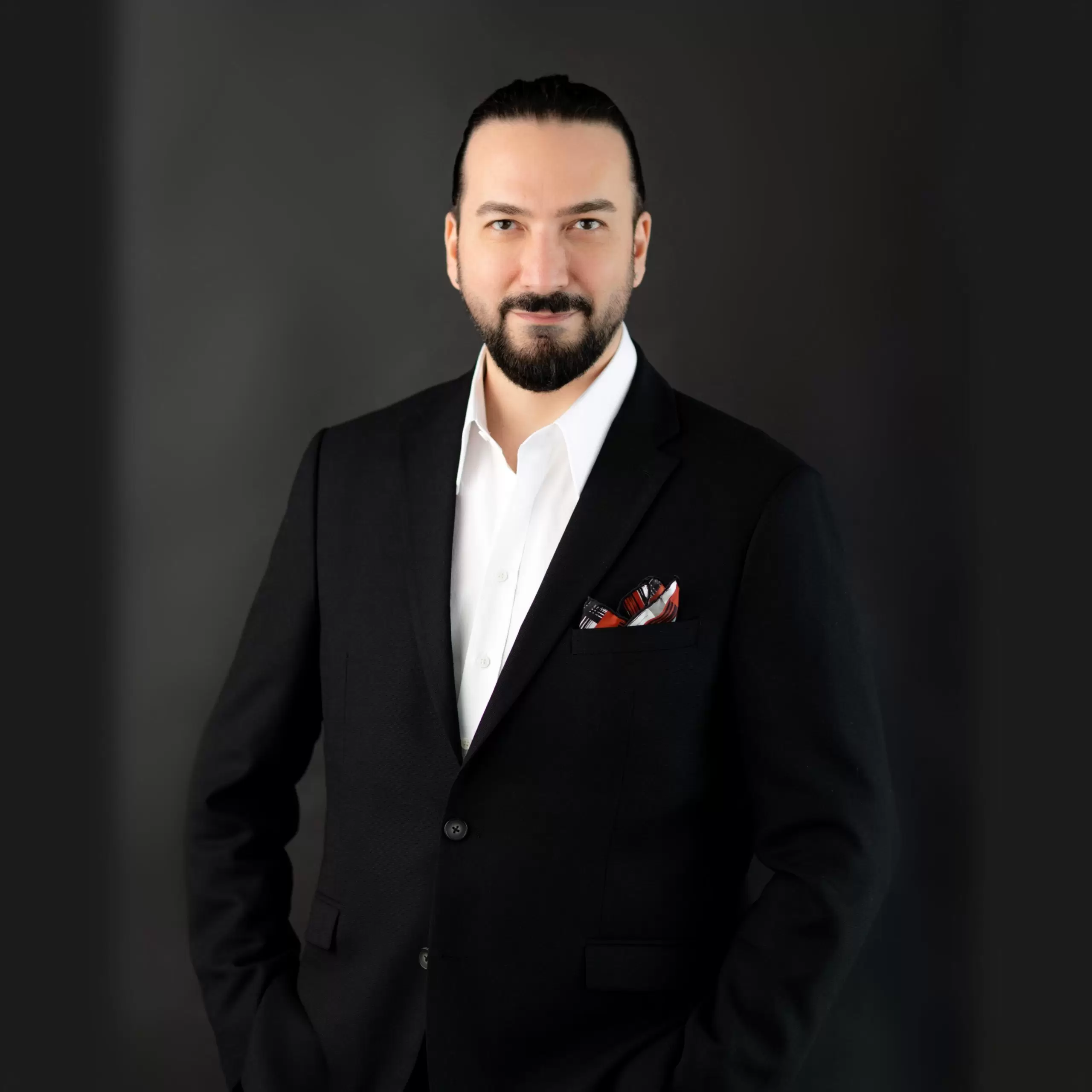
Prof. Dr. Murat Songu – Rhinoplasty (Nose Aesthetics) Specialist
Prof. Dr. Murat Songu was born in 1976 in Izmir and completed his medical education at the Ege University Faculty of Medicine. He then completed his residency training in the Department of Otorhinolaryngology at Celal Bayar University. Between 2005 and 2006, he received advanced training in rhinoplasty, functional nasal surgery, and skull base surgery in Bordeaux, France, working with leading rhinologists such as Prof. Vincent Darrouzet and Dr. Guy Lacher.
Prioritizing natural appearance, the preservation of breathing function, and facial aesthetic harmony, Prof. Dr. Songu is nationally and internationally recognized for his expertise in open rhinoplasty, piezo (ultrasonic) rhinoplasty, revision rhinoplasty, tipplasty, and functional septorhinoplasty. He has participated as an instructor and speaker at numerous rhinoplasty congresses worldwide.
With over 100 scientific publications, book chapters, and more than 1700 citations, Prof. Dr. Murat Songu is one of Türkiye’s most respected academics in the field of rhinoplasty, combining natural, facially harmonious, and functional results with scientific and aesthetic excellence.