Türkçe
 Deutsch
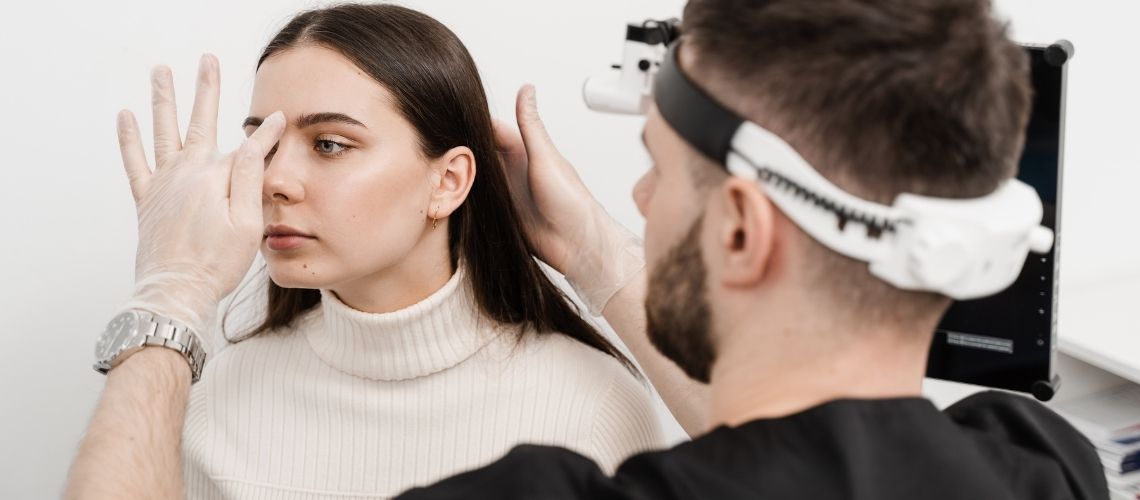
Tip plasty aims to reshape the nasal tip without touching the nasal bridge. It is especially preferred for people who have a straight nasal bridge but a drooping nasal tip. With this method, a more natural and balanced appearance can be achieved.
Nasal tip lifting surgery is generally a shorter procedure with a faster recovery period. The technique applied is determined by considering the person’s skin structure, cartilage shape, and facial proportions. In this way, the results are compatible with the overall aesthetics of the face.
Tip plasty is a less traumatic procedure compared to full rhinoplasty. However, it may not be suitable for every patient; if there is curvature, width, or other deformities in the nasal bridge, additional surgical interventions may be required.
Swelling and mild bruising may occur during the postoperative period, but the recovery time is generally short. For the results to be permanent, surgical planning should be carried out meticulously, and the surgery should be performed by an experienced surgeon.
Nasal Tip Aesthetics
Rhinoplasty is a special method that focuses only on the nasal tip. This procedure is performed without intervening in the nasal bones. Its aim is to bring the nasal tip to the ideal size and shape. Technically, it is a highly delicate process and requires experienced expertise. Aesthetic and functional success is achieved through millimetric changes. The main elements focused on in nasal tip lifting aesthetics are as follows:
- Correction of the nose-lip angle
- Adjustment of nasal tip height
- Determination of nasal tip width
- Adjustment of the size and shape of the nasal tip cartilages
- Changing the size and shape of the nasal wings
- Adjustment of the size and shape of the nostrils
These procedures are customized according to the patient’s facial structure and aesthetic expectations. This process, carried out by specialist doctors, requires detailed preparation and planning. In line with the patient’s wishes, nasal tip aesthetics strengthens the overall harmony of the face and improves personal appearance.
Ideal Measurements
- In profile view, the nasal tip should be at a height appropriate to the overall proportions.
- Ideally, the nasal tip height is approximately 67% of the nasal length.
- In men, the nasal tip is aligned with the nasal bridge, while in women, the nasal tip is positioned slightly further forward.
- The angle between the nose and upper lip should be approximately 105 degrees in men and between 105 and 115 degrees in women.
- When viewed from the front, the nasal tip is located within the aesthetic lines.
During nasal tip lifting, the nasal length and wings are carefully addressed. In long noses, shortening is performed in the cartilage structure. Thus, abnormalities caused by the reduction in height are also corrected. Width in the nasal wings is corrected by removing tissue. Asymmetry and size abnormalities in the nostrils are corrected with appropriate surgical methods. These procedures are performed to preserve the aesthetic and functional structure of the nasal wings. For a successful result, proper shaping of the nostrils and preservation of function are essential. These details emphasize not only the visual but also the functional aspect of aesthetic surgery.
What Is Nasal Tip Lifting?
Nasal tip lifting is the process of reshaping the tip of the nose upward for aesthetic or functional reasons. It is generally performed as part of a rhinoplasty operation, but it can also be applied using non-surgical methods such as fillers or thread lifting. The aim is to give the nose a more harmonious appearance with the face or to correct situations in which a drooping nasal tip makes breathing difficult.
Ideal Candidate Profile for Nasal Tip Lifting Aesthetics
There are certain specific conditions in which nasal tip lifting aesthetics provides successful results. First of all, people whose nasal tip extends excessively toward the upper lip are suitable candidates for this operation. The aim here is to bring the angle between the upper lip and the nose to an optimal level. In addition, this procedure is also suitable for noses that project excessively forward or, conversely, appear flat and short. In these cases, the aim is to give the nose a more aesthetic appearance.
- People with a drooping nasal tip
- Noses that project excessively forward or appear flat
- People with a wide nasal tip structure
- Cases where the nasal wings are abnormally wide or narrow
- Wide, narrow, or asymmetrical nostrils
This aesthetic operation also offers a solution for people with a width problem in the nasal tip area. Conditions such as the nasal wings being narrower or wider than normal are also corrected with this procedure. Problems related to the size and symmetry of the nostrils are also addressed with this operation. As a result, nasal tip aesthetics provides aesthetic improvement for individuals with various nasal structures.
Features and Benefits of Nasal Tip Lifting Surgery
Nasal tip lifting surgery is a frequently preferred method in aesthetic surgery. This operation provides a natural appearance, especially by widening the narrow nose-lip angle. Unlike classic rhinoplasty, this procedure, in which only the cartilage and soft tissues of the nasal tip are treated, does not involve the nasal bones. This shortens the duration of the surgery and allows the patient to recover more quickly. Swelling and bruising that may occur after surgery are also minimized with this method. Since the recovery period is shorter, patients can return to their normal lives more quickly.
- Short duration of surgery
- Less swelling and bruising
- Fast recovery process
An important point that should be considered while lifting the nose is not to widen the upper lip-nose angle excessively. Excessive lifting may lead to aesthetically unfavorable results. In particular, the nostrils becoming too visible and the appearance of a short nose are among the problems that are difficult to correct after surgery. Therefore, detailed planning before nasal tip lifting and a correct understanding of the patient’s expectations are of great importance.
Frequently Asked Questions
Can tip plasty be performed without full rhinoplasty?
For which nasal structures is tip plasty suitable?
Does tip plasty affect breathing functions?
How long does tip plasty surgery take?
Is the recovery process faster after tip plasty?
Can tip plasty make the nose look smaller?
Can open and closed techniques be used in tip plasty?
Can tip plasty provide permanent results?
Can the nasal tip droop again after tip plasty?
What should people considering tip plasty pay attention to?
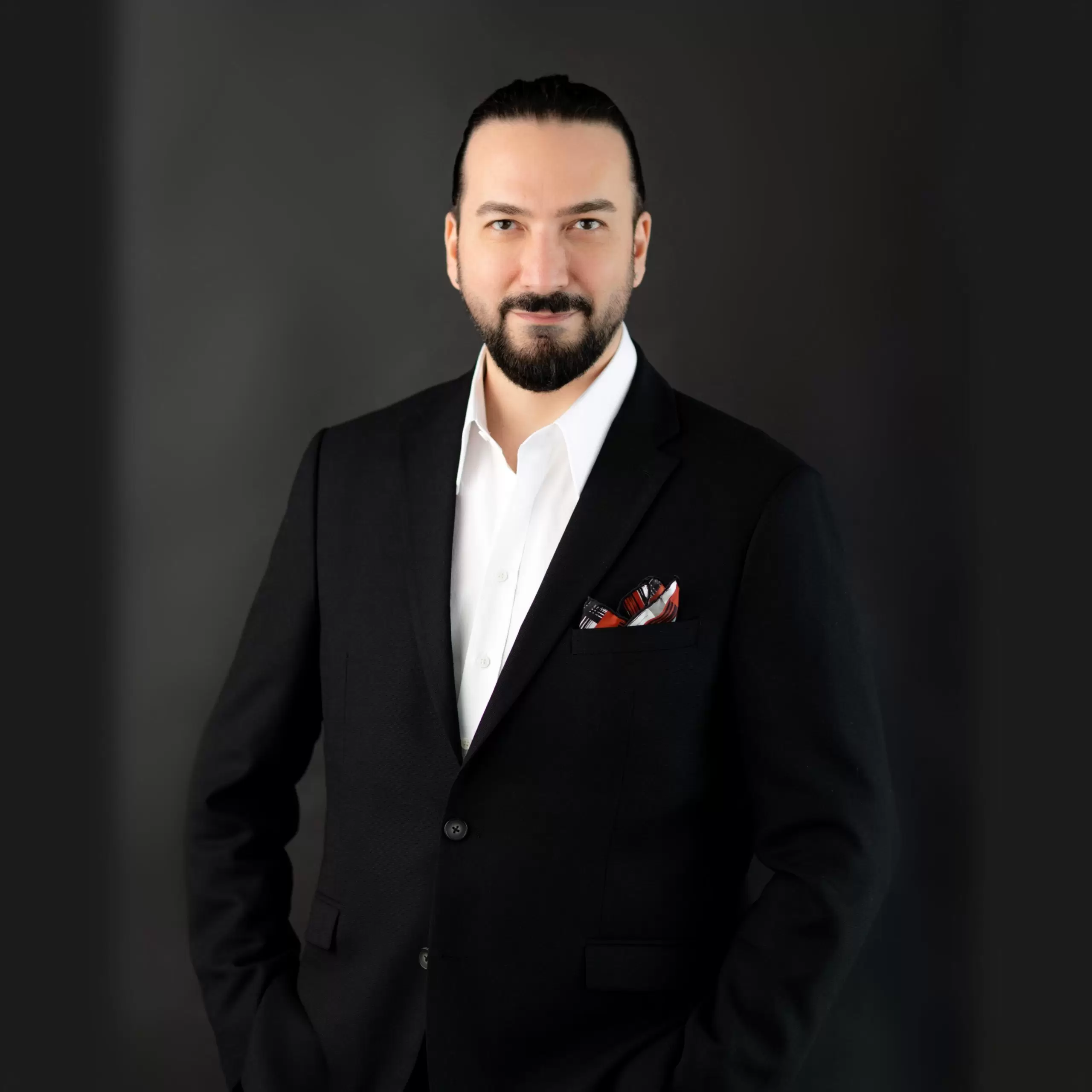
Prof. Dr. Murat Songu – Rhinoplasty (Nose Aesthetics) Specialist
Prof. Dr. Murat Songu was born in 1976 in Izmir and completed his medical education at the Ege University Faculty of Medicine. He then completed his residency training in the Department of Otorhinolaryngology at Celal Bayar University. Between 2005 and 2006, he received advanced training in rhinoplasty, functional nasal surgery, and skull base surgery in Bordeaux, France, working with leading rhinologists such as Prof. Vincent Darrouzet and Dr. Guy Lacher.
Prioritizing natural appearance, the preservation of breathing function, and facial aesthetic harmony, Prof. Dr. Songu is nationally and internationally recognized for his expertise in open rhinoplasty, piezo (ultrasonic) rhinoplasty, revision rhinoplasty, tipplasty, and functional septorhinoplasty. He has participated as an instructor and speaker at numerous rhinoplasty congresses worldwide.
With over 100 scientific publications, book chapters, and more than 1700 citations, Prof. Dr. Murat Songu is one of Türkiye’s most respected academics in the field of rhinoplasty, combining natural, facially harmonious, and functional results with scientific and aesthetic excellence.