Türkçe
 Deutsch
Nose massage is a technique used after rhinoplasty to reduce swelling and support the healing process. When performed regularly and correctly, it helps maintain the shape of the nose.
Massage increases circulation around the nose, accelerating tissue healing. Gentle pressure movements help swelling resolve more quickly.
The application should be performed according to the technique and duration recommended by the surgeon. Incorrect massage methods may negatively affect healing and lead to deformities.
Nose massage is generally recommended within the first few weeks after surgery. Regular application helps the nose settle into its final shape and contributes to achieving permanent aesthetic results.
| Purpose of the Massage | To reduce swelling, control edema, and promote smoother healing of the nose shape. |
| When Should It Be Started? | Usually 10 days after surgery, with the doctor’s approval. |
| Application Duration | Every hour during the first week (may vary according to the doctor’s recommendation). |
| How Is It Performed? | With gentle circular movements, applying light pressure to the nasal bridge and sides of the nose. A doctor’s recommendation should be obtained for the exact technique. |
| Who Is It Not Suitable For? | Individuals with sensitive skin, patients with excessive swelling or risk of infection, and those for whom it is not recommended by their doctor. |
| Risks of Incorrect Massage | Distortion of the nasal structure, increased swelling due to excessive pressure, and prolonged healing. |
What Is Nose Massage?
Nose massage refers to gentle massage techniques applied especially after rhinoplasty to reduce swelling, support healing, and preserve the shape of the nose. When performed regularly and correctly, it may contribute to faster tissue recovery by improving circulation.
Methods to Reduce Swelling After Rhinoplasty
Rhinoplasty is a surgical procedure preferred for both aesthetic and functional concerns. It helps individuals achieve a functional nose structure that suits their facial features. Nose massage recommended after surgery is a method that supports the healing process. Swelling, which is especially prominent during the first weeks after surgery, resolves more quickly with regular massage. These massages help reduce swelling and bruising by accelerating lymphatic circulation in the body.
Doctors may provide specific instructions regarding the frequency and techniques of nose massage. Since each individual’s skin structure and swelling response during the healing process may differ, massage methods are also adjusted accordingly. The correct application of massage is determined by considering the thickness and sensitivity of the skin. Since incorrect application may negatively affect healing, massage should always be performed under the supervision of a specialist physician.
Nose massage after rhinoplasty:
- Reduces swelling by increasing lymphatic drainage.
- Helps bruises resolve more quickly by improving blood circulation.
- Keeps the tissue beneath the skin more flexible and soft.
The nose, which occupies a central position in facial expression, can also affect a person’s self-confidence. Therefore, rhinoplasty is an operation that can positively change a person’s social life. After the procedure, the nose should be protected for the period specified by the doctor, and impacts should be avoided. By the end of the first month, the nose partially regains its former strength. However, during this period, performing massage regularly helps the nose maintain its desired shape.
As a result, nose massage after rhinoplasty is a complementary treatment method that helps make the recovery process following one of the most delicate aesthetic procedures more comfortable and problem-free. Rhinoplasty, which corrects deformities and breathing problems, has a transformative effect on facial aesthetics. Massage contributes to making this transformation faster and healthier. During and after the healing process, massage performed according to the doctor’s recommendations is an important support for nasal health.
Nose Massage Techniques

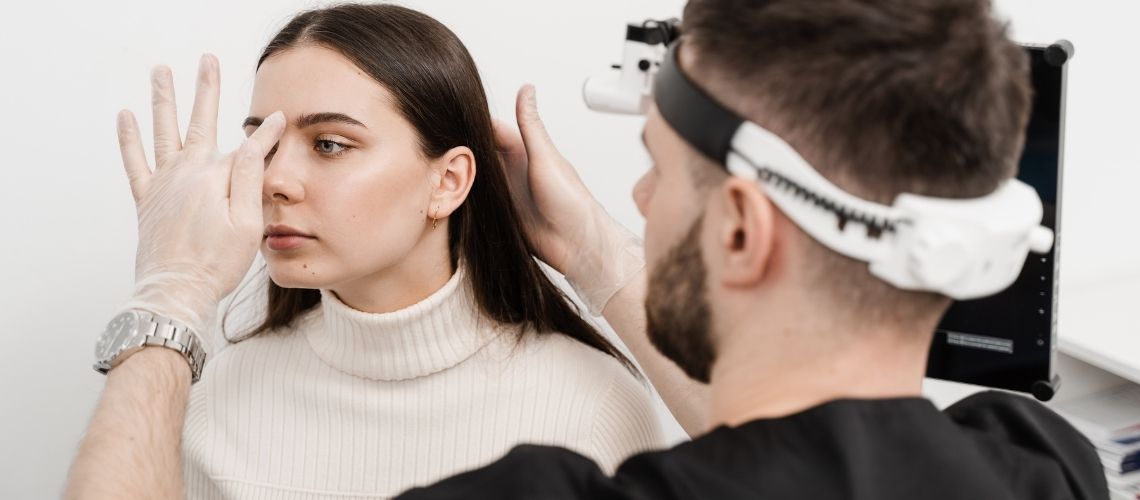
Nose massage plays an important role, especially during the recovery process after nasal surgery. This massage method that supports healing should be performed according to the doctor’s instructions. Gentle and controlled movements increase the effectiveness of the massage without damaging the nasal tissues. Factors such as the intensity of the massage and the angle of application play a decisive role in the success of the treatment. During the application, gentle movements starting beneath the eyelids and moving toward the nose should be performed carefully using the correct techniques.
During this process, the effect of massage on the soft tissues helps reduce swelling by improving tissue flexibility and blood circulation. In accordance with the doctor’s recommendations, a customized program is applied for each patient. The content of this program is determined according to the patient’s postoperative condition and the healing rate of the tissues. The use of customized massage techniques addresses each patient’s individual needs and accelerates the healing process.
The products used during massage are also of great importance. Moisturizing creams that are compatible with the skin, in particular, reduce friction and make the massage more comfortable. When selecting creams, attention should be paid to the sensitivity of the skin and the quality of the product. These products enhance the effect of the massage on the skin and support healing.
Nose massage techniques may include the following steps:
- Massage should be performed gently in circular motions, starting from the bridge of the nose and moving toward the sides.
- Massage should be performed by gently pressing toward the side walls of the nose with the fingertips.
- Blood circulation should be increased by lightly tapping the tip of the nose and the surrounding area with the fingertips.
- Movements supporting lymphatic drainage should be performed from around the eyes toward the nose.
After the application, the patient should feel comfortable and should not experience any pain or discomfort. If pain or discomfort occurs, the intensity and techniques of the massage should be reviewed.
Yannis Alexandrides, MD, FACS, has stated that while some surgeons believe nose massage reduces swelling, others are concerned that the procedures performed may be adversely affected.
Frequently Asked Questions
Can nose massage change the shape of the nose without surgery?
No, there is no scientific evidence that nose massage can permanently change the bone and cartilage structure of the nose without surgical intervention. Although some massage techniques and devices marketed as “nose shapers” claim to do so, they generally affect only the soft tissues beneath the skin or temporary fluid accumulation (edema), not the anatomical structure of the nose. Permanent changes to the shape of the nose are only possible through surgical methods such as rhinoplasty. For those seeking non-surgical aesthetic solutions, temporary options such as filler injections may be available; however, massage alone cannot reduce, lift, or straighten the nasal bridge.
What problems may occur if the massage recommended by the doctor is not performed after rhinoplasty?
Neglecting the massage specifically recommended by the doctor after rhinoplasty may negatively affect the healing process. Without massage, postoperative swelling and edema may resolve more slowly and unevenly, causing the nose to take longer than expected to reach its final shape. In addition, missing the lymphatic drainage and tissue-softening benefits of massage may contribute to increased firmness, fibrosis (thick scar tissue), or permanent irregularities beneath the skin. This may affect the aesthetic appearance of the nose and, in some cases, the sense of touch. Therefore, it is important to follow your surgeon’s massage recommendations.
Is nose massage beneficial for sinus congestion or allergies?
Yes, certain gentle massage techniques, especially those focused on the sinus areas, may help relieve some symptoms associated with sinus congestion and allergies. This type of massage may promote drainage of the sinuses around the nose, cheeks, and forehead, helping accumulated mucus drain and reducing pressure. By increasing blood circulation and relaxing muscles, it may provide temporary relief. However, this method does not treat the underlying infection or allergic reaction; it only offers symptomatic support. In chronic or severe cases, medical treatment should always be sought, and massage should only be performed after consulting a healthcare professional.
Are there special tools or devices developed for nose massage, and are they safe?
Various manual tools (such as silicone clips and specially designed massage sticks) and vibrating electronic devices are sold on the market, especially online, claiming to perform nose massage or change the shape of the nose. However, the effectiveness of the vast majority of these products has not been scientifically proven, and their safety may also be questionable. Especially after surgical procedures such as rhinoplasty, the use of such devices is strongly discouraged unless specifically recommended by your doctor. Applying incorrect pressure or using an inappropriate device may damage the delicate nasal tissues, delay healing, or lead to undesirable outcomes.
Besides nose massage, what alternative or complementary methods can be used to support healing of the nose and facial area after rhinoplasty?
In addition to nose massage, there are several methods approved by your doctor that may support recovery after rhinoplasty. Applying cold compresses at regular intervals during the first 48-72 hours is highly effective in reducing swelling and bruising. Keeping the head elevated while sleeping, especially during the first week, helps swelling subside more quickly. Limiting salt intake, drinking plenty of water, and avoiding smoking and alcohol positively contribute to overall healing. In addition, anti-inflammatory nutritional supplements recommended by your doctor (such as pineapple extract containing bromelain or arnica), along with protecting the nose from trauma and avoiding sun exposure, are also important supportive factors.
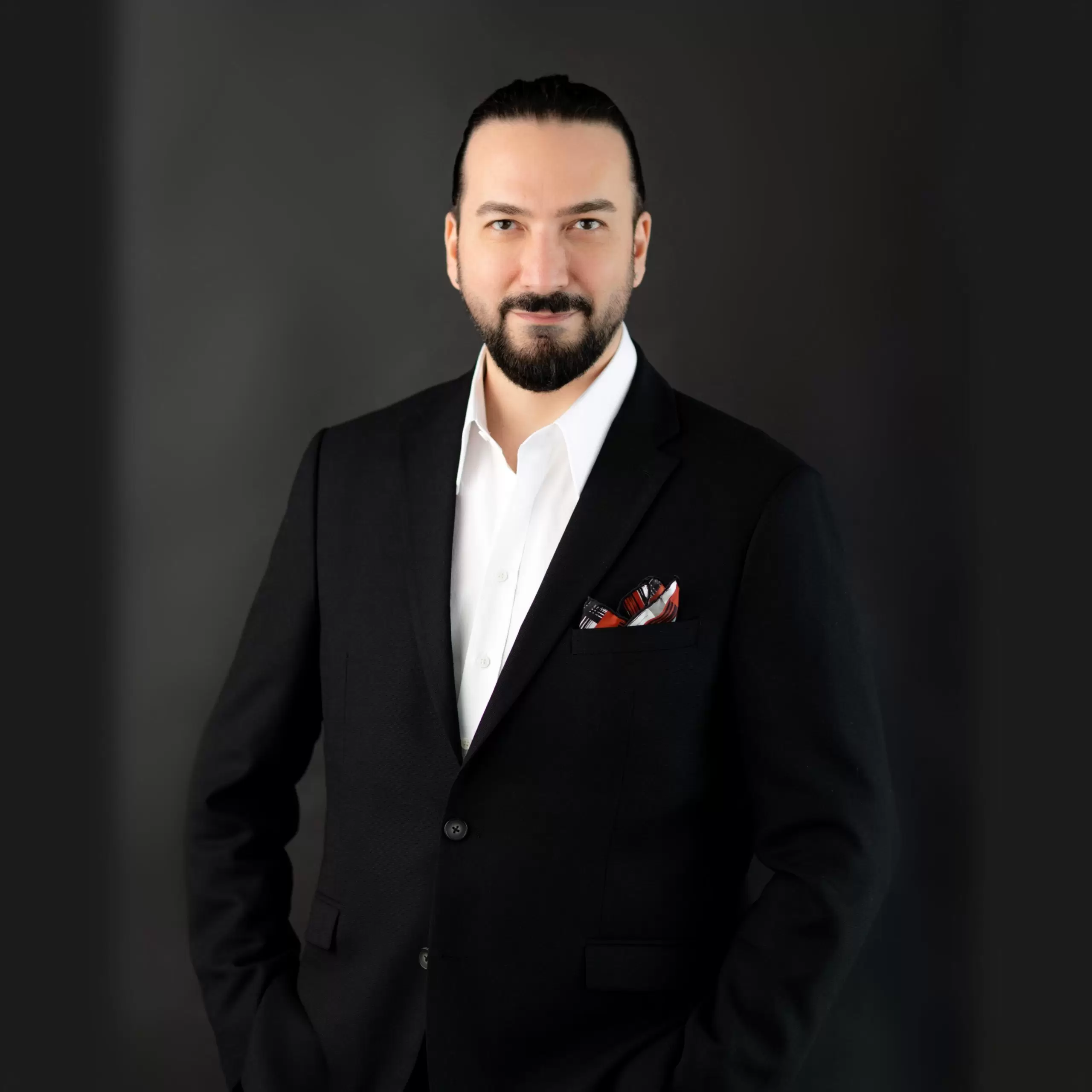
Prof. Dr. Murat Songu – Rhinoplasty (Nose Aesthetics) Specialist
Prof. Dr. Murat Songu was born in 1976 in Izmir and completed his medical education at the Ege University Faculty of Medicine. He then completed his residency training in the Department of Otorhinolaryngology at Celal Bayar University. Between 2005 and 2006, he received advanced training in rhinoplasty, functional nasal surgery, and skull base surgery in Bordeaux, France, working with leading rhinologists such as Prof. Vincent Darrouzet and Dr. Guy Lacher.
Prioritizing natural appearance, the preservation of breathing function, and facial aesthetic harmony, Prof. Dr. Songu is nationally and internationally recognized for his expertise in open rhinoplasty, piezo (ultrasonic) rhinoplasty, revision rhinoplasty, tipplasty, and functional septorhinoplasty. He has participated as an instructor and speaker at numerous rhinoplasty congresses worldwide.
With over 100 scientific publications, book chapters, and more than 1700 citations, Prof. Dr. Murat Songu is one of Türkiye’s most respected academics in the field of rhinoplasty, combining natural, facially harmonious, and functional results with scientific and aesthetic excellence.