Türkçe
Rhinoplasty, also known as nose reshaping surgery, can be performed in some public hospitals. Although this type of operation is generally offered as a paid service, the Social Security Institution may cover the costs in certain special cases. However, procedures performed solely for aesthetic purposes are excluded from this coverage.
Under What Conditions Can State Support Be Provided for Rhinoplasty in a Public Hospital?
Rhinoplasty operations performed in public hospitals are generally paid procedures. However, under certain conditions, the Social Security Institution (SGK) may cover these costs. For SGK to make payment, the surgery must be medically necessary. Injuries resulting from traffic accidents or similar serious incidents are especially included within this scope. The following conditions are required to receive SGK support:
- A severe nasal deformity caused by a traffic accident
- Structural damage affecting breathing functions
If such health problems are approved by SGK, the patient’s surgical expenses may be covered by the institution. Therefore, SGK support may be obtained for rhinoplasty operations performed in public hospitals to correct serious health-related problems rather than for aesthetic purposes. However, interventions performed for aesthetic reasons are not evaluated within this category.
Is It Possible to Undergo Surgery for Aesthetic Purposes in a Public Hospital?
Individuals who wish to undergo rhinoplasty for aesthetic concerns cannot receive state support. Such surgeries are generally offered as paid services in public hospitals. In this case, the patient must cover the surgical expenses personally.
How Are the Necessary Conditions for Rhinoplasty Surgery Met in a Public Hospital?
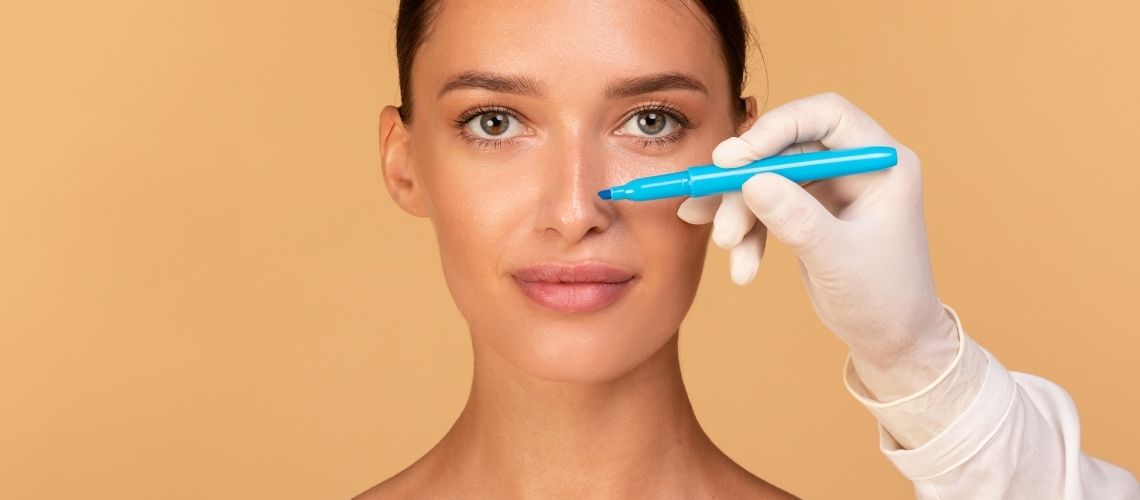
There are several important conditions that must be fulfilled to undergo rhinoplasty surgery in a public hospital. First, the patient must consult an Ear, Nose, and Throat (ENT) specialist and undergo a detailed examination. During this examination:
- The specialist examines the patient’s nasal structure.
- Determines whether the surgery is suitable for the patient.
- The patient’s general health condition is evaluated.
As a result of these evaluations, if the patient’s health condition and nasal structure are considered suitable for surgery, the operation is planned.
How Does the Rhinoplasty Surgery Process Proceed in a Public Hospital?
The surgery is generally performed under general anesthesia and may take several hours. Following this process:
- Hospitalization after surgery is generally not necessary.
- The length of your hospital stay may vary depending on the complexity of the surgery and your recovery rate.
During the postoperative period, your recovery requires strict adherence to your doctor’s recommendations. The instructions provided are especially important for reducing the risk of infection and accelerating healing. These instructions generally include:
- Medication use,
- Wound care,
- Adjustment of activity levels.
What Are the Disadvantages of Undergoing Rhinoplasty in Public Hospitals?
Access to rhinoplasty operations in public hospitals may involve certain disadvantages. One of the most significant problems is the long waiting time for such surgeries. Limited hospital resources and an insufficient number of specialist surgeons may cause patient waiting lists to become longer. In addition, not all public hospitals have an aesthetic surgery department. This situation may cause patients to seek surgery in other cities or private hospitals.
The disadvantages can be listed as follows:
- Long waiting periods may cause patients to wait for months or even longer for surgery.
- Limited resources may affect the quality of surgical interventions and patient satisfaction.
What Should Be Considered During the Healing Process After Rhinoplasty?
The recovery process after rhinoplasty surgery requires the patient to strictly follow the doctor’s recommendations. Certain precautions should be taken to ensure a fast and smooth recovery. First, it is vital to prevent any impact to the nose. Such trauma may negatively affect the wound-healing process. In addition, the following points should be considered during recovery:
- Avoid strenuous physical activities.
- Do not smoke or use other tobacco products.
Smoking during this period may slow blood circulation and negatively affect wound healing. In addition, strenuous exercise or demanding physical activities may increase pressure in the surgical area and cause bleeding.
Are the Results of Rhinoplasty Performed in a Public Hospital Permanent?
The effects of rhinoplasty surgery are generally permanent. However, certain external factors may affect this permanence. The aging process reduces the elasticity of the skin and tissues, which may lead to changes in the nasal structure over time. Weight gain and loss may similarly cause changes in the nasal tissues and skin. These factors include:
- Aging: Reduced skin elasticity
- Weight changes: Loosening or tightening of tissues and skin
Such changes may cause the aesthetic appearance achieved after rhinoplasty to change over time. However, careful postoperative care and a healthy lifestyle may reduce the impact of these changes.
Frequently Asked Questions
Is there an ideal age range for rhinoplasty, and why is it important?
It is generally recommended to wait until facial development is complete before undergoing rhinoplasty; this usually occurs around ages 16-17 in girls and 17-18 in boys. It is important for the bone and cartilage structures to reach their final form to ensure the permanence and predictability of surgical results. Interventions performed at an early age may lead to undesirable outcomes because facial development is still continuing. The upper age limit is more flexible and depends on factors such as the individual’s general health condition and skin elasticity. However, healing may be somewhat slower in older individuals, and skin adaptation may differ. In addition to physical development, the patient’s psychological maturity and realistic expectations are also extremely important when deciding on surgery.
What are the potential risks and complications of rhinoplasty surgery?
As with any surgical intervention, rhinoplasty has potential risks. These may include anesthesia-related complications, infection, postoperative bleeding, and hematoma formation. Temporary or, rarely, permanent loss of sensation in the surgical area, as well as swelling and bruising lasting longer than expected, may occur. From an aesthetic perspective, asymmetry in the shape of the nose, failure to achieve the desired result completely, or persistent nasal obstruction are also possible. Although very rare, perforation of the nasal septum or problems with wound healing may occur. These risks are generally low and can be minimized through appropriate techniques performed by an experienced surgeon.
What is revision rhinoplasty, and in which situations is it necessary?
Revision rhinoplasty is a corrective procedure performed on individuals who have previously undergone one or more rhinoplasty operations but are dissatisfied with the results of the first surgery or have developed new problems over time, such as difficulty breathing, persistent deformity, or the formation of a new irregularity. It aims to correct aesthetic or functional problems resulting from the initial surgery. Revision surgery is generally more complex and requires greater care than primary rhinoplasty because of changes in tissue structure caused by previous operations, the presence of scar tissue, and the possible need for cartilage grafts. It is important for the surgeon to have specific experience in this field.
What are the main differences between open and closed rhinoplasty techniques, and when is each preferred?
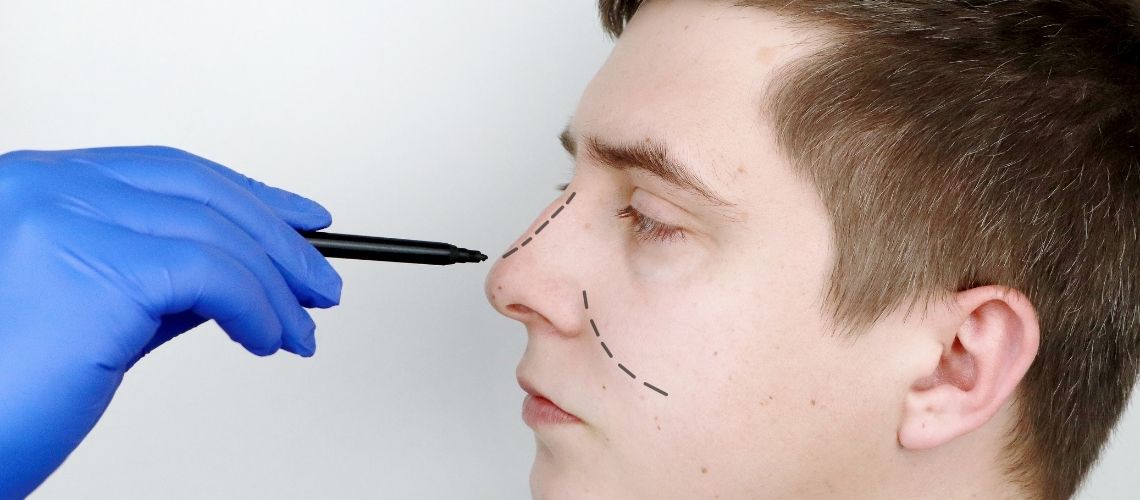
Open and closed techniques are the two main surgical approaches used in rhinoplasty. In the closed technique, all incisions are made inside the nostrils, so no externally visible scar remains after surgery, and the recovery process may generally be somewhat faster. In the open technique, a small incision, usually in the form of an inverted V or step shape, is made on the skin bridge called the “columella,” which separates the nostrils. This incision allows the surgeon to directly view the nasal bone and cartilage structures from a wider angle and perform more detailed and complex corrections. The preferred technique depends on the patient’s nasal structure, the complexity of the problems that need correction, and the surgeon’s experience.
When can activities such as wearing glasses and exercising be resumed after rhinoplasty surgery?
Wearing glasses after rhinoplasty surgery is generally possible once the nasal bones have healed and the swelling has decreased significantly; this period may vary between approximately 4 and 8 weeks. During this time, heavy-framed glasses that may place pressure on the nasal bridge should be avoided. Your doctor will provide personalized information about when and how glasses can be worn. Light activities such as walking may generally be resumed 1-2 weeks after surgery, while more strenuous sports such as swimming and fitness, especially contact sports that carry a risk of impact such as football and basketball, generally require waiting at least 4-6 weeks or sometimes longer.
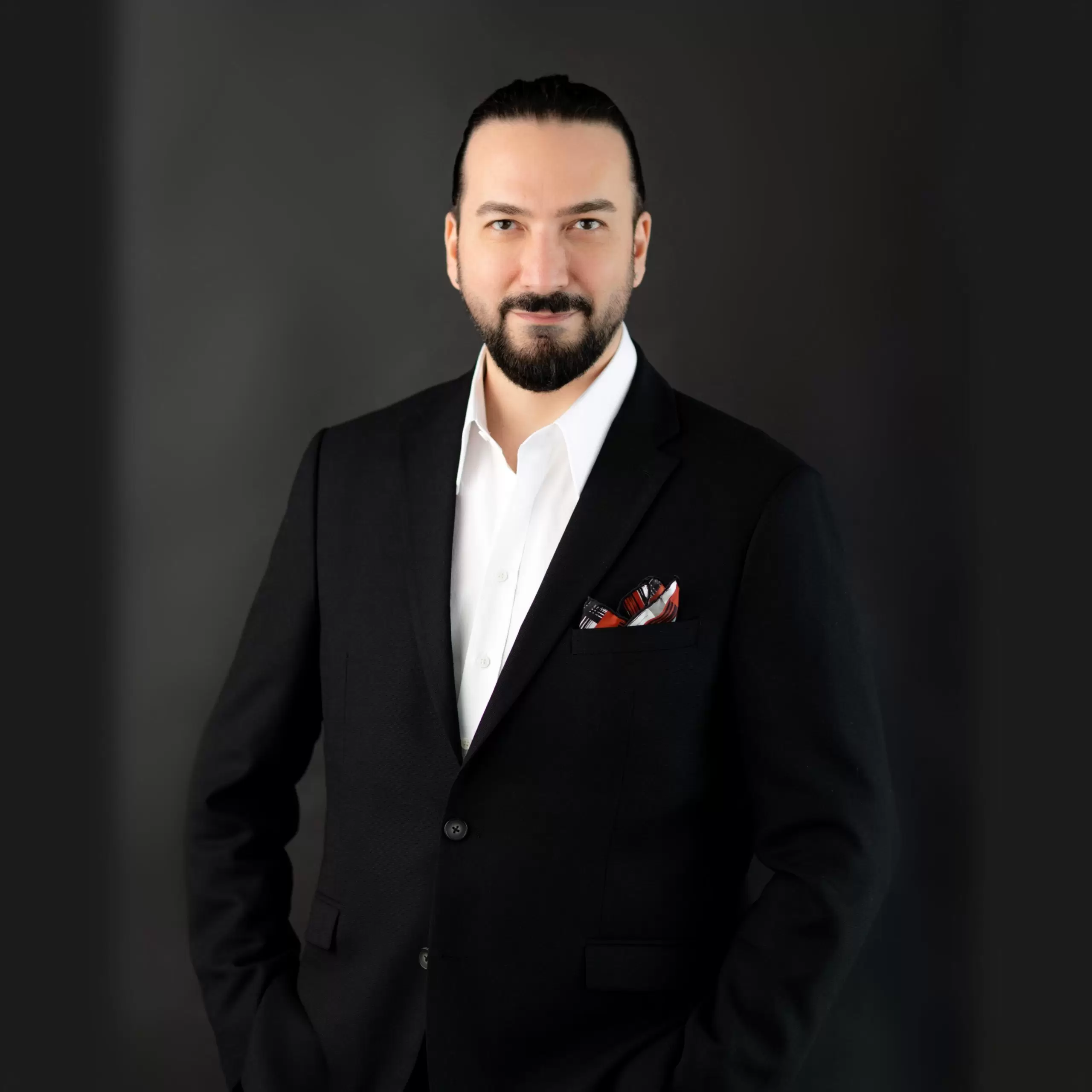
Prof. Dr. Murat Songu – Rhinoplasty (Nose Aesthetics) Specialist
Prof. Dr. Murat Songu was born in 1976 in Izmir and completed his medical education at the Ege University Faculty of Medicine. He then completed his residency training in the Department of Otorhinolaryngology at Celal Bayar University. Between 2005 and 2006, he received advanced training in rhinoplasty, functional nasal surgery, and skull base surgery in Bordeaux, France, working with leading rhinologists such as Prof. Vincent Darrouzet and Dr. Guy Lacher.
Prioritizing natural appearance, the preservation of breathing function, and facial aesthetic harmony, Prof. Dr. Songu is nationally and internationally recognized for his expertise in open rhinoplasty, piezo (ultrasonic) rhinoplasty, revision rhinoplasty, tipplasty, and functional septorhinoplasty. He has participated as an instructor and speaker at numerous rhinoplasty congresses worldwide.
With over 100 scientific publications, book chapters, and more than 1700 citations, Prof. Dr. Murat Songu is one of Türkiye’s most respected academics in the field of rhinoplasty, combining natural, facially harmonious, and functional results with scientific and aesthetic excellence.