Türkçe
Türkiye owes its leading global position in nasal deviation surgery and septorhinoplasty to specialist physicians who combine well-established academic training with extensive case experience. The genetic and anatomical diversity of Anatolia enables physicians to gain unique practical experience with a wide variety of nasal structures, elevating their clinical foresight and complication management skills above global standards. The rapid adoption of modern surgical technologies, particularly piezoelectric methods, in our clinics makes functional and aesthetic success more lasting. The integration of ENT and facial aesthetic surgery disciplines through a holistic approach enables both healthy breathing and a natural appearance to be targeted with personalized designs, making Türkiye an international reference center.
Why Does Türkiye Rank Among the Leading Countries in the World for Nasal Deviation Surgery?
As in many branches of medicine, the development of manual skill and foresight in this field largely depends on the diversity of cases encountered. The prevalence of cartilage deviations in the nasal septum is quite high in our society. This common condition allows physicians to encounter numerous cases with varying degrees of difficulty every day. The wide spectrum, ranging from mild deviations that are not visible externally to severe curvatures that almost completely obstruct breathing, contributes to physicians gaining experience. Not only individuals undergoing surgery for the first time but also patients who have previously undergone surgery without achieving the desired relief benefit from this experience. Second or third corrective procedures, known as revision surgeries, require advanced cartilage repair skills compared with primary operations. Physicians’ proficiency in such complex cases builds trust among patients and makes Türkiye an important reference point in global nasal surgery.
Which Main Problems Is Nasal Deviation Surgery Performed to Correct?
The structure located in the middle of the nose that separates the nostrils like a wall may become curved over time due to congenital genetic factors or physical trauma sustained during childhood. This condition is medically known as deviation. Deviation is not merely an anatomical difference but a physiological health problem that may seriously affect the patient’s daily life. When the airway inside the nose becomes narrowed because of the curvature, the body begins to struggle to receive sufficient oxygen. Oxygen deficiency may negatively affect many areas, from the quality of nighttime sleep and overall daytime energy levels to concentration at work. Being forced to breathe continuously through the mouth at night because of nasal obstruction may contribute to throat infections, gum problems and uncomfortable dryness of the mouth. Physicians resort to surgical methods to eliminate these problems that reduce the patient’s quality of life. The main complaints this operation aims to resolve include:
- Nasal obstruction complaints
- Sleep apnea problems
- Loud snoring
- Severe dry mouth
- Chronic fatigue lasting throughout the day
- Frequent sinusitis attacks
- Difficulty with the sense of smell
Why Are Ear, Nose and Throat and Facial Aesthetic Approaches Evaluated Together During Nasal Deviation Surgery?
In the recent past, procedures that only resolved the patient’s breathing problems and operations aimed at improving appearance were generally performed at separate times. Today, it is more clearly understood that these two fundamental aspects complement each other and cannot be separated. External nasal curvatures or hump-like structures are often the outward reflection of internal cartilage problems. Attempting to change only the shape of the external framework without correcting the internal support system may cause the structure to weaken over time or allow breathing problems to continue. Merely widening the internal airway without addressing external support may also lead to results such as drooping of the nasal tip over time. Incorporating the principles of facial plastic surgery into the process enables internal physiology and external anatomy to be addressed as a whole. Thanks to this modern approach, individuals can achieve both a natural appearance that harmonizes with the face and a healthy airway at the same time.
Is Treating Only the Internal Cartilage Sufficient for the Success of Nasal Deviation Surgery?
Many people believe that nasal obstruction is caused only by cartilage deviation, but the nasal cavity contains a highly dynamic and complex network of tissues. The underlying cause of breathing difficulties may not always be a physical cartilage deviation. The structures located on both side walls of the nasal cavities, which warm and humidify inhaled air before it reaches the lungs, are called nasal turbinates. Seasonal allergies, dust sensitivity, air pollution or turbulence caused by long-standing cartilage deviations may cause these tissues to enlarge far beyond their normal size. If turbinate enlargement is detected in addition to cartilage deviation during the patient’s detailed examination, correcting only the cartilage may not provide sufficient improvement in airflow. In such cases, while the deviated septum is corrected during surgery, the turbinates should also be reduced to a reasonable size using various modern methods without damaging the tissue. This combined approach helps the patient breathe much more comfortably after the operation.
What Can Be Done to Prevent Collapse of the Nasal Bridge During Nasal Deviation Surgery?
Some patients wish to have the firm-looking hump on the nasal bridge rasped while their airways are being opened. However, when the hump structure is removed, an anatomical opening and consequently narrowing may occur in the middle nasal framework. Since the middle region is one of the narrowest areas through which air enters, even a small reduction in volume there may make breathing more difficult after healing. Today, protective cartilage grafts are frequently used to prevent these problems and possible deformities. During the procedure, the curved cartilage pieces that are already removed from inside the nose are shaped into thin strips and placed along the sides of the middle framework for support. The narrowed angle is widened, supporting airway openness and making a significant contribution to achieving a straight nasal bridge. Structural collapses that may develop over the years because of gravity are also largely prevented in this way.
When and Under Which Circumstances Should Nasal Deviation Surgery Be Planned in Children?
Although nasal obstruction and cartilage deviation are often thought to affect only adults, they are also common in children who are still developing. However, when children are involved, the decision to operate requires a different evaluation process. The facial bones and nasal cartilage continue to grow gradually throughout adolescence. Therefore, unless there is a medical necessity, waiting until bone development is largely complete is considered healthier. However, if the child has conditions that threaten development, such as abnormalities in the palate structure, delayed dental development or sleep apnea caused by nasal obstruction, the harm of waiting may be greater. In such necessary cases, the age factor may be set aside and early surgical intervention planned. The fundamental rule in operations performed at an early age is to relieve the airway through limited, tissue-preserving interventions without damaging the cartilage growth centers.
What Contributions Do New-Generation Technologies Make to Nasal Deviation Surgery?
With advances in medicine, the instruments used in nasal surgery have undergone major changes. In the past, bone-shaping procedures were performed with standard hand instruments, which could cause somewhat greater trauma to surrounding tissues. Today, ultrasonic devices that operate using special sound waves are widely used in our clinics. The defining feature of these devices is that they affect only hardened bone tissue containing minerals. Even if they come into contact with surrounding soft tissues or blood vessels during the operation, they do not cut them. This special tissue selectivity demonstrated by technological devices plays a key role in reducing adverse effects during the postoperative recovery process. Some of the positive effects provided by ultrasonic instruments include:
- Less bruising
- Less swelling
- Smooth bone contours
- Reduced soft tissue trauma
- More controlled tissue shaping
- A more comfortable recovery period
What Can Patients Expect During Recovery After Nasal Deviation Surgery?
The tissue healing period that begins after surgery is just as important as the time spent on the operating table in determining the desired outcome. Once the operation is completed, perforated silicone sheets are placed inside the nose to prevent adhesions, and taped casts are used to protect the shape of the nose from external influences. These protective supports are generally removed very painlessly during a clinical check-up approximately one week after surgery. Patients see the change in their faces for the first time at this stage when they look in the mirror, but what they see is not the final result. The skin beneath the tapes will appear somewhat swollen, tight and puffy as a natural reaction to the operation. Swelling in any tissue that has undergone surgery is a completely normal reflection of the body’s repair process. The gradual reduction of swelling and the settling of the skin over the underlying bone and cartilage structures is a long-term process that takes months. Even though an outside observer may have difficulty noticing that you have undergone surgery from the first few months onward, cellular healing within the tissues continues for a considerably longer period.
What Should Be Considered During the Recovery Period After Nasal Deviation Surgery?
It is very important to carefully follow the medications prescribed by physicians and the daily lifestyle recommendations provided so that the body can repair itself in the best possible way and the desired healthy outcome can be achieved. The first few weeks after surgery are particularly sensitive periods that require greater attention because the tissues are fusing and attaching to one another. Small yet highly effective precautions taken at home or at work during this period accelerate healing and greatly reduce the likelihood of unexpected minor problems. The basic rules that should be followed to help the tissues recover more easily and keep the patient comfortable include:
- Keeping the head elevated while sleeping
- Not neglecting regular nasal irrigation
- Avoiding prolonged use of glasses until healing is complete
- Applying a gentle cold compress around the eyes
- Avoiding strenuous physical exercise that increases blood pressure
- Protecting the skin from intense direct sunlight that may cause discoloration
- Carefully protecting the nose from all forms of physical impact
- Avoiding smoking, which slows cellular repair
- Making an effort to drink plenty of water throughout the day
- Following a healthy diet rich in vitamins
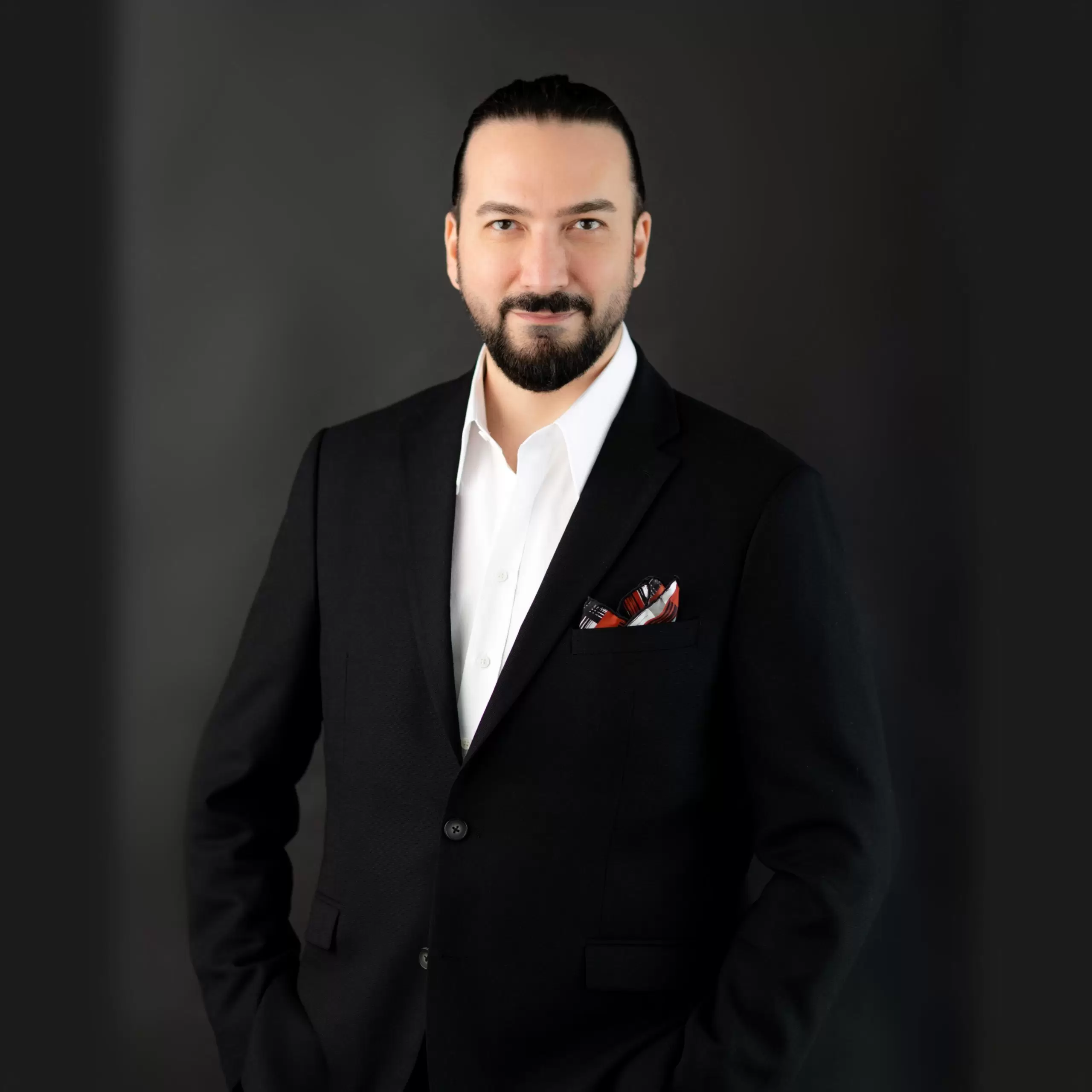
Prof. Dr. Murat Songu – Rhinoplasty (Nose Aesthetics) Specialist
Prof. Dr. Murat Songu was born in 1976 in Izmir and completed his medical education at the Ege University Faculty of Medicine. He then completed his residency training in the Department of Otorhinolaryngology at Celal Bayar University. Between 2005 and 2006, he received advanced training in rhinoplasty, functional nasal surgery, and skull base surgery in Bordeaux, France, working with leading rhinologists such as Prof. Vincent Darrouzet and Dr. Guy Lacher.
Prioritizing natural appearance, the preservation of breathing function, and facial aesthetic harmony, Prof. Dr. Songu is nationally and internationally recognized for his expertise in open rhinoplasty, piezo (ultrasonic) rhinoplasty, revision rhinoplasty, tipplasty, and functional septorhinoplasty. He has participated as an instructor and speaker at numerous rhinoplasty congresses worldwide.
With over 100 scientific publications, book chapters, and more than 1700 citations, Prof. Dr. Murat Songu is one of Türkiye’s most respected academics in the field of rhinoplasty, combining natural, facially harmonious, and functional results with scientific and aesthetic excellence.