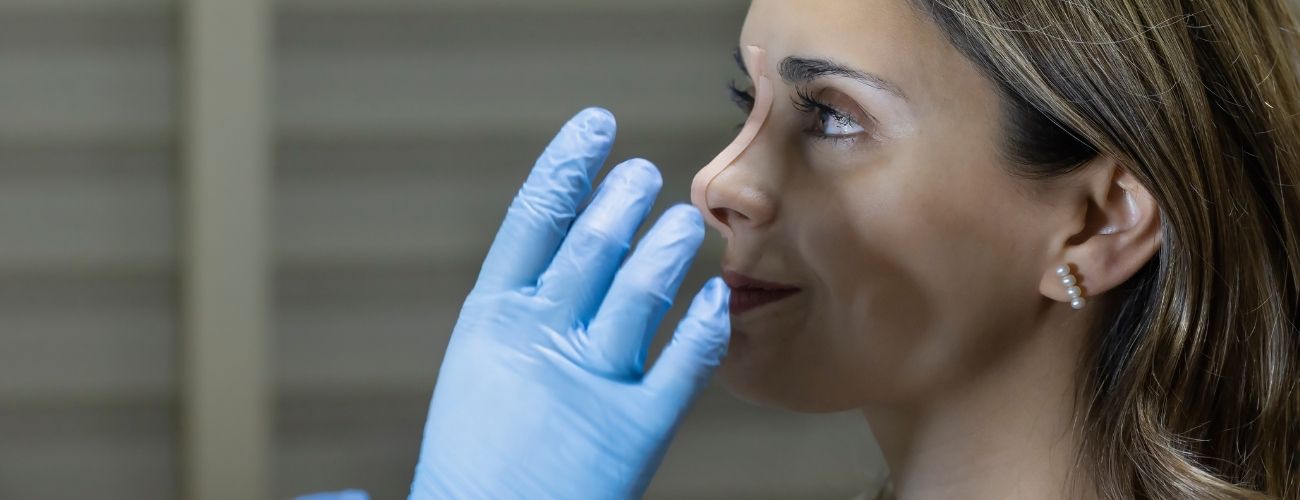
Revision rhinoplasty is harder because it involves operating on tissues that have already been altered. Scar tissue, loss of cartilage, and changes in skin elasticity make the procedure technically more challenging.
Unlike primary rhinoplasty, revision cases require reconstruction rather than simple reshaping. Surgeons often need to use grafts from ear or rib cartilage to rebuild structural support.
Patient expectations also add complexity. Individuals seeking revision often have both functional and aesthetic concerns, demanding highly precise results.
The risk of complications is higher in revision surgery. This is why choosing a highly experienced rhinoplasty surgeon is critical for achieving a safe and satisfactory outcome.
| What Is Revision Rhinoplasty? | Revision rhinoplasty is a secondary or subsequent nasal surgery performed to correct functional or aesthetic concerns that remain after a previous rhinoplasty. It is generally more complex than primary rhinoplasty because the nose has already been surgically altered. |
| Scar Tissue Formation | Previous surgery creates scar tissue that can obscure normal anatomical landmarks, reduce tissue flexibility, and make surgical dissection more challenging. |
| Altered Nasal Anatomy | Cartilage and bone may have been removed, reshaped, or weakened during the initial operation, making reconstruction more technically demanding. |
| Limited Cartilage Availability | Septal cartilage may no longer be available for grafting. Additional cartilage may need to be harvested from the ear or rib to provide structural support. |
| Reduced Blood Supply | Earlier surgery can affect blood circulation within the nasal tissues, requiring meticulous surgical technique to preserve tissue health and healing. |
| Unpredictable Healing | Healing after revision surgery is often less predictable because scar tissue and previous surgical changes influence how the tissues respond over time. |
| Functional Challenges | Revision procedures frequently address breathing difficulties caused by nasal valve collapse, septal deviation, weakened support structures, or internal scarring, in addition to cosmetic concerns. |
| Structural Reconstruction | Instead of simple reshaping, revision rhinoplasty often requires rebuilding the nose with cartilage grafts to restore both stability and function. |
| Higher Technical Complexity | Every revision case is unique due to differences in previous surgical techniques, tissue quality, and existing anatomical changes, requiring individualized planning. |
| Longer Surgery | Revision rhinoplasty generally takes longer than primary rhinoplasty because of extensive dissection, scar tissue management, graft preparation, and reconstruction. |
| Recovery Process | Swelling may last longer than after an initial rhinoplasty, and final results often continue to improve over 12–24 months. |
| Patient Expectations | The goal is to improve both appearance and nasal function. However, existing tissue limitations may prevent achieving a perfect result in every case. |
| Potential Risks | Risks include infection, bleeding, prolonged swelling, persistent asymmetry, breathing problems, graft-related complications, delayed healing, and the possibility of additional revision surgery. |
| Summary | Revision rhinoplasty is more difficult because surgeons must work through scar tissue, altered anatomy, limited graft resources, and reduced tissue flexibility while restoring both the appearance and function of the nose. |
Scar Tissue Complexities
The existence of scar tissue is the main reason why revision rhinoplasty, a technique to improve or correct a prior nose operation, offers special complications. This tissue is a natural result of the healing process from the initial surgery and it complicates subsequent revisions. Scar tissue differs significantly from normal nasal tissue in several ways:
- It is less pliable, making it more difficult to reshape.
- It can vary in thickness and density, affecting surgical predictability.
- Its presence can obscure the underlying nasal structures.
Surgeons must exhibit exceptional skill and precision. They need to navigate through this altered landscape with meticulous care. Additionally, they must balance the removal of excess scar tissue with the need to avoid creating new scars. The altered anatomy due to scarring can make it challenging to achieve the desired aesthetic and functional outcomes. Furthermore, scar tissue can unpredictably affect the nose’s healing and settling post-surgery and making results less predictable than in primary rhinoplasty. Thus, revision rhinoplasty demands a higher level of expertise to ensure structural integrity and aesthetic goals are met.
Reinforcing Nasal Structure
In revision rhinoplasty, reinforcing the nasal structure becomes a pivotal yet complex task. Primary rhinoplasty often alters the nose’s original framework, necessitating additional support in subsequent procedures. Key to this reinforcement is the use of cartilage grafts. However, the preferred source, septal cartilage is frequently diminished or exhausted due to the initial surgeries. Consequently, surgeons must turn to alternative cartilage sources:
- Rib cartilage offers robust support but involves more invasive harvesting.
- Ear cartilage, while less invasive to procure, provides less structural strength.
These alternate sources introduce new complexities. Rib cartilage, being firmer, poses challenges in sculpting and ensuring a natural nasal appearance. However, ear cartilage might not always be sufficient to provide the necessary structural support. Moreover, harvesting cartilage from other body parts adds to the surgery’s overall invasiveness and recovery time. Thus, the need for external cartilage sources in revision rhinoplasty not only complicates the procedure but also influences the final outcome, making the surgeon’s expertise crucial in achieving desired results without compromising the nose’s functionality or aesthetics.
In addition to that, allogeneic rib cartilage can be used to rebuild or reinforce the nasal framework. Allogeneic rib cartilage refers to cartilage harvested from a donor other than the patient’s own body, typically from a cadaveric (deceased) donor. It sometimes offers better quality and quantity compared to the patient’s own cartilage, especially in cases where the patient has previously undergone multiple nasal surgeries or has limited cartilage availability.
Managing Unpredictability
The intricacies of revision rhinoplasty largely hinge on the unpredictability of each case. Experienced surgeons in this field bring a wealth of expertise, significantly aiding in navigating unforeseen challenges. They possess a deep understanding of how to anticipate potential complications before the surgery begins. Moreover, these specialists are adept in adapting their techniques to the unique circumstances presented during the operation. The higher complication rates associated with revision rhinoplasty underscore the importance of such expertise. Key aspects of this expertise include:
- Precise selection of graft material tailored to individual needs.
- Strategic placement of grafts to ensure structural integrity and aesthetic appeal.
- Utilization of advanced surgical techniques to optimize outcomes.
These surgeons have honed their skills through extensive practice, enabling them to minimize risks. Their ability to make informed intraoperative decisions plays a crucial role in the success of the procedure. This encompasses not just the physical reconstruction of the nose but also ensuring functional and aesthetic harmony. Thus, the selection of a surgeon with specific experience in revision rhinoplasty is critical for addressing the complex and unpredictable nature of these surgeries.
Emotional Impacts and Depression
Emotional well-being is a significant factor in the complexity of revision rhinoplasty. Patients often face emotional turmoil following such procedures. This distress is not merely due to the physical changes but also stems from several underlying factors:
- The stress associated with undergoing surgery.
- Adjustments to altered body image.
- Hormonal changes that surgery can precipitate.
These elements collectively can lead to feelings of depression in some patients. The time after surgery is critical because it’s a time of both physical recovery and psychological acclimatization to the new circumstances. Emotional strain can also be caused by the reality of the healing process and the expectation of desired outcomes. Moreover, the anticipation of desired results and the reality of the healing process can contribute to emotional strain. Surgeons must therefore not only be skilled in the technical aspects of the surgery but also be sensitive to the psychological state of their patients. The challenge is further heightened in revision cases, where patients may already be experiencing disappointment or dissatisfaction from previous surgeries. Hence, addressing the psychological aspects is integral to the overall success of revision rhinoplasty, making it a procedure that requires not only surgical prowess but also a deep understanding of the emotional journey of the patients.
Frequently Asked Questions
Why is revision rhinoplasty harder than primary rhinoplasty surgery?
Why does scar tissue make revision rhinoplasty more difficult to perform?
Why is cartilage availability a major challenge in revision rhinoplasty procedures?
Why do breathing problems increase the complexity of revision rhinoplasty?
Why are aesthetic expectations often higher in revision rhinoplasty patients?
Why does revision rhinoplasty usually require more detailed surgical planning?
Why can swelling last longer after revision rhinoplasty compared with initial surgery?
Why is surgeon experience especially important for revision rhinoplasty success?
Why can revision rhinoplasty require cartilage grafts from the rib or ear?
Why do revision rhinoplasty results sometimes take longer to evaluate accurately?
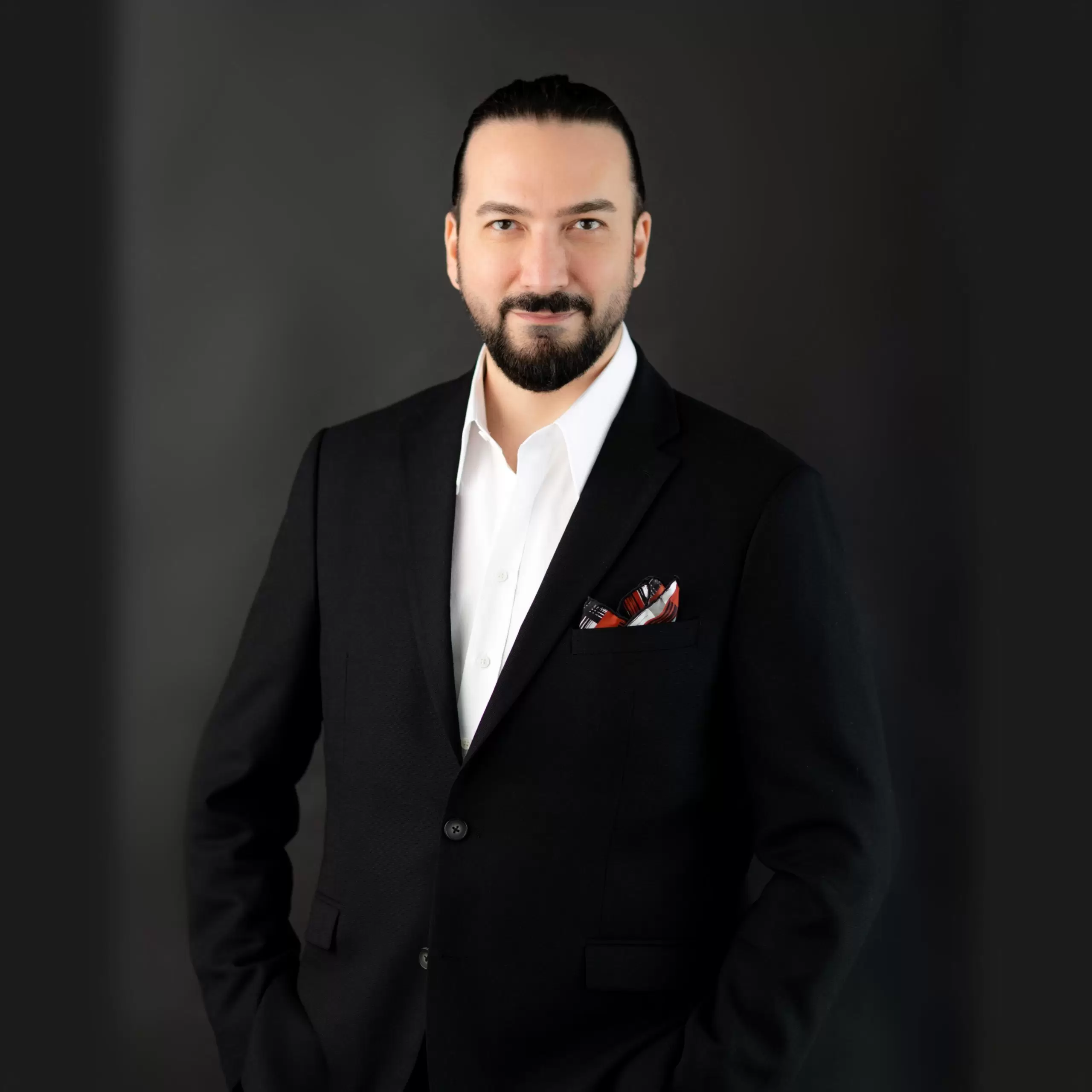
Prof. Dr. Murat Songu – Rhinoplasty (Nose Aesthetics) Specialist
Prof. Dr. Murat Songu was born in 1976 in Izmir and completed his medical education at the Ege University Faculty of Medicine. He then completed his residency training in the Department of Otorhinolaryngology at Celal Bayar University. Between 2005 and 2006, he received advanced training in rhinoplasty, functional nasal surgery, and skull base surgery in Bordeaux, France, working with leading rhinologists such as Prof. Vincent Darrouzet and Dr. Guy Lacher.
Prioritizing natural appearance, the preservation of breathing function, and facial aesthetic harmony, Prof. Dr. Songu is nationally and internationally recognized for his expertise in open rhinoplasty, piezo (ultrasonic) rhinoplasty, revision rhinoplasty, tipplasty, and functional septorhinoplasty. He has participated as an instructor and speaker at numerous rhinoplasty congresses worldwide.
With over 100 scientific publications, book chapters, and more than 1700 citations, Prof. Dr. Murat Songu is one of Türkiye’s most respected academics in the field of rhinoplasty, combining natural, facially harmonious, and functional results with scientific and aesthetic excellence.