Türkçe
 Deutsch
 Nederlands
 العربية
 Español
 Svenska
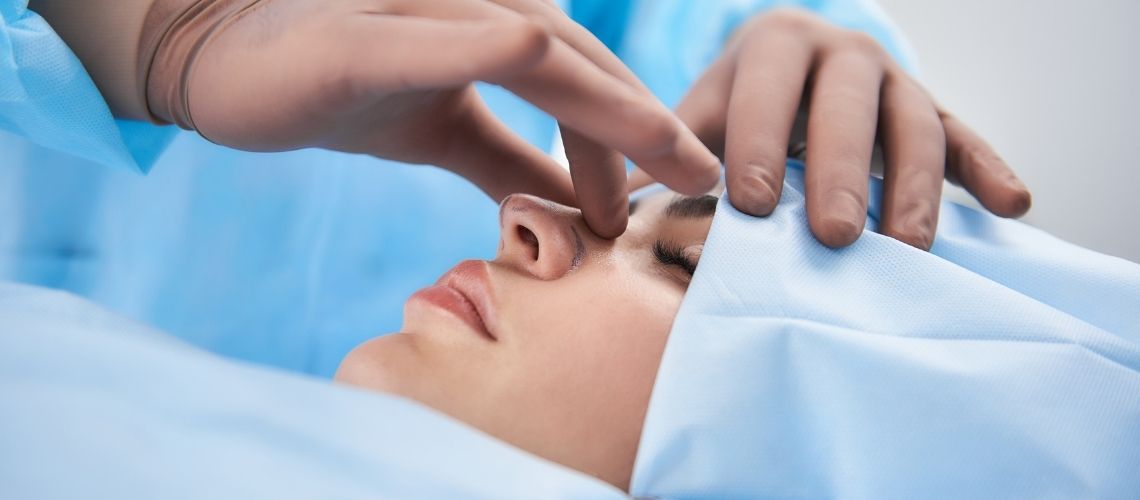
Natural rhinoplasty focuses on subtle refinement that preserves the patient’s unique features. The goal is harmony rather than drastic change, ensuring the nose complements overall facial structure.
This technique considers ethnicity, gender, and facial proportions in planning. It avoids exaggerated modifications to maintain authenticity.
Surgeons performing natural rhinoplasty often use preservation techniques, minimizing cartilage removal and structural alterations. This ensures both durability and functionality.
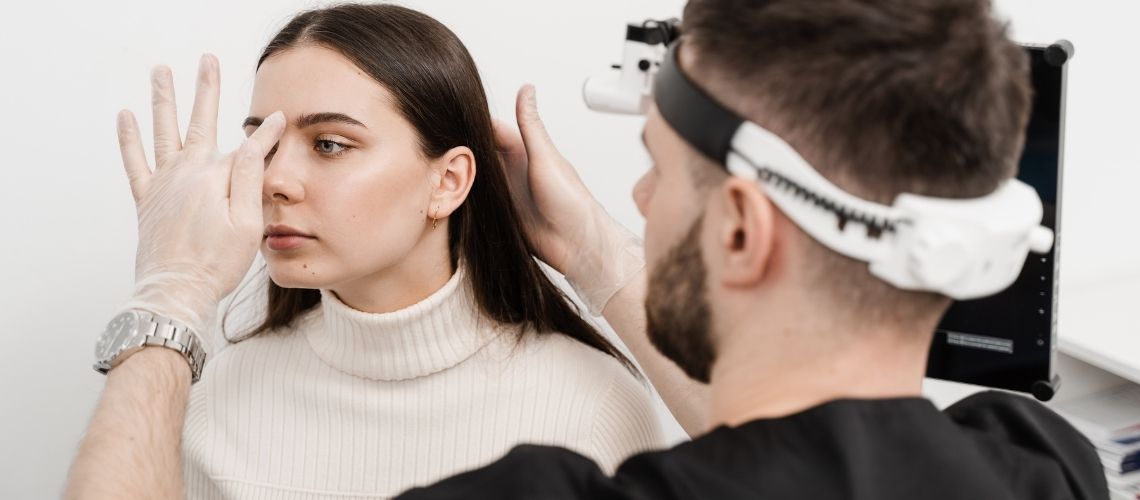
Clear communication between patient and surgeon is essential for realistic expectations. Proper planning guarantees long-lasting, balanced results.
| What It Is | Natural rhinoplasty is a surgical approach that aims to create subtle, balanced, and harmonious changes to the nose while preserving a natural appearance that complements the patient’s facial features. |
| Primary Purpose | To improve the appearance and, when appropriate, the function of the nose without creating an artificial or over-operated look. |
| Who May Be a Candidate | Individuals seeking cosmetic or functional nasal improvement with realistic expectations and a desire for natural-looking results. |
| Who May Not Be a Candidate | Individuals with unrealistic expectations, untreated medical conditions that increase surgical risk, or those requesting results that are not anatomically achievable. |
| Common Goals | Refine the nasal bridge, reshape the nasal tip, improve symmetry, reduce minor humps, and preserve individual facial characteristics. |
| Procedure Type | A surgical rhinoplasty performed using techniques that prioritize facial harmony, structural preservation, and long-term stability. |
| Surgical Approaches | May be performed using either an open or closed rhinoplasty technique, depending on the patient’s anatomy and treatment goals. |
| Anesthesia | Usually performed under general anesthesia, although selected cases may be suitable for local anesthesia with sedation. |
| Procedure Duration | Typically 1.5–4 hours, depending on the complexity of the procedure. |
| Hospital Stay | Usually performed as an outpatient procedure or may require a one-night hospital stay. |
| Preparation Before Surgery | Includes a medical evaluation, medication review, smoking cessation if applicable, preoperative testing when indicated, and surgical planning. |
| Procedure Steps | The surgeon reshapes bone, cartilage, or both while maintaining structural support and creating a proportionate, natural-looking nose. Cartilage grafts may be used when necessary. |
| Recovery Time | Most patients resume light daily activities within 1–2 weeks, while final refinement continues for several months to over one year. |
| Common Temporary Effects | Swelling, bruising, nasal congestion, mild discomfort, and temporary numbness. |
| Potential Risks and Complications | Bleeding, infection, poor wound healing, asymmetry, breathing difficulties, persistent swelling, dissatisfaction with the result, or the need for revision surgery. |
| Warning Signs After Surgery | Heavy bleeding, fever, severe pain, increasing redness, foul-smelling drainage, significant breathing difficulty, or sudden vision changes require immediate medical evaluation. |
| Expected Results | A refined nose that appears balanced, proportionate, and naturally suited to the patient’s facial features. |
| Longevity of Results | Results are generally permanent, although natural aging may gradually influence the appearance of the nose over time. |
| Advantages | Natural-looking outcome, improved facial harmony, preservation of nasal function when possible, and long-lasting surgical results. |
| Limitations | Final results require time to develop, complete symmetry cannot be guaranteed, and healing varies between individuals. |
| Aftercare Instructions | Protect the nose from trauma, avoid strenuous activities during recovery, attend follow-up appointments, and follow all postoperative instructions carefully. |
| Follow-Up | Regular postoperative visits are scheduled to monitor healing and evaluate the final outcome. |
| Suitability for International Patients | Suitable for medical travelers who can remain at the destination long enough for initial recovery and postoperative assessment. |
| Travel Considerations | Patients should allow sufficient recovery time before flying and arrange follow-up care after returning home if necessary. |
| Return to Work | Many patients return to non-strenuous work within 1–2 weeks, depending on recovery and job requirements. |
| Alternative Treatments | Non-surgical rhinoplasty with dermal fillers for selected cosmetic concerns, observation, or revision rhinoplasty when appropriate. |
Why Should You Prefer Natural Nose Aesthetics?
Natural nose aesthetics is a surgical approach that offers an aesthetic appearance while preserving the personal features and harmony of the nose with facial lines. Many factors influence the preference for this method. It stands out with personalized natural results and healthy recovery processes:
- Harmonious appearance
- Natural results
- Personalized design
- Preservation of functional structure
- Short recovery time
Natural nose aesthetics not only provides a visual change but also contributes to the individual’s psychological well-being. Thanks to less invasive approaches and modern surgical techniques, patients can achieve satisfying results both aesthetically and functionally. This method is an ideal option not only to address aesthetic concerns but also to improve quality of life.
What Techniques Are Used in Natural Nose Aesthetics?
The techniques used in natural nose aesthetics can be examined under two main categories: surgical and non-surgical methods. Both aim to make the nasal structure more aesthetic and harmonious. The choice of procedure is determined according to the individual’s needs and expectations:
- Open rhinoplasty
- Closed rhinoplasty
The techniques used in natural nose aesthetics prioritize compatibility with the person’s facial structure. In surgical methods, the hand skills and experience of the surgeon determine the natural appearance of the results; in non-surgical methods, the precision of the application and the quality of the materials used are of great importance.
Who Are Ideal Candidates for Natural Nose Aesthetics?
Ideal candidates for natural nose aesthetics are individuals who meet certain criteria. These criteria are based on both physical and psychological factors. The candidate’s general health condition, expectations, age factors, skin structure, and harmony with facial features are evaluated:
- Should be in good general health
- Should not smoke
- Should be psychologically stable
- Should have realistic expectations
- Should have completed facial development
- Should have high skin elasticity
- Skin structure should be suitable for the procedure
- Should have a nose structure compatible with facial proportions
- Should desire a plan that preserves ethnic features
It is important that the candidate’s expectations from nose aesthetics are limited to achieving a natural appearance. The operation is planned to provide integrity with the individual’s face. At the same time, aesthetic surgery should be performed for the person’s own well-being, and not due to external pressures or perfectionist desires. Those who meet these criteria are considered the most ideal candidates for natural nose aesthetics.
What Is the Recovery Process Like After Natural Nose Aesthetics?
The recovery process after natural nose aesthetics follows a specific timeline and includes important elements to be considered. After the surgical procedure, the patient should establish a care routine suitable to their needs to make this process faster and more comfortable. Here are the main points to pay attention to during this period:
- The head should be kept elevated during the first week
- Cold compress should be applied during the first 48 hours
- Avoid blowing the nose and ensure gentle nasal care
- Avoid activities that may increase blood pressure
- The importance of the second week and procedures like suture removal should be emphasized
How to Choose the Right Surgeon for Natural Nose Aesthetics?
Choosing the right surgeon for natural nose aesthetics is one of the most critical steps to achieving a successful result. During this process, many factors should be considered such as the surgeon’s training, experience, techniques used, and patient reviews:
- Should be a certified and specialized surgeon
- Should have experience in nose aesthetics
- Should offer access to before-and-after photos of previous patients
- Should pay attention to symmetry and naturalness
- Should be open to listening to patient expectations
Establishing effective communication with the surgeon is an important step in this process. The surgeon’s ability to inform the patient about realistic expectations and clearly explain potential outcomes increases the sense of trust. In addition, the surgical techniques and technologies used should be selected according to the patient’s specific needs:
- Should explain open or closed rhinoplasty methods
- Should offer visual preview options using technology
- Should provide detailed information about the recovery process
- Should have a clear policy in case of revision
Benefiting from previous patients’ experiences is also an effective way to make the right decision. Patient reviews offer valuable insights into the surgeon’s technical skills and approach to patient satisfaction. In addition, the support and guidance provided by the surgeon during the healing process become reassuring elements for the patient.
A successful natural nose aesthetic procedure is possible not only through the surgeon’s technical skills but also through understanding the patient’s needs and developing a plan tailored to their individual aesthetic goals.
Frequently Asked Questions
Who is an ideal candidate for natural rhinoplasty to achieve subtle facial enhancement?
How does natural rhinoplasty create balanced results without looking overdone?
Can natural rhinoplasty improve breathing as well as nose appearance?
What is the typical recovery timeline after natural rhinoplasty surgery?
What are the potential risks and complications of natural rhinoplasty?
How long does it take to see the final results of natural rhinoplasty?
Will natural rhinoplasty leave visible scars after the procedure?
How should I prepare before undergoing natural rhinoplasty surgery?
Are the results of natural rhinoplasty permanent over the long term?
How do surgeons customize natural rhinoplasty for different facial features?
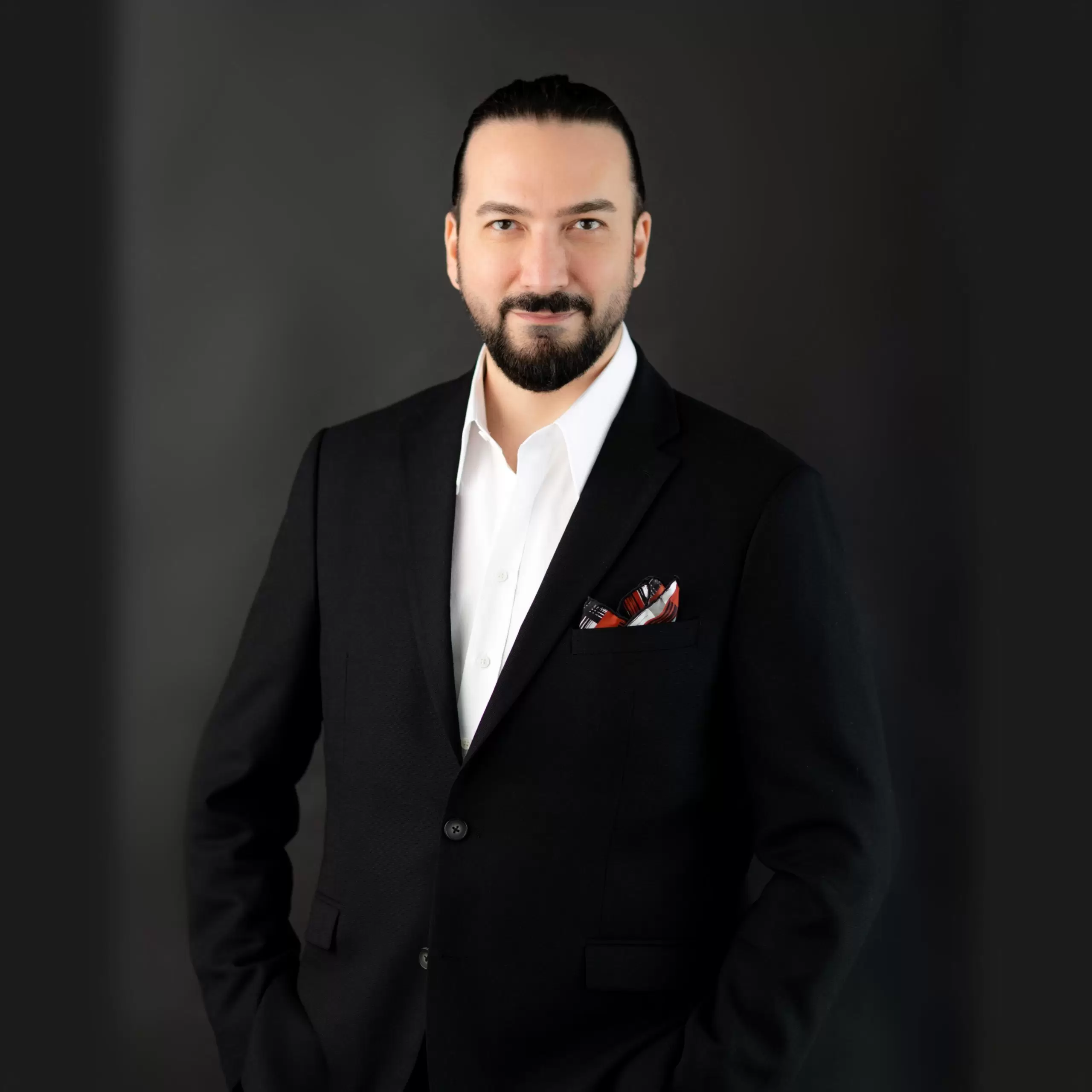
Prof. Dr. Murat Songu – Rhinoplasty (Nose Aesthetics) Specialist
Prof. Dr. Murat Songu was born in 1976 in Izmir and completed his medical education at the Ege University Faculty of Medicine. He then completed his residency training in the Department of Otorhinolaryngology at Celal Bayar University. Between 2005 and 2006, he received advanced training in rhinoplasty, functional nasal surgery, and skull base surgery in Bordeaux, France, working with leading rhinologists such as Prof. Vincent Darrouzet and Dr. Guy Lacher.
Prioritizing natural appearance, the preservation of breathing function, and facial aesthetic harmony, Prof. Dr. Songu is nationally and internationally recognized for his expertise in open rhinoplasty, piezo (ultrasonic) rhinoplasty, revision rhinoplasty, tipplasty, and functional septorhinoplasty. He has participated as an instructor and speaker at numerous rhinoplasty congresses worldwide.
With over 100 scientific publications, book chapters, and more than 1700 citations, Prof. Dr. Murat Songu is one of Türkiye’s most respected academics in the field of rhinoplasty, combining natural, facially harmonious, and functional results with scientific and aesthetic excellence.