Türkçe
 Deutsch
Rhinoplasty for thin skin allows the nasal contours to become more defined. Even the smallest details become visible after surgery in this skin type. Therefore, surgical precision and attention to symmetry are of great importance.
Since even minor irregularities can be noticed in thin-skinned noses, the surgeon’s experience becomes a determining factor in the success of the results. Making the contours harmonious with the face is a critical element for achieving a natural appearance.
During the surgical process, the nasal lines are made balanced and smooth. Since unnecessary protrusions or asymmetries will be immediately noticeable beneath thin skin, the planning stage is carried out carefully.
Swelling generally resolves more quickly during the postoperative period. The results become apparent within a short time, but regular follow-up appointments are important in the long term due to the thinness of the skin.
| Characteristics of Thin Skin | Thin skin can easily reveal irregularities on the surface of the nose. The underlying structures and procedures performed on the bone and cartilage can be clearly seen and become more noticeable. |
| Aesthetic Challenges | Even minimal irregularities after surgery can be easily noticed in thin-skinned noses. Therefore, extremely careful and precise work is required when shaping the nose. |
| Surgical Techniques | In thin-skinned noses, the cartilage and bone structures are shaped with finer sections. Tissue support and grafts may be required to shape the cartilage tissue and minimize imperfections in the nose. |
| Use of Grafts | Grafts are frequently used in thin-skinned patients to strengthen the internal support of the nose. Grafts support the nasal structure and help soften the nasal contours. |
| Skin Healing Process | Thin skin recovers more quickly during the healing process, but because there is less subcutaneous fat tissue, the risk of irregularities developing beneath the skin in areas such as the nasal tip increases. |
| Edema and Swelling | Edema (swelling) generally resolves in a shorter period in thin-skinned patients. However, since the fine details of the nose become more visible, care must be taken during the healing process. |
| Clarity of Results | Aesthetic results in thin-skinned noses may be much more defined and have clearer lines. However, proportionate and aesthetic shaping is critically important for achieving a natural appearance. |
| Postoperative Care | It is important to avoid trauma after surgery, not apply pressure to the nose, and follow the care instructions recommended by the doctor. Thin skin requires more careful care because it is sensitive during the healing process. |
What Is Thin-Skinned Rhinoplasty?
Thin skin can cause the underlying structures to appear more prominent. Therefore, surgeons must work very carefully. The techniques used during surgery aim to shape the nose without damaging the structure of the skin. As a result, this delicate procedure enables patients to achieve a more natural and smoother nasal structure. For thin-skinned patients, this method offers aesthetically satisfying results that are compatible with the overall appearance of the face.
How Is Thin-Skinned Rhinoplasty Performed?
Thin-skinned rhinoplasty requires thorough preparation and careful applications. Surgeons first evaluate the thickness of the skin. This evaluation is performed through palpation and visual examination. Thin skin may make the underlying structures more prominent; therefore, the planning stage is critically important.
Surgical Techniques:
- Cartilage Graft: Surgeons place cartilage grafts to provide a smooth contour over the nose and add structural support.
- Soft Tissue Grafts: If the skin is very thin, these grafts are used to increase skin thickness and camouflage underlying imperfections.
During surgery, surgeons proceed with extreme care by using cartilage-shaping and suturing techniques. Small irregularities in the bone and cartilage may be more visible in thin-skinned noses. This requires the surgeon to perform the procedure very carefully. At the same time, because thin skin has a delicate structure, it carries a higher risk of postoperative deformities. This risk increases further when the skin is stretched unevenly or contracts too tightly. As a result, thin-skinned rhinoplasty is directly related to the surgeon’s experience and the quality of the techniques applied.
Who Is Suitable for Thin-Skinned Rhinoplasty?
Thin-skinned rhinoplasty is suitable for individuals with certain characteristics. These characteristics include:
Naturally Thin Skin:
- Fair-skinned individuals of Scandinavian origin, which is common among young women, are included in this group.
- These individuals have less fatty tissue, making the underlying bone and cartilage structure more prominent.
Thin Skin Related to Aging and Disease:
- The skin becomes thinner in older individuals as a result of the natural aging process.
- Diseases such as Ehlers-Danlos syndrome that affect collagen synthesis may also lead to thin skin.
Thin Skin After Surgery or Trauma:
- Individuals who have previously undergone nose surgery or experienced nasal trauma may have skin that has become thinner due to the effects of surgery or trauma.
- These individuals may have thinned skin as well as atrophic changes and scarring.
How Long Does Thin-Skinned Rhinoplasty Take?
The duration of thin-skinned rhinoplasty varies depending on various factors. In general, the procedure lasts between 1.5 and 3 hours. The most important factors determining the duration are:
- Complexity of the case: Complex cases may require more time.
- Technique used: Open and closed rhinoplasty techniques may each require different amounts of time.
What Preparations Should Be Made Before Thin-Skinned Rhinoplasty?
Preparations that must be carefully carried out before thin-skinned rhinoplasty are of great importance for successful results. First, medical tests should be performed as part of the preparation for surgical intervention. These tests include fasting blood glucose, complete blood count, and prothrombin time. Patients are also advised to be screened for infectious diseases such as HIV and hepatitis. In addition, further tests such as an ECG and CT scan may be required depending on age and general health condition.
Medical Preparations:
- Laboratory Tests
- Fasting blood glucose
- Complete blood count
- Prothrombin time
- HIV and hepatitis screening
Important adjustments should also be made regarding medication use. Blood-thinning medications and supplements should be discontinued at least two weeks before surgery. Taking vitamins that support healing, such as vitamin C and zinc, is recommended.
Medications and Supplements:
- Blood Thinners
- Vitamins
Lifestyle changes are also an integral part of the preparation process for surgery. Smoking and alcohol consumption should be stopped at least 2 weeks before surgery. Healthy nutrition and adequate hydration may positively affect the healing process.
Lifestyle Changes:
- Quitting smoking
- Stopping alcohol consumption
Skin care and hygiene should also be taken into consideration. Before surgery, it is recommended to clean the face with a gentle cleanser and brush the teeth thoroughly. Finally, clothing choices and practical preparations that will increase postoperative comfort should be made.
Skin Care and Hygiene:
- Facial cleansing
- Oral hygiene
What Is the Recovery Process Like After Thin-Skinned Rhinoplasty?
The recovery process after thin-skinned rhinoplasty requires careful monitoring due to the sensitivity of the skin structure. During the first week, patients generally experience moderate pain, swelling, and bruising. Applying ice is recommended during this period to reduce swelling, and keeping the head elevated while sleeping is beneficial.
The short-term recovery period covers the first four weeks:
- During the first two weeks, patients may return to light daily activities.
- Heavy lifting and strenuous exercise should be avoided.
- Swelling and bruising should have decreased by the end of the second week.
Light exercise may be started during the third and fourth weeks, and activities that may affect the nose should be avoided.
The medium-term recovery process covers six months:
- During the first three months, minor residual swelling, especially at the nasal tip, begins to decrease.
- Moderate exercise may be performed during this period, and contact sports should be avoided.
- From the third month onward, swelling gradually decreases and the shape of the nose continues to improve.
Long-term recovery may continue from the sixth month up to one year. During this period, the remaining swelling is expected to decrease and the nose to take its final shape. Regular medical check-ups are very important to ensure that the healing process is progressing properly.
Special care instructions:
- Medications should be taken regularly, and precautions should be taken against the risk of infection.
- The nose must be protected from impact and pressure during the healing process.
- Adequate hydration should be maintained by drinking plenty of water, and foods that support tissue repair should be consumed.
- Smoking should be avoided because it may negatively affect the healing process.
Are the Results of Thin-Skinned Rhinoplasty Permanent?
The results of thin-skinned rhinoplasty are generally permanent; however, the sustainability of these results depends on various factors. Thin skin reveals the changes made more clearly. Therefore, the precision of the techniques applied by the surgeon plays a determining role in the success of the result. Any imperfection may become more prominent in thin skin. This makes meticulous work essential to conceal possible postoperative asymmetry or irregularities.
- Surgical techniques: Delicate cartilage grafts and careful suturing techniques are used.
- Healing process: Prolonged swelling and sensitivity may be observed.
- Natural aging: Changes in skin elasticity may affect the appearance of the nose over time.
What Should Be Considered After Thin-Skinned Rhinoplasty?
There are important points that should be considered after thin-skinned rhinoplasty. The surgeon’s instructions should be followed meticulously to protect the delicate skin structure. It is important to avoid behaviors that may negatively affect the healing process.
Follow the Surgeon’s Instructions: Strictly follow the recommendations given by the surgeon to accelerate postoperative recovery.
Keep Swelling and Bruising Under Control:
- Reduce swelling by using ice packs during the first three days.
- Keep your head elevated while sleeping.
Limit Physical Activity:
- Avoid exercise during the first three weeks.
- Light activities such as walking may be performed from the first week onward.
Avoid Impacts:
- Take care to avoid contact with clothing and glasses.
- Stay away from crowded environments.
Avoid Smoking: Smoking impairs blood circulation and slows the healing process.
Sun Protection:
- Protect your skin by using sunscreen and wearing a hat.
Nutrition and Hydration:
- Consume soft foods and stay hydrated by drinking plenty of water.
Avoid Nasal Trauma:
- Avoid blowing your nose during the first four weeks.
- When necessary, clean it gently as recommended by the surgeon.
Pay Attention to Sleeping Position:
- Sleep on your back with your head elevated during the first 12 weeks.
What Are the Risks and Complications of Thin-Skinned Rhinoplasty?
Thin skin makes the underlying structural irregularities more prominent. For this reason, surgeons use highly careful techniques to prevent irregularities. Skin discoloration may occur during the postoperative period. This is particularly a condition caused by vascular damage. Skin necrosis occurs as a result of impaired blood flow and is generally caused by surgical complications.
- Visible Irregularities: The visibility of irregularities increases due to thin skin.
- Skin Discoloration: Bluish-purple discoloration may occur during the postoperative period.
- Skin Necrosis: The nourishment of the skin tissue may be impaired due to disrupted blood flow.
- Infections: Although rare, infections become apparent with redness and swelling.
- Scarring: Thin skin may leave more noticeable scars during the healing process.
- Prolonged Edema: Swelling may be more persistent in thin-skinned patients.
- Structural Problems: Deformities and asymmetry are among the structural complications.
- Revision Surgery: Since even minor imperfections are more noticeable, the need for revision increases.
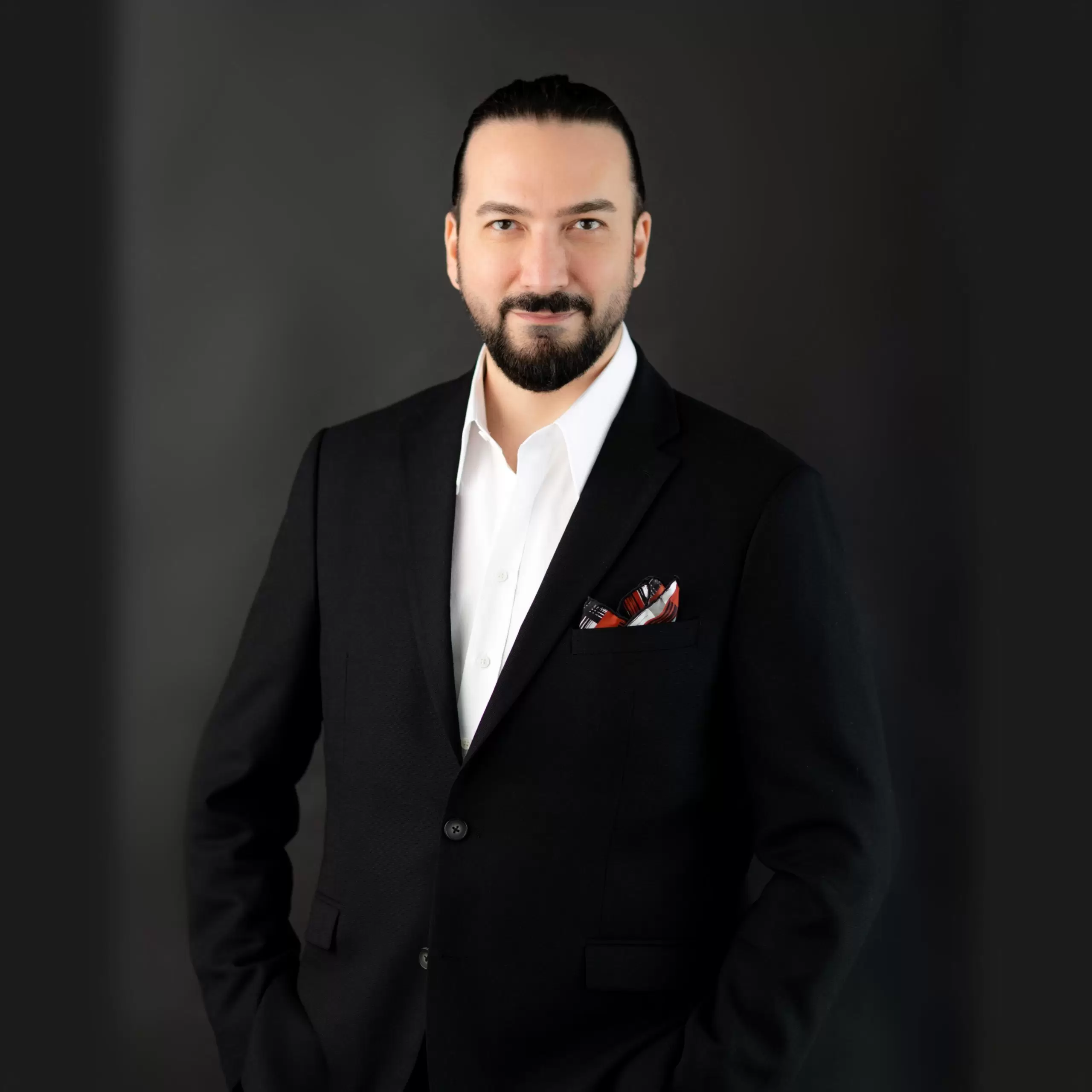
Prof. Dr. Murat Songu – Rhinoplasty (Nose Aesthetics) Specialist
Prof. Dr. Murat Songu was born in 1976 in Izmir and completed his medical education at the Ege University Faculty of Medicine. He then completed his residency training in the Department of Otorhinolaryngology at Celal Bayar University. Between 2005 and 2006, he received advanced training in rhinoplasty, functional nasal surgery, and skull base surgery in Bordeaux, France, working with leading rhinologists such as Prof. Vincent Darrouzet and Dr. Guy Lacher.
Prioritizing natural appearance, the preservation of breathing function, and facial aesthetic harmony, Prof. Dr. Songu is nationally and internationally recognized for his expertise in open rhinoplasty, piezo (ultrasonic) rhinoplasty, revision rhinoplasty, tipplasty, and functional septorhinoplasty. He has participated as an instructor and speaker at numerous rhinoplasty congresses worldwide.
With over 100 scientific publications, book chapters, and more than 1700 citations, Prof. Dr. Murat Songu is one of Türkiye’s most respected academics in the field of rhinoplasty, combining natural, facially harmonious, and functional results with scientific and aesthetic excellence.