Türkçe
Comments from people who have undergone revision rhinoplasty shed light on the results achieved through a second surgery by individuals who were dissatisfied after their first operation. Patients generally state that previous aesthetic or functional problems were corrected and that the nose gained a more natural appearance.
In comments about the recovery process after revision surgery, it is stated that this process requires more careful monitoring compared to the first operation. Swelling and sensitivity may last longer, but it is reported that the process can be managed successfully with attentive care and medical follow-up.
Patients who undergo revision surgery due to breathing problems as well as aesthetic concerns generally emphasize that functional improvement was also achieved and that their quality of life increased. These comments show that revision surgery may be necessary not only for aesthetic reasons but also for health-related purposes.
Negative comments after revision surgery are generally related to tissue loss or deformities caused by the previous operation that could not be fully corrected. Therefore, the surgeon’s experience, detailed planning, and realistic expectations form the basis of a successful revision process.
Why Is Revision Rhinoplasty Needed?
Revision rhinoplasty is considered for people who have previously undergone nose surgery but are dissatisfied with the aesthetic or functional results. The most frequently mentioned reasons in comments include drooping of the nasal tip, asymmetry, breathing problems, or undesirable appearances on the nasal dorsum. Some people state that the nose gradually developed a different shape during the postoperative healing process.
Patients’ accounts show that the expectation that the nose will “improve over time” is common after the first surgery. However, if the problems persist despite the passage of a certain amount of time, the need for specialist evaluation arises. At this point, it is particularly emphasized that revision surgery is not performed for the same reason in every patient.
Preoperative Emotions and Expectations
When comments from people who have undergone revision rhinoplasty are examined, it becomes apparent that the preoperative period is generally filled with anxiety. Many people state that the idea of undergoing a second operation is psychologically challenging. The first experience not producing the desired result may affect the sense of trust.
Comments frequently state that patients try to maintain more realistic expectations this time. Patients share that they have learned that revision surgeries can be technically more complex and that the results may offer more limited changes compared to the first operation. This awareness is seen as an important factor that reduces disappointment.
Experiences Shared About the Revision Surgery Process
Comments from people who have undergone revision rhinoplasty include various experiences regarding the details of the process. It is frequently stated that the operation may take longer compared to the first procedure and that the recovery process requires patience. In particular, swelling and bruising may last longer.
Some patients explain that detailed examinations and imaging were performed before revision surgery and that the existing structure of the nose was carefully evaluated. At this stage, it is stated that the surgeon’s consideration of the procedures performed during the previous operation influences the process. Comments indicate that the preparation period is at least as important as the surgery itself.
Experiences During the Recovery Period
One of the most frequently discussed topics in comments is the recovery process. People who have undergone revision rhinoplasty state that swelling takes time to subside and that it may be necessary to wait for months to see the final shape of the nose. It is frequently shared that acting impatiently during this process may increase anxiety.
Patients state that sensitivity, hardness, or temporary numbness may be experienced in the nose during the first few weeks. It is emphasized that most of these conditions decrease over time, but each individual’s healing rate is different. Comments draw attention to the importance of regular check-ups and following the physician’s recommendations.
Comments About Aesthetic Results
Comments from people who have undergone revision rhinoplasty generally express cautious satisfaction regarding aesthetic results. Many people state that the nose appears more balanced and harmonious with the face compared to its previous condition. However, it is frequently emphasized that expecting “perfection” is unrealistic.
While some patients state that even small adjustments positively affected their facial expression, others share that they can still notice minor asymmetries. These comments show that revision surgeries may involve limited interventions and that the goal is generally improvement.
Breathing and Functional Changes
Functional improvements hold an important place in comments, just as much as aesthetic results. People who experienced breathing problems after the first operation state that these complaints decreased or improved following revision surgery. However, it is also noted that this does not occur in the same way for every patient.
Some accounts explain that correcting the internal nasal structures improved daily quality of life. Experiences such as sleeping more comfortably and breathing better during exercise are frequently mentioned. These comments serve as a reminder that functional evaluation is as important as aesthetic assessment.
Common Points Derived from the Comments
When comments from people who have undergone revision rhinoplasty are examined, certain common points stand out. The first is the importance of making the decision at the right time. Patients emphasize that the nose should not be operated on again before it has fully healed. It is generally recommended to wait for a certain period.
Another common point is communication. Comments show that establishing open and clear communication with the physician is decisive in managing expectations. Clearly discussing what the surgery can and cannot change is among the factors that affect patient satisfaction.
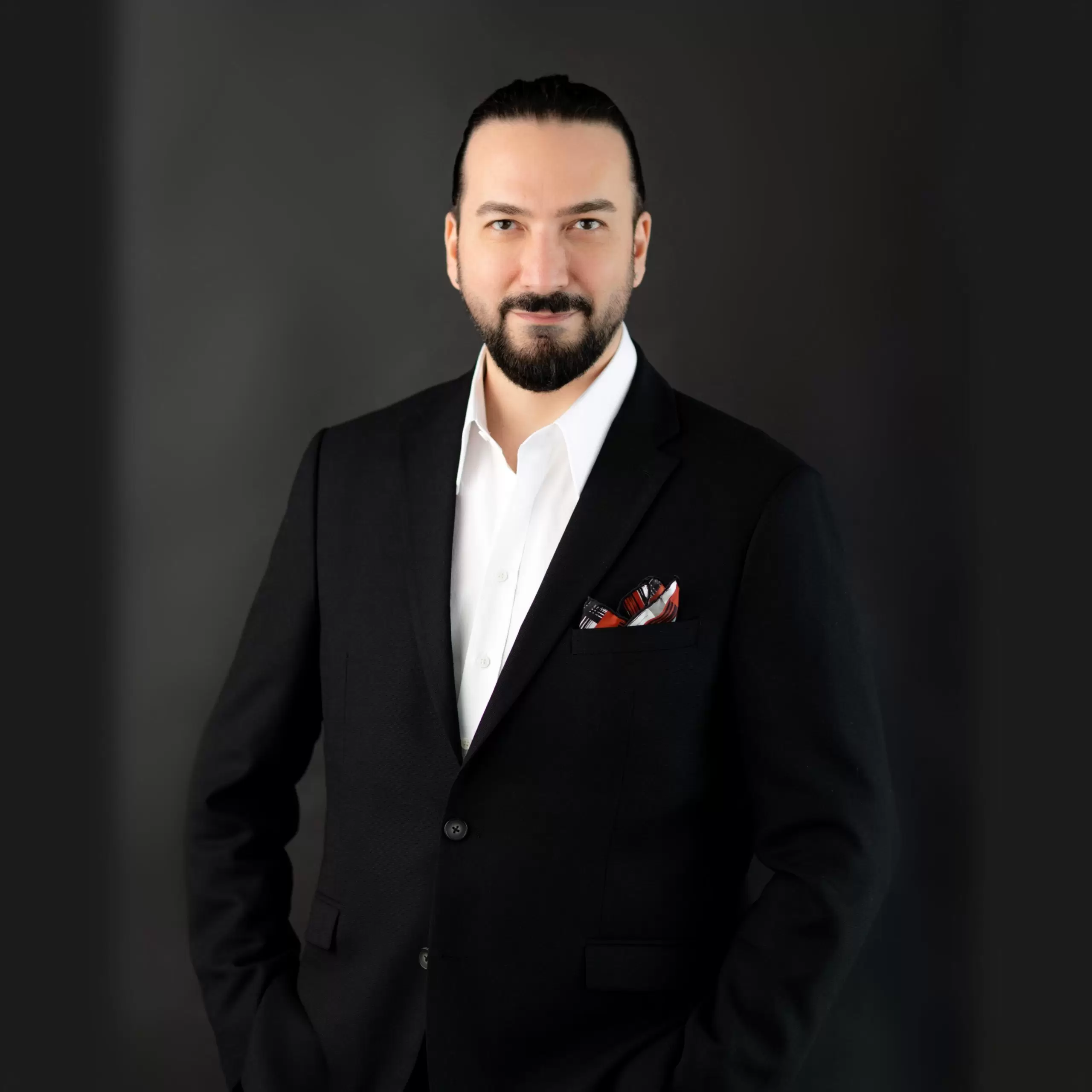
Prof. Dr. Murat Songu – Rhinoplasty (Nose Aesthetics) Specialist
Prof. Dr. Murat Songu was born in 1976 in Izmir and completed his medical education at the Ege University Faculty of Medicine. He then completed his residency training in the Department of Otorhinolaryngology at Celal Bayar University. Between 2005 and 2006, he received advanced training in rhinoplasty, functional nasal surgery, and skull base surgery in Bordeaux, France, working with leading rhinologists such as Prof. Vincent Darrouzet and Dr. Guy Lacher.
Prioritizing natural appearance, the preservation of breathing function, and facial aesthetic harmony, Prof. Dr. Songu is nationally and internationally recognized for his expertise in open rhinoplasty, piezo (ultrasonic) rhinoplasty, revision rhinoplasty, tipplasty, and functional septorhinoplasty. He has participated as an instructor and speaker at numerous rhinoplasty congresses worldwide.
With over 100 scientific publications, book chapters, and more than 1700 citations, Prof. Dr. Murat Songu is one of Türkiye’s most respected academics in the field of rhinoplasty, combining natural, facially harmonious, and functional results with scientific and aesthetic excellence.