Türkçe
 Deutsch
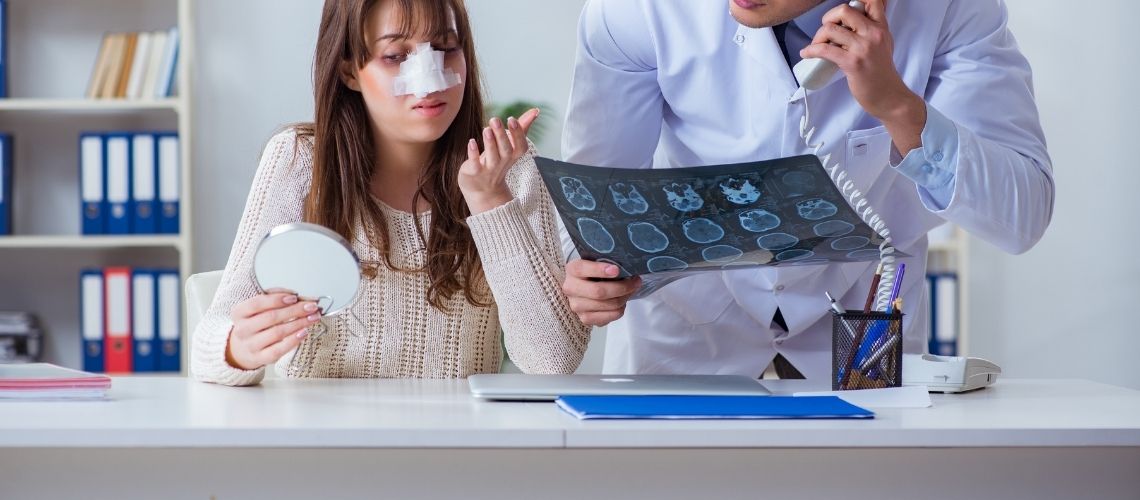
Having the flu after rhinoplasty may negatively affect the healing process. Coughing, sneezing, and nasal discharge may create pressure in the surgical area and delay recovery. Therefore, a careful approach is required.
When flu symptoms occur, rest, plenty of fluid intake, and the use of medications approved by a physician are recommended. Nasal sprays and antibiotics in particular should only be used upon a doctor’s recommendation.
To prevent excessive pressure on the nose during sneezing and coughing, it is helpful to direct these reflexes by breathing through the mouth. This helps protect the surgical area.
In cases of severe flu, examination by the surgeon is essential. When necessary, medication or additional care methods may be applied to minimize the risk of complications.
What Are the Risk Factors?
Having the flu after rhinoplasty generally carries certain risk factors for patients. Since the nasal tissues become sensitive after surgery, they are more vulnerable to infections. After the operation, the body’s overall immune status may temporarily weaken, making patients more susceptible to germs. Airborne illnesses, especially the flu, may damage the healing tissues in the surgical area.
The precautions that should be taken to reduce the risk factors are as follows:
- The patient should stay away from crowded environments as much as possible.
- Personal hygiene rules should be followed carefully.
Along with these precautions, the patient can minimize the risk of catching the flu and accelerate the healing process after rhinoplasty by taking proper care during the postoperative period. The first few weeks are particularly critical, and following the doctor’s recommendations requires extra attention during this time. In this way, the patient can achieve the best possible result both aesthetically and in terms of health.
What Are the First Days After Rhinoplasty Like?
The first days after rhinoplasty are a very critical period for the patient. During this time, the tissues in the nasal area are at their most sensitive. For the healing process to progress healthily, the patient should carefully follow the surgeon’s recommendations. The main points of this process are:
- Swelling and bruising may be observed in the nasal area. These are natural consequences of the surgery and will decrease over time.
- A splint or nasal packing is placed in the nose to support healing. These splints help keep the tissues in the correct position.
- Medications prescribed for pain management will increase your comfort. It is important to take your medications regularly.
- It is particularly recommended to pay attention to the following points:
- Avoid sleeping face down.
- Stay away from strenuous physical activities.
- Maintain body hydration by drinking plenty of water.
These recommendations will help make your healing process more comfortable and faster. After the first week, the greatest difficulties are generally overcome. Attending regular follow-up appointments with your doctor ensures that the process is progressing correctly.
What Are the Changes and Recommendations After Rhinoplasty?
The first few months after rhinoplasty are among the most critical periods of the healing process. During the first month after surgery, swelling and bruising decrease significantly. It is necessary to remain careful until complete healing is achieved. Following your doctor’s recommendations during this period is essential for healthy recovery. It is also important to avoid situations that may damage the surgical area.
- Although the swelling and bruising on your face decrease, the complete healing process continues.
- You may be allowed to begin light exercise; however, avoid any impact to the nose.
- Take the necessary precautions to protect yourself from infections such as colds and flu:
- Minimize contact with people who are ill.
- Do not stay outdoors for long periods in cold weather and avoid getting chilled.
Avoiding any action that may negatively affect the healing process is important for your health. By following these recommendations, you can help ensure that your recovery proceeds as quickly and smoothly as possible.
What Are the Methods for Preventing the Flu After Rhinoplasty?
Protecting yourself from infections after rhinoplasty positively supports the healing process. Patients can keep themselves safe by taking precautions against respiratory illnesses such as the flu. The most basic method of protection is paying attention to hand hygiene. The risk of germ transmission decreases when hands are washed frequently. This simple but effective method is especially vital in crowded environments.
Wearing a mask also becomes an indispensable protective measure during this period. A mask plays a major role in avoiding direct contact with people carrying illness. Social isolation and reducing the number of visitors also minimize the risk of infection.
Paying attention to nutrition and taking appropriate vitamin supplements also strengthen the immune system. These steps recommended by specialists play a critical role in protection against illness. The recommendations are as follows:
- Maintaining the habit of washing hands.
- Not neglecting the use of a mask.
- Maintaining social isolation as much as possible.
- Limiting visitors.
These methods help patients feel safer during the postoperative period following rhinoplasty.
Methods for Coping with the Flu After Rhinoplasty
Having the flu after rhinoplasty may be unavoidable. During this process, taking steps that support recovery is critically important. First, when flu symptoms are noticed, a specialist doctor should be consulted immediately. The doctor will evaluate the situation and provide appropriate guidance. If necessary, medication may be started to relieve the symptoms. The steps that should be taken during this process are as follows:
Attention should be paid to nutrition:
- Adequate and balanced nutrition should be maintained.
- The vitamins and minerals needed by the body should be obtained.
Smoking and alcohol consumption should be avoided:
- These substances may negatively affect the healing process.
A good rest routine should be established:
- Adequate sleep is essential for the body to repair itself.
- If necessary, work should be postponed and rest should be prioritized.
Attention should be paid to weather conditions:
- You should not go outside in cold and windy weather.
- If possible, you should stay at home and protect yourself from external factors.
Doctor check-ups should not be neglected:
- Regular doctor visits should be made.
- Recommended medications should be used without interruption.
The healing process may take slightly longer, but these steps minimize the risk of complications and support a healthy recovery process.
Frequently Asked Questions
Which types of fever reducers and painkillers can be used safely when a patient develops the flu after rhinoplasty?
In cases of flu after rhinoplasty, medications containing paracetamol are generally the first choice for reducing fever and relieving pain. Paracetamol is considered safer during the postoperative period because it does not increase the risk of bleeding. Non-steroidal anti-inflammatory drugs (NSAIDs), such as aspirin or ibuprofen, may not be recommended, especially during the first few weeks after surgery, because of their blood-thinning effects; this may lead to unexpected bleeding or increased bruising. Before using any medication, the most appropriate approach is to consult the surgeon who performed your operation and obtain their approval.
Can having the flu after rhinoplasty permanently affect the final shape of the nose?
A mild and well-managed case of flu generally does not permanently affect the final shape of the nose after rhinoplasty. However, severe and uncontrolled coughing, sneezing, or nose blowing may theoretically have a negative effect on the healing process by placing unexpected pressure on the sensitive nasal tissues that are still recovering. Although rare, a serious infection spreading to the surgical area may potentially alter the aesthetic result by disrupting tissue healing or causing excessive scar tissue formation. Therefore, it is very important to follow the doctor’s recommendations when flu symptoms begin.
How long before or after rhinoplasty is it safe to receive a flu vaccination?
Your surgeon will provide the most accurate information regarding the timing of the flu vaccine. As a general approach, many surgeons recommend receiving the flu vaccine at least 1-2 weeks before surgery. This allows sufficient time for the body to develop an immune response to the vaccine and prevents any possible mild side effects from overlapping with the surgical period. For a flu vaccine after surgery, it may generally be appropriate to wait until the patient feels better and the initial acute recovery period, approximately 2-4 weeks, has passed. Since the body is already undergoing a healing process after surgery, doctor approval is essential before any intervention that may affect the immune system.
Is it harmful to use a steam machine or menthol-containing products to relieve nasal congestion while experiencing the flu after rhinoplasty?
Steam application for nasal congestion during the flu after rhinoplasty should be performed carefully. Mild steam from a shower or cool mist from a humidifier is generally acceptable, while hot steam machines directed straight at the face may increase swelling in the surgical area or irritate sensitive tissues. Products or vapors containing strongly scented essential oils such as menthol or eucalyptus may irritate the sensitive nasal mucosa after surgery and cause a burning sensation or reflex sneezing. Therefore, gentler methods such as saline sprays recommended by your doctor should be preferred instead of these products.
When a patient develops the flu after rhinoplasty, which unusual emergency symptoms may indicate a problem in the surgical area and require immediate medical attention?
While experiencing flu symptoms, certain conditions may indicate a complication related to the surgical area and require urgent medical attention. These include increasingly severe, throbbing, or one-sided nasal pain; foul-smelling, yellow, or green discharge from the surgical site; excessive redness, increased warmth, and marked tenderness around the nasal tip or surrounding area; persistent or increasing nasal bleeding; and a persistent high fever above 38.5°C that does not subside. These symptoms differ from the normal course of the flu and may suggest a possible infection or another surgical complication, making it critically important to contact your surgeon without delay.
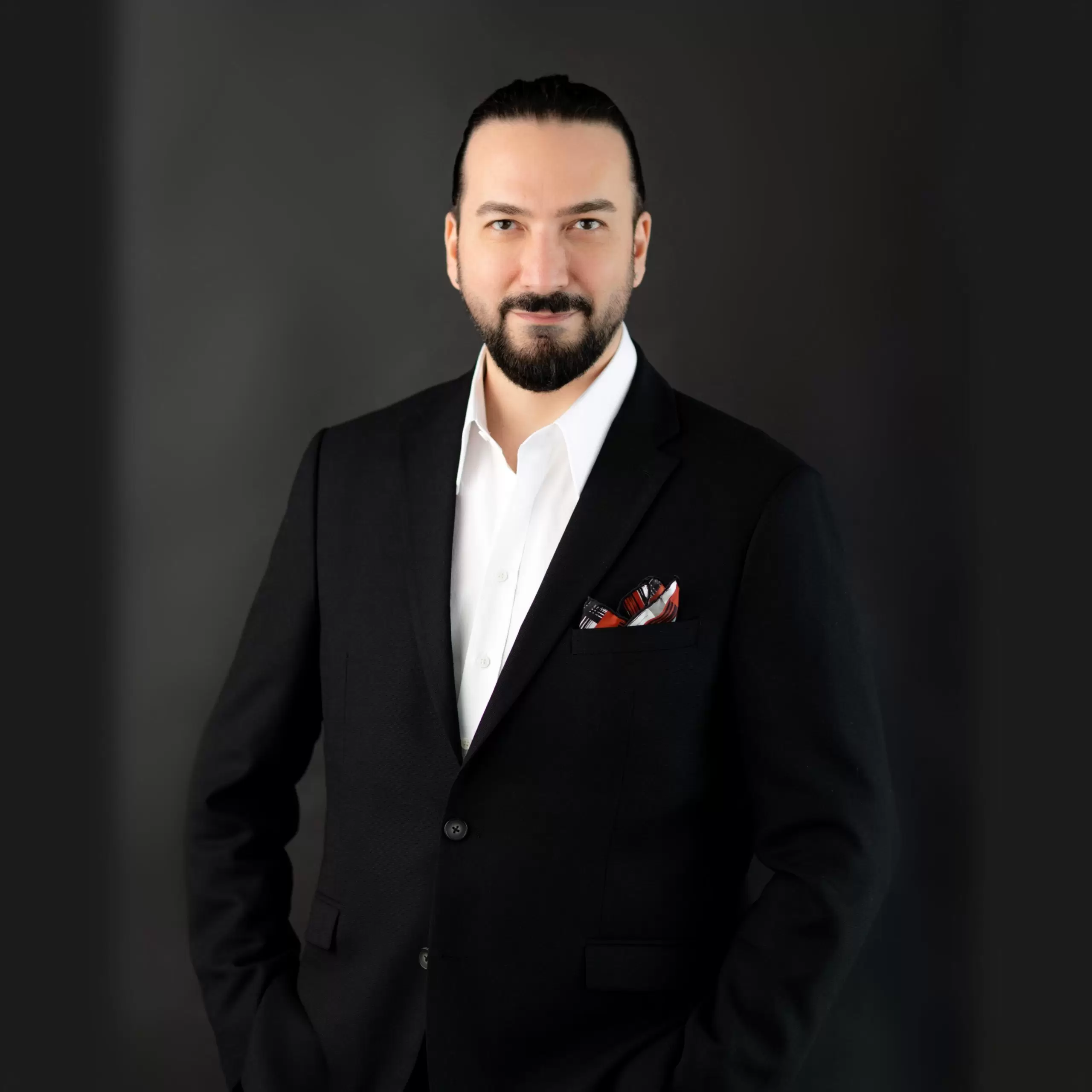
Prof. Dr. Murat Songu – Rhinoplasty (Nose Aesthetics) Specialist
Prof. Dr. Murat Songu was born in 1976 in Izmir and completed his medical education at the Ege University Faculty of Medicine. He then completed his residency training in the Department of Otorhinolaryngology at Celal Bayar University. Between 2005 and 2006, he received advanced training in rhinoplasty, functional nasal surgery, and skull base surgery in Bordeaux, France, working with leading rhinologists such as Prof. Vincent Darrouzet and Dr. Guy Lacher.
Prioritizing natural appearance, the preservation of breathing function, and facial aesthetic harmony, Prof. Dr. Songu is nationally and internationally recognized for his expertise in open rhinoplasty, piezo (ultrasonic) rhinoplasty, revision rhinoplasty, tipplasty, and functional septorhinoplasty. He has participated as an instructor and speaker at numerous rhinoplasty congresses worldwide.
With over 100 scientific publications, book chapters, and more than 1700 citations, Prof. Dr. Murat Songu is one of Türkiye’s most respected academics in the field of rhinoplasty, combining natural, facially harmonious, and functional results with scientific and aesthetic excellence.