Türkçe
Face filler is a hyaluronic acid-based injectable treatment performed to reduce the signs of aging, enhance facial contours, and restore lost volume. It is carried out without surgery and aims to provide a natural, youthful appearance.
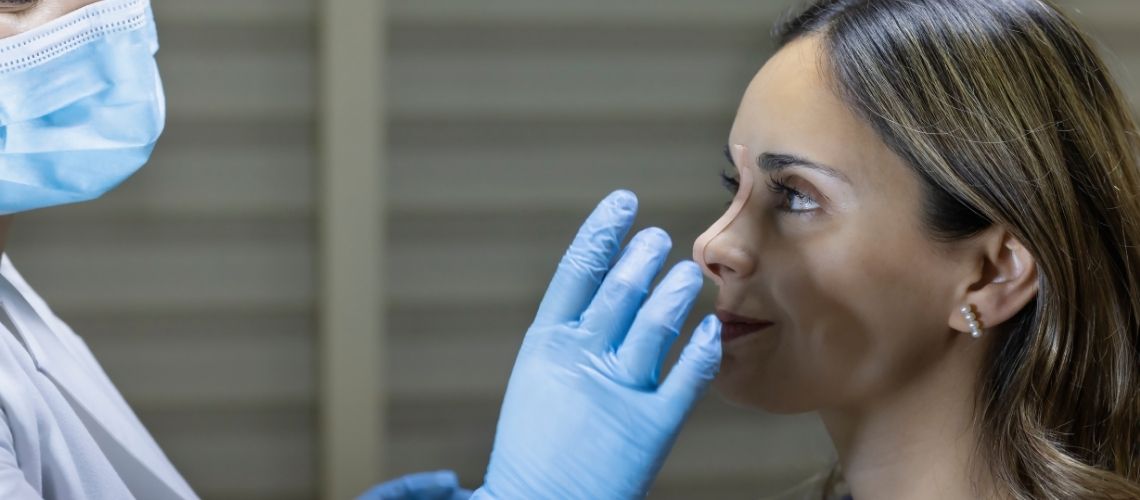
Before the face filler procedure, a topical anesthetic cream is applied to the treatment areas to ensure patient comfort. The filler material is injected beneath the skin using fine needles or cannulas. The procedure is typically completed within 20-40 minutes.
It can be applied to areas such as the cheekbones, jawline, nasolabial folds, and under-eye region. It is preferred for enhancing facial contours, filling skin depressions, and improving facial symmetry. Its effects generally last for 12-18 months.
Mild swelling and bruising may occur after the procedure; these effects are temporary. During the first 24 hours, strenuous physical activities, excessive facial expressions, and exposure to high temperatures should be avoided. The longevity of the filler may vary depending on the individual’s skin structure and lifestyle.
| Things You Should Know | Information |
| Definition | Face filler is a non-surgical aesthetic procedure performed by injecting filler materials beneath the skin to address aging, volume loss, or enhance facial contours. |
| Purpose | It is used to restore facial volume, reduce wrinkles, enhance the cheekbones, define the jawline, and provide facial rejuvenation. |
| Procedure | Before the procedure, a topical anesthetic cream is applied. The filler material is injected into the targeted areas (such as the cheeks, nasolabial region, chin, and temples) using a fine needle or cannula. The procedure may take between 20 and 40 minutes. |
| Materials Used | Hyaluronic acid-based filler materials are the most commonly used. |
| Duration of Effect | Depending on the type of filler used and the treatment area, the effects may last between 12 and 24 months. The filler is gradually absorbed by the body over time. |
| Advantages | It does not require surgery, provides natural and rapid results, has a short recovery period, and can be dissolved if necessary (using hyaluronidase). |
| Disadvantages | Temporary swelling, bruising, and pain may occur at the injection site. In rare cases, complications such as vascular occlusion, asymmetry, or infection may develop. |
| Suitable Candidates | Individuals experiencing age-related facial volume loss, those wishing to enhance facial contours, and people who do not want surgery. |
| Recovery Process | Most people can return to their daily activities after the procedure. Mild swelling and bruising usually subside within a few days. |
| Things to Consider | Alcohol and blood-thinning medications should be avoided before and after the procedure. During the first 24 hours after treatment, pressure should not be applied to the face, and excessive facial expressions should be avoided. The procedure should be performed by a qualified physician. |
What Is Face Filler and Why Do We Need It During the Aging Process?
To understand face fillers, we must first understand why our faces age. Aging is often thought to be solely related to skin laxity. In reality, the process begins in much deeper layers. If we think of the face as a building, with age, the bone structure that serves as its supporting columns undergoes resorption and shrinkage. The fat pads that rest on these bones and give the face its youthful, soft appearance gradually lose volume and shift downward due to gravity.
Face fillers are gel-like substances injected beneath the skin to restore this “deflated” and “sagging” structure. These materials are used to mimic the diminished bone support, replace the lost volume of fat pads, and restore the moisture the skin has lost.
Our primary goals are:
- Reducing deep wrinkles
- Enhancing facial contours
- Restoring lost volume
- Improving skin quality
- Correcting asymmetries
With this treatment, the tired appearance of the face is eliminated, and by restoring the natural balance of light and shadow, a more vibrant and refreshed look is achieved. Moreover, all of this can be performed in an office setting without any surgical incisions.
How Does the Most Commonly Used Hyaluronic Acid Face Filler Work?
Today, the safest and most widely used filler material in aesthetic medicine is Hyaluronic Acid (HA). So, what exactly is hyaluronic acid? Don’t let the word “acid” mislead you; this substance is one of the natural building blocks of our skin, joints, and eye fluid. It is not a synthetic or plastic material produced for the body. It is a type of sugar that our body naturally recognizes and contains.
The most fascinating characteristic of hyaluronic acid-based fillers is their affinity for water molecules. They have the capacity to attract and retain approximately one thousand times their own weight in water. Once injected beneath the skin, they act like a sponge, attracting surrounding water and instantly creating volume in the treated area. This volumizing effect is not merely physical fullness; it also deeply hydrates the skin, which is one of the main reasons the skin appears brighter and more vibrant.
In addition, these fillers have biological activity. Scientific studies have shown that hyaluronic acid injected beneath the skin stimulates collagen production, one of the key elements responsible for youthful skin. In other words, filler treatment is not only an immediate solution but also an investment that supports the skin’s own renewal process over the long term.
The advantages of hyaluronic acid include:
- High water-retaining capacity
- Natural look and feel
- Excellent tissue compatibility
- Low allergy risk
- Reversible results
What Are the Differences Between Permanent and Temporary Face Fillers?
One of the most common questions our patients ask is how long fillers last. Different types of fillers are available based on their longevity and composition. Understanding these differences is essential for setting realistic expectations.
The first and largest category consists of Hyaluronic Acid (Temporary) Fillers, which we mentioned earlier. Depending on the technology of the product, its density, and the area where it is injected, these fillers generally last between 6 and 18 months. For example, fillers dissolve more quickly in highly mobile areas such as the lips, whereas longevity is greater in more stable areas such as the temples or cheekbones. The greatest advantage of this group is that if the result is unsatisfactory or a complication occurs, the filler can be completely dissolved with a special enzyme. This feature provides significant safety and reassurance for both the patient and the physician.
The second group consists of Collagen Stimulators (Semi-Permanent Fillers). These generally contain Calcium Hydroxyapatite or Poly-L-lactic Acid. You may also hear them referred to as “crystal fillers” or “mineral fillers.” When injected beneath the skin, these substances not only provide volume but also create a strong framework that stimulates the body to produce its own collagen intensively in the treated area. Their effects may last from 1.5 to 4 years. However, these fillers cannot be dissolved, making the experience of the treating physician critically important.
The third option is Autologous Fat Injection. This technique involves harvesting fat from the patient’s own body (usually the abdomen or waist), processing it, and transferring it to the face. This is actually a surgical procedure rather than a filler treatment. Although some of the transferred fat cells are absorbed by the body, the surviving cells remain permanently.
Why Is Facial Filler Anatomy Important from the Perspective of Facial Aesthetic Surgery?
From the outside, face filler treatment may appear to be a simple injection. However, beneath the skin lies an extraordinarily complex anatomy that requires millimeter-level precision. As a Facial Plastic Surgeon and ENT Specialist, we do not see the face as merely a layer of skin. Beneath the skin are superficial and deep fat pads, muscles responsible for facial expressions, nerves that provide facial sensation and movement, and, most importantly, vascular networks connected to vital organs.
Success in filler treatment depends on visualizing these anatomical structures in three dimensions. Determining the correct depth, the appropriate tissue layer, and the amount of product to be injected is entirely based on anatomical knowledge. For example, knowing the course of a blood vessel is essential to avoid injuring it during injection. Likewise, understanding muscle movement helps prevent filler migration or lump formation over time.
When planning treatment, we do not simply aim to fill empty spaces. We analyze the skeletal structure of the face and calculate which support points will create a lifting effect. This engineering approach aims to reveal a more refined version of your natural appearance without altering your facial expression or creating an overtreated look.
Is It Possible to Create a Lifting Effect with Cheek (Zygoma) Filler?
The midface is the region where the earliest signs of aging appear. In youth, the full cheeks resting over the cheekbones gradually descend with gravity over time. This leads to two major problems: the development of hollows beneath the eyes and deepening of the nasolabial folds.
Cheek filler is one of the most effective strategic treatments to restore this sagging. In this procedure, we generally place the filler directly onto the bone. The goal is to use the cheekbone as a “tent pole” to lift and support the descended soft tissues.
The benefits of this procedure include:
- Lifting the face
- Eliminating the tired appearance
- Softening the nasolabial folds
- Creating a more triangular and youthful facial shape
- Providing under-eye support
When properly performed, cheek filler does not produce an overfilled appearance. On the contrary, it makes the face appear slimmer and more dynamic. However, dosage is extremely important. Excessive filler may lead to the “pillow face” appearance, where the cheeks become overly full and the eyes appear narrower when smiling. Therefore, starting with a conservative amount and increasing it only if necessary is always the most appropriate approach.
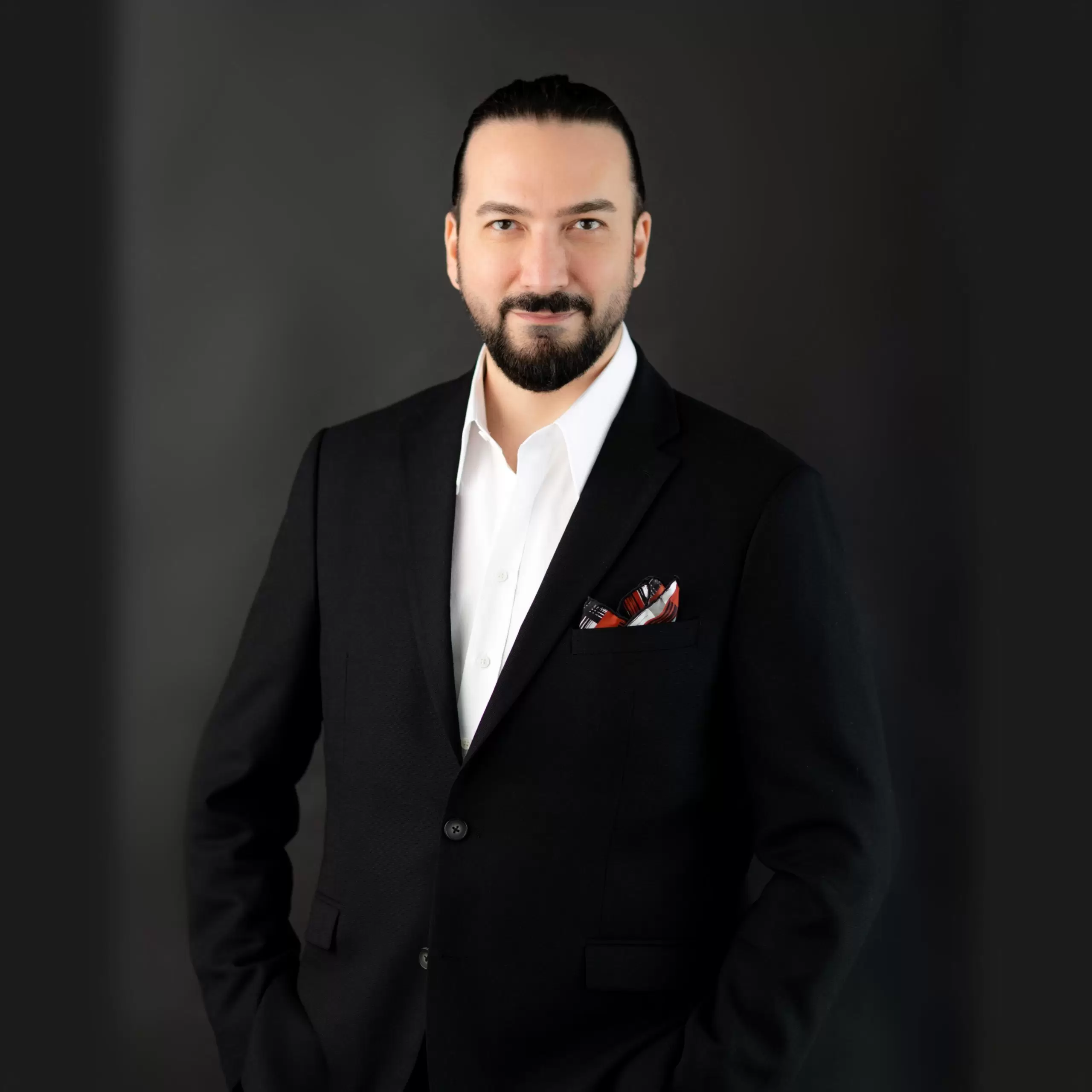
Prof. Dr. Murat Songu – Rhinoplasty (Nose Aesthetics) Specialist
Prof. Dr. Murat Songu was born in 1976 in Izmir and completed his medical education at the Ege University Faculty of Medicine. He then completed his residency training in the Department of Otorhinolaryngology at Celal Bayar University. Between 2005 and 2006, he received advanced training in rhinoplasty, functional nasal surgery, and skull base surgery in Bordeaux, France, working with leading rhinologists such as Prof. Vincent Darrouzet and Dr. Guy Lacher.
Prioritizing natural appearance, the preservation of breathing function, and facial aesthetic harmony, Prof. Dr. Songu is nationally and internationally recognized for his expertise in open rhinoplasty, piezo (ultrasonic) rhinoplasty, revision rhinoplasty, tipplasty, and functional septorhinoplasty. He has participated as an instructor and speaker at numerous rhinoplasty congresses worldwide.
With over 100 scientific publications, book chapters, and more than 1700 citations, Prof. Dr. Murat Songu is one of Türkiye’s most respected academics in the field of rhinoplasty, combining natural, facially harmonious, and functional results with scientific and aesthetic excellence.