Türkçe
 Deutsch
 Svenska
The use of a nostril retainer after rhinoplasty is intended to support the symmetrical healing of the nostrils. These devices are especially preferred for patients who are at risk of imbalance in the nasal wings.
A nostril retainer stabilizes the shape of the nostrils and prevents asymmetry from developing. The duration of use varies according to the surgeon’s recommendation and is generally limited to a few months.
Regular and correct use of this device directly contributes to the success of the aesthetic result. Otherwise, irregularities may become permanent.
What does a nostril retainer do after rhinoplasty?
A nostril retainer used after rhinoplasty helps prevent many problems that patients may encounter during the healing process. Considering the sensitivity of the nasal tissues after rhinoplasty, the benefits provided by these devices are highly important. Preserving the structure and shape of the nose during the healing process is a fundamental requirement for patients.
- Preserving Shape and Structure: A nostril retainer provides structural support to maintain the desired shape of the nostrils. It prevents collapse or asymmetry that may occur during the healing process.
- Supporting Proper Airflow: This device keeps the nasal passages open, allowing patients to breathe comfortably.
- Reducing Swelling: A nostril retainer stabilizes the nasal tissues and thereby reduces postoperative swelling.
- Promoting Optimal Healing: By keeping the nostrils in the correct position, it prevents any collapse or unwanted movement. This improves long-term results and reduces the risk of complications.
- Increasing Patient Compliance: Use in accordance with the surgeon’s instructions can significantly improve the healing process and rhinoplasty results.
How does a nostril retainer support postoperative healing?
A nostril retainer is a device that supports the healing process after rhinoplasty. This device makes a significant contribution to protecting the nasal tissues, especially during the postoperative period. First, it ensures that the nasal passages remain in the correct position, thereby preventing possible displacement and deformities. This helps preserve the aesthetic results of the surgery.
- Support and Stability: The nostril retainer properly supports the nasal passages and prevents problems such as collapse and displacement.
- Reduction of Swelling: Keeping swelling under control allows the healing process to be more comfortable.
- Optimized Healing: Proper use promotes ideal healing of the nasal passages.
- Long-Term Symmetry and Shape: In the long term, the use of a nostril retainer is effective in preserving nasal symmetry and shape.
Does a nostril retainer prevent nasal collapse?
Nostril retainers are known to be effective in preventing nasal collapse after rhinoplasty. These devices are essential for preserving the nasal structure during the postoperative period. Made from flexible materials such as silicone, these retainers support the structure of the nostrils and prevent them from collapsing inward. They are also important for maintaining the structural integrity of the nasal valve area. Thanks to this support, patients’ breathing functions improve and their overall comfort increases.
Material Selection: Medical-grade silicone is preferred as an ideal material due to its flexibility and durability.
Functional Benefits:
- It ensures that the nostrils remain properly open.
- It increases breathing capacity.
- It accelerates the postoperative healing process.
How long should a nostril retainer be used?
The duration of nostril retainer use varies according to the person’s specific condition and the type of surgical intervention. The period of use for this device, which is an important step in the healing process after rhinoplasty, is generally determined according to the patient’s recovery rate and the surgeon’s recommendations. During the first month, it is recommended that the retainer be worn continuously both during the day and at night. At the end of the first month, the condition is evaluated, and if deemed necessary, the retainer may then be used only at night. This transition is adjusted according to the patient’s healing status.
What materials are nostril retainers made from?
Nostril retainers are produced from various materials to preserve the postoperative shape of the nostrils. The most commonly used material is medical-grade silicone. The flexibility and biocompatibility of silicone make it preferable for sensitive areas such as the nostrils. Silicone can be easily shaped to adapt to different nasal anatomies. In addition, this material is non-reactive, making it suitable for long-term use.
- Another material option is acrylic resin. Acrylic resin offers a rigid and durable structure, effectively preserving the shape of the nostril. It is especially preferred when a specific nasal shape needs to be maintained after surgery.
- Another alternative material is bioplast. Bioplast stands out with its hypoallergenic and flexible properties. It can also be cut and customized, providing an ideal balance for long-term use.
- Glass, a less commonly used option, is known for its non-porous and hypoallergenic properties. Glass provides a safe alternative for individuals who are allergic to other materials.
Finally, modified catheter materials are also used as nostril retainers, especially in situations where resources are limited.
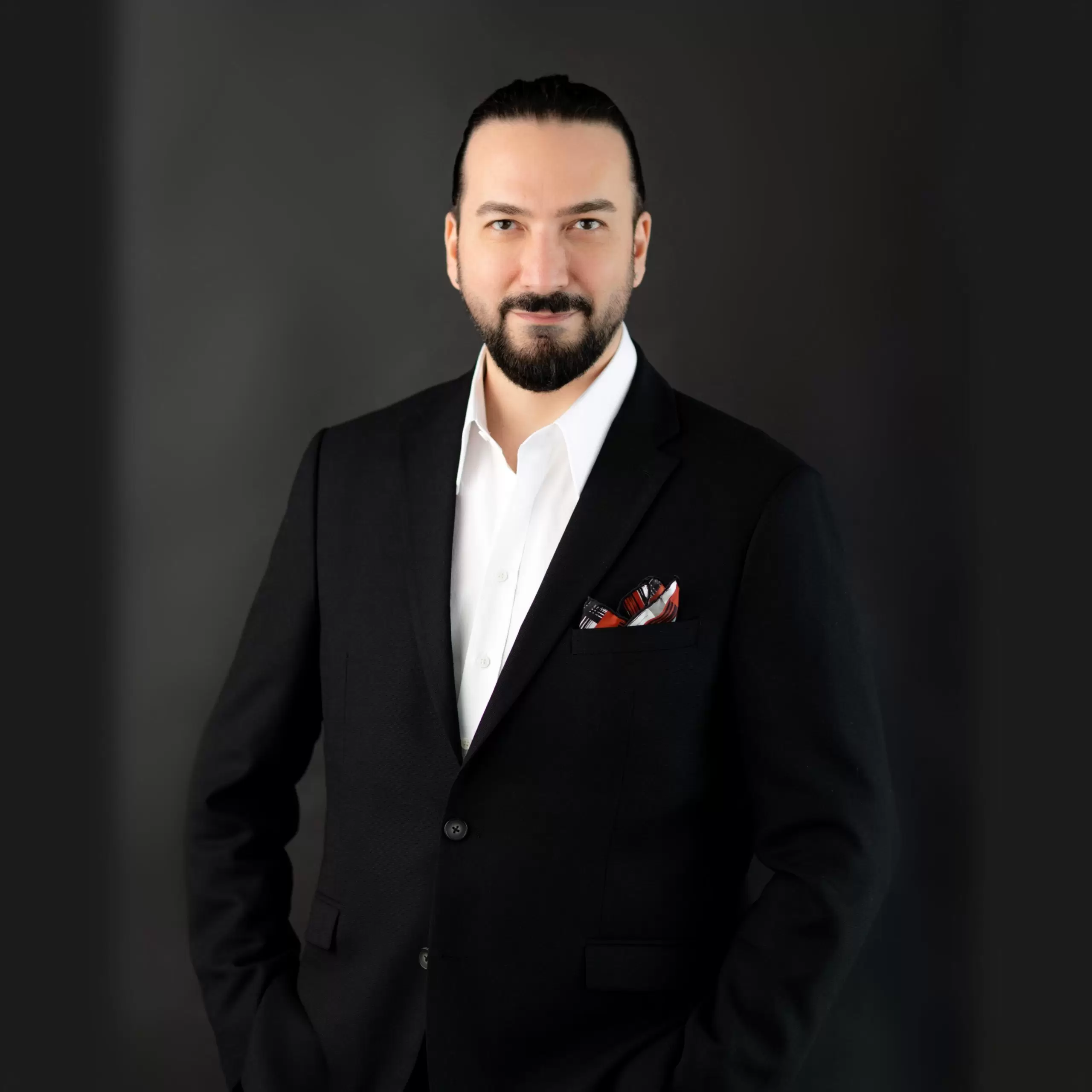
Prof. Dr. Murat Songu – Rhinoplasty (Nose Aesthetics) Specialist
Prof. Dr. Murat Songu was born in 1976 in Izmir and completed his medical education at the Ege University Faculty of Medicine. He then completed his residency training in the Department of Otorhinolaryngology at Celal Bayar University. Between 2005 and 2006, he received advanced training in rhinoplasty, functional nasal surgery, and skull base surgery in Bordeaux, France, working with leading rhinologists such as Prof. Vincent Darrouzet and Dr. Guy Lacher.
Prioritizing natural appearance, the preservation of breathing function, and facial aesthetic harmony, Prof. Dr. Songu is nationally and internationally recognized for his expertise in open rhinoplasty, piezo (ultrasonic) rhinoplasty, revision rhinoplasty, tipplasty, and functional septorhinoplasty. He has participated as an instructor and speaker at numerous rhinoplasty congresses worldwide.
With over 100 scientific publications, book chapters, and more than 1700 citations, Prof. Dr. Murat Songu is one of Türkiye’s most respected academics in the field of rhinoplasty, combining natural, facially harmonious, and functional results with scientific and aesthetic excellence.