Deutsch
 Nederlands
 العربية
 Español
 Svenska
 Dansk
Dansk Français
 עברית
עברית Italiano
 Norsk bokmål
 Polski
 Português
 Română
 Русский
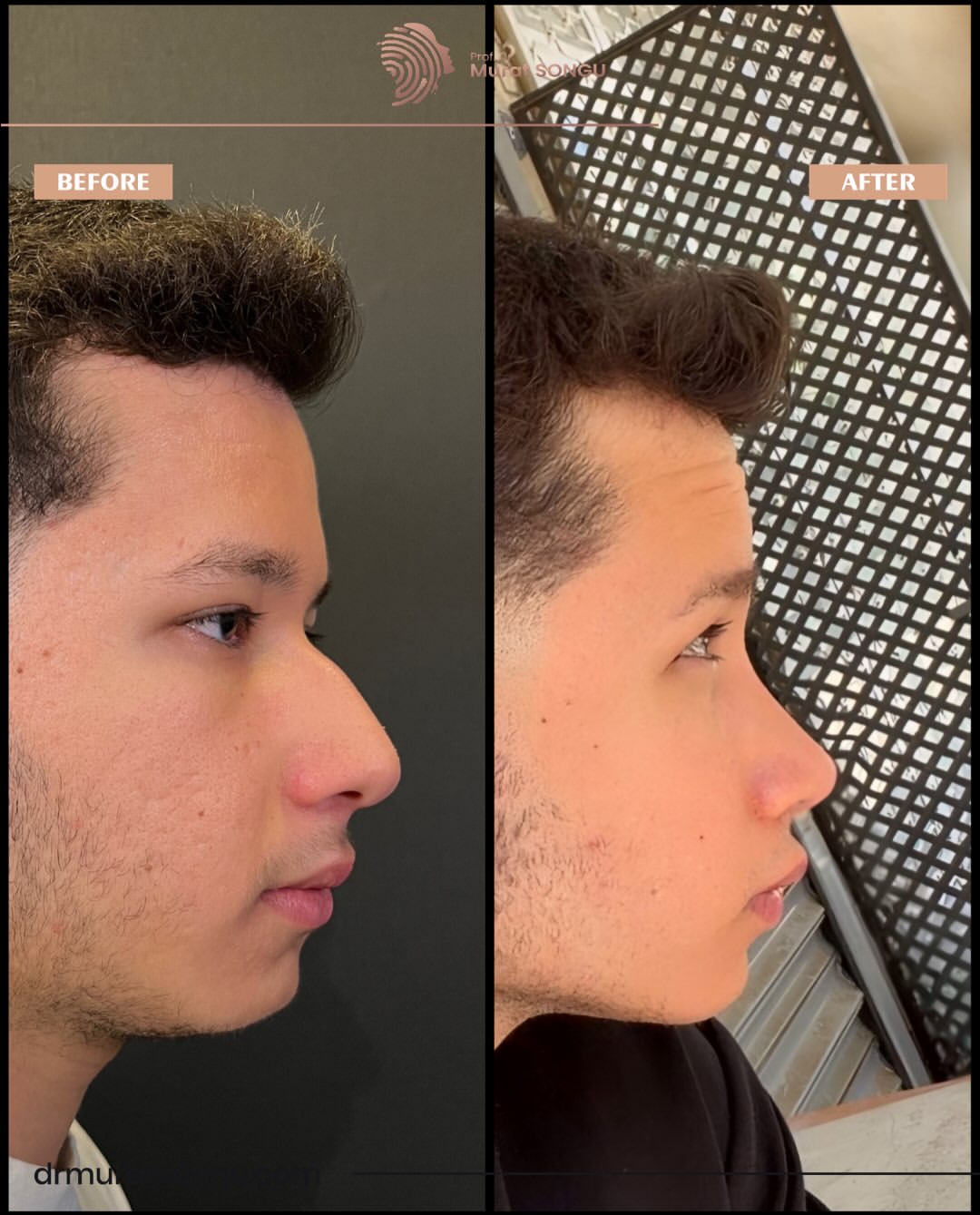
Roman nose rhinoplasty is performed to reshape a nose with a strong, prominent, or convex profile. A Roman nose is commonly characterized by a high or curved nasal bridge, often with a noticeable dorsal hump that can make the nose appear more dominant from the side. Rhinoplasty may be considered when a patient wants to soften this profile while maintaining a natural appearance that remains proportionate to the rest of the face.
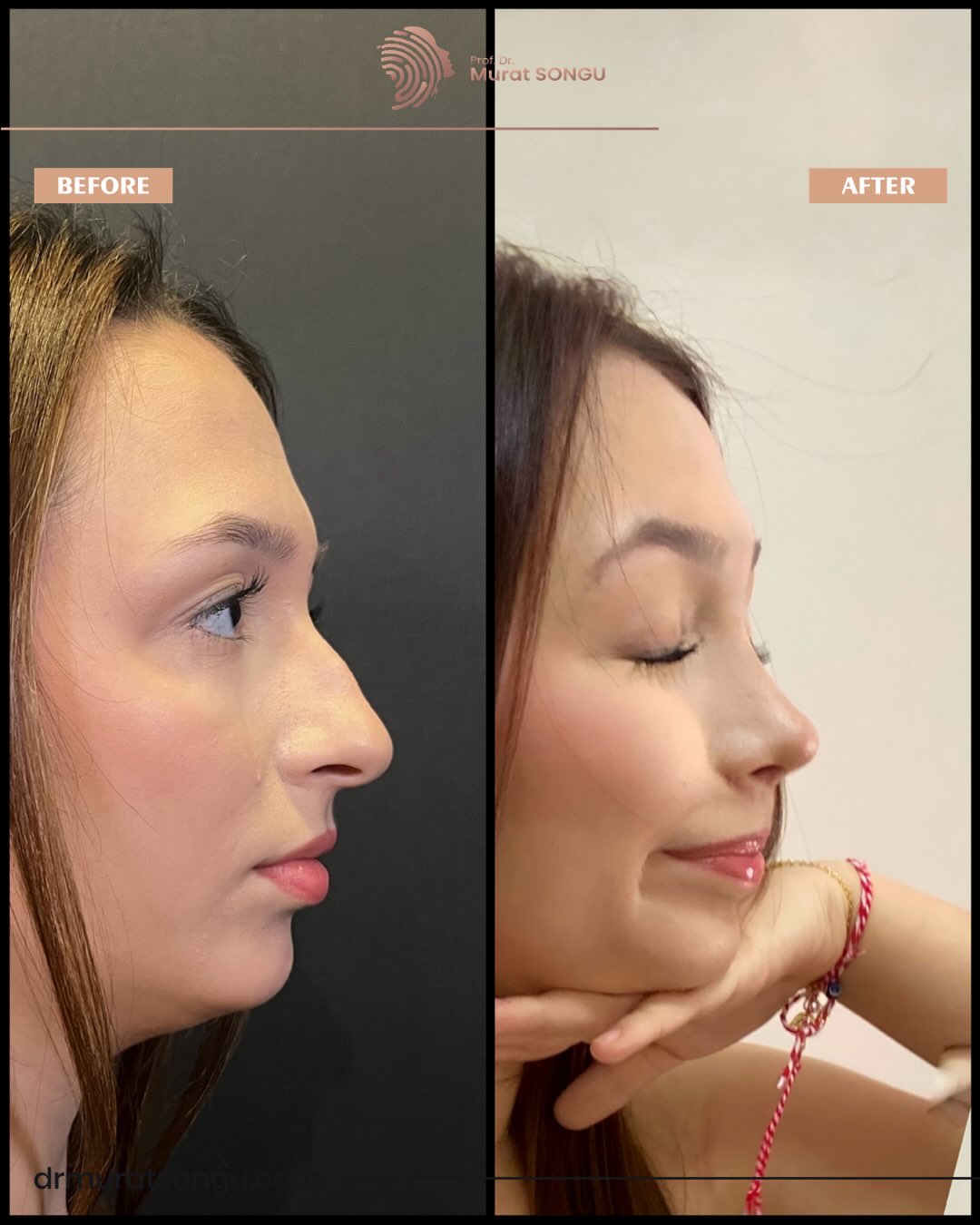
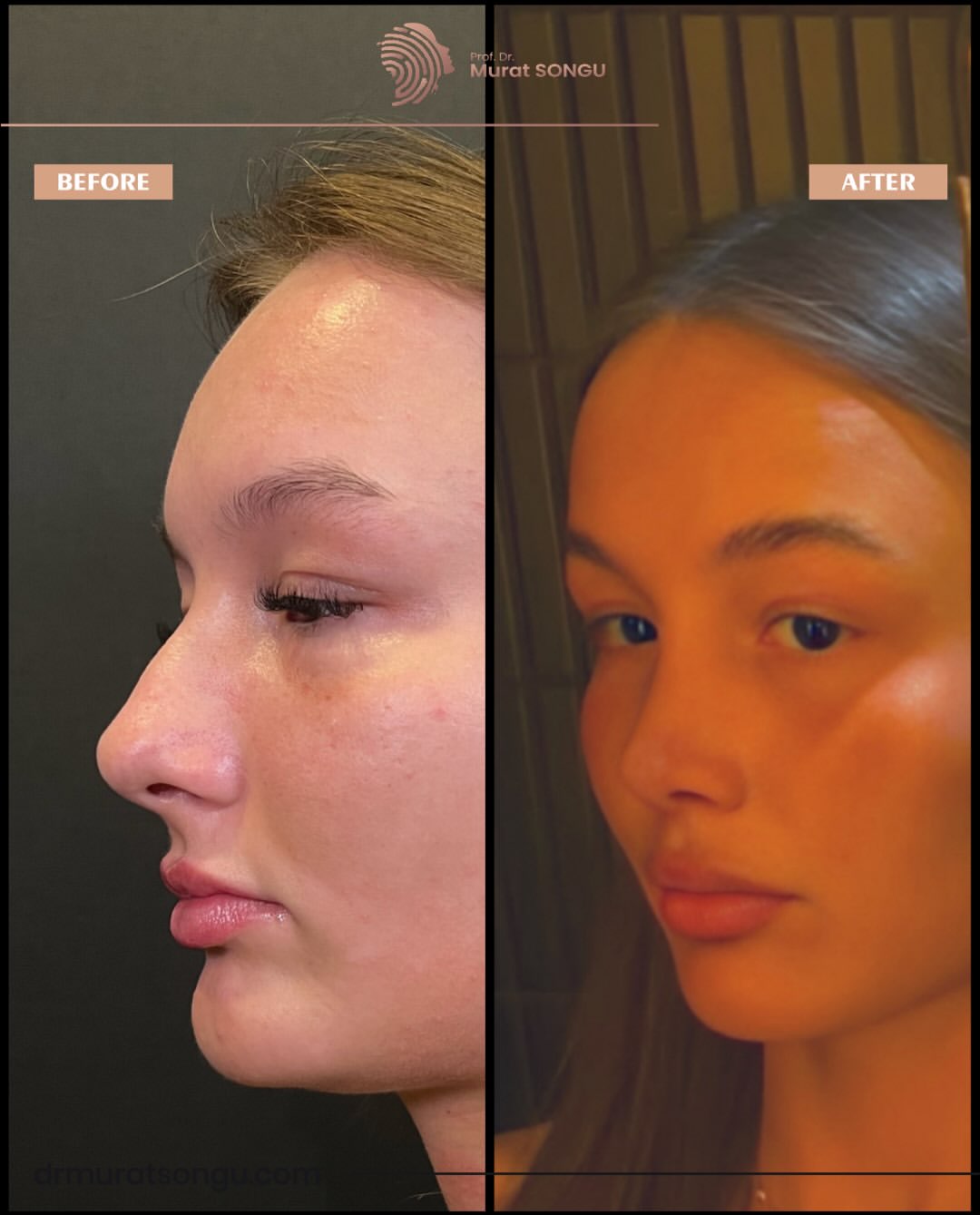
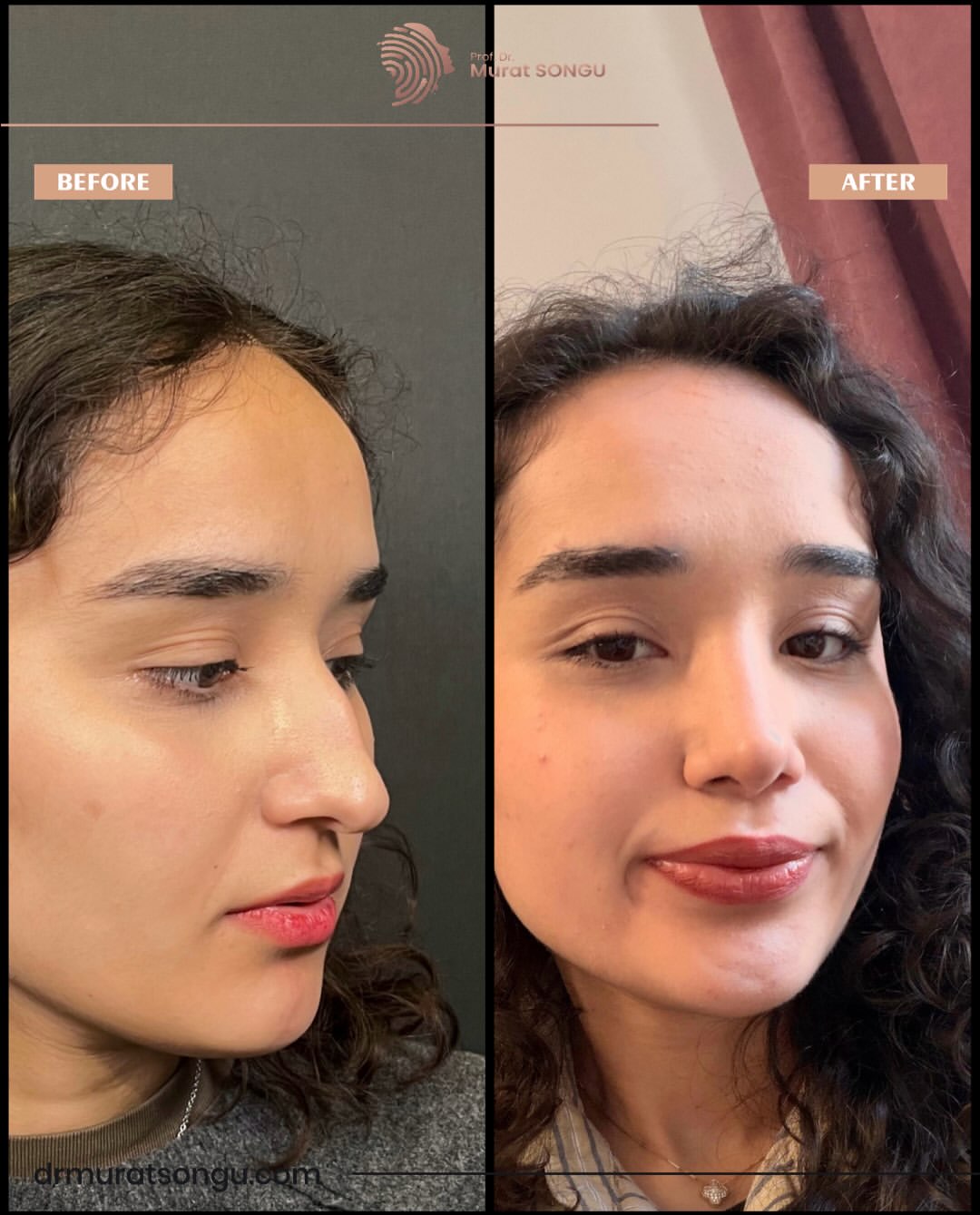
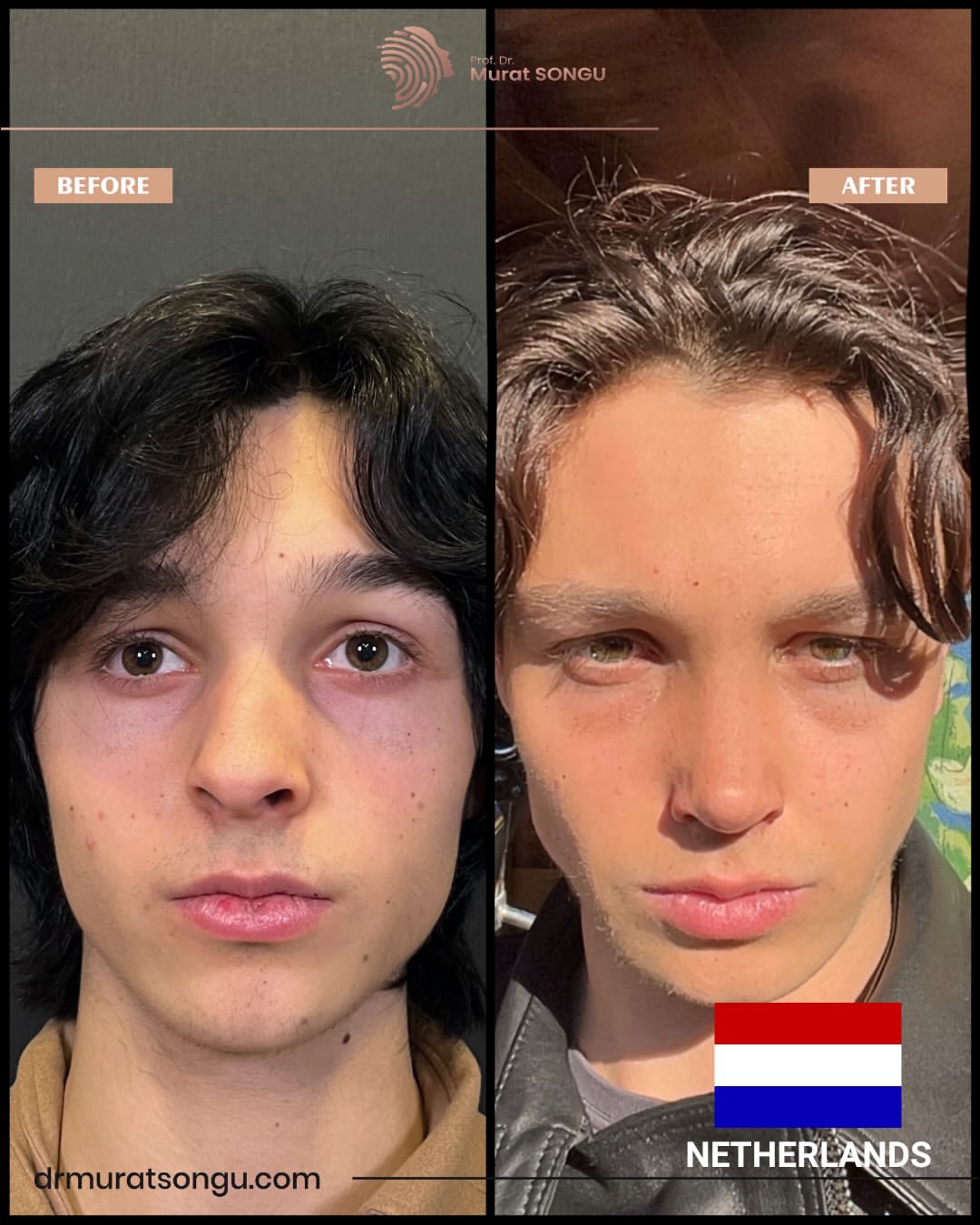
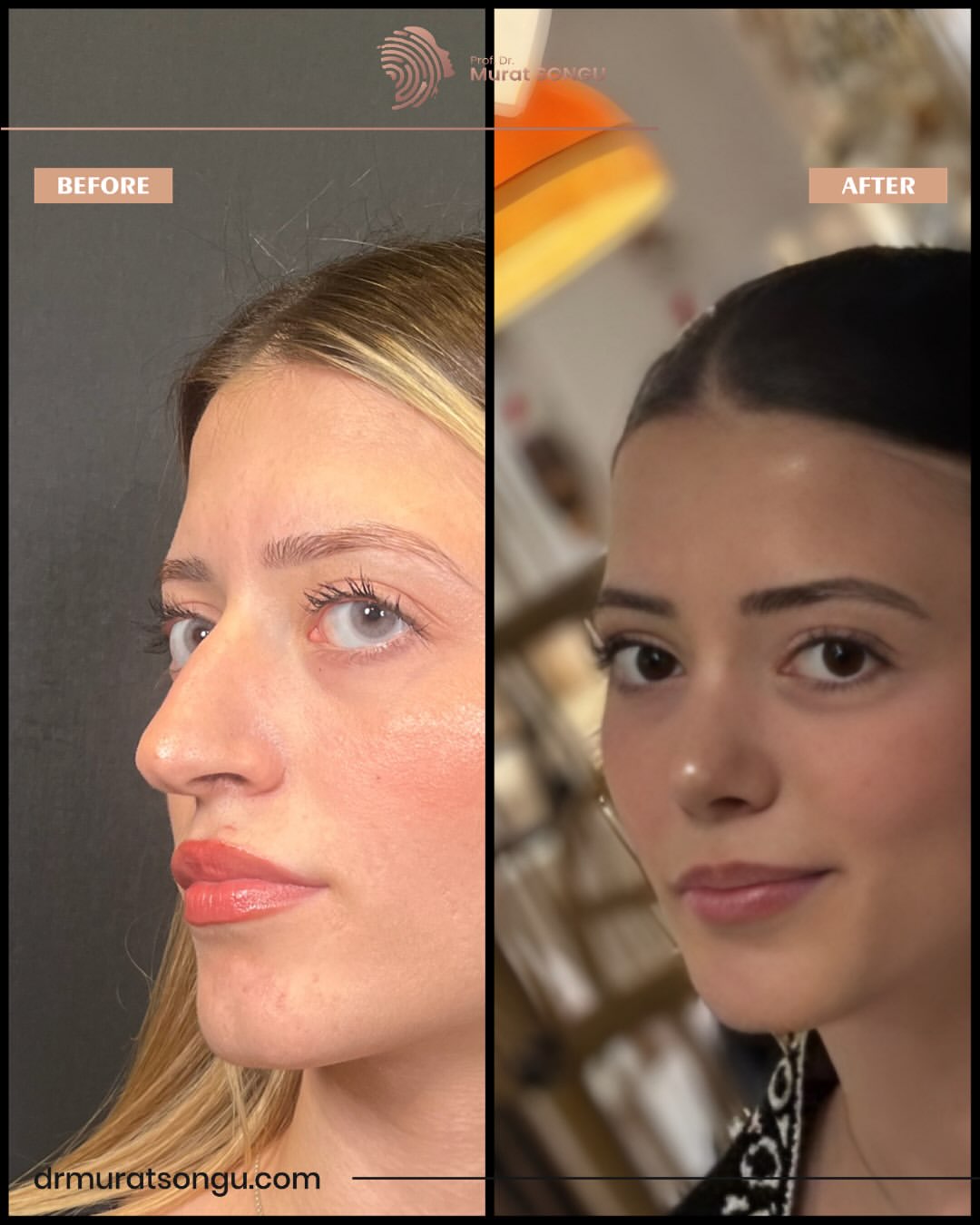
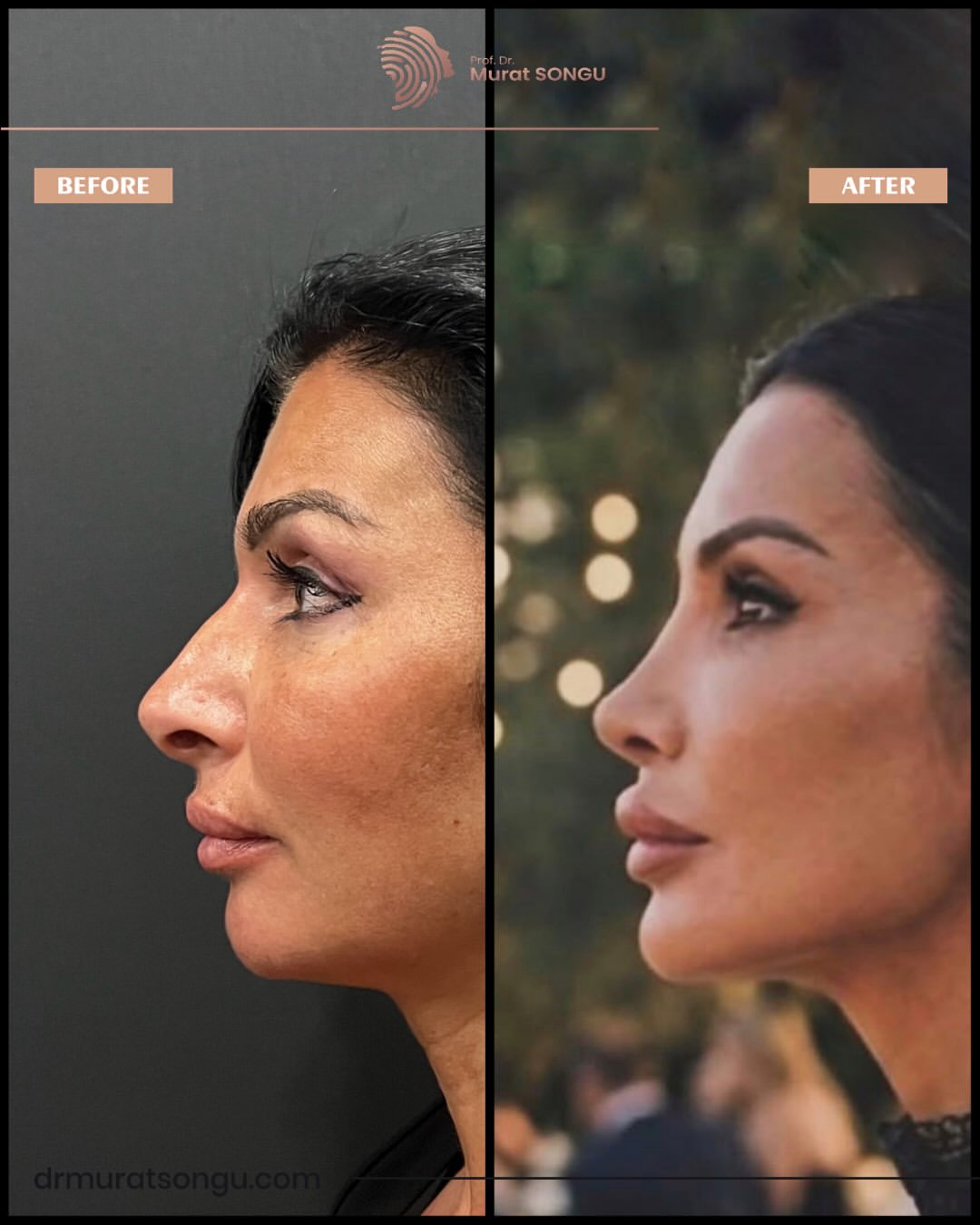
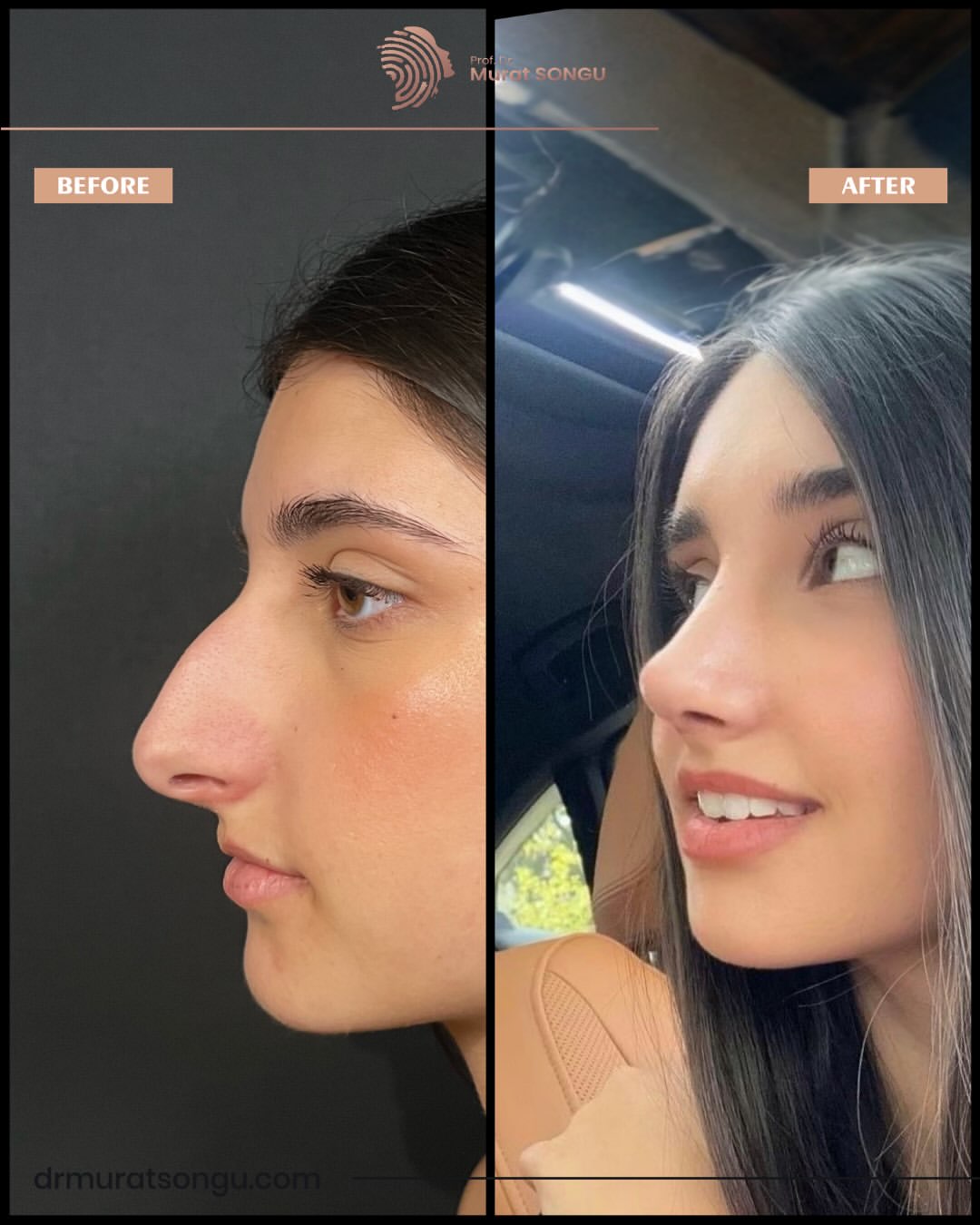
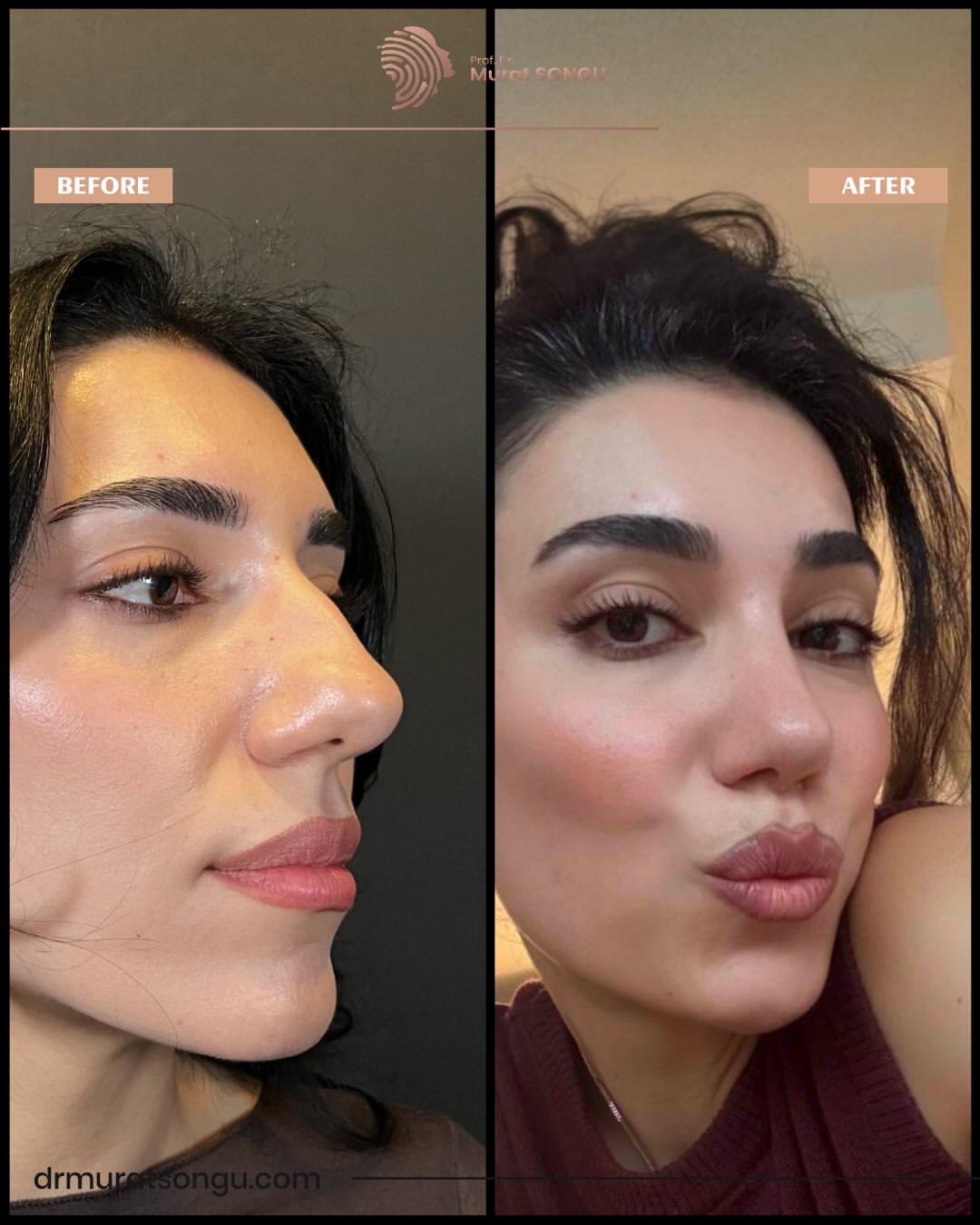
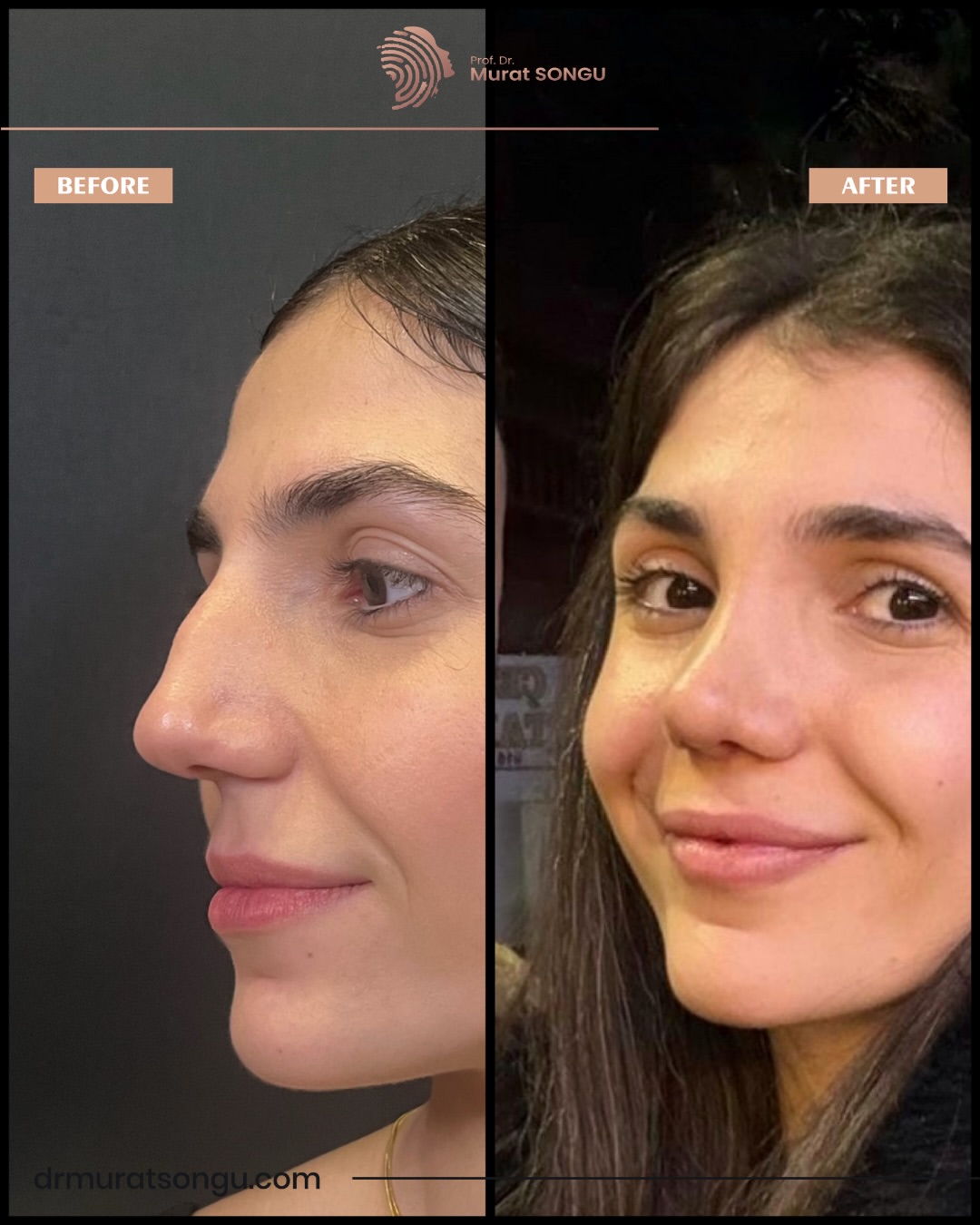
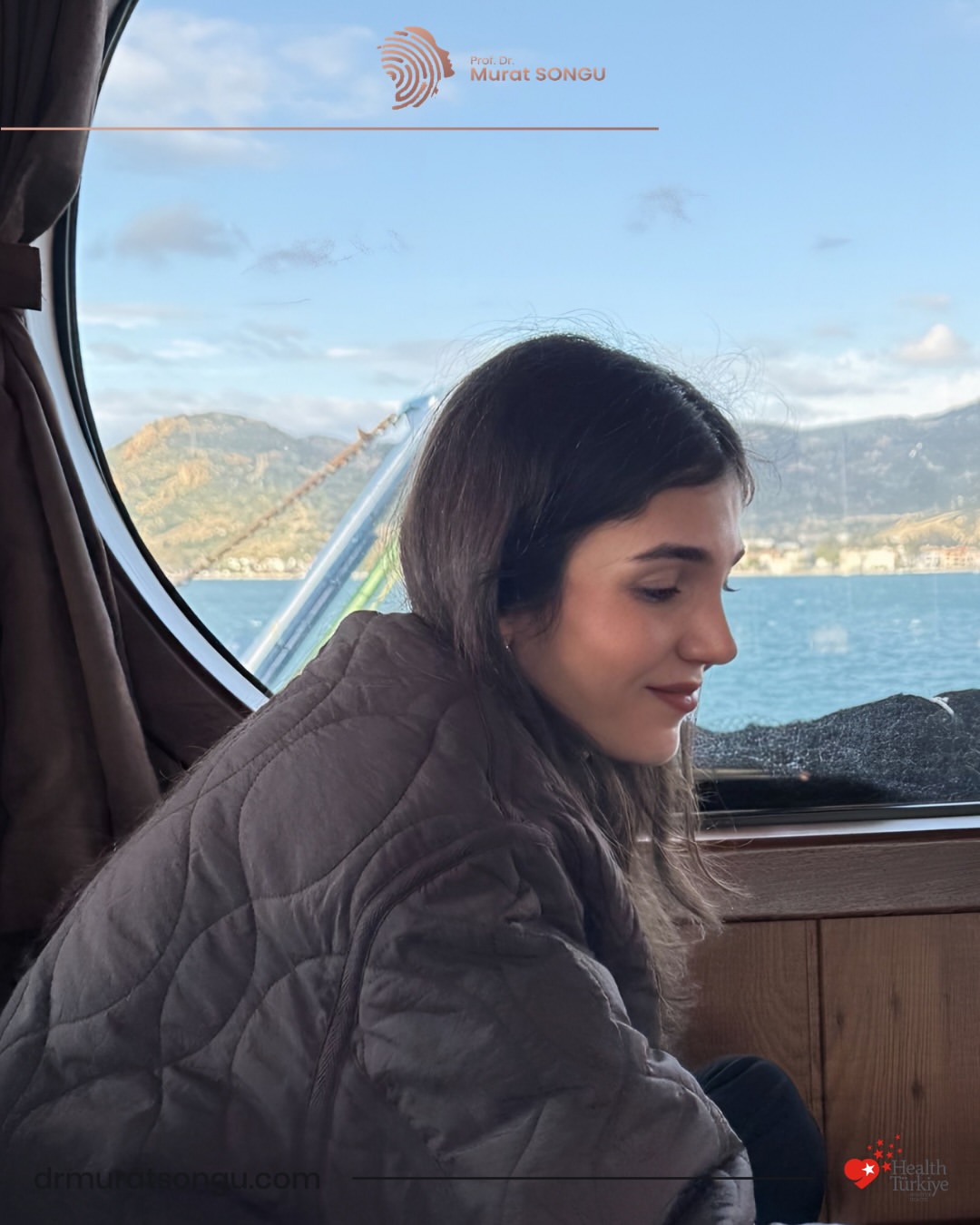
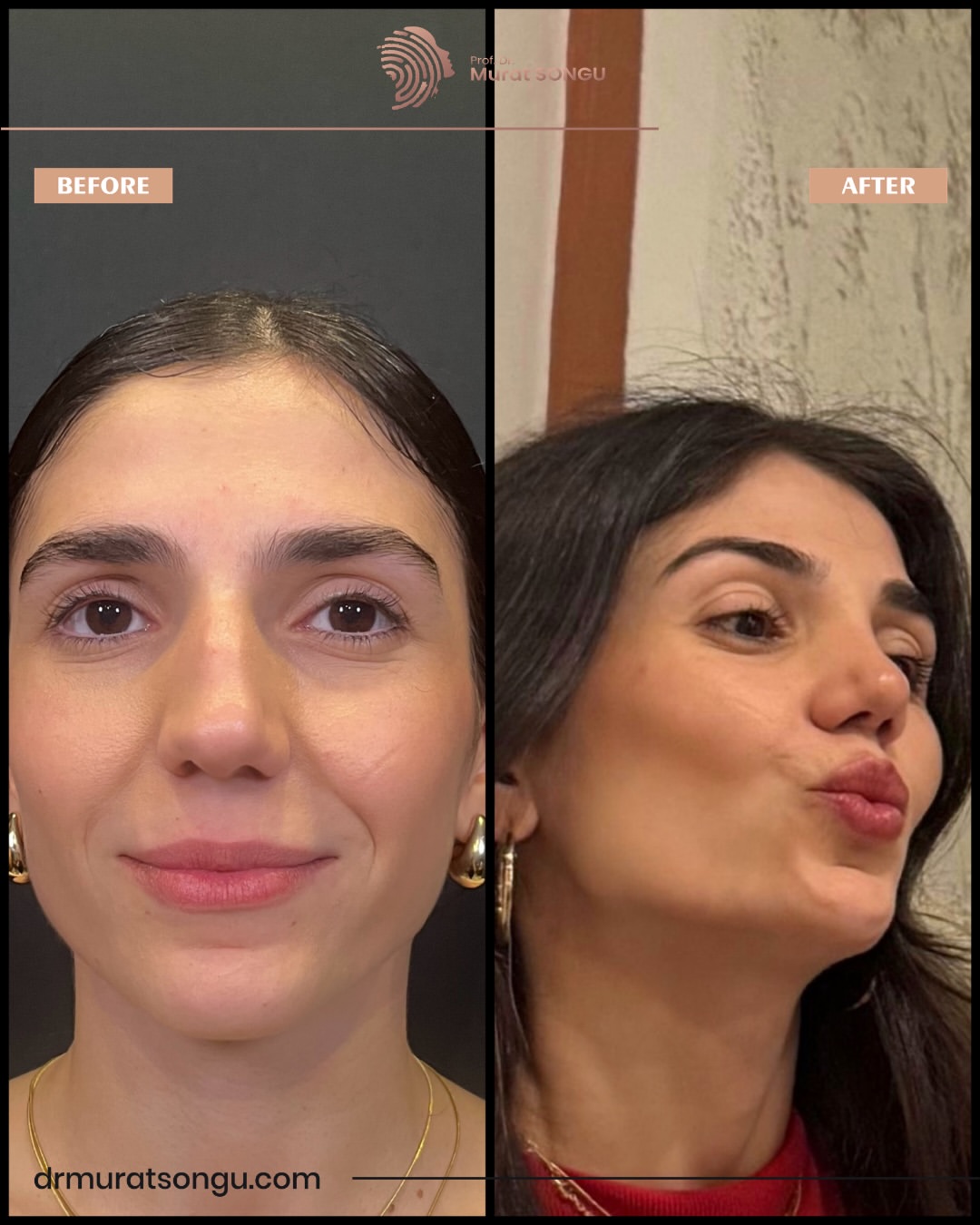
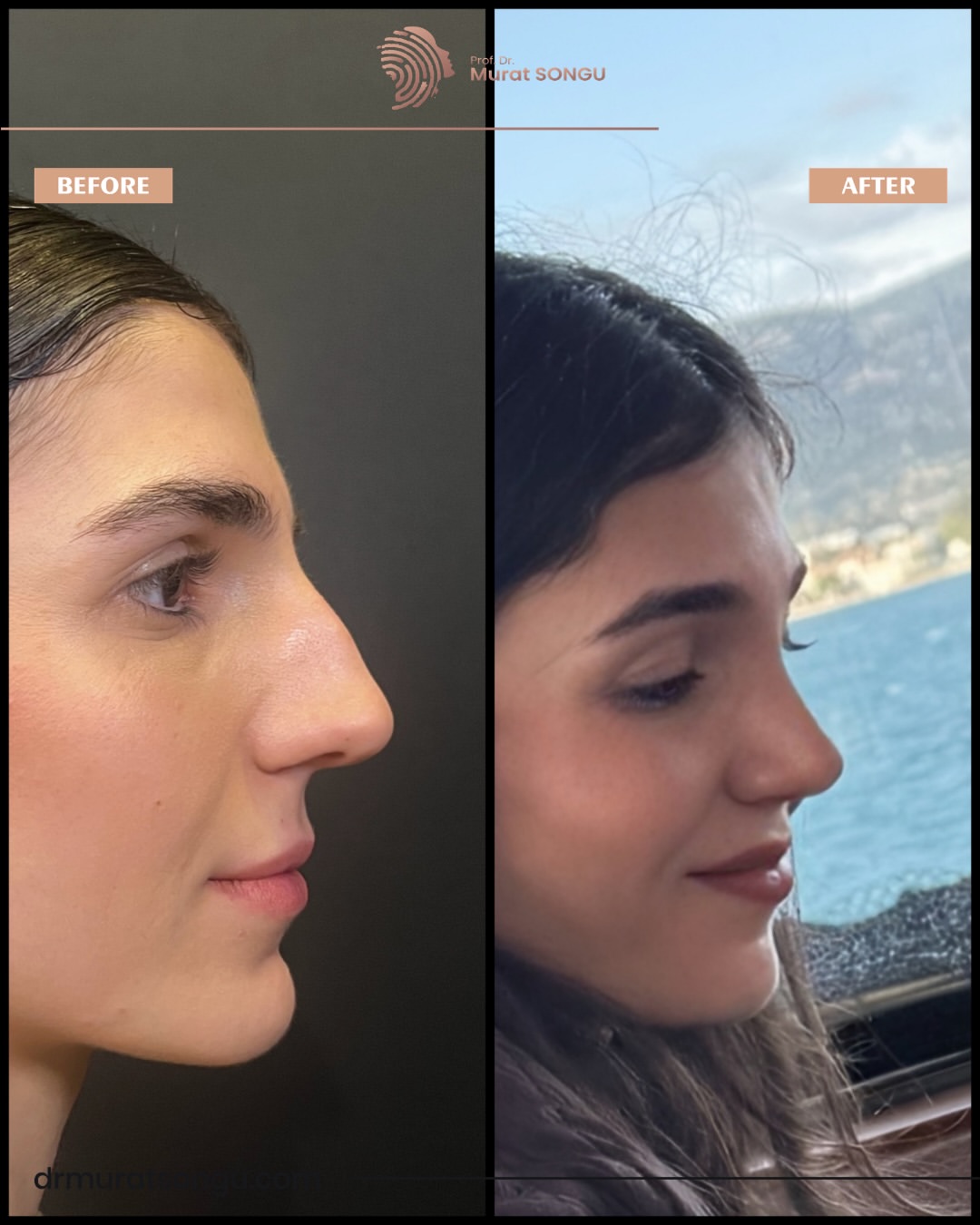
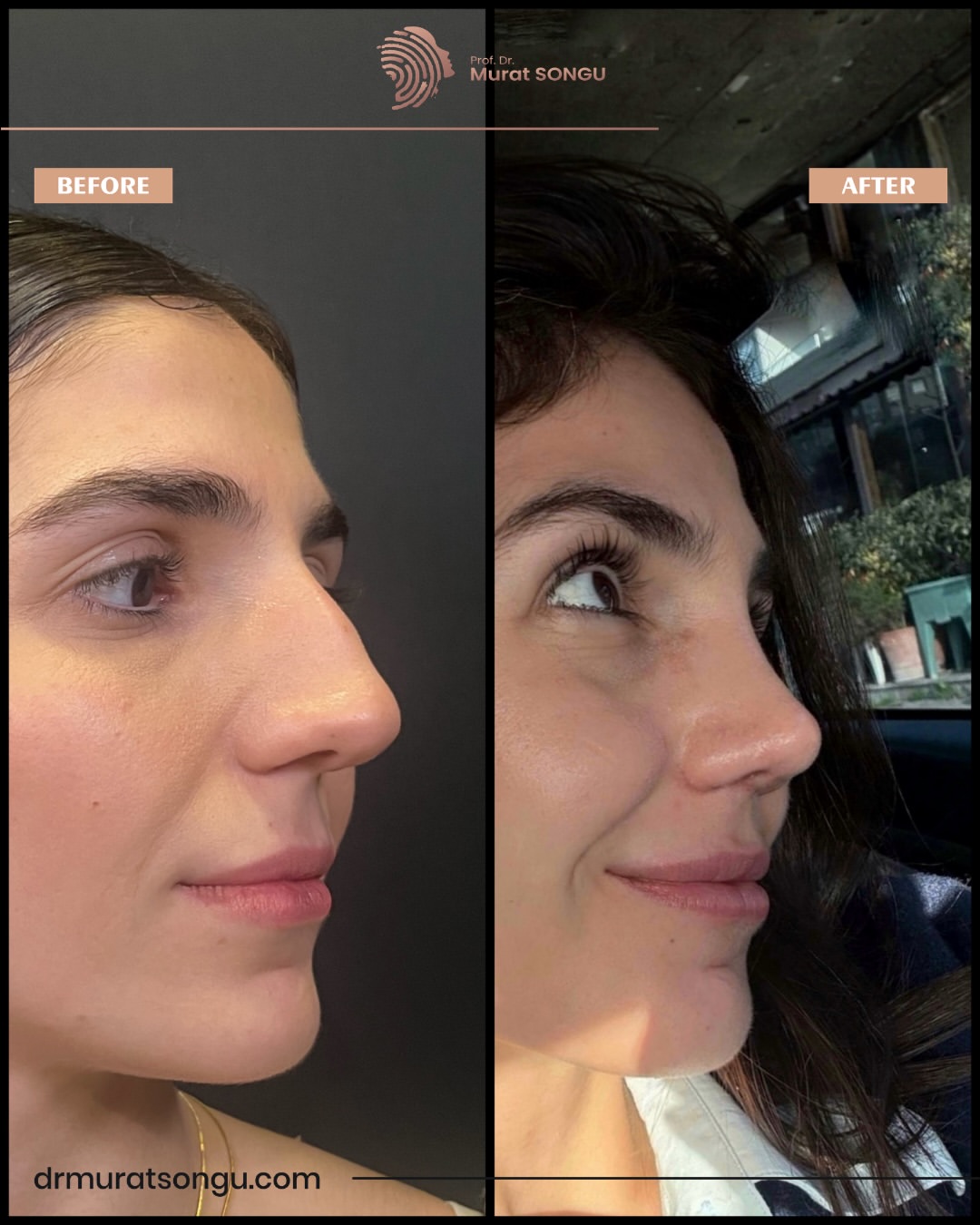
Roman nose rhinoplasty before and after photos can help demonstrate how changes to the bridge and nasal tip may improve overall facial balance. Before surgery, the nose may show a prominent hump, increased projection, a long profile, or a tip that appears relatively low in relation to the bridge. After surgery, the aim is usually to create a smoother nasal contour, better bridge-to-tip harmony, and a more balanced relationship between the nose, forehead, lips, and chin.
The surgical plan depends on the patient’s individual anatomy. Treatment may include reducing or reshaping the dorsal hump, adjusting the nasal bones, refining the tip, modifying projection, or improving structural support. The goal is not simply to make the nose smaller, but to achieve a proportionate result that suits the patient’s facial characteristics.
Swelling is expected after rhinoplasty, especially around the bridge and nasal tip. Although changes in the profile may be visible relatively early, the final nasal shape continues to develop as swelling gradually decreases. Subtle refinement may continue for several months, and in some patients up to a year or longer.
The Roman nose rhinoplasty result photos below are shared to illustrate a real patient outcome and the type of profile changes that may be achieved. Individual results vary depending on nasal anatomy, skin thickness, cartilage structure, surgical technique, and the healing process.
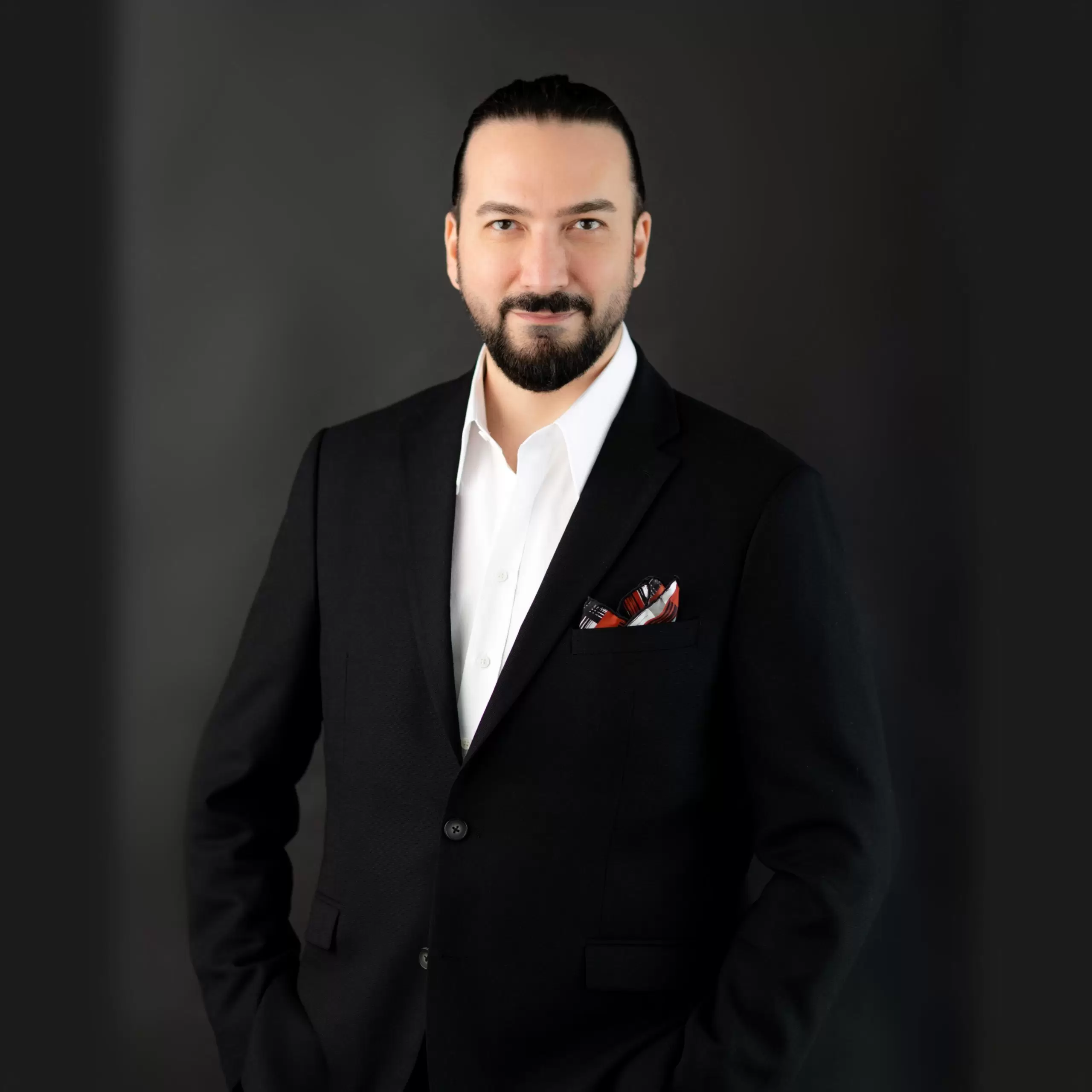
Prof. Dr. Murat Songu – Rhinoplasty (Nose Aesthetics) Specialist
Prof. Dr. Murat Songu was born in 1976 in Izmir and completed his medical education at the Ege University Faculty of Medicine. He then completed his residency training in the Department of Otorhinolaryngology at Celal Bayar University. Between 2005 and 2006, he received advanced training in rhinoplasty, functional nasal surgery, and skull base surgery in Bordeaux, France, working with leading rhinologists such as Prof. Vincent Darrouzet and Dr. Guy Lacher.
Prioritizing natural appearance, the preservation of breathing function, and facial aesthetic harmony, Prof. Dr. Songu is nationally and internationally recognized for his expertise in open rhinoplasty, piezo (ultrasonic) rhinoplasty, revision rhinoplasty, tipplasty, and functional septorhinoplasty. He has participated as an instructor and speaker at numerous rhinoplasty congresses worldwide.
With over 100 scientific publications, book chapters, and more than 1700 citations, Prof. Dr. Murat Songu is one of Türkiye’s most respected academics in the field of rhinoplasty, combining natural, facially harmonious, and functional results with scientific and aesthetic excellence.