Türkçe
 Deutsch
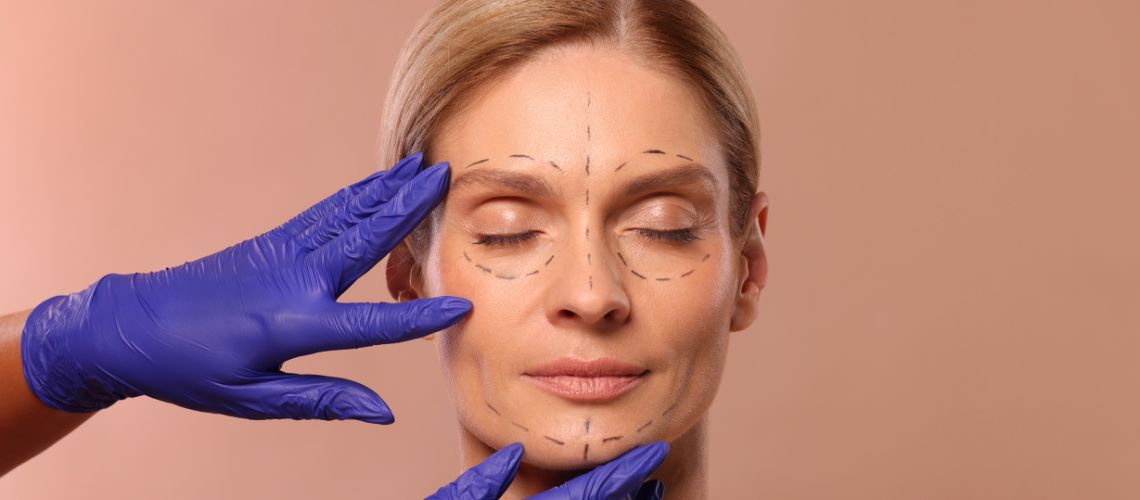
Dermal fillers are applied to areas of the face that have lost volume for rejuvenation and contour enhancement. The most commonly treated areas are the lips, cheekbones, chin, and nasolabial folds. Filler applications are minimally invasive and help achieve a natural appearance.
Under-eye light filler is preferred to reduce a tired appearance and create a more vibrant expression. Thin-consistency filler materials are applied safely in this area. Achieving natural results through personalized planning supports aesthetic harmony.
Chin and jawline fillers improve the harmony of the facial profile. Fillers are especially used to create balance in cases where the chin is recessed. This procedure contributes to correcting facial symmetry without the need for surgery.
Lip filler is applied both to add volume and to define the lip contour. A more balanced appearance is achieved in thin lips with filler. The safe and temporary nature of the filler materials used ensures natural results after the procedure.
Facial Filler Application Method
Facial filler is a method applied to various areas of the face according to the individual’s aesthetic expectations. This procedure, performed using fine needles and cannulas, is ideal for filling deep wrinkles and lines. No pain is felt during the use of needles and cannulas; therefore, anesthesia is not required. However, anesthetic creams may be preferred before the application to reduce any possible discomfort. These creams are applied to the treatment area 15-20 minutes before the procedure. The treatment duration varies depending on the number of areas where the filler will be applied. This process is generally completed within 10 to 20 minutes. The main areas where filler materials can be applied are as follows:
- Cheekbones
- Under-eye areas
- Lips
- Nasal bridge
- Nasal tip
- Chin area
Filler applications performed in these areas help the face gain a younger and more dynamic expression. Fillers restore lost volume and increase the individual’s self-confidence.
Types of Facial Fillers and Their Areas of Use
Filler materials preferred to enhance facial beauty in the world of aesthetics are available in various types. Hyaluronic acid and collagen are among the most popular options. Each of these substances has been specially developed to address aesthetic needs in different areas of the face. Hyaluronic acid adds volume to the subcutaneous tissue, while collagen contributes to skin renewal. Thanks to their biologically tolerable properties, these fillers are accepted by the body. However, since their effects are temporary, they may need to be repeated at certain intervals.
Hyaluronic acid fillers can be examined in three main categories according to their density:
- Low-density hyaluronic acid fillers
- Medium-density hyaluronic acid fillers
- High-density hyaluronic acid fillers
These fillers can be applied to various areas of the face according to the depth and volume needed by the skin. Application areas include:
- Wrinkles around the eyes
- Nasolabial folds
- Enhancement of the cheekbones
- Chin and jawline contouring
- Non-surgical rhinoplasty
Defining the lip contours and increasing their volume are also included. With these methods, facial contours become more defined, resulting in a younger and more dynamic appearance.
Definition and Characteristics of Collagen Fillers
Collagen fillers are an important method preferred to combat the effects of aging on the face. These fillers are used to restore volume loss, especially in the lips and cheekbones. These biologically compatible and absorbable substances are gradually absorbed by the body over time. Therefore, the aesthetic solution provided remains effective for a temporary period. The duration of effect generally varies between three and four months. However, this period may differ depending on the individual’s lifestyle and habits.
- Factors that may shorten the duration of effect:
- Smoking
- Excessive sun exposure
- Alcohol and recreational substance use
The application of these fillers is an ideal option for individuals who wish to achieve a younger and more vibrant facial appearance. Personal care and a healthy lifestyle may contribute to making these effects last longer. After the filler procedure, natural beauty is emphasized and the individual’s self-confidence is increased.
Possible Side Effects of Facial Fillers
While facial fillers are preferred to improve aesthetic appearance, they may also cause certain side effects. Mild and temporary side effects generally occur in the treated areas. These side effects include:
- Swelling
- Redness
- Bruising
- Itching
- Discoloration or sensitivity
These symptoms after filler application are considered a reaction of the treated area. In addition, although rare, some individuals may experience allergic reactions to filler materials. Since these reactions may lead to more serious health problems, individuals with a known allergy to filler substances are advised to avoid this treatment. Side effects that may occur after filler treatment are generally temporary and do not significantly affect the daily life of the person receiving the application.
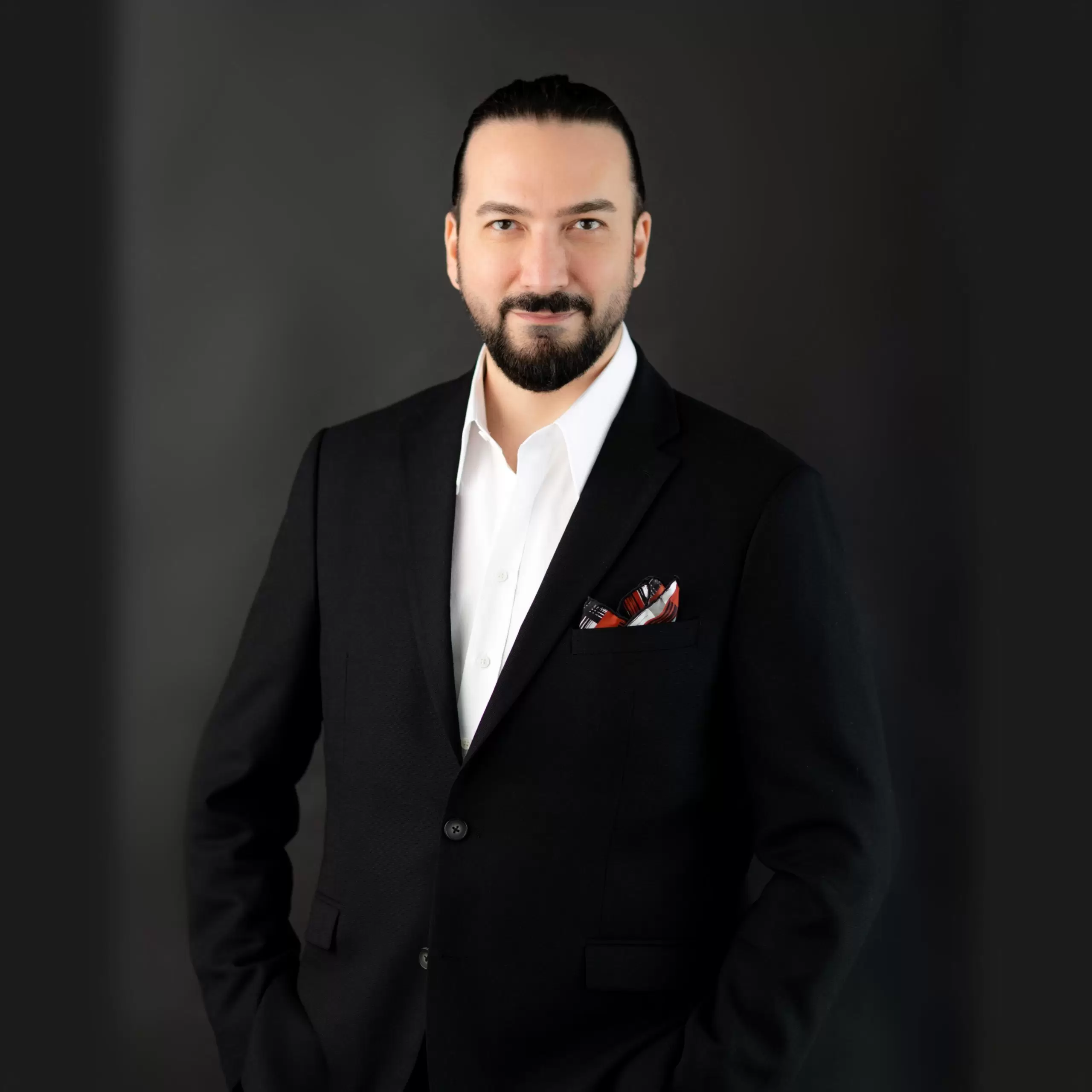
Prof. Dr. Murat Songu – Rhinoplasty (Nose Aesthetics) Specialist
Prof. Dr. Murat Songu was born in 1976 in Izmir and completed his medical education at the Ege University Faculty of Medicine. He then completed his residency training in the Department of Otorhinolaryngology at Celal Bayar University. Between 2005 and 2006, he received advanced training in rhinoplasty, functional nasal surgery, and skull base surgery in Bordeaux, France, working with leading rhinologists such as Prof. Vincent Darrouzet and Dr. Guy Lacher.
Prioritizing natural appearance, the preservation of breathing function, and facial aesthetic harmony, Prof. Dr. Songu is nationally and internationally recognized for his expertise in open rhinoplasty, piezo (ultrasonic) rhinoplasty, revision rhinoplasty, tipplasty, and functional septorhinoplasty. He has participated as an instructor and speaker at numerous rhinoplasty congresses worldwide.
With over 100 scientific publications, book chapters, and more than 1700 citations, Prof. Dr. Murat Songu is one of Türkiye’s most respected academics in the field of rhinoplasty, combining natural, facially harmonious, and functional results with scientific and aesthetic excellence.