Türkçe
Revision septorhinoplasty is performed on patients who have previously undergone nose surgery and continue to experience aesthetic or functional problems. This operation aims to improve quality of life by correcting both shape and breathing problems.
From a functional perspective, revision septorhinoplasty resolves problems such as septal deviation or intranasal narrowing. In this way, airway patency improves, and complaints such as nasal congestion and snoring are eliminated.
Aesthetic corrections may involve repairing nasal tip asymmetries, correcting the nasal hump, or repairing collapse deformities. Surgical planning is designed individually by taking the traces of the previous operation into account.
It should be understood that revision operations require a more delicate postoperative recovery process. Tissue healing may take longer, and the process should be closely monitored through regular medical check-ups. In this way, permanent and natural results are achieved.
What Is Revision Septorhinoplasty?
Revision septorhinoplasty is a second (or subsequent) surgery performed to correct structural, functional, or aesthetic problems that arise after a previous rhinoplasty or septoplasty operation. This procedure aims to reshape both the nose and its breathing function. It is generally a more complex operation that requires careful attention and is recommended to be performed by experienced surgeons.
What Is the Main Difference Between Revision Septorhinoplasty and the First Nose Surgery?
Revision septorhinoplasty is a repeat intervention performed on the nose of a person who has previously undergone surgery for nasal aesthetics or breathing problems (septorhinoplasty). We call the first operation a “primary” surgery. Revision surgery, on the other hand, is performed to “review” and improve the results of the first operation or resolve newly developed problems.
The greatest difference is the area in which the surgeon works. During the first operation, the nose is in its natural state. However, in revision surgery, the anatomy of the nose has changed because of the previous procedure. Healing tissues, namely scars, are present inside, and the supporting structures of the nose, particularly the cartilage, may have weakened or diminished. This makes the surgery more unpredictable and delicate. The surgeon must work by adapting to this altered structure.
In Which Situations Do Patients Need Revision Septorhinoplasty Surgery?
People may seek revision septorhinoplasty for different reasons. The main aim is to achieve the aesthetic appearance or comfortable breathing that could not be fully obtained during the first surgery. Sometimes, problems that develop over time after the first operation may also need to be corrected.
From an aesthetic perspective, persistent asymmetry in the shape of the nose, an unsatisfactory nasal tip position (being too upturned, drooping, wide, or pointed), collapse or a remaining hump on the nasal dorsum, the appearance of the nostrils, or an overall nasal size that is incompatible with the face may be reasons for revision.
From a functional perspective, the most common reason is difficulty breathing that persists despite the first operation or begins afterward. This condition may result from incomplete correction of the internal nasal curvature (septal deviation) or narrowing of the internal structures that provide airflow (the valve region).
What Can Increase the Likelihood of Revision Septorhinoplasty?
Of course, not everyone needs a second nose surgery. However, certain situations may slightly increase the likelihood of needing revision. For example, the reason for the first surgery is important. If the first operation was performed to correct a complex congenital deformity or entirely for aesthetic purposes, the need for revision may be slightly higher than after surgery performed only to resolve a simple breathing problem.
The extent of the first operation is also a factor. If extensive intervention was performed on the bones or cartilage, or if cartilage was taken from another area such as the rib for support, the situation may have become somewhat more complex.
Personal factors such as the patient’s age or certain medical conditions may also have a small statistical effect. However, it should be remembered that these are only general trends and every situation is individual.
How Common Is Revision Septorhinoplasty Surgery?
In general, the vast majority of people who undergo nose surgery do not need a second operation. Large-scale studies show that the revision rate among people undergoing nose surgery for the first time is generally around 3-4%. This is considered a relatively low rate.
However, there is an interesting point. If a person has already undergone a revision operation, meaning that they are having surgery for the second or third time, the likelihood of needing another revision increases significantly. This rate may exceed 10%. This shows us that each revision operation may be more complex than the previous one and that achieving the desired result can become more challenging.
Why Is Revision Septorhinoplasty Considered a More Complex Operation?
There are several important reasons why revision nose surgeries are more difficult. First, the healing tissue left from the previous operation, namely scar tissue, makes the procedure more challenging internally. This hardened tissue may conceal the normal anatomical planes and make it difficult for the surgeon to separate delicate structures.
Second, the natural anatomy of the nose has already changed. The bone and cartilage structures may have weakened, shifted, or been partially removed. The surgeon must adapt to this new and sometimes unexpected situation.
Third, the cartilage needed to reshape and support the nose may have been used during the first operation or may be insufficient. In this case, cartilage may need to be taken from the rib, making the operation more extensive.
Finally, repeated operations may affect the blood circulation and quality of the skin covering the nose. This is another factor that may influence the healing process and the result. All these reasons make revision septorhinoplasty an operation that requires greater experience and care.
What Type of Evaluation Is Performed Before Revision Septorhinoplasty?
A very careful evaluation process is carried out before deciding on revision surgery. The first step is a detailed consultation with you. Your doctor will try to understand your experience with the previous operation, your current complaints, what you like and dislike about your nose, and your expectations from this surgery. Establishing realistic goals is very important at this stage.
A comprehensive physical examination is then performed. Both the external structure of your nose (its shape, skin, and symmetry) and its internal structure (airway patency and septal condition) are carefully examined.
An examination is often performed to view the inside of the nose in greater detail. This allows the nasal cavities and air passages to be clearly visualized using a thin instrument with a camera at its tip.
Sometimes, especially in complex cases, computed tomography (CT) may be requested to better understand the bone and cartilage structure or identify additional problems, such as sinus issues. Standard photographs are also taken for planning.
What Do Open and Closed Techniques Mean in Revision Septorhinoplasty Surgery?
Revision nose surgeries can essentially be performed using two different approaches: the open technique or the closed technique.
In the open technique, an incision is made in the small bridge of skin between the nostrils (the columella). Through this incision, the surgeon can work more comfortably by directly viewing the cartilage and bone framework of the nose. This method is particularly advantageous when major changes or precise cartilage placements are required. The incision scar generally becomes barely noticeable over time.
In the closed technique, all incisions are made inside the nostrils. No visible external scar remains. Since less tissue is lifted, swelling and bruising may be slightly reduced. However, the surgeon’s field of vision and working area are more limited. It may be preferred for simpler corrections or specific problems.
The technique used varies depending on the procedure to be performed, the condition of the nose, and the surgeon’s preference. Since gaining full control over the internal structure is generally important in revision operations, the open technique may be used more frequently.
Why May Cartilage Need to Be Added During Revision Septorhinoplasty?
In revision nose surgeries, cartilage pieces called “grafts” frequently need to be added. The main reason is that the nose’s own supporting structures may have weakened or diminished during the previous operation or operations. Additional cartilage is needed to correct the shape of the nose, support collapsed areas, or strengthen the nasal tip.
This cartilage is generally taken from three main areas. The first is the septum, the nose’s own central partition, if it contains sufficient and healthy cartilage. The second is the auricle; ear cartilage is softer and more flexible. The third is the rib; rib cartilage is harder and available in larger quantities, so it is preferred when substantial support is required.
Whenever possible, using the patient’s own cartilage is always the first choice (autologous graft). However, if these sources are insufficient or cannot be used, specially processed cartilage from a cadaver (allograft) may sometimes be an option. Your surgeon will determine the most suitable graft source for your condition.
What Are the First Days and Weeks Like After Revision Septorhinoplasty?
The initial postoperative period requires some patience. During the first few days, swelling and bruising around the nose and under the eyes, mild pain, a sensation of pressure, and nasal congestion are entirely normal. Pain can generally be controlled easily with medication.
There will be a protective cast or plastic splint on your nose. This is generally removed 5 to 7 days after surgery. Sometimes silicone sheets (splints) or packing may be placed inside the nose to keep the airway open or support the septum. These are also generally removed within a few days.
During the first week, keeping your head as elevated as possible, for example by using several pillows while sleeping, helps the swelling subside more quickly. Applying intermittent cold compresses to your cheeks, but not directly to the nose, is also beneficial. Mild blood-tinged discharge from the nose may occur and is normal.
What Should Be Considered After Revision Septorhinoplasty, and When Can Normal Life Resume?
There are certain points you should consider during the recovery period. During the first few weeks, you should avoid strenuous activities, exercise, heavy lifting, straining, and bending forward. Your surgeon will tell you when you can return to normal activities, which generally takes several weeks.
It is very important to protect your nose from impacts. Therefore, you should stay away from contact sports, particularly during the first 6-8 weeks. If you wear glasses, you should be careful not to apply pressure to your nose during the early period and may need to wear them using a different method for some time.
Regularly using the nasal sprays or rinses recommended by your surgeon helps healing by cleaning the crusts inside the nose. Smoking is strictly discouraged because it seriously delays healing.
Returning to work or school is generally possible after the splint is removed, around 10 days, although this period may vary depending on the type of work you do. Feeling completely normal and having all restrictions lifted may take several months.
When Does Swelling Completely Subside and When Do the Results Become Clear After Revision Septorhinoplasty?
The swelling may take slightly longer to subside and the nose to reach its final shape after revision surgery. During the first few weeks, noticeable swelling and bruising decrease rapidly, and the general contours of your nose begin to emerge. Most bruising generally disappears within 2 weeks.
However, complete resolution of the subtle swelling beneath the skin and full settling of the tissues take time. This process generally lasts at least one year. In some cases, particularly in areas such as the nasal tip or in people with thick skin, it may take 1.5-2 years to see the final result.
During this period, slight fluctuations in swelling may occur, and you may feel somewhat more swollen in the mornings. The nasal tip is the area where swelling subsides last. Therefore, it is important to be patient and remember that at least one year is needed to evaluate the final result. The appearance you see when the splint is removed is not the final form of your nose; refinement and settling will continue for months.
Are There Risks Associated With Revision Septorhinoplasty Surgery?
As with every surgical intervention, revision septorhinoplasty has certain potential risks. Since the procedure is performed on tissue that has already undergone surgery, these risks may be slightly higher than with the first operation.
Possible risks include postoperative bleeding, infection, scar-related problems, particularly the external scar associated with the open technique or internal adhesions, and general risks related to anesthesia.
Nose-specific complications may include persistent or recurrent difficulty breathing, unwanted asymmetries in the shape of the nose, sensory changes, generally temporary numbness, and the formation of a hole in the nasal septum (septal perforation). If cartilage grafts are used, problems such as resorption, warping, or displacement may rarely occur over time.
When performed under appropriate conditions by an experienced surgeon, these risks are quite low. Your doctor will discuss all possible risks with you before surgery.
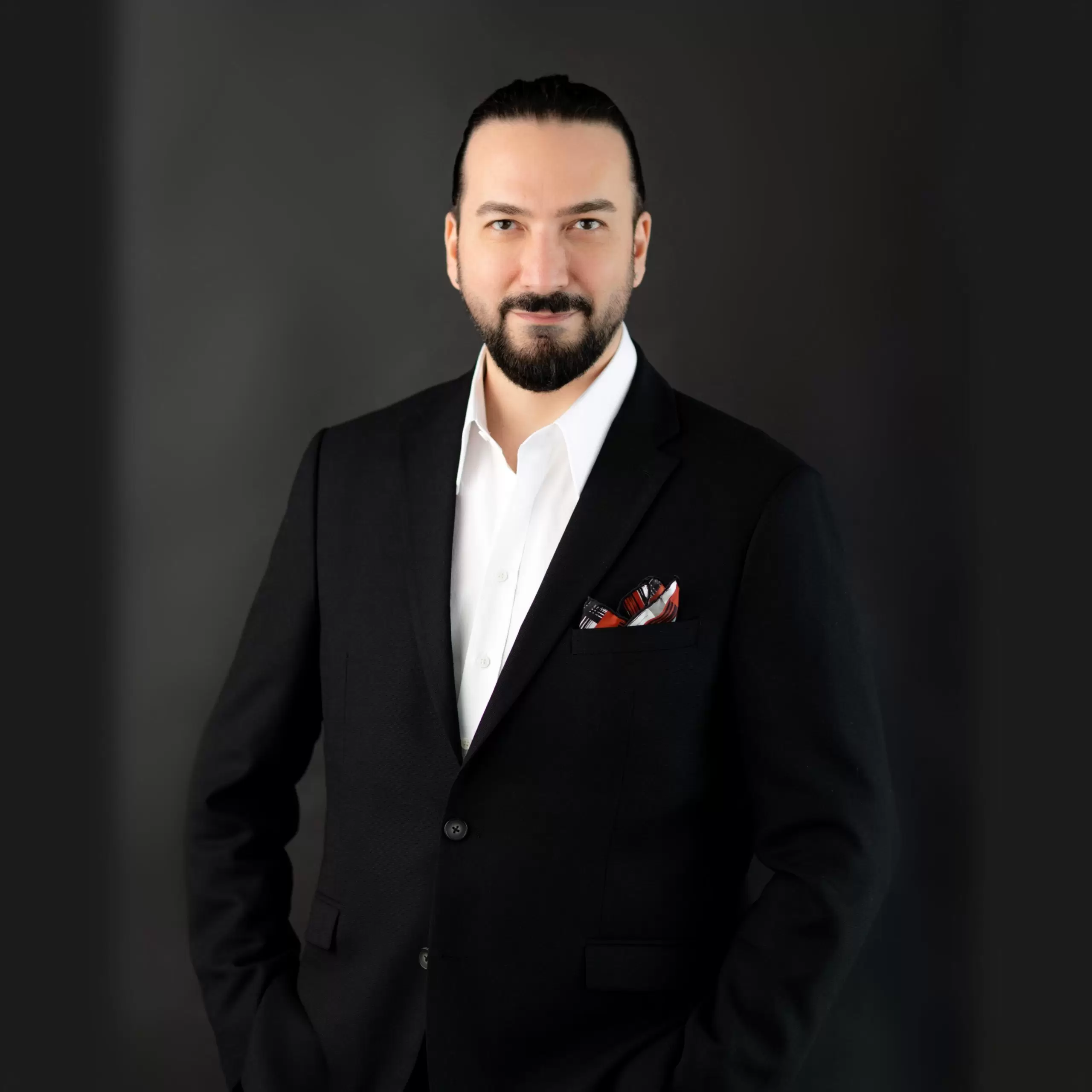
Prof. Dr. Murat Songu – Rhinoplasty (Nose Aesthetics) Specialist
Prof. Dr. Murat Songu was born in 1976 in Izmir and completed his medical education at the Ege University Faculty of Medicine. He then completed his residency training in the Department of Otorhinolaryngology at Celal Bayar University. Between 2005 and 2006, he received advanced training in rhinoplasty, functional nasal surgery, and skull base surgery in Bordeaux, France, working with leading rhinologists such as Prof. Vincent Darrouzet and Dr. Guy Lacher.
Prioritizing natural appearance, the preservation of breathing function, and facial aesthetic harmony, Prof. Dr. Songu is nationally and internationally recognized for his expertise in open rhinoplasty, piezo (ultrasonic) rhinoplasty, revision rhinoplasty, tipplasty, and functional septorhinoplasty. He has participated as an instructor and speaker at numerous rhinoplasty congresses worldwide.
With over 100 scientific publications, book chapters, and more than 1700 citations, Prof. Dr. Murat Songu is one of Türkiye’s most respected academics in the field of rhinoplasty, combining natural, facially harmonious, and functional results with scientific and aesthetic excellence.