Türkçe
 Deutsch
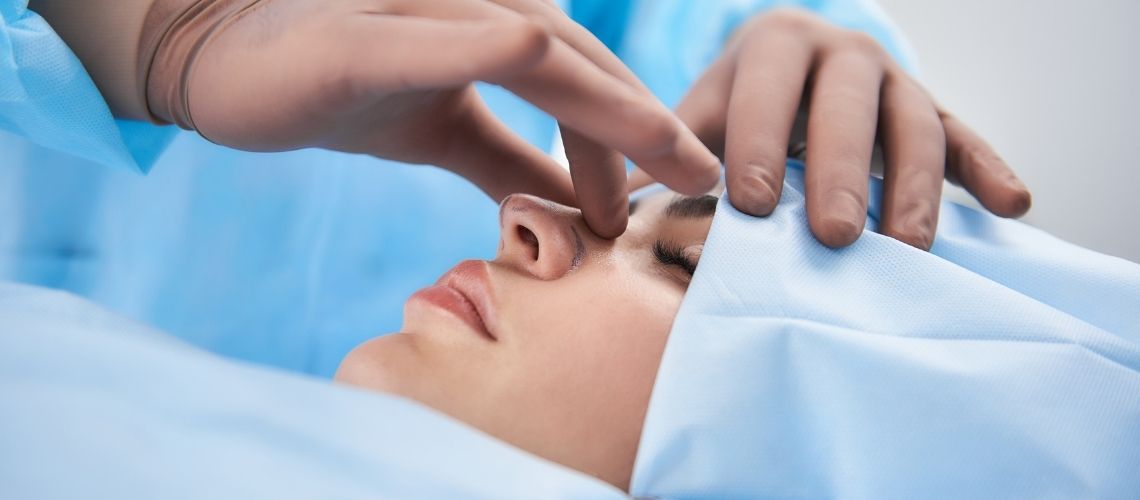
Rhinoplasty surgery aims to improve breathing function as well as aesthetic appearance. The procedure is planned according to the patient’s facial structure and performed on an individual basis.
A detailed preoperative examination, photographic analysis, and accurately defining expectations increase the success of the process. The procedure is generally performed under general anesthesia.
Swelling, bruising, and mild pain are normal during the first few days after surgery. With regular care and follow-up appointments, these complaints usually decrease within a short period.
Rhinoplasty provides permanent results. With the correct surgical technique, a natural, functional nose that is harmonious with the face can be achieved.
Risks of Rhinoplasty
Like any surgical procedure, rhinoplasty also carries certain risks. Being aware of the possible risks associated with rhinoplasty surgery is extremely important for the patient. One of the primary risks is bleeding. However, this is generally not severe bleeding that poses a life-threatening risk. The risk of infection should also not be overlooked.
In addition, some risks specific to rhinoplasty surgery include:
- Difficulty breathing through the nose.
- Permanent numbness in and around the nose.
- The formation of an uneven-looking nose.
- Prolonged pain, discoloration, or swelling.
- Scar formation.
- The development of a hole in the wall between the left and right nostrils.
- The need for an additional surgery.
- Changes in the sense of smell.
In addition, there is a possibility that the desired aesthetic results may not be fully achieved in some patients after rhinoplasty. However, this depends on many factors, including patient expectations and physical conditions. Therefore, great care should be taken regarding medical advice and the patient information process. Anyone considering rhinoplasty should take these risks into account and make an informed decision under the guidance of their healthcare provider.
What Happens During Surgery?
Rhinoplasty is a process customized according to the individual’s specific needs and expectations. Surgeons design each rhinoplasty procedure specifically for the patient’s anatomy and goals. The type of anesthesia used varies depending on the complexity of the surgery. Local anesthesia with sedation is generally preferred for simpler procedures. With this method, regional anesthesia is administered to the patient, and it does not induce deep sleep; it only creates a feeling of numbness.
General anesthesia is used when the surgery is more extensive. When general anesthesia is administered, the anesthesiologist numbs the patient’s entire body and causes a loss of consciousness. The anesthesiologist uses a breathing tube because the individual will be completely asleep.
During the operation, an incision that is generally not visible from the outside is made in the area where the rhinoplasty will be performed. The nasal surgeon then reshapes the nasal cartilage and bones into the desired form. While doing so, the natural structure of the nose and the existing tissues are taken into consideration.
Rhinoplasty Techniques
Rhinoplasty, also known as nose reshaping surgery, has undergone significant evolution throughout history. Since the first aesthetic procedure described by John Roe in 1887, the procedure has changed considerably. Two main techniques stand out in this surgery: open rhinoplasty and closed rhinoplasty. Open rhinoplasty provides a wider surgical view, whereas closed rhinoplasty is completed in a shorter time but requires greater surgical skill. In both methods, the key to success depends on the surgeon’s experience and expertise.
Piezo rhinoplasty is a technique performed using an ultrasonic bone-cutting device. The distinguishing feature of this approach is that it does not damage the soft tissues. Tip plasty refers to a procedure specifically targeting the nasal tip. This method addresses aesthetic concerns of the nasal tip and generally offers a faster recovery period. Secondary rhinoplasty is performed to correct problems that develop after a previous rhinoplasty and generally requires a more complex procedure.
Albert Einstein‘s quote, “Once we accept our limits, we go beyond them,” reflects the essence of rhinoplasty. It symbolizes the desire to overcome one’s physical limitations by first accepting them. Profiloplasty is a comprehensive approach aimed at improving the individual’s facial profile. Along with rhinoplasty, the aesthetic proportions of facial areas such as the forehead, chin, and lips are also taken into consideration. Rhinoplasty is a procedure performed to reveal the best version of the individual.
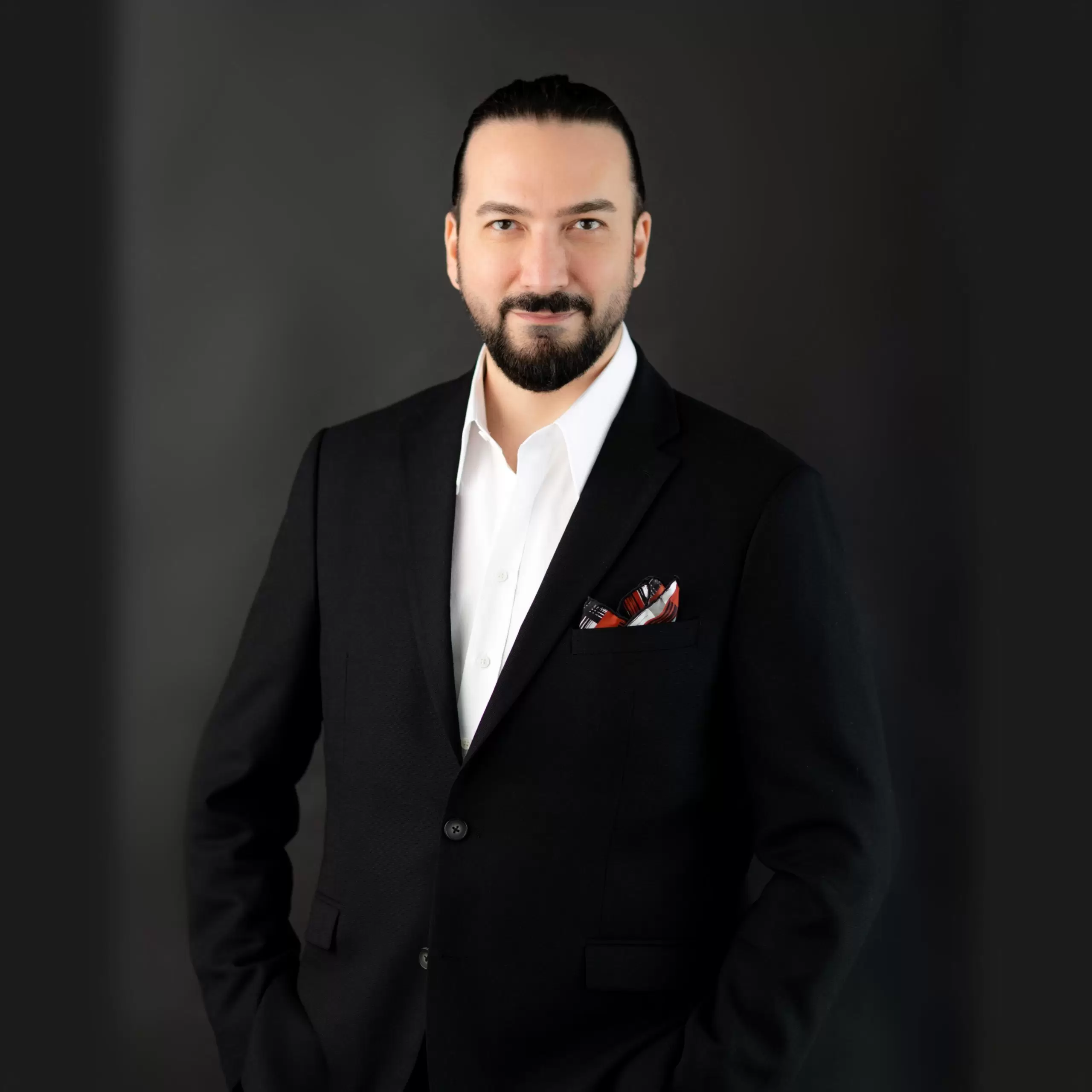
Prof. Dr. Murat Songu – Rhinoplasty (Nose Aesthetics) Specialist
Prof. Dr. Murat Songu was born in 1976 in Izmir and completed his medical education at the Ege University Faculty of Medicine. He then completed his residency training in the Department of Otorhinolaryngology at Celal Bayar University. Between 2005 and 2006, he received advanced training in rhinoplasty, functional nasal surgery, and skull base surgery in Bordeaux, France, working with leading rhinologists such as Prof. Vincent Darrouzet and Dr. Guy Lacher.
Prioritizing natural appearance, the preservation of breathing function, and facial aesthetic harmony, Prof. Dr. Songu is nationally and internationally recognized for his expertise in open rhinoplasty, piezo (ultrasonic) rhinoplasty, revision rhinoplasty, tipplasty, and functional septorhinoplasty. He has participated as an instructor and speaker at numerous rhinoplasty congresses worldwide.
With over 100 scientific publications, book chapters, and more than 1700 citations, Prof. Dr. Murat Songu is one of Türkiye’s most respected academics in the field of rhinoplasty, combining natural, facially harmonious, and functional results with scientific and aesthetic excellence.