Türkçe
 Deutsch
A nasal splint is a medical device used after rhinoplasty to preserve the shape of the nose and support the healing process. It stabilizes the nasal tissues, reduces swelling, and helps ensure long-lasting surgical results.
The splint is generally kept in place during the first week after surgery. During this period, care should be taken to avoid trauma to the nose and to prevent the splint from shifting. It is removed by the physician during routine follow-up appointments.
A nasal splint also helps control postoperative bleeding and swelling. By protecting the nasal structure from external influences, it contributes to proper healing.
After the splint is removed, the nose may still be sensitive. Therefore, avoiding pressure on the nose, postponing the use of glasses, and protecting the nose from sunlight all contribute positively to the recovery process.
What Is a Nasal Splint?
A nasal splint is a medical device that stabilizes the nasal structure after nasal surgical procedures. It is used following cosmetic or functional nasal operations to help the nasal tissue maintain its new shape and heal properly. After surgery, the nose may be reshaped using different techniques to improve both its aesthetic appearance and respiratory function.
A nasal splint provides support to the nasal tissues after surgery. It also plays an effective role in the treatment of trauma or fractures and in correcting congenital or acquired deformities. These splints are generally made of two-piece plastic and are designed to fit the structure of the nose. In addition to plastic, splints made from different materials such as aluminum or silicone are also available. Special materials such as polytetrafluoroethylene (PTFE), also known as Teflon, are also used in the production of nasal splints. The surgeon will decide which material should be used.
Nasal splints can be divided into two main categories: external and internal splints.
- External splints generally consist of two pieces made of metal or plastic that extend along the entire length of the nose. They are secured with surgical tape and help maintain the shape of the nose. They also aim to minimize swelling. These types of splints are preferred in most nasal surgeries.
- Internal splints are more commonly used after septoplasty, which is surgery performed to correct a deviated septum. Made from two-piece plastic or flexible material, these splints are placed inside the nose to support the septum, the wall between the nostrils.
The use of a nasal splint varies depending on the type of surgery and the procedure performed. Once the nose has been reshaped, the stability provided by these splints allows the tissues to heal in the correct position. These devices, which protect the nose throughout the healing process, play an important role in the success of both aesthetic and functional outcomes. Especially during the first weeks after surgery, a nasal splint is indispensable for maintaining the new shape of the nose and ensuring successful healing. In this way, patients can experience a more comfortable recovery after the operation.
When Is It Necessary?
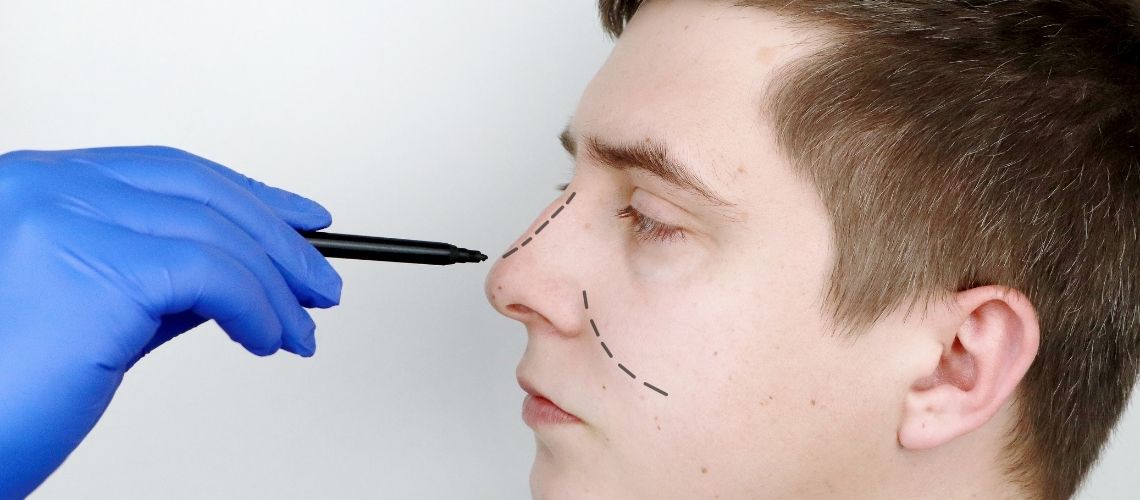
A nasal splint is a medical device needed after surgical procedures that correct the form and function of the nasal region. Whether performed for aesthetic concerns or other purposes, it supports the proper healing of the nasal tissues.
Septoplasty is a procedure performed to correct the septum, the cartilage between the nostrils. This operation corrects a deviated septum that interferes with proper airflow through the nose. The surgeon straightens the septum as much as possible to help the patient breathe comfortably. During the healing process, internal nasal splints are generally used to ensure that the septum remains in place.
Rhinoseptoplasty is a method preferred for more severe cases of a deviated septum. During this procedure, the septum is corrected and the nose is reshaped. In some cases, a donated cartilage graft is used to preserve the shape of the nose. In such cases, the surgeon determines which type of nasal splint is required.
Rhinoplasty is a cosmetic procedure intended to change the shape of the nose. It includes procedures such as reducing the size of the nose, changing its angle, and narrowing the nasal bridge. An external nasal splint is generally required to maintain the new shape and ensure proper healing.
The use of a nasal splint improves patient comfort while also reducing the risk of possible postoperative complications. Thanks to this medical support, patients can return to their daily lives more quickly after surgery. Depending on the procedure performed and the patient’s individual needs, either an internal or external nasal splint may be preferred. Both types of splints are designed to help the nasal tissues adapt to their new shape and heal in a stable manner.
As a result, a nasal splint is an important medical device used in operations such as septorhinoplasty, rhinoseptoplasty, and rhinoplasty, helping patients experience a healthier and more comfortable recovery. During the postoperative period, the proper use and care of these splints are critical to achieving a successful outcome.
Does the Nose Swell After the Splint Is Removed?
Swelling may occur in the nasal area after the splint is removed. This is considered a normal part of the tissue healing process. The swelling generally begins to decrease within a few weeks after splint removal. The complete healing process may vary from person to person.
Can You Sleep on Your Side While Wearing a Nasal Splint?
Sleeping on your side while wearing a nasal splint is not recommended because this position may place pressure on the nose and cause damage. Side sleeping may also lead to nasal congestion and increased swelling. Therefore, sleeping on your back is recommended to promote healing and protect the nose. Keeping the head slightly elevated also helps regulate blood flow to the nose and minimizes swelling.
Can You Take a Shower While Wearing a Nasal Splint?
It is possible to take a shower while wearing a nasal splint. However, it is important to prevent the splint from coming into contact with water. The nasal area should be kept dry while showering. Additional precautions may be taken to keep the splint from getting wet.
What Should I Do If My Nasal Splint Comes Off by Itself?
If your nasal splint comes off on its own, the most appropriate approach is to contact your doctor immediately. If necessary, your doctor can reposition the splint in the office. Keeping the splint in the correct position is important for the successful completion of the healing process. Therefore, if the splint becomes displaced, you should take action without delay.

Prof. Dr. Murat Songu – Rhinoplasty (Nose Aesthetics) Specialist
Prof. Dr. Murat Songu was born in 1976 in Izmir and completed his medical education at the Ege University Faculty of Medicine. He then completed his residency training in the Department of Otorhinolaryngology at Celal Bayar University. Between 2005 and 2006, he received advanced training in rhinoplasty, functional nasal surgery, and skull base surgery in Bordeaux, France, working with leading rhinologists such as Prof. Vincent Darrouzet and Dr. Guy Lacher.
Prioritizing natural appearance, the preservation of breathing function, and facial aesthetic harmony, Prof. Dr. Songu is nationally and internationally recognized for his expertise in open rhinoplasty, piezo (ultrasonic) rhinoplasty, revision rhinoplasty, tipplasty, and functional septorhinoplasty. He has participated as an instructor and speaker at numerous rhinoplasty congresses worldwide.
With over 100 scientific publications, book chapters, and more than 1700 citations, Prof. Dr. Murat Songu is one of Türkiye’s most respected academics in the field of rhinoplasty, combining natural, facially harmonious, and functional results with scientific and aesthetic excellence.