Türkçe
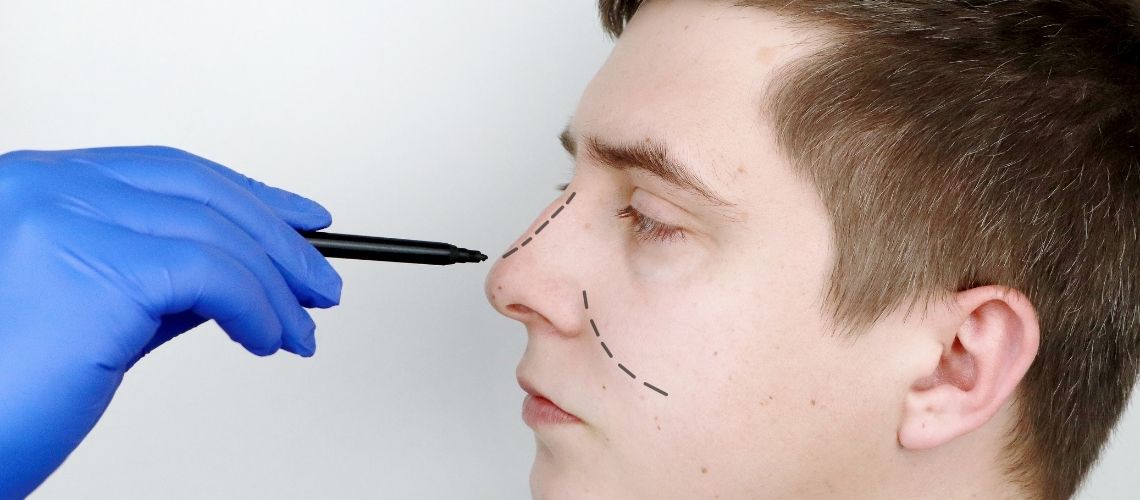
In individuals under the age of 18, rhinoplasty may be considered due to nasal deformities or functional problems. Research has shown that rhinoplasty and septoplasty procedures performed in children and adolescents are safe and do not have negative effects on nasal and facial development. Large-scale studies have demonstrated that these operations have low complication rates. However, the individual’s physical development and psychological maturity are of great importance for such an operation to be performed. The decision-making process requires careful evaluation, and each individual’s situation is unique. Therefore, it is essential to proceed in accordance with medical necessities and specialist opinion.
What Factors Determine Eligibility for Nose Surgery in Minors?
Before rhinoplasty is performed on minors, many factors are carefully evaluated. Physical development, emotional maturity, and family approval are the main elements that determine this decision:
- Nasal development should be complete
- The motivation for surgery should be realistic
- Family approval should be obtained
In the decision regarding rhinoplasty, it is critically important that the individual is emotionally ready for the surgical process in addition to being physically mature. During this process, the candidate is encouraged to communicate openly with the surgeon, and psychological support may be required.
What Are the Potential Benefits of Rhinoplasty for Young People?
Rhinoplasty can provide important benefits for young individuals both aesthetically and functionally. This surgery not only improves appearance but also enhances quality of life by providing greater self-confidence and physical comfort:
- Making the nose harmonious with the facial features
- Achieving a visually balanced facial structure
- Providing greater self-confidence in social life
- Making natural breathing easier
- Eliminating nasal congestion
- Correcting congenital nasal deformities
Rhinoplasty procedures positively affect the physical and psychological health of young individuals by addressing both the aesthetic and functional aspects of the nose. During this process, it is of great importance to conduct an accurate evaluation under the supervision of specialist doctors and to adopt an approach suited to the individual’s needs.

What Risks Are Associated with Nose Surgery in Patients Under the Age of 18?
Rhinoplasty in individuals under the age of 18 is a subject that should be handled carefully in terms of both its physical and psychological dimensions. Nose surgery in this age group may involve certain risks, and it is important to be aware of them. Some possible risks associated with nose surgery for individuals in this age group include:
- Infection
- Bleeding
- Side effects related to anesthesia
- Surgical scars
- Nerve damage
- Breathing difficulties
In addition, surgical interventions may create additional risks in young individuals whose facial and nasal development is still continuing. Conditions that may affect the development of the nasal and facial structures include:
- Negative effects on nasal development
- Disruption of facial proportions
- Incorrect timing
Psychological preparation is also of great importance for young individuals considering rhinoplasty. During this process, the individual needs to understand the effects and outcomes of the surgery. In addition, family support and guidance from specialists help ensure that the decision regarding surgery is made correctly. Proceeding with realistic expectations during the postoperative period will reduce the risk of dissatisfaction.
How Should a Minor Prepare for Rhinoplasty?
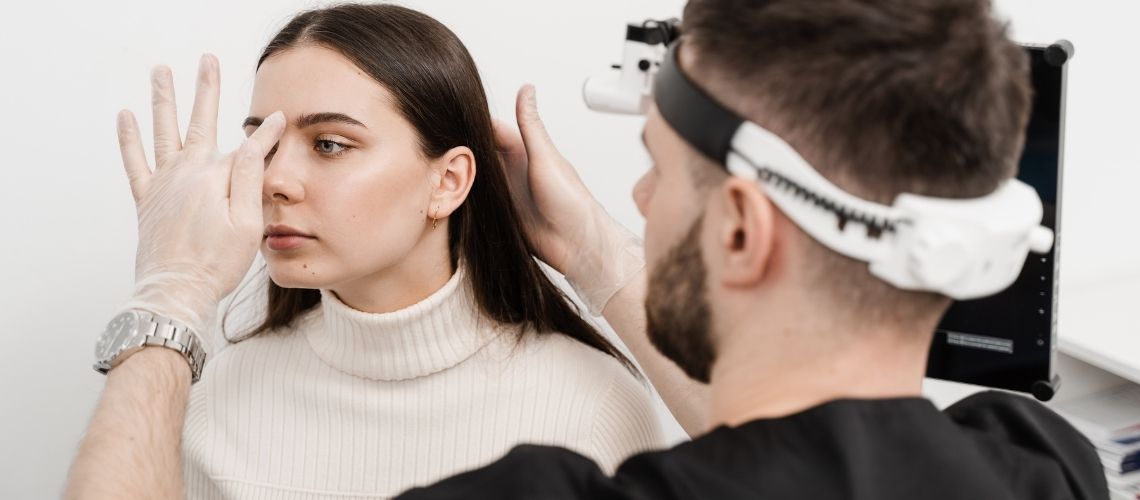
The preparation process for rhinoplasty in individuals under the age of 18 begins with careful evaluation of both physical and emotional factors. The individual’s suitability for surgery is related to their physical developmental status and psychological maturity. In addition, the surgeon’s experience and detailed planning of the process are critically important for a successful outcome:
Surgeon Selection:
- Specialized in the field
- Experienced
- Reliable
Initial Evaluation:
- Examination of the nasal structure
- Assessment of the health condition
- Whether the development process has been completed
Understanding the Surgical Process:
- Techniques to be used
- Type of anesthesia
- Potential risks
Parental Involvement and Approval:
- Legal consent
- Active involvement in the process
- Psychological support
Preoperative Preparation:
- Medication adjustments
- Stopping smoking and alcohol consumption
- Improving the health condition
Preparations for the Recovery Process:
- Obtaining the necessary supplies for home
- Paying attention to signs of complications
During the rhinoplasty process, it is important for the individual’s own wishes to be clear, just as it is important to choose the right surgeon. It should not be forgotten that this surgery is not only an aesthetic procedure but also a physical and emotional recovery process. With family support and specialist guidance, this process progresses in a healthier and smoother manner.
What Is the Recovery Process Like After Nose Surgery for Young People?
The recovery process after rhinoplasty consists of certain stages and progresses at a different pace for each individual. Both physical and emotional care are important during this process. The points that should be considered from the first days onward and the recovery details in later periods are as follows:
- Swelling is noticeable during the first week.
- Bruising is concentrated around the eyes.
- Nasal packing or splints remain in place.
From the second week onward:
- Swelling decreases.
- Stitches are removed in cases where non-dissolvable sutures are used.
- Movement restrictions continue.
During the third and fourth weeks:
- Light daily activities may be performed.
- Swelling decreases considerably.
- Physical activities are still restricted.
Within one year:
- The shape of the nose fully settles.
- Emotional support may be required.
- Protection from the sun is important.
One of the most important factors during the recovery process is how the individual manages this period. Strictly following both hygiene and care instructions is critically important for a fast and smooth recovery. In addition, being prepared for questions from the social environment and obtaining professional support when necessary may help young people get through this period more comfortably from a psychological perspective.
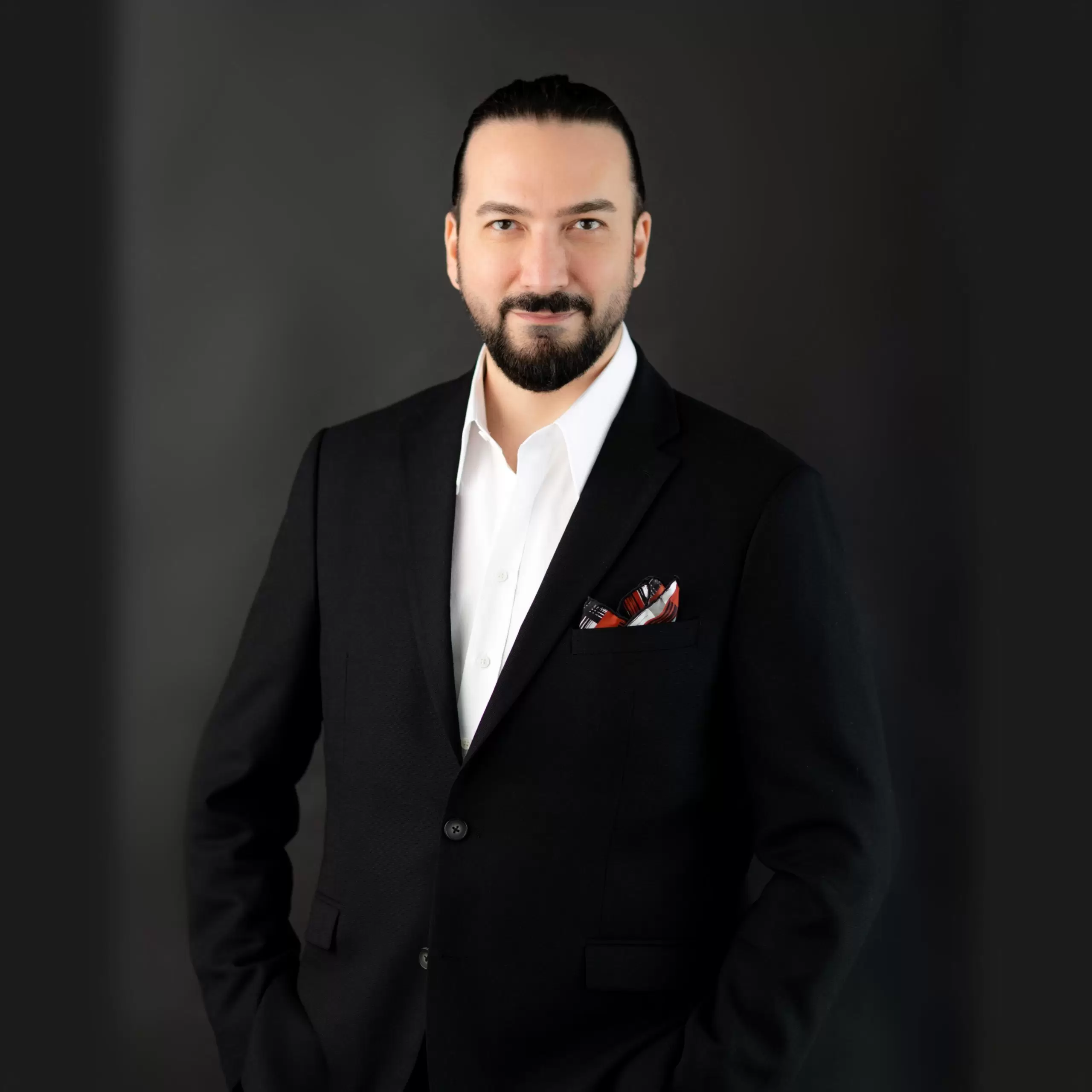
Prof. Dr. Murat Songu – Rhinoplasty (Nose Aesthetics) Specialist
Prof. Dr. Murat Songu was born in 1976 in Izmir and completed his medical education at the Ege University Faculty of Medicine. He then completed his residency training in the Department of Otorhinolaryngology at Celal Bayar University. Between 2005 and 2006, he received advanced training in rhinoplasty, functional nasal surgery, and skull base surgery in Bordeaux, France, working with leading rhinologists such as Prof. Vincent Darrouzet and Dr. Guy Lacher.
Prioritizing natural appearance, the preservation of breathing function, and facial aesthetic harmony, Prof. Dr. Songu is nationally and internationally recognized for his expertise in open rhinoplasty, piezo (ultrasonic) rhinoplasty, revision rhinoplasty, tipplasty, and functional septorhinoplasty. He has participated as an instructor and speaker at numerous rhinoplasty congresses worldwide.
With over 100 scientific publications, book chapters, and more than 1700 citations, Prof. Dr. Murat Songu is one of Türkiye’s most respected academics in the field of rhinoplasty, combining natural, facially harmonious, and functional results with scientific and aesthetic excellence.