Türkçe
 Deutsch
 Nederlands
 العربية
 Español
 Svenska
A deviated septum occurs when the nasal septum is misaligned, leading to breathing difficulties. Septoplasty is the surgical correction that straightens the septum and improves airflow through the nasal passages.
The procedure involves removing or reshaping cartilage and bone obstructing the airway. It is commonly performed under local or general anesthesia, with minimal external changes to nasal appearance.
Recovery is usually quick, with swelling and mild bleeding subsiding within days. Most patients can return to daily activities within a week, provided they avoid strenuous effort during healing.
Long-term benefits include better breathing, reduced snoring, and improved sleep quality. A successful septoplasty significantly enhances both health and quality of life.
| Definition | Septoplasty is a surgical procedure performed to correct a deviated nasal septum, improving airflow through the nasal passages. |
| Purpose | The primary goal is to straighten the nasal septum, relieve nasal obstruction, and improve breathing while preserving the structural support of the nose. |
| What Is a Deviated Septum? | A deviated septum occurs when the wall separating the two nasal passages is displaced to one side, partially or completely obstructing airflow. |
| Common Symptoms | Symptoms may include chronic nasal congestion, difficulty breathing through one or both nostrils, frequent nosebleeds, facial pressure, snoring, recurrent sinus infections, and disturbed sleep. |
| Causes | Septal deviation may be present from birth, result from facial trauma, or develop as part of the natural aging process. |
| Suitable Candidates | Septoplasty may be recommended for individuals with persistent nasal obstruction or related symptoms that do not improve with appropriate medical treatment. |
| Preoperative Evaluation | Assessment typically includes a medical history, physical examination, nasal endoscopy when indicated, and evaluation of the severity of septal deviation and associated nasal conditions. |
| Anesthesia | The procedure is usually performed under general anesthesia, although local anesthesia with sedation may be appropriate in selected cases. |
| Surgical Technique | The surgeon makes incisions inside the nose, lifts the mucosal lining, reshapes, repositions, or removes the deviated portions of cartilage and bone, and then repositions the lining over the corrected septum. |
| External Scarring | Septoplasty is performed through internal nasal incisions, so it does not leave visible external scars. |
| Procedure Duration | The operation typically takes 30–90 minutes, depending on the complexity of the deviation and whether additional procedures are performed. |
| Combined Procedures | Septoplasty may be combined with turbinate reduction, functional sinus surgery, or rhinoplasty when both functional and cosmetic concerns are present. |
| Recovery | Mild swelling, nasal congestion, light bleeding, and discomfort are common during the first few days. Most patients return to normal daily activities within about one week, depending on their recovery. |
| Postoperative Care | Patients should avoid strenuous activity, heavy lifting, nose blowing, and nasal trauma during the initial healing period. Saline nasal sprays and prescribed medications may help support recovery. |
| Expected Results | Most patients experience improved nasal airflow, easier breathing, and a reduction in symptoms once healing is complete. |
| Possible Risks | Potential risks include bleeding, infection, septal perforation, persistent nasal obstruction, changes in nasal shape, decreased sense of smell, adhesions, numbness, or the need for additional surgery. |
| Long-Term Outlook | Septoplasty generally provides lasting improvement in nasal breathing, although outcomes depend on healing, the severity of the original deviation, and any coexisting nasal conditions. |
| When to Seek Medical Attention | Contact your healthcare provider if you experience heavy bleeding, high fever, severe pain not relieved by medication, worsening swelling, signs of infection, or persistent breathing difficulty after surgery. |
What Causes a Nasal Septum Deviation?
A nasal septum deviation can result from various congenital or acquired factors that lead to bending of the septum. These factors may affect a person’s quality of life and cause breathing difficulties.
Congenital Causes:
- Developmental abnormalities in the womb
- Pressure on the nose during birth
Traumatic Causes:
- Sports injuries
- Traffic accidents
- Sudden falls
- Physical fights
- Impacts during childhood play
Even minor blows can eventually lead to a septal deviation over time. In some cases, the individual may not even realize a trauma occurred yet experience a shift in the septum. Hence, a nasal septum deviation may not always have a clear cause.
How Is Nasal Septum Deviation Diagnosed?
Diagnosing a nasal septum deviation involves a detailed clinical evaluation and various diagnostic methods. The doctor listens to the patient’s complaints and performs a physical examination. If necessary, advanced imaging and diagnostic tools are used:
- Patient complaints: Nasal congestion, difficulty breathing, snoring, frequently recurring sinusitis.
- Physical examination: The inside of the nose is inspected for mucosal structures and septal curvature.
- Anterior rhinoscopy: A visual assessment of the nasal passages using a light source and speculums.
- Nasal endoscopy: A flexible or rigid endoscope is used for a more detailed examination when needed.
- Imaging and diagnostic methods also play a key role:
- Computed tomography (CT): Cross-sectional images to analyze the septal deviation.
- Acoustic rhinometry: Assessment of airflow within the nose.
- Rhinomanometry: Measurement of airflow strength and resistance during breathing.
- Nasal spectral sound analysis: An indirect measurement of blockages in airflow.
The most critical step in diagnosing a nasal septum deviation is carefully evaluating both the physical findings and the patient’s symptoms. Endoscopy and imaging techniques give doctors detailed information on the degree of septal curvature, providing a solid basis for properly treating the patient’s complaints.
What Are the Treatment Options for Nasal Septum Deviation?
Treatment options for a nasal septum deviation include both surgical and non-surgical methods, depending on the patient’s symptoms and the severity of the deviation. Non-surgical treatments are typically used for milder symptoms, while more serious cases may require surgery.
Non-Surgical Treatments:
- Decongestants
- Nasal corticosteroid sprays
- Antihistamines
Surgical Treatment:
- Septoplasty
Non-surgical methods generally aim to reduce nasal congestion but do not address the root cause of the problem. Septoplasty corrects the twisted septum to permanently improve airflow and can enhance quality of life in the long term. Therefore, the choice of treatment depends on symptom severity and patient expectations.
How Is a Nasal Septum Deviation Surgery (Septoplasty) Performed?
Septoplasty is a surgical procedure carried out to correct the crooked nasal septum. It aims to eliminate problems such as difficulty breathing and nasal congestion, and is usually performed under general or local anesthesia.
Types of Anesthesia:
- Local anesthesia
- General anesthesia
Surgical Steps:
- Carefully opening the nasal mucosa
- Accessing the deviated portion of the septum
- Straightening the cartilage and bone tissue
- Removing excess tissue if necessary
- Repositioning the mucosa
- Closing with sutures
Post-Operative Support Devices:
- Nasal splints
- Tampons
During the operation, the surgeon preserves the internal nasal structure and typically leaves no external scar. Following the doctor’s advice during recovery speeds up healing. In the first days, rest is recommended, and heavy activities should be avoided to prevent nasal bleeding; proper nasal care is also important. Saline sprays can be used for moisturizing, but vigorous nasal cleaning is not advised.
What Are the Possible Risks and Benefits of Septoplasty?
Septoplasty surgery is a procedure performed to correct a crooked nasal septum. As with any surgery, there are certain risks and complications. However, a successful septoplasty can offer numerous benefits to patients.
Possible Risks:
- Bleeding
- Infection
- Septal hematoma or abscess
- Septal perforation
- Adhesions in nasal tissues
- Nasal shape deformities
- Loss of smell
- Temporary numbness
Expected Benefits:
- Easier nasal breathing
- Improved sleep pattern
- Reduced snoring
- Decrease in sinus infections
- Relief of facial and headache pain
The goal of septoplasty is to improve quality of life by addressing nasal obstruction complaints. Regular doctor check-ups following surgery help ensure a quicker and smoother recovery. Thus, it is essential for patients to follow their doctor’s recommendations both before and after the procedure.
Frequently Asked Questions
Septum deviation (septoplasty) surgery: when is septoplasty recommended for a deviated septum?
Septum deviation (septoplasty) surgery: how does a deviated septum affect breathing?
Septum deviation (septoplasty) surgery: what happens during the procedure?
Septum deviation (septoplasty) surgery: can septoplasty be combined with rhinoplasty?
Septum deviation (septoplasty) surgery: how long does recovery usually take?
Septum deviation (septoplasty) surgery: what are the most common symptoms of a deviated septum?
Septum deviation (septoplasty) surgery: are there risks associated with the procedure?
Septum deviation (septoplasty) surgery: will septoplasty change the appearance of the nose?
Septum deviation (septoplasty) surgery: can a deviated septum return after surgery?
Septum deviation (septoplasty) surgery: what benefits can patients expect after recovery?
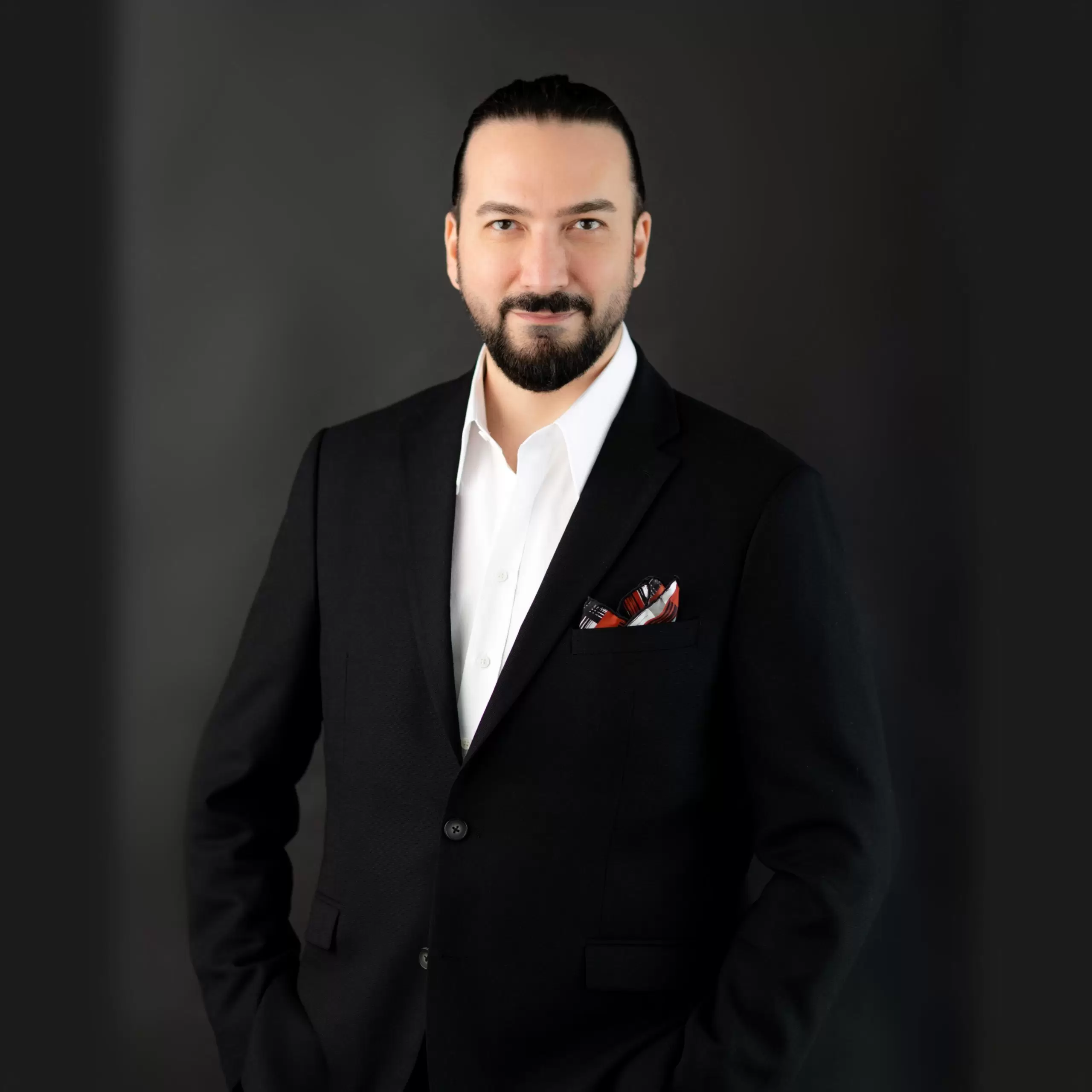
Prof. Dr. Murat Songu – Rhinoplasty (Nose Aesthetics) Specialist
Prof. Dr. Murat Songu was born in 1976 in Izmir and completed his medical education at the Ege University Faculty of Medicine. He then completed his residency training in the Department of Otorhinolaryngology at Celal Bayar University. Between 2005 and 2006, he received advanced training in rhinoplasty, functional nasal surgery, and skull base surgery in Bordeaux, France, working with leading rhinologists such as Prof. Vincent Darrouzet and Dr. Guy Lacher.
Prioritizing natural appearance, the preservation of breathing function, and facial aesthetic harmony, Prof. Dr. Songu is nationally and internationally recognized for his expertise in open rhinoplasty, piezo (ultrasonic) rhinoplasty, revision rhinoplasty, tipplasty, and functional septorhinoplasty. He has participated as an instructor and speaker at numerous rhinoplasty congresses worldwide.
With over 100 scientific publications, book chapters, and more than 1700 citations, Prof. Dr. Murat Songu is one of Türkiye’s most respected academics in the field of rhinoplasty, combining natural, facially harmonious, and functional results with scientific and aesthetic excellence.