Türkçe
 Deutsch
There are certain supplies that patients may need during the recovery process after nasal surgery. The most important ones are saline sprays, ice packs for cold application, and supportive pillows. These products help reduce edema and make breathing more comfortable.
Special care products are used until the splints and bandages are removed after nasal surgery. Sterile gauze pads, moisturizing solutions, and medications recommended by the doctor should be kept ready for hygiene. This reduces the risk of infection.
Cold gels or eye pads may be preferred for bruising around the eyes. In addition, consuming liquid and soft foods during the first days after surgery provides comfort. Using a spoon instead of a straw is also recommended for safe nutrition.
Using a wide-brimmed hat or sunscreen for protection from the sun is also beneficial. These supplies help you go through the postoperative period more comfortably and safely. Necessary items should be obtained in accordance with the doctor’s recommendations.
How can swelling be reduced after nasal surgery?
Certain steps must be followed carefully to reduce swelling after nasal surgery. Keeping the head elevated during the first few days of the healing process reduces fluid accumulation and therefore pressure. In addition, applying cold compresses restricts blood flow and contributes to reducing localized swelling and bruising. Hydration is always important; drinking plenty of water helps remove excess fluids from the body and thereby reduces the risk of swelling.
Other precautions include:
- Reducing salt intake: Prevents the body from retaining water.
- Increasing vitamin intake: Foods containing Vitamin K and Bromelain should especially be consumed.
- Limiting physical activities: Strenuous movements that may negatively affect the healing process should be avoided.

Acetaminophen may be considered appropriate upon a doctor’s recommendation for pain management and swelling control. Supplements that may support the reduction of swelling include Arnica montana and Vitamin C. However, supplements with blood-thinning properties, such as Vitamin E, should be avoided because they may increase the risk of bleeding. In terms of nasal care, keeping the nasal passages moist with saline sprays prevents complications associated with dryness. Hot water and steamy environments should also be avoided because such conditions may increase swelling. Quitting smoking improves blood circulation and accelerates the healing process. Finally, regular doctor check-ups are essential to ensure that the recovery process is progressing correctly.
How should you sleep after nasal surgery?
After nasal surgery, the patient’s sleeping position must be adjusted correctly to ensure a healthy healing process. The ideal sleeping position is on the back because this position prevents unwanted pressure on the nose. Multiple pillows may be used to keep the head above heart level while lying down, or a special pillow (RinoBody) may be preferred. This helps reduce swelling while also improving blood circulation and relieving congestion.
- Sleep on your back; prevent pressure from forming on the nose.
- Elevate your head
- Use a reclining chair; it keeps the head naturally elevated and reduces the risk of turning onto your side.
- Support yourself with pillows; prevent rolling during sleep and increase comfort.
- Avoid sleeping on your side or stomach; these positions may damage the nasal structure.
- Sleep alone; prevent accidental impacts from a partner or pets.
- Manage discomfort; take painkillers to ensure restful sleep.
Why is it important to avoid strenuous activities after nasal surgery?
Avoiding strenuous activities after nasal surgery is critically important during the healing process. During this period, all of the body’s resources are directed toward supporting healing mechanisms, and any additional strain may put the success of the process at risk. Strenuous physical effort may increase blood pressure and trigger bleeding in the surgical area. Increased blood pressure may cause excessive swelling as well as further bleeding in tissues that are already sensitive after surgery. These conditions may lead to the following complications:
- Bleeding and Swelling: Excessive blood accumulation and swelling may occur in the healing tissues.
- Injury:: Physical contact may cause damage to the nasal bones and tissues.
- Delayed Healing: The body’s energy is directed toward exertion instead of regeneration.
- Increased Pain and Discomfort: Activities increase pain and discomfort in the area.
- Risk of Complications: The risk of infection, hematoma formation, and reopening of wounds increases.
Therefore, the following precautions should be taken throughout the recovery period after nasal surgery:
- Initially avoid activities such as heavy lifting and intense exercise.
- Keep physical contact to a minimum during the first few weeks.
- Avoid tasks requiring high levels of energy for the period recommended by the doctor.
How should you clean your nose after nasal surgery?
After nasal surgery, the patient must clean the nasal passages regularly and carefully. Gentle rinsing with a saline solution should be performed to accelerate the healing process and reduce the risk of infection.
Saline spray should also be used after surgery to keep the nasal passages moist. Applied several times a day, this spray reduces crusting and helps the tissues inside the nose heal.
Gentle cleaning is especially important during the first week. During this period, avoid inserting fingers or any other objects into the nostrils. After the first week, you may use a cotton swab with cream to clean the edges of the nostrils.
Hydration and appropriate moisturization help thin the mucus and make it easier to clean. Drinking plenty of fluids and using a room humidifier are beneficial for nasal health. During the postoperative period, especially in the first days, keeping the head elevated is also recommended to reduce swelling. By avoiding hot showers, steam rooms, and other heated environments, as well as refraining from strenuous physical activities, you can minimize the risk of bleeding or swelling.
Why should you avoid wearing glasses after nasal surgery?
Avoiding the use of glasses after nasal surgery positively affects the healing process. During the postoperative period, the nasal bones and tissues require time and stability to adapt to their new shape. Glasses may place pressure on this new structure, disrupt the positioning of the bones, and lead to deformities. This pressure may also cause:
- Indentations: Continuous pressure applied by glasses to the nasal bridge may cause the bones to settle in undesirable shapes.
- Changes in surgical results: During the healing process, pressure from glasses may negatively affect the surgical results.
- Permanent deformities: Prolonged pressure may lead to permanent aesthetic problems.
Since these are negative effects of wearing glasses on healing, patients should seek alternative solutions. During the first weeks, using contact lenses or special supports for glasses may solve this problem. Devices that prevent glasses from directly touching the nose may be beneficial during this process. Such precautions should be taken until the nose has fully healed.
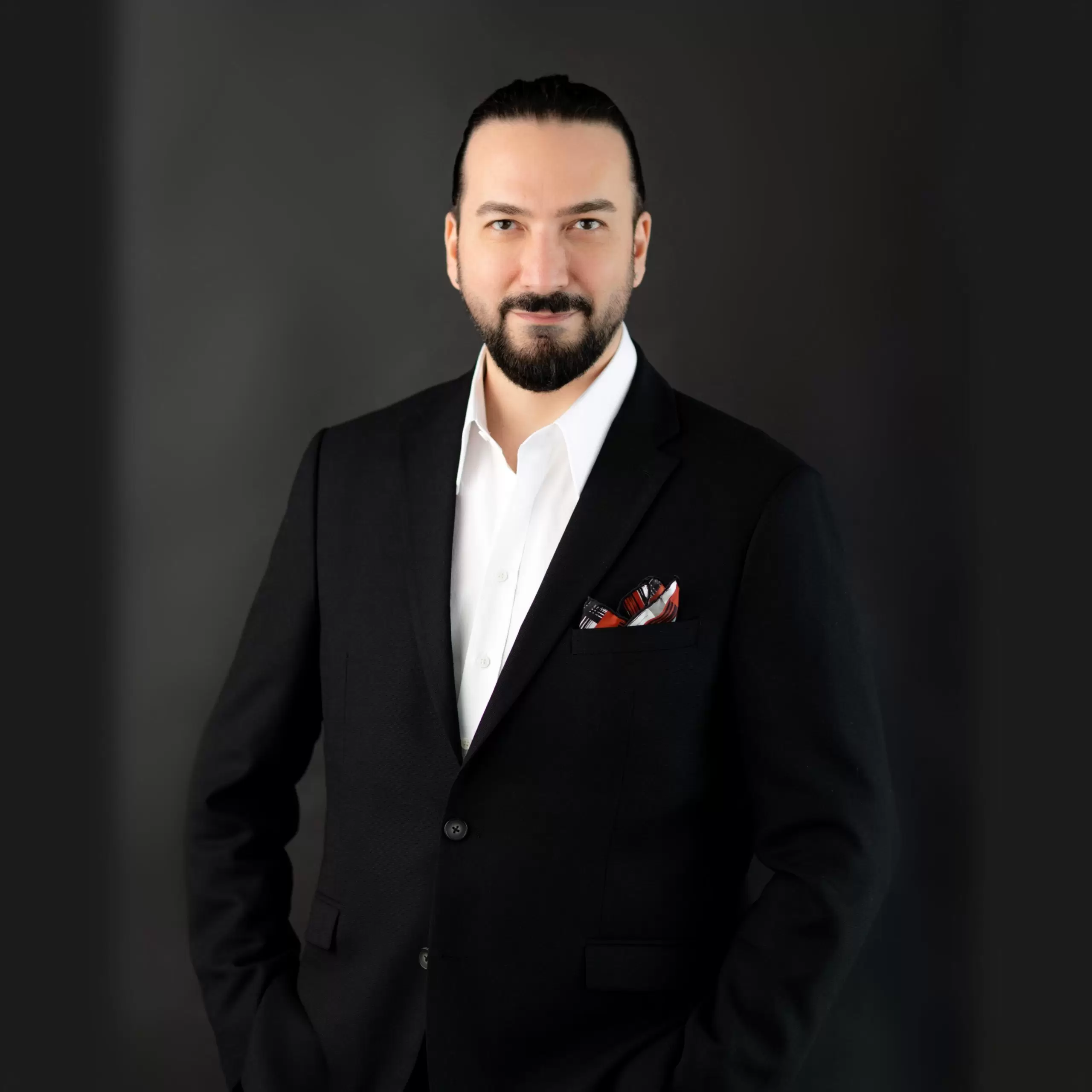
Prof. Dr. Murat Songu – Rhinoplasty (Nose Aesthetics) Specialist
Prof. Dr. Murat Songu was born in 1976 in Izmir and completed his medical education at the Ege University Faculty of Medicine. He then completed his residency training in the Department of Otorhinolaryngology at Celal Bayar University. Between 2005 and 2006, he received advanced training in rhinoplasty, functional nasal surgery, and skull base surgery in Bordeaux, France, working with leading rhinologists such as Prof. Vincent Darrouzet and Dr. Guy Lacher.
Prioritizing natural appearance, the preservation of breathing function, and facial aesthetic harmony, Prof. Dr. Songu is nationally and internationally recognized for his expertise in open rhinoplasty, piezo (ultrasonic) rhinoplasty, revision rhinoplasty, tipplasty, and functional septorhinoplasty. He has participated as an instructor and speaker at numerous rhinoplasty congresses worldwide.
With over 100 scientific publications, book chapters, and more than 1700 citations, Prof. Dr. Murat Songu is one of Türkiye’s most respected academics in the field of rhinoplasty, combining natural, facially harmonious, and functional results with scientific and aesthetic excellence.