Türkçe
 Deutsch
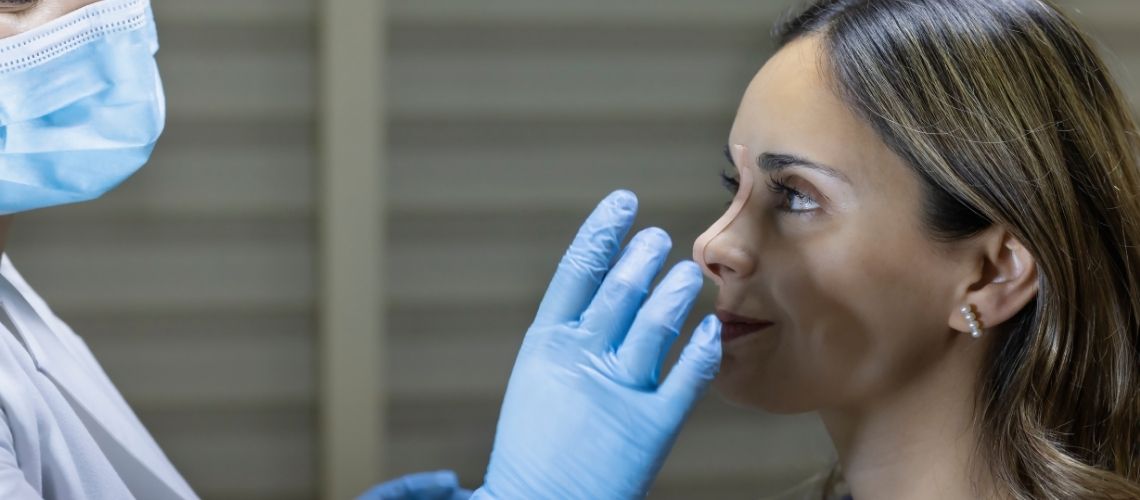
Asymmetry in the nostrils may be seen after rhinoplasty and is generally related to swelling or the healing process. These differences are considered normal during the first months and improve over time. Permanent asymmetry rarely occurs.
Asymmetry may result from differences in the healing process of the nasal cartilage. In this case, patience is required, and the healing process should be allowed to complete. In most cases, the nostrils become symmetrical over time.
Permanent asymmetries are generally evaluated after healing is complete. When necessary, an aesthetic appearance can be achieved with minor surgical corrections. These interventions are usually short and simple procedures.
Attending physician check-ups regularly ensures that asymmetry problems are evaluated correctly. In this way, balanced results are achieved both aesthetically and functionally. There should be no concern during the early period, and sufficient time should be allowed for healing.
Asymmetry in the Nostrils and Surgical Correction Methods
Asymmetry means that the two sides are not completely equal. Asymmetry in the nostrils is a very common condition for most people. This asymmetry, which is generally natural, may become more noticeable in some cases. Particularly in cases of pronounced asymmetry, a noticeable problem may arise in terms of aesthetic appearance. Surgical intervention may be necessary in such cases.
- Surgical intervention is designed to reduce asymmetry and make the nostrils more symmetrical.
- The healing process may take several weeks after the operation, and minor changes may be observed during this period.
- The success of the operation depends on the doctor’s experience and the patient’s individual characteristics.
An experienced surgeon aims to achieve a result that is compatible with the patient’s facial features and overall aesthetic balance during such an intervention. As a result, asymmetry in the nostrils can be corrected with surgical methods, contributing to the symmetry of the person’s face. This process provides a positive change for patients both aesthetically and psychologically.
The Details of Nostril Aesthetics and Asymmetry Risks
Rhinoplasty is designed according to each individual’s unique anatomical structure. Rhinoplasty and septorhinoplasty are important components of this process. The aesthetic appearance of the nostrils greatly affects overall facial symmetry.
- In aesthetic procedures, the size and shape of the nostrils are adjusted to suit the person’s facial structure.
- Wide nostrils are reduced by removing tissue from the areas where they connect with the cheeks.
- The width of the nasal wings is proportional to the height of the nasal tip.
- In some cases, raising the nasal tip makes the nostrils appear narrower.
After surgical intervention, the development of mild asymmetry is natural and often temporary. These risks are minimized in the hands of an experienced surgeon. It is important for patients to be patient during the healing process and remain in constant communication with their doctors. When any asymmetry is observed during the postoperative period, it often resolves spontaneously. Patients should understand this temporary condition as a natural part of the healing process. In this way, a good result can be achieved in terms of both aesthetics and health.
Rhinoplasty and Changes in Nostril Size
Rhinoplasty is a surgical procedure preferred for both aesthetic and functional purposes. One of the problems that may be encountered after the operation is changes in nostril size. Wide nostrils are generally reduced due to aesthetic concerns. However, in some cases, naturally narrow nostrils or nostrils that become narrow after surgery may also cause problems. Although such cases are less common, they require careful evaluation and intervention.
- Evaluation: The patient’s nasal structure, respiratory functions, and aesthetic expectations are examined in detail.
- Treatment Method: The size of the nostrils can be changed through surgical intervention. This process is generally more complex than narrowing the nostrils.
- Postoperative Care: After surgery, a special device called a nostril retainer is used to support symmetry in the patient’s nostrils. The nostril retainer also reduces the risk of nasal tip drooping caused by wound healing. The physician decides how long this device should be used according to the patient’s condition.
- Such interventions are performed to ensure patient satisfaction and healthy respiratory functions. Following the doctor’s recommendations before and after the operation is essential for successful results.
Management of Suture Scars and the Healing Process After Rhinoplasty
Rhinoplasty is a popular surgical procedure performed for aesthetic and functional improvements. One of the greatest concerns patients have after the operation is usually whether suture scars will be permanent. In the hands of a professional surgeon, suture scars after nostril aesthetics are generally not permanent. The incisions made during the operation are carefully placed at the lower corners of the nostrils. These incisions are closed in accordance with the natural folds of the nasal skin, making the scars less visible. However, surgical skill plays a critical role in this process. As a result of a successful operation:
- Suture scars become less noticeable over time.
- The scars are concealed within the natural folds of the nasal skin.
- The risk of permanent scarring is minimized depending on the surgeon’s skill.
As a result, the management of suture scars after rhinoplasty depends on the surgeon’s experience and patient care. The patient should carefully follow the recommended postoperative care instructions. Patience and attention are required during this process to ensure proper scar healing and preserve the aesthetic results.
Frequently Asked Questions
Why are the nostrils not equal after nose surgery?
Unequal nostrils after nose surgery are generally caused by swelling. Manipulation of the tissues during surgical intervention may cause asymmetry. It takes time for the tissues to settle during the healing process, which may lead to temporary imbalance. As the swelling decreases, the symmetry of the nostrils generally improves, resulting in a more even appearance.
When does asymmetry resolve after nose surgery?
Asymmetry occurring after nose surgery is part of the healing process. Initial results may be seen within three weeks, but asymmetry generally improves within one year. Complete healing of the nose may take two years. During this period, the nostrils gradually become more symmetrical.
When is a nostril symmetry device used?
Your doctor may recommend using a “Nostril Retainer” after surgery. This device is designed to maintain the shape of the nostrils. It is recommended to wear it continuously during the first 14 days. Afterwards, it should be used only at night for three months.
How does pre-existing facial asymmetry affect nostril symmetry after rhinoplasty?
Pre-existing asymmetries, such as differences in bone or soft tissue on one side of the face, may affect the perceived symmetry of the nostrils after rhinoplasty. While surgeons aim to make the nose compatible with the face as a whole, existing asymmetries may make perfect nostril symmetry difficult to achieve. For example, if one cheek is fuller than the other or there is a shift in the jawline, even a symmetrically shaped nose may appear different within this asymmetrical framework. Therefore, it is important for the surgeon to discuss this condition in detail with the patient during the preoperative evaluation, establish realistic expectations, and sometimes aim for overall balance and naturalness rather than perfect symmetry.
When and how should revision rhinoplasty be considered for permanent nostril asymmetry after rhinoplasty?
If nostril asymmetry remains noticeable after swelling has subsided and the tissues have assumed their final shape within the first 12-18 months after rhinoplasty, it may be considered permanent. At this point, revision rhinoplasty may be an option for correcting the asymmetry. The decision should be made after a detailed examination by an experienced revision rhinoplasty surgeon. The surgeon identifies the underlying cause of the asymmetry, such as scar tissue or cartilage position, and plans the appropriate surgical technique. Since revision operations may be more complex than the initial surgery, proper timing and choosing a specialist surgeon are critically important.
What special care tips should patients follow to support symmetrical healing of the nostrils after rhinoplasty?
In addition to the intranasal devices recommended by your doctor, sleeping with the head elevated using several pillows reduces general swelling and positively affects symmetry. It is critically important to avoid wearing heavy glasses that may place direct pressure on the nose or sleeping face down. Gentle nasal cleaning should be performed as instructed by the surgeon, strenuous exercises that increase blood pressure should be avoided, and smoking, which negatively affects healing, should be strictly avoided. Regular doctor check-ups ensure that healing is monitored and that additional interventions, such as taping or massage, can be performed promptly when necessary to guide symmetry.
What role does nasal tip surgery, or tip plasty, play in achieving nostril symmetry during rhinoplasty procedures?
Tip plasty, or nasal tip reshaping surgery, is a fundamental stage that directly affects both the shape of the nostrils and their symmetry with one another. By intervening in the alar cartilages that form the nasal tip, repositioning them, reinforcing them, or partially removing them when necessary, the surgeon aims to make the nostrils appear even and balanced. For example, changing the height or angle of the nasal tip significantly affects the appearance of the nostrils from the side and front, helping them achieve a more symmetrical structure. In this way, aesthetically pleasing and symmetrical nostrils that are compatible with the other elements of the face can be achieved.
What different techniques are used in surgical interventions to correct nostril asymmetry, and what are their success rates?
Surgical techniques used to correct nostril asymmetry vary depending on the source of the asymmetry, which may involve the cartilage structure, soft tissue, or septal deviation. For example, nostril width can be reduced with “alar base resection,” while collapsed nasal wings can be supported with “cartilage grafts.” The cartilage can be repositioned using suture techniques. Success varies according to the surgeon’s experience, the complexity of the problem, and the patient’s tissue healing. Although high success rates are reported by experienced surgeons, absolute symmetry cannot always be guaranteed, and minor additional corrections may sometimes be required.
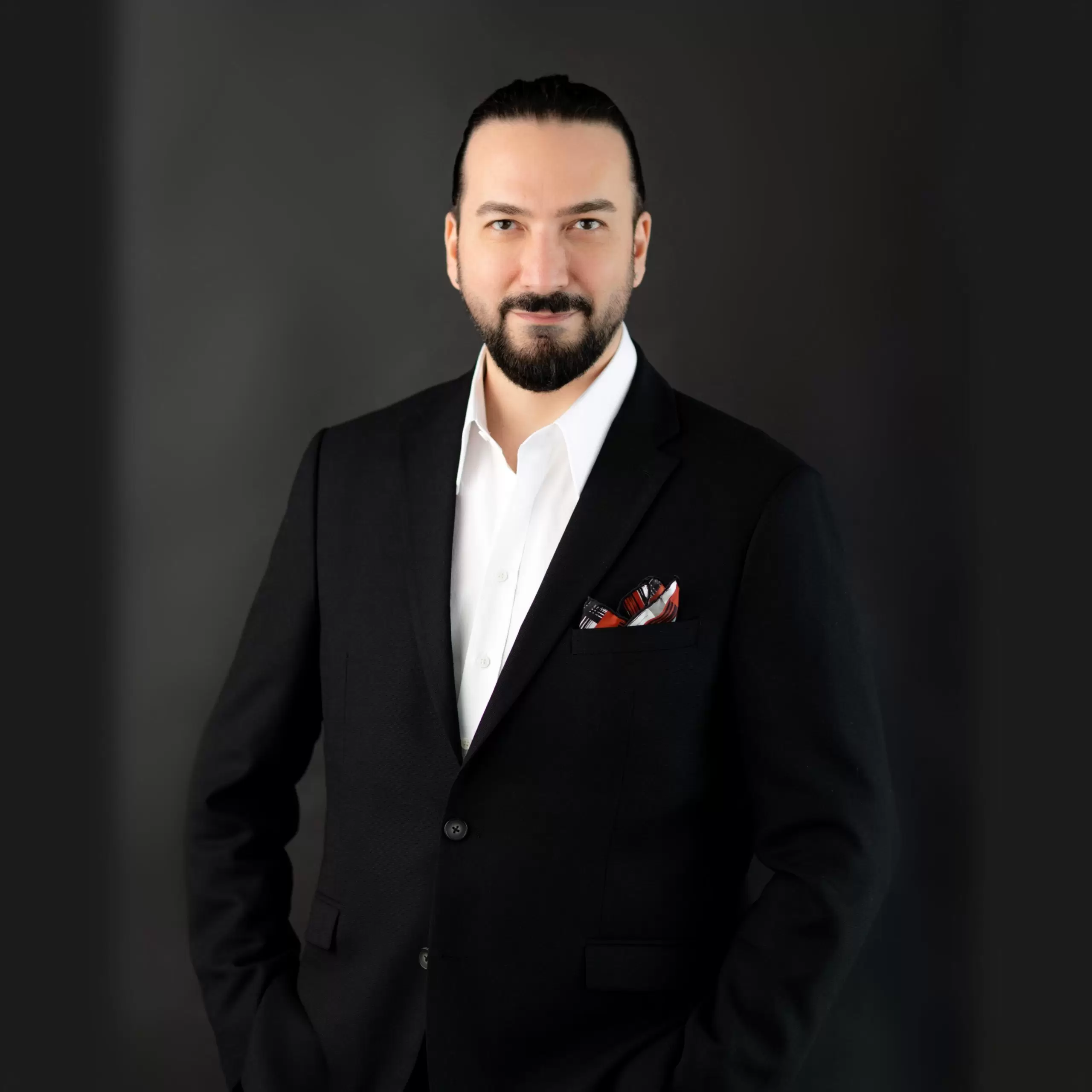
Prof. Dr. Murat Songu – Rhinoplasty (Nose Aesthetics) Specialist
Prof. Dr. Murat Songu was born in 1976 in Izmir and completed his medical education at the Ege University Faculty of Medicine. He then completed his residency training in the Department of Otorhinolaryngology at Celal Bayar University. Between 2005 and 2006, he received advanced training in rhinoplasty, functional nasal surgery, and skull base surgery in Bordeaux, France, working with leading rhinologists such as Prof. Vincent Darrouzet and Dr. Guy Lacher.
Prioritizing natural appearance, the preservation of breathing function, and facial aesthetic harmony, Prof. Dr. Songu is nationally and internationally recognized for his expertise in open rhinoplasty, piezo (ultrasonic) rhinoplasty, revision rhinoplasty, tipplasty, and functional septorhinoplasty. He has participated as an instructor and speaker at numerous rhinoplasty congresses worldwide.
With over 100 scientific publications, book chapters, and more than 1700 citations, Prof. Dr. Murat Songu is one of Türkiye’s most respected academics in the field of rhinoplasty, combining natural, facially harmonious, and functional results with scientific and aesthetic excellence.