Türkçe
 Deutsch
Restrictions after nose surgery are important for ensuring that the healing process progresses safely. During the first few weeks, strenuous exercise, bending, and movements that apply pressure to the nose should be avoided. Wearing glasses, taking hot baths, and smoking are also inadvisable.
The consumption of salty and spicy foods should be limited because they may increase swelling. Alcohol consumption also negatively affects the vascular structure and delays healing. Therefore, alcohol and smoking should be avoided during the first months after surgery.
It is important to stay away from environments with a high risk of infection, such as the sea and swimming pools, after nose surgery. Direct exposure to sunlight may also cause swelling and discoloration. Sun protection plays a critical role during this period.
Cotton swabs or hard objects that may increase crusting inside the nose should not be used. Nasal cleaning should only be performed with sprays recommended by the doctor. Following these restrictions helps preserve the nasal structure and safely achieve the aesthetic result.
| Touching and Scratching the Nose | Touching, scratching, or applying force to the nasal area may negatively affect healing and cause bleeding. |
| Wearing Glasses | Glasses that apply pressure to the nasal bones should not be worn for 3 months during the healing process. Contact lenses are recommended instead. |
| Strenuous Exercise | Strenuous exercise and movements such as bending and lifting weights should be avoided during the first three weeks after surgery. These activities may increase blood pressure and raise the risk of nasal bleeding. |
| Hot Showers and Sauna Use | Hot environments may dilate the blood vessels in the nose and cause swelling and bleeding. Hot showers, saunas, and Turkish baths should be avoided during the first three weeks. |
| Swimming | Swimming in a pool or the sea is not recommended during the healing process because of the risk of infection. Swimming should be avoided for at least 3 weeks after surgery. |
| Smoking and Alcohol Consumption | Smoking negatively affects the healing process and increases the risk of infection. Alcohol may thin the blood and increase the risk of bleeding. Avoiding these substances after surgery is recommended. |
| Use of Nasal Sprays and Drops | Nasal sprays or drops should not be used unless recommended by the doctor. |
| Movements That Strain Facial Expressions | Movements that strain facial expressions, such as laughing or opening the mouth too widely, may cause pain and swelling in the nose. |
| Exposure to Intense Sunlight | To protect the sensitive nasal tissue after surgery, sunlight should be avoided during the first few months, and a high-SPF sunscreen should be used when necessary. |
| Eating Hard Foods | Chewing hard foods may create pressure in the nasal area, so soft foods should be consumed. |
Which Physical Activities Should Be Avoided After Nose Surgery?
People who have undergone nose surgery should pay attention to certain physical activities during the healing process. It is important to avoid strenuous exercise that may negatively affect healing and lead to health problems. The type and duration of these exercises are determined according to the sensitivity of the healing process. Activities that apply pressure to the facial area and sports involving physical contact also carry risks. The activity restrictions that patients should follow during the recovery period are as follows:
Strenuous Exercise:
- Running
- Weightlifting
- High-intensity interval training (HIIT)
- Contact sports
These types of activities may increase blood pressure and heart rate, raising the risk of bruising and bleeding. Avoiding such exercise, especially during the first 4-6 weeks, is critically important for healing.
Activities That Increase Facial Pressure:
- Heavy lifting
- Holding the breath
These activities may increase the risk of nosebleeds and damage the surgical results, especially during the first month.
Contact Sports:
- Basketball
- Football
- Martial arts
These sports, which carry a risk of facial injury, should be avoided for 3 months. Protective equipment must be used even afterward.
Swimming:

- Swimming should be avoided for 4-6 weeks, especially because chlorinated pools may irritate the healing tissues.
Yoga and Inverted Positions:
- Poses such as downward-facing dog or headstands should not be performed during the first 6 weeks.
Running and Cycling:
- Light walking should be preferred instead of more intense activities during the first 4-6 weeks. These activities may be resumed carefully if there is no discomfort or increased swelling.
Why Should Alcohol Be Avoided After Nose Surgery?
Avoiding alcohol after nose surgery is necessary to support the healing process. Alcohol dilates blood vessels, which may cause increased swelling and inflammation in the surgical area. This effect prolongs the healing period and may negatively affect the aesthetic results. Alcohol also thins the blood, increasing the risk of postoperative bleeding. Even minor bleeding may cause serious health problems.
- Increased Risk of Bleeding: The blood-thinning effect of alcohol increases the risk of postoperative bleeding.
- Swelling and Inflammation: Alcohol consumption causes the blood vessels in the body to dilate and triggers localized swelling.
- Dehydration: Alcohol causes fluid loss from the body. Adequate hydration is critically important for tissue repair.
- Weakened Immune System: Alcohol weakens the immune system and makes the body more vulnerable to infections.
- Medication Interactions: The interaction between alcohol and prescription medications may intensify side effects and put treatment at risk.
- Possible Complications: Alcohol consumption may negatively affect the healing process and require additional treatment.
Should Exposure to Sunlight Be Avoided After Nose Surgery?

Medical recommendations are quite clear that exposure to sunlight should be avoided after nasal procedures such as rhinoplasty. During the postoperative period, the skin of the nose becomes more sensitive than usual, and this sensitivity increases the risk of sunburn. Sunburn may cause permanent skin damage and hyperpigmentation, which may negatively affect the surgical result. Exposure to UV rays causes increased swelling and redness and prolongs the healing process. In addition, due to the effect of UV rays on scars, the scars may become darker, and this condition may be permanent.
For these reasons, it is important to avoid direct sunlight for at least three months after rhinoplasty. The precautions that should be taken during this period are as follows:
- Sunscreens with a high SPF should be used.
- Wide-brimmed hats should be preferred for protection from sunlight.
- Umbrellas may be used as physical barriers.
Is It Safe to Wear Glasses After Nose Surgery?
The safety of wearing glasses after nose surgery is important. Following the operation, the nasal bones and tissues are undergoing a sensitive healing process. The pressure applied by glasses to the nose may cause various complications. Therefore, most surgeons recommend avoiding glasses for at least 12 weeks after surgery. During the first few weeks, wearing a splint may provide some protection for the nose.
The possible harms of wearing glasses after the splint is removed include:
- Unwanted changes in the nasal structure
- Prolongation of the healing process
- Increased risk of collapse
Alternative methods for those who must wear glasses during this period include:
- Using special nasal protectors
- Switching to contact lenses
These methods help reduce the pressure applied by glasses to the nose. Lightweight glasses with adjustable nose pads may also be used. These types of glasses distribute pressure more evenly and minimize risks. Wearing glasses is unavoidable for many people. However, this process can be managed with carefully selected methods after surgery. In this way, visual needs can be met without negatively affecting the healing process.
Should You Avoid Blowing Your Nose After Nose Surgery?
Avoiding blowing your nose after nose surgery positively supports the healing process. Particular care should be taken during the first few days because the postoperative tissues are highly sensitive. Blowing the nose may damage healing tissues. This may increase the risk of bleeding and infection and prolong the healing process. Doctors generally recommend the following methods to protect the nasal tissues and minimize possible complications:
- Saline nasal sprays: Gently moisturize and clean the inside of the nose.
- Nasal irrigation: A method of rinsing the nasal passages using saline solutions.
These methods keep the nasal passages open and reduce the risk of infection. These postoperative precautions should generally be continued for at least ten days. During this period, patients should follow their doctors’ instructions to avoid possible bleeding or other health problems. When the need to blow the nose is felt, it is beneficial to relieve the need gently and use alternative methods recommended by the doctor. Medical check-ups conducted under a doctor’s supervision during this period allow the patient to recover healthily and increase the success of the operation.
Frequently Asked Questions
Why is bending over prohibited after nose surgery?
Bending over after nose surgery may increase blood pressure and raise the risk of swelling and bleeding in the nasal area. Since the nasal tissues are sensitive after surgery, bending may cause the blood vessels inside the nose to dilate and negatively affect the healing process. Bending should be avoided, especially during the first few weeks after surgery, because the stitches and sensitive tissues inside the nose have not fully healed. Bending applies additional pressure to the nasal area and may cause swelling to persist for a longer period. It may also affect blood circulation inside the nose and delay healing. Doctors generally recommend avoiding bending during the first few weeks after surgery because the nasal tissues are still sensitive during this period, and sudden movements may damage the nasal structure.
Why is sexual intercourse prohibited after nose surgery?
Sexual intercourse after nose surgery may increase blood pressure because it requires physical exertion and may raise the risk of swelling or bleeding in the nasal area. Since the nasal tissues are sensitive after surgery, sudden movements or intense physical activity may damage the nasal structure. Protecting the nasal area is especially important during the first few weeks after surgery because the healing process is ongoing. Body movements during sexual intercourse may apply pressure to the nasal area and damage the sensitive postoperative nasal tissues. Resting and protecting the nasal area are also necessary for postoperative swelling to decrease. Doctors generally recommend avoiding intense physical activity during the first few weeks after surgery because the nasal structure is still healing during this period.
Is yawning harmful after nose surgery?
Yawning after nose surgery may affect the muscles and tissues in the nasal area. During yawning, the facial muscles expand and may apply pressure to the nasal area, which may damage the sensitive postoperative nasal tissues. Protecting the nasal area is especially important during the first few days after surgery because the healing process is ongoing. Yawning may apply pressure to the stitches inside the nose and delay healing. Facial movements must also be controlled for postoperative swelling to decrease. Doctors generally recommend avoiding sudden facial movements during the first few weeks after surgery because the nasal structure is still healing during this period.
Does blowing your nose after nose surgery damage it?
Blowing your nose after nose surgery may damage the sensitive tissues inside the nose. Since the stitches and tissues inside the nose have not fully healed after surgery, blowing the nose may increase pressure inside the nose and cause bleeding or swelling. Protecting the nasal area is especially important during the first few weeks after surgery because the healing process is ongoing. Blowing the nose may strain the blood vessels inside the nose and delay healing. The pressure inside the nose must also remain balanced for postoperative swelling to decrease. Doctors generally recommend avoiding blowing the nose during the first few weeks after surgery because the nasal structure is still healing during this period.
Why is straining prohibited after nose surgery? Straining after nose surgery may increase blood pressure and raise the risk of swelling and bleeding in the nasal area. Since the nasal tissues are sensitive after surgery, straining may cause the blood vessels inside the nose to dilate and negatively affect the healing process. Straining should be avoided, especially during the first few weeks after surgery, because the stitches and sensitive tissues inside the nose have not fully healed. Straining applies additional pressure to the nasal area and may cause swelling to persist for a longer period. It may also affect blood circulation inside the nose and delay healing. Doctors generally recommend avoiding straining during the first few weeks after surgery because the nasal tissues are still sensitive during this period, and sudden movements may damage the nasal structure.
Is kissing prohibited after nose surgery?
Kissing after nose surgery is not recommended because it may apply pressure to the nasal area. Since the nasal tissues are sensitive after surgery, sudden movements or pressure applied to the facial area may negatively affect the healing process. Protecting the nasal area is especially important during the first few weeks after surgery because the healing process is ongoing. Facial muscles move while kissing, which may apply pressure to the nasal area and damage the sensitive postoperative nasal tissues. Facial movements must also be controlled for postoperative swelling to decrease. Doctors generally recommend avoiding movements that apply pressure to the facial area during the first few weeks after surgery because the nasal structure is still healing during this period.
Is swimming in the sea prohibited after nose surgery?
Swimming in the sea after nose surgery is not recommended because it may increase the risk of infection. Since the stitches and tissues inside the nose have not fully healed after surgery, seawater may damage the nasal area and cause infection. Protecting the nasal area is especially important during the first few weeks after surgery because the healing process is ongoing. Contact with water during swimming may damage the sensitive tissues inside the nose and delay healing. The nasal area must also be kept dry for postoperative swelling to decrease. Doctors generally recommend avoiding swimming in the sea during the first few weeks after surgery because the nasal structure is still healing during this period.
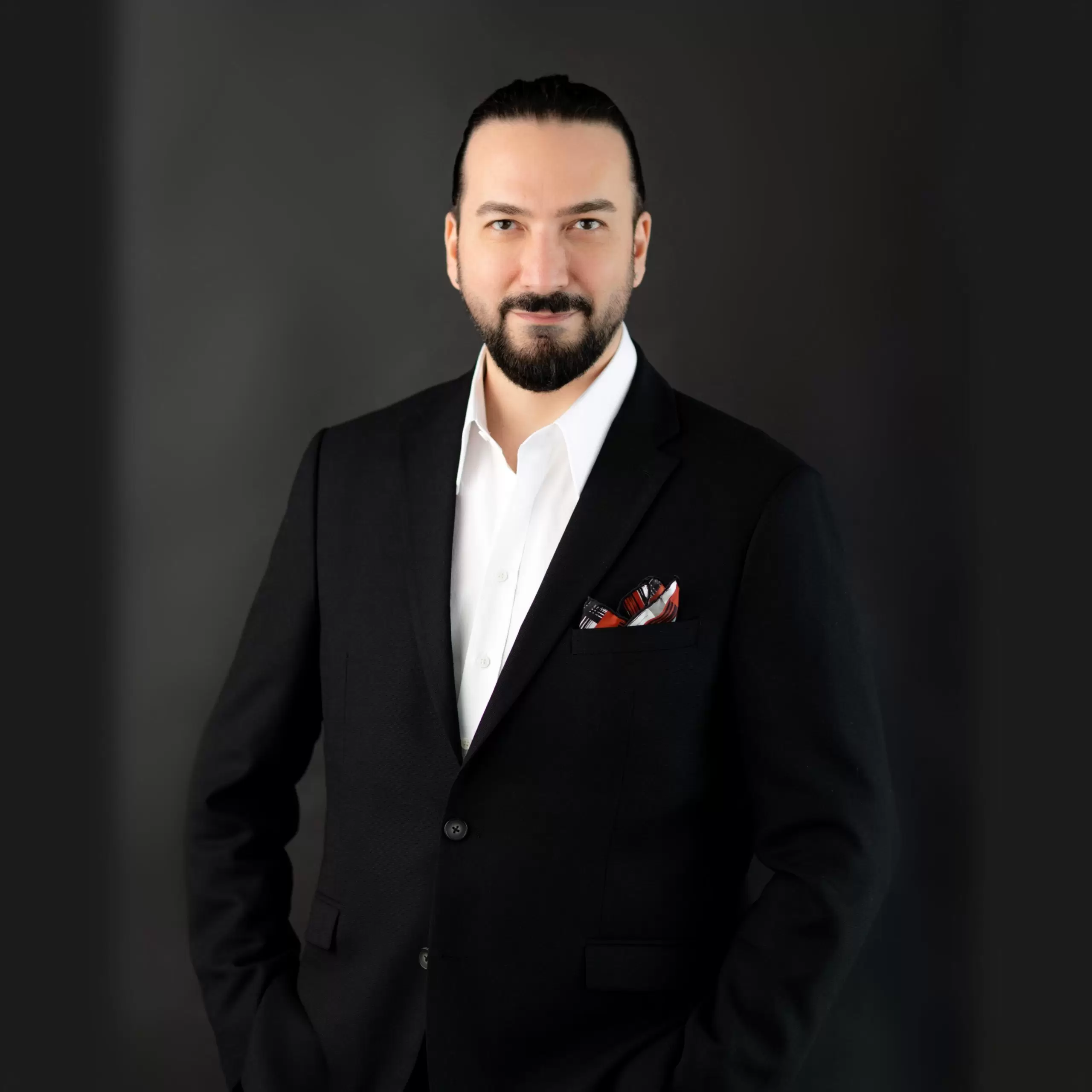
Prof. Dr. Murat Songu – Rhinoplasty (Nose Aesthetics) Specialist
Prof. Dr. Murat Songu was born in 1976 in Izmir and completed his medical education at the Ege University Faculty of Medicine. He then completed his residency training in the Department of Otorhinolaryngology at Celal Bayar University. Between 2005 and 2006, he received advanced training in rhinoplasty, functional nasal surgery, and skull base surgery in Bordeaux, France, working with leading rhinologists such as Prof. Vincent Darrouzet and Dr. Guy Lacher.
Prioritizing natural appearance, the preservation of breathing function, and facial aesthetic harmony, Prof. Dr. Songu is nationally and internationally recognized for his expertise in open rhinoplasty, piezo (ultrasonic) rhinoplasty, revision rhinoplasty, tipplasty, and functional septorhinoplasty. He has participated as an instructor and speaker at numerous rhinoplasty congresses worldwide.
With over 100 scientific publications, book chapters, and more than 1700 citations, Prof. Dr. Murat Songu is one of Türkiye’s most respected academics in the field of rhinoplasty, combining natural, facially harmonious, and functional results with scientific and aesthetic excellence.