Türkçe
 Deutsch
Swelling on the nasal bridge after rhinoplasty is a natural part of the healing process. Edema caused by the surgery is generally noticeable during the first weeks, gradually decreases over time, and the nasal contour becomes more defined.
Keeping the head elevated and applying cold compresses are recommended to reduce swelling. These methods regulate blood circulation and help the edema disperse more quickly.
Dietary habits also affect the healing process. Reducing salt consumption, drinking plenty of water, and consuming foods that help reduce edema contribute to controlling swelling.
Doctor check-ups are important for monitoring the process. If the swelling does not resolve for a long time or creates an asymmetrical appearance, a surgical evaluation may be necessary.
Precautions After Rhinoplasty and Edema Control
Rhinoplasty is an important surgical procedure in terms of both aesthetics and health. The success of the operation depends on both surgical skill and the postoperative care process. Edema occurring on the nasal bridge after the operation is part of the normal healing process. However, keeping this edema under control is of great importance for the patient. The patient should carefully follow the recommended care methods. Some points to consider regarding edema management are as follows:
- Adequate rest and a regular sleep schedule should be maintained.
- Keeping the head elevated, drinking plenty of water, and staying active may help reduce edema.
- Medications and supplements recommended by the doctor should be taken regularly.
- Avoiding salty foods, alcohol, and cigarettes may prevent edema from increasing.
During this process, since each patient’s body structure and healing rate will be different, the time required for the edema to decrease may also vary from person to person. Following the specialist’s recommendations makes edema control easier and reduces the risk of infection. In addition, attending regular follow-up appointments and acting in accordance with the doctor’s instructions will positively affect the healing process. In this way, the new nasal structure will settle properly and patient satisfaction will increase.
Steps to Follow to Reduce Edema and Swelling After Rhinoplasty
After rhinoplasty operations, edema and swelling occurring on the nasal bridge are generally temporary. During this process, there are some important points that patients should pay attention to. First, keeping the head elevated will help reduce edema by regulating blood circulation. For this purpose, a sufficient number of pillows should be placed under the head while sleeping. In addition, it is important for patients to sleep on their backs to reduce pressure on the nasal area.
- Pillow use: A Rino Body pillow can be used to keep the head elevated.
- Sleeping position: Patients are advised to sleep on their backs.
- Ice compress: Periodic ice compresses should be applied to the nose and facial area.
- Medical treatments: The medical treatments prescribed by the doctor should be followed.
On the other hand, applying an ice compress is an effective method for reducing edema. However, the compress must be applied at appropriate intervals. Excessive and continuous cold application may negatively affect blood flow and lead to various health problems. During this process, the medical treatments recommended by doctors must also be followed strictly. If an increase in edema and swelling is observed despite all these recommendations, consulting a specialist without delay would be the correct approach. In this way, the healing process after cosmetic surgery can be managed in a healthy manner.
Methods for Reducing Nasal Bridge Swelling After Rhinoplasty
Nasal bridge swelling, which is frequently experienced after rhinoplasty, can be controlled with the correct methods. It is important to be careful during the healing process after the procedure. Some recommended methods for accelerating the healing process and increasing comfort are as follows:
- Cold compress applications: Applying cold compresses at regular intervals during the first days helps reduce swelling and bruising.
- Lowering the room temperature: Keeping the room cool after the operation helps swelling decrease more quickly.
- Using a high pillow: Keeping the head elevated while sleeping with a Rino Body pillow contributes to reducing edema.
- Avoiding salty foods: Excessive salt consumption may increase swelling by causing water retention in the body.
- Avoiding alcohol and cigarettes.
In addition, the medications recommended by the doctor after the operation should be taken regularly, and the instructions provided should be followed. Being careful about suture care and wound healing will positively affect the healing process by reducing the risk of infection. During this process, being patient and not missing doctor check-ups will help achieve more successful aesthetic results.
The Effect of Nasal Structure on Edema in Rhinoplasty
Rhinoplasty is a surgical procedure performed to achieve aesthetic balance of the face. Each individual’s nasal structure differs, and this may affect the formation of edema. The characteristics of the nasal structure directly affect the healing process after cosmetic surgery.
- Lower Region: The characteristics of the lower region determine the speed of the healing process after cosmetic surgery. The structure of the tissue in this region may affect the rate at which edema decreases.
- Middle Region: The middle region is the area where the nasal bridge and nostril wings are located. Edema formation in this area varies depending on the nature of the surgical intervention.
- Upper Region: The upper region is associated with the nasal root and forehead. Edema occurring here is generally less than in other regions.
Edema formation is inevitable during the postoperative period. However, the amount and duration of edema may vary depending on the nasal structure. While edema may last longer in thick-skinned noses, it is seen less in short noses. In crooked noses, edema after cosmetic surgery generally varies depending on the extent of the corrective procedures. In noses with a hump, edema may be more noticeable due to the prominence on the nasal bridge. In every case, edema formation is a natural part of cosmetic surgery and an indication of the healing process.
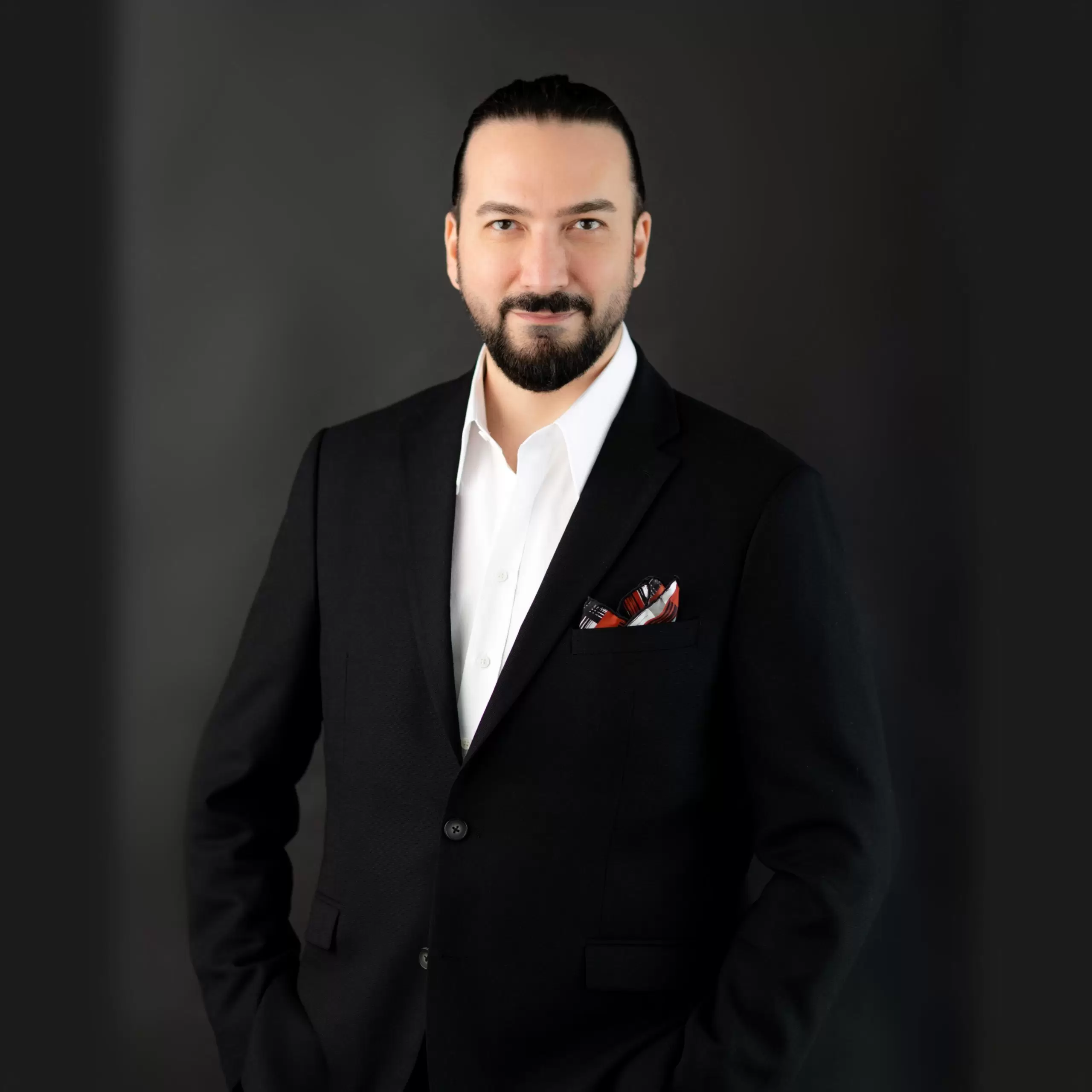
Prof. Dr. Murat Songu – Rhinoplasty (Nose Aesthetics) Specialist
Prof. Dr. Murat Songu was born in 1976 in Izmir and completed his medical education at the Ege University Faculty of Medicine. He then completed his residency training in the Department of Otorhinolaryngology at Celal Bayar University. Between 2005 and 2006, he received advanced training in rhinoplasty, functional nasal surgery, and skull base surgery in Bordeaux, France, working with leading rhinologists such as Prof. Vincent Darrouzet and Dr. Guy Lacher.
Prioritizing natural appearance, the preservation of breathing function, and facial aesthetic harmony, Prof. Dr. Songu is nationally and internationally recognized for his expertise in open rhinoplasty, piezo (ultrasonic) rhinoplasty, revision rhinoplasty, tipplasty, and functional septorhinoplasty. He has participated as an instructor and speaker at numerous rhinoplasty congresses worldwide.
With over 100 scientific publications, book chapters, and more than 1700 citations, Prof. Dr. Murat Songu is one of Türkiye’s most respected academics in the field of rhinoplasty, combining natural, facially harmonious, and functional results with scientific and aesthetic excellence.