Türkçe
 Deutsch
A smile is not permanently affected after rhinoplasty, although temporary changes may occur during the healing period. Due to swelling around the nose and limited muscle movement, the smile may appear different. This condition improves as healing progresses.
Procedures involving the nasal tip muscles may cause slight changes in smile aesthetics. However, these changes are generally natural-looking and temporary. Since facial harmony is taken into account during surgical planning, permanent changes are not expected.
Temporary differences in the smile usually disappear as the swelling subsides. On average, the nasal muscles regain their previous function within a few months, and the smile returns to normal. This process requires patience and regular follow-up appointments.
Psychologically, a more aesthetically pleasing nose may help individuals smile with greater confidence. As a result, positive effects on social interaction are often observed after surgery. With proper surgical planning, a natural smile is preserved.
Preserving the Smile After Rhinoplasty
Although rhinoplasty creates significant changes to the appearance of the face, it does not have any negative effect on the smile. After the operation, there may be a temporary change in facial expression; however, this condition is not permanent. The effect of the operation on the smile can generally be summarized as follows:
- Preserves the natural appearance of the smile: The cosmetic procedure does not affect the position of the lips or jaw, so the smile remains natural.
- Facial expressions may be temporarily affected: Temporary stiffness may occur in the facial muscles after surgery, but this gradually returns to normal.
- There is no permanent change in the smile: There is no scientific evidence indicating that the operation permanently impairs the smile.
As a result, patients undergoing rhinoplasty can be confident that the operation will not permanently affect their smile. Since the primary focus of cosmetic nasal surgery is to improve the shape of the nose, no permanent negative changes to the smile should be expected.
Temporary Changes in the Smile and the Healing Process After Rhinoplasty
After rhinoplasty, patients may sometimes be unable to fully use facial expressions such as speaking and smiling. This is considered a natural consequence of the procedure. Temporary effects on the facial muscles may lead to these short-term changes. Throughout the healing process, the facial muscles gradually return to normal, and these temporary effects diminish. Some important points to consider during recovery are as follows:
- During the first few weeks, facial muscle sensitivity may increase.
- It is important not to strain facial expressions excessively.
- Exercises recommended by the doctor may help the facial muscles recover more quickly.
During the postoperative period, patients should be aware that their smile and other facial expressions may be temporarily affected. However, this is not a permanent condition. As the facial muscles recover, the smile will naturally return to its previous appearance. Following the doctor’s recommendations will make the healing process more comfortable and faster. As a result, permanent impairment of the smile is not expected after rhinoplasty.
Preserving the Smile and Balancing Facial Expressions After Rhinoplasty
Rhinoplasty is a surgical procedure performed for both aesthetic and functional reasons. Although it may be thought that changes in the overall facial expression and smile will occur after the operation, these changes are temporary. During the postoperative healing period, it takes time for the facial muscles to return to normal and regain their natural movement. During this period, facial expressions may vary. The important thing is to approach the healing process with patience.
- Temporary changes in facial expressions may result from edema and swelling.
- Patience is required for the muscles to settle into place and regain their natural mobility.
- Movements that may strain the face should be avoided during the early postoperative period.
- Avoiding excessive strain on the facial muscles while speaking and smiling supports the healing process.
As a result, there is no permanent deterioration of the smile after rhinoplasty. Temporary changes during the healing process can be managed with proper care and patience. This process is part of achieving a new facial expression and a more confident smile.
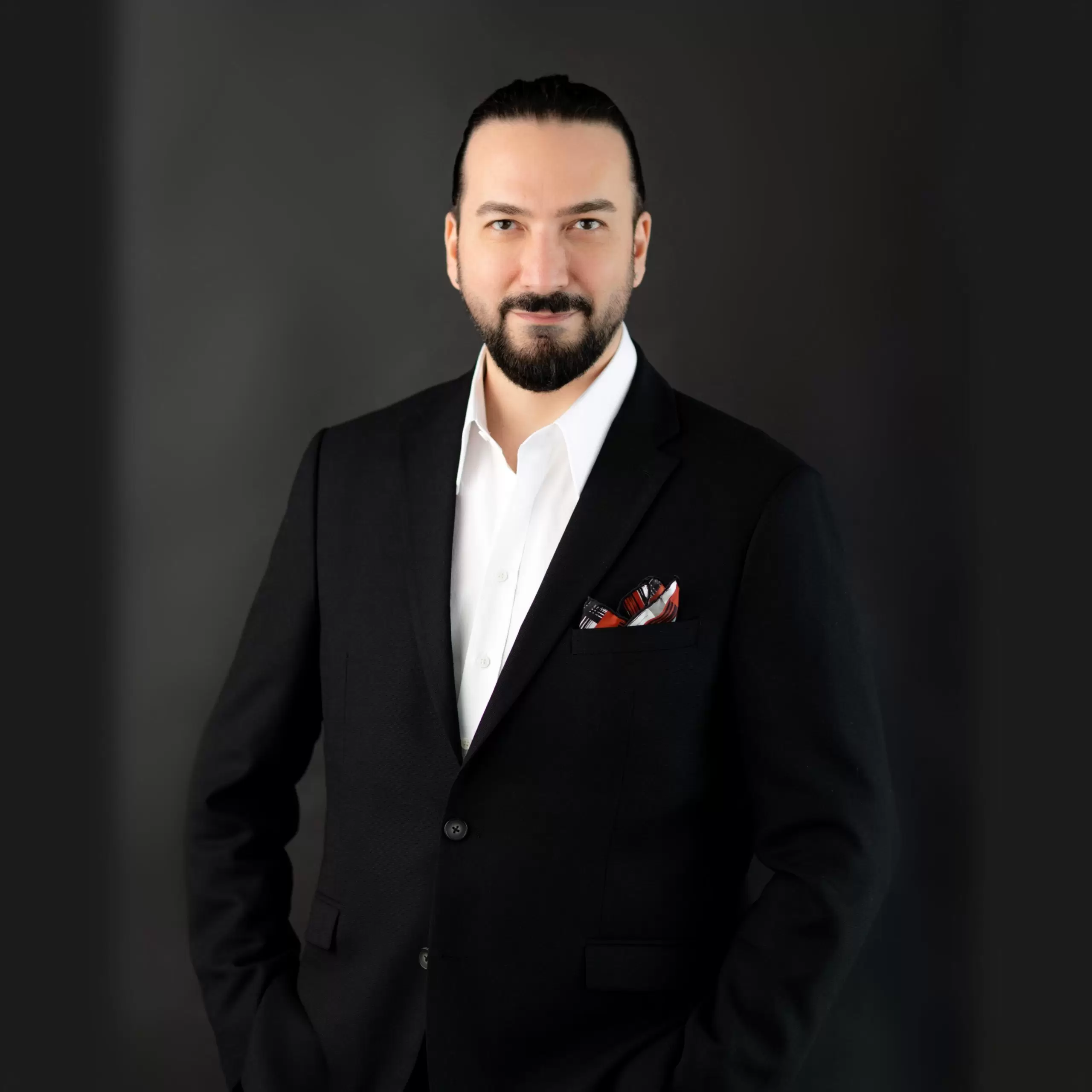
Prof. Dr. Murat Songu – Rhinoplasty (Nose Aesthetics) Specialist
Prof. Dr. Murat Songu was born in 1976 in Izmir and completed his medical education at the Ege University Faculty of Medicine. He then completed his residency training in the Department of Otorhinolaryngology at Celal Bayar University. Between 2005 and 2006, he received advanced training in rhinoplasty, functional nasal surgery, and skull base surgery in Bordeaux, France, working with leading rhinologists such as Prof. Vincent Darrouzet and Dr. Guy Lacher.
Prioritizing natural appearance, the preservation of breathing function, and facial aesthetic harmony, Prof. Dr. Songu is nationally and internationally recognized for his expertise in open rhinoplasty, piezo (ultrasonic) rhinoplasty, revision rhinoplasty, tipplasty, and functional septorhinoplasty. He has participated as an instructor and speaker at numerous rhinoplasty congresses worldwide.
With over 100 scientific publications, book chapters, and more than 1700 citations, Prof. Dr. Murat Songu is one of Türkiye’s most respected academics in the field of rhinoplasty, combining natural, facially harmonious, and functional results with scientific and aesthetic excellence.