Türkçe
Cheekbone filler is an aesthetic injection procedure performed to make the face appear younger, more vibrant, and proportionate. Fillers containing hyaluronic acid are injected over the cheekbones to add volume and define the facial contours.
This application, performed to emphasize the facial contours, particularly helps prevent sagging of the cheeks and creates a more lifted and youthful appearance. It creates an aesthetic balance between the cheekbones and the jawline.
Cheek filler performed to correct volume loss compensates for the subcutaneous fat tissue that decreases with age. In this way, the face gains a fuller and firmer form, and signs of aging are reduced.
The recovery process after the procedure is generally rapid. Mild redness, swelling, or bruising may occur at the injection sites; however, these effects resolve within a short time. Its longevity lasts an average of 12–18 months, depending on individual factors.
| What You Need to Know | Information |
| Definition | Cheekbone filler is a dermal filler application performed to add volume to the midface area, define the facial contours, and achieve a more youthful appearance. |
| Purpose | It is applied to restore cheek volume lost with age, lift the face upward, emphasize the cheekbones, and improve facial contour. |
| Application Process | Before the procedure, the treatment area is cleaned with an antiseptic and, if necessary, a local anesthetic cream is applied. The filler is injected onto or around the cheekbone with the help of a fine-tipped needle or cannula. The procedure takes an average of 15–30 minutes. |
| Materials Used | Hyaluronic acid-based dermal fillers are the most commonly used. |
| Duration of Effect | It lasts an average of 12–18 months. It may vary depending on the density of the filler used and the individual’s metabolism. |
| Onset of Effect | The volumizing effect is observed immediately after the filler application. The final result becomes clear within a few days as mild swelling and edema subside. |
| Application Areas | The cheekbones (zygomatic arch), upper cheek areas, and sometimes the areas extending to the under-eye transition points are targeted. |
| Who Is It Suitable For? | It is suitable for individuals who have lost midface volume, want to define their cheekbones, want to balance their facial contours, and do not want surgery. |
| Recovery Process | It is generally possible to return to daily life immediately after the procedure. Mild swelling, redness, or bruising may occur; these resolve within a few days. |
| Risks and Side Effects | Complications such as temporary swelling, bruising, tenderness, asymmetry, risk of infection, and, rarely, vascular occlusion may occur. |
| Contraindications | It is not applied in cases of pregnancy, breastfeeding, active infection, immune system diseases, or allergy to filler materials. |
| Application Frequency | It can be repeated when the effect diminishes. It is generally recommended to renew it once a year. |
| Alternative Methods | Alternative procedures such as fat injection, midface lift surgery, or cheek implants are available. |
What Is Cheekbone Filler and What Does It Do?
This procedure involves injecting dermal fillers into anatomically determined strategic points along the cheekbone line. However, the aim here is not to make the cheeks look “chubby.” On the contrary, the goal is to sharpen the facial contours by imitating the bone structure and achieve a more “bony” appearance. Cheekbone filler is used both to address aesthetic concerns and to repair deformities associated with aging.
The main benefits provided by the procedure are as follows:
- Improvement of the facial oval
- Elimination of a tired expression
- More feminine or masculine contours
- Lifting effect
- Under-eye support
From a functional perspective, this procedure is a restoration treatment for the face. Correct volume support applied to the cheek area creates a “tent pole” effect. Imagine how the fabric stretches when you raise the pole of a tent. A filler of the correct consistency placed over the cheekbone similarly suspends the midface tissues upward. In this way, the nasolabial folds extending from the side of the nose to the corner of the mouth are softened, under-eye hollows are indirectly supported, and sagging along the jawline is improved. In other words, the goal is not merely localized fullness but a comprehensive lifting effect.
What Changes Occur in the Cheekbone Area as Our Face Ages?
The process we call aging begins much deeper than the wrinkles we see in the mirror, within the bone and fat tissues. Starting in the thirties, a resorption process called “bone resorption” begins in the skull, particularly in the midface. As the skeletal support holding the face recedes millimeter by millimeter, the overlying skin and muscle tissue begins to become loose. Just as the clothes of someone who has lost weight become loose, facial skin also loses its support, succumbs to gravity, and sags downward.
At the same time, the fat pads that sit directly over the cheekbone in youth and give the face its pleasant curve also lose volume and shift over time. These fat tissues move downward toward the sides of the nose and the jawline. As a result, the upper cheeks become hollow while the lower face becomes heavier. Because the center of gravity of the face shifts downward, the person appears more tired, sad, and older than they are. Intervention with cheekbone filler is aimed at replacing this lost bone support and inviting the sagging tissues back to their original positions above.
Why Should an ENT and Head and Neck Surgeon Be Preferred?
Medical aesthetic procedures may appear to be simple injections from the outside; however, the face is one of the most anatomically complex regions of the human body. Just beneath the skin are vital blood vessels running at millimetric distances, nerve networks that control facial expressions, and salivary ducts. In procedures such as cheekbone filler, which involve deep planes and require volume, the practitioner’s anatomical knowledge is the most important factor determining both the aesthetic success and the safety of the procedure.
A physician trained in Head and Neck Surgery has surgical-level mastery not only of the skin of the face but also of all the layers beneath it. The zygomatic region is a critical junction through which arteries connected to the vessels leading to the eye pass. An uninformed application in this area may lead to serious problems such as intravascular injection. A specialist with a command of deep anatomy knows by heart the pathways of the vessels, possible variations, and high-risk areas. Knowing where the filler should be placed, as well as “where it should not be placed,” is the fundamental rule of safe aesthetics. Therefore, in the hands of a surgeon with mastery of deep facial anatomy, this procedure becomes a safe treatment with minimized risks.
Which Materials Are Used in Cheekbone Filler Application?
Because the cheekbone is a supporting column of the face, the material used in this area must also be strong and resistant. Fillers used in soft tissues such as the lips are not suitable for this area. Fillers with high “lifting capacity” (G-prime), which retain their shape rather than spreading within the tissue, are preferred in this region.
Hyaluronic Acid (HA)-Based Fillers: These are the most common and reliable option. Hyaluronic acid is a structural component already present in our body. The forms produced for the cheekbone are firmer and have a gel-like consistency. Their greatest advantage is that the result can be seen immediately and, in an undesirable situation, they can be dissolved with the “Hyaluronidase” enzyme, making the procedure reversible. Their average longevity is approximately 12–18 months.
Biostimulators (Collagen Vaccine/Smart Fillers): Mineral-containing fillers such as calcium hydroxyapatite belong to this group. These materials not only provide volume but also stimulate the body’s own collagen production in the area where they are injected. In other words, they initiate a biological repair process. They closely resemble bone structure and create a very strong lifting effect when applied to the deep plane. Their longevity is generally longer, and they also improve skin quality. The physician determines which material should be selected according to the needs of the individual’s bone structure and skin thickness.
Needle or Cannula? Which Is Preferred for Safety?
The application technique is at least as important as the material used. Two main instruments are used in cheekbone filler application: sharp-tipped needles and blunt-tipped cannulas. In terms of safety and comfort, the use of cannulas is considered the gold standard in modern medicine, especially in high-risk areas such as the midface.
The advantages provided by cannula use are as follows:
- Less bruising
- Less swelling
- Almost no risk of vascular injury
- Coverage of a wide area from a single entry point
- Faster recovery
Needles are sharp and may cut the capillaries they encounter while advancing through the tissue. This may cause bruising after the procedure and, more importantly, the risk of the filler entering a blood vessel. Cannulas, on the other hand, are blunt-tipped, flexible tubes. When they encounter a vessel or nerve while advancing beneath the skin, they do not cut it; instead, they slide around it. This feature minimizes trauma. By entering through a single tiny entry hole made in the skin, the entire cheekbone can be reached safely. In this way, the patient can comfortably return to social life, a meeting, or a meal immediately after the procedure.
How Is the Application Process Performed, and Is Pain Felt?
One of the issues patients are most concerned about is the sensation of pain. However, cheekbone filler is a procedure with a very high level of comfort. Most new-generation filler materials used contain a local anesthetic within them. In this way, numbness begins internally as the filler is injected into the tissue.
The steps of the procedure are as follows:
- Cleaning and disinfection
- Application of anesthetic cream
- Injection procedure
- Massage and shaping
Strong anesthetic creams applied to the area before the procedure minimize the sensation of needle entry. When the cannula technique is used, a mild sensation of pressure or fullness is experienced beneath the tissue rather than pain. The procedure takes an average of 15–20 minutes. While the patient is seated in the chair, the physician continuously checks symmetry. The best part of the procedure is that the result is visible immediately. When you get up from the chair, you will immediately notice the change in your cheekbones and the improvement in your face.
What Should Be Considered After Cheekbone Filler?
The first few days after the procedure are important for the filler to settle into the tissue and for the edema to subside. Although it is known as a “lunchtime procedure” and social life can be resumed immediately, following certain rules increases the success of the result.
The points to consider are as follows:
- Excessively hot baths
- Sauna and Turkish bath
- Strenuous sports activities
- Sleeping face down
- Firm massage
- Alcohol consumption
- Dental treatments
Avoiding contact with water and not applying makeup to the area during the first 24 hours are important for preventing the risk of infection. Sleeping on the back for the first few nights is recommended to prevent the filler from shifting and to minimize edema. In addition, drinking plenty of water helps achieve a more vibrant and radiant appearance, particularly by increasing the water-retention capacity of hyaluronic acid fillers. Edema completely subsides within 2 weeks after the procedure, and the filler takes its final shape. During the follow-up examination with your physician at the end of this period, minor touch-ups may be performed if necessary.
What Are the Possible Side Effects and Risks?
As with every medical intervention, some side effects may occur with this procedure. Most of these are temporary and minor conditions. However, although rare, serious complications may develop, and their management requires expertise.
Common temporary effects are as follows:
- Mild bruising
- Edema
- Redness
- Tenderness
- Itching
These effects generally resolve spontaneously within 2–3 days. However, the main issue that should be emphasized is the risk of “Vascular Occlusion,” meaning blockage of a blood vessel. If the filler enters a blood vessel or places pressure on it, tissue circulation may be impaired. This is the most feared complication of aesthetic procedures. At this point, the physician’s surgical background and mastery of anatomy are lifesaving.
The safety protocols used in the event of a possible risk are as follows:
- Hyaluronidase enzyme
- Blood thinners
- Warm compress
- Massage
An experienced physician performs reverse aspiration (vascular control), uses a cannula, and applies a slow injection technique to prevent this complication. In the event of a possible problem, the physician intervenes immediately, dissolves the filler, and restores circulation. Therefore, filler applications must be regarded not as a simple cosmetic procedure but as a medical treatment and must be performed by competent hands.
Who Are Suitable Candidates for This Procedure?
Cheekbone filler addresses a very wide age range and different needs. Everyone’s facial structure and expectations are different, and therefore the definition of an “ideal candidate” also varies from person to person.
Suitable candidate profiles are as follows:
- Those with a flat face
- Those with sagging cheeks
- Those who look tired
- Those who want contouring
- Those with asymmetry
In younger patients (between the ages of 20 and 35), the aim is generally to define structurally subtle cheekbones and achieve sharper, more “model-like” contours. Here, the procedure involves shaping, or contouring, rather than correcting tissue loss.
In the group aged 35 and over, the situation is more of a “restoring what has been lost” treatment. The priority is to fill the void created by bone resorption and reduced fat tissue over the years and lift the sagging face upward. The procedure performed in this group is not intended to transform the person into someone different but to restore the more energetic appearance they had 5–10 years earlier. The procedure may not be suitable or should be postponed for pregnant women, breastfeeding mothers, individuals with active cold sores or skin infections, and those with certain autoimmune diseases.
How Long Do the Results Last, and Are Repeat Applications Necessary?
Cheekbone filler is not a permanent procedure; the materials used are metabolized and absorbed by the body over time. However, because this area is not as mobile as the lips, fillers last longer here than in other areas of the face.
Factors affecting longevity are as follows:
- Type of filler
- Amount applied
- Metabolic rate
- Lifestyle
- Smoking
While hyaluronic acid fillers last an average of 12–18 months, the effect of biostimulators, which we call mineral vaccines, may last up to 2 years. An important detail is this: When the filler dissolves, your face does not suddenly return to its previous state. The volume gradually decreases. In addition, because regular applications stimulate the skin’s collagen production, even after the filler has completely dissolved, your skin remains in better condition than it was before the procedure. A small supplement (touch-up), generally performed 1 year after the initial application, significantly extends the longevity of the result. This is a sustainable investment in beauty.
Frequently Asked Questions
For Which Aesthetic Purposes Is Cheekbone Filler Performed?
Cheekbone filler is performed to define the facial contours, add fullness to the cheeks, and achieve rejuvenation. It also provides a more dynamic appearance by reducing sagging in the face.
With Which Technique Is Cheekbone Filler Applied?
The filler is injected over the cheekbone with the help of a fine-tipped needle or cannula. Because products containing local anesthetic are used, the procedure is generally painless and completed within minutes.
Does Facial Expression Change After Cheekbone Filler?
When performed in the appropriate amount and with the correct technique, it provides a natural result. Excessive filler applications may create an artificial expression, so specialist supervision is important.
How Long Does Cheekbone Filler Last?
Its effect lasts an average of 9 to 12 months. The filler material used and the individual’s skin structure are the main factors affecting longevity.
Does Swelling or Bruising Occur After Cheekbone Filler?
Mild swelling, redness, or bruising may occur after the procedure, but these effects generally disappear within a few days. These symptoms can be reduced with ice application.
Who Is Cheekbone Filler Not Suitable For?
It is contraindicated in pregnant women, breastfeeding women, individuals with active infections, and those allergic to the filler ingredients. Evaluation before the procedure is essential.
How Does Cheekbone Filler Reduce the Effects of Aging?
Thanks to the filler, the cheek area is supported upward, and the appearance of sagging is reduced. This creates a younger and more energetic facial expression.
What Is the Difference Between Cheekbone Filler and Cheek Filler?
Cheekbone filler is applied mainly over the bone, while cheek filler is performed to add volume to the subcutaneous tissues. Both applications can also be performed together.
Can Makeup Be Applied After Cheekbone Filler?
Makeup is not recommended for the first 6 hours. Afterwards, light makeup may be applied using sterile products. Rubbing the skin and applying pressure should be avoided.
What Should Be Considered After the Cheekbone Filler Procedure?
Strenuous exercise, sauna, and steam baths should be avoided during the first 24 hours. It is important not to apply pressure to the treated area and to avoid sleeping face down.
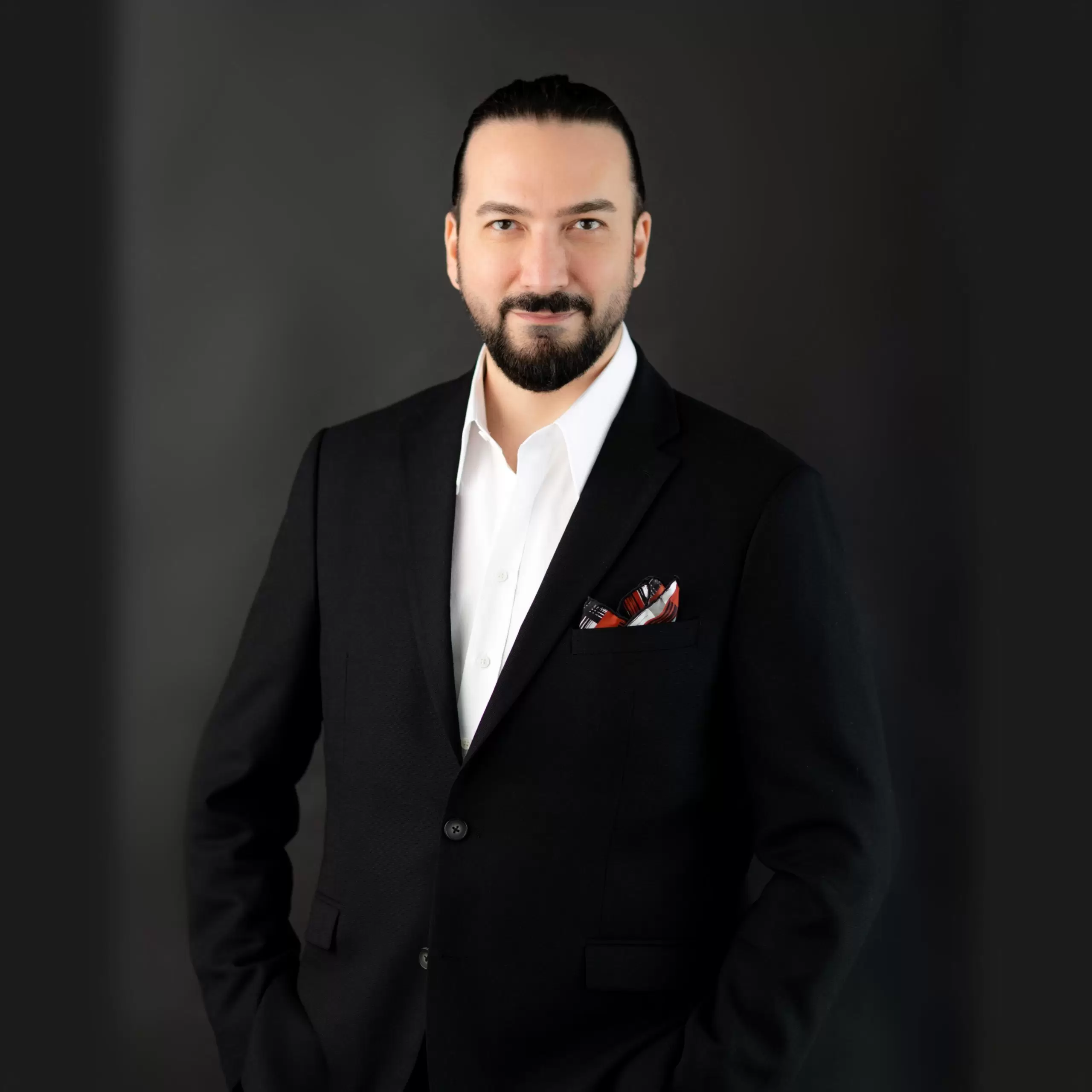
Prof. Dr. Murat Songu – Rhinoplasty (Nose Aesthetics) Specialist
Prof. Dr. Murat Songu was born in 1976 in Izmir and completed his medical education at the Ege University Faculty of Medicine. He then completed his residency training in the Department of Otorhinolaryngology at Celal Bayar University. Between 2005 and 2006, he received advanced training in rhinoplasty, functional nasal surgery, and skull base surgery in Bordeaux, France, working with leading rhinologists such as Prof. Vincent Darrouzet and Dr. Guy Lacher.
Prioritizing natural appearance, the preservation of breathing function, and facial aesthetic harmony, Prof. Dr. Songu is nationally and internationally recognized for his expertise in open rhinoplasty, piezo (ultrasonic) rhinoplasty, revision rhinoplasty, tipplasty, and functional septorhinoplasty. He has participated as an instructor and speaker at numerous rhinoplasty congresses worldwide.
With over 100 scientific publications, book chapters, and more than 1700 citations, Prof. Dr. Murat Songu is one of Türkiye’s most respected academics in the field of rhinoplasty, combining natural, facially harmonious, and functional results with scientific and aesthetic excellence.