Türkçe
Middle Eastern noses are generally characterized by a prominent hump, thick skin, and a drooping nasal tip. These structural features require special techniques in aesthetic surgery, and an individualized plan should be prepared.
From an aesthetic perspective, the most common issue in Middle Eastern noses is a prominent dorsal hump. This area is corrected with surgical techniques, the nasal tip is supported, and a profile that is more harmonious with the face is achieved.
Functionally, narrowing inside the nose may also be common. Therefore, in addition to aesthetic intervention, functional surgery aimed at eliminating breathing problems should also be performed.
For the results to appear natural, the proportions between the nose and face must be taken into consideration. By analyzing the person’s facial features, the surgeon creates a functionally healthy nasal shape that is compatible with their aesthetic expectations.
Why Do Middle Eastern Noses Require a Special Approach?
The Middle East covers a very large geographical area, and the nasal structures of people in this region also show great diversity. However, when viewed generally, there are certain common features frequently encountered in these noses. Thick skin, a prominent dorsal hump, and relatively weak nasal tip cartilages are among them. These features may prevent standard rhinoplasty techniques from always producing the desired result. Therefore, it is very important to analyze each patient’s nasal structure in detail and create an individualized surgical plan that preserves ethnic identity. The goal is not merely to reduce the size of the nose, but to achieve a natural, balanced appearance that is harmonious with the face.
What Is the Skin Structure of Middle Eastern Noses Generally Like?
One of the most noticeable features in individuals of Middle Eastern origin is generally the skin structure. The skin, especially at the nasal tip, the part of the nasal dorsum close to the tip (supratip), and the nasal wings (alar regions), often has a thick and oily (sebaceous) structure. This may result from a greater amount of fibrous fatty tissue and sebaceous glands beneath the skin. Of course, this is a generalization, and the situation is not the same for everyone. Some people may also have normal or thin skin. However, thick skin is an important factor in surgical planning and outcomes.
What Does Thick Skin Mean for Middle Eastern Noses?
Thick skin can affect the results of rhinoplasty in several ways. First, thick skin is less elastic. This may make it difficult for the skin to fit completely over the bone and cartilage structure reshaped during surgery and clearly reflect the new form. Second, thick skin tends to conceal the subtleties and details of the cartilage structure beneath it. This may cause the nasal tip to appear more rounded or less defined. Third, postoperative edema and swelling generally last longer in noses with thick skin. It may also increase the risk of swelling at the lower end of the nasal dorsum, known as a “pollybeak” deformity.
What Is the Structure of the Dorsum in Middle Eastern Noses?
The nasal dorsum, meaning the upper line of the nose seen in profile, generally has a high and prominent hump (dorsal hump) in Middle Eastern noses. This hump may consist of both bone and cartilage. The size and shape of the hump vary greatly from person to person. During rhinoplasty, the goal is to remove this hump carefully and in a controlled manner. Generally, the cartilaginous portion of the hump may need to be reduced more than the bony portion. In addition, the nasal root (radix), which is the point where the nose meets the forehead, is generally high. These are important anatomical features that should be considered in rhinoplasty planning.
Why Are Nasal Tip Cartilages Important in Middle Eastern Noses?
The main structures that provide the shape and support of the nasal tip are the lower lateral cartilages. An interesting situation exists in Middle Eastern noses. In contrast to the generally thick skin, these lower lateral cartilages may often be thin, weak, or soft. This “thick skin / weak cartilage” dilemma requires a special approach in rhinoplasty. Weak cartilages may not be able to carry the weight of the thick skin, which may cause the nasal tip to have an undefined shape, lack adequate support, and droop over time. Therefore, it is very important to strengthen and support these cartilages rather than simply reducing them during surgery.
What Can the Shape and Position of the Nasal Tip Be Like in Middle Eastern Noses?
Due to the combination of weak cartilages and thick skin, the tips of Middle Eastern noses generally display certain characteristics. The shape of the nasal tip is often described as “amorphous” (shapeless), “bulbous” (rounded or bulky), “boxy,” or poorly defined. In terms of position, it generally has a downward-drooping (ptotic) appearance. Sometimes the nasal tip may not project sufficiently forward or may not be adequately elevated. However, this may sometimes be an optical illusion created by a prominent nasal hump. Nasal tip asymmetries are also frequently encountered in this nose type.
Does the Nasal Tip Droop When Smiling in Middle Eastern Noses?
Yes, in some individuals of Middle Eastern origin, the nasal tip may visibly move downward or droop when smiling. This condition is called a “hyperdynamic nasal tip.” It is generally caused by excessive activity of a small muscle called the “depressor septi nasi.” This muscle is located between the upper lip and the base of the nose, and when it contracts, it pulls the nasal tip downward. During rhinoplasty, if this condition bothers the patient, the activity of this muscle may be surgically weakened or the muscle may be divided. This procedure helps stabilize the nasal tip and prevent drooping while smiling.
Are the Nasal Base and Nostrils Wide in Middle Eastern Noses?
The width of the nasal base and the shape of the nostrils are also notable features of Middle Eastern noses. The nasal base, meaning the lowest part where the nose joins the face, is generally wide. The nasal wings (alae) may spread outward (alar flare), and the distance between the two nostrils (interalar width) may be excessive. This can be corrected during rhinoplasty for patients who want a narrower nasal base and more proportionate nostrils. Sometimes there may also be a mismatch between the shape of the nostrils and the overall appearance of the nasal tip.
Are the Angles and Proportions of Middle Eastern Noses Different?
Yes, some angles and proportions in Middle Eastern noses may generally differ from Caucasian nasal norms. For example, the angle between the nasal tip and the upper lip (nasolabial angle) is often narrower (acute, meaning less than 90 degrees). This is especially prominent when accompanied by nasal tip drooping. Nasal length generally tends to be greater relative to the forward projection of the nasal tip. Anthropological measurements also generally show that the dimensions of noses in individuals of Middle Eastern origin, such as length and width, are greater than Caucasian norms. However, these are general tendencies, and individual differences always exist.
Why Is the Diversity of Middle Eastern Noses Important?
This is perhaps the most important point. There is no single “Middle Eastern nose” type. This term covers a very broad geography and cultural diversity. It includes people from many different countries and regions such as Iran, Saudi Arabia, Egypt, Morocco, Lebanon, Türkiye, and Armenia. Therefore, nasal structures also vary greatly. There are identified regional phenotypes, such as the Egyptian type, Levantine type, Turkish type (Anatolian and Oriental), Iraqi type, Kurdish type, and Persian (Iranian) type. Being aware of this diversity is critically important in rhinoplasty planning. Stereotypical thinking should be avoided, and each patient should be evaluated entirely on an individual basis.
How Is Surgery Planned for Middle Eastern Noses?
One of the most important steps for successful rhinoplasty is careful preoperative planning. Due to the complex and variable structure of Middle Eastern noses, this planning becomes even more important. First, the patient’s nasal structure is examined in detail both externally and internally. Factors such as skin thickness, the condition of the bone and cartilage structures, and the condition of the septum are evaluated. Then the patient’s wishes, expectations, and motivation are listened to carefully. Fully understanding what the patient wants is essential. Computer simulations may be a useful tool for visualizing possible results and clarifying expectations.
Why Is Preserving Ethnic Identity Important for Middle Eastern Noses?
One of the main goals of Middle Eastern rhinoplasty is to preserve the person’s natural and ethnic identity while improving the appearance of the nose. The aim is not to create an appearance that is incompatible with the face, looks “operated on,” or is excessively “Westernized.” On the contrary, the goal is to achieve a more balanced and aesthetically pleasing nose that is harmonious with the person’s facial features and reflects their own cultural and ethnic characteristics. For example, some patients may prefer a slightly fuller nasal dorsum or a narrower nasolabial angle than Caucasian norms. The surgeon must understand these wishes and shape the surgical plan accordingly, while also avoiding excessive changes that would disrupt the overall balance of the face.
Why Is Structural Support Necessary for Middle Eastern Noses?
This is a very important principle that forms the fundamental philosophy of Middle Eastern rhinoplasty. As you may recall, these noses generally have thick skin and relatively weak cartilages. If the cartilages are only reduced during surgery, the remaining weak framework may not be able to carry the weight of the thick skin, and deformities, collapse, or drooping of the nasal tip may develop over time. Therefore, instead of merely removing tissue, it is essential to strengthen and support the nasal framework, especially the nasal tip, using cartilage grafts. This philosophy of “structural support” provides a more permanent and defined aesthetic result and also prevents functional problems.
Is Open or Closed Surgery Preferred for Middle Eastern Noses?
Rhinoplasty can basically be performed using two different approaches. In the open approach, a small incision is made in the skin bridge called the “columella” between the two nostrils. In the closed (endonasal) approach, all incisions are made inside the nose, and no visible external scar remains. The open approach is generally preferred more often in Middle Eastern noses. This is because it allows the surgeon to see the nasal framework more clearly and work on it more precisely. The open approach is especially advantageous when placing cartilage grafts for structural support, performing detailed work beneath thick skin, or making complex corrections. However, the closed approach may also be used successfully in suitable cases. The choice varies according to the patient’s nasal structure, the procedures to be performed, and the surgeon’s experience.
How Is Thick Skin Managed During Surgery in Middle Eastern Noses?
Managing thick skin is an important part of the surgery. The surgeon acts carefully while lifting the nasal skin during surgery (dissection). Sometimes, to help the skin fit better and slightly refine the nasal tip, excess fibrous fatty tissue beneath the skin may be reduced in a controlled manner (debulking or defatting). However, this procedure must be performed very carefully, and the blood circulation of the skin must not be damaged. It should be remembered that thinning the tissue beneath the skin alone is not sufficient. The main priority is to strengthen the underlying framework adequately and create a solid foundation for the skin to rest upon.
How Does a Strong Framework Affect Thick Skin in Middle Eastern Noses?
As mentioned, thick skin tends to conceal the details of the structures beneath it. This is where the importance of creating a strong bone-cartilage framework becomes apparent. A solid and well-projected framework created during surgery stretches the thick skin over it like a tent and allows the skin to fit properly. In this way, despite the thickness of the skin, the nasal contours become more defined and nasal tip definition improves. In other words, the most effective way to manage thick skin is not only to try to thin the skin but also to make the underlying framework sufficiently strong and well defined. This is the reflection of the structural support philosophy in the management of thick skin.
What Is Done for Postoperative Swelling in Middle Eastern Noses?
Postoperative edema (swelling) is expected to be more pronounced and long-lasting in noses with thick skin. It may take months for the swelling, especially at the nasal tip and supratip region, to subside completely. It is important to be patient during this process. Certain methods are used to control swelling and accelerate healing. Tapes and a cast placed on the nose at the end of surgery help reduce the initial swelling. In the following weeks and months, if the doctor considers it necessary, low-dose cortisone injections may be administered for persistent swelling, particularly at the nasal tip or supratip region. These injections may help prevent edema and excessive scar tissue formation.
How Is the Dorsal Hump Corrected in Middle Eastern Noses?
Correcting the hump on the nasal dorsum is one of the commonly performed steps in rhinoplasty. The surgeon carefully and controllably removes both the bony and cartilaginous portions of the hump. The bony portion is shaped using a rasp or special cutting instruments (osteotomes), while the cartilaginous portion is shaped with scissors. Technologies used in recent years, such as piezo surgery (ultrasonic bone shaping), allow more precise and less traumatic work on the bone. When removing the hump, it is important not to overdo the reduction, to achieve a natural appearance, and especially to preserve ethnic character. The goal is not to create a completely flat or “ski-slope” nasal dorsum, but an aesthetically pleasing profile line that is harmonious with the face.
Why Are the Bones Narrowed in Middle Eastern Noses (Osteotomy)?
When the hump on the nasal dorsum is removed, especially if it is prominent, an opening forms in the upper part of the nasal bones. This condition is called an “open roof” deformity. In addition, the bony structure of Middle Eastern noses is generally broad. For these reasons, the nasal bones need to be brought closer together by cutting them in a controlled manner from the sides (osteotomy). This procedure both closes the open roof and narrows the nasal dorsum and nasal root, creating a more refined appearance. Osteotomies are generally performed along the lateral areas where the nasal bones join the face (lateral osteotomy) and sometimes in the central area (medial osteotomy).
Why Should the Middle Vault Be Supported in Middle Eastern Noses?
When a significant amount of the hump on the nasal dorsum, especially the cartilaginous portion, is removed, the cartilage structures in the middle part of the nasal dorsum (middle vault) may weaken. This may cause the area to collapse inward during the postoperative healing process. This collapse is called an “inverted V deformity” because an inverted V-shaped appearance forms on the nasal dorsum when viewed from above. In addition, this region contains a narrow angle called the “internal nasal valve,” which plays an important role in breathing. Collapse of the middle vault may narrow this angle and lead to breathing difficulties. Therefore, especially in cases where the cartilaginous hump is removed, the middle vault must be supported.
What Is a Spreader Graft and Why Is It Used in Middle Eastern Noses?
Spreader grafts are small strips of cartilage used specifically to support the middle vault mentioned above. They are generally prepared from the patient’s own septal cartilage or sometimes from ear or rib cartilage. These thin cartilage strips are placed on both sides between the septal cartilage in the nasal dorsum and the upper lateral cartilages. Their main functions are as follows: preventing collapse of the middle vault (inverted V deformity), improving breathing by widening the internal nasal valve angle, helping correct any curvature of the nasal dorsum, and providing the nasal dorsum with a more natural and aesthetically pleasing width and contour. Spreader grafts provide very important functional and aesthetic benefits.
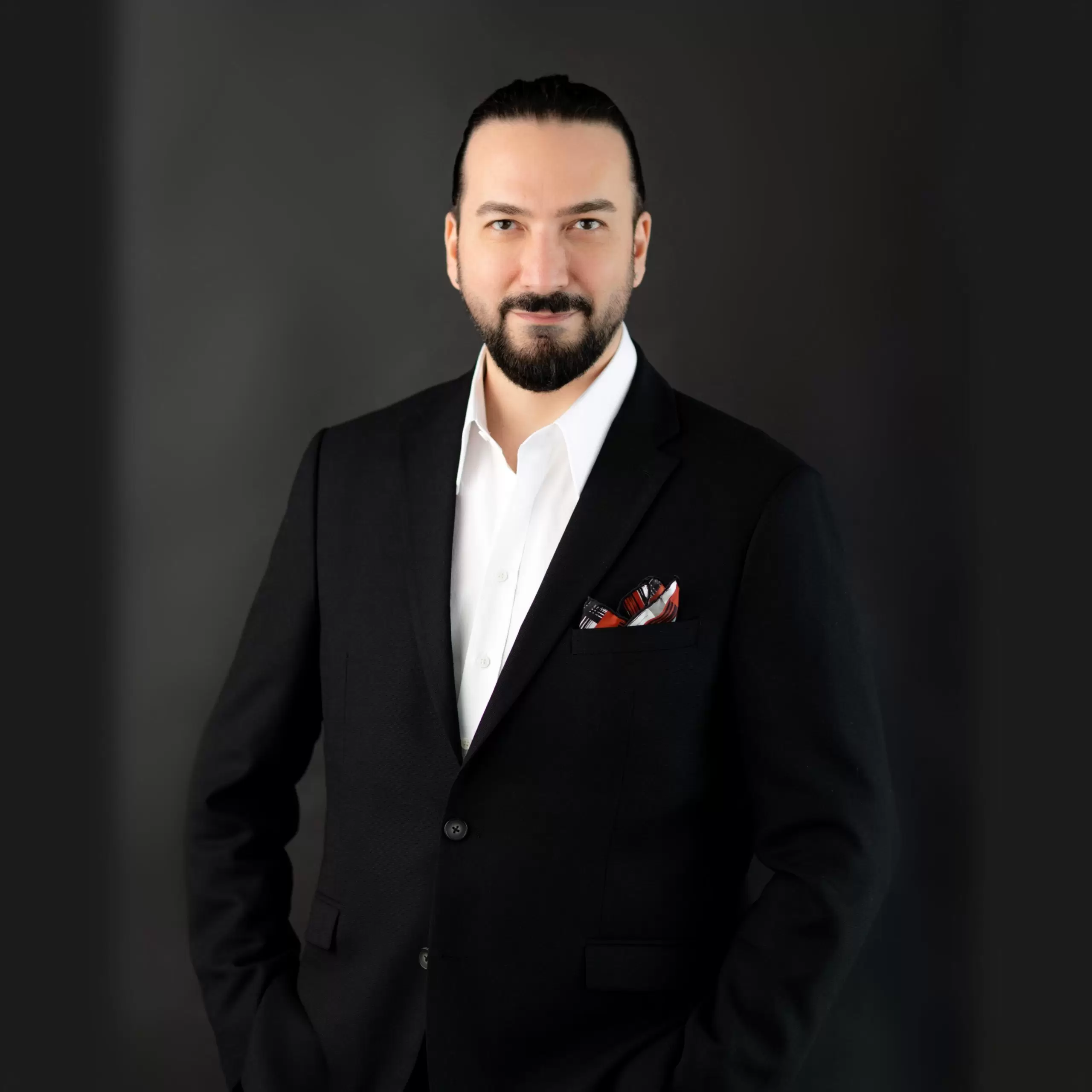
Prof. Dr. Murat Songu – Rhinoplasty (Nose Aesthetics) Specialist
Prof. Dr. Murat Songu was born in 1976 in Izmir and completed his medical education at the Ege University Faculty of Medicine. He then completed his residency training in the Department of Otorhinolaryngology at Celal Bayar University. Between 2005 and 2006, he received advanced training in rhinoplasty, functional nasal surgery, and skull base surgery in Bordeaux, France, working with leading rhinologists such as Prof. Vincent Darrouzet and Dr. Guy Lacher.
Prioritizing natural appearance, the preservation of breathing function, and facial aesthetic harmony, Prof. Dr. Songu is nationally and internationally recognized for his expertise in open rhinoplasty, piezo (ultrasonic) rhinoplasty, revision rhinoplasty, tipplasty, and functional septorhinoplasty. He has participated as an instructor and speaker at numerous rhinoplasty congresses worldwide.
With over 100 scientific publications, book chapters, and more than 1700 citations, Prof. Dr. Murat Songu is one of Türkiye’s most respected academics in the field of rhinoplasty, combining natural, facially harmonious, and functional results with scientific and aesthetic excellence.