Türkçe
 Deutsch
Prominent ear surgery is a surgical procedure performed to correct the angle between the auricle and the head. It is also known as otoplasty and provides psychological relief in addition to improving aesthetic appearance.
The surgery is generally performed under general anesthesia and can be applied from childhood onward. The period after the age of 6, when ear development is largely complete, is considered appropriate.
During the surgical procedure, the cartilage structure of the ear is reshaped. The recovery period is short, and it is possible to return to normal life within a few weeks.
Otoplasty provides permanent results and increases the individual’s self-confidence. With proper surgical planning, a natural and aesthetic appearance is achieved.
Who Is Prominent Ear Surgery (Otoplasty) Suitable For?
Otoplasty can be performed on anyone who is dissatisfied with the shape of their ears. Conditions that bother patients, such as ear size and prominent ears (absence or weakness of the antihelix and cavum concha hypertrophy), can be corrected with various otoplasty techniques to achieve natural and satisfying results. Especially in preschool children, the average age of 5 is the most ideal time. Being teased at school because of prominent ears can have a very negative impact on a child’s psychology.
What Is the Technique, Complications, and Follow-Up of Prominent Ear Surgery (Otoplasty)?
The otoplasty surgical technique is performed under general anesthesia. The average operation time ranges between 1–2 hours. Through an incision made behind the ear, the desired shape is created using various suture techniques. Depending on the condition of the case, cartilage excision may be performed if necessary to achieve a natural and aesthetically pleasing ear.
After the surgery, the incision behind the ear is closed with sutures. Since it is located behind the ear, there may be a very faint scar that is barely noticeable and does not cause discomfort.
If sterile conditions are maintained during the operation and postoperative dressings, no signs of infection are encountered. When appropriate and high-quality sutures are used for the patient, reopening of the ear, recurrence of ear prominence, and deformity are not observed. With proper intraoperative bleeding control and good postoperative dressing and follow-up, hematoma (blood accumulation) is not seen.
Postoperative dressings and follow-up examinations are performed every other day for a total of 10 days. After the patient’s sutures are removed on the tenth day, the patient can return to daily social life, with the only recommendation being to sleep with an elastic headband at night.
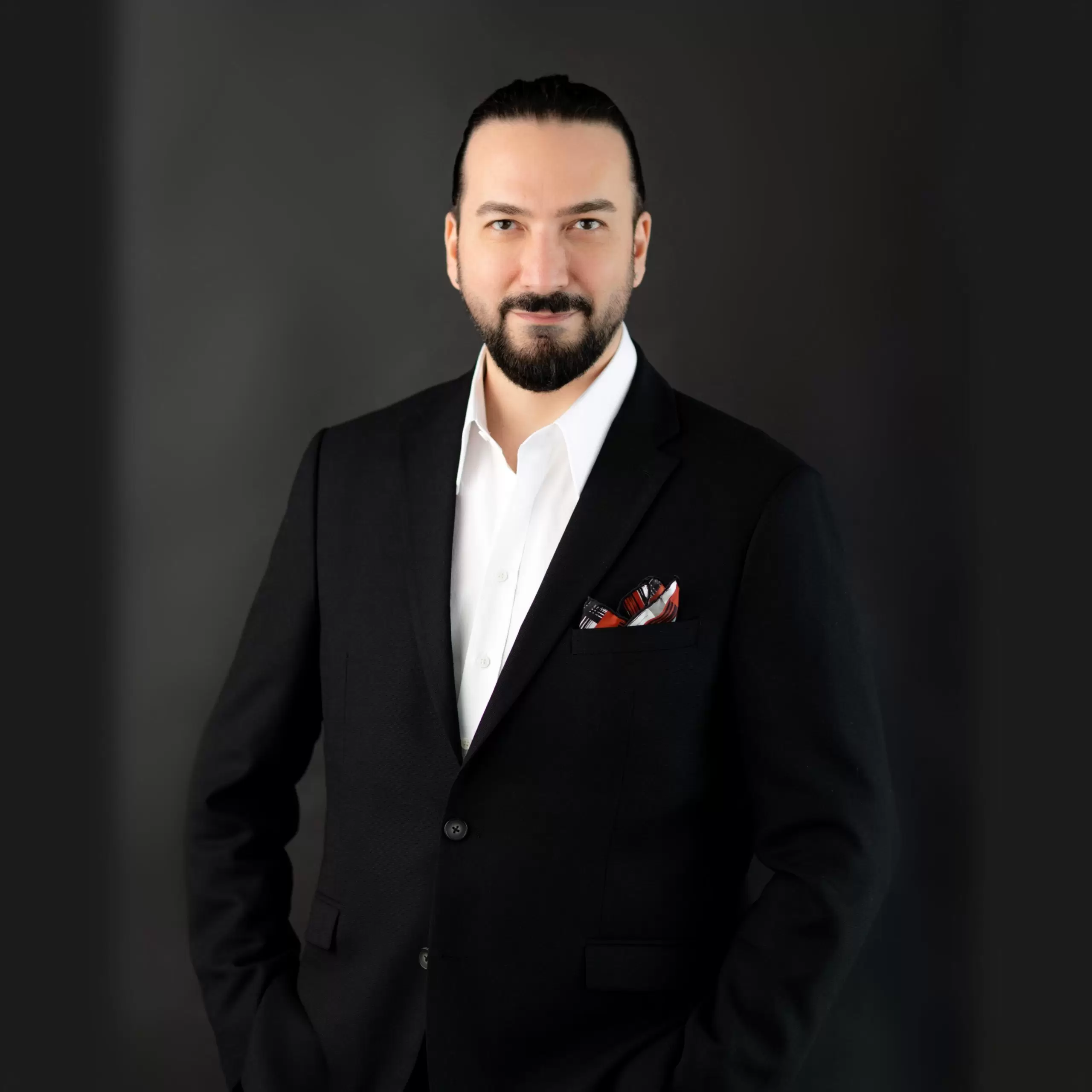
Prof. Dr. Murat Songu – Rhinoplasty (Nose Aesthetics) Specialist
Prof. Dr. Murat Songu was born in 1976 in Izmir and completed his medical education at the Ege University Faculty of Medicine. He then completed his residency training in the Department of Otorhinolaryngology at Celal Bayar University. Between 2005 and 2006, he received advanced training in rhinoplasty, functional nasal surgery, and skull base surgery in Bordeaux, France, working with leading rhinologists such as Prof. Vincent Darrouzet and Dr. Guy Lacher.
Prioritizing natural appearance, the preservation of breathing function, and facial aesthetic harmony, Prof. Dr. Songu is nationally and internationally recognized for his expertise in open rhinoplasty, piezo (ultrasonic) rhinoplasty, revision rhinoplasty, tipplasty, and functional septorhinoplasty. He has participated as an instructor and speaker at numerous rhinoplasty congresses worldwide.
With over 100 scientific publications, book chapters, and more than 1700 citations, Prof. Dr. Murat Songu is one of Türkiye’s most respected academics in the field of rhinoplasty, combining natural, facially harmonious, and functional results with scientific and aesthetic excellence.