Türkçe
 Deutsch
 Nederlands
 العربية
 Español
 Svenska
 Dansk
Dansk Français
 עברית
עברית Italiano
 Norsk bokmål
 Polski
 Português
 Română
 Русский
Rhinoplasty, also known as nose aesthetic surgery, is a surgical procedure in which cartilage and bone structures are reshaped to ensure the natural balance of the face, while respiratory tract problems are permanently resolved at the same time. Improving the form and function of this organ located in the center of the face simultaneously gives the expression a softer and more harmonious character. This intervention, where aesthetic expectations and the need to breathe meet at a common point, eliminates structural asymmetries and reveals the golden ratio of the face. While a flawless external appearance is targeted, quality of life is also directly increased by building a healthy airway.
What Is the Main Purpose and Philosophy of Rhinoplasty?
Rhinoplasty, medically known as nose aesthetic surgery, is a very special surgical procedure performed to improve both the external appearance and the breathing function of this structure located in the very center of the face and most affecting our overall expression. Although it is generally thought in society to be performed only for beautification or changing external appearance, it is actually a comprehensive treatment in which obstacles to healthy breathing are also removed. The aesthetics of this organ, where completely different tissues such as bone, cartilage, muscle, and skin interact with all facial expressions and work together in harmony, requires millimetric calculations. It is not enough to obtain a shape that looks pleasing from the outside. At the same time, this new shape must be built on a solid foundation so that it can resist gravity, aging effects, and tissue changes for years. The technological possibilities and anatomical knowledge offered by modern surgery make it possible to achieve personalized, natural, and healthy results. After a properly performed rhinoplasty, it should not be obvious at first glance that the person has undergone surgery; that tired or harsh expression on the face should be replaced by a brighter, balanced, and softer appearance.
How Does the First Examination and Planning Process Before Rhinoplasty Work?
A successful rhinoplasty journey begins long before entering the operating room, at the moment of the first examination. This consultation is not only a physical evaluation but also a mutual listening and understanding process. What the person sees as lacking or excessive when looking in the mirror, which angles they are uncomfortable with, and what kind of difficulties they experience while breathing are listened to in detail. Then both the external structure and internal parts of the nose are examined with the help of endoscopic cameras. The skin thickness of the nose, the strength of the cartilages, curvatures in the bone structure, asymmetries, and its proportion with other facial organs are calculated. Factors such as a recessed chin tip, flat forehead structure, or prominent cheekbones directly affect the position of the nose on the face. Therefore, during planning, the nose is evaluated not as an independent organ on its own but as part of the general harmony of the face. How much the person’s expectations overlap with their own anatomical realities is discussed honestly.
How Should the Appropriate Age Limit and Psychological Preparation Be for Rhinoplasty?
For physical interventions, it is a medical necessity for the body to reach a certain maturity. In rhinoplasty surgeries, the ages when facial bones and cartilage structure have largely completed their development are generally awaited. The generally accepted medical limit is completion of the age of 16 in women and 17 in men. However, the issue is not only the completion of bone growth. Psychological maturity is at least as critical a factor as physical maturity. Especially today, social media filters and the front cameras of smartphones reflecting the face in a distorted way can lead to serious body perception disorders in young people. The decision to undergo surgery should not be made with a momentary enthusiasm, environmental pressure, or the influence of popular culture, but entirely with the person’s own free will and long-term feeling of discomfort. People who set out on this path with realistic expectations and the right motivation overcome the difficulties of the recovery process much more easily and are much happier with the result obtained.
What Are the Skin Structure Features That Affect Rhinoplasty Results?
When it comes to rhinoplasty, one of the most talked-about topics is skin structure. Because no matter how flawless a skeleton is created from bone and cartilage inside, it is the skin of the nose that will reflect that skeleton outward. We can compare this situation to fabric draped over a piece of furniture. Thin-skinned noses are like a thin silk cover. They reflect all cartilage details, carvings, and aesthetic curves underneath wonderfully. However, thin skin has a disadvantage; it immediately reveals even the slightest skeletal irregularity or mild asymmetry. Thick and oily skin structure is like a thick wool blanket. It hides many of the details inside, causes the nasal tip to appear rounder, and it takes much longer for postoperative swelling (edema) to subside. Therefore, in people with thick skin, much stronger cartilage supports that can carry that skin and show aesthetic lines must be built.
What Should Be Considered Before Rhinoplasty?
After the decision for surgery is made, the body must be prepared for this process in the best possible way. Before the operation, the patient’s general health condition is evaluated and blood tests are performed. All results are reviewed by anesthesiologists and approval is given for the operation. During this preparation period, it is extremely important to stay away from all factors that may increase the risk of bleeding. There are some foods and medications that should be stopped at least one week before surgery. Paying attention to these increases surgical comfort during the operation and minimizes bruising that may occur afterward.
Things that should definitely not be used in the preoperative period are as follows:
- Aspirin
- Blood-thinning injections
- Green tea
- Garlic
- Ginger
- Ginseng
- Vitamin E
- Painkillers
- Smoking
Which Anesthesia Methods Are Preferred in Rhinoplasty Surgery?
One of the issues patients worry about most on the day of the operation is the fear of being awake or feeling pain. In modern and safe surgical practices, rhinoplasty surgeries are almost always performed under general anesthesia. The patient is completely asleep, feels absolutely no pain, does not hear sounds in the operating room, and does not remember the procedures. General anesthesia is the ideal method not only for the patient’s comfort but also for ensuring safety by keeping the airway completely under control. After the patient falls asleep, special fluids that stop bleeding and provide local pain relief are injected into the areas where the surgical procedure will be performed. Thanks to this procedure, tissues soften and separate from each other easily. At the same time, because blood vessels constrict, the operation area remains almost completely bloodless. A bloodless working field allows the anatomical details to be seen flawlessly in this surgery where millimetric calculations are applied.
What Are the Differences Between Open and Closed Rhinoplasty Techniques?
Two basic methods are applied to reach the cartilage and bone structure inside the nose: open rhinoplasty and closed rhinoplasty. Although there are many debates in society about which is better, both techniques actually have their own advantages, and the choice is shaped according to the needs of the nose. In open rhinoplasty, a very small incision is made on the middle column separating the two nostrils, and the nasal skin is lifted upward to reveal the entire skeleton inside. The viewing angle is very wide. This wide viewing angle is lifesaving especially in revision cases with serious asymmetries, major cartilage deficiencies, or previous surgery. In closed rhinoplasty, no external incision is made, and all procedures are performed through the nostrils. Since the ligaments and lymphatic channels at the nasal tip are not cut, postoperative edema is much less, and the nasal tip regains its softness more quickly. However, in the closed method, the field of view is more limited, so the surgeon’s anatomical sense and experience must be very high. In summary, the most suitable technique for the patient is determined individually according to the degree of nasal deformation.
What Is Ultrasonic (Piezo) Bone Shaping in Rhinoplasty?
In past years, the removal of the nasal hump or narrowing of wide bones was performed by mechanically breaking them with chisel- and hammer-like instruments. Since this old method could seriously damage the surrounding soft tissues, capillaries, and nerves, intense bruising and swelling under the eyes were inevitable after surgery. Today, these traumatic procedures have been replaced by ultrasonic devices called “Piezo.” Piezoelectric technology produces high-frequency sound waves and shapes only mineralized hard tissues, namely bones. There is a good example to understand the working principle of these devices: when you rub the tip of the device against the outer shell of an egg, it smoothly cuts that hard shell, but when it touches the very thin membrane immediately underneath, it never tears that membrane. Thanks to this selective feature, while bones are sculpted with millimetric precision, the surrounding vessels and nerves are not damaged. As a result, the possibility of bruising decreases incredibly, and unwanted fracture lines do not form in the bones.
What Are the Cartilage Supports Used in Nasal Tip Aesthetics?
The nasal tip is the most sensitive and externally most noticeable area of aesthetic surgery. When we make facial expressions, smile, or speak, the nasal tip is constantly in motion. In order to prevent the nasal tip from drooping over time due to gravity, a very strong support system must be established in this area during surgery. These supports are not made with an external synthetic material but generally with the person’s own natural cartilages taken from the inner middle partition of the nose. Just like pillars holding up a roof, various support pieces are placed to ensure the projection (forward prominence) and uprightness of the nasal tip.
The pieces used to support the nasal tip and framework are as follows:
- Columellar strut
- Septal extension graft
- Spreader graft
- Shield graft
- Umbrella graft
How Are Breathing Problems Solved During Rhinoplasty?
A nose that looks aesthetically flawless but does not allow air to pass through cannot be considered a successful surgery. The nose is, above all, the respiratory organ of the body. Therefore, while aesthetic interventions are performed, mechanical obstacles in the airways are also removed in the same session. Curvatures in the middle wall that divides the right and left nostrils of the nose (septum deviation) are corrected and excess cartilages are removed. At the same time, excessive enlargement of the nasal turbinates (conchae), which allow the air to warm and humidify, due to allergies or structural reasons is also a frequently encountered problem. Today, these turbinates are reduced not by cutting them but by giving radiofrequency energy into them and shrinking them. Thus, while the risk of bleeding approaches zero, the natural air-conditioning system of the nose also remains intact.
The main internal problems treated are as follows:
- Septum deviation
- Concha hypertrophy
- Nasal valve narrowing
- Nasal polyps
- Sinus canal obstructions
What Are the Tampons and Splints Used at the End of Rhinoplasty Surgery Like?
After the surgery is completed, some materials are used to keep the bones and cartilages fixed in their new positions. In the past, when we listened to patients’ stories, what they feared most was meters-long cloth tampons that caused great pain while being removed. These cloth tampons are now history. In modern surgery, they have been replaced by thin and soft silicone sheets (splints) with air tubes in the middle that allow the patient to breathe. These silicones do not adhere to tissues and absolutely do not hurt when removed. On the outside of the nose, thermoplastic splints or small tapes that will protect the new shape and ensure balanced distribution of edema are placed, just like applying a cast to a broken arm. These splints also function as a protective shield against minor external impacts in the first days.
How Does the Recovery Process Go in the First Days After Rhinoplasty?
The first 48 hours after surgery are the time when swelling (edema) reaches its peak due to the body’s natural defense mechanism against the surgical procedure. Mild swelling around the eyes is a very normal physiological process. In order to get through this period as comfortably as possible, patients are asked to sleep with two pillows so that their heads remain elevated in bed. Applying ice or cold gel regularly around the eyes during the first two days largely stops the spread of edema. Mild leakage and bloody watery discharge inside the nose are expected in the first days. During this process, instead of severe pain, nasal congestion and a feeling of pressure in the face, usually like having a flu infection, are experienced. Patients prevent dryness inside by using the prescribed sea or ocean water sprays.
The materials used to increase comfort in the first days are as follows:
- Ice gel
- Neck pillow
- Ocean water spray
- Moisturizing cream
- Soft toothbrush
- Cotton swab
How Should the Nutrition Order Be After Rhinoplasty?
The recovery process is closely related not only to external care but also to how the body is nourished from within. Nutrition that begins with liquid foods in the first hours after anesthesia usually returns to soft and lukewarm foods by the evening of the first day. Very hot soups or foods whose steam hits the face are not recommended in the first days because they may expand the vessels and increase the risk of bleeding or edema. At the same time, hard foods that are very difficult to chew and excessively tire the jaw muscles (for example, tough meats or fruits such as whole apples) should be avoided. Drinking plenty of water and keeping the salt level to a minimum are very beneficial for edema to be removed from the body quickly.
Foods you can add to your diet to accelerate healing are as follows:
- Pineapple
- Kiwi
- Yogurt
- Oatmeal
- Bone broth
- Salmon
- Dark green vegetables
How Is the Removal Process of Splints and Tapes After Rhinoplasty?
On the 3rd or 4th day after surgery, the silicone tubes inside the nose are usually removed. This procedure takes seconds and the patient immediately takes a deep breath. The truly exciting wait takes place on the 7th day. The hard splint and tapes on the nose are softened with special lotions and gently removed. When the splint is lifted, the patient sees their new nose for the first time. However, at this point, a very important psychological preparation must come into play: the nose emerging from under the splint is, at that moment, swollen, slightly firm, with sensitive skin, and with its tip appearing slightly more upturned than normal. This condition is definitely not permanent. The skin freed from the pressure of the splint may even tend to swell a little more in the first hours. Being aware that the first image in the mirror is not the final result and that the tissues will soften with gravity and gain a natural form protects the patient from unnecessary stress. Then thin, skin-colored tapes are applied over the nose to support the skin’s adaptation to the new skeleton for a few more days.
How Long Does It Take for Edema to Subside and the Final Result to Settle in Rhinoplasty?
Unfortunately, the nose is one of the organs in the face where fluid accumulation (edema) disperses the latest. Because the nasal skin has been completely separated from the bone and cartilage and reattached, and it takes time for the lymphatic drainage pathways to reorganize themselves. Recovery is a marathon measured not in hours or days but in months and even years. By the end of the first month, approximately seventy percent of that visible coarse swelling will have gone down, and the person can completely continue their social life without anyone understanding that they had surgery. In the third month, the lines on the nasal dorsum begin to become clearer, and that hard cartilage feeling at the nasal tip begins to soften. By the sixth month, the nose has now integrated well with the face, and curves or straight lines have become fully evident. However, the reflection of those finely crafted details in the most tip area (tip region) through the skin is completed at the end of the first year in people with thin skin, and only toward the end of the second year in people with thick and oily skin types. During this long waiting process, gentle massages performed with the physician’s recommendation significantly accelerate this healing schedule by stimulating the lymphatic pathways.
What Are the Possible Risks and Revision Possibility of Rhinoplasty Surgery?
In medicine, there are never one hundred percent mathematical guarantees, and every surgical intervention naturally carries certain risks. For patients to know these facts transparently during the decision-making process is the basis of building trust. Conditions such as bleeding, wound site infection, or the prominence of capillaries on the skin are very rare processes that may occur and can be medically treated in a short time. When looking at the medical literature worldwide, one out of every ten people who undergo surgery may require a small local touch-up (minor revision) after the healing process is completed. This is not a physician’s failure but a result of human biology working completely uniquely. What matters is that communication between the physician and patient remains strong after surgery and that the process is managed by a reliable hand in every situation that may arise.
Frequently Asked Questions
What are the main stages of rhinoplasty surgery from consultation to recovery?
What happens during the consultation stage before rhinoplasty surgery?
How is the nose reshaped during the surgical stage of rhinoplasty?
What type of anesthesia is used during the stages of rhinoplasty surgery?
What happens immediately after rhinoplasty surgery is completed?
How long does each stage of rhinoplasty recovery usually take?
Can the stages of rhinoplasty surgery vary between different patients?
What are the possible risks during the stages of rhinoplasty surgery?
How should I prepare before the stages of rhinoplasty surgery begin?
Why are follow-up appointments important after the stages of rhinoplasty surgery?
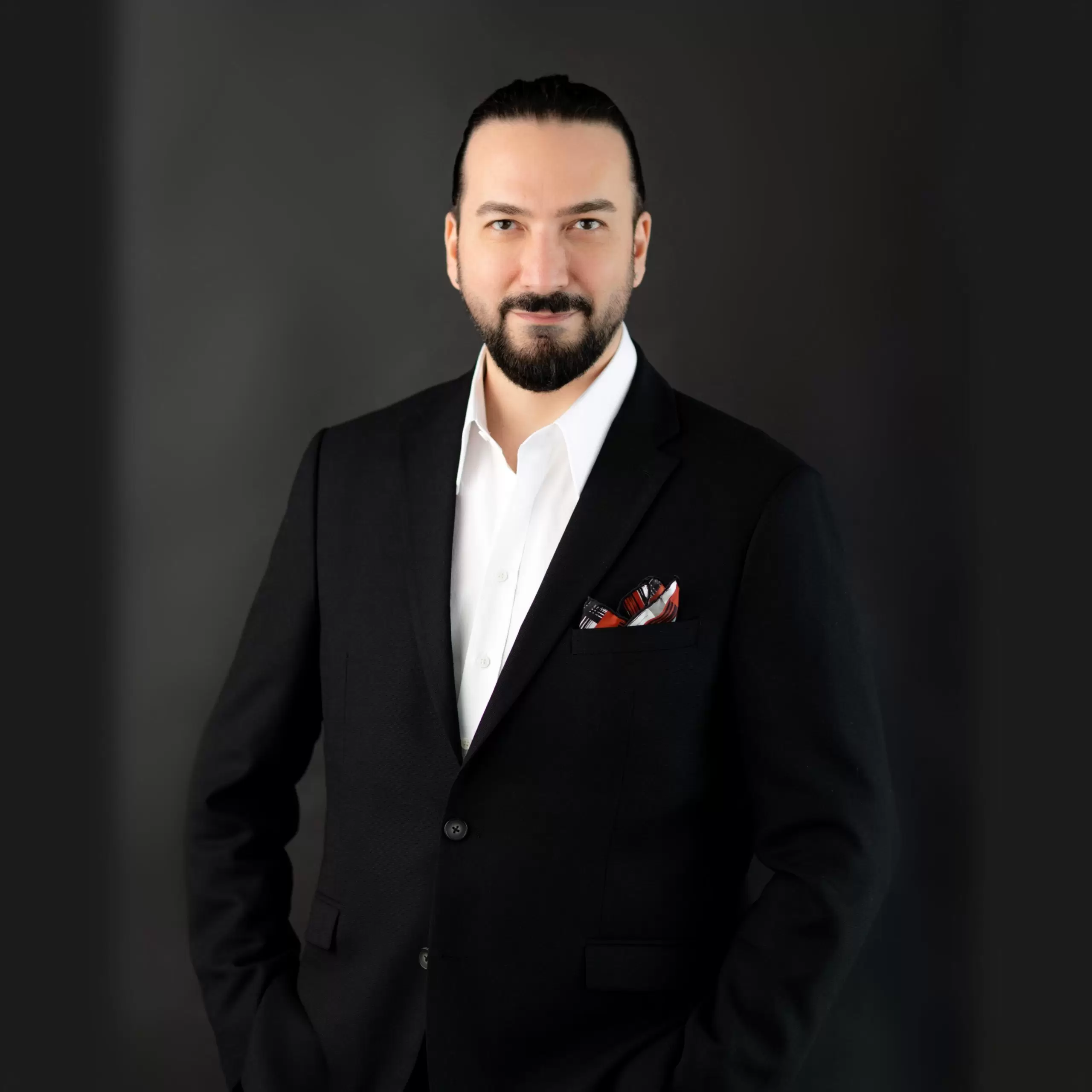
Prof. Dr. Murat Songu – Rhinoplasty (Nose Aesthetics) Specialist
Prof. Dr. Murat Songu was born in 1976 in Izmir and completed his medical education at the Ege University Faculty of Medicine. He then completed his residency training in the Department of Otorhinolaryngology at Celal Bayar University. Between 2005 and 2006, he received advanced training in rhinoplasty, functional nasal surgery, and skull base surgery in Bordeaux, France, working with leading rhinologists such as Prof. Vincent Darrouzet and Dr. Guy Lacher.
Prioritizing natural appearance, the preservation of breathing function, and facial aesthetic harmony, Prof. Dr. Songu is nationally and internationally recognized for his expertise in open rhinoplasty, piezo (ultrasonic) rhinoplasty, revision rhinoplasty, tipplasty, and functional septorhinoplasty. He has participated as an instructor and speaker at numerous rhinoplasty congresses worldwide.
With over 100 scientific publications, book chapters, and more than 1700 citations, Prof. Dr. Murat Songu is one of Türkiye’s most respected academics in the field of rhinoplasty, combining natural, facially harmonious, and functional results with scientific and aesthetic excellence.