Türkçe
 Deutsch
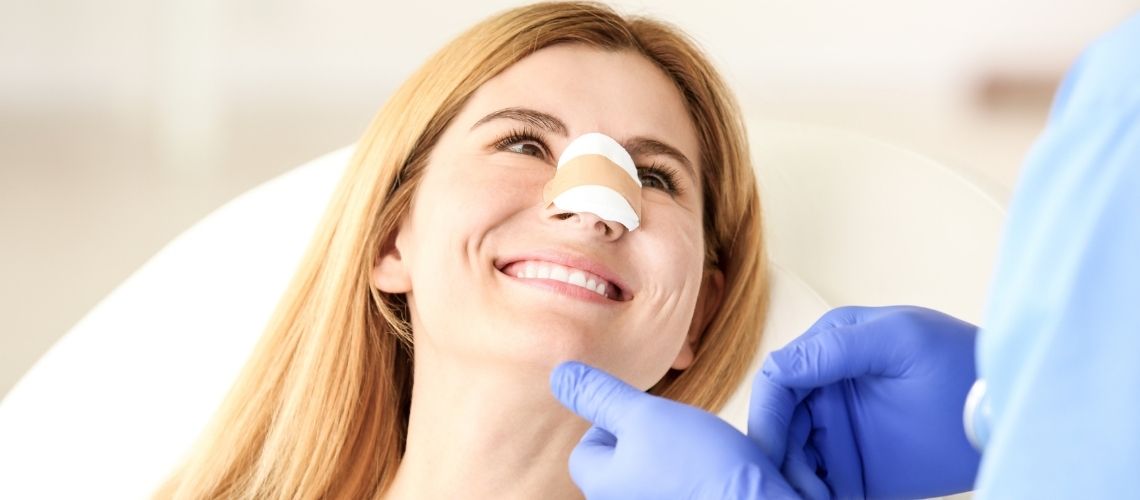
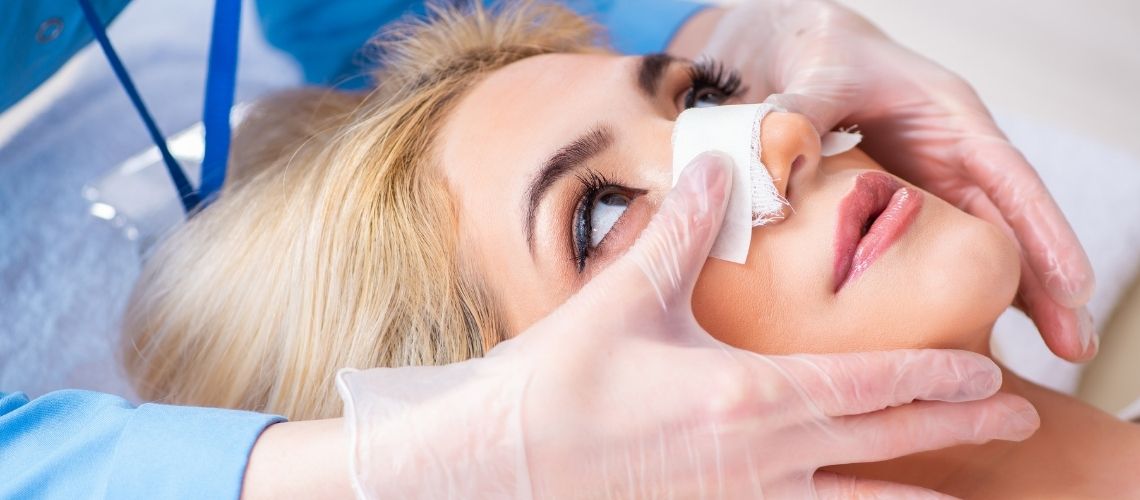
Nasal cleaning after nose surgery is one of the most important points to pay attention to during the healing process. Nasal sprays and saline solutions moisturize the mucosa and prevent crusting.
Cotton swabs or harsh cleaning methods should not be used. Such practices may damage the tissues inside the nose and delay healing.
During cleaning, the area around the nose should be wiped with gentle movements, and products recommended by the doctor should be preferred for the inner areas.
Regular and proper cleaning contributes both to preserving the aesthetic results and reducing the risk of infection.
Nasal Care That Should Be Applied After Rhinoplasty
After rhinoplasty surgery, patients need to follow a special nasal care routine to support the healing process. During the postoperative period, silicone splints placed inside the nose and plastic splints protecting the nasal bridge support healing. During the first few days, it is recommended to apply moisturizing creams around the nostrils. These creams soften the nostrils and prevent dryness. Nasal cleaning should be performed with specific products recommended by the doctor. These include:
- Moisturizing seawater-based products,
- Creams that soften the inside of the nose.
Regular use of these products prevents secretions inside the nose from drying and hardening and helps prevent blockages. Especially during the first year, the inside of the nose should be cleaned frequently with moisturizing solutions and kept moist. During this process, carefully cleaning the nostrils and the surrounding area accelerates healing and increases comfort.
Intranasal Cleaning Methods and Recommendations After Rhinoplasty
The healing process after rhinoplasty surgery requires sensitive and careful care. First of all, after the nasal packing is removed, spraying seawater into the nose may be started gradually. At this stage, it is recommended to allow the water to enter the nose with gentle movements. It is especially important to blow the nose gently in order not to increase the pressure inside the nose. Forceful and vigorous nose blowing should be avoided because such actions may increase the risk of bleeding.
- The water used during the healing process should consist of special solutions recommended by the doctor.
- Seawater solutions may be preferred for nasal cleaning, and care should be taken while cleaning with these solutions.
- Small popping sounds or mild bleeding from the nose during cleaning may be considered temporary and normal.
Intranasal cleaning helps accelerate the healing process and reduce the risk of complications. Therefore, it is very important to follow the specified methods and act in accordance with the doctor’s recommendations.
Peeling Methods and Skin Care Applied After Rhinoplasty
Skin care after rhinoplasty requires a careful and attentive process. First of all, the skin may become rough and blackhead formation may increase because it remains covered after surgery and adhesive dressing materials are used. In this case, skin care may begin after the dressings have been completely removed. Moisturizing creams should be applied to the nasal skin with gentle touches. These creams help cleanse the skin when applied lightly during showering.
- Daily moisturizing creams may be used to remove residue from the skin.
- Peeling applications in solution form may be started one month after the aesthetic operation.
- Instrument-assisted peels involving intensive massage and deep peeling solutions are not recommended before waiting for one year.
During the healing process of the nasal skin, sunscreen creams should be used for the first six months because sensitivity to the sun increases. This application helps protect the skin from the harmful effects of the sun and contributes to a healthy healing process. These stages are of vital importance for the care and protection of the nasal skin after aesthetic surgery.
Frequently Asked Questions
When can I start exercising after rhinoplasty surgery?
After rhinoplasty, light-paced walking can generally be started within the first few days after surgery, as soon as you feel well enough. However, strenuous exercises such as running, weightlifting, Pilates, and yoga, which may increase blood pressure and raise the risk of bleeding and swelling in the nose, should be avoided for at least 4-6 weeks. Water-based activities such as swimming or contact sports such as basketball and volleyball, which carry a risk of impact to the nose, are generally safer to begin after 2-3 months with your surgeon’s approval. Since every patient’s healing process is different, consulting your doctor regarding the timing of returning to specific exercises is the most appropriate approach.
When can I start wearing glasses after rhinoplasty?
Wearing glasses after rhinoplasty surgery is an important issue for the healing process, especially if the nasal bones have been treated. It is generally recommended not to wear glasses for at least 4-6 weeks, ideally for 2-3 months, so that they do not place direct pressure on the nasal bridge or affect the newly shaped bone-cartilage structure. Contact lenses may be a good alternative during this period. If wearing glasses is necessary, with your doctor’s approval, you may tape the glasses to your forehead or choose very lightweight frames with special support that do not place pressure on the nasal bridge. Even after complete healing, heavy frames should be avoided, especially during the first 6 months.
How long does it take for swelling to completely disappear after rhinoplasty, and when will I see the final shape of my nose?
Most of the swelling after rhinoplasty decreases noticeably within the first 2-3 weeks, and the patient can generally return to social life. However, it takes longer for the nose to settle completely and achieve its final shape. Approximately 80-90% of the swelling generally subsides within the first 2-3 months, while the remaining mild edema, especially the firmness and thickness at the nasal tip, may take 6 months to 1 year to disappear completely and, in some cases, particularly in patients with thick skin or those undergoing revision surgery, up to 1.5-2 years. This process varies from person to person and requires patience.
How should nutrition be managed after nose surgery, and is there a special diet to accelerate healing?
Although there is no miraculous diet to accelerate healing after rhinoplasty, a balanced and healthy diet is important. During the first few days, soft, lukewarm, and puréed foods such as soups, yogurt, and fruit purées should be preferred to make swallowing easier and reduce pressure on the nose. Excessively salty foods, certain herbal teas that may have a blood-thinning effect, and alcohol should be avoided because they may increase swelling. Drinking plenty of water, consuming protein-rich foods such as chicken, fish, eggs, and legumes, and eating fresh fruits and vegetables containing antioxidants such as vitamin C, including oranges, kiwi, broccoli, and peppers, will support wound healing.
What should the correct sleeping position be after rhinoplasty, and how long should I sleep in this position?
After rhinoplasty surgery, especially during the first few weeks, the correct sleeping position is critically important for reducing swelling and protecting the nose from possible impacts. Keeping the head above heart level helps the edema dissipate more quickly. Therefore, it is recommended to sleep on your back at an angle of approximately 30-45 degrees by placing two or three pillows under your head. Sleeping face down or on your side may negatively affect healing by placing pressure on the nose and may even cause deformity in the newly shaped nose. It is recommended to sleep in this position for at least 2-4 weeks, ideally for the period advised by your doctor.
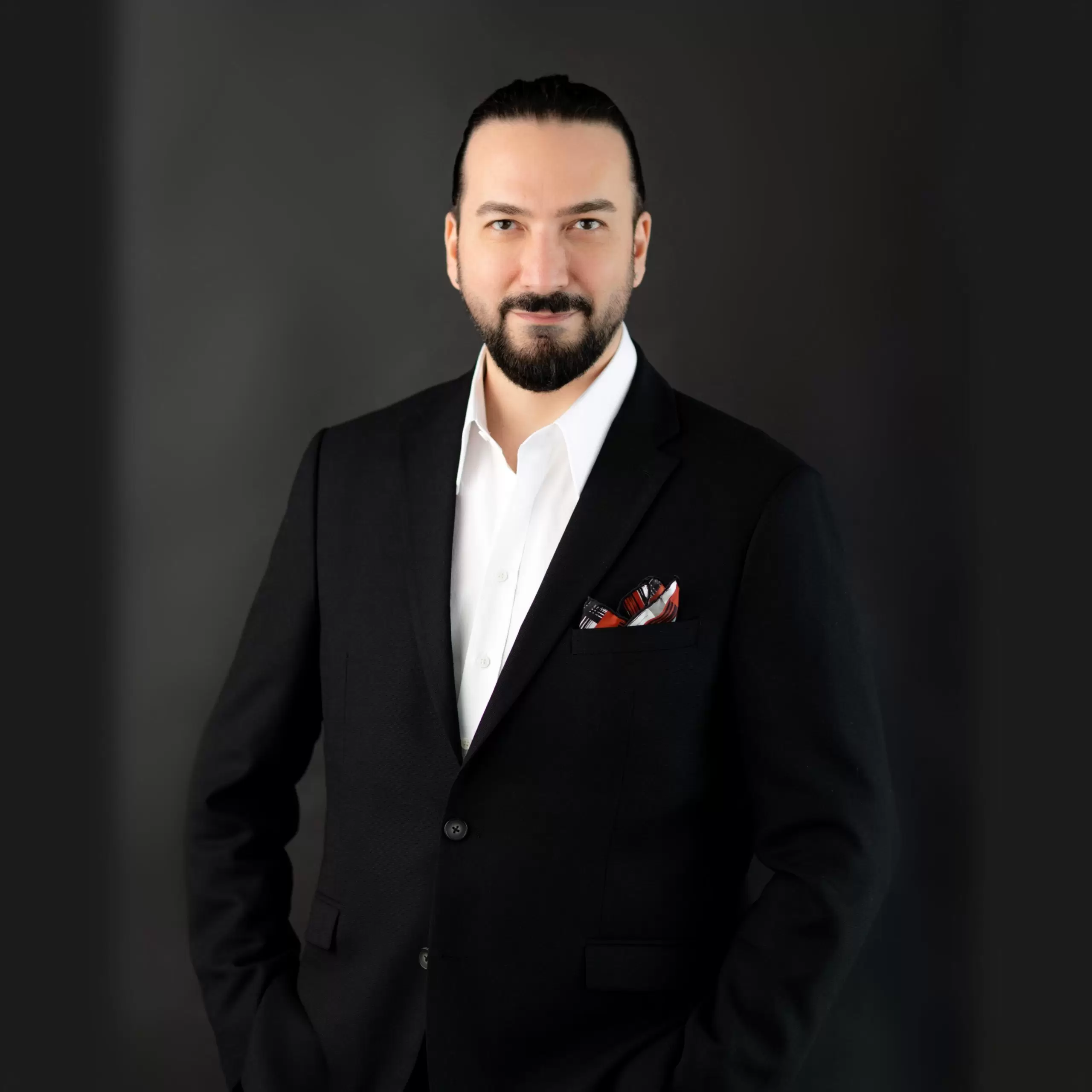
Prof. Dr. Murat Songu – Rhinoplasty (Nose Aesthetics) Specialist
Prof. Dr. Murat Songu was born in 1976 in Izmir and completed his medical education at the Ege University Faculty of Medicine. He then completed his residency training in the Department of Otorhinolaryngology at Celal Bayar University. Between 2005 and 2006, he received advanced training in rhinoplasty, functional nasal surgery, and skull base surgery in Bordeaux, France, working with leading rhinologists such as Prof. Vincent Darrouzet and Dr. Guy Lacher.
Prioritizing natural appearance, the preservation of breathing function, and facial aesthetic harmony, Prof. Dr. Songu is nationally and internationally recognized for his expertise in open rhinoplasty, piezo (ultrasonic) rhinoplasty, revision rhinoplasty, tipplasty, and functional septorhinoplasty. He has participated as an instructor and speaker at numerous rhinoplasty congresses worldwide.
With over 100 scientific publications, book chapters, and more than 1700 citations, Prof. Dr. Murat Songu is one of Türkiye’s most respected academics in the field of rhinoplasty, combining natural, facially harmonious, and functional results with scientific and aesthetic excellence.