Türkçe
Revision prominent ear surgery is performed on patients who did not achieve sufficient correction after a previous aesthetic procedure or who developed a deformity. This operation aims to restore both the aesthetic appearance and ear symmetry.
Correct shaping of the cartilage structure is important in prominent ear revision surgery. The surgeon evaluates the scars remaining from the previous operation and reconstructs the ear folds. In this way, a more natural and balanced ear appearance is achieved.
Psychologically, prominent ear deformity may lead to a lack of self-confidence, especially in children and young people. Thanks to revision surgery, individuals feel more comfortable in social life and are relieved of their aesthetic concerns.
Protecting the ears and using a special bandage during the postoperative period supports healing. Avoiding trauma during the first few weeks, attending regular check-ups, and following the surgeon’s recommendations help achieve permanent results.
What Is Revision Prominent Ear Surgery?
Revision prominent ear surgery, in simpler terms, is a corrective operation performed after the initial prominent ear procedure. If the result of the first surgery did not satisfy you aesthetically or if unwanted changes occurred in the shape or position of your ears, this second operation may provide a solution. Our aim is to correct the problems left unresolved or caused by the first intervention and restore the natural and balanced appearance you desire for your ears.
Why Might Revision Prominent Ear Surgery Be Necessary?
There may be various reasons for needing revision after the initial prominent ear surgery. Sometimes the ears may still not have been brought back sufficiently and may remain prominent. Conversely, they may have been brought too close to the head and appear “stuck.” A visible difference in shape or position between the two ears, known as asymmetry, may also be a reason. The loss of the ear’s natural folds and the formation of sharp or artificial contours may also cause dissatisfaction. Problems related to the sutures used during the healing process, such as protrusion or being felt beneath the skin, may sometimes occur as well.
Why Might the Result of the First Surgery Require Revision Prominent Ear Surgery?
The result of the first operation failing to meet expectations is not always caused by a surgical error. Your own tissue structure, the firmness of your cartilage, or the tendency of the cartilage to return to its previous shape, which we call “cartilage memory,” may affect the result. Especially in cases of firm cartilage or when the sutures used loosen over time, a result that initially appears good may change, and the ears may become prominent again, resulting in recurrence. Such situations may create the need for revision prominent ear surgery even if the first operation was technically successful.
Is Revision Prominent Ear Surgery More Difficult Than the First Operation?
Generally, yes, revision prominent ear surgery may be technically somewhat more complex than the first operation. The main reason is that the procedure is performed in an area that has already undergone surgery. After the first operation, healing tissue, known as scar tissue, forms within and around the ear. This scar tissue reduces the flexibility of normal tissue, may slightly alter the anatomical structures, and can make separating the tissues during surgery more difficult. Therefore, revision surgery requires more careful planning and greater experience.
Who Is a Good Candidate for Revision Prominent Ear Surgery?
There are several important points to consider when determining whether you are suitable for this corrective operation. First, you should have significant dissatisfaction with the result of the first surgery and a clear problem that you want corrected, such as the ears still appearing prominent, being overly close to the head, or asymmetry. Your general health must also be good enough to undergo a second operation. If you smoke, it is very important to stop before and after surgery because smoking negatively affects wound healing. In addition, sufficient healing time, generally at least 8-10 months, should have passed since the first operation.
Why Are Realistic Expectations Important for Revision Prominent Ear Surgery?
One of the most important criteria for revision prominent ear surgery is having realistic expectations. Your expectations may differ because of the disappointment caused by the first operation. However, the purpose of revision surgery is to improve the existing condition in the best possible way. It may not always be possible to guarantee perfect symmetry or completely eliminate all traces of the first surgery. Your surgeon will openly discuss with you what can be achieved and the limitations of the procedure. This open communication is critically important for your satisfaction with the result.
Which Specific Problems Can Be Corrected With Revision Prominent Ear Surgery?
Many different problems can be corrected with this operation. For example, if the ears are still prominent due to insufficient correction, they can be brought closer to the head again with sutures. If the ears are too close to the head because of overcorrection, they can be moved slightly outward using special techniques to create a natural appearance. Differences in shape or position between the two ears, known as asymmetry, are corrected as much as possible. Unnatural sharp contours of the ear or deformities such as “telephone ear” can also be corrected with appropriate methods. In addition, uncomfortable scars or problematic sutures remaining from the first operation may be addressed during this surgery.
What Kind of Evaluation Is Performed Before Revision Prominent Ear Surgery?
A detailed consultation is conducted with you before deciding on surgery. It is very important to understand why you were dissatisfied with the first operation, exactly what bothers you, and what you expect from the revision. Your ears are then carefully examined, including their shape, size, symmetry, distance from the head, and the condition of the skin and cartilage. Information about your first operation, including when it was performed and, if possible, which technique was used, is evaluated. Your general health condition, medications, and smoking habits are also reviewed. This comprehensive assessment is necessary to create the most appropriate treatment plan for you.
How Long Should You Wait After the First Operation Before Revision Prominent Ear Surgery?
Performing revision surgery hastily immediately after the first prominent ear operation is generally not appropriate. The tissues need time to heal and for the final shape of the ear to become apparent. Postoperative swelling must completely subside, the cartilage must settle into its new position, and the internal scar tissue must mature. This process generally takes 1 year. Therefore, most surgeons recommend waiting at least 1 year after the first operation before undergoing revision prominent ear surgery. This period allows for an accurate evaluation and helps make the second operation safer.
What Methods Are Used During Revision Prominent Ear Surgery?
The method used during revision surgery varies according to the problem that needs to be corrected. There is no standard technique, and planning is entirely personalized. If the ear is still prominent, the cartilage is generally reshaped through an incision behind the ear using permanent sutures, and the ear is brought closer to the head. If the ear is too close to the head, it is released using a method known as “reverse otoplasty,” and support made from your own cartilage is placed behind it to push it outward. Sharp cartilage edges may be smoothed, and deformities may be corrected. Sometimes additional cartilage pieces, known as grafts, or synthetic implants may be required.
How Is Revision Prominent Ear Surgery Performed After Overcorrection?
If the ears were brought too close to the head during the first operation, creating a “stuck ear” appearance, the revision procedure is somewhat different. The procedure performed in this case is called “reverse otoplasty.” The aim is to move the ear slightly away from the head and restore its natural position. First, an incision is made behind the ear, and the scar tissue and sutures that excessively pull the ear inward are released. Then, support is placed behind the ear to keep it in its new, more outward position. This support is generally a small piece taken from your own rib cartilage.
How Is Revision Prominent Ear Surgery Performed for a ‘Telephone Ear’ Deformity?
“Telephone ear” deformity is a specific condition in which the middle part of the ear is pulled too far inward while the upper and lower parts protrude outward. Revision prominent ear surgery is planned to correct this appearance. Generally, the tight structures in the excessively inward-pulled middle section are loosened. The protruding upper and lower sections are then brought closer to the head using appropriate suturing techniques. The aim is to create a smoother and uninterrupted contour along the edge of the ear. In some cases, additional support such as rib cartilage may be required to provide the ear with a stronger structure.
When Is Cartilage or an Implant Used in Revision Prominent Ear Surgery?
Sometimes simply placing sutures or reshaping the cartilage is not sufficient during revision surgery. Additional materials may be required to replace missing tissue or provide structural support, especially if too much cartilage was removed during the first operation or if there is a serious deformity. In this case, cartilage pieces taken from your own body, either from the auricle or the ribs, are used. These materials are used to push overcorrected ears outward, correct serious contour irregularities, or replace missing cartilage. The material to be used is determined according to your condition.
Are There Any Possible Risks of Revision Prominent Ear Surgery?
As with every surgical intervention, revision prominent ear surgery has certain risks. It carries risks similar to those of the first operation. These include postoperative bleeding, known as a hematoma, infection, wound-healing problems, differences between the two ears, known as asymmetry, changes in sensation in the ear, or more noticeable scarring than expected. Because revision surgery is performed on tissues that have already undergone an operation, healing may sometimes be slower, and achieving the desired result cannot always be guaranteed. If cartilage or implants are used, additional risks related to them, such as implant infection, may also be present. Your surgeon will discuss these risks with you in detail.
What Is Recovery Like After Revision Prominent Ear Surgery?
The recovery process is generally similar to that of the first operation. After surgery, a bandage that protects the ears is wrapped around your head and remains in place for several days. Pain may occur during the first few days, but it can be controlled with painkillers. Swelling and bruising are normal. After the bandage is removed, an elastic headband is generally recommended for several weeks, especially at night. This helps preserve the new shape of the ears. Most people can return to normal daily life, work, or school within approximately one week. However, strenuous sports should be avoided for a period, generally 4-6 weeks.
When Is the Final Result Seen After Revision Prominent Ear Surgery?
Immediately after surgery, your ears will be swollen and slightly bruised. Although most of the swelling and bruising decreases within the first few weeks, complete healing and the final shape of the ears take time. Mild swelling and tenderness to touch may continue for several months. It generally takes approximately 6 months for the ears to reach their final appearance, although this period may sometimes extend to 1 year. Therefore, it is important to be patient and wait for the result to fully settle. This period should pass before the final outcome of revision surgery is evaluated.
Is Revision Prominent Ear Surgery Successful?
Yes, when appropriate patient selection is made and the operation is performed by an experienced surgeon using the correct techniques, revision prominent ear surgeries generally provide successful results and high patient satisfaction. Studies show that individuals who undergo revision surgery are also satisfied with the aesthetic results and experience a noticeable improvement in their quality of life. Success is directly related not only to achieving a technically good result but also to having realistic expectations and establishing good communication with your surgeon before surgery.
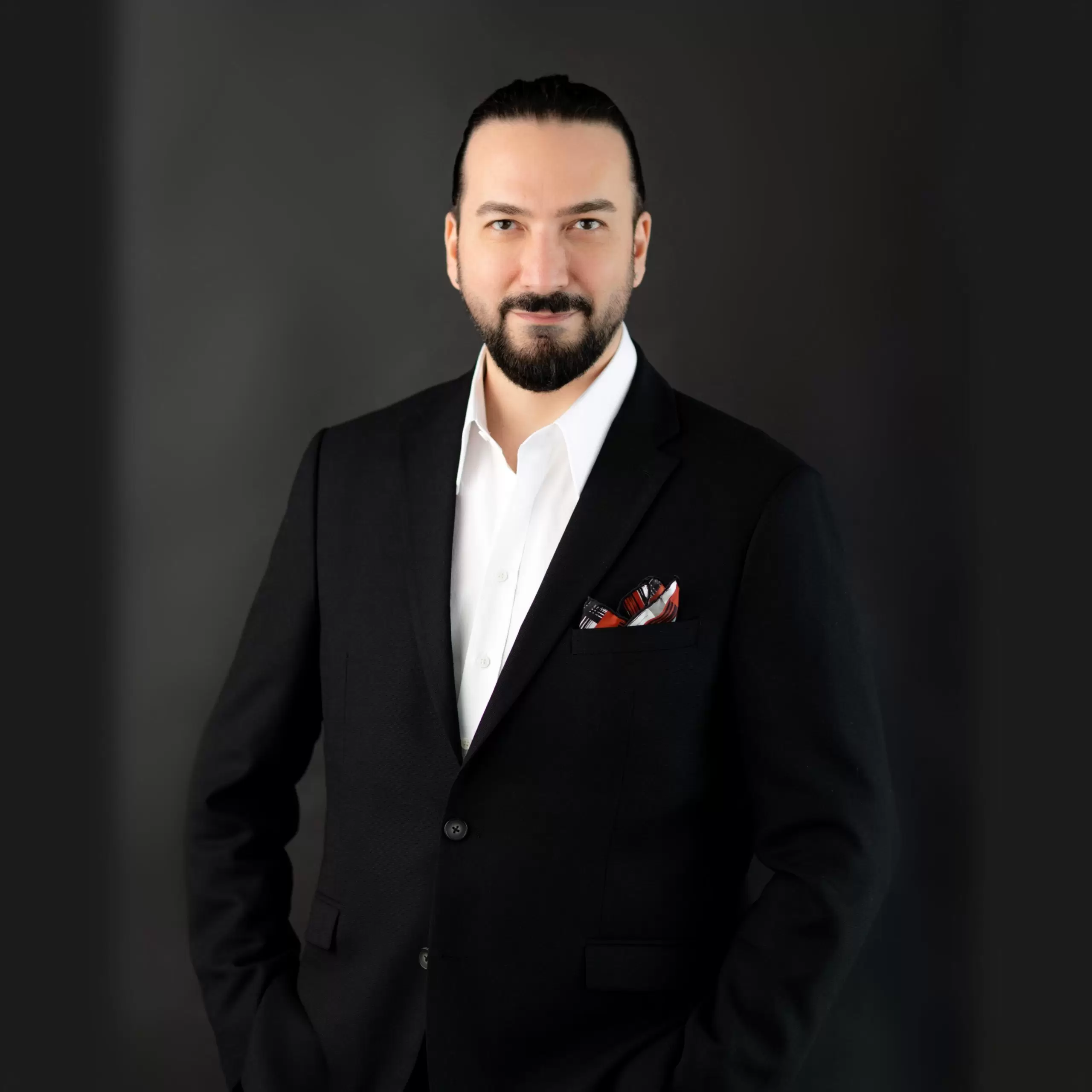
Prof. Dr. Murat Songu – Rhinoplasty (Nose Aesthetics) Specialist
Prof. Dr. Murat Songu was born in 1976 in Izmir and completed his medical education at the Ege University Faculty of Medicine. He then completed his residency training in the Department of Otorhinolaryngology at Celal Bayar University. Between 2005 and 2006, he received advanced training in rhinoplasty, functional nasal surgery, and skull base surgery in Bordeaux, France, working with leading rhinologists such as Prof. Vincent Darrouzet and Dr. Guy Lacher.
Prioritizing natural appearance, the preservation of breathing function, and facial aesthetic harmony, Prof. Dr. Songu is nationally and internationally recognized for his expertise in open rhinoplasty, piezo (ultrasonic) rhinoplasty, revision rhinoplasty, tipplasty, and functional septorhinoplasty. He has participated as an instructor and speaker at numerous rhinoplasty congresses worldwide.
With over 100 scientific publications, book chapters, and more than 1700 citations, Prof. Dr. Murat Songu is one of Türkiye’s most respected academics in the field of rhinoplasty, combining natural, facially harmonious, and functional results with scientific and aesthetic excellence.