Türkçe
The turbinates are structures located inside the nasal cavity that humidify and filter inhaled air. Turbinate enlargement is one of the most common causes of nasal congestion and may lead to chronic problems if left untreated.
Turbinate hypertrophy may occur due to allergies, infections, or structural causes. Symptoms include nasal congestion, snoring, and difficulty breathing.
Treatment methods include medication, nasal sprays, and surgical interventions. Reduction procedures using radiofrequency or laser are frequently performed.
Untreated turbinate enlargement may impair sleep quality and reduce quality of life. Therefore, early diagnosis and appropriate treatment are very important.
What Is a Turbinate?
A turbinate is a bony soft-tissue structure located inside the nasal cavity, also known as a “nasal concha,” that regulates airflow. They are found in three pairs: superior, middle, and inferior. They humidify, warm, and filter inhaled air. Enlargement of the turbinates (turbinate hypertrophy) may develop as a result of allergies, infection, or structural disorders, and this condition may lead to nasal congestion. Treatment may be medical or surgical.
What Are the Causes of Nasal Turbinate Hypertrophy?
Nasal turbinate hypertrophy occurs when the turbinates enlarge for various reasons and may cause nasal congestion. The factors that lead to this condition are quite diverse and may result from both environmental and biological causes:
- Exposure to allergens
- Cigarette smoke
- Strong odors
- Sudden temperature changes
- Hormonal changes during pregnancy
- Nasal septum deviation
- Chronic sinusitis
- Long-term air pollution
Turbinate hypertrophy generally negatively affects both quality of life and respiratory functions. Identifying the underlying cause during the treatment process is very important for selecting the correct method. In addition, serious complications such as sleep apnea may develop in individuals with persistent nasal congestion.
What Are the Symptoms of Enlarged Nasal Turbinates?
The symptoms of enlarged nasal turbinates may cause various problems that negatively affect patients’ daily lives. These symptoms may range from breathing difficulties to sleep problems:
- A feeling of nasal congestion
- Reduced sense of smell
- Dry mouth
- A feeling of pressure in the face
- Persistent nasal congestion
- Runny nose
- Snoring
- Dry cough
- Bad breath
- Nasal itching
- Sleep apnea
- Nosebleeds
- Nasal-sounding speech
- A feeling of pressure in the ear
Nasal turbinate enlargement may be treated in different ways depending on the severity of the symptoms and their effect on the patient’s quality of life. Medical treatment may be insufficient, especially in chronic cases, and surgical methods may be considered. In such situations, early diagnosis and appropriate treatment planning are of great importance in bringing the symptoms under control.
When Is Surgical Intervention Required for Enlarged Turbinates?
Enlarged turbinates require surgical intervention in some cases. The conditions in which surgery is necessary include situations that seriously affect the patient’s quality of life. Conditions that cannot be resolved with medication and cause nasal congestion may make surgical treatment necessary. Surgical intervention is considered in the following situations:
- Persistent nasal congestion
- Obstructive sleep apnea (OSA)
- Difficulty adapting to a CPAP device
- Ineffectiveness of medication treatment
The main purpose of surgery is to increase airflow by reducing the size of the turbinates. However, the aim is also to preserve the natural functions of the nasal mucosa. The surgical technique to be used is determined according to the size of the turbinates and the patient’s general health condition. Methods such as submucosal resection, radiofrequency ablation, laser treatment, or partial removal of the turbinates may be performed.
During these treatments, the patient’s expectations and the doctor’s recommendations are taken into consideration. The success of surgery performed to relieve nasal congestion generally provides a noticeable improvement in the patient’s quality of life. Following the care protocols recommended by the doctor during the postoperative recovery process is important.
What Are the Possible Risks and Benefits of Turbinate Surgery?
Turbinate surgery is an effective method for relieving nasal congestion and other breathing problems. However, as with every surgical intervention, this procedure has both benefits and risks. These conditions may vary depending on the patient’s general health status and the success of the surgery. The possible benefits and risks of turbinate surgery are as follows:
Benefits:
- Improved nasal airflow
- Reduced nasal congestion
- Improvement in snoring
- Improved sleep quality
- Improved comfort in daily life
Risks:
- Mild bleeding
- Risk of infection
- Temporary dryness inside the nose
- A sensation of crusting
- Rarely, empty nose syndrome
- Changes in nasal sensation
This surgical intervention is generally preferred for people who have experienced nasal congestion and airway problems for a long time. It is very important for the patient to speak with the doctor in detail before the operation and obtain information about all the risks.
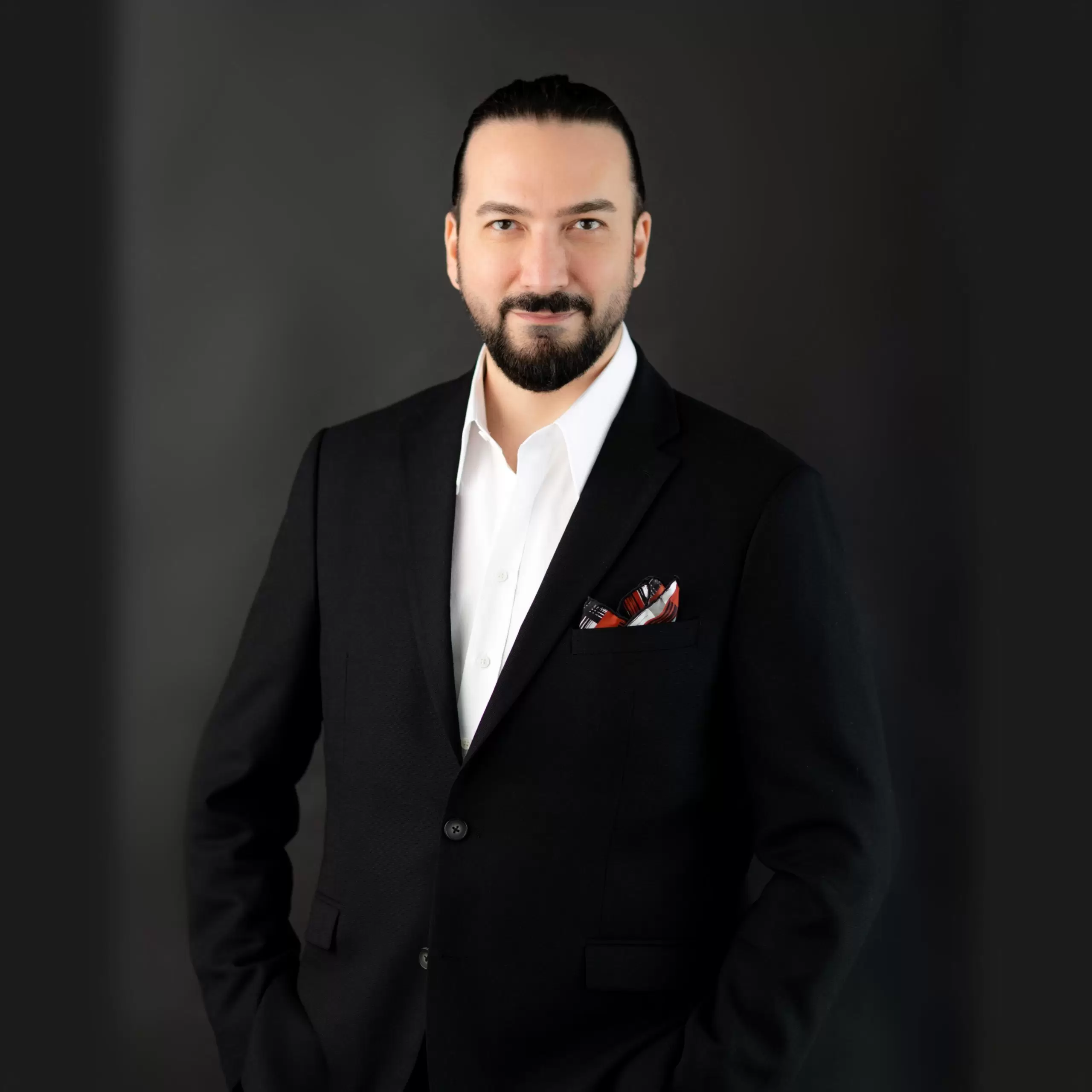
Prof. Dr. Murat Songu – Rhinoplasty (Nose Aesthetics) Specialist
Prof. Dr. Murat Songu was born in 1976 in Izmir and completed his medical education at the Ege University Faculty of Medicine. He then completed his residency training in the Department of Otorhinolaryngology at Celal Bayar University. Between 2005 and 2006, he received advanced training in rhinoplasty, functional nasal surgery, and skull base surgery in Bordeaux, France, working with leading rhinologists such as Prof. Vincent Darrouzet and Dr. Guy Lacher.
Prioritizing natural appearance, the preservation of breathing function, and facial aesthetic harmony, Prof. Dr. Songu is nationally and internationally recognized for his expertise in open rhinoplasty, piezo (ultrasonic) rhinoplasty, revision rhinoplasty, tipplasty, and functional septorhinoplasty. He has participated as an instructor and speaker at numerous rhinoplasty congresses worldwide.
With over 100 scientific publications, book chapters, and more than 1700 citations, Prof. Dr. Murat Songu is one of Türkiye’s most respected academics in the field of rhinoplasty, combining natural, facially harmonious, and functional results with scientific and aesthetic excellence.