Türkçe
 Deutsch
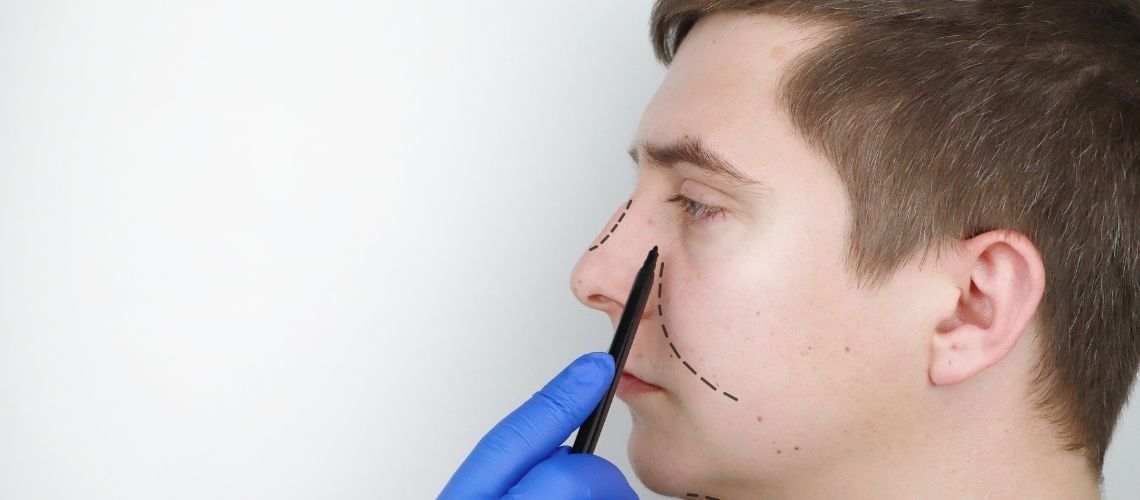
Things that should not be done after nose surgery include behaviors that may negatively affect the healing process. Impacts to the nose, strenuous exercise, and hot environments should be avoided.
During the first weeks, it is necessary to avoid bending forward, lifting heavy objects, and activities that increase blood pressure. This helps prevent increased swelling and bleeding.
Wearing glasses is prohibited for several weeks because they place pressure on the nose. In addition, smoking and alcohol consumption negatively affect healing.
Nasal hygiene and compliance with the doctor’s recommendations are essential conditions for healthy healing. Paying attention to restrictions is critically important for the longevity of the aesthetic result.
Why Should Exercise Be Avoided After Nose Surgery?
Avoiding exercise after nose surgery is vital for preventing complications. During the healing process, the nasal tissues are delicate, and moderate or intense physical activities performed during this period may increase blood pressure and heart rate, triggering nosebleeds, bruising, and other unwanted conditions. Increased blood pressure may cause bleeding in the nasal tissues.
- Increased Blood Pressure and Heart Rate: Physical exertion raises blood pressure, which may cause the nasal tissues to bleed.
- Swelling and Inflammation: Physical activities increase swelling in the nasal area and delay the healing process.
- Risk of Injury: The delicate nasal structures undergoing healing may be damaged by physical contact.
- Delayed Healing and Risk of Infection: Sweating after exercise and touching your face increase the risk of infection.
Why Should an Incorrect Sleeping Position Be Avoided After Nose Surgery?
Maintaining the correct sleeping position after nose surgery is of great importance during the healing process. Sleeping on the back with the head elevated minimizes pressure on the surgical area. This helps reduce swelling and bruising. The ideal sleeping position provides the following advantages:
- Reduces Pressure: Keeping the head elevated prevents direct pressure from being applied to the nose.
- Controls Swelling and Bruising: An elevated head position regulates blood circulation and prevents fluid accumulation in the facial area.
- Prevents Congestion: The proper position helps keep the nasal passage open and promotes better drainage.
- Prevents Accidental Trauma: Incorrect positions, especially sleeping on the side or face down, may damage newly healing tissues.
Why Should Glasses Not Be Worn After Nose Surgery?
Wearing glasses after nose surgery is not recommended because they may place pressure on the newly shaped nasal structure. The nasal bones and cartilage are highly sensitive during this period. Glasses may negatively affect the healing process, particularly because of the weight they place on the bridge of the nose. They may cause permanent deformities and compromise the surgical results. Such pressure may even create the need for another operation.
For this reason, surgeons generally recommend not wearing glasses for the first 4 to 8 weeks after rhinoplasty. During this period, the nasal tissues are expected to heal completely. Wearing glasses during this critical healing period may cause unwanted deformities and prolong the recovery time.
If wearing glasses is unavoidable, alternative methods may be used:
- Using special devices to allow the eyeglass frames to rest on the cheeks.
- Taping the glasses to the forehead.
- Switching to contact lenses.
Why Should Swimming Be Avoided After Nose Surgery?
First, swimming pools and natural water sources may contain bacteria and pathogens. Such microorganisms increase the risk of infection in nasal tissues that are healing after surgery. In addition, the disinfectant properties of chlorinated water may irritate open wounds. The salty nature of seawater may similarly cause irritation and infection.
Physically, the increased blood pressure and heart rate during swimming place pressure on the healing tissues. This may trigger swelling and even bleeding. Movements performed while swimming, particularly pressure on the nasal tissues, may negatively affect the healing process. Accidental impacts or the pressure of the water itself may jeopardize the surgical results. When the healing process is compromised, the aesthetic and functional results of the operation may not reach the expected level.
Why Should Makeup Be Avoided After Nose Surgery?

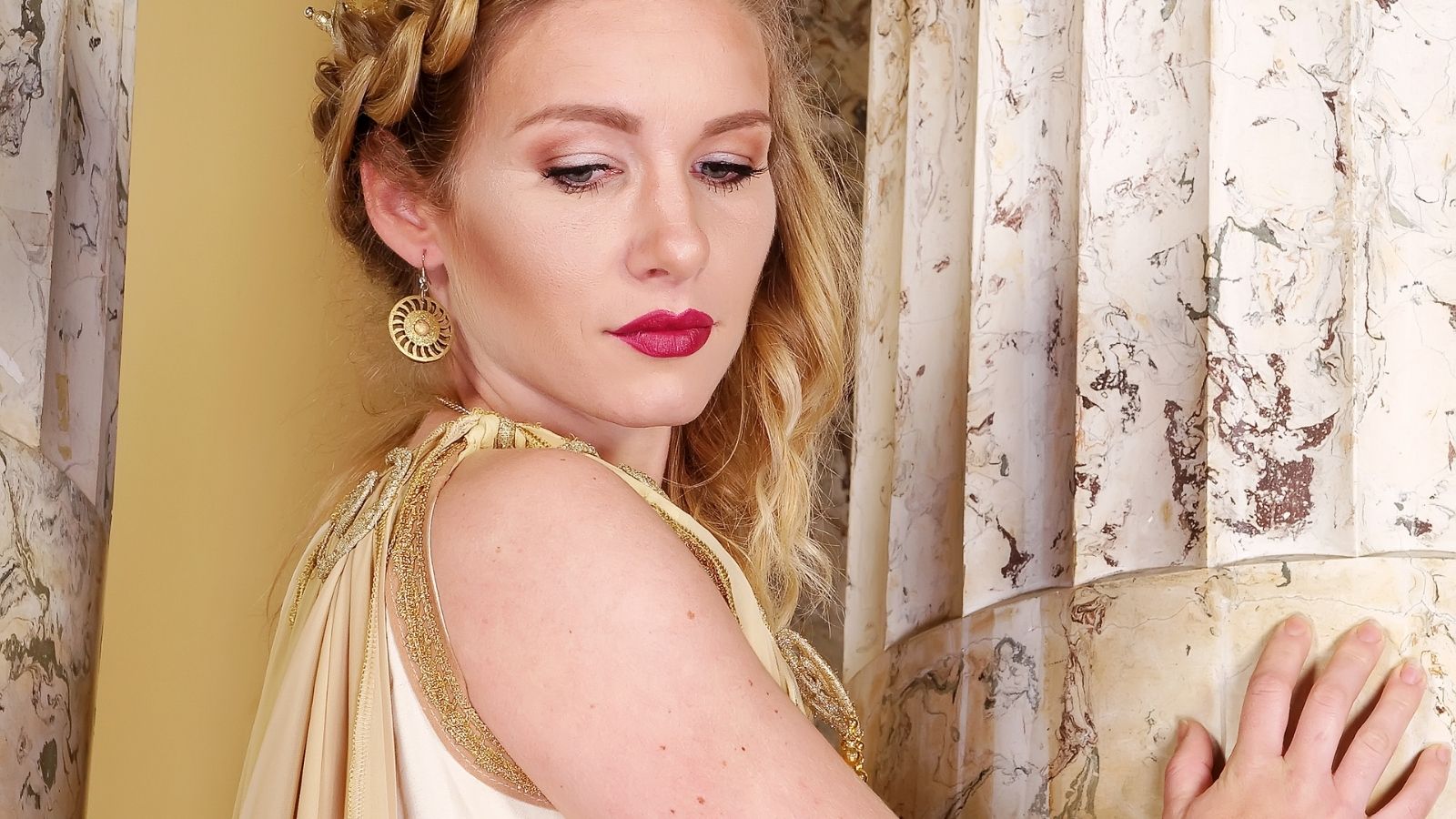
There are many valid reasons for avoiding makeup after nose surgery. The healing process is a delicate and critical stage. Any factor that may increase the risk of infection should be avoided. During the postoperative period, the nasal area is highly susceptible to germs; therefore, the use of non-sterile makeup products may significantly increase the risk of infection. Makeup products and the application process may create pressure and friction on delicate tissues, disrupting the skin’s natural healing process. In addition, irritants contained in makeup chemicals may cause skin irritation.
- Risk of Infection: Applying makeup with non-sterile tools increases the risk of infection.
- Skin Irritation: Makeup products may damage sensitive and healing skin.
- Disruption of Healing: Pressure applied during makeup application may negatively affect the healing process.
- Hygiene Problems: The makeup removal process may damage the newly healing area.
- Concealing Swelling and Bruising: Makeup may conceal problems such as swelling or infection that the surgeon needs to monitor.
Why Should Certain Foods and Beverages Be Avoided After Nose Surgery?
Patients should avoid certain foods and beverages after nose surgery. During this period, alcohol may delay healing and increase swelling. In addition to alcohol, there are other foods and beverages that should not be consumed:
- Spicy foods may raise blood pressure. This may cause nausea or discomfort. They may trigger sneezing and harm the healing process.
- Salty foods increase swelling and fluid retention. Therefore, processed foods and salty snacks should be avoided.
- Hard and difficult-to-chew foods may strain the jaw and facial muscles and damage the healing tissues.
- Acidic foods and beverages, especially citrus fruits and fruit juices, may irritate healing tissues and increase the risk of inflammation.
- Caffeine may cause dehydration and negatively affect the healing process by increasing blood pressure.
- Extremely hot or cold foods and beverages may irritate sensitive nasal tissues. Therefore, consuming lukewarm foods and beverages is recommended.
Why Should Smoking and Alcohol Be Avoided After Nose Surgery?
Avoiding smoking and alcohol after nose surgery is vital for ensuring that the healing process progresses healthily. Due to the nicotine it contains, smoking constricts blood vessels, which reduces blood flow. Reduced blood flow prevents damaged tissues from receiving sufficient oxygen and nutrients. This prolongs the healing process and increases the risk of complications. Smoking also suppresses the immune system and increases the risk of infection. Mucus buildup and congestion in the respiratory tract are other problems caused by smoking.
Alcohol consumption is similarly harmful:
- Alcohol may increase bleeding by dilating blood vessels.
- It triggers fluid retention in the body and causes swelling.
- It reduces the proper hydration level required for healing.
- It may interact with medications used after surgery and trigger side effects.
For these reasons, both smoking and alcohol consumption should be avoided for at least 2-3 weeks during the postoperative period.
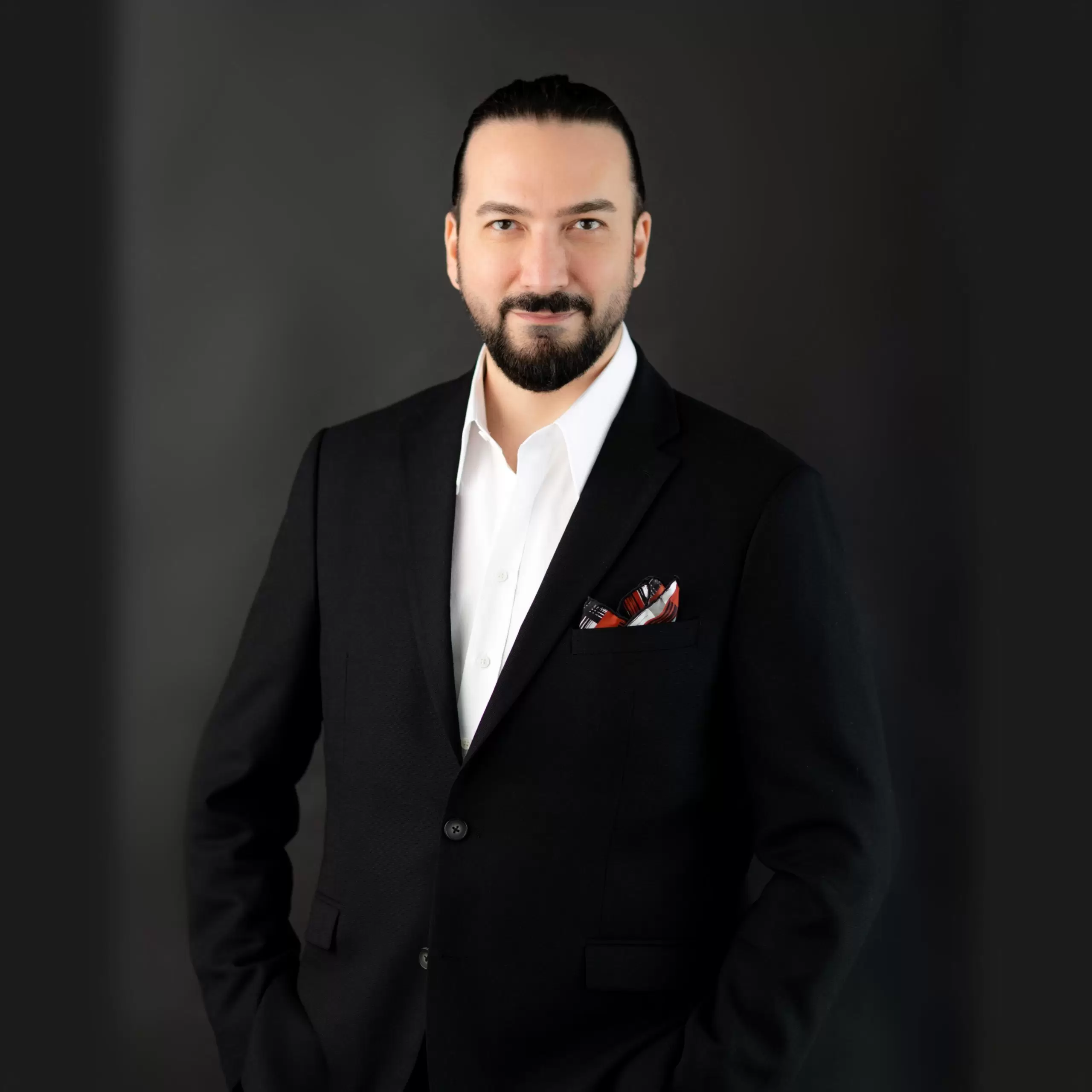
Prof. Dr. Murat Songu – Rhinoplasty (Nose Aesthetics) Specialist
Prof. Dr. Murat Songu was born in 1976 in Izmir and completed his medical education at the Ege University Faculty of Medicine. He then completed his residency training in the Department of Otorhinolaryngology at Celal Bayar University. Between 2005 and 2006, he received advanced training in rhinoplasty, functional nasal surgery, and skull base surgery in Bordeaux, France, working with leading rhinologists such as Prof. Vincent Darrouzet and Dr. Guy Lacher.
Prioritizing natural appearance, the preservation of breathing function, and facial aesthetic harmony, Prof. Dr. Songu is nationally and internationally recognized for his expertise in open rhinoplasty, piezo (ultrasonic) rhinoplasty, revision rhinoplasty, tipplasty, and functional septorhinoplasty. He has participated as an instructor and speaker at numerous rhinoplasty congresses worldwide.
With over 100 scientific publications, book chapters, and more than 1700 citations, Prof. Dr. Murat Songu is one of Türkiye’s most respected academics in the field of rhinoplasty, combining natural, facially harmonious, and functional results with scientific and aesthetic excellence.