Türkçe
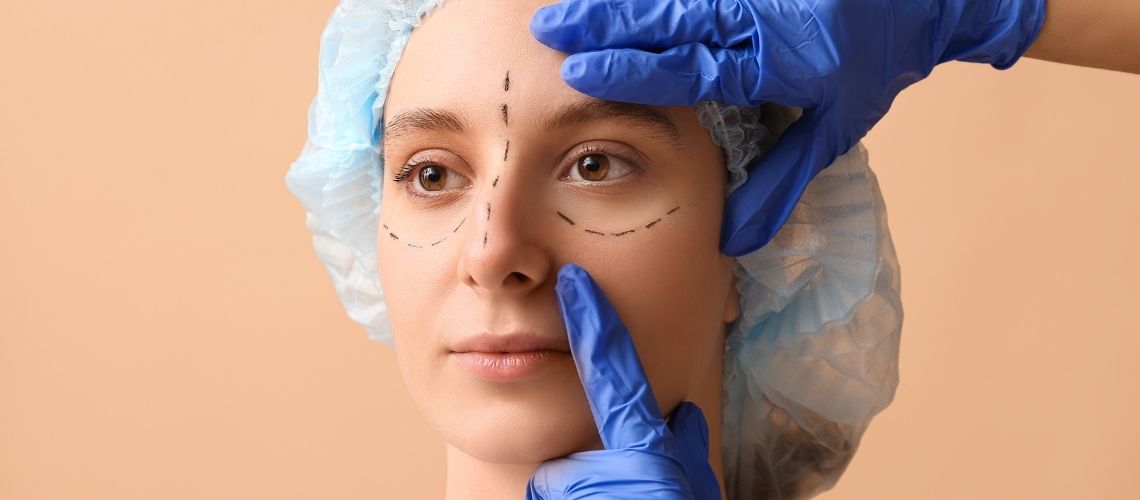
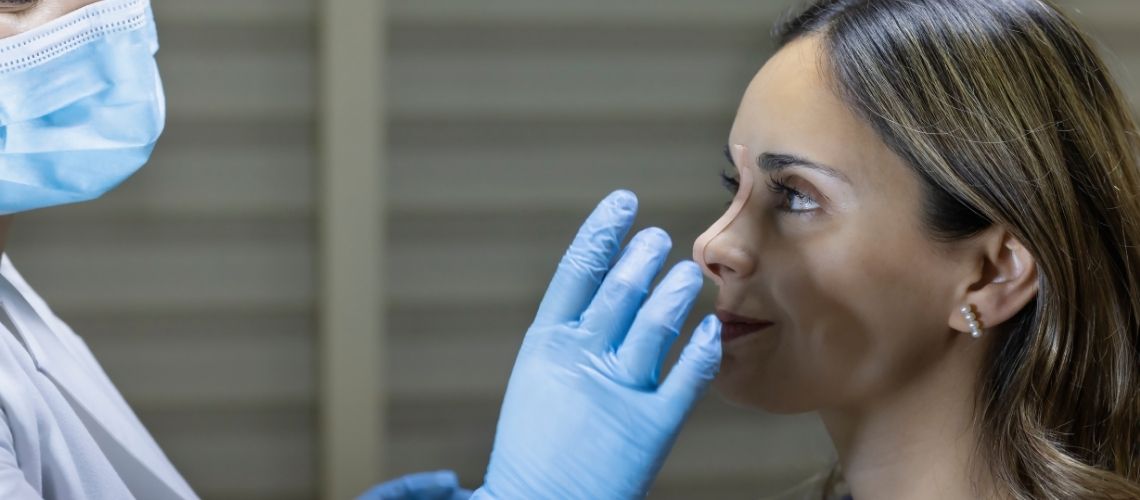
Nasal filler is an aesthetic procedure that does not require surgical intervention and temporarily corrects the shape of the nose using filler materials containing hyaluronic acid. It is generally preferred for addressing aesthetic concerns such as nasal curvature, depressions and a drooping nasal tip.
Before the nasal filler procedure, local anesthetic creams are applied to ensure patient comfort. During the procedure, the filler material is injected into the designated areas using fine-tipped needles or cannulas. The application usually takes between 15 and 30 minutes.
Known as non-surgical rhinoplasty, this method stands out because it does not require a recovery period and allows a rapid return to daily life after the procedure. Its effect lasts between 12 and 18 months and gradually disappears as it is absorbed by the body. Its longevity may vary depending on individual factors.
After nasal filler treatment, precautions include avoiding pressure on the nose, refraining from makeup and avoiding exposure to high temperatures during the first 24 hours after the procedure. Swelling or mild bruising may occur; these effects are temporary and resolve within a short time.
| What You Need to Know | Information |
| Definition | Nasal filler is a non-surgical aesthetic procedure performed by injecting filler materials such as hyaluronic acid to correct or improve the shape of the nose. |
| Purpose | It is used to correct nasal curvature, fill depressions on the nasal bridge, lift the nasal tip or correct minor asymmetries. |
| Application Process | A local anesthetic cream is applied before the procedure. The filler material is then injected into the designated areas of the nose using a fine needle or cannula. The procedure usually takes 10-15 minutes. |
| Materials Used | The most commonly used material is hyaluronic acid. Temporary fillers are preferred because permanent fillers carry a higher risk of complications. |
| Duration of Effect | The effect of the filler may last 9-18 months depending on the individual and the material used. It is gradually absorbed by the body. |
| Advantages | It does not require surgery, provides rapid results, has a short recovery period and is reversible because it can be dissolved with enzymes. |
| Disadvantages | Its temporary effect, inability to correct serious structural problems in the nose, and the risk of injection-related swelling, bruising or vascular occlusion. |
| Suitable Candidates | Individuals with minor nasal deformities or asymmetries who do not want surgery or who need small corrections after surgery. |
| Recovery Process | Daily life can generally be resumed immediately after the procedure. Mild swelling or bruising may last for several days. |
| Points to Consider | The procedure should be performed by an experienced physician. Pressure should not be applied to the nose for 24 hours afterward, and hot showers and strenuous exercise should be avoided. |
What Is Nasal Filler and How Does It Differ From Surgical Rhinoplasty?
Nasal filler is essentially an art of camouflage. In surgical rhinoplasty, we surgeons cut the cartilage, rasp the bones, completely alter the internal structure of the nose and reconstruct it. This is a permanent and fundamental change. With nasal filler, however, we do not alter the existing structure; instead, we conceal imperfections by replacing what is missing.
The main difference lies in the approach. Surgery is based on “removal and reshaping,” whereas filler is based on “addition and illusion.” For example, if there is a prominent hump on the nasal bridge, we place filler immediately above and below the hump to turn that area into a straight line. The nasal hump is actually still there and has not become smaller; however, the nose appears completely straight when viewed from the outside or in photographs. Interestingly, even though we add volume to the nose, the smoother contour creates an optical illusion that makes the nose appear smaller and more refined.
Another important difference is the process. Surgery involves a recovery period, casts, nasal packing and months of waiting for the swelling to subside. With nasal filler, the result is immediate. The patient sees the new nose when getting up from the chair and can return to social life right away. This speed and practicality provide a major advantage for our patients in today’s world. However, I always emphasize that filler is a temporary solution, while surgery is permanent.
Who Is This Procedure Suitable For and Which Problems Can Nasal Filler Correct?
Nasal filler is not a “magic wand” suitable for every nasal structure. Correct patient selection is the key to success. Since filler is a volume-adding material, it may make the nose appear even bulkier in people whose noses are already very large in proportion to their faces. Therefore, we do not perform this procedure on everyone who requests it.
Ideal candidates are generally people who have not previously undergone surgery and who have a mild to moderate hump on the nasal bridge or a drooping nasal tip. It is also an excellent revision option for patients who have previously undergone nasal surgery but still have minor irregularities.
The aesthetic problems that we can camouflage with nasal filler include:
- Nasal hump
- Drooping nasal tip
- Curvatures of the nasal bridge
- Depression of the nasal root
- Irregularity of the nasofrontal angle
- Nasal wing asymmetry
- Postoperative irregularities
However, the limitations of filler must also be clearly defined. Attempting to completely conceal excessively large humps may raise the nasal root too much and create an unnatural appearance known as the “Avatar” look. Therefore, realistic expectations are very important.
Why Should Nasal Filler Performed by an ENT Specialist Be Preferred?
The nose is located in the center of the face and is perhaps anatomically the most complex organ. It does not consist only of the externally visible skin and cartilage. Beneath it lies a highly critical vascular network that supplies the skin and is directly connected to the blood vessels of the eyes and brain. Therefore, nasal filler should not be regarded as a simple “needle insertion” procedure or an ordinary cosmetic treatment.
As Ear, Nose and Throat (ENT) and Facial Aesthetic Surgeons, we know not only the outside of the nose but also its internal structure, the course of its blood vessels, the resistance points of the cartilage and the nerve networks in three dimensions. This anatomical expertise is vital in two respects: aesthetic success and safety.
From an aesthetic perspective, surgeons who routinely open and close the nose during surgery are best able to predict how the nose will respond when a certain amount of volume is added to a specific part of the nasal framework and which support point should receive filler to lift the nasal tip. From a safety perspective, the situation is much more serious. Although the arrangement of the blood vessels in the nose may vary slightly from person to person, the dangerous areas are well known. A specialist knows which areas are “no-go zones” and at what depth the procedure should be performed. The specialist is also fully equipped to manage a possible complication immediately. Therefore, choosing an ENT specialist is not merely an aesthetic preference but also a serious safety protocol.
How Does the Procedure Progress and Is Nasal Filler Painful?
Pain is the issue that our patients are most curious about and sometimes fear. However, nasal filler is a highly comfortable procedure. We minimize pain through the protocols applied before the procedure. The process generally follows these steps:
Analysis and Planning: We speak with the patient in front of a mirror, listen to their concerns, take photographs of the nose and determine the areas to be treated.
Anesthesia: After cleaning the treatment area, we apply strong local anesthetic creams. In some sensitive cases, we may also perform regional anesthesia using very fine needles. The filler materials used today already contain an anesthetic substance called “lidocaine.” As a result, patients generally feel only mild pressure rather than pain during the procedure.
Injection: The filler material is injected into the designated points, such as the nasal bridge, nasal tip or nasal root, using very fine needles or blunt-tipped cannulas.
Shaping (Molding): This is the artistic part of the procedure. After injecting the filler, we gently massage it with our fingers to shape it. The final contour of the nose is created at this stage.
The entire procedure takes an average of 15-20 minutes. As soon as it is completed, the patient can take a mirror and see the result.
Which Filler Materials Are Used and Why Is Hyaluronic Acid the Safest?
Filler materials with different compositions are available on the market. However, because of its risks, the nasal area does not allow room for error. Therefore, the vast majority of physicians prefer Hyaluronic Acid (HA)-based fillers, which are accepted as the “gold standard” for nasal filler procedures.
Hyaluronic acid is actually a natural building block found in our body, skin and joints. It has a high water-retention capacity and is highly compatible with tissue. However, the most vital reason why we prefer HA fillers is that they are “reversible.”
In a region with sensitive blood circulation such as the nose, if vascular occlusion occurs or if the patient is dissatisfied with the aesthetic result, the filler can be dissolved and removed within minutes using an enzyme called Hyaluronidase. This is our safety belt.
Permanent fillers or non-dissolvable semi-permanent fillers, such as calcium crystal-based fillers, should never be preferred in the nasal area. If a non-dissolvable filler applies pressure to a blood vessel or enters the vessel, there is no chemical way to reverse it, and this may lead to permanent tissue loss. Safety comes before everything else.
How Long Does Nasal Filler Last and Should the Procedure Be Repeated?
Compared with other areas of the face, such as the lips or cheeks, the nose is a much less mobile region. The facial expression muscles do not work very actively on the nasal bridge. Thanks to this anatomical advantage, fillers may remain effective in the nasal area longer than expected.
The average duration of effectiveness varies between 6 and 18 months depending on the quality and density of the filler and the individual’s metabolic rate.
We generally recommend that our patients have a small “touch-up” procedure approximately 1 year later, without waiting for the filler to dissolve completely. This makes it possible to maintain the ideal shape at all times. With repeated applications, the filler settles into place and longer-lasting results can be achieved using less material.
Can Nasal Filler Correct Breathing Problems?
Nasal filler does not correct breathing problems. Nasal filler is an entirely cosmetic procedure aimed at external appearance.
The causes of nasal obstruction generally include:
- Septal deviation
- Turbinate hypertrophy
- Nasal polyps
- Chronic sinusitis
It is physically impossible to correct internal bone curvature or open the airway by adding volume to the outside of the nose with filler. In some cases, excessive and uncontrolled filler injections into the external nasal framework may even narrow the breathing angle known as the nasal valve and make breathing more difficult.
If a patient has a serious breathing problem, medical ethics require recommending functional surgery, such as septoplasty or surgical rhinoplasty, rather than filler. As ENT specialists, we first examine the inside of the patient’s nose with an endoscope and evaluate the airway. Function always comes before aesthetics.
How Should Nasal Filler Be Cared for After the Procedure and What Should Be Considered?
Although nasal filler is known as a “lunchtime cosmetic procedure,” the first few days after treatment are very important for the filler to settle and for the risk of complications to decrease. The filler material has a gel-like consistency and needs time to integrate with the tissue.
The precautions after the procedure include:
- Wearing glasses
- Strenuous exercise
- Hot showers and Turkish baths
- Sleeping face down
- Firm massage
- Alcohol consumption
- Sunbathing
The logic behind these restrictions is simple. For example, glasses, whether sunglasses or prescription glasses, apply pressure to the nasal bridge and may displace the filler while it is still soft, creating a depression. Heat and Turkish baths dilate the blood vessels, increase swelling and may cause the filler to dissolve more quickly. Strenuous exercise raises blood pressure and increases the risk of bruising. I generally recommend that my patients be very careful during the first 3 days and avoid wearing glasses for at least 2 weeks. Mild swelling or redness during the first few days is completely natural and is not a cause for concern.
What Are the Serious Complications and Is Nasal Filler Risky?
As with every medical procedure, nasal filler has risks. It is the duty of an honest physician to explain these risks to the patient. Minor side effects, such as mild bruising and swelling, are temporary and expected. However, the main issue that we fear and take advanced precautions to prevent is “vascular complications.”
The nose is a region containing terminal vessels, which are known as “end arteries.” If filler material is accidentally injected into a blood vessel or if an excessive amount is placed immediately next to a vessel and compresses it externally, blood flow to that area may be interrupted. This condition is known as “tissue necrosis.”
Symptoms of complications include:
- Severe pain
- Skin discoloration
- A sensation of coldness
- Visual impairment
- Visible capillary networks
- Wounds that do not heal
The most feared but very rare complication is blindness. Because the blood vessels of the nose are connected to those of the eyes, high-pressure injections may cause the filler to flow backward and block an ocular vessel. Hearing about these risks may be frightening, but the incidence of such complications is extremely low when the procedure is performed by qualified specialists with extensive anatomical knowledge. We use cannulas, which are blunt-tipped needles, to reduce the risk of piercing a blood vessel, inject slowly and continuously monitor the patient’s skin. Most importantly, we have the knowledge and equipment to intervene immediately if a problem is suspected.
Can Nasal Filler Be Reversed if the Patient Is Dissatisfied With the Result?
One of the greatest advantages of non-surgical aesthetic procedures is that they are reversible. When you undergo nasal surgery, it is impossible to return to your original nose if you are dissatisfied with the result, and much more difficult revision surgery is required for correction. However, the situation is different with nasal filler.
If the patient is dissatisfied with the shape or height of the new nose or feels that it does not suit them, the filler can be dissolved using the Hyaluronidase enzyme. This enzyme dissolves the Hyaluronic Acid filler in the injected area like water and allows it to be eliminated from the body. The nose returns completely to its previous state within 24-48 hours after the procedure.
This “safety button” gives our patients greater confidence to try the procedure. Sometimes our patients wonder, “What would I look like if the tip of my nose were lifted?” It is possible to simulate this with filler. If they do not like it, we dissolve it; if they do, it also provides an idea of what a permanent operation might look like in the future. However, it should be remembered that the dissolving procedure is itself a medical treatment with a risk of allergic reaction and should not be repeatedly performed on a whim like assembling and disassembling something.
Frequently Asked Questions
How effective is nasal filler for non-surgical rhinoplasty?
Nasal filler offers a non-surgical alternative for correcting minor deformities and balancing the nasal contour. However, it cannot permanently correct structural problems or breathing difficulties.
In which situations should nasal filler be preferred?
It is preferred for minor aesthetic concerns such as a nasal hump, a drooping nasal tip or an asymmetrical appearance. It may provide a temporary but effective solution for patients who are not suitable for surgery.
Is nasal filler safe during pregnancy?
Filler procedures are generally not recommended during pregnancy. Due to hormonal changes and injection-related risks during this period, postponing the procedure is safer.
How long do swelling and bruising last after nasal filler?
Mild swelling and bruising may last for several days after the procedure. Noticeable improvement is generally seen within 3-5 days, and the effects can easily be concealed with makeup.
How long does nasal filler maintain its effect?
Nasal filler generally maintains its effect for 12 to 18 months. This period may vary depending on the filler material used and the individual’s metabolism.
Can nasal filler cause permanent damage?
Nasal filler is generally safe when performed by an expert. However, incorrect technique or injection into a blood vessel may lead to serious complications.
What should be considered after a nasal filler procedure?
Pressure should not be applied to the nose during the first 24 hours, sleeping face down should be avoided and excessive facial expressions should be limited. Saunas and strenuous exercise should also be avoided for several days.
Can the appearance of a nasal hump be completely eliminated with nasal filler?
Nasal filler can balance the appearance of small and moderate humps. However, completely concealing large humps may not be possible, in which case surgical options should be considered.
Does the nasal tip droop after nasal filler?
Drooping of the nasal tip is not expected when the procedure is performed using the correct technique. On the contrary, the nasal tip may be slightly lifted in some applications. However, the appearance may change over time as the filler dissolves.
Can nasal filler be used for purposes other than aesthetics?
Yes, in some cases it may also be used to temporarily correct deformities after trauma or address minor irregularities following surgery.
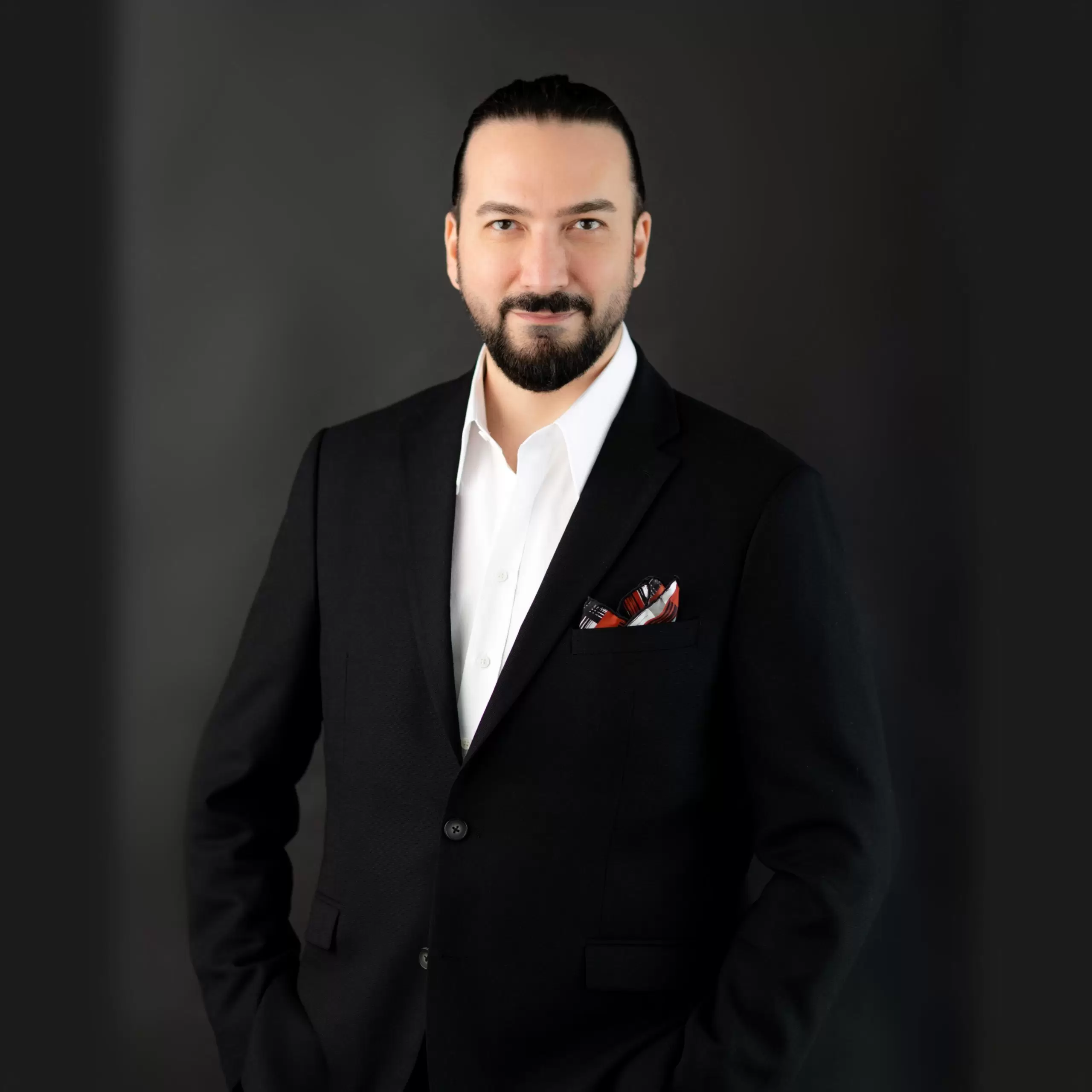
Prof. Dr. Murat Songu – Rhinoplasty (Nose Aesthetics) Specialist
Prof. Dr. Murat Songu was born in 1976 in Izmir and completed his medical education at the Ege University Faculty of Medicine. He then completed his residency training in the Department of Otorhinolaryngology at Celal Bayar University. Between 2005 and 2006, he received advanced training in rhinoplasty, functional nasal surgery, and skull base surgery in Bordeaux, France, working with leading rhinologists such as Prof. Vincent Darrouzet and Dr. Guy Lacher.
Prioritizing natural appearance, the preservation of breathing function, and facial aesthetic harmony, Prof. Dr. Songu is nationally and internationally recognized for his expertise in open rhinoplasty, piezo (ultrasonic) rhinoplasty, revision rhinoplasty, tipplasty, and functional septorhinoplasty. He has participated as an instructor and speaker at numerous rhinoplasty congresses worldwide.
With over 100 scientific publications, book chapters, and more than 1700 citations, Prof. Dr. Murat Songu is one of Türkiye’s most respected academics in the field of rhinoplasty, combining natural, facially harmonious, and functional results with scientific and aesthetic excellence.