Türkçe
 Deutsch
After rhinoplasty surgery, the doctor’s recommendations must be followed to ensure a healthy recovery process. Especially during the first few days, it is important to keep the head elevated, avoid trauma to the nose, and use the prescribed medications regularly.
Applying a cold compress is recommended to reduce swelling and bruising after surgery. This method regulates blood circulation and accelerates tissue healing. In addition, avoiding excessive facial expressions and strenuous activities supports the process.
Diet plays a critical role in the healing process. Reducing salt intake, drinking plenty of fluids, and choosing foods rich in vitamins help swelling subside more quickly. Regular sleep also accelerates recovery.
Nasal cleaning is an important part of postoperative care. Saline sprays moisturize the mucosa and prevent crusting. Attending regular follow-up appointments and complying with dressing instructions support the achievement of permanent results.
Points to Consider During the Recovery Process After Rhinoplasty
The recovery process after rhinoplasty surgery is very important for patients. Swelling under the eyes and on the face after surgery is generally mild on the first day. This swelling develops within 2 days after the operation and reaches its maximum level within 3 to 4 days. It generally takes 1 to 2 weeks for the swelling and discoloration to subside. The points to consider during the recovery process are as follows:
- Monitoring swelling under the eyes and on the face.
- The swelling and discoloration should be expected to subside within 1-2 weeks.
In addition to these steps, it is important for patients to follow their doctor’s recommendations and immediately consult healthcare professionals if they encounter any problems. The recovery process after rhinoplasty can be more comfortable and problem-free when attention is paid to these details.
Points to Consider After Rhinoplasty
There are some important points that patients should pay attention to after rhinoplasty surgery to facilitate the recovery process. After the tapes are removed, it is very important to clean the nasal area gently. This cleaning is generally performed using liquid soap or special lotions. After the bandage is removed, makeup can be applied; this may especially help patients feel better.
In addition, another important point to consider after rhinoplasty is clothing style:
- For three weeks following surgery, clothing that may increase the risk of trauma to the nose, such as tight-necked or turtleneck sweaters, should be avoided.
- During this period, comfortable and loose clothing that will not put pressure on the nose while being put on or removed should be preferred.
Paying attention to these points may positively affect the healing process and reduce the risk of complications. Recommendations after rhinoplasty contribute to patients experiencing a more comfortable recovery process both physically and psychologically.
Sensitive Points to Consider After Rhinoplasty
After rhinoplasty surgery, there are some important points that patients must follow. To ensure the most efficient recovery process, it is essential to prevent any hard contact with the nose, especially during the first three weeks. This sensitivity increases further during the first six weeks after surgery, indicating that activities carrying a risk of trauma to the nose should be avoided. During this period, the use of glasses also requires special attention:
- Glasses should not be used for the first three months.
- After three months, glasses with lightweight frames should be preferred.
During the six-month period after the operation, it is important to prevent the nasal skin from being exposed to sunlight and protect it against the risk of burning. It should also be remembered that excessively hot environments may cause swelling in the nasal area. Therefore, avoiding such environments will contribute positively to the recovery process. The period after rhinoplasty is a sensitive process in which patients need to pay attention to such details.
Things Not to Do After Nose Surgery
Rhinoplasty is a complex surgical procedure performed to correct the shape of the nose. It generally requires a careful recovery process before patients return to their daily lives. There are some important rules that should be followed during this process. Patients should avoid certain behaviors that will accelerate healing and prevent possible complications during the postoperative period. Activities that may negatively affect the healing process are not recommended, especially during the first weeks. Therefore, the things that should not be done during the post-rhinoplasty period are as important as the things that should be done.
Avoiding Physical Activities and Sexual Intercourse
The recovery process after rhinoplasty is delicate. Therefore, patients must avoid certain activities. During the recovery period, activities requiring excessive physical effort should be avoided to prevent damage to the nasal tissues. These types of activities include:
- Gym exercises
- Heavy lifting
- Intense fitness and high-intensity exercises
- All types of contact sports, such as basketball and volleyball
These activities must definitely not be performed during the first three weeks after the operation. Water sports such as swimming are also not recommended for three weeks because the nasal splint should not come into contact with water. On the other hand, situations carrying any risk of impact, including sexual activity, should be limited for several weeks after surgery. However, light walking supports blood circulation, prevents clotting, and positively affects healing. Therefore, light walking is recommended.
Two Important Behaviors to Avoid After Rhinoplasty
After rhinoplasty surgery, patients should avoid applying unnecessary pressure to their noses. This may negatively affect the healing process of the nasal tissues and increase the risk of complications. It is important to strictly follow hygiene rules to minimize the risk of infection. Hands should be washed regularly, and contact with sick individuals should be avoided. It will be useful to always keep a disinfectant with you.
- Blowing the nose: Blowing the nose is prohibited for three weeks after surgery because it may damage the nasal tissues and cause bleeding.
- Not wetting the nose in the shower: The nose must remain dry for two weeks after surgery. This area should not come into contact with water while showering. Care should be taken while washing the other parts of the body.

Saline sprays used during the recovery process should be applied according to the timing and method recommended by your doctor.
Use of Glasses and Sun Protection
The recovery process after rhinoplasty surgery is a delicate period. Wearing glasses is not recommended during this process because glasses may negatively affect healing by placing pressure on the nasal bridge. If wearing glasses is necessary, contact lenses should be used before surgery. In addition, special devices that do not touch the nose may be preferred for glasses.
- Do not wear glasses, or reduce pressure by using special devices.
- Switch to contact lenses and spend a period without glasses.
In addition, exposure to sunlight should also be avoided. Sunlight may be harmful, especially to tissues healing after rhinoplasty, and may cause undesirable outcomes such as discoloration. The following methods can be used for sun protection:
- Prefer to stay indoors.
- Use sunscreen with a high protection factor when going outside.
- Protect your face from the sun with wide-brimmed hats.
The Harmful Effects of Smoking or Alcohol Consumption and Touching the Nose
Certain precautions should be taken to ensure that the recovery process progresses healthily and effectively following rhinoplasty surgery. First of all, smoking and alcohol use must definitely be avoided. Smoking negatively affects blood circulation and limits the oxygen supply to the tissues. Alcohol may reduce the effectiveness of prescribed medications, increase swelling, and prolong the recovery process. In addition, these habits may increase the risk of infection and the likelihood of bleeding.
- Avoid smoking.
- Avoid alcohol consumption.
It is also important not to touch the nose after surgery. Since the nasal tissues are sensitive, touching them unnecessarily may endanger healing. Until the cartilage and bone structures become stable after surgery, any pressure applied to the nose may cause structural abnormalities. In addition, touching the nose may increase the risk of infection and hinder healing.
- Avoid touching the nose.
Avoid any pressure that may cause structural abnormalities.
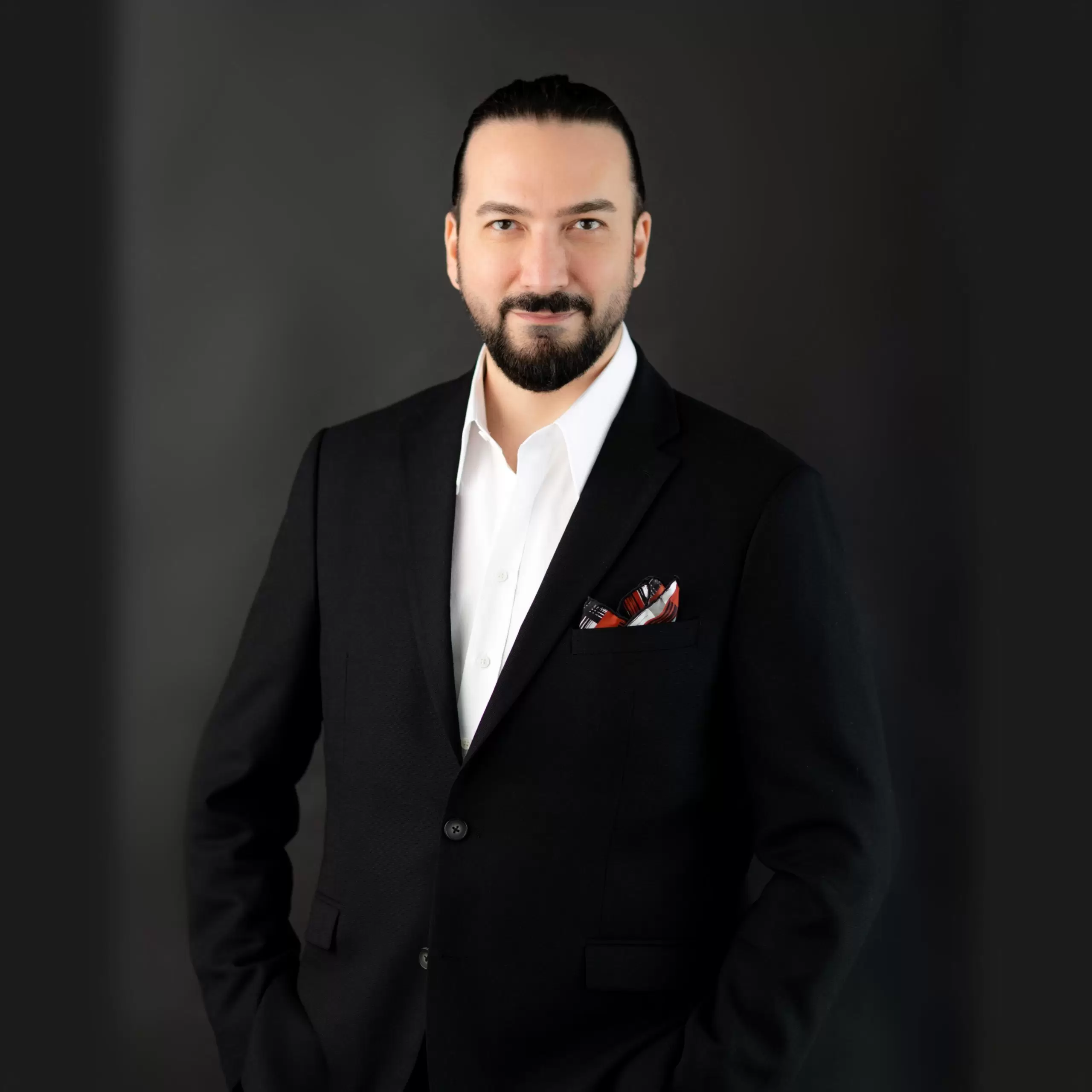
Prof. Dr. Murat Songu – Rhinoplasty (Nose Aesthetics) Specialist
Prof. Dr. Murat Songu was born in 1976 in Izmir and completed his medical education at the Ege University Faculty of Medicine. He then completed his residency training in the Department of Otorhinolaryngology at Celal Bayar University. Between 2005 and 2006, he received advanced training in rhinoplasty, functional nasal surgery, and skull base surgery in Bordeaux, France, working with leading rhinologists such as Prof. Vincent Darrouzet and Dr. Guy Lacher.
Prioritizing natural appearance, the preservation of breathing function, and facial aesthetic harmony, Prof. Dr. Songu is nationally and internationally recognized for his expertise in open rhinoplasty, piezo (ultrasonic) rhinoplasty, revision rhinoplasty, tipplasty, and functional septorhinoplasty. He has participated as an instructor and speaker at numerous rhinoplasty congresses worldwide.
With over 100 scientific publications, book chapters, and more than 1700 citations, Prof. Dr. Murat Songu is one of Türkiye’s most respected academics in the field of rhinoplasty, combining natural, facially harmonious, and functional results with scientific and aesthetic excellence.