Türkçe
 Deutsch
Immobility of the upper lip after rhinoplasty is a common temporary condition, especially during support of the nasal tip cartilages. This sensation generally results from temporary effects on the nerves.
During the recovery process, lip movements gradually return. In most patients, functions return completely to normal within 1 to 3 months.
During the period of immobility, slight differences may be felt while eating or speaking. However, this condition is not permanent, and patience is required.
If lip immobility continues for a long time, a surgical evaluation is recommended. Although rare, additional treatment may be required for permanent problems.
Recovery Process of Upper Lip Immobility After Rhinoplasty
Rhinoplasty is a common surgical procedure performed for aesthetic and functional purposes. Complications such as upper lip immobility may rarely occur after this operation. Immobility occurring in the upper lip is generally temporary and resolves spontaneously within 4-6. The physical and psychological effects experienced by patients during this process may be significant. Upper lip immobility may affect lip closure, smiling, and other facial movements.
In general, upper lip immobility is a condition that can improve with proper care and time. It is important for patients to keep their morale high during this process and remain in regular contact with their doctors. The recovery process may differ for each patient, so it is necessary to respect individual differences and be patient.
Recovery Process of Upper Lip Immobility Caused by Nerve Damage After Rhinoplasty
Nerve trauma experienced during rhinoplasty operations may sometimes lead to immobility in the upper lip. Nerve trauma generally occurs during the surgical intervention, and this condition is temporary. The nerve recovery process may vary from one body to another.
- Self-repair of the nerves: The nerves in the areas affected as a result of nerve damage may repair themselves over time.
- Recovery of the upper lip muscles: As the nerves heal, the functions of the upper lip muscles may return to normal.
This process may generally vary between 4-6 weeks. During this period, the patient should act in accordance with the doctor’s recommendations and remain patient. During the recovery process, especially in the first few weeks, restriction in lip movements is normal. Over time, as the nerves and upper lip muscles become reactivated, patients may regain their former healthy appearance. The recovery process differs for each patient, so it is important to proceed under medical supervision.
Recovery Stages of Upper Lip Immobility and Edema After Rhinoplasty
Rhinoplasty operations are among the aesthetic procedures preferred by many people. During these operations, there is a high likelihood of edema occurring, especially in the nose and upper lip area. Edema may create swelling in the nose and surrounding tissues, temporarily restricting upper lip movements. This condition is generally felt most intensely during the first weeks after the operation. Over time, the edema is expected to decrease and the tissues to return to normal.
Recovery Process:
- Edema may become most noticeable during the first days after the operation.
- At the end of two weeks, a reduction in edema and partial improvement in lip movements may be observed.
- Toward the end of the second week, there is a significant reduction in edema and a noticeable improvement in lip movements.
- Although the complete recovery process varies from person to person, it is generally completed within 4-6 weeks.
Postoperative edema and upper lip immobility are temporary conditions, and the recovery process can be accelerated with proper care. By following the doctor’s recommendations and taking the necessary precautions, the patient can go through this process more comfortably. As a result, this temporary condition experienced after rhinoplasty will resolve over time with proper care.
The Effect of Surgical Techniques on Upper Lip Immobility
Rhinoplasty operations are performed using different surgical techniques. Each of these techniques may affect upper lip movements in different ways. Procedures that alter the anatomical structure between the upper lip and the nose may sometimes cause temporary immobility.
- Risk of Immobility: Surgical techniques may lead to temporary immobility in the upper lip.
- Anatomical Relationships: Structural connections between the nose and the upper lip affect this condition.
When such a condition occurs, the recovery process of patients may vary depending on the surgeon’s experience and the techniques applied. Proper care and follow-up during the postoperative period will help the upper lip immobility improve. As a result, this type of immobility resolves spontaneously within a few weeks in most patients. During this process, cooperation between the patient and the doctor contributes to a rapid and effective recovery.
Effective Treatment Methods for Upper Lip Immobility
Upper lip immobility experienced after rhinoplasty is generally a short-term problem. Various treatment methods are available to overcome this problem. In most patients, this condition improves without requiring a special intervention. However, additional treatment methods may be required in some cases.
- Physical Therapy: This method helps strengthen the lip muscles and restore their normal functions. Physical therapy improves mobility by increasing the flexibility and strength of the muscles.
- Medication Treatment: Muscle relaxant medications support faster muscle recovery. B vitamins also positively affect nerve recovery.
- Patience and Time: In most cases, upper lip immobility improves over time. Patients are advised to remain patient during the recovery process and trust their body’s natural healing process.
These treatment methods contribute to patients having a comfortable recovery process and regaining their quality of life after the aesthetic procedure. Since each patient’s condition is different, medical advice and guidance are essential in determining the appropriate treatment method.
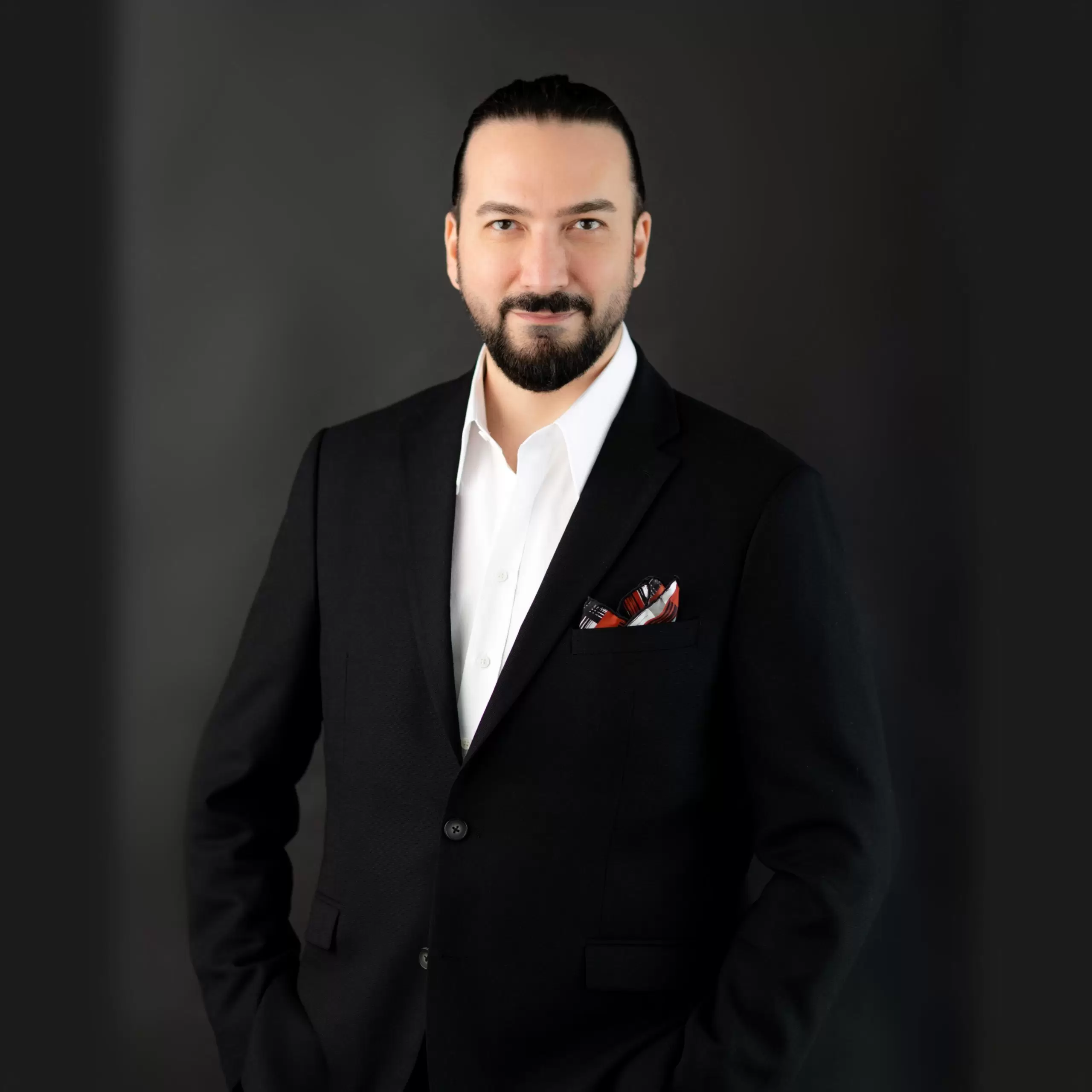
Prof. Dr. Murat Songu – Rhinoplasty (Nose Aesthetics) Specialist
Prof. Dr. Murat Songu was born in 1976 in Izmir and completed his medical education at the Ege University Faculty of Medicine. He then completed his residency training in the Department of Otorhinolaryngology at Celal Bayar University. Between 2005 and 2006, he received advanced training in rhinoplasty, functional nasal surgery, and skull base surgery in Bordeaux, France, working with leading rhinologists such as Prof. Vincent Darrouzet and Dr. Guy Lacher.
Prioritizing natural appearance, the preservation of breathing function, and facial aesthetic harmony, Prof. Dr. Songu is nationally and internationally recognized for his expertise in open rhinoplasty, piezo (ultrasonic) rhinoplasty, revision rhinoplasty, tipplasty, and functional septorhinoplasty. He has participated as an instructor and speaker at numerous rhinoplasty congresses worldwide.
With over 100 scientific publications, book chapters, and more than 1700 citations, Prof. Dr. Murat Songu is one of Türkiye’s most respected academics in the field of rhinoplasty, combining natural, facially harmonious, and functional results with scientific and aesthetic excellence.