Türkçe
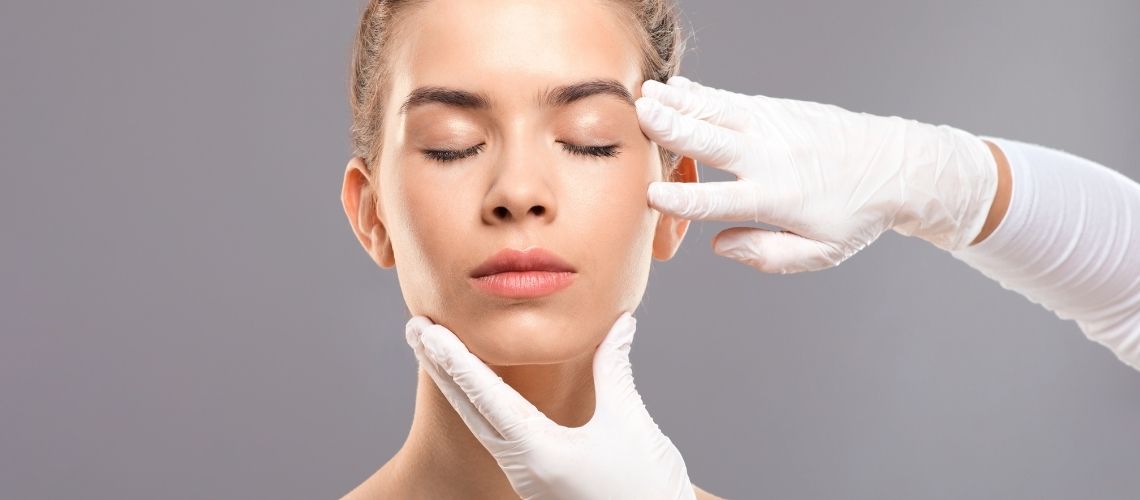
A button nose refers to a small and upturned nose type in rhinoplasty. This nose shape, which is widely requested for aesthetic purposes, offers a youthful and elegant appearance by harmonizing with facial features, especially in women.
Button nose surgery is generally performed using nasal tip lifting and reduction techniques. Preserving natural proportions is the most important criterion in facial aesthetics.
When this nose shape is achieved with proper planning and surgical skill, it provides an understated and natural appearance. The patient’s expectations and facial structure should be evaluated together.
The recovery process after button nose aesthetics varies from person to person, but permanent and aesthetically pleasing results can be achieved with regular check-ups and proper care.
What Is a Button Nose?
A button nose is a nose shape named after the small and aesthetically pleasing structure of a hazelnut. It generally refers to a nose type with small, slightly upturned, and rounded contours. It is a nose model preferred by people who want to achieve a natural and attractive appearance in aesthetic surgery. This nose type is known for being harmonious and proportionate with facial features.
What Are the Features of a Button Nose?
A button nose is known as a nasal structure that is harmonious with the face and offers a natural and elegant appearance. Considered aesthetically attractive, this nose type draws attention with its understated and simple contours. Its size, which is compatible with the face, soft transitions, and slightly upturned tip make the facial features appear more balanced. Some of the key elements that highlight the aesthetic features of a button nose are as follows:
- Compatible with the face
- Slightly upturned nasal tip
- Soft transitions
- Natural appearance
With its small and rounded contours, a button nose is generally preferred by those seeking natural beauty. This nose shape emphasizes the overall facial features while offering an appearance that looks congenital. It gives the face a youthful and energetic expression, especially in profile. Button nose aesthetics make the face appear more dynamic and balanced while providing a sincere and natural aesthetic touch free from artificiality.
Why Is a Button Nose Preferred?
A button nose adds a charming appeal to facial features with its natural and soft contours and makes the person’s overall appearance more harmonious. The main reasons for its preference in aesthetics include appealing to the desire for naturalness and easily adapting to different face types. The increase in social media posts and the preference of celebrities for this type of nasal structure further increase the popularity of the button nose. Other main reasons why the button nose is preferred are as follows:
- It makes the face look more charming
- It provides a natural appearance
- It is compatible with different face types
- It has become a trend through the influence of celebrities and social media
In addition, minimal approaches in aesthetic procedures and achieving harmony between the face and nose further increase the demand for a button nose.
How Is Button Nose Aesthetics Performed?
Button nose aesthetics is performed through nose aesthetic operations called rhinoplasty. During this operation, the surgeon shapes the nasal bone and cartilage structure to achieve the desired button nose appearance. The procedure is planned individually by considering the patient’s existing nasal structure and facial features.
What Should Be Considered Before the Operation?
There are several important steps that the patient should pay attention to before button nose aesthetics. First, the surgeon who will perform the operation should examine the patient in detail and provide information about the entire process. The surgeon’s evaluation plays a critical role in determining the roadmap for achieving aesthetic goals.
Before the surgery, the patient’s general health condition should be reviewed. If there are chronic conditions, allergies, or specific medications being used, they should be openly shared with the doctor. In addition, reducing or completely stopping smoking and alcohol consumption contributes positively to the healing process. Optimizing the patient’s health condition is important for the success of the surgical outcome and reduces the risk of complications. Preparation carried out by paying attention to these factors will help make the operation safer and more efficient for both the patient and the surgeon.
What Are the Operation Process and Techniques Used?
Button nose aesthetics is a type of rhinoplasty that aims for a small and natural-looking nose shape. During this operation, the surgeon chooses one of several techniques to achieve a nasal structure suitable for the patient’s facial features. Each technique offers advantages according to the nature of the procedure and the patient’s needs. Different rhinoplasty techniques are listed below:
- Open Rhinoplasty
- Closed Rhinoplasty
- Ultrasonic Rhinoplasty
While the open rhinoplasty technique provides broad access to the nasal structure, closed rhinoplasty is preferred because it is a method that leaves no visible scar. Ultrasonic rhinoplasty allows the nasal bone structure to be shaped more precisely. The procedure generally takes between 1-3 hours and is performed under general or local anesthesia. The technique used during this process is determined by the surgeon according to the patient’s nasal structure and expectations.
What Is the Recovery Process Like After the Operation?
The recovery process after button nose surgery requires the patient to be careful and patient. Swelling and bruising may occur in the nose during the first week; a nasal cast or splint is used during this period. By the end of the first month, most of the swelling decreases and the shape of the nose begins to become more defined. By the third month, the tissues heal and the nose approaches its final appearance. Complete recovery generally occurs within one year. There are points that should be considered to accelerate this process and support healing:
- The head should be kept elevated
- Strenuous physical activities should be avoided
- The use of glasses should be paused
- Direct exposure to sunlight should be avoided
Along with these recommendations, it is important to avoid applying pressure around the nose during the healing process. In addition, creams recommended by the doctor and cold compress applications may help reduce swelling. Being patient and attentive contributes to achieving more successful results in the long term.
What Are the Risks and Complications?
Button nose aesthetics is a procedure that aims to give the nasal structure a refined and natural appearance. However, as with every surgical intervention, this operation also carries certain risks of complications. These are a natural part of surgical procedures and can be reduced with proper planning. The main risks and complications that may be encountered in button nose aesthetics are as follows:
- Bleeding
- Infection
- Reactions related to anesthesia
- Nasal congestion
- Difficulty breathing
- Asymmetry
- Aesthetic dissatisfaction
- Loss of sensation
Choosing a specialist surgeon is a critical step in minimizing such potential complications. Strictly following the surgeon’s instructions before and after the operation also increases the success of the procedure. Paying attention to the healing process during this period reduces the risk of complications while contributing to the permanence of the desired result.
How Should the Right Surgeon Be Selected?
Choosing the right surgeon is of great importance for achieving successful results in button nose aesthetics. A surgeon who specializes in this field should be preferred for this aesthetic intervention. The results achieved by the surgeon in previous procedures help provide an understanding of their level of experience. Therefore, reviewing comments from previous patients is highly beneficial. Good surgeon-patient communication contributes to establishing mutual trust at every stage of the process. The main factors that should be considered when choosing the right surgeon are as follows:
- Specialization in aesthetic and plastic surgery
- Previous patient reviews
- Trust-inspiring communication
- Hygienic clinical environment
- Up-to-date technological equipment
The clinic where the surgery will be performed should meet hygiene standards and be equipped with modern equipment. Such equipment is among the factors that increase the safety and success of the operation. At the same time, the patient should feel comfortable and safe before, during, and after the operation.
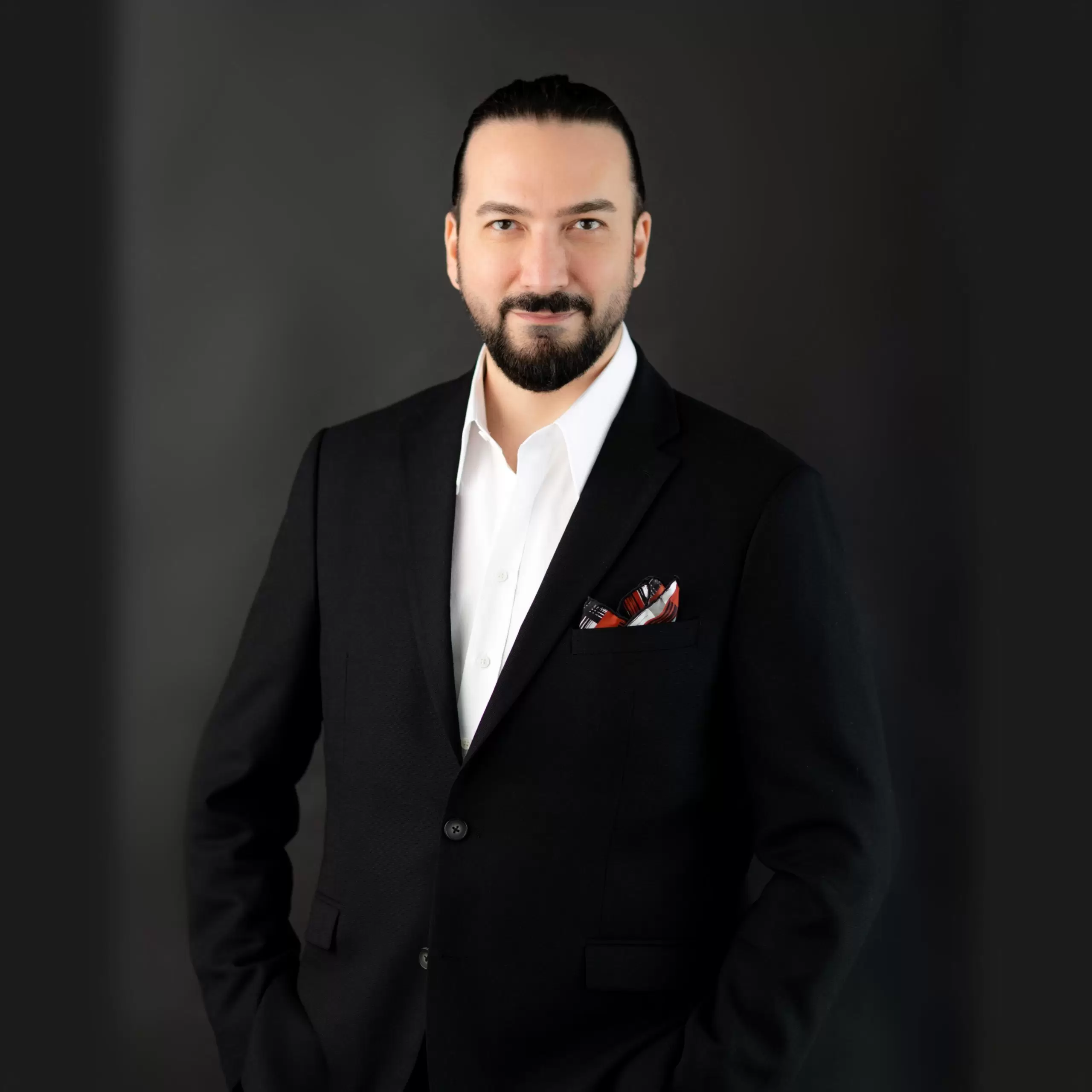
Prof. Dr. Murat Songu – Rhinoplasty (Nose Aesthetics) Specialist
Prof. Dr. Murat Songu was born in 1976 in Izmir and completed his medical education at the Ege University Faculty of Medicine. He then completed his residency training in the Department of Otorhinolaryngology at Celal Bayar University. Between 2005 and 2006, he received advanced training in rhinoplasty, functional nasal surgery, and skull base surgery in Bordeaux, France, working with leading rhinologists such as Prof. Vincent Darrouzet and Dr. Guy Lacher.
Prioritizing natural appearance, the preservation of breathing function, and facial aesthetic harmony, Prof. Dr. Songu is nationally and internationally recognized for his expertise in open rhinoplasty, piezo (ultrasonic) rhinoplasty, revision rhinoplasty, tipplasty, and functional septorhinoplasty. He has participated as an instructor and speaker at numerous rhinoplasty congresses worldwide.
With over 100 scientific publications, book chapters, and more than 1700 citations, Prof. Dr. Murat Songu is one of Türkiye’s most respected academics in the field of rhinoplasty, combining natural, facially harmonious, and functional results with scientific and aesthetic excellence.