Türkçe
 Deutsch
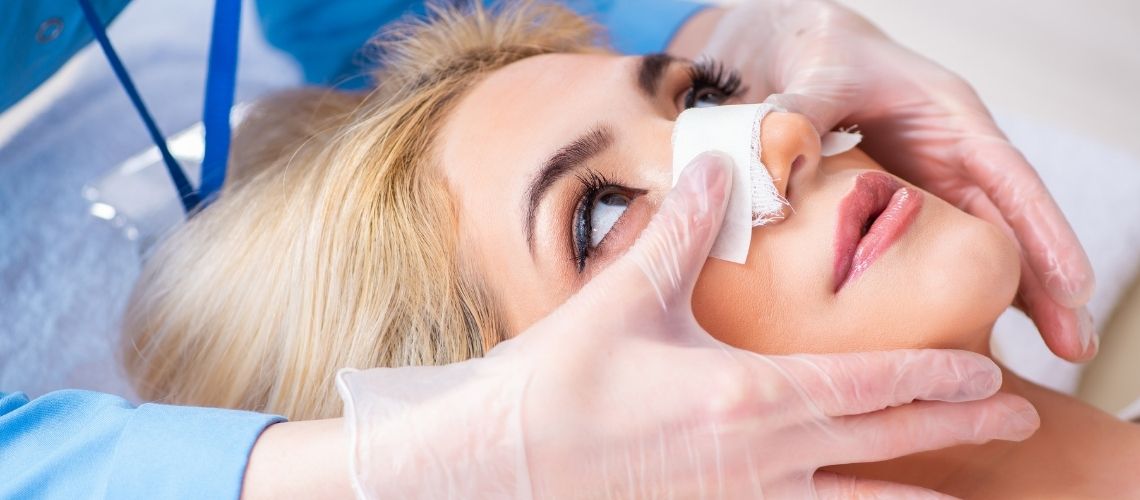
Swelling after nasal surgery is a natural part of the healing process. Edema, which is noticeable during the first days, begins to decrease within one week. However, it generally takes 6 months to 1 year for the nasal structure to settle completely.
Swelling is most intense during the first three days following surgery. During this period, cold application and keeping the head elevated help reduce edema. After the first week, swelling gradually subsides.
Swelling at the nasal tip may last longer than in other areas. In particular, it may take more time for edema to subside in individuals with thick skin. Therefore, patience is necessary, and the process should be monitored under a doctor’s supervision.
To shorten the duration of swelling, reducing salt consumption and avoiding smoking and alcohol are recommended. Healthy lifestyle habits contribute positively to the healing process after nasal surgery.
The Healing Process After Nasal Surgery and the Timeline for Swelling Reduction
[yotuwp type=”videos” id=”_2NhLQc78qM” ]The healing process after rhinoplasty is a journey that varies from person to person. Bruising and swelling are among the most common conditions experienced by patients during this process. First, these effects are at their highest level during the first three days after surgery. During this period, the patient has to cope with the intensity of bruising and swelling. Second, one to two weeks after surgery, most of the swelling and bruising begin to disappear.
- First 72 hours: The period when swelling and bruising are most intense.
- 1-2 weeks: A significant reduction and improvement are observed.
Third, from the third week after surgery until the sixth week, swelling decreases further. However, mild swelling may continue, especially at the nasal tip, during this period. Fourth, from the sixth month until the end of the first year, swelling continues to decrease noticeably.
- 3-6 weeks: Mild swelling may be observed at the nasal tip.
- 3-6 months: The period when swelling decreases further.
- 1 year: The time when swelling completely resolves.
Finally, at the end of one year, patients can generally observe that all swelling has resolved and the final results have become apparent. Although the healing process is unique to each individual, this general timeline gives patients an idea of what they can expect during recovery.
A Detailed Examination of the Swelling Process After Rhinoplasty
Rhinoplasty is a popular surgical procedure performed for aesthetic purposes, and the swelling experienced after this procedure is an important concern for patients. Mild swelling seen during the first hours after surgery increases over time. The intensity of swelling generally reaches its highest level during the first three postoperative days. Afterward, the swelling begins to decrease, and the edema around the eyes noticeably subsides within four days.
- First month: A significant reduction in swelling occurs.
- First 6 months: Swelling decreases considerably.
- 1 year: Complete healing is expected.
Throughout this process, patients may feel a sense of heaviness in their noses. However, this sensation decreases by the end of the first few weeks. Although externally visible swelling diminishes within the first few months, mild swelling that patients themselves can feel may continue for six months to one year. Being patient and following the doctor’s recommendations during this period help make the recovery process more comfortable. Although the reduction of swelling after rhinoplasty varies from person to person, a healing process consistent with the stated timeline is generally expected.
The Process of Reducing Swelling and Bruising After Nasal Surgery
Rhinoplasty operations are performed to improve patients’ physical appearance and respiratory functions. After the operation, one of the issues patients are most curious about is the healing process. Recovery varies from person to person and consists of several stages:
- Within the first 72 hours, patients generally observe that swelling and bruising are at their most intense.
- Between the first and second weeks, most of the swelling and bruising disappear.
- From the third week to the sixth week, swelling decreases further, but the nasal tip may still remain somewhat swollen.
- From the third month to the sixth month, nasal tip swelling decreases noticeably.
- By the end of one year, all swelling has generally completely resolved.
The postoperative healing process requires careful care by the patient. First, it is important to strictly follow the doctor’s recommendations. Patients may use various methods to minimize postoperative pain and discomfort. Cold compresses help reduce swelling and bruising. In addition, regular doctor check-ups and nasal massages when necessary are effective in accelerating the healing process. Patients can generally return to their social and professional lives after one week of rest. During this period, adhering to the medications and treatment methods recommended by the doctor makes the healing process easier and faster.
Frequently Asked Questions
When can exercise be resumed after rhinoplasty?
Light-paced walking can generally be started a few days after rhinoplasty with your doctor’s approval. However, it is recommended to wait at least 4-6 weeks before performing strenuous exercises such as running and weightlifting, especially sports that carry a risk of impact to the face. Avoiding activities that increase blood pressure during this period prevents swelling from increasing and healing from being delayed. Doctor approval is also required for activities such as swimming due to the risk of infection. You should determine your return-to-exercise plan with your surgeon according to your personal condition, as each patient’s healing rate is different.
How should you sleep after nasal surgery?
During the first few weeks after rhinoplasty, it is recommended to sleep on your back with your head positioned above heart level. You can generally achieve this position by using two or three pillows. This sleeping position helps reduce swelling and bruising in the nasal and facial areas and also prevents accidental pressure or impact on the nose. Avoiding sleeping on your side or stomach is important for the nasal bones and cartilage to heal correctly in their new positions. Your doctor will provide personalized information about how long you should sleep in this position.
When is it safe to wear glasses after rhinoplasty?
Wearing glasses after nasal surgery depends on the healing process of the nasal bones and cartilage. Generally, it is recommended not to wear glasses heavy enough to place direct pressure on the nose during the first 4 to 8 weeks after surgery. During this period, alternative solutions such as taping the glasses to the forehead or using special supports may be considered to prevent them from touching the nasal bridge. Contact lenses may be a more practical option during this period. Your doctor will evaluate the condition of your nasal structure and inform you of the most appropriate time to wear your glasses safely.
How do smoking and alcohol consumption affect healing after nasal surgery?
Smoking is one of the most important factors that negatively affect the healing process after rhinoplasty. Nicotine constricts blood vessels, reducing the amount of oxygen and nutrients reaching the tissues, which slows wound healing and increases the risk of infection. Alcohol may increase swelling and the risk of bleeding by dilating blood vessels and may also interact with certain painkillers. Surgeons generally recommend completely stopping smoking and alcohol consumption for at least 2-4 weeks before and after surgery. This reduces the risk of complications and ensures a healthier and faster healing process.
Is sun exposure harmful after rhinoplasty, and what precautions should be taken?
After rhinoplasty, the skin of the nose becomes highly sensitive, and sun exposure may negatively affect the healing process. It is strongly recommended to avoid direct sunlight during the first few months after surgery. Sunlight may cause permanent discoloration (hyperpigmentation) in the surgical area and increase swelling. When going outdoors, using a broad-spectrum sunscreen with at least SPF 30 or higher and wearing a wide-brimmed hat are critically important for protecting the nasal area. These precautions will help scars heal better and protect the skin.
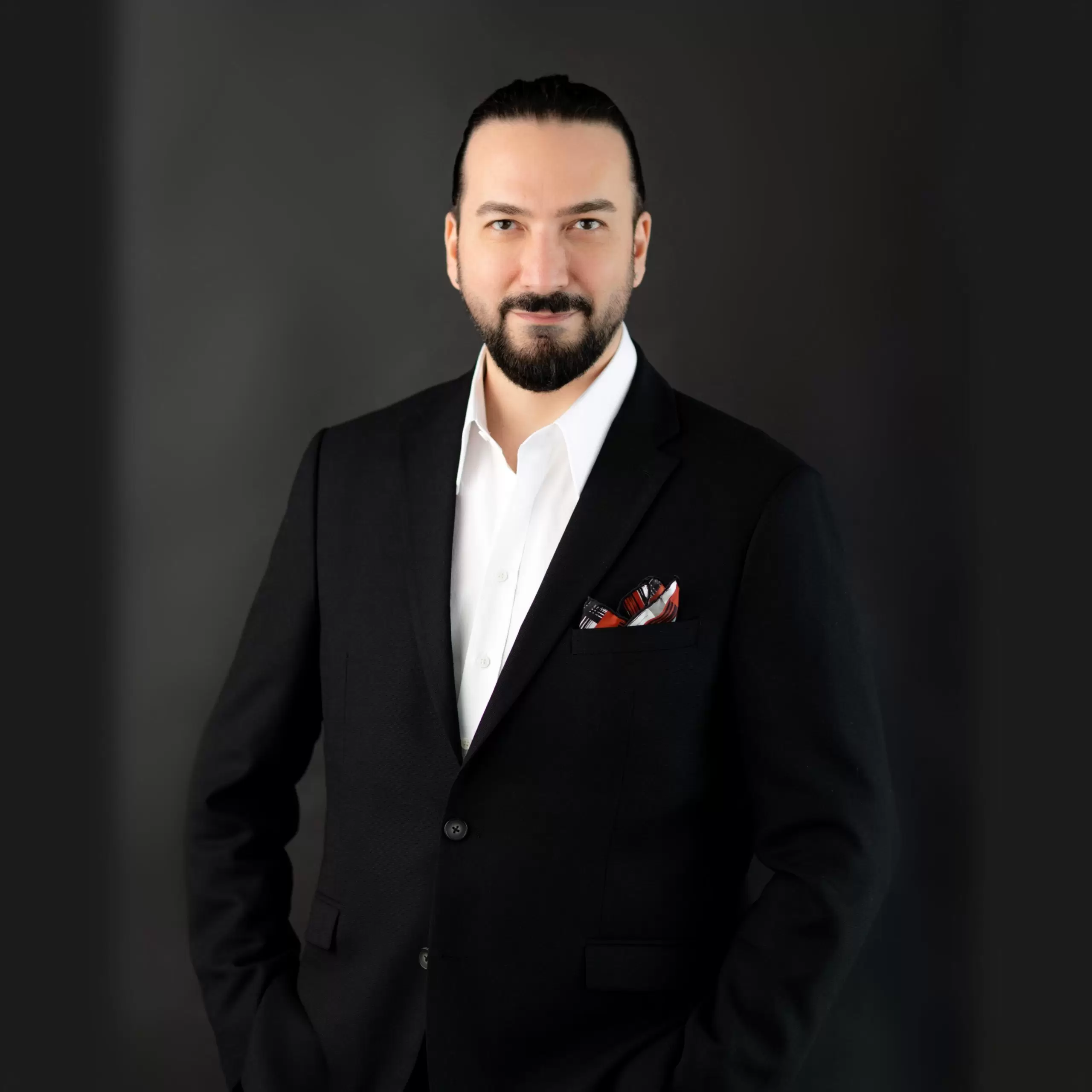
Prof. Dr. Murat Songu – Rhinoplasty (Nose Aesthetics) Specialist
Prof. Dr. Murat Songu was born in 1976 in Izmir and completed his medical education at the Ege University Faculty of Medicine. He then completed his residency training in the Department of Otorhinolaryngology at Celal Bayar University. Between 2005 and 2006, he received advanced training in rhinoplasty, functional nasal surgery, and skull base surgery in Bordeaux, France, working with leading rhinologists such as Prof. Vincent Darrouzet and Dr. Guy Lacher.
Prioritizing natural appearance, the preservation of breathing function, and facial aesthetic harmony, Prof. Dr. Songu is nationally and internationally recognized for his expertise in open rhinoplasty, piezo (ultrasonic) rhinoplasty, revision rhinoplasty, tipplasty, and functional septorhinoplasty. He has participated as an instructor and speaker at numerous rhinoplasty congresses worldwide.
With over 100 scientific publications, book chapters, and more than 1700 citations, Prof. Dr. Murat Songu is one of Türkiye’s most respected academics in the field of rhinoplasty, combining natural, facially harmonious, and functional results with scientific and aesthetic excellence.