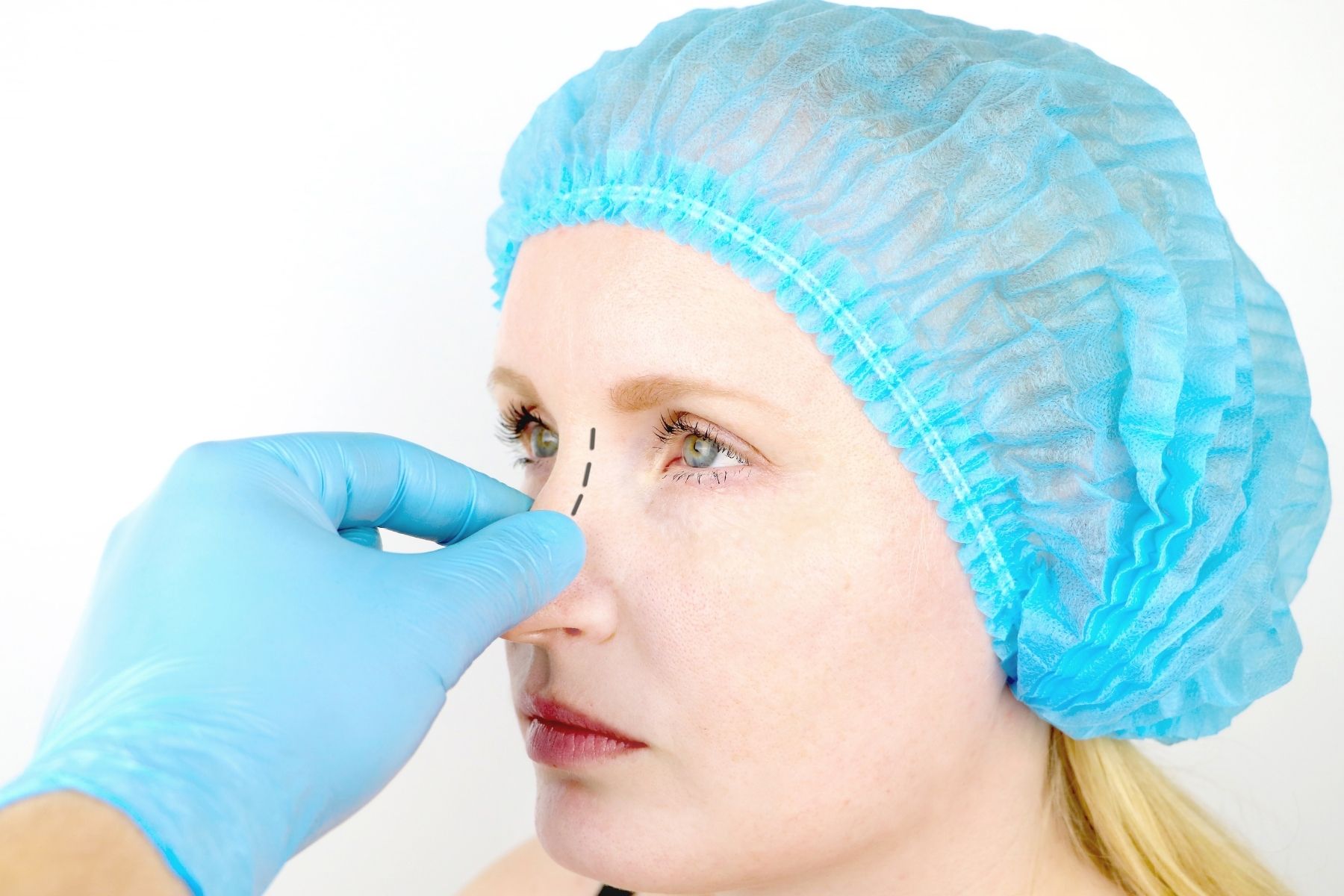
Tip plasty abroad is a focused nasal surgery that reshapes the nasal tip without altering the entire nose. It offers advantages such as lower costs, shorter recovery, and access to skilled surgeons specializing in delicate nasal work.
Patients often choose tip plasty for correcting bulbous, drooping, or asymmetrical nasal tips. International clinics provide advanced techniques like cartilage reshaping and suturing for precise definition and long-lasting results.
A major consideration is the balance between affordability and expertise. While surgery abroad may be cost-effective, patients must research accreditation, surgeon qualifications, and facility standards to ensure safety.
Postoperative care abroad requires careful planning. Patients should account for follow-up visits, potential complications, and travel arrangements to ensure optimal recovery after tip plasty performed overseas.
| Definition | Tip rhinoplasty abroad refers to traveling to another country to undergo a surgical procedure focused exclusively on reshaping the nasal tip while preserving the rest of the nasal framework whenever possible. |
| Purpose | The procedure is performed to refine the shape, size, projection, rotation, or symmetry of the nasal tip and improve overall facial balance. |
| Common Candidates | Individuals with a bulbous tip, drooping tip, asymmetrical tip, over-projected or under-projected tip, or those seeking subtle aesthetic refinement without major changes to the nasal bridge. |
| Areas Treated | Tip rhinoplasty primarily involves the lower third of the nose, including the lower lateral (alar) cartilages, soft tissues, and nasal tip support structures. |
| Surgical Techniques | Depending on the patient’s anatomy, the procedure may involve cartilage reshaping, suture techniques, cartilage grafting, tip support modification, or limited cartilage reduction while preserving structural integrity. |
| Open vs. Closed Approach | Tip rhinoplasty may be performed using an open or closed approach. The choice depends on the complexity of the case, the surgical goals, and the need for direct visualization of the nasal tip structures. |
| Functional Considerations | In addition to cosmetic refinement, preserving adequate support of the nasal tip and external nasal valve is essential for maintaining normal breathing. |
| Anesthesia | The procedure may be performed under general anesthesia or local anesthesia with sedation, depending on the extent of surgery and individual circumstances. |
| Benefits | Potential benefits include improved tip definition, better facial harmony, enhanced nasal symmetry, and preservation of a natural appearance when appropriately planned. |
| Recovery | Swelling and mild bruising are common during the first one to two weeks. Tip swelling often resolves more slowly than swelling in other parts of the nose, with final results continuing to develop over 12–18 months. |
| Risks | Possible risks include infection, bleeding, asymmetry, prolonged swelling, scar formation, altered tip sensation, inadequate tip support, breathing changes, dissatisfaction with cosmetic results, and the potential need for revision surgery. |
| Travel Considerations | Patients traveling abroad should allow sufficient time for preoperative consultation, surgery, early postoperative assessment, and follow-up before returning home. |
| Follow-Up Care | A postoperative care plan should be arranged before travel, including wound care instructions, activity restrictions, scheduled follow-up evaluations, and guidance on managing concerns after returning home. |
| Returning Home | Patients are generally advised to remain near their surgical provider for several days after surgery so that early healing can be assessed and any immediate postoperative issues can be addressed before traveling. |
| Medical Evaluation | Suitability for tip rhinoplasty can only be determined through a comprehensive assessment of nasal anatomy, skin thickness, cartilage strength, breathing function, and the individual’s aesthetic goals. |
Understanding Tip Rhinoplasty
Tip rhinoplasty, also referred to as nasal tip surgery or tip rhinoplasty, is a specialized cosmetic procedure that zeroes in on refining and enhancing the appearance of the nasal tip. This technique offers a subtle yet impactful transformation by concentrating solely on reshaping and contouring the tip of the nose, rather than altering the entire nasal structure as is the case with traditional rhinoplasty. This focused approach makes tip rhinoplasty especially attractive to individuals who seek to address specific concerns such as asymmetry, bulbousness, or projection issues in their nasal tips. By catering to those who desire nuanced changes without the need for extensive alterations, tip rhinoplasty presents a personalized and targeted solution for achieving facial harmony.
Advantages of Tip Rhinoplasty Abroad
- Cost Savings: One of the primary reasons individuals consider tip rhinoplasty abroad is the potential for significant cost savings. Medical procedures in certain countries can be notably more affordable than in the United States or Western Europe, making high-quality cosmetic treatments accessible to a broader range of people.
- Experienced Surgeons: Many countries that are popular medical tourism destinations boast highly skilled and experienced surgeons who are trained in leading medical institutions around the world. These surgeons often have a track record of successful procedures and satisfied patients, providing a level of expertise comparable to what one might find in their home country.
- Discreet Recovery: Opting for tip rhinoplasty abroad can offer the benefit of privacy during the recovery phase. Patients can recover discreetly away from their usual social circles, allowing them to focus on healing without the concern of judgment or prying eyes.
- Combining Travel and Treatment: For some, the idea of traveling to a foreign country for a medical procedure is an opportunity to explore a new culture while also improving their appearance. This combination of medical treatment and travel can add a unique and fulfilling dimension to the experience.
Considerations Before Choosing Tip Rhinoplasty Abroad
- Research is Essential: Extensive research is paramount when considering tip rhinoplasty abroad. This includes investigating the medical facility’s reputation, the qualifications of the surgeon, and the standard of care provided. Reading patient testimonials and seeking recommendations from credible sources can help in making an informed decision.
- Medical Standards and Regulations: Different countries have varying medical standards and regulations. Before committing to a procedure abroad, ensure that the destination adheres to internationally recognized medical guidelines and protocols. This step is vital to ensuring your safety and the quality of care you receive.
- Communication and Language: Effective communication between the patient and surgeon is crucial in achieving desired results. It’s important to ensure that the surgeon understands your expectations and desires accurately. Language barriers can sometimes lead to misunderstandings, so consider the language proficiency of the medical staff or engage the services of an interpreter if needed.
- Travel and Recovery Logistics: Planning the logistics of travel, accommodation, and post-operative care is essential. Factor in recovery time, potential follow-up appointments, and the feasibility of returning to the medical facility if any complications arise.
- Potential Complications: Every surgery carries inherent risks, and it’s vital to be aware of potential complications. Discuss these risks with your chosen surgeon and weigh them against the potential benefits before making a decision.
Opting for tip rhinoplasty abroad can indeed be an exciting and cost-effective approach to achieving the desired aesthetic enhancement. It offers the prospect of not only elevating one’s appearance but also expanding horizons through a unique medical travel experience. However, as with any medical decision, meticulous research and consideration of both advantages and potential challenges are paramount. By taking a holistic approach that balances the allure of affordability with the imperatives of quality and safety, individuals can confidently embark on a journey toward self-improvement. Armed with knowledge and guided by informed choices, the path to a refined nasal tip becomes not only one of physical transformation but also empowerment and renewed self-assurance.
Frequently Asked Questions
What are the main advantages of choosing tip rhinoplasty abroad?
Is tip rhinoplasty abroad safe when performed by experienced surgeons?
Who is an ideal candidate for tip rhinoplasty abroad?
How long should I stay abroad after tip rhinoplasty surgery?
What are the possible risks of having tip rhinoplasty abroad?
Can tip rhinoplasty abroad improve breathing as well as nose appearance?
How should I prepare before traveling abroad for tip rhinoplasty?
Are the results of tip rhinoplasty abroad permanent?
Can tip rhinoplasty abroad be combined with other nasal procedures?
What questions should I ask before booking tip rhinoplasty abroad?
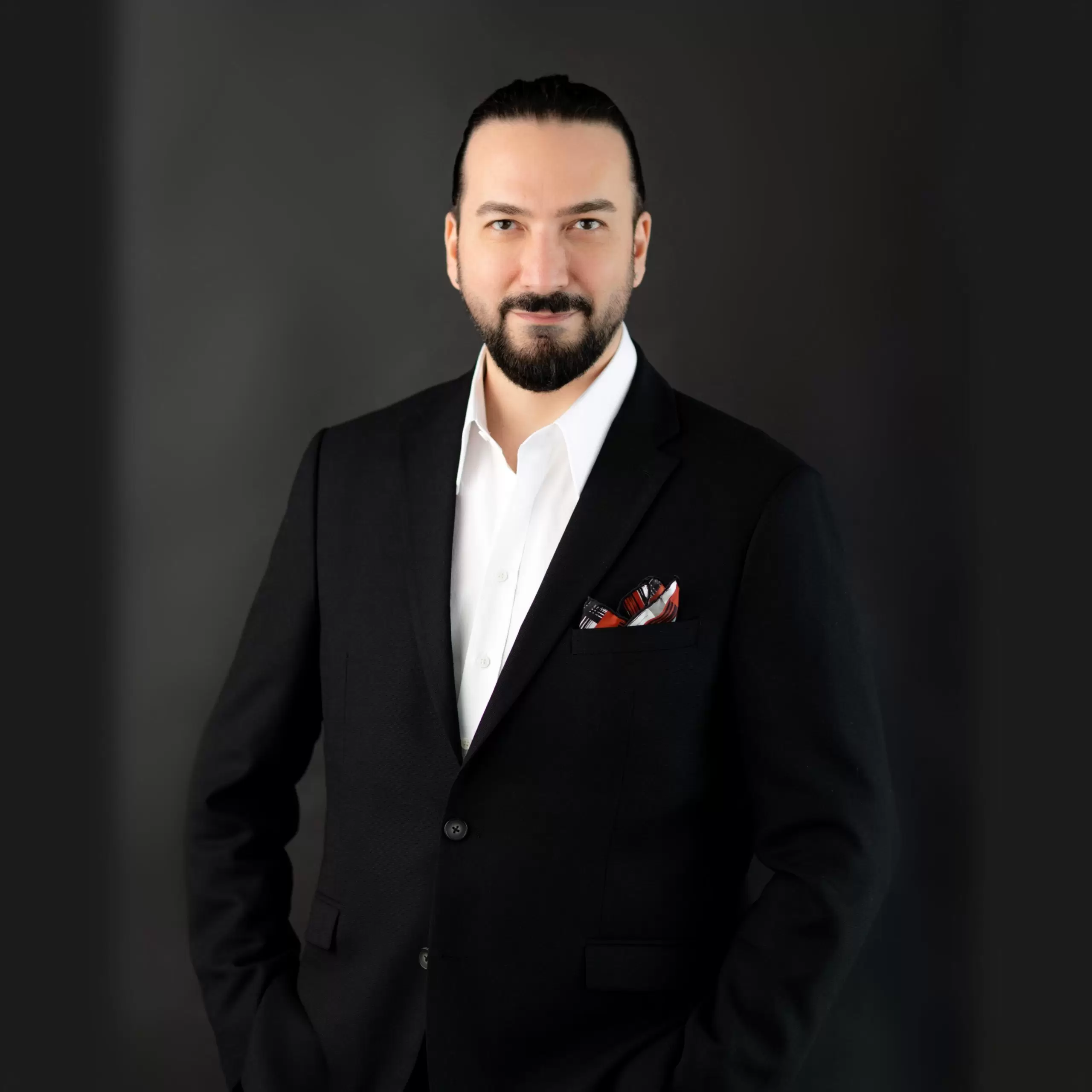
Prof. Dr. Murat Songu – Rhinoplasty (Nose Aesthetics) Specialist
Prof. Dr. Murat Songu was born in 1976 in Izmir and completed his medical education at the Ege University Faculty of Medicine. He then completed his residency training in the Department of Otorhinolaryngology at Celal Bayar University. Between 2005 and 2006, he received advanced training in rhinoplasty, functional nasal surgery, and skull base surgery in Bordeaux, France, working with leading rhinologists such as Prof. Vincent Darrouzet and Dr. Guy Lacher.
Prioritizing natural appearance, the preservation of breathing function, and facial aesthetic harmony, Prof. Dr. Songu is nationally and internationally recognized for his expertise in open rhinoplasty, piezo (ultrasonic) rhinoplasty, revision rhinoplasty, tipplasty, and functional septorhinoplasty. He has participated as an instructor and speaker at numerous rhinoplasty congresses worldwide.
With over 100 scientific publications, book chapters, and more than 1700 citations, Prof. Dr. Murat Songu is one of Türkiye’s most respected academics in the field of rhinoplasty, combining natural, facially harmonious, and functional results with scientific and aesthetic excellence.