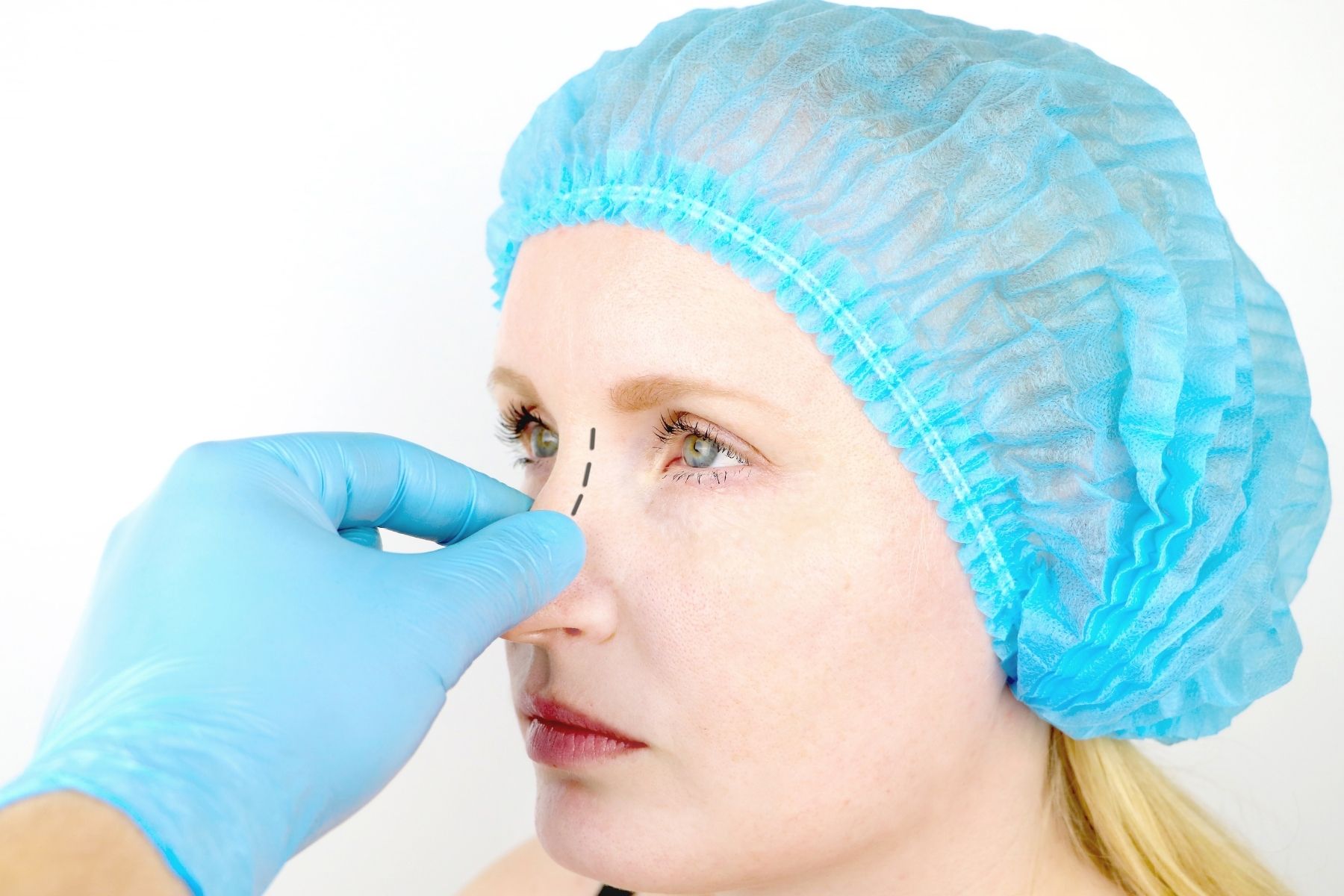
Piezo rhinoplasty abroad uses ultrasonic technology to sculpt nasal bones with high precision. This method minimizes tissue damage and bruising, making recovery smoother compared to traditional techniques.
International clinics offering piezo rhinoplasty attract patients with modern equipment and specialized surgeons. Careful research ensures both cost-effectiveness and medical reliability.
The technique is especially effective for patients requiring dorsal hump removal or delicate bone reshaping. It preserves soft tissues while allowing fine structural corrections.
Patients considering piezo rhinoplasty abroad should also assess postoperative care, travel logistics, and communication with the surgical team to ensure safe results.
| Procedure Overview | Piezo rhinoplasty is a modern rhinoplasty technique that uses ultrasonic (piezoelectric) instruments to reshape nasal bones with high precision while minimizing injury to surrounding soft tissues, blood vessels, and mucosa. |
| Why Patients Travel Abroad | Patients may choose to undergo piezo rhinoplasty abroad to access surgeons experienced with the technique, specialized surgical centers, shorter waiting times, or comprehensive medical travel services. |
| How Piezo Technology Works | Piezo devices use ultrasonic vibrations that selectively cut mineralized tissue (bone) while largely preserving adjacent soft tissues, allowing for controlled bone reshaping. |
| Suitable Candidates | Candidates may include individuals seeking cosmetic nasal refinement, correction of nasal asymmetry, treatment of traumatic deformities, or functional improvements when clinically appropriate. Eligibility depends on an individual medical assessment. |
| Potential Benefits | Potential advantages include greater precision during bone work, reduced trauma to surrounding tissues, potentially less bruising and swelling, and improved control during osteotomies compared with conventional instruments in selected cases. |
| Limitations | Piezo technology primarily assists with bone modification. Cartilage reshaping and other components of rhinoplasty still require conventional surgical techniques, and not every case is suitable for exclusive piezo use. |
| Pre-Travel Medical Assessment | Patients should undergo a comprehensive consultation, provide their medical history, disclose medications and allergies, and submit photographs or imaging if requested before travel. |
| Travel Planning | It is generally recommended to arrive before surgery to complete consultations and preoperative assessments, allowing sufficient time for evaluation and preparation. |
| Length of Stay Abroad | Patients are typically advised to remain in the destination country long enough for early postoperative monitoring, splint removal if appropriate, and follow-up examinations before returning home. The exact duration depends on the individual treatment plan. |
| Preoperative Preparation | Patients may be instructed to stop smoking, avoid certain medications or supplements that increase bleeding risk, arrange postoperative support, and follow fasting instructions before surgery. |
| Anesthesia | Piezo rhinoplasty is commonly performed under general anesthesia, although anesthesia methods vary according to the surgical plan and patient factors. |
| Recovery After Surgery | Swelling, mild discomfort, and temporary nasal congestion are expected. Many patients experience less bruising than with traditional bone-cutting methods, although recovery varies between individuals. |
| Activity Restrictions | Strenuous exercise, heavy lifting, contact sports, and activities that could injure the nose should be avoided during the recommended healing period. |
| Flying After Surgery | Air travel should only be undertaken after clearance from the treating surgeon. The timing depends on healing progress, postoperative condition, and individual medical circumstances. |
| Follow-Up Care | Patients should understand the postoperative follow-up schedule before traveling, including remote consultations when appropriate and instructions for obtaining local medical care if needed after returning home. |
| Possible Risks and Complications | As with any surgery, risks include bleeding, infection, anesthesia-related complications, persistent swelling, asymmetry, breathing difficulties, delayed healing, dissatisfaction with aesthetic results, and the possible need for revision surgery. |
| Signs Requiring Immediate Medical Attention | Patients should seek urgent medical evaluation for severe bleeding, high fever, rapidly increasing swelling, significant breathing difficulty, severe uncontrolled pain, or signs of infection. |
| Long-Term Healing | Although early recovery occurs within weeks, subtle swelling may continue to improve for 12–18 months or longer before the final result becomes fully apparent. |
| Benefits of Coordinated Medical Travel | Well-organized treatment plans typically include preoperative communication, postoperative instructions, scheduled follow-up appointments, and coordination of medical documentation for continuity of care after returning home. |
| Patient Responsibilities | Patients should carefully follow all preoperative and postoperative instructions, attend scheduled follow-up appointments, disclose relevant medical information, and maintain realistic expectations regarding healing and final outcomes. |
The Art of Piezo Rhinoplasty
Piezo Rhinoplasty is a prime example of surgical innovation, using ultrasonic technology to create subtle modifications to the appearance of the nose. Contrary to conventional techniques, Piezo Rhinoplasty uses ultrasonic energy to precisely shape the cartilage and bone of the nose. This strategy makes it possible for surgeons to make precise adjustments while causing the least amount of harm to the surrounding tissues, which helps the healing process go more easily.
Advantages of Opting for Piezo Rhinoplasty Abroad
- Sculptural Precision: Piezo Rhinoplasty is characterized by a rhythm of sculptural precision. Surgeons start on an artistic journey to delicately shape and sculpt the nasal structures, guided by the symphony of ultrasonic energy. A nasal profile that exudes balance and embraces a natural aesthetic is the result of this painstaking correctness, which creates a tapestry of results that beautifully dance with the intricacies of facial harmony.
- Minimized Tissue Trauma: In stark contrast to conventional methods, Piezo Rhinoplasty adopts a gentler way. The treatment navigates with elegance thanks to the use of ultrasonic energy, lowering the possibility of tissue harm. The aftermath becomes a more tolerable interlude with lessened swelling and bruising, as well as the possibility of a quicker recovery period, allowing people to get back to their regular routines sooner.
- Customized Refinement: Surgeons who have mastered the art of Piezo Rhinoplasty emerge become architects of change, tailoring their strategy to each patient’s particular nasal anatomy. Every improvement is made to perfectly complement certain facial traits thanks to this individualized approach. The outcomes are transformative yet genuine, weaving identity and aesthetics into a seamless tapestry.
- Experienced Practitioners Abroad: The field of medical travel offers people to a group of knowledgeable medical professionals who have polished their proficiency in the field of Piezo Rhinoplasty. To understand the nuances of this method, these seasoned professionals go through rigorous training, assuring that people looking to reinvent their nasal aesthetics receive results that are a tribute to creativity and accuracy.
- Cultural Enrichment: Starting a Piezo Rhinoplasty procedure overseas is the first step in a chapter where aesthetic improvement is combined with cultural exposure. The journey is an examination of the rich fabric of a foreign culture, not just a quest to improve nasal cosmetics. The contours of the patients’ polished look and the brilliant hues of a new cultural narrative improve their experience as they find themselves knit into the fabric of transformation and exploration.
Key Considerations for Piezo Rhinoplasty Abroad
- Thorough Research: When thinking of getting a Piezo Rhinoplasty abroad, thorough research is essential. Consider the reputation of the hospital, the surgeon’s credentials, and the standard of the treatment offered. Reliable sources’ recommendations and patient evaluations can provide insightful information.
- Adherence to Medical Standards: Medical standards and laws are upheld differently in various nations. Make sure the location you choose complies with widely accepted medical standards and regulations to ensure both quality and safety.
- Effective Communication: Having open lines of communication with the surgeon is essential to getting the results you want. Make sure the surgeon fully comprehends your expectations. Consider the medical team’s proficiency or seek out interpreting assistance if there are language issues.
- Strategic Planning: Plan the logistics of travel, lodging, and post-operative care with care. Consider the length of the recuperation period, any prospective follow-up appointments, and the likelihood of returning to the hospital in the event of difficulties.
- Awareness of Risks: Piezo Rhinoplasty has hazards much like other surgical treatment. In order to make an educated choice, assess the risks against the potential benefits by being aware of potential consequences and discussing them with the surgeon.
People are invited into a world of sculpted elegance and newly discovered confidence when they embrace Piezo Rhinoplasty overseas. This path entices with its sculptural accuracy, reduced tissue stress, personalized adjustments, skilled practitioners, and the blending of transformation with cultural research. However, the adventure is not started without giving it great thought. Success depends on careful planning, thorough preparation, meticulous study, and adherence to medical norms. People can confidently embark on a journey to alter their nasal aesthetics and regain their self-confidence by finding a balance between affordability, quality, and safety. Piezo Rhinoplasty abroad, when done with the right information and the ability to make well-informed decisions, becomes into more than just a makeover for the face.
Frequently Asked Questions
Why do patients choose piezo rhinoplasty abroad for nose reshaping surgery?
How does piezo rhinoplasty abroad differ from traditional rhinoplasty techniques?
Is piezo rhinoplasty abroad safe when performed by qualified surgeons?
How long should I stay abroad after piezo rhinoplasty surgery?
What is the recovery process like after piezo rhinoplasty abroad?
Can piezo rhinoplasty abroad improve breathing as well as nose appearance?
What are the potential risks of undergoing piezo rhinoplasty abroad?
How should I prepare before traveling abroad for piezo rhinoplasty?
Are the results of piezo rhinoplasty abroad permanent?
What should I ask during a consultation for piezo rhinoplasty abroad?
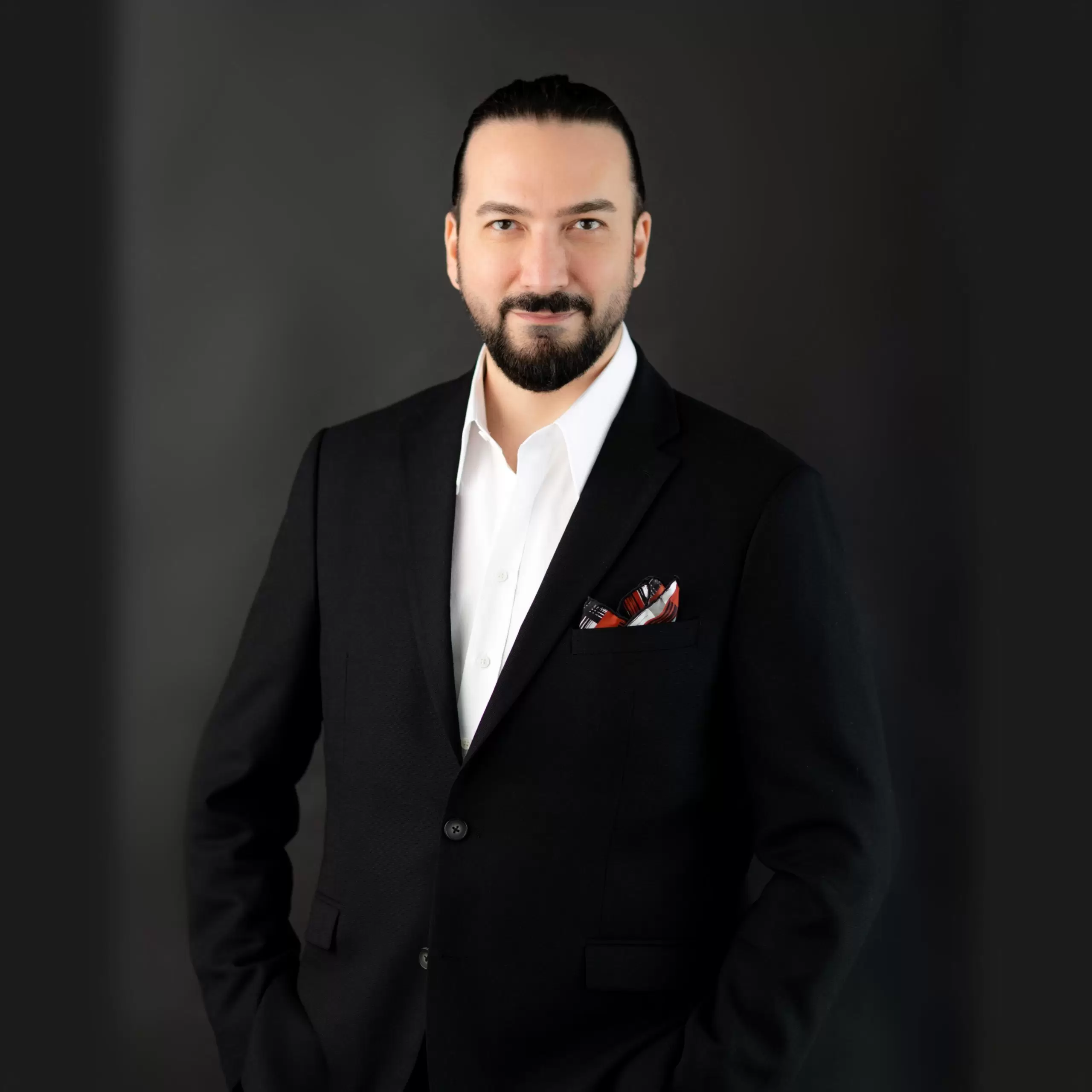
Prof. Dr. Murat Songu – Rhinoplasty (Nose Aesthetics) Specialist
Prof. Dr. Murat Songu was born in 1976 in Izmir and completed his medical education at the Ege University Faculty of Medicine. He then completed his residency training in the Department of Otorhinolaryngology at Celal Bayar University. Between 2005 and 2006, he received advanced training in rhinoplasty, functional nasal surgery, and skull base surgery in Bordeaux, France, working with leading rhinologists such as Prof. Vincent Darrouzet and Dr. Guy Lacher.
Prioritizing natural appearance, the preservation of breathing function, and facial aesthetic harmony, Prof. Dr. Songu is nationally and internationally recognized for his expertise in open rhinoplasty, piezo (ultrasonic) rhinoplasty, revision rhinoplasty, tipplasty, and functional septorhinoplasty. He has participated as an instructor and speaker at numerous rhinoplasty congresses worldwide.
With over 100 scientific publications, book chapters, and more than 1700 citations, Prof. Dr. Murat Songu is one of Türkiye’s most respected academics in the field of rhinoplasty, combining natural, facially harmonious, and functional results with scientific and aesthetic excellence.