Türkçe
The recovery process after revision rhinoplasty requires more careful follow-up compared to primary rhinoplasty due to changes related to the previous surgery. In the first weeks, swelling, bruising, and tenderness may occur. Since the tissues have been reshaped, the recovery period varies depending on individual factors.
The duration of swelling after revision rhinoplasty is generally longer and may be particularly noticeable in the nasal tip area. Supporting lymphatic circulation, keeping the head elevated, and regularly applying the medical treatments recommended by the physician contribute to the controlled reduction of swelling.
The use of sutures and splints in revision nose surgery varies depending on the surgical technique. While splints are usually removed at the end of the first week, internal silicone supports may remain for a few more days according to the physician’s plan. During this period, the nose should be protected from trauma and physical activities should be limited.
It may take up to 12 months for the final results to become apparent after revision rhinoplasty. As the tissue restructuring process is completed, the nasal contour becomes more defined. Regular medical check-ups are important for the early detection of possible complications and for evaluating aesthetic outcome satisfaction.
| Immediate Recovery (First 24–72 Hours) | Swelling, bruising, nasal congestion, mild bleeding or blood-tinged drainage, and discomfort are common. Keeping the head elevated and applying cold compresses around (not directly on) the nose may help reduce swelling. |
| Pain Management | Mild to moderate discomfort is expected and is usually controlled with prescribed or recommended pain medications. Avoid medications that increase bleeding risk unless approved by the surgeon. |
| Swelling and Bruising | Swelling is typically more pronounced after revision rhinoplasty than after primary rhinoplasty due to previous surgical changes and scar tissue. Most bruising improves within 2 weeks, while residual swelling may persist for many months. |
| Nasal Congestion | Temporary nasal blockage is common because of internal swelling. Breathing gradually improves as tissues heal. Saline nasal sprays may be recommended if approved by the surgeon. |
| Splint and Dressings | An external nasal splint is commonly worn for about one week. Internal splints or packing, if used, are removed according to the surgeon’s instructions. |
| Incision Care | If an open revision rhinoplasty was performed, the external incision should be kept clean and dry. Follow all wound care instructions to minimize scarring and reduce infection risk. |
| Activity Restrictions | Avoid strenuous exercise, heavy lifting, bending forward, and activities that increase blood pressure during the early recovery period. Gradually resume normal activities as advised. |
| Sleeping Position | Sleep with the head elevated on two or more pillows for the first several weeks to reduce swelling and improve comfort. Avoid sleeping on the face or side if instructed. |
| Diet and Hydration | Maintain adequate hydration and consume a balanced diet rich in protein, vitamins, and minerals to support tissue healing. Limit alcohol during the initial recovery period if advised. |
| Nasal Care | Do not blow the nose until cleared by the surgeon. If sneezing is unavoidable, sneeze with the mouth open to reduce pressure inside the nose. |
| Glasses and Eyewear | Avoid placing heavy glasses or sunglasses directly on the nasal bridge until the bones and tissues have adequately healed, unless alternative support methods are recommended. |
| Smoking and Nicotine | Smoking and nicotine products may impair blood flow and delay healing. Avoid them before and after surgery for the period recommended by the surgical team. |
| Sun Protection | Protect the nose from direct sunlight during recovery. Healing skin is more susceptible to discoloration and sun damage. Use sunscreen once permitted by the surgeon. |
| Follow-Up Appointments | Regular postoperative visits allow the surgeon to monitor healing, remove splints or sutures if necessary, and address any concerns promptly. |
| Scar Tissue Considerations | Revision rhinoplasty often involves existing scar tissue, which can make healing slower and swelling more persistent compared with primary rhinoplasty. |
| Timeline for Recovery | Most patients return to light daily activities within 1–2 weeks. Significant improvement is usually seen over several months, but the final aesthetic and functional result may take 12–18 months or longer to fully develop. |
| Possible Temporary Symptoms | Temporary numbness, altered skin sensation, stiffness of the nasal tip, asymmetrical swelling, and intermittent congestion may occur during healing. |
| Warning Signs Requiring Medical Attention | Contact the surgical team promptly if there is persistent heavy bleeding, high fever, worsening redness, severe pain not relieved by medication, foul-smelling drainage, sudden significant swelling, or difficulty breathing. |
| Factors Affecting Recovery | Healing varies depending on the complexity of the revision procedure, the amount of scar tissue, skin thickness, overall health, adherence to postoperative instructions, and individual healing characteristics. |
| Long-Term Expectations | Patience is essential after revision rhinoplasty. Subtle improvements continue as swelling resolves, and final contour refinement may not be fully visible for over a year. |
Fundamental Characteristics of Tissue Healing in Revision Rhinoplasty
Since revision nose surgery is performed on nasal structures that have previously undergone surgical intervention, tissue biology may differ compared to primary surgery. Fibrosis (scar tissue formation) resulting from previous surgery, localized reduction in blood circulation, and altered anatomical planes may cause swelling to last longer and healing to progress more slowly.
The healing process is basically evaluated in three phases: inflammation (inflammatory response), proliferation (new tissue formation), and remodelling (tissue reshaping). In revision surgery, the inflammatory response may sometimes be more pronounced. The reason for this is that the tissues are exposed to surgical trauma for the second time. However, this condition is not observed with the same intensity in every patient; individual biological differences significantly affect the process.
The First Days After Surgery
The first 48–72 hours after revision nose surgery are the period when swelling and bruising are most pronounced. During this period, periorbital edema (swelling around the eyes) and ecchymosis (bruising) may be observed. In patients who have previously undergone surgery, these findings may sometimes last longer.
Mild aching-type pain is an expected condition and can generally be controlled with analgesics recommended by the physician. A sensation of nasal congestion may occur due to mucosal edema inside the nose. This condition is usually temporary and decreases with mucosal healing.
Keeping the head elevated, cold applications recommended by the physician, and rest are among the supportive measures in early-stage edema control. However, since the surgical scope differs for each patient, the personal recovery plan must be determined by the surgeon who performed the operation.
First Weeks: Edema and Tissue Adaptation
In the recovery process after revision rhinoplasty, the first few weeks are a period during which the tissues adapt to the new anatomical configuration. During this process, a feeling of firmness at the nasal tip and tenderness to touch may be observed. The main reason for this is postoperative edema and the fibrotic healing response.
The thickness of the nasal skin directly affects the duration of recovery. While swelling may last longer in patients with thick skin, irregularities may be noticed earlier in individuals with thin skin. However, in both cases, a remodelling process lasting months is required for the final result.
During this period, it may be recommended to avoid heavy exercise, trauma, and the use of glasses that may create pressure on the nose. Smoking may negatively affect tissue healing by impairing microcirculation; therefore, quitting or at least limiting smoking in the postoperative period is generally advised.
Late-Stage Recovery: Shaping of the Final Result
After revision nose surgery, it generally takes longer for the nasal shape to settle. Although significant improvement is observed in the first 3 months, complete resolution of nasal tip swelling may take up to 12 months. In some patients, this period may be even longer.
During the remodelling phase, collagen fibers reorganize and the tissues gain a more stable structure. Even if this biological process is not noticeable externally, it continues at the microscopic level. Therefore, mild asymmetries or irregularities seen in the early period should not be considered permanent.
It is important for patients to be patient during this process and to know that definitive evaluation should not be made in the early period. Follow-up examinations are necessary for monitoring healing and early detection of possible complications.
Possible Risks and Complications
As with any surgical procedure, there are certain risks in revision rhinoplasty. Infection, bleeding, delayed wound healing, and significant scar tissue formation may occur, although rarely. Additionally, issues related to respiratory functions or dissatisfaction with aesthetic expectations may arise.
The primary aim of revision surgery is to correct both functional and aesthetic problems; however, it should be known that not every anatomical condition can be completely corrected surgically. Therefore, detailed evaluation and the establishment of realistic expectations in the preoperative period are important.
In cases such as suddenly increasing pain, high fever, severe bleeding, or unexpected asymmetry, the physician should be contacted without delay.
Psychological Process and Expectations
Revision nose surgery is generally preferred by patients who were not satisfied with their previous surgery. This situation may cause a higher level of anxiety in the postoperative period. Patients may carefully observe every stage of healing and may evaluate even small changes as concerning.
At this point, it should be emphasized that healing is a biological process spread over time and that the final result cannot be evaluated in the early period. Open communication and regular follow-ups are important in terms of patient satisfaction.
In Which Situations Is Specialist Evaluation Necessary?
After revision rhinoplasty, specialist evaluation is absolutely necessary in the following situations:
- Severe and increasing pain
- High fever and signs of infection
- Uncontrolled bleeding
- Significant difficulty in breathing
- Change in shape after trauma
Each patient’s recovery process is individual. Age, skin structure, systemic diseases, the scope of the previous surgery, and the techniques used directly affect the process. Therefore, general information obtained from the internet does not replace personal medical evaluation.
Frequently Asked Questions
What should I expect during the post-revision rhinoplasty recovery process?
How long does swelling last during the post-revision rhinoplasty recovery process?
What activities should I avoid during the post-revision rhinoplasty recovery process?
How can I reduce swelling during the post-revision rhinoplasty recovery process?
When can I return to work after the post-revision rhinoplasty recovery process begins?
What are the warning signs of complications during the post-revision rhinoplasty recovery process?
How long does it take to see final results after the post-revision rhinoplasty recovery process?
Can breathing improve during the post-revision rhinoplasty recovery process?
How important are follow-up appointments during the post-revision rhinoplasty recovery process?
What lifestyle habits support a smoother post-revision rhinoplasty recovery process?
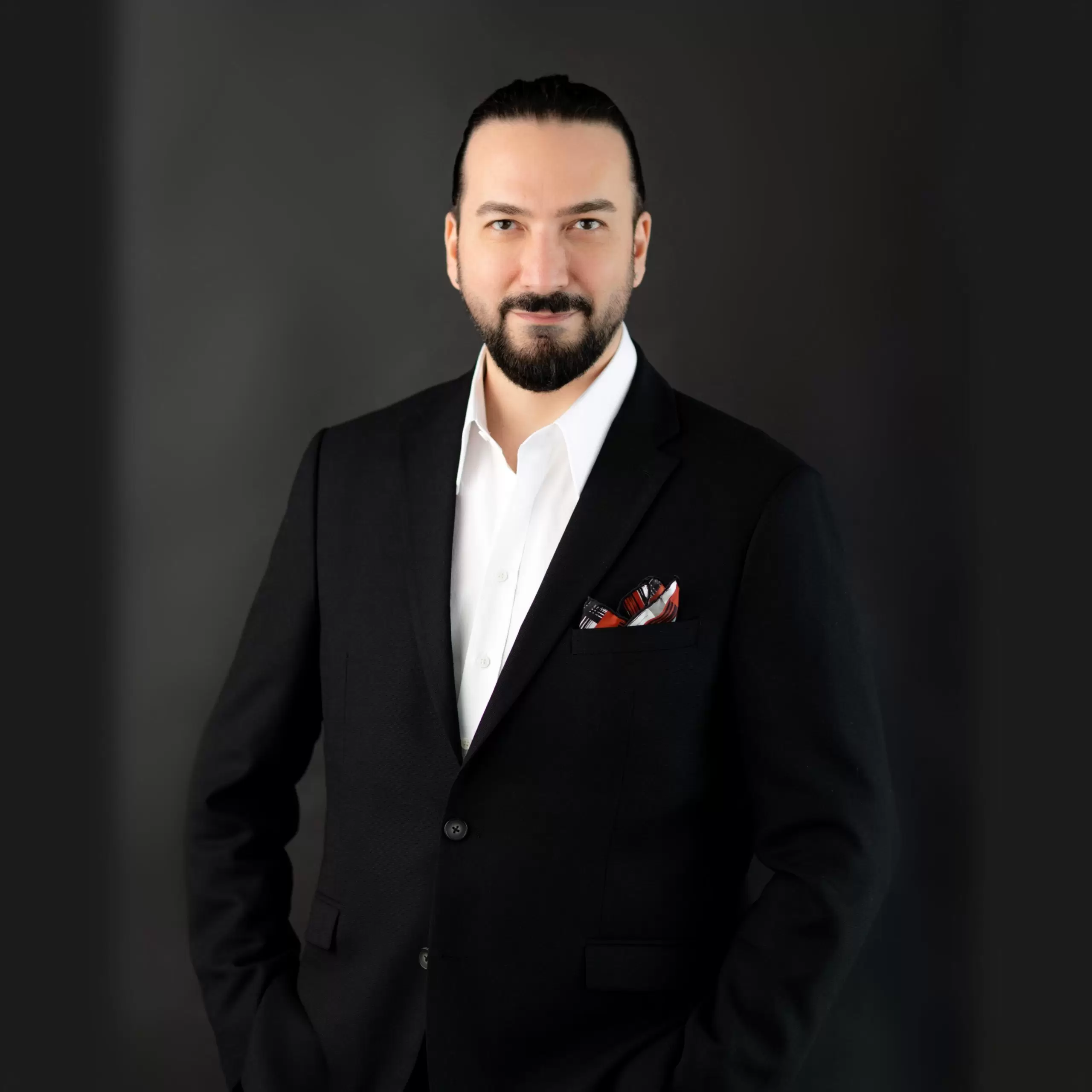
Prof. Dr. Murat Songu – Rhinoplasty (Nose Aesthetics) Specialist
Prof. Dr. Murat Songu was born in 1976 in Izmir and completed his medical education at the Ege University Faculty of Medicine. He then completed his residency training in the Department of Otorhinolaryngology at Celal Bayar University. Between 2005 and 2006, he received advanced training in rhinoplasty, functional nasal surgery, and skull base surgery in Bordeaux, France, working with leading rhinologists such as Prof. Vincent Darrouzet and Dr. Guy Lacher.
Prioritizing natural appearance, the preservation of breathing function, and facial aesthetic harmony, Prof. Dr. Songu is nationally and internationally recognized for his expertise in open rhinoplasty, piezo (ultrasonic) rhinoplasty, revision rhinoplasty, tipplasty, and functional septorhinoplasty. He has participated as an instructor and speaker at numerous rhinoplasty congresses worldwide.
With over 100 scientific publications, book chapters, and more than 1700 citations, Prof. Dr. Murat Songu is one of Türkiye’s most respected academics in the field of rhinoplasty, combining natural, facially harmonious, and functional results with scientific and aesthetic excellence.