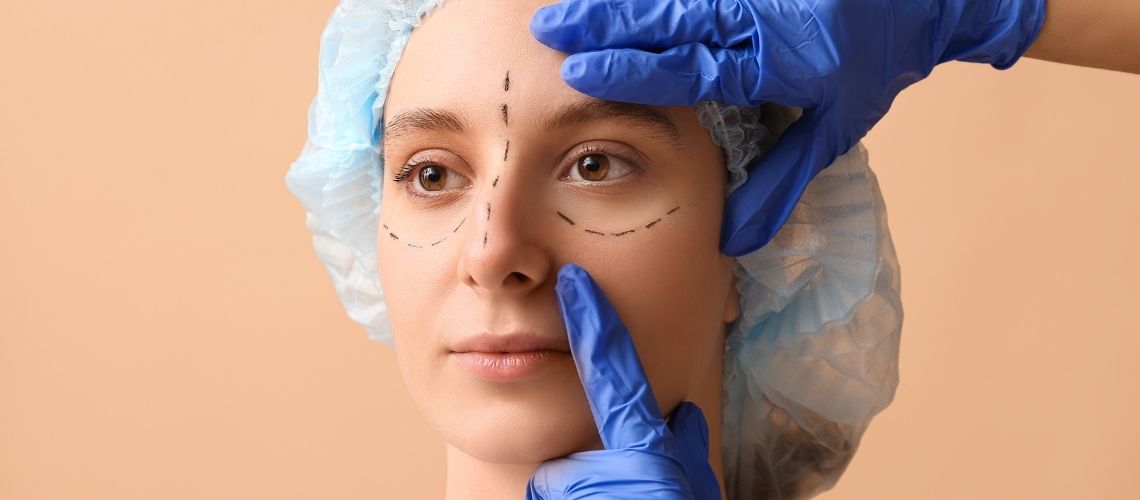
The alar cartilages, which shape the tip of our nose and support the edges of the nostrils, are one of the most critical building blocks of our facial aesthetics. These cartilaginous structures, also known in medicine as the “lateral crus,” are symmetrically positioned on both sides of the nose, much like the wings of a seagull. Understanding this anatomical structure, which plays a key role in the success of rhinoplasty surgeries, is of great importance for both surgeons and patients planning surgery.
In my clinic, I see dozens of rhinoplasty patients every day, and almost all of them come with complaints such as “the tip of my nose droops,” “my nostrils are too visible,” or “my nose drops when I smile.” At the center of all these issues usually lies the structure and function of the alar cartilage. In this article, by blending academic knowledge with my clinical experience, I will present a comprehensive guide ranging from the anatomy of the alar cartilage to surgical techniques.
İçindekiler
Anatomical Structure of the Alar Cartilage: The Invisible Hero of the Nose
The alar cartilages are flexible structures located at the tip of the nose, also referred to as the “lower lateral cartilages,” which determine the shape of the nostrils. Just like the poles that form the framework of a tent, these cartilages define the shape and strength of the nasal tip. Each alar cartilage consists of two main parts: the medial (closer to the midline) and the lateral (extending toward the sides).
The medial crus forms the structure called the columella along the midline of the nose, separating the nostrils from each other. The lateral crus extends toward the nasal wings, supporting the outer edges of the nostrils. These two parts come together to form the apex at the nasal tip known as the “dom.” These anatomical details explain why millimetric decisions are so important in rhinoplasty surgery.
The relationship of the alar cartilages with neighboring structures is also extremely important. They are closely related to the upper lateral cartilages above, the nostrils and surrounding soft tissues below, and the nasal septum posteriorly. The harmonious functioning of these structures determines both the aesthetic appearance and the functional characteristics of the nose.
Developmental Characteristics and Individual Differences of the Alar Cartilage
The shape, thickness, and flexibility of the alar cartilages vary greatly from person to person. These differences are influenced by genetic factors, ethnic background, and the aging process. For example, Asian patients generally have weaker and flatter alar cartilages, while thicker and broader alar cartilage structures are common in African patients. In European patients, a more defined and angular alar cartilage anatomy is typically present.
With aging, the alar cartilages lose their elasticity and begin to sag downward due to the effects of gravity. This condition is the main cause of the “drooping nasal tip” complaint frequently seen in older patients. In addition, trauma or previous surgical interventions can also alter the structure and function of the alar cartilages.
Taking these individual differences into account during rhinoplasty planning is vital for creating realistic expectations and developing personalized surgical strategies. The same surgical technique can yield completely different results in patients with different alar cartilage structures.
In the continuation of this article, I will discuss in detail the functions of the alar cartilage, common deformities, diagnostic methods, and surgical techniques. At every stage, I aim to provide a resource that will be useful both to my colleagues and my patients by combining scientifically accurate information with practical experience.
Functional Importance of the Alar Cartilage: Not Only Aesthetic, but a Vital Structure
The alar cartilages are not only aesthetic structures that determine the shape of our nose but also mechanical supports that are critically important for our respiratory function. Like the columns that keep a building standing, the alar cartilages facilitate breathing by keeping the nostrils open. Especially during inhalation, the negative pressure created toward the nostrils can cause the nasal wings to collapse inward without the structural support of these cartilages.
- Role in Respiratory Function: A Mechanism Working with Every Breath
Considering that we breathe approximately 20,000 times a day, we can understand how intensively the alar cartilages work. Their strength becomes even more important during exercise or in cases of nasal obstruction. In patients with weak alar cartilage structure, I frequently observe inward collapse of the nasal wings (alar collapse) during deep inhalation. This condition causes the patient to be unable to get sufficient air and to resort to mouth breathing.
A patient example from my clinic explains the situation very well: A 42-year-old marathon runner applied to me stating that he had difficulty breathing, especially during running, and that his performance had decreased. During the examination, I observed that his nasal wings collapsed significantly inward during deep inhalation. After strengthening his alar cartilages with a functional rhinoplasty performed not only for aesthetic purposes but also functionally, both his respiratory capacity increased and his running performance improved.
- Critical Role in Rhinoplasty: Millimetric Changes, Big Differences
The shape and position of the alar cartilages directly affect the appearance of the nasal tip. Even very small manipulations of these cartilages can lead to dramatic changes in facial aesthetics. For example, a 1–2 millimeter change in the dom region of the alar cartilages can cause the nasal tip to appear more elevated or droopy.
One of the most challenging issues in rhinoplasty surgeries is correcting the asymmetry of the alar cartilages. These asymmetries, which are congenital or caused by trauma, make the nose appear irregular. Shaping these cartilages during surgery is a delicate process, much like a sculptor working on marble.
- Support Function of the Alar Cartilage: The Invisible Skeleton
The alar cartilages are the main support mechanism that ensures the structural integrity of the nasal tip. The mechanical properties of these cartilages determine the external appearance of the nose while also providing protection against trauma. Thanks to the unique elasticity of cartilage tissue, it can change shape and return to its original form in minor impacts.
However, this support function may be impaired due to previous surgical interventions, trauma, or congenital weaknesses. Especially after rhinoplasty surgeries involving excessive resection (cartilage removal), collapses and deformities may develop at the nasal tip over time. Therefore, the modern rhinoplasty approach is based on preserving the alar cartilages as much as possible and strengthening them when necessary.
- Interaction with Other Nasal Structures: A Complex Balance
The alar cartilages are in a complex interaction with other anatomical structures of the nose. Their connections, especially with the septum (the middle partition of the nose) and the upper lateral cartilages, affect both the functional and aesthetic characteristics of the nose. When the balance between these structures is disrupted, nasal deformities and respiratory problems may arise.
For example, in patients with septal deviation (curvature of the nasal septum), the alar cartilages may change shape over time by adapting to this asymmetry. Therefore, in rhinoplasty surgeries, it is necessary to evaluate the entire nasal anatomy as a whole rather than focusing solely on the alar cartilages.
In the following sections of our article, I will discuss in detail the diagnostic methods of alar cartilage deformities, surgical techniques, and patient experiences. Since each patient’s anatomy and expectations are different, I will emphasize the importance of personalized approaches. I will also transparently share the advantages, disadvantages, and possible complications of both surgical and non-surgical treatment options.
Alar Cartilage Deformities: The Source of Aesthetic and Functional Problems
Alar cartilage problems are significant issues that affect both the appearance and breathing quality of patients. In my 15 years of clinical practice, I have observed various alar cartilage deformities in hundreds of patients. These deformities can result from many factors, ranging from congenital anatomical variations to traumatic injuries, from previous unsuccessful surgeries to the aging process.
Common Alar Cartilage Deformities
- Drooping Nasal Tip (Nasal Tip Ptosis)
One of the most common deformities I encounter, drooping nasal tip occurs as a result of structural weakness of the alar cartilages or their yielding to gravity with aging. Patients usually present with complaints such as “the tip of my nose is sagging downward” or “my nose drops even more when I smile.” This condition can make the facial profile appear older and tired.
- Wide Nasal Tip (Bulbous Tip)
A wide nasal tip occurs as a result of excessive convexity (outward bulging) of the lateral crura of the alar cartilages and is more prominent especially in patients with thick skin. Patients usually present with the complaint, “the tip of my nose is too round and wide.” This deformity can disrupt facial proportions and make the nasal tip overly attention-grabbing.
- Width in the Nasal Wings (Alar Flaring)
Due to excessive outward opening of the lateral parts of the alar cartilages or soft tissue excess, the nostrils may appear wider than necessary. This condition becomes more pronounced especially during smiling, and patients present with the complaint, “my nostrils are too visible.”
- Asymmetric Alar Cartilages
Congenital asymmetries or trauma can cause deformities in the alar cartilages. This may cause the nasal tip to appear tilted to one side or the nostrils to be of different sizes. Asymmetry is one of the most noticeable problems in facial aesthetics.
Congenital Alar Cartilage Anomalies
Some patients are born with congenital alar cartilage anomalies. Among the most common I encounter:
- Congenital Alar Cartilage Hypoplasia
In this condition, the alar cartilages are smaller and weaker than normal. As a result, the nasal tip does not receive sufficient support and appears droopy. Additionally, inward collapse of the nasal wings during breathing (alar collapse) is frequently observed.
- Congenital Alar Cartilage Asymmetry
This congenital asymmetry causes the nasal tip to appear irregular. It usually becomes more pronounced during adolescence as facial development is completed.
- Deformities Associated with Cleft Lip and Palate
In patients with cleft lip and palate, the alar cartilage structure is usually impaired on the affected side. Nostril asymmetry and nasal tip deformities are frequently seen in these patients.
Traumatic Alar Cartilage Injuries
Since the nose is the most protruding part of the face, it is prone to trauma. As a result of sports injuries, falls, or traffic accidents, the alar cartilages may be damaged.
- Alar Cartilage Fractures
Cartilage tissue is flexible, but it can break or crack as a result of severe trauma. In this case, deformity and asymmetry occur at the nasal tip. If not treated early after trauma, the cartilage may heal in the wrong position, leading to permanent deformities.
- Alar Cartilage Dislocation
As a result of trauma, the alar cartilages may shift from their normal anatomical positions. This can cause the nasal tip to appear asymmetric and lead to functional problems.
Age-Related Changes in the Alar Cartilage
During the aging process, the alar cartilages, like all tissues in the body, undergo changes. These changes include:
- Decreased Cartilage Elasticity
With age, the elasticity of cartilage tissue decreases and it becomes stiffer. This causes the nasal tip to lose its flexibility and appear more droopy.
- Effect of Gravity
Over time, the nasal tip sags downward due to the effect of gravity. This is one of the factors contributing to an aged facial appearance.
Diagnostic Approaches to Alar Cartilage Problems
Accurate diagnosis of alar cartilage deformities is critical for a successful treatment plan. The diagnostic process includes a detailed history, comprehensive physical examination, and imaging methods when necessary.
Clinical Evaluation: The Art of the Eye and Hand
In the field of rhinoplasty, the experienced surgeon’s eye and hand are the most valuable diagnostic tools. During the examination, I follow these steps:
Detailed Patient History
First, I thoroughly evaluate the patient’s complaints, expectations, and medical history. Previous nasal surgeries, history of trauma, respiratory problems, and allergic conditions are particularly important. The patient’s answer to the question, “What bothers you most about your nose?” guides me in shaping the treatment plan.
External Nasal Examination
Evaluation of the nose and face from different angles (frontal, lateral, and basal views) is essential for detecting alar cartilage deformities. During the examination, I pay attention to the following points:
- Shape and projection of the nasal tip
- Width and symmetry of the nasal wings
- Adequacy of nasal tip support
- Columellar-labial angle (the angle between the nasal tip and the upper lip)
- Nasofrontal angle (the angle between the nasal root and the forehead)
Internal Nasal Examination
By evaluating the internal nasal structures with anterior rhinoscopy, I identify the source of functional problems. Conditions such as septal deviation, turbinate hypertrophy, or nasal valve narrowing may accompany alar cartilage problems.
Palpation
With my fingertips, I assess the shape, thickness, and flexibility of the alar cartilages. This is particularly important for understanding the amount and quality of cartilage remaining after previous surgeries.
Dynamic Evaluation
By asking the patient to take a deep breath, smile, or change facial expressions, I observe the dynamic behavior of the nasal structures. This is especially critical in patients with functional problems.
Imaging Methods: The Contribution of Modern Technology
Although physical examination is often sufficient, imaging methods may be required in some complex cases:
- Photography
Photographs taken from standard angles (frontal, lateral, oblique, and basal) are valuable for both diagnosis and treatment planning. They also provide the opportunity for pre- and postoperative comparison.
- 3D Facial Scanning
The 3D scanning technology we use in our modern clinics allows three-dimensional evaluation of the nasal structure and virtual surgical simulations. This enables the patient to see possible outcomes and clarify expectations.
- Advanced Imaging Techniques
In complex cases or in patients planned for revision surgery, advanced imaging methods such as thin-slice computed tomography (CT) may be used. This is particularly useful in evaluating grafts or implants placed during previous surgeries.
Accurate diagnosis of alar cartilage problems is the first step toward a successful treatment plan. Since each patient’s anatomy and expectations are different, adopting a personalized evaluation approach is essential. In the next section, I will discuss in detail the surgical techniques used in the treatment of alar cartilage deformities and the patient experience.
Alar Cartilage Surgery: The Meeting Point of Art and Science
Alar cartilage surgery is one of the most delicate and technically challenging stages of rhinoplasty. Since this surgery affects not only the aesthetic appearance of the nasal tip but also the function of the nasal valve, it requires both an artistic and scientific approach. In my 15 years of surgical practice, I have repeatedly observed the importance of using customized techniques according to each patient’s anatomy and expectations.
Open and Closed Rhinoplasty Approaches
There are two main approaches for surgical intervention on the alar cartilages: open (external) and closed (endonasal) rhinoplasty. Both techniques have their own advantages and limitations.
Open Rhinoplasty
In the open approach, a small incision is made on the columella (the middle part separating the nostrils), the nasal skin is lifted upward, and the cartilage structures are worked on under direct vision. The advantages of this technique:
- Full and three-dimensional visualization of the alar cartilages
- More precise surgical manipulation
- Ease in complex graft placement procedures
- Easier correction of asymmetries
However, open rhinoplasty also has disadvantages:
- A small scar on the columella (usually fades over time)
- Longer-lasting postoperative swelling
- Slightly longer surgical duration
Closed Rhinoplasty
In the closed approach, all incisions are made inside the nose, leaving no visible external scar. The advantages of this technique:
- No visible external scar
- Less swelling due to less tissue dissection
- Shorter surgical and recovery time
Its disadvantages:
- Limited visualization of cartilage structures
- More difficult complex manipulations
- Longer learning curve
The choice of approach depends on the patient’s anatomy, the complexity of the deformity, and the surgeon’s experience. In revision surgeries or complex deformities, I generally prefer the open approach because it allows for more precise work.
Alar Cartilage Shaping Techniques
Various techniques are used to shape the alar cartilages. These techniques include cutting the cartilage, reshaping it with sutures, or supporting it with grafts.
Suture Techniques
Suture techniques allow shaping the alar cartilages without cutting them. This preserves the structural integrity of the cartilage while altering its shape. The suture techniques I use most frequently:
- Transdomal Sutures: Used to refine and define the nasal tip.
- Interdomal Sutures: Narrow the distance between the two domes to create a more defined nasal tip.
- Lateral Crus Spanning Sutures: Correct outward bulging of the nasal wings.
- Alar Contour Sutures: Regulate the shape of the nostrils.
Suture techniques are ideal for achieving natural results, especially in patients with thin skin. However, their effect may be limited in patients with thick skin.
Cartilage Cutting and Resection Techniques
In some cases, certain parts of the alar cartilages may need to be cut or removed. However, in modern rhinoplasty, excessive cartilage resection is avoided because it may lead to collapse and functional problems at the nasal tip in the long term.
- Cephalic Trim: Controlled removal of the upper part of the alar cartilage. It is used to refine the nasal tip but should not be performed excessively.
- Domal Incisions: Incisions made in the dom region are used to change the projection and rotation of the nasal tip.
In my modern approach, I prefer shaping primarily with suture techniques while preserving cartilage tissue as much as possible. This allows me to achieve more natural and long-lasting results.
Graft Techniques
Grafts are cartilage, bone, or synthetic materials used to strengthen, support, or shape the nasal structure. The grafts I most frequently use in alar cartilage surgery:
- Columellar Strut: Provides support to the nasal tip and increases projection.
- Alar Contour Grafts: Correct and support the shape of the nasal wings.
- Caudal Septal Extension Graft: Controls the rotation and projection of the nasal tip.
- Lateral Crus Grafts: Strengthen weak lateral crura and correct functional problems.
Grafts are usually taken from the patient’s own tissues (septum, ear cartilage, or rib cartilage). This increases biocompatibility and reduces the risk of complications.
Minimal Invasive Approaches
In recent years, minimally invasive techniques that cause less trauma and provide faster recovery have gained popularity. These include:
- Ultrasonic Rhinoplasty
Allows precise shaping of bone tissue using ultrasonic devices. This technique causes less trauma to surrounding tissues and reduces postoperative bruising and swelling.
- Thread Rhinoplasty
This technique, using special absorbable threads, can be used to correct mild deformities and lift the nasal tip. However, its effects are generally temporary and it is not suitable for complex deformities.
- Filler Injections
Hyaluronic acid-based fillers can be used to correct minor deformities and asymmetries. As a non-surgical option, they may provide temporary solutions in suitable patients.
These minimally invasive approaches may be beneficial in selected patients, but surgical approaches are generally required to correct comprehensive alar cartilage deformities.
Patient Experience in Alar Cartilage Surgery
The experience of a patient undergoing alar cartilage surgery is a journey extending from preoperative preparation to the recovery process. Understanding what patients experience during this period and managing their expectations is critical for a successful outcome.
Preoperative Preparation: Managing Expectations
The preoperative consultation forms the foundation of the patient-surgeon relationship. At this stage:
- Detailed Evaluation: The patient’s anatomy, skin quality, and respiratory function are evaluated.
- Clarifying Expectations: The patient’s wishes are listened to, and information about realistic outcomes is provided. Computer simulations or photographs of similar previous cases may be helpful.
- Explanation of Risks and Limitations: The risks and limitations of every surgical procedure are clearly explained. No guarantee of a “perfect” result is given.
- Creation of the Surgical Plan: A personalized surgical plan is prepared according to the patient’s anatomy and expectations.
Standard preparations such as discontinuing aspirin and blood-thinning medications 2 weeks before surgery, fasting 8 hours before surgery, and not smoking are carried out.
Anesthesia and Surgical Process: What to Expect?
Alar cartilage surgery is usually performed under general anesthesia, but in some cases, local anesthesia and sedation may also be used.
- Anesthesia: Under general anesthesia, the patient is completely asleep and feels no pain.
- Surgical Procedure: Includes lifting the nasal skin with an open or closed approach, shaping the cartilages, and placing grafts if necessary.
- Duration of Surgery: May last 1–3 hours depending on complexity.
- End of Surgery: Tampons may be placed inside the nose, and a thermoplastic splint is applied externally.
First Hours and Days After Surgery: Recovery Begins
The first hours and days after surgery are the period patients worry about most. During this process:
- First Hours: After waking from anesthesia, the patient is kept under observation for a few hours. Nasal congestion, mild bleeding, and discomfort are normal.
- First Night: Patients are usually advised to sleep with their heads elevated. Applying cold compresses helps reduce swelling.
- First Week: Nasal tampons are usually removed within 24–48 hours, and the external splint is removed after 7–10 days. Swelling and bruising on the face may be seen during this period.
- Return to Social Life: Most patients can return to social life after the splint is removed (approximately 10 days), although swelling may not have completely subsided.
I always remind my patients of this: Rhinoplasty results are not seen immediately. It is necessary to wait patiently 6–12 months for the final result to emerge. During this period, the shape of the nose gradually changes and reaches its final form.
Alar cartilage surgery is one of the most complex aspects of rhinoplasty in terms of both technical challenges and managing patient expectations. However, with the right techniques, realistic expectations, and a patient recovery process, satisfactory results can be achieved both aesthetically and functionally.
Recovery Process After Alar Cartilage Surgery: A Journey Requiring Patience
Recovery after alar cartilage surgery is a gradual process that lasts weeks and months. As I always tell my patients, “Rhinoplasty is a marathon, not a sprint.” During this process, patience and compliance with your doctor’s recommendations play a key role in achieving a successful result.
Stages of Recovery: Timeline
First 1–2 Weeks: Acute Recovery Period
During this period, swelling, bruising, and discomfort are at their peak. Patients usually experience the following:
- Days 1–2: Nasal congestion, mild bleeding, and facial swelling occur. Pain is usually mild and can be controlled with prescribed painkillers.
- Days 3–5: Swelling and bruising peak. Bruising may also appear around the eyes. If nasal tampons are present, they are removed during this period, which facilitates breathing.
- Days 7–10: The external splint is removed. This is the moment when patients see their nose for the first time after surgery. However, at this stage, the nose is still quite swollen and does not reflect the final result.
- Days 10–14: Most patients can return to work or school. Bruising usually begins to fade during this period, but swelling persists.
During this period, I recommend the following to patients:
- Sleep with your head elevated
- Apply cold compresses (first 48 hours)
- Avoid heavy physical activities
- Do not wear glasses
- Avoid touching or injuring your nose
- Drink plenty of water and avoid salty foods
2–6 Weeks: Intermediate Recovery
During this period, noticeable improvements begin:
- Swelling significantly decreases but is still present
- The nasal skin gains a more normal appearance
- Sensitivity of the nasal tip decreases
- Light exercises can be started (such as walking)
- Nasal crusting and dryness decrease
- From week onwards, patients can generally:
- Swim and engage in light sports activities
- Be exposed to sunlight using sunscreen
- Perform gentle nasal massage (with doctor’s recommendation)
3–6 Months: Late Recovery
During this period:
- Swelling largely subsides, but mild swelling may remain at the nasal tip
- The nose gains a more natural appearance and feel
- Scar tissue begins to soften
- Nasal functions normalize
1 Year and Beyond: Final Result
It generally takes 1 year to see the full result of rhinoplasty. At the end of this period:
- All swelling completely subsides
- Scar tissue matures
- Cartilage and soft tissues fully adapt to their new positions
- The nose appears in natural harmony with the rest of the face
Expected Functional and Aesthetic Outcomes
After a successful alar cartilage surgery, patients can expect the following improvements:
Aesthetic Improvements:
- A more defined and proportionate nasal tip
- A more refined appearance of the nasal wings
- Nasal projection harmonious with the facial profile
- Correction of excessive drooping of the nasal tip during smiling
Functional Improvements:
- More comfortable breathing
- Reduced inward collapse of the nasal wings during inhalation
- Improved airflow during exercise
- Potential improvement in snoring and sleep quality
However, each patient’s outcome varies depending on their anatomy, skin quality, healing capacity, and the surgeon’s technique. It is not possible to guarantee a perfect result.
Long-Term Results and Follow-Up
The results of alar cartilage surgery are generally permanent, but the aging process may affect the appearance of the nose over time. As aging occurs:
- The nasal skin may lose elasticity
- The nasal tip may droop again due to gravity
- Nasal cartilages may stiffen or change shape
For this reason, regular follow-up examinations are important even years after surgery. I generally recommend the following follow-up schedule to my patients:
- 1 week after surgery
- 1 month after surgery
- 3 months after surgery
- 6 months after surgery
- 1 year after surgery
- Annual check-ups thereafter
Risks and Limitations of Alar Cartilage Surgery
Like any surgical procedure, alar cartilage surgery has certain risks and limitations. I always maintain open and honest communication with my patients and share these risks in detail before surgery.
General Surgical Risks
General risks that may be seen in all surgical procedures, including alar cartilage surgery, are:
- Infection: Rare, treated with antibiotics
- Bleeding: Usually minimal, rarely requires intervention
- Anesthesia Complications: Risk is very low with modern anesthesia techniques
- Scar Formation: A small scar may remain on the columella in open rhinoplasty
Early Complications Specific to Rhinoplasty
Complications that may occur in the first weeks after surgery:
- Excessive Swelling and Bruising: Usually temporary but may last longer in some patients
- Nasal Congestion: Temporarily occurs due to postoperative swelling
- Skin Problems: Skin irritation due to pressure from the splint or tapes
- Temporary Changes in Sense of Smell: Usually improves within a few weeks
Late Complications and Conditions Requiring Revision
Problems that may arise months or years after surgery:
- Asymmetry: Asymmetry may develop at the nasal tip or wings
- Overcorrection or Undercorrection: Excessive lifting of the nasal tip or insufficient correction
- Functional Problems: Difficulty breathing, especially in cases of excessive cartilage resection
- Inverted-V Deformity: Appearance resulting from collapse of the upper lateral cartilages
- Nasal Tip Stiffness or Sensitivity: May develop due to scar tissue
- Graft Problems: Visibility, displacement, or resorption of grafts
Situations requiring revision surgery generally include:
- Significant asymmetries
- Serious functional problems
- Aesthetic issues significantly affecting patient satisfaction
Revision surgery should be planned at least 1 year after the initial surgery, as this period is necessary for all swelling to subside and for tissues to fully heal.
Limitations and Contraindications of the Procedure
Alar cartilage surgery has certain natural limitations:
- Skin Quality: In patients with thick skin, changes made to the cartilage may be less visible externally
- Asymmetric Anatomies: Severe congenital asymmetries may not be completely corrected
- Unrealistic Expectations: Surgery may not always provide the “perfect” nose imagined by the patient
- Previous Surgeries: Revision cases are more challenging due to scar tissue and altered anatomy
Contraindications for alar cartilage surgery include:
- Active nasal infections
- Uncontrolled systemic diseases
- Psychologically unprepared patients
- Patients with body dysmorphic disorder
- Patients with unrealistic expectations
Alar cartilage surgery can provide high patient satisfaction with proper patient selection, detailed planning, and precise surgical techniques. However, like any surgical procedure, it should be remembered that it has certain risks and limitations. The patient’s understanding of these risks and forming realistic expectations are essential for a successful outcome.
In this comprehensive guide, I have aimed to provide information across a wide spectrum, from alar cartilage anatomy to surgical techniques, from patient experience to the recovery process. Since each patient’s anatomy and expectations are unique, a personalized approach will always yield the best results. On your rhinoplasty journey, establishing open and honest communication with an experienced surgeon, maintaining realistic expectations, and undergoing a patient recovery process are the most important factors in achieving a satisfying result.

Prof. Dr. Murat Songu – Burun Estetiği (Rinoplasti) Uzmanı
Prof. Dr. Murat Songu, 1976 yılında İzmir’de doğmuş, tıp eğitimini Ege Üniversitesi Tıp Fakültesi’nde tamamladıktan sonra Celal Bayar Üniversitesi Kulak Burun Boğaz Anabilim Dalı’nda uzmanlık eğitimini tamamlamıştır. 2005–2006 yıllarında Fransa’nın Bordeaux kentinde Prof. Vincent Darrouzet ve Dr. Guy Lacher gibi rinoloji alanının önde gelen cerrahlarıyla çalışarak rinoplasti, fonksiyonel burun cerrahisi ve kafa tabanı cerrahisi üzerine ileri eğitim almıştır.
Burun estetiğinde doğal görünüm, nefes fonksiyonunun korunması ve yüz estetiği dengesini ön planda tutan Prof. Dr. Songu, açık teknik rinoplasti, piezo (ultrasonik) rinoplasti, revizyon rinoplasti, burun ucu estetiği ve fonksiyonel septorinoplasti operasyonlarında ulusal ve uluslararası düzeyde tanınan bir cerrahtır. Yurt içi ve yurt dışında çok sayıda rinoplasti kongresinde eğitici ve konuşmacı olarak yer almış; yüz estetiği ve burun cerrahisinde modern tekniklerin yaygınlaşmasına öncülük etmiştir.
100’den fazla bilimsel yayını, kitap bölümü yazarlıkları ve 1700’ü aşkın uluslararası atfıyla rinoplasti alanında Türkiye’nin en saygın akademisyenlerinden biri olan Prof. Dr. Murat Songu, doğal, yüzle uyumlu ve fonksiyonel sonuçlar hedefleyen cerrahi yaklaşımıyla hem bilimsel hem estetik başarıları bir araya getirmektedir.